



![Understand human visual perception to transform your photos [March 2020 Workshop]](https://i.ytimg.com/vi_webp/zc3xqqbRLQY/maxresdefault.webp)









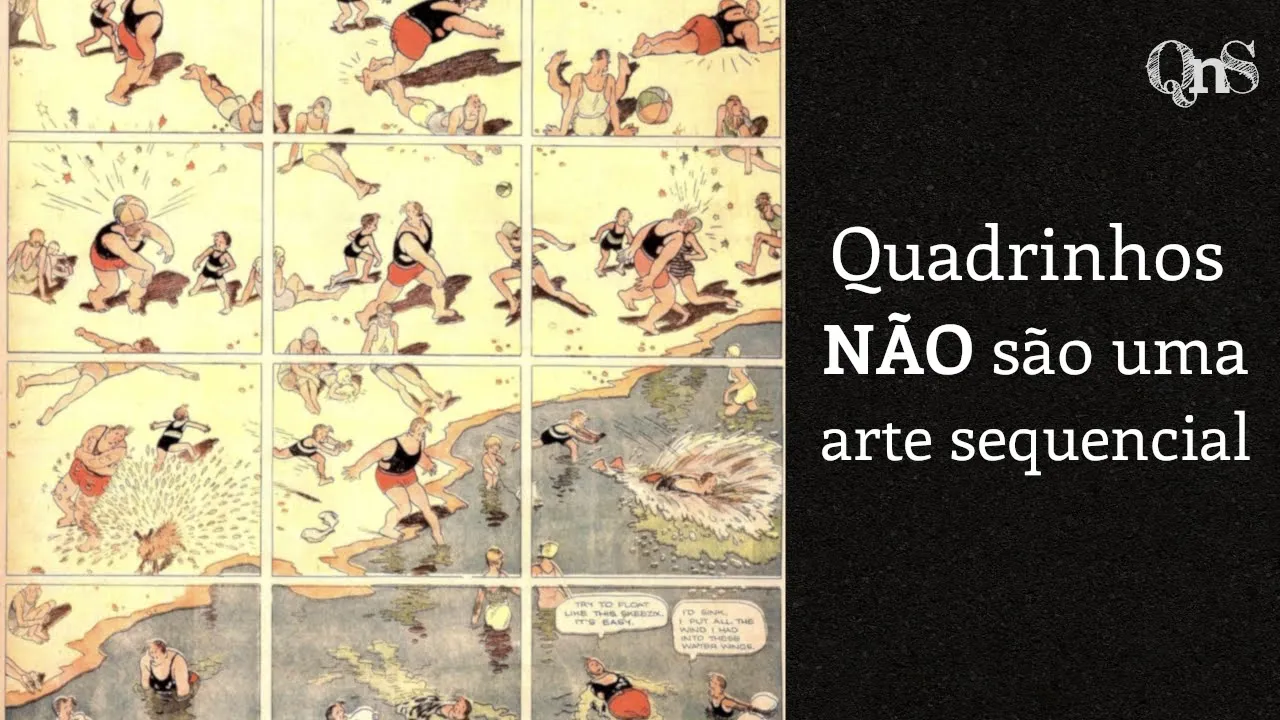




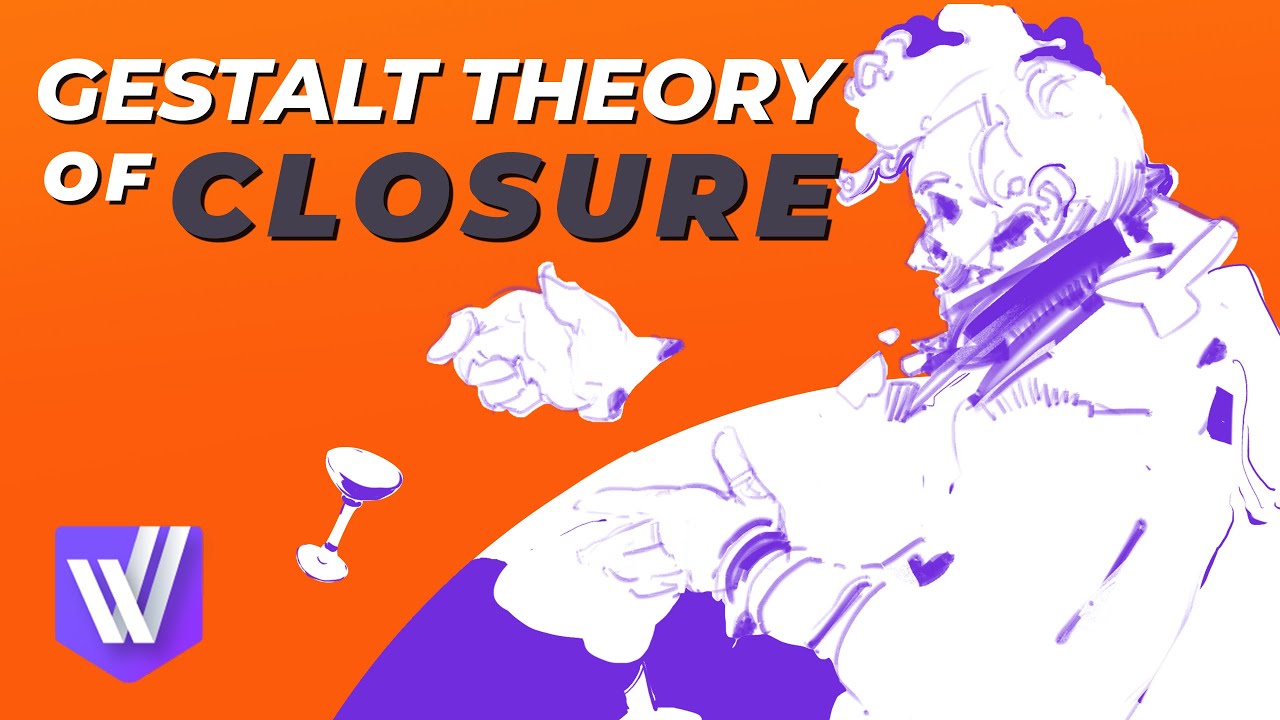



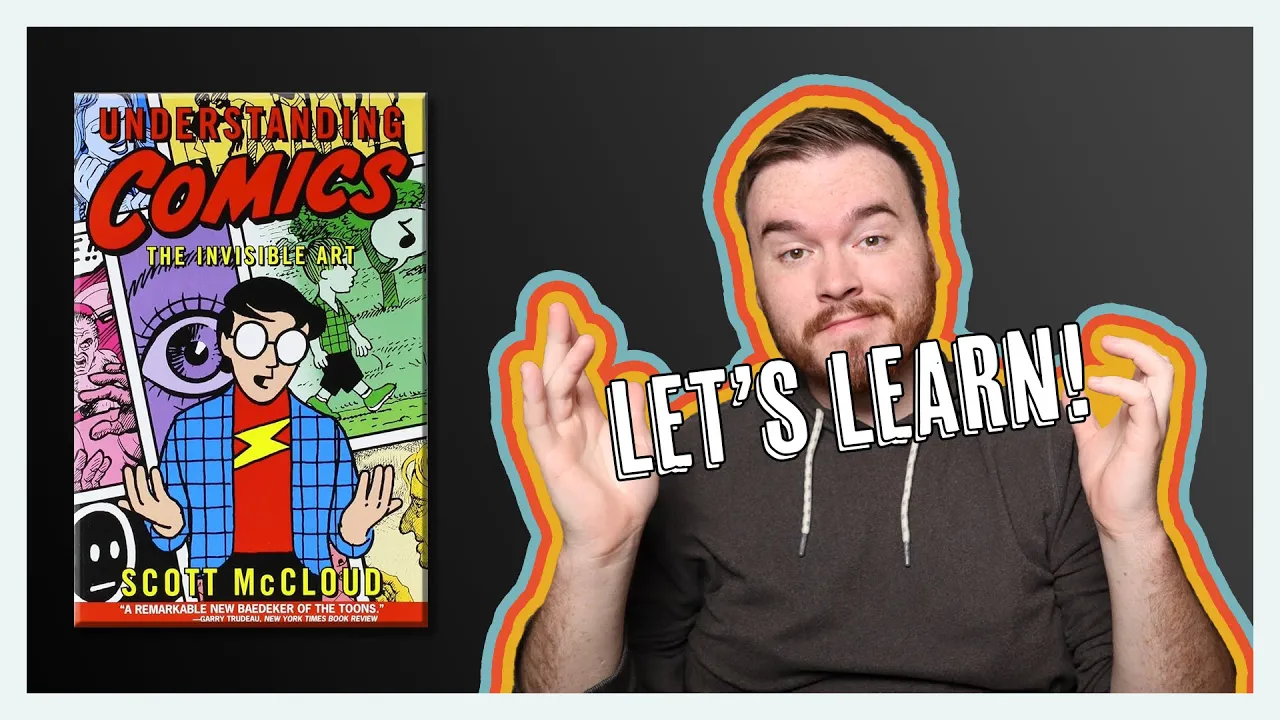

Scott McCloud's 'Understanding Comics' (1993) is a groundbreaking comic book that deconstructs the medium of comics using comics themselves, introducing key concepts such as closure (readers filling gaps between panels), the six types of panel-to-panel transitions (moment-to-moment, action-to-action, subject-to-subject, scene-to-scene, aspect-to-aspect, and non-sequitur), and the triangular relationship between reality, meaning, and picture plane in comics. The book positions comics as a unique form of communication where creators and readers collaborate to construct meaning, and it explores how visual style, time representation, and text-image relationships shape storytelling. McCloud's scientific approach to analyzing comics as a language helps readers understand why they respond differently to various comic styles and provides a framework for both readers and creators to analyze and create comics more effectively.
Understanding Comics by Scott McCloud: A Critical Analysis
Added:this is the greatest page in [ __ ] complex history this page is cartoonist kayfabe live [Music] welcome to cartoonist kayfabe I'm Jim rug my name is a piss cooler and today we're talking understanding comics the invisible art by Scott McCloud yes man this is one of those books that when I was young getting interested in comics taking my art to conventions and getting portfolio reviews one person in particular but many people have told me like you know you need Bridge winds constructive Anatomy comics is sequential art by Will Eisner and understanding comics yeah this is 1993 and there weren't many books like this and Scott McCloud kind of covers that a little bit in the process you know within the book itself there are places where he's kind of explaining that he's feeling his way through this and it will eisner sequential arts book is about the only other book that's like this at all and I mean it's very different it's mostly prose with Illustrated examples whereas this is in comics form it's a remarkable book so I was trying to figure it out like context wise this is your wanted image when this is published to give some context you know it's pre-internet pre-digital coloring being the norm it's amazing it's 30 years ago almost that this was originally published and conceived of and created and we'll get into some of that stuff as we get into the book but I wanted to just kind of like give some of the context for this book because it feels like once this book comes out and certainly in the last couple of decades we have seen comics taught in schools we have seen tons of tutorials online lots of how-to books all of this different stuff at this point there wasn't really too much like that right whatever it came out I think it's sold phenomenally well we're looking at both of our original copies purchased I assume in 1993 know it they're both second prints you know like I thought I bought it as soon as it came out mines the second print so you know I think that the success was there from the get-go whenever this came out kind of took - sells by storm to some extent when we did the wizard episodes are early on whenever the understanding comics stuff when it was gonna be a Tundra book and it was kind of in the air people like Tom Palmer were talking about it people like Patrick Daniel and they were mentioning you that this is going to be a big deal so before the thing even came out you know he was taking that stuff around and people who knew it from comic conventions and maybe he was doing some interview work or something but they knew that this was coming out and it was going to be a big thing and I mean it's it's a genius conceit to like deconstruct comics using comic books write a comic about comics yeah it's [ __ ] [ __ ] genius man and I pull up this back just to kind of show off you know the the heavy hitters that are weighing in from Art Spiegelman publishers weekly Dinah topia buy them by the way I mean we take we take this for granted you know Chicago sun-times Publishers Weekly [ __ ] ballantine the guy who created the paperback right right um who we know connected to tundra from the Kevin Eastman interview you know that this was a guy Kevin Eastman was kind of talking to and with the I of getting you know making books for casual readers books for bookstores things like that Ian ballantine a guy that you know was involved there at least in terms of conceptualizing comics outside of the comic book format yeah but I you know speaking keeping up with the context um this is the norm now this was not done like proper you know print publications were not talking about comics unless it was you know Maus and that heavy hitters from the industry again Art Spiegelman up top here but will eyes in there Jim Lee Neil Gaiman Alan Moore this was a book that had a lot of attention and as such there was a lot of backlash you know I can remember a lot of comics journals letters columns of people sniping at this book and things and I'm gonna point out some things I don't agree with in this book for sure it's not a perfect book by any measure but there's a lot of good in this book and I think if you chose to really focus on the negative of this book that's just what you want to see that's a glass half empty here's here's the the way that I look at that because it's you know with the number of units sold it creates a position where when you dis something you know no longer punching downward so it's the conversations I've had it's unsuccessful people there's a hint of delat jealousy but I think upon rereading this it's been a while since I've read this like I read a million times as a boy but for this video reread it and I think what people are getting crossed up with to a certain extent is um you know there this is us almost like a scientific approach and that's just speaking to Scott McCloud's mind but comics is art and he clearly has like if he's being truthful to himself his mind probably works this way with like a clarity of organization and thoughts to those degrees so he makes a comic that's truth truthful to himself but people are mistaking it like he's dogmatic in the position or that he this is like the end-all be-all this is like you know comics as science and it's like no you're a dumb [ __ ] idiot this guy's just being he's just telling the story that the way that he can tell it you know what I'm saying it's it's introducing a way to talk about comics to say a casual reader for sure which did not exist and I and I remember I think it might have been the same kevin eastman interview or maybe the kirby issue of comics Journal where Groth talks about Marvel does not make comics for casual readers anymore this is the time whenever like American comics and casual reader those two things did not intersect this thing riveted my mother man I like how you go I was 11 years old dude when I got this thing and and you know mom mom is a good parent man she she wanted to sort of know what the hell was in her house I carried this to college with me and my graphic design teacher asked me to buy him a copy of it he collected books and when he saw this it instantly clicked you know it's an example of that format fitting the content perfectly yeah again a comic about comics like of course it's a no-brainer it just didn't didn't happen before this yeah yeah so so it's it's his thesis and it is not science it it's you know it's comics as he sees it and you know like what's wrong in that like how can you tell somebody they're wrong in their approach well they did and the last thing to point out this is Scott McCloud a 12-time Harvey and Eisner Award nominee by the time this was published that was before this which is probably his biggest claim to fame it says inventor of many strange and wonderful things amongst them the 24-hour comic sure and I guess I was probably even around this time but um perhaps at some point we'll put some zot under under the microscope I have the the I guess Macmillan collection of every issue and what's fascinating about it is it starts off it's fairly basic you know superhero type comic but about halfway through you can tell that Zod is just his vehicle for testing out his future comic book storytelling ideas there's all this timing stuff like we this is going to be a big episode I will not rest it's fair we can go down a lot of these rabbit holes all right man let's dive in with all of that set up I'm gonna hit this this credits page for a minute because again some of the names involved stand out to me Steve Bessette a guy who seems to be around a lot of interest in comics activity in the 80s and 90s no game and Corbeau dziak special thanks to Will Eisner eyes are always supportive it seems of comics you know it gets a lot of credit for his contributions but also seems very supportive of like hey next generation future generations new ideas bring it all in I like that part and editor Mark Martin which goes back I think to the tundra days yep and this is the second printing 1993 there's your little intro from Scott McCloud that give some context to the I don't know oddness of this book at the time and the introduction that feasel man a long time space exhibitor and I this is how I discovered Matt feasel essentially man like I might have had a Monday as a bar back up that he drew in the back of Grimm Jack but uh this lunch mat fizzle into a superstar status man this is fun too reading this I realized like MacLeod is 15 years into his career which is I don't know 2016 or something for me so like I'm past that point so for him to have done this this would've been if I did this five years ago this is mind-blowing to me yeah and and just doing taking on a task like this that is ballsy because if you're gonna do it with a with great effect you have to have convictions in the in your statements and by virtue of that you you have to know and accept that people are going to disagree with stuff and I don't actually think a lot of cartoonists would be able to put themselves in that position that's a fair point there were several times going through this book and maybe I should hold off till we get to those points where I was just like conceptually I don't know how you would even begin to put this together you know with some examples that illustrate stuff I want to point this out this is the this is a just terrible printing yeah and it's not just your coffee and I draw attention to this because this is so early like the graphic novel as a model really wasn't a thing there had been a few but but it wasn't a model it wasn't like things started to pick up in the early 2000s this was like how do you even print this or why does this matter I can't believe this I wouldn't accept this in photocopy Hey they met I remember in old articles where they said like beware of like the amount of black you have on the pants because the banding will show up so it's just like the technology wasn't there I guess that's shocking to me we've come a long way just imprinting technologies through alright so here we're gonna start into it now chapter one setting the record straight Edie do you remember encountering this part like actually sitting down and starting to read this book yeah absolutely and it would actually be the very next page where I knew I was in for a [ __ ] treat man because seeing that globe the world of comics and sort of being able to tell what certain things are and and this this says it all you know like this says it all like we're really getting in deep in the weeds here man yeah great point if you just look at these Center couple of cubes you have Kirby's thing hergé's Tintin Popeye crazy cat Dick Tracy Charlie Brown you know that's just a couple of these characters already it's a wider survey whatever I was thinking of it for me in 1993 comics were Image Comics he's and he's credited a lot with bringing like manga manga influence and [ __ ] to American comics and there's like a rally Chan from Akira Toriyama's dr. slump like that is a deep cut that didn't come to America man till like post 2000s way after Dragonball Z so it makes me curious what his collection was like he is an early guy with manga I think you see that in Zod as well definitely yeah yeah I mean he has such a limited body of work that to be credited with the manga influence like that's the only place you could point to it's like that and Superman adventures all right so the first thing that I remember people really going after him over is the definition of comics which is the first thing he sets out to do here and it's kind of unfortunate in many ways it's one of my least favorite parts of the book is is trying to define what comics are I think it is noble and makes sense but it's a really tough you know that's a tough thing to open with and this and this is um you know I'm not a college boy and I just read this this is just and the people who even briskly talk about this it's just academic pissing contest stuff that bores me you know when I was how I feel when I was a little dude going to uh my comic shop was in college town and I would catch the bus and I would get my comics and I would sit there and maybe like get some at the coffee shop or some [ __ ] and I would hear these professors of like Poli Sci in a in a heated debate with some other professor and I'm just like you guys are punks you guys are nerds and you're [ __ ] douchebags and you're just talking hot air and end it and that's what this is and any sort of like consideration to this is just more hotter and it's below me yeah I wrote my notes for it are I hate this and I hate the concept of it even more than the definition itself but its letter of the law you know it's it's lawyer [ __ ] it's academic as you say and it's not the part that I'm interested in this is a cousin of the thing is it comics or graphic novels I don't care I have that conversation of somebody else as long as we understand what we're talking about it's good enough for me I'm not interested in defining this in a way that then you can point and say but what about this here's what I'm gonna say about about this piece though man because we're looking at this as a unit yes but this is a man's life and this is a big piece of work and it took a long time it takes a while to find your footing sometimes man and so imagine that this is issue one of something and it just you know it's whatever issue 2 is gonna be better that's fair and once he gets that definition out of the way and I kind understand why you need something almost all the terminology that he's covering in this book it just hasn't really been laid out anywhere right so he's inventing a lot of language here to try to describe something that has not really been described in this way I see it as a conversation with himself and of just like trying to trying to wrap his head around like what it is like like whenever you see the little bits where people are calling things out from the crowd it's just him making this like that's that's the voices in his own head trying to like add to it man he goes back through history and he has some really good examples of different different examples of sequential storytelling that I guess kind of fit the definition he's laid out which is all good he gets into hieroglyphics and he talks about how they're not exactly what he's describing as comics because they they sort of become like symbols more like vocabulary this reminds me of a passage from manga manga where two Zuka talks about he doesn't even consider his comics drawing exactly as much as like this arrangement of complex symbols and so you know again you get into a definition and you and you paint yourself into a corner a little bit I understand the usefulness of it but I do think that my view of comics is a little bit different than this definition and I think that's where again a lot of the early disagreements and I bet you if we put a tweet out to Scott McCloud right this minute his definition is different I think you're right I think you're right it's it's tough this is a tough road to hoe and it's it's hard but it's like upfront as you said this is just uh this is just the morning workout me and this is his Kobe Bryant you know one thousand one thousand free throws before practice even begins noon the examples that he pulls out of some of the historical comics like storytelling that he is found or I think pretty rich cuz often you see people go straight to cave paintings right and I always hate that I think it's such a cop-out because we just don't really have the context of what was going on with those cave paintings for every art form to claim it but this is great because like it even has like reading directions which is the snake reading style so there are some really cool ideas in here that he does bring out and again like 1993 man I never would have found this stuff ever in my life maybe let alone that early so he does some great research work to kind of bring up these ideas of if not exactly comics certainly sequential storytelling which is really related and this part is more in line with my view of comics good go go back one more page and it's like the first time I ever heard a rude October you know so so it's like that put that put the name on on my radar and it's like well if this guy like like this looks like comics way more than you know the earlier stuff so it's like well I want to see some of this topher stuff yes yeah for sure so I am on board with so much of this stuff that's part of why I harp on the definition standing out to me but the part that I love is whenever we get to page 22 still in chapter one it's like okay now that we've kind of worked out a definition of this stuff let's look at what's not part of that definition and it's no limits on subject matter no limits on genres or styles this stuff is biblical to me yeah and I didn't realize it until I went back and started rereading it like I this is practically my DNA this idea of like comics are all of these things like there is no limitation so much of what I think a lot of people what I grew up with comics was the direct market which is really defined by superhero comics in a lot of ways this is where I live you know for four decades I've believed this from going to SPX and stuff and I didn't realize this is probably where that first enters my consciousness I mean he takes it to the extreme and you know we will see it exhibited later but the extreme of just put two pictures up next to one another and and your brain will develop conclusions and relationships I need to I need to just like blow this up on the walls of my house because after he says no style no subject no nose on row limitations then he goes on to be like there are no tools it doesn't have to be black lines on paper you know like it really again is just everything I believe about comics is on this page so that's huge and I didn't realize quite how big it was until this reread and whenever I saw it imprint on one page was like yeah that's exactly right so imagine when I chapter 2 chapter 2 vocabulary imagine being 11 years old and reading this and just like [ __ ] being soaked like that isn't a pipe yeah this is this is fun this is he does this a few times throughout the book it's almost like comics magic or something yeah his wordplay meta meta things yeah I enjoyed this stuff a lot whenever I was a kid and I still do and it's it's really getting into kind of uh it's all for purpose like it all fits see it does a really good job again illustrating these examples this is one of those illustration of like how would you try to sell this concept it's amazing some of the examples that he comes up with to illustrate these ideas and so he gets into iconography you know the pictures and he breaks that down into what our icons versus you know realistic representations and you can see it was stuff like this right where he's writing the word I instead of showing a an icon of somebody's eyeball or a photograph of somebody's eyeball and all of this stuff was just mind-blowing conceptually to me I think it's worth at some point I wanted to have this discussion and maybe now's the time ed this is not a how-to book oh yeah definitely not what he's doing is like as a comic slifer there are a lot of things that we intuitively know and understand as as lifelong comics readers but the entry point into the medium for somebody coming from the outside they get a lot more out of this then then then we necessarily do and it's stuff like that like this like like the idea that like of course there's not eyes behind those glasses all right it's but it's it's our brains like making connections such a great visual yeah this this is a highly controversial sequence of his conception here man let me turn I think I think he spells it out a little bit more as we go and this is the idea ed of we can relate more to this like like readers can relate more to this than to this this is very specific this is sort of abstract is is that the controversy okay yes and it goes with what I was saying earlier about people you know this is a reasonably scientific presentation of comics and people sort of taking his words for [ __ ] gospel like since we started this channel like we've been there's so many comments where people are like so lockstep with the words we say they trust us so much and I think a lot of readers just imagine like if it has a spine it's like some expert who is giving you like the Word of God and this is Scott McCloud's the philosophy like like how he sees things right so you know there are people we know that who do like very realistic style and like you could do you could do very meaningful stories with our realistic and it's like good for you but he's just breaking things down as he sees it yeah this isn't this isn't law this is not right magma that's it's that's a good point to make these are these are very much exploratory ideas yeah thinking about why does this why do we read this as a face and and how do we use that then as cartoonists the idea that people read this as faces and he goes through I mean this is all about this topic is representation and how we identify with what we're seeing and again a more realistic piece tends to be objectified and a more abstract piece tends to be subjective so there's ideas of icon versus reality subjective versus objective abstraction and simplification and the ramifications of that on a reader these are these are incredibly complex imagine if you were given an assignment or our topic said of like okay this is what we need you to do a comic on it's impossible yeah you only make this cut in a comic if you can't not like it like I said his mind just works this way so he's the guy equipped to to tell the story man there were a lot of great visuals too I don't this is great yeah that's that's the one I was gonna point out so this is this is what he has chosen to draw this book in this style and in a way this chapter talks about why this is if he was good doing more representational version wild stuff wild stuff stuff I've thought about literally since I read this book you know it's it has become a lot of my of my um almost subconscious thinking about how some of the comics mechanics actually work and I think in order to start to play around with these ideas I think you do need to know the world's breadth of comics language and you need to know manga and we'll get into some examples of that shortly yes very soon he a guy who comes up a couple times is McLuhan Marshall McLuhan on ideas of media in representation and that's a little bit of what this is about is kind of like how we identify with what is around us as well so like when we're in a car we're thinking of ourselves sort of as that car in the space it occupies as part of the unit of us I like McLuhan comes up a couple of times because media is one of the things that he positions comics you know within of course but also talks about how it's different than other media and some of the similarities so it's fairly transparent his thinking that goes into this which is great because it is pretty clear another great example where it's like you know he's going along with his face thing but just like using different sort of inanimate objects been to kind of like get the point across in and then and the reasons that you would do this right if you want to portray the beauty and complexity of the physical world realism of some sort is going to play a part as opposed to this is a concept alright so here we're starting to see some examples of international comics hergé's clear line approach to some of the Tintin books and the effect that has on readers and on the story as well as mangas idea of having this character that's almost a standing for the reader but then the world that that character is in is very realistic so as a reader it's like you're visiting this place you're in the story and the the simplified character allows you to be that character I mean that's how he that's how it's it's how he got to those conclusions I feel like with that little face that gets more and more stripped down and he refers to this as a masking effect which again goes back to whenever he first introduces this idea and it's literally with a mask that his character is putting on so well done I can't imagine writing this and then like figuring out how to communicate it and revise it there's a lot of that in here it's really mind-blowing and in some of these different effects that you can do within like any of these examples that he gives so here's a very simplified broken down piece and then maybe you have a close-up where suddenly we do need to emphasize the physical quality of an object or some detail within that world another great example of some of the illustrations stuff that he's doing here on page 47 where he's starting to talk about well he's starting to play with visually what these pieces do so put the face in a word balloon put the words in the face that's really cool replace the facial features with letters I just think it's very inventive considering the simplified style that you're looking at here nobody's gonna look at this and think that's complex illustration however he finds ways to add these complex concepts to it within a very simple illustration elements I would say with stuff like this um probably I would consider this to be a descendant of like the Art Spiegelman breakdowns yes look we're Spiegelman like maybe did some of the early forays in the formalistic nature of the comics page and stuff and that'll be a future show and tell for sure yeah I thought about pulling some of that stuff for this this episode but I think we just stick with this episode or with this laugh because there is a lot to talk about but breakdowns is something that he's going to reference later and before I turn this page this is kind of we're gonna we're gonna look at more of these ideas of like complex the simple realistic - iconic objective - subjective and specific - Universal and so these ideas of like where you kind of level up in the drawing style and in what you're depicting affects these choices and and that's gonna happen several times throughout this book but it really spells this out and of course like the most abstract version is turn this into the word face right so we can go from a photograph to the word face and it all kind of represents the same thing which what are you choosing to use you know in your storytelling yeah and he breaks down faced even further there yes yeah it does he breaks it down into lettering right so that it becomes like it's so if there's so much room for almost the codification of this information and the presentation of this information and how does that affect the audience who's receiving it and interpreting it the way comics can be words and pictures so he even takes it to a place of poetic value or something yeah like a like an illustrated a handwritten illustration style all right so one of his biggest concepts I think one of the most iconic concepts in this book is right here this is the comprehensive map of the universe called comics and this is this is great so in this triangle you have reality in this bottom corner which would be like photograph and you go all the way over here and it goes - meaning where the image part is completely abstracted so like letter forms and words and the top is picture plane so this would be you use a square circle shapes patterns things like that basically complete visual non representational heart and he breaks down a bunch of examples of where they fall with these three qualities which is amazing yeah once again his scientific mind said we were getting a glimpse into the artists brain here because a right thinking person a normal thank-you person wouldn't even gain to try this it's incredible and I used to look at this Edie and I still kind of look at it with the same aw of just trying to understand this and decode it and think about where different things fall it's uh it's mind-bending and I don't uh you know again this isn't how to like I don't know that you would read this and go okay I need to make my character closer to reality or closer to meaning but it's an interesting thought exercise in terms of trying to understand what makes comics magical this this is a piece of that I did make note that uh you know the Jim Lee's Nick Fury is 63 that's amazing because there are a lot of a lot of great great cartoons represented in this triangle in math ghazal a couple of examples of his work from the from the intro here yeah a couple more so this is this is flied like so we just saw that big triangle yes and this is kind of where the individual he takes individual examples and breaks down kind of like where their their body of work or whatever like fits into that picture plane that that triangle like meaning and imagery yeah it's really well done I wonder if some of those names in the beginning that aren't the cartoonists I recognize if some of them are like academic writing advisors because it is thorough it's like here is the concept and here is like a real example of you know let me explain that concept with real-life examples yeah and and speaking for myself here this can be so over my head that this is actually just all [ __ ] and he's just kind of like telling you kayfabe I don't know man it Methos L was pretty good because we know that's that's the the dot and mouth face the line for a mouth face right to the word you know where it crosses over in the language so that one at least lines up in a way I can understand but it is pretty complex some of these ideas yeah so it could totally be BS but maybe not break stone guys like Dave McKean even insert like lining up if you go back one it's like lining up Sergio Aragones yes on the on that triangle with like Dave McKean and and this will um this exact stuff will be talked about in the future when we start getting into the cartoonist career breakdown and stuff which was an important piece to me when I was growing up when I should design my future career it's pretty great like these examples he's now this page is showing like multiple examples on the on the on the scale these two based on I don't want to say Shawn are exactly but like these are alternative comics so you see that there's even a range within what we think of as like genres or subgenres these being Underground's Dave McKean is a good one because a lot of if you took a lot of cartoonist you could plot different positions based on a character or a book or you know a chapter of a body of work there's a there's a note here that he ends this chapter on and it's about the relationship between television and comics and he says that McLuhan identifies these two media as cool which command audience involvement through iconic forms and I wonder about that with television I don't know if that's the case anymore you know television used to be limited you can kind of see this console television here like when I was a kid a twenty five inch television was big like it wouldn't make sense to watch something like Pacific Rim on a television like that you just didn't be like when you saw Stephen Platts artwork on a known cathode ray tube television and we're like what is this is just like gray noise that's how like a movie or something high-definition thing would look now if you watched it on television for the first several decades of television being a thing and so I wonder if that's part of what is being referred to here because television you would see a lot of close-ups you know there were differences between movies and televisions because of the size of the projection essentially and so whenever they're talking about you know icon forms I wonder if that refers specifically to say television I don't know through the 70s and maybe up to the 80s before it really becomes like big screens in high definition never thought about it man essentially what you're talking about is like it has to be designed for the thumbnail right exactly the great example is something like Muppets because like puppets would always require a stage so that the puppeteer was invisible and you just saw the puppet television was the perfect stage and of course Muppets thrived and you know early days of television because it was framed that way so I wonder if that's some of what McLuhan is referencing whenever he talks about iconic because that part kind of I spent some time thinking about it whenever I reread this chapter three blood in the gutter I remember this chapter very well from a kid same eye I bet you like if you interviewed different people who have different relationships with the comics medium certain ones speak to people in like certain ways and I think that like as cartoonists like this is an important one yeah and and again visually very effective like he figures out how do you show this concept visually this might be one of his best examples and he calls this closure and the idea is there's a lot of stuff that we take for granted or we know exist everything behind us we know is there or at least we believe it to be there but we we only know it in our head you know you can't see it if it's behind you we sort of take that for granted and that's part of what comics rely on and that's a lot of what happens in the gutters the connections that we make between panels yeah readers make between pen he does one if you go in the next page a masterful example of it that made me like sit there and think for a second and it's like the Pepsi on sale and he's he would be the greatest guy to play Pictionary with it's like what he's illustrating is the fact that you know that in order for something to be on sale it had to be a certain price in the past like that's what this is his brain like went there and I'm like what's the thought like that's that's an astounding leap yeah it's it's really well done all of the examples you know like he's showing a baby peekaboo because you don't figure this out right away like you're not born with this knowledge of like I know my mother is behind that tower whatever she said you know we were playing this game with it's it's really again really well done in that he's taking these abstract concepts and he's explaining them clearly enough that when I was a kid I could understand them great again calls it closure links it back to this idea of icons and we interpret this more or less abstract image as a face it's kind of built on the same concept and it's a it's a it's a partnership between the storyteller and the audience the audience is filling that in that's the closure part there this book there's a lot of him sort of saying the same things in several in several different ways and this doesn't this isn't too divorced from a lot of the stuff from the previous chapter and throughout the rest of the book there will be these pieces that relate to other things were are frankly redundant he could cut some things down and and we'll sort of get to that all right man we are really getting into the stuff that I remember that really stuck with me and and this is this is the beginning of the comics mechanical part of the comics is like oK we've got two images when we put them together they mean something different than they mean on their own why because we make a connection in that gutter it's the magic it's it's the thing that always fascinated me about comics it's the thing that that like I just was ravenous about as a little boy like what's what when I was post peekaboo period and that kid like before I could even read words I was [ __ ] with comics I still have them and it was for those those reasons I as a four or five year old with no power in this world have all the power to like move about this story as I see fit and I can make the connection of like this punch connects cause and effect it's the beauty of comics man it is and you know the flip side of that ed is that the creator gets the kind to decide how much space and I don't mean physically although you get to decide that too but the creator decides to how much does the reader need to fill in there you know is it the punch right before it hits and right after or is it the black eye after after the effects of the fight you know like like how much are you giving the reader and how much are they giving you know to that experience giving back which again is kind of like style and storytelling and all those individual pieces that make a story unique to itself and and we're gonna get into that right here this this is the six possible connections that Scott McCloud sees between any two images and yeah and and this is um like these two are sort of like the redundant things that I was talking about in a way like the moment-to-moment and action action is the same thing and and the examples are the same you could put this here you can put this there yeah maybe I mean I think if this really is like a UH this is the closest to the filmstrip where you're pulling out you know literally like like second a second braggin or fractions of a second yeah that's fair you know you're not changing a camera angle unless it's a zoom in which is the change between panel to panel in this first one so I I think there's some difference there but very close definitely very close the third one is subject to subject right so we his examples you see somebody being chased with an axe and then you see a long shot and it's a scream sound effect so you assume it's somebody being hit with the axe or people referencing a telephone and then we see the phone ringing obviously connected subject to subject but not literally like mmm happening you know a second apart or something one of the things that fascinates me a lot about comics like the the subject to subject thing in terms of storytelling like how how much in the story can you so by doing these double seemingly divorced images and but getting it to make a connection at the end yeah that's fascinated by that part too sometimes out of necessity of like I want to put this big story in 22 pages short so I need to make these and each image really carries some water car mix is shorthand for sure you know get to get the point across get and get out scene the scene which is a bigger jump may be spatially or across time from one panel to the next aspect to aspect this is just they're related somehow but not in an obvious way it's not exactly like we're going from character to the same character later or the same location or whatever it could be those things but it could be something a little more abstract to how these images are connected and then finally non sequitur which is two images that seem to be unrelated except you've put them next to each other in a comic when I was coming up and I was uh trying to become a job or for Marvel or DC or something when I was a little boy so when I saw this I was like [ __ ] that this is the part you got mad at Scott McCloud this is unacceptable it is interesting you can kind of understand like by including this he covers all of his bases right like once you see those six show me the two images that don't don't have one of those relationships yeah yeah of course and it's it's essential and I we probably have even covered some comics on the channel that that have the non sequitur aspect you know it's a beautiful thing but that's that's a that's a more complex concept you know like a little kid is faking if they pretend they know yeah what the deal with that I think that you'll see it in filmmaking sometimes in video and often it's non sequitur in the beginning and the story gets to a point that connects them the wire season to I always think of that way where it's almost like spider webs where in the beginning it's like how are any of these threads connected right and as the season progresses they get closer and closer which makes them not non-sequitur but you know I think that often that's kind of a poetic way to to link images early on until you see a whole story unfold so again same kind of model he explains this concept here the six possible relationships he sees between two images and then we're going to go through we're going to look at some examples and how they stack up to see if there are any patterns reveal amazing like again I spent a lot of time looking at this as a kid and I still find it interesting and I even want to go through comics and sort of like make my own charts of different weird comics that I've read or comics I've made once again man it's just a rubric and it's and it's this hits that it's Scott McCloud's science and he came up with a theory and now he came up with controlled experiments to test his thoughts man fascinating yeah and and I hate saying it over and over it's not how to I don't know that you could use this in your writing of a comic but I think if you're starting to read comics this could help you make sense of what you're reading or why you're responding to certain things or what kind of comics you might like and why that is and you know the illustration that comes out of this for the most part is most comics at least Western you know like American comics or whatever American European comics most of them you're gonna see like two three and four are the dominant connections for most of these comics and the reason that that is noteworthy is one whenever he finds examples that that break out of that typical format this is a break downs Art Spiegelman's book breakdowns which is an anthology one man anthology of him doing some different stuff experimental comics and you get to see that they chart differently so you know if you're looking for some alternative comics this is a great example of guide to some of that yeah now now I when I was told about this book it was because I wanted to grow up and become a cartoonist and all of that and if you do approach this book with that in mind it really does make the medium of comics seem insurmountable and hard to construct and put together so it's like read with caution because you do sure you don't want to spin wheels as a maker of comics and think about like well I'm going to do number three a moment-to-moment sequence here like just get that out of your butt that's why I bristle with those like little um [ __ ] golden ratio shits and stuff because it's like for a newb to see that it's gonna make them just not want to make comics it's gonna be a specific Scott McCloud like scientific minded person who will see that like oh yes yes of course but that's that's the exception yeah this is not for everyone I think most people if you're gonna read this book you will respond to certain parts yeah and not as much to others and if you read it again in ten years those parts may change around oh man we're gonna cover this on a channel one time yes so great he gets into some of the manga because guess what it uses some of the some of the transitions that we don't see as much in the Western comic examples that he has shown yeah and then and then he by by discussing things like the moment-to-moment why can't you do that in American comics because you have twenty two pages a month man because Jim shooters in charge but these but these manga books that come out at 22 pages a week man you can soften up that story and and since sell a moment all you want man for sure and and here are a couple of charted examples including akira and phoenix and you know some well-known manga in there to give you examples of again alternative storytelling at least alternative to say fantastic for right continuing this exploration about these connections and closure we get into this idea I might note I'd describe this as negative space so it's the stuff that you choose to leave out and then what does that create in your audience and the reading experience and he's using things like certain musicians and different music a play that's an example of mine to kind of illustrate these ideas of what are you left with and then what does that create a painting of the letter n with just a little tiny bits of paint at the top and bottom to create that space and then he shows us an example of a comic with this same concept so this is the same cop the same story if you were just going to describe what happens in this story all four of these examples are essentially the same this guy goes out drinks drives dies in a car accident and this is different ways to tell that story as you say ed this is a spate you know based on space right if you were doing a monthly comic or if you had one page but you wanted to tell this whole story or one strip these would be different ways you might approach that story even though essentially it's the same and he's using the same panels so these are two panels that appear in this longer version that appear in the medium version the short version and then the two panel version I I give an assignment like this whenever I do workshops the assignment is I give me an adaptation of your favorite story in four pages and then break continuously break it down until it is a six panel comic and frankly those are the thoughts I had in mind when putting together x-men grand design it's like I have eight thousand pages of stuff to call into a very narrow rigid specified page count what do you leave in what do you include in my case like you know you have to amend sometimes but you know that's it's just exercise it's it's I think it's so valuable I teach a short story class and it says this is the thing that I think is the hardest piece of it is one you almost need to know your story well yeah an adaptation is a good way to approach it you know it's presumably something you're picking it pick a story you like you know your favorites right so you the idea is you know back in backwards or forwards but once you have the grasp of that story you do have some of this freedom to to edit and I I think I think a lot of contemporary filmmaking I don't enjoy as much as filmmaking that I grew up with because it's much looser now you know in terms of editing the the runtimes have become longer on average and it's frustrating to me because like I grew up with 86 minute movies where you are making these choices like it's a tight 86 or whatever it depends on what you're making too but they're there it's a great exercise yeah and it's a good way to think and and I this is another piece I forgot about until to reread and it's like okay that is something I've thought about a lot you think about it once you get a page count and you've got your story and it's like how do I fit it in that page count it's a fun exercise and it's it's nothing it's you don't you don't master it's it's you always are wrestling with it yeah for sure it creates it's the experience when you read a book and go that was or watch a movie or anything and say I loved it or I didn't that's probably what you're responding to is what they chose to keep in and cut out and these are just again more examples of that here we're seeing just words and so you're left to fill in that space it's almost like movies that show the the violence off screen or something it's always worse in your head and working on previous chapters how does the different stylistic treatments more realistic more iconic more stylized how does this affect your reading experience and what you're getting from those strips and and your brain making the connections that like yes she is waving to him like it's that simple but that's comics that's all comics is you know yeah I've always style has always been an issue for me in terms of I don't feel I have a strong one and I tend to think about style as one of the choices to make in the beginning of a story and it's it's you know like those ideas are covered in this book I don't know if this is where it comes from I think it's from reading a lot of comics and liking a lot of different stylistic artists before you flip yeah like let's get into the illustration here because this illustration was important to me okay I you know seeing that it's like the page he's working on but like looking at the various tools and how he's he's um he is being iconographic and drawing everything like the way it you know like the real objects and stuff so I'm like what is that thing right there because I was always looking at stuff like the mark tech Sierra stuff in the bed that Marvel book and just like okay well I'm gonna need to buy one of those I'm gonna need buy one of those and I'm like what is that thing but just seeing his set up [ __ ] was inspiring this panel was inspiring to me it's like how did you come up with it I have no idea like I'm sort of asking do you think that's an electric pencil sharpener and that's kind of I don't I don't I think it is there's like an ultrasonic rapido Graff cleaner ah yes and I think maybe it's that but we'll have to ask that's funny well okay one more then what are what are these two cylinders here in the front yeah yeah I don't know I'm gonna tweet him after this see what we come up with I was thinking about how much we've talked about his work oh and also of course the cartoonist kayfabe look looking at his stuff in two-page spreads like above his desk like that's genius and is something that I will actually incorporate into my practice right there to like have this setup right here so that you could it and it's his thumbnails it's his thumbnails probably the way he writes his script right for the page man so that's [ __ ] genius yeah that's a good call Wow I did not analyze this this image nearly enough that I'm glad to see these things pointed out alright chapter four time frames the other big thing in comics right is time and how do you represent it for the most part we think of representing time in comics as space equals time so a bigger panel represents more space a bunch of small panels those are quick moments happening some of this is based on how long does it take you to read very detailed artwork to me is a longer duration because it takes me longer to take in those details unfortunately or maybe fortunately it's not it's not a one-to-one ratio like you can't just say okay this is a panel you know for the most part panels are moment in time but not always and so again great example here where a series of events are all happening left to right as we move through the panel time marches on even though it's one panel so the first thing he does is break the idea of there is a rule for how this works there really isn't it's amazing the flexibility of time and how we depict it in comics take a look at any of the most dynamic Jack Kirby covers and that leg in the back that's kicking a guy is in like a different space time than that punch upfront man and that is like incredible I love it too like he finds an ax he comes up with an example and then we're gonna break it apart in a lot of different ways we're gonna really spend a few days like looking at this thing and trying to figure out how does this work I you know like he pulls out this drawing of a rope with the idea of you know 1 inch equals a second or whatever but it even whines like as you watch it it's like well this is three seconds here you know I I think it's amazing and genius to think about again I don't know that you use it whenever you're thinking of making comics exact it's really neat to think about and it's in conversation and and you know someone when we're reconvening and talking about like a fun story or something and like how how this guy did this or that there's an example I was trying to pull it out ahead of time it's within the first 20 issues of love and rock because I just couldn't find it so Jaime hernández because like we're following mostly time moving in this linear way and in this one panel hope he's getting picked up I believe and something breaks at the bottom time moves downward in this panel and it's like one of like the rare instances where like you see this like passage of time going downward in a single panel you know what I mean and it's it's just kind of genius but it's I don't for one second think that that was on Jaime's mind as he was like putting it together his own intuition and his and his just built-in skill set took him to that place that this is gonna happen and this is gonna happen but like that's what the end result is it's time moving in it's like weird wait and it's like it's more than just a second and it's a genius pin I'll have to try to find it but yeah we'll put it up if you find the time is not right here and he goes through different examples of this and how you might manipulate time so this is a very fast panel for example once we start to introduce text it changes the timing because of the time you know if it's an announcer making an announcement that is in the time of the panel's so then we know well that's that's two and a half seconds or something yeah and it's implied that you're so you to read that is like some steps are getting taken while that's going on that represents you know several seconds like he's it and another way to show time is illustrated here as we see repeat the same panel what if we elongate the panel where space equals time or spacing the gutters yes laying out a lot of options this stuff can be used like look for a maker like this is a kind of a how-to piece that you can incorporate some of these tricks and another great example you know like illustrating all of these concepts I tip my hat to the cloud man he really this is the stuff that to me would have taken some time to figure out like how do you represent this visually how do you show it not just telling these thoughts were on his mind for a lot like this book comes out in the 90s probably took him you know several years to like put pencil to paper but look at those the late period Zots he's playing with all this this isn't the stuff that he's playing with in those late period black-and-white shots man um note about this concept of time and the way text can be used to manipulate time I think this isn't early on in the first chapter by his definition of comics he rules out single panel comics right it's not being comics and that's something I take exception with I feel like there's a rich history of that and any any definition that keeps Gary Larson out I'm against but I think that the way he uses or shows words can be used it's sort of like create tension between the image the word and times passage and require the reader to interpret that to me that's a foundational part of comics and single panel comics a lot of them have that mm-hmm so maybe we can abridge that definition a little bit wedge in some of these single panel comics yeah yeah but like when you start talking about that like like are you talking about single panel pages because then if that's the juxtaposition of images you know that's one image after the other like it gets it gets into the this is part of why I don't really care about definitions too much right but but I do think that the timing thing is pretty interesting to think about how how much the time affects it an illustration it kind of transforms it into something else an experience the guy's dribbling it's not just the name a guy you know in mid dribble once we introduce text and add some time to the panel suddenly we're now introducing motion in our minds anyway here's a formal piece about time ed this image bleeds off the edge and the idea is this adds a timeless quality um I love the formal elements of this kind of stuff I think about things like this early introduction to the concept for me I'm sure you know thinking what is the implication of having I think about this a lot still whenever I choose to have a panel bleed off an edge you know where to break the margins like why am i doing that and and he talks about some of that in terms of time this is an example that I think he would lean into as he gets into digital comics and talks about infinite canvas which is not covered in this book but it's the idea that you could read this in different directions most comics this is very very rare to find in a comic book but he's saying you know like it could be a thing yeah yeah and certainly you you basically don't find it in the mainstream you know Chris where can like lead you it's it's a dicey proposition you know we're used to reading a certain direction you got to be a pretty skilled cartoonist to like to UM get us to do away with that that thinking to get us to follow your thing you just got you got to be smart about your approach amazing example yes great this is this is Matt fazil again the guy from the intro one of his comics of he does these stick figures so they're pretty simple it's kind of a visual gag but it goes one panel to panel three four five six but then panel three and six are interacting to create this loop this is one of those things you can only do in a comic yeah but it is breaking reading direction although you can still read it in a traditional way yeah the the fazil example is great because because his his drawing is very kind of like limited in his approach in the strip and in McLeod's this is pretty you know he sticks with the iconography and it lets you know like the values that the cartoonist has in their mindset when they're making comics like he's not trying to learn about double lighting the figure and like [ __ ] like his stuff is conceptual like his interests lie there that's another thing that I love about comics is like you see a comic made by a single person you can make some projections and and get some clue into the profile of the person making it and you know this is like probably one of the greatest examples and I don't know Scott McCloud but I imagine it's pretty analytical yeah yeah this this introduced me ed to the idea of comics is language and it's not explicitly presented that way but in my mind that's what I remembered about this book and something that I continue to think of so the next piece of the time chapter is the idea of motion which of course is related to time so again building on these concepts and brings in some art history brings in film and early ideas of projecting images and making moving images through that projection of sequences and then showing some examples of futurists and more so - amp with the nude descending a staircase the idea of trying to capture most motion in static images and then of course motion and comics which is such a fascinating concept to try to convey any of that kind of stuff man you know energy or any like like how do you do it it's hard enough trying to figure out how to draw a nose that projects you know in three dimensions a person's face but now we have to get motion across and it's great you know like these are some different examples that he comes up with from comics of how you might approach motion in comics so some of them are referencing film techniques right an object that's moving too fast for your shutter speed or a photograph of an image this isn't a photo but I mean referencing the photographic technique of an image in motion that's in focus then your backgrounds out-of-focus ghosted images and referencing some of the artists who use these techniques famously motion lines a lot of a vocabulary again for comics making because we understand these things as motion and maybe every reader doesn't you know if I if you bring this to your mom who doesn't read comics or something that might be something that this would be a primer for and be like oh god it make sense had trouble had trouble as a kid with certain thanks man you know tried to explain that tictactoeboard and Archie's hair you know what is that I got Scott to explain that one so I think this is a great chapter I think it's interesting to connect the idea of sound and how sound is represented in comics with the idea of time as well as motion and how motions represented in a static image and how that affects our perception of time very complex yes well done very succinctly described by Scott McCloud in that chapter if I had to make a bet I would think that chapter 5 living in line is your most important chapter I live by this chapter Edie I did not remember this chapter interest until I reread it even then you know like I don't know I don't know how much of an effect this had on me I don't know if this was a concept that I really got into until I started making comics which would have been you know seven years after reading this probably that is like that's sort of like what they mean by like you know when a student is ready the teacher appears kind of thing it's just like you can't take in the information if you're not ready and it's like maybe you gotta get a couple pages under your belt in order to even understand this as it from a makers perspective yeah because you sit down with your with your idea and your story and your pencils and it's like how does this what does the finished version that I'm gonna show the world look like it's a big question mark I love this chapter though this deals with art and style for communication is the way I would sum this up the idea that you know certain marks have an intrinsic understanding to them you know he describes some of these as I like the cold one I think is pretty interesting reminds me of some 80's graphics totally loud you know like some of this stuff is very clear and some of it's not as clear you might develop it as a cartoonist that you would come to understand this as a reader because I use this to always mean you know some certain emotion or association with the character or whatever the you know whatever you assign that visual value to but it was the idea that you visuals can carry more weight than just a literal representation of something you're drawing look what happened to my printing of this manner I feel so cheated Denis kitchen man give me my money back how much money must he have made off of this book the total kitchen sink and tundra are merging and they're hemorrhaging money both of them like what's going on this is a perennial celery still [ __ ] it up man speaking of perennial sellers I meant to say this in the beginning when I started reading comics the big perennial sellers were Mouse Dark Knight and Watchmen and within a couple of years of understanding comics coming out I always felt this should be listed with those other three books because this will be caught in a lot of classes it seemed like it was always in print yeah it should have been one of those is like a perennial seller and on if your college classes teaching comics this is probably on the required reading list yeah for sure for sure the only difference is then come out in 86 so again showing some examples in the art world of this idea of art and style and how different styles can contribute to what your response to that piece is this was important to me man it's like you know any art education I ever got I've essentially got from myself yeah so having the idea in mind it made me understand like you know when my very provincial parents are like I just don't get it you know like this piece of order that it gave me at least some understanding you know like I'm not I don't jerk off to that [ __ ] so but just to have it clearly leg laid out here it's like okay I see yeah I think this stuff is a fairly basic concept that does make sense there's a lot of stuff in this book that once I see it or if I'm aware of it it's like oh yeah of course that's obvious but also a lot of the stuff it was the first time I was being exposed to these cons that's what this book is it crystallizes your intuition in a written way in a clear way he communicates it clearly and you say you can't put a price on that man you can give this book to anybody who's like looking at you like you know you're you're a weirdo or something and it's just like well this is what I do and they could at least get some understanding I always think like genius is the the thing that the people come up with where as soon as it's out in the world you're like why didn't I think of that yeah because it's so obvious like you almost don't want to give them credit except they're the ones who did it yeah sure sure and and that's the linchpin of so much or I am stuck on this page for a second because I want to point out Rory Hayes underground artist this is a deep pool in my opinion in 1993 Rory Hayes will do a show and tell about one of these days but an underground artist I liked a lot I was surprised to see his art included here a couple of times on this reread how I discovered the name pretty deep man and putting it next to Charles Schulz Oh turned up amazing turn the page this is this is the greatest page in [ __ ] combat history this page his cartoonist kayfabe live well said Edie you know what I'm saying love it love it very much so represents the channel in every way so this is again pretty basic what we've described here this concept right different styles have meaning in and of themselves well that's not enough for Scott McCloud let's build on this and he starts to link that to the previous chapters on iconography in this idea of like alright so here's my style for smoke or whatever it's not at all smoke it's this iconic thing that we all recognize the smoke and then it goes one step further and gets into these weird abstract things of like stars circling somebody's head or sweat drops flying off of somebody it really starts to blur the line of like what are you looking at like that's not--that's not representative of something nobody's projectile sweating these giant drops but we all understand it because it becomes this like comics iconography that is unto comics itself or we don't and that and that is that's a good point a lot of the trouble that people have with manga yes you know because it's a dip it's a completely different idiom different sensibilities what is that big booger coming out into their nose like like what is the purpose of that it looks stupid this character's realistic one second and then his mouth is three sizes bigger than his head the next like what the [ __ ] is that like and that's a different set of cultural values and understandings that then that we don't have you know I'm glad you say that ed because that it translates in a lot of ways to it's not just manga or whatever it's something that has creators we office young creators myself you know this is first-hand experience I take for granted what's in my head is like okay here's here's my comics there might be a few ways to interpret what I put on this page in my world I'm myopic I know what I intended it makes sense to me this is how everybody's gonna understand this page this image this panel and it's like no it's not and of course culturally you see this you see it with use of colors you know we all have sort of color coded but that changes from from culture to culture there's a lot of ways that we can miss on this part of understanding these kind of like symbols and icons and it's something to keep try to keep ahead of as a storyteller right and you know show your work to your friends see what comes back show it to strangers see what comes back to see if these abstract symbols that we're using if they're reading the way we intend them to read Scott McCloud are you watching this man go get a fresh copy dude look at that man hot off the press like that that's [ __ ] up and while you're at it Scott if you deliver it we'd be happy to put you on camera and yeah for sure he took advantage of an 11 year old ah you know that's messed up I don't know if that's him or Dennis kitchen either or either of you guys can make it right peel box three zero seven one getting wrapping up this chapter here I think we're wrapping up soon is some further illustration of this concept where you're using these different types of drawing approaches for narrative purposes so something that's not clear in your illustration might be by design and showing some effects of that lots of applications for all of these different things using that kind of expressive drawing in your sound effects or in your lettering and by the way like all of these things that he's laying out here this is why you have to like do the pencil part of your stage in silence because you have to have full thought when you're sitting there like composing your pages men and and and have some of these kinds of thoughts in mind and if you're just kind of hacking something out you're not thinking about that stuff and it's just gonna make a black page I forgot the most important part of this chapter the word balloon this is the combination of this chapter the most abstract of all symbols and whenever he's talking about some of the earlier examples of like comics and prototype comics word balloon is the piece that is like the last piece added to comics this is a really complex weird tool I've seen I've seen cartoonists complain about this and how it's kind of this cumbersome awkward piece but it's also the magic that is comics like that's a really wild invention yeah and and you think about the history of comics and it's like genius cartoon it Wednesday Mackay for all of this illustrative genius and all of that he even kind of like when he was inventing it kind of got it wrong it leaves like you know draw the balloon and I try to fit all the words inside like wait how do you even get this across Will Eisner in his book spends a pages trying to like explain board balloons and like the purpose and what they represent and stuff he expresses it with like say hot air we're gonna have to look at that book definitely um and then you know like finally ultimately what some of these drawing styles hint at and get to is the idea of how do you make comics include more of the senses rather than just sight it becomes like other ways to express emotion and to kind of like reference your the way you interact with the world and understand the physicality of the world around you how can we represent that in a drawing you know communicate that through drawing so that's that's kind of a summation at the end of this this chapter chapter six show-and-tell this isn't this opening of this chapter I remember very vividly it's funny what sticks with me and what doesn't I must have read this whole book as it is you know whenever it came out but then parts of it I remember clearly in some parts I don't remember at all this part I remember very clearly and this is getting into the relationship literally between the words and the images as you can imagine one of the more complex parts of comics making yeah this separates the Champs from the shops man because you know you see a lot of redundancy and it's just it's just like it's inefficient it's it's sophomoric and you could and we're we're in a stage in the culture now were it's frankly becoming unacceptable to the readers to like have such some childish storytelling approaches yeah he spends the first couple pages showing us the history of words and images together and then separate and I always find this interesting I think the Internet has changed this but basically words and images work together for a long time you know you cease referencing some of this even like hieroglyphics and stuff where they're kind of the same thing but they get separated out probably around I don't know exactly when I always credit the printing yeah the printing press is when I think of two but it probably happens before that a little bit and then for a couple hundred years we have them as these separate entities and it's almost childish right if there are images as you get older you're supposed to grow out of the idea of having images with your words now it's all back together I saw a press release recently that was like an old I say old style a press release that would have been like the only ways press releases were done in the 90s the time of this book or whatever it was all text I couldn't read it it was like what is this word piece or something you know like it's it's almost unacceptable now to just have words like historically if if we continue on the path we're on we're gonna look at history is like there was this one brief period where we separated words and images why did we do that we're making a lot of cultural discoveries about like how weird little blips in or in culture were thought of as being the norm but it was just a weird confluence of things happen to create this like perfect thing that became an ideal but it's really not at one point he kind of describes you know as words and images separated the the images came to represent the visible and so you would see almost like a realism was sort of the chasing of the images while the words describe the invisible you know emotions senses spirituality philosophy things of that sort and he then puts that on to his triangle as these being the extreme to bottom corners right meaning right and then eventually he goes back into like art history as art starts to move away from that idea of representation and you get into like even abstract ideas 20th century art you know this movement away from representation so it's kind of neat to see how those two words and images evolve pre comics are outside of comics just as like a parallel history of these two things on their own and then they start to come back together in the 20th century in the nineteenth century and then certainly in the 20th century with things like comics so for a bit their comics are kind of ahead of where we all are now culturally this panel he has the concept of I think what you were talking about Edie how do we make the words and the images work together it's not great art plus great writing equals quality it seems like it should work that way but that's not at all the way it works yeah you know when he would do promotional stuff for this he would give the example of I don't know that Leonardo da Vinci would make a good comic you know I'm not sure about that and it isn't it's a different set of tools every great cartoonist who you know it has given interviews they talked about the separation of comics making and drawing it's it's it's different things you know it's it's drawing is seeing you know like but storytelling his comics yes and he positions comics here as new media even though it has centuries of history you know that he kind of notes in this book but as new media it kind of starts out imitating its predecessors and he has examples of how film you know or movies sort of where like stage plays whenever they start out you know and they evolve and the idea that the attitude and the way we view this new media has to evolve if we're ever gonna kind of like expand it yeah basically you need two old codgers the [ __ ] die so that like the kids who grew up loving this [ __ ] can change the zeitgeist and he says you know words and pictures in combination is not his definition of it would kind of goes through here it would be Jim Selleck ropes in the back of the spider-man pages whatever Todd says he could make a comic without words though and then he gets into the meat of this chapter which is looking at the way the words and pictures can relate to each other so this is similar to panel to panel you know the different options for panel to panel different ways to depict motion all these different examples that he's shown up to this point here we're gonna see different handling of that text and image relationships and the way that effects storytelling ultimately it culminates with him it culminates with him using this strip and then using these different relationships that he describes over these several pages as you know in parallel additive montage interdependent do a specific picture specific and word specific I tend to be very image specific which is ah is probably comes from the idea of tell the story without words which is what I saw in a very early submission packet from Marvel mhm and always valued and then when I found wordless comics it was even more so it's certainly not the only way to go about storytelling which is something again to keep in mind if you're reading this as a how-to or if you're an aspiring creator these are all tools you can use all of these you know you can use them all in the same strip you could use them you know on the same page even and and we're gonna see how these might look with different with you know with the different approaches but to the same set of images and he kind of gives an explanation of what you're seeing which approach he's using it's pretty neat it's kind of a different approach you know most of my thinking about making comics is so centered around the images that I don't always give this kind of thin consideration certainly you see it in different comics you read I think Alan Moore is a guy who is you know you can see a lot of examples of these kinds of different ways to use words pairing them with images and to create that dynamic and the dynamic is the is a big part of what I enjoy in comics Dan Clowes I think often does some really interesting stuff between the dynamic of the words in the text versus the image and it's a thing that I think some people struggle with reading comics I know people who comics and they mostly just read the word Sodor depending on the relationship you're putting out there you'd be lost if you tried reading most of my comics and not look at the images yeah Chapter seven the six steps I love this chapter Edie this is one of the chapters I did not remember very well going back through it I absolutely loved it this first part is possibly the inspiration for the time McFarland interview when he's telling a caveman metaphor not really this is this is a the first bit here I don't like that much and it's Scott McCloud trying to illustrate art and how it functions within human culture so besides reproduction and survival whenever you have some free time he finds that you know as your mind wanders and you're doing things with your hands that's the the genesis of making art this is one of those things that whenever there's like a catastrophe or a tragedy um comes into my mind though about like you know this is the vocation I've chosen ina Levin right I wasn't yet a professional I had to wrestle with some things man because it's like well what is the purpose that's one of those unanswerable questions you know I mean like that's a life question it's a values question it's it's it this is fun but this is a little bit of decoding cave painting to me like maybe this is it maybe not like I think religion is closely related to it it's it's there's meaning I think associated with it so I think it's a very personal thing and it's probably gonna vary from person to person especially like why do you make comics or why do you make art I think that's probably gonna be a very subjective answer a lot of people but after this he moves into this concept of the process of making art and according to him it's a path consisting of these six steps and I don't disagree with any of these this is amazing its idea and form of your first two and as he goes through and kind of lays out this process he also will ultimately put these two as versus each other you know like your your reason for wanting to make art probably according to this boils down to one of these two reasons maybe you love comics and so it attracts you to sort of make them that would be a form thing or you have an idea and the form you choose if it's comics or you know it could be anything could be video or painting or whatever but that's the way you choose to express the idea that drives you to make it so and then you go through after your after your idea and you've decided on your form you choose an idiom which is kind of like it could be viewed as genre style it's a tool set like they're in a Neil Gaiman master class he he calls it toolshed his toolshed yeah exactly it's a language in a lot of ways structure is basically putting it all together and this applies to both composing individual from composing an individual image to composition of an entire work in this case you know imagine this book right this is the structure of this idea of understanding comics that he's putting together and then fifth is actually making the work which is craft which we all love and as he goes through and explains this craft is one of those things craft and surface that a lot of us enter wanting to make comics from that direction you see an artist you love or a book you love or character you love and you start with drawing that character and start figure out Anatomy and start figuring out tools to do this without getting into sort of the substance part that you know like you've heard you've been wrestling with the idea of call a cartoonist and penciler cartoonist penciler yeah yeah that's a good that's well said very well said and he traces through like a couple of different people as they pursue say a career making comics and how they get on that path how they develop you know along the path and in some different development directions kind of like you said ed with penciler versus cartoonist you know somebody who's driven by that idea probably is more of the cartoonist somebody who is driven more by the form may may be very happy as the pencil ER I love the sequence though man like I was gonna be making comics when I grew up and I from age 11 like I see some of these as pitfalls pitfall careers man and moved accordingly going forwards will say this was one of the chapters I did not have a strong memory of loosely remember some of it but I didn't react the way you're describing of like recognizing this is the path I probably should have it probably would have served me better but it wasn't it wasn't the piece that I responded to exactly I like this he's this is getting into this idea form and idea and showing some examples which is always fun I don't know if I totally agree with the examples that he's showing for form necessarily but that's okay you know it's more of a concept of like where are these storytellers coming from these are people that are more driven by ideas and he also includes some examples from other art forms which is really interesting to see like where he positions you know Orson Welles formalist which I can see that you know yes it doesn't came to acaso formalist right so pretty pretty kind of pretty cool to think in these terms to me this makes total sense to me now it was something that I mostly glossed over whenever I'm you know 13 or 14 and trying to wrestle with this but now it stands out it makes sense to me but I look at it with different eyes as well I mean there's a one panel where he's like the the super competent whole cartoonist is like looking over at like the at like the superstar guy and this is scott mccloud idea of a cartoonist and he's like all it's all surface and I read this as like oh he's just jealous yeah like he uh he's just jealous of like cuz like this guy has more juice you know all that kind of thing man rain is like well I'm trying to be to do with the juice by the way this this panel still works today like I've seen this this scene in many comic book conventions oh yeah and you didn't you talked with like like it's like I always wrestled between because like we're in that like weird position of straddling mainstream comics and independent comics and I and I make those calls sometimes in my mind like like who do I think is cooler like the flag-waving fanboys or like the indie cartoonists who cuts his own hair and I actually go with the mainstream comics people man so this is a really fun chapter I think it's a uh it's a thought-provoking one you know why am I doing this I've asked myself that in the past chapter eight a word about color this is one I thought would be extremely dated because this is pre really digital coloring revolution pre digital coloring with web comics just a very different time period and but I actually found it quite insightful and in some cases prophetic so he gives a little background again on on the history of coloring and printing in color and stuff like that and then gets into some comics use of colors I found this part interesting looking at like American superhero comics he suggests that he describes it as emotional gray you know the color is not being used for a subjective quality but the flip side is these characters are like color-coded which he equates to modern mythology where like these colors are symbolic of these characters kind of interesting he also describes the effect of coloring this way as being very shape intensive which is these couple of panels where he's illustrating this and I think that's interesting because man I think about shape a lot and so you know he part of it is the flat colors the use of flat color which is a big history of American comics certainly and probably most comics I'm guessing but that emphasis on shape as a result of using flat colors is something I don't really give too much thought to but it's like man I do think in terms of shapes so obviously it's in there you know it's almost something I internalized early on yeah and as soon as you say it you could just like rattle off examples look like great uses and stuff yeah and and he and he has some examples of these different cartoonists kind of illustrating what he's what he's describing of course as we've said very good at that and then he brings in some other examples so you know like probably the apex of that flat color being the clean line style of like a Herge and he describes it as completely objective the world in her Jay's work compared to a more subjective approach to color that starts to show up in cloud Clavel Loy her work was recently reprinted I have a piece of it's it's the green hand is the book that just came out maybe in the last two years Dan Clowes does the forward or introduction for it but I have a story of hers in an early heavy metal which is interesting because Mobius is another one of the artists featured here and I have a heavy metal with with both of those stories might be the same issue that's even so but the idea of using color as a subjective tool and subjective tool in your tool belt as a cartoonist is something that we wouldn't have been seeing in say Marvel DC mainstream comics of the 60s and 70s but was starting to show up in some of the European stuff you see it in like you'd see people use the mechanical like a Klaus Janson use the mechanical approach to try to try to get some emotion and stuff in there but usually it was it was a got a colored three comic issues today like yeah get the work done you mentioned Klaus Janson probably the 80s right is whenever we start to see some artists in American comics really thinking about like how can we use color I always thought that this is just so [ __ ] beautiful and and I would and he says that Devon and he says that it's like it it's incongruent or something but I'm like that's a major like I look I love all of this like like why not color a comic with color pencil that's so funny you say it this is the part that I was thinking of is prophetic in terms of once digital color shows up to me it seemed incongruous with the flat black line even once people start doing all the modelled color so that's that's I can see the response to just like the surface yeah yeah because that's a tool that we all use to like that was always helpful like I never tried making color comics because it was inconceivable to me Wow to even do it I don't have a tool that does that kind of color like what is that yeah I always thought of it as like an expense issue and I wanted to work in independent comics and that was just like an impossibility right which was a huge it was an expense issue forever probably tilled the 2005 or later whenever colors you know whenever digital really and international printing revolutionized some of those cost but he mentions that expensive option you know like like learn to work and learn to be bold in black and white because it is prohibitively expensive so that's something that has evolved a bit how do you think you would get these colored pieces in like a pre Photoshop scanning TIFF file you could do a photographic there was a separation for a color that would come from a photographic process so similar to like a half toning process but you know it was done like a photographic process chapter nine putting it all together one reason to think about comics as an art form it's one of the few art forms where one person you know like a mass media one person can can really create that yeah it's very unusual and the diagrammatic version of that is it comes from my mind through my hand to the paper to your eye to your mind and it's not filtered through something like he gives examples of other mass media so like if you're doing film or you're doing a play or something he says you know you'll hear from these guys like how much of your vision makes it into that final product and you'll hear 25% ten five few claim more than thirty percent that's one of the really rich pieces like I've often thought about what advantages do comics have over these other media and think in those terms when you're making comics you know like make the most of the of the format you've got there and that's a big one is it's like I can make this all myself so like good bad or whatever you're getting this like personal you know version of something of an idea of a story as a reader it's it's what I've needed in like I would have probably have moved on to something else beyond comics as a reader twenty-five years ago if I wouldn't have discovered independent comics that sort of get across like a single person's vision good like that like because that fascinates me just to see for sure that exact little diagram thing like individual voice he discrete he calls it here I read constant [ __ ] job or corporate comics if they were just done by one person you know it would be so much more interesting to me I think that in this again this is thirty years ago this is written when you look around today I feel like so much of storytelling and content has become this niche specialized thing like there's no monoculture there's no mainstream anymore everything is what I want yeah and that is that fits what he's describing here perfectly like in a way of course comics have flourished in the last decade or two as we become more of a culture of like hey man tell me the story you know I'm not gonna lie I have a gazillion choices I'm picking the one that overlaps my Venn diagram 99.9 percent like it is it is what I want and as a result like the medium that has that individual voice that ability to tell very specific unique stories of course it's gonna flourish and we've seen it with comics right and you know he says all you need is a pen and paper provides it they don't need to be these types of pens and paper either well done well done on that note Scott it's such a good note otherwise everybody's gonna be breaking their repeater graphs and throwing them in the garbage because it's like this came out and in the chrome documentary came out like within you know a year of one another and it's like okay that's clearly the pen I gotta get I love this emphasis on communication only only effective when we understand the forms of communication can take this emphasis on communication to me is something that's become really clear in the last 10 years as we see millions of voices online now I think the ability to communicate clearly is more and more important maybe more important that's ever been in my life I mean it's it could it could cost you a career for sure it could cause friendships it could cost all kinds of stuff and we see so much correspondence even in this channel from comments and emails and things like you see a huge wide range of people's abilities to express their ideas and opinions and emotions I love this you know learning to separate the form of comics from its often inconsistent contents that kind of sums it all up one of the frustrating things for me is this idea that the direct market is comics it's a very very tiny percentage of comics and this is the illustration of that you know this content is the direct market you know content is every comic ever but we can we can misunderstand that and say I buy comics at the comic book store therefore that's the content that's what comics are and it's like that's just some of them that's there's lots of comics you know and if you understand it's the form it could help lead you to maybe your favorite comics you know you may not have even discovered or started looking for them yet because you confuse the two the form and content and that is about it for my notes on this Edie yes sir it is breathtaking this this work I think when we were talking about doing this I described it as monumental after going through it again I feel the same way yeah I do too and and with all of the conversation that this book brought has brought about over the past 25 years thirty years however long it's been um it's because it is monumental you know it's because it's it's out there in the way that it is and the presentation for this kind of thing is perfect you know like it's it's the uses the medium to describe the medium it's it's uh it's it's a it's a heck of an accomplishment yeah very well said I I am more impressed with it today than I was whenever I initially read it and I think that says a lot about a 30 year old comic there aren't a lot that I would feel that way about I think it says a lot about you as a as a maker and being in the game for 20 years how can you not have a different relationship with this than when you were a kid just like trying to like figure things out and and make heads or tails about how to make one panel transition and to the next you know so our relationship is different with the book it was great I haven't I haven't read it in in many many years probably since I've been a professional so it was like a real pleasure to revisit it and you know happy to do so yeah I'll be curious to see the comments that come out of this episode as well because this is a well-read book and there's a lot in there you know depending on where you're at in your life I think what you pull from this book varies quite a bit I'm gonna leave it up to you to approve check them all out cuz I'm [ __ ] absolutely not interested in any of the comments well maybe maybe we'll get some from Scott McCloud himself which would be exciting we have had a little bit of online correspondence with him but it's been surprising to me you know we've been doing these videos for a little over a year we've covered quite a few times we've gotten into Scott McCloud's work so pretty a pretty interesting influential guy in my comics education absolutely and he never stopped do you know like he promoted early used his voice to promote early digital cartoonists web cartoonists has made subsequent books that um kind of expand upon understanding comics with like the privileges of like new technology that's been afforded since the creation of this so his scholarship is much appreciated man I'm very happy that he put this book together for us to develop conversation and and and you know some understanding of the medium and he created a book for me to give other people will I get my life who see me sitting there wondering if maybe I need a doctor or something so I appreciate it the work on that level as well very cool I think that wraps up understanding comics let's go [ __ ] make our own comics Jimmy sounds good like subscribe follow the You Tube channel hit that Bell icon so we can notify you whenever our next videos are available we are on the road to 15,000 subscribers so spread the word you can subscribe to the cartoonist kayfabe newsletter at the link below this video you can find cartoonists kayfabe merchants t-shirts at the links below this video Jim I'm gonna try to figure out a way to draw cold given their marching orders read more comics
Up Next

Art Spiegelman: How Graphic Novels Became High Art
@CBCTheNational
57.5K views•2015-01-12

Triumph of Orthodoxy Icon: Byzantine Art & History Explained
@BenCallan
2.1K views•2024-08-06

FastAPI vs Flask vs Django: Choosing the Right Python Web Framework
@TechWithTim
302.5K views•2024-05-26

Game of Thrones Opening Credits: A Cinematic Analysis
@gameofthrones
46.3M views•2011-04-18
Related Study Plans & Knowledge Roadmaps
Structured learning paths in General & Interdisciplinary Studies