



















Transitional justice is a 25-year-old concept that involves balancing justice, accountability, and victim rights with the need to build a new future, requiring complex compromises rather than rigid legal rules; it emerged from three main historical contexts: post-Soviet states dealing with border killings and vetting, Latin American dictatorships confronting amnesty issues, and South Africa's Truth and Reconciliation Commission model that prioritized truth-seeking over prosecution. The process is ongoing and evolves over time, as demonstrated by countries like Argentina and Chile revisiting past events years later, and requires careful consideration of victims' needs, political compromises, and the delicate balance between punishing past abuses and ensuring the security of new officials in the justice system.
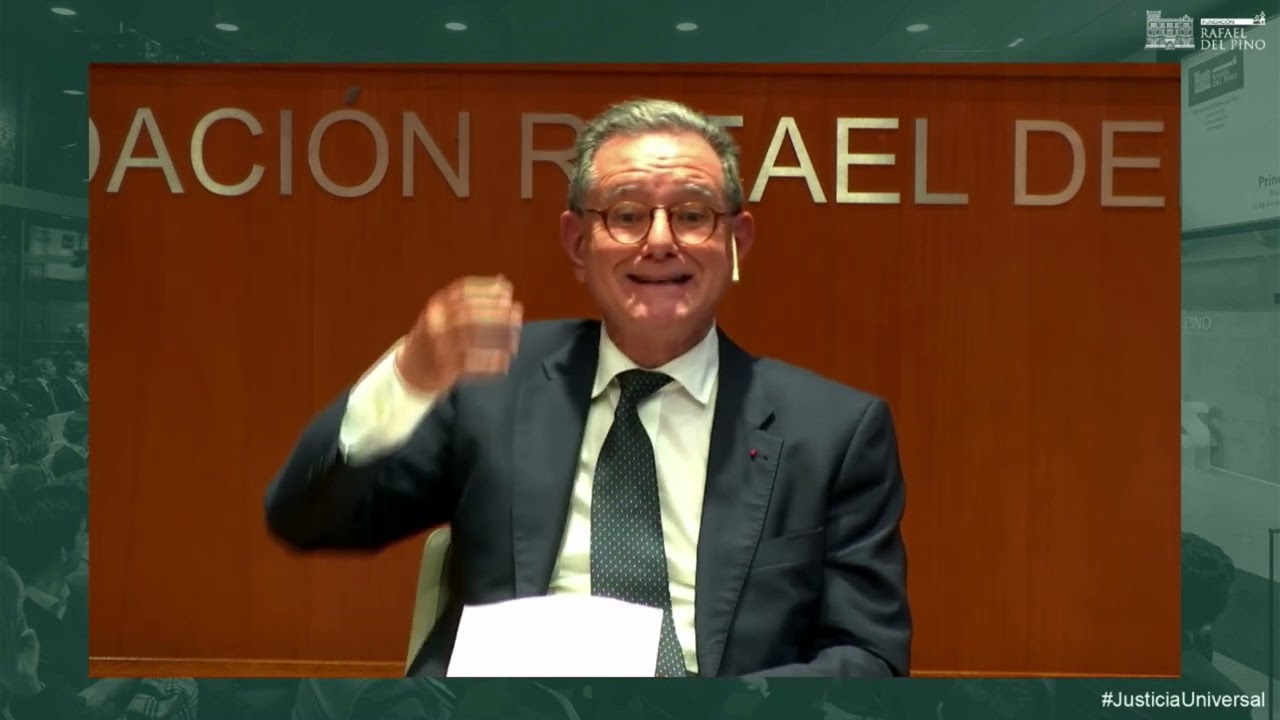
Transitional Justice: An Introduction by William Schabas
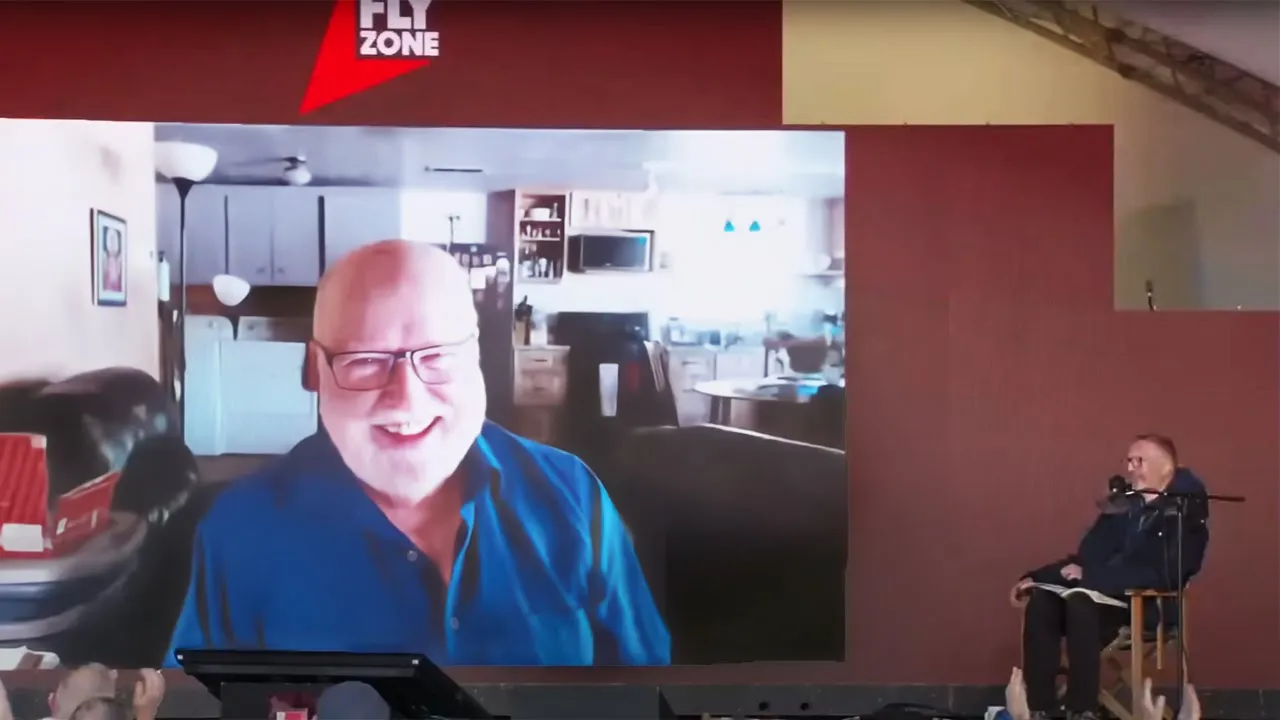
Added:thank you very much I think we're gonna have to revise that note when you introduce me as an international criminal maybe we'll do it international human rights and criminal law it's a great pleasure to be here back in Europe and Armenia many times always to talk about the past about the genocide the genocide in about justice for genocide in Armenia and in other parts of the world as well and this time it's not just about the past which is but also about the future because I think this is probably where transitional justice sets itself apart or at least underscores its uniqueness is that it is about dealing with a past that is behind me drawn a line and about moving forward so it involves compromises complex compromises and decisions I come at it as you do sir we come as lawyers we look for rigid we like legal rules and policies that we can apply in a in a strict manner and we're uncomfortable actually when a degree of discretion enters the calculation but this is a subject that is all about discretionary choices because it's about balancing different interests a need for justice for accountability respect for the victims and their entitlement to see that justice is done but also broader concerns about building something new and about changing the future of a country it's a great privilege to be here at this fantastic moment in the history of your country I'm so grateful to be a part of it and to make a minor contribution to the discussions and to past it that you choose I should say no one's mentioned that yet but I would be remiss if I didn't also just say one word of sympathy about the loss of the great troubadour who is being buried today I guess in in Paris we all mourn transitional justice is a notion it's a concept it's an expression that is about 25 years old I think there are two American or American US based scholars who quarrel a little bit about who invented the term when I say quarrel their friends and they each say the other amended rooty title you'll know she has a book on justice and kneel crypts who did the three-volume collection both of them started using the term at some point around 92 or 93 so almost exactly a quarter of a century we've been talking about it it's good for Armenia 25 years now of experience and practice and reflection on what this process is all about to inform what you do and to develop really what should be a unique innovative who knows 25 years from now people will talk about the Armenian path or the army new approach it's a opportunity to be creative but drawing on the lessons of all of the other experiences with transitional justice in the early 90s we were talking about three different types of transitional problems the first one which is maybe the one that's that's closest to so the situation here was associated with the breakup of the Soviet Union's and the needs of countries mainly in Central and Eastern Europe to deal with the crimes and problems of the past so they had to deal to take on for example in German the issues of the killings of people trying to cross over into West Berlin or to West Germany and the killings by the border so hard core criminal law violations killings arbitrary killing of people and so that was one of one part of the issue but there were also issues that are also very important concerning for example the venting or what's called sometimes illustration it's it's not a terminus so commonly not everybody who is fluent in English even knows the term lustration but Venning is one understood I think the UN is often now for venting rather than illustration this is the idea that you purge your existing system of the people who were responsible for the abuses of the past and that's a complicated process my colleagues I think will say more about that it's probably something of concern to a lot of people in this country who are wondering where the where the line will be drawn if it's worth we're calling I think it's worth mentioning this it takes place in a context it wouldn't have existed 25 years ago and before that because all of this is taking place within the framework of the European Convention of Human Rights and the possible intervention of the European Court of Human Rights of course you have a great Constitution but you also have that level of international supervision that should reassure people who are nervous that their rights may be violated in the course of this process so that's the that was one of the parts of transitional justice in the early days the second kind of laboratory in a way for transitional justice was the the former the dictatorships in Latin America particularly in what's called the southern : Argentina Chile Uruguay to some extent Brazil these were countries where you would have very brutal and there were thousands of deaths attributed to the high high level of extraordinary brutal repression and military governments and so you have dysfunctional regime and there were transitions that also involved to a certain extent the recognition by the people in power that they had to hand over at the reins of power and so it also involved a degree of compromises with them to get them to let go that generated special issues in that part of the world in particular about amnesties whether or not you could give atlas these embassies were a common feature there where they said we'll draw a line with the past we'll move on just get out of the way and we'll we'll forget about the past and so that was a problem and that was something that those countries have returned to again and again are still doing it they're still revisiting the events of the 1970s in the 1980s there of course many survivors families people who are still for whom those terrible acts of the late 1970s earth are still quite fresh and so it's an ongoing process or I think this is a also a very useful point to bear in mind transitional justice you'll still be doing your 25 years from now it's just the beginning you know it's not even the end of the beginning this Churchill said this is the beginning of the beginning of transitional justice and it will evolve and change and and you will approach it in in different ways and there may be things that get shelved or get put aside or don't get done properly now that you'll return to in five years or ten years when you're ready or when you see the needs differently than you do in the freshness of this very immediate post-revolutionary environment and then the third context which I think was also very influential in those early days of transitional justice was the experience in South Africa and South course went through a transition that was in a way negotiated very clearly visibly between two men who ultimately both won won the Nobel Peace Prize for their efforts the clerk and Mandela essentially they made a kind of a pact that they would forego prosecution for the past but not after it said trying to clarify the truth in the memory of the past that the thing would 4ro under certain circumstances criminal prosecution in return for an agreement to a peaceful transition to a pluralist democracy and that was of course that paved the way for the election of Nelson Mandela in 1994 and Mandela was faithful to that commitment and the South African government did that and address the issues of the past by through most famously Truth and Reconciliation Commission I want to say a little more about Truth and Reconciliation commissions I know that that's on the agenda here it's something that's being considered it's something that I have personal experience with because in the aftermath of the Truth and Reconciliation Commission and South Africa there were others that were established there had been some before South Africa as well and the South Africans borrowed a lot from a truth commission in Chile Chile had had it it's truth commission in about 1990 and by the way you had a second one many years later that's what I say you'll still be doing this in 25 years it's an example of a country that have a truth commission got the truth but later realize that maybe they had he's got the whole truth and they needed to revisit it and go back and do it so that's one of the things that happens in transitional justice as well my experience with it was with in Sierra Leone another African country where there was a terrible civil war so not like South Africa where there was a racist apartheid regime but a country where there'd been a civil war where there were atrocities committed on all sides by all of the combatants and then there was a negotiated peace agreement and the only way they could get to peace in the peace agreement was to promise the warring parties that they wouldn't be prosecuted so there was a full amnesty given in the peace agreement but and some said this was just to sugarcoat the amnesty I think there were people who were cynical about the amnesty and thought it was just a way to calm people down and others who saw it as a genuine alternative to criminal prosecution a Truth and Reconciliation Commission was established and I was one of the commissioners there were seven commissioners in the truth commission four of them were Sierra Leonean and then three were appointed on the recommendation of the United Nations High Commissioner for Human Rights so that's where where I came in I was one of the other was proposed and I spent two years working there this early on from 2002 to 2004 developing the report people often ask me as they do with all of these transitional justice experiences did it work that's usually what the conversation was about its first of all it's difficult to know whether successful transitions are a result of the transitional justice efforts at all or whether they would have happened anyway just as it's difficult to know that when there appear to be problems and obstacles years later that they are a result of the inability or the failure of the mechanisms including the Truth and Reconciliation Commission to do its job I think it's good to bear in mind this famous saying by the former Chinese premier Joanne live Joanne Lai apparently he met shot of the gold at some point some international call and they had a conversation and childhood all that though in life did he think the French Revolution was a success and Joe and I replied in about 1965 it's too early to tell so this is the problem with transitional justices is also with assessing it but we can see many examples of countries Sierra Leone is one of them South Africa is another where at the very least they're at peace where there have been accomplishments and where the transitional justice mechanisms first of all have not done any harm which is one thing you want to make sure you don't do any harm doing it and in many cases there's very visible forward progress so it's certainly important it's an important thing to do it's something that probably societies always did to some extent so we can go back we can look in the last century at the end of the two great World War there were trials that's a form of transitional justice having trials transitional justice doesn't replace trials deputy prime minister said this earlier it's not a substitute for trials but it is a complement to trial and it's also a recognition that sometimes you can't do trials there are reasons why you can often very legitimate ones sometimes of course you can't give people you can't catch them nobody could get around trial they couldn't catch him he was dead already it was too late and yet you needed some justice to deal with it sometimes there are political problems and this is a very difficult part of the equation I prefer to other other conflicts and other examples where there were compromises made in exchange for the former regime giving up power sometimes that's quite explicit as in South Africa sometimes I think it's more implicit more implied that went Li those who were in power and who were responsible for the abuses understand that maybe they can survive and they're not going to go and spend the rest of their lives in jail or in poverty or in disgrace that they take a step back and they don't interfere with things moving forward so this varies of course is gonna vary from from country to country but sometimes the criminal justice route is not just simply another viable now I understand them I'm careful here to speak about the specific conflicts in Armenia because I know a lot about Armenia 100 years ago but I couldn't speak here confidently to people who know it intimately and are involved in that in the political transformation of the country so I want to be careful I really just bringing some international experience to the to the debate but one of the problems of course that has been mentioned is the corruption and terrible corruption and polite name for theft someone said at lunch the million dollar question I said I think more than a million is involved in this in this in this million dollar question and I guess you'd like to get the money back or as much of it as you can lots of countries have experience with that even countries that aren't really in a transition and where they just say to the to the corrupt criminals corruption even you know it's it's not unknown we had a case in the newspaper The New York Times earlier this week of heads of state to have been involved in tax fraud and won't Macon have mentioned any names here it's be polite but we're worth tax fraud many countries deal with this and sometimes they say you know it's gonna be complicated to prosecute you give back the money and you'll give you a break and then they negotiate how much they'll give back I mean I see that as part of it but of course that is making a cop nice with justice it's not saying we're going to punish without compromise everybody who was responsible for the crimes so I see that as something again obviously I'm not telling you anything you don't know and that you haven't already considered you're fortunate here and that with perhaps a few exceptions you don't have to deal with the most difficult parts that we encounter in in countries in Sierra Leone I would see people who've had their arms and legs chopped off during the conflict they would come to the truth commission and testify and they'd say the person who chopped off my arms and legs got an amnesty and that's hard to deal with that's very hard because victims are entitled to to justice and victims of that type of crime are often they don't really care too much when you say to them yeah but we have to make a compromise for the peace in the future and they say I don't care about the peace in the future I need to see justice done for what happened to me and in South Africa that was a frequent conversation because the people who were then the direct victims have more difficulty understanding the need to make trade-offs in order to to move forward and I think you're fortunate here that you don't have to encounter you don't have to deal with him to the with the problem of that skill there is of course an episode in your history from 2008 I think it's the 1st of March is that the date and so allow me now to just make a shift to speak a little bit about a concrete example here in Armenia which has been addressed in in many countries including in the United Kingdom and Ireland I lived in Ireland for many years I was the director of the Irish Centre for Human Rights in the period immediately following the peace agreement in 1998 I served for about eleven years and have lived now in in London in the United Kingdom there's a famous treaty that was reached between Britain and Ireland and that has brought about peace after 30 or 40 years of conflict in Northern Ireland one of the things that have been it was like a an aching it was like a rotten tooth and the tongue kept returning to the aching tooth in that conflict which was a demonstration in 1971 where I think 14 or 15 people were killed and there was a pathetic inadequate inquiry that was held immediately after that left nobody satisfied except those who have been perhaps responsible for the killing who were given a clean bill of health and so they returned for that it was very important to do that they have a huge inquiry in many ways I think the sheer cost of it probably is greater than all of the costs of all of the truth commissions in every other country in the world combined a huge huge business to inquire into the truth of what happened I think that would be a very interesting type of initiative here and it might be an important part of a mandate given to a Truth and Reconciliation Commission find out exactly what happened it may not be possible at this stage to contemplate criminal prosecution after all if crimes were committed in 2008 you had criminal justice institutions and you had criminal laws to deal with it and the justice system didn't deal with and so maybe it's unrealistic to say now what we can fix all that let's start but let's do it now maybe two justice system isn't ready maybe it will do it later but to get to the truth of it is it's an extremely important important part of this process one other element that I think is an interesting problem and and this was mentioned by the Deputy Prime Minister is the deadly issue and I know my colleagues will say more another nagging is a is a complicated thing as I mentioned part of the the the political compromise that's involved in being able to carry out this transition without too much hardship and hassle is finding ways to raise the comfort level of people who think that they may be on the line they need me on the list and so with the vetting obviously there must be thousands and thousands of people who are thinking is that am I going to confront that I'll speak only about one part of that and that's the justice system it's a particularly difficult and sensitive issue with the justices and that's because the judges need to be confident that they have secure positions in order to do their job and to Cavaliere or to to abrupt approach to dealing with judges who you may not be very happy with the judges of the past didn't do such a great job who didn't manifest high levels of independence and impartiality that if you're too ruthless with them that you may unnerve the people who take their place who think this is what happens to judges who don't do what the government expects them to do I don't know how to get that calculation right after I remember and I'll conclude with this having a wonderful once I had the opportunity to take a long long taxi ride without B Sachs who was one of the great iconic figures in in South Africa it was a law professor he was himself disfigured injured in the terrorist bombing by the South African Police when he was an anti-apartheid activist and then he went on to be a judge a judge on stitute report of the post-transition South Africa and we talked about the transition he said oh I've been involved in that I said so how did you deal with these Rockland judges from the apartheid regime he said yes that I was I was on the commission of the after net African National Congress when we had to discuss this he said the young militants there said it's just fire of them all with fire all the bad ones we'll get rid of them most of them are bad there were a few good ones they said okay well just get the really bad ones identifying them and he said finally we just figured to get old and they'll either die or reach mandatory retirement well I'm not prescribing that for Armenia but I'm saying it's one of the problems that you do want to be looking ahead remember you have to respect the rule of law and you have to respect the will the line dealing with the people who you would you know in the old days you would deal with more abruptly because you wouldn't have the European Convention on Human Rights the official but it's more important than that it's you want to be careful about sending a message to the new people in the system that they too will be there being watched and that this could happen to them too and particularly when judges are concerned you want them to know that they're untouchable pretty much as long as they behave in an honest and non-corrupt matter you
Up Next
Prijedor and the Birth of Modern International Criminal Justice | ICTY Documentary
@ICTYtv
26K views•2013-07-04

Triumph of Orthodoxy Icon: Byzantine Art & History Explained
@BenCallan
2.1K views•2024-08-06

FastAPI vs Flask vs Django: Choosing the Right Python Web Framework
@TechWithTim
302.5K views•2024-05-26

Game of Thrones Opening Credits: A Cinematic Analysis
@gameofthrones
46.3M views•2011-04-18
Related Study Plans & Knowledge Roadmaps
Structured learning paths in General & Interdisciplinary Studies