














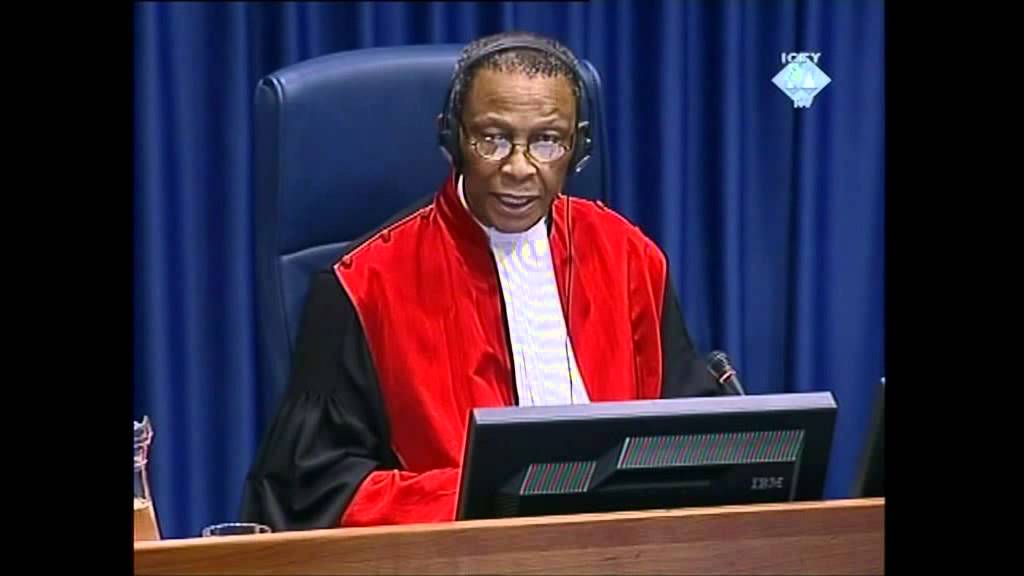






The discovery of detention camps for non-Serb civilians in Prijedor, Bosnia-Herzegovina by British journalists in August 1992 catalyzed the creation of the first international criminal tribunal since World War II, leading to landmark convictions for war crimes, crimes against humanity, and genocide; this case established that systematic ethnic cleansing requires coordinated action across political, military, and police structures, and that psychological abuse and sexual violence can constitute the crime of persecution under international law.
Prijedor and the Birth of Modern International Criminal Justice | ICTY Documentary
Added:The geopolitical context of the dissolution of Yugoslavia and the outbreak of the Bosnian War (1992–1995).
The definitions and legal distinctions between war crimes, crimes against humanity, and genocide under international law.
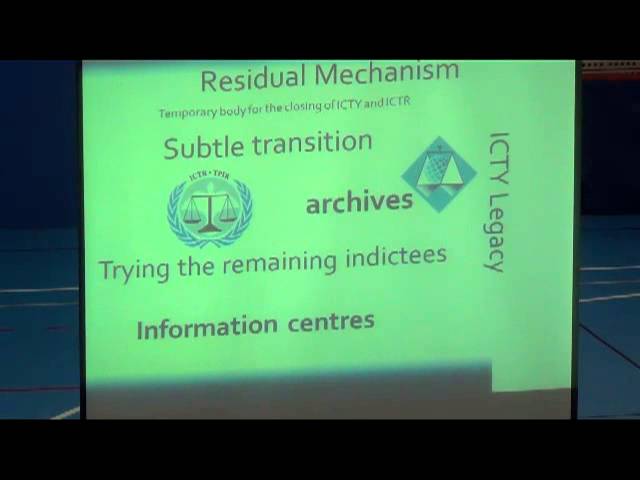
The establishment, mandate, and structure of the International Criminal Tribunal for the former Yugoslavia (ICTY) by the UN Security Council.
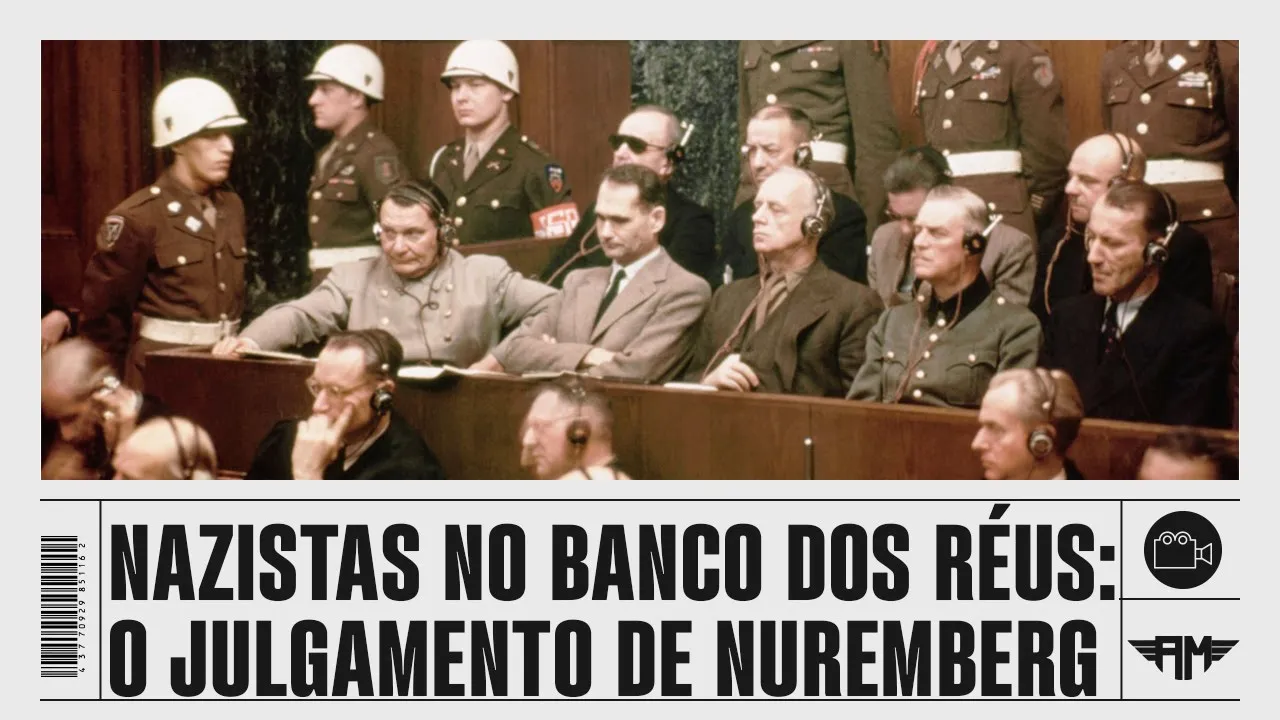
The historical precedents of modern international criminal law, specifically the Nuremberg and Tokyo trials following World War II.
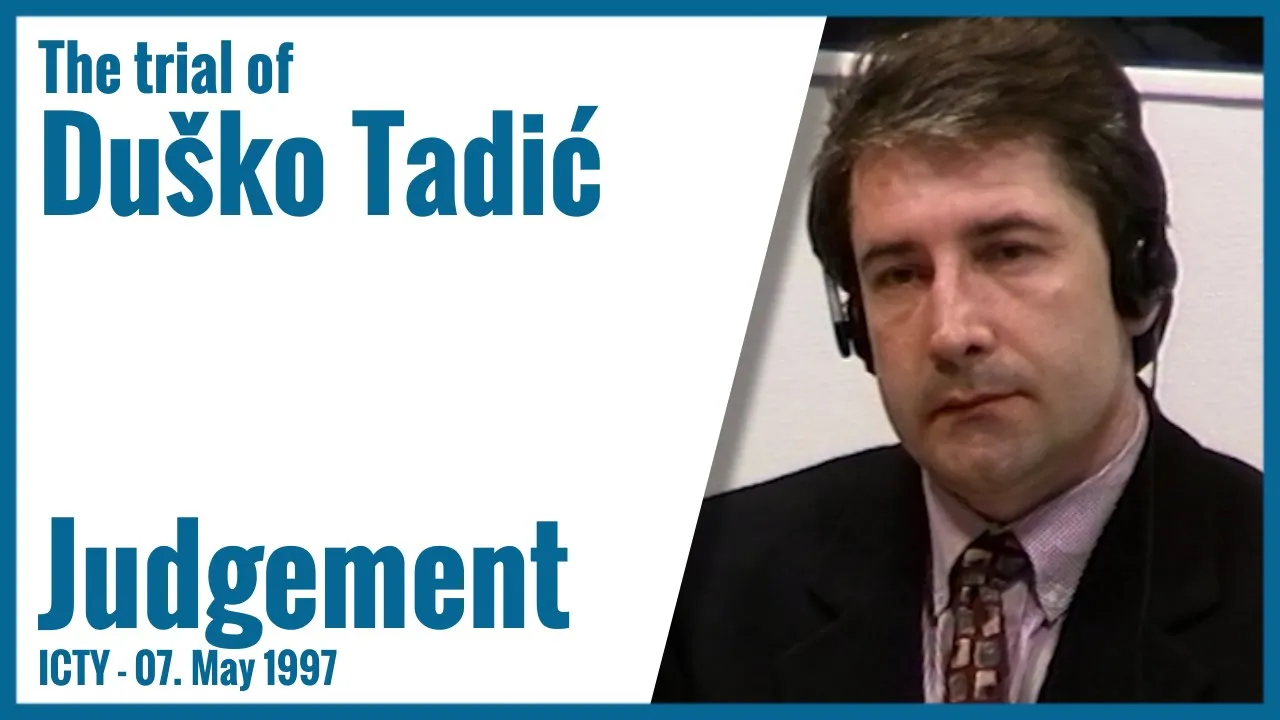
The precedent-setting jurisprudence of the Duško Tadić case, the first trial of the ICTY, and its impact on international humanitarian law.
The evolution of the legal doctrine of 'Joint Criminal Enterprise' (JCE) as a tool for prosecuting high-level political and military leaders.
The transition from ad-hoc tribunals (such as the ICTY and ICTR) to the creation of the permanent International Criminal Court (ICC).
The sociological and political challenges of transitional justice, memory, and reconciliation in post-conflict Bosnia and Herzegovina.
26K views145likes47:33Original Release: 2013-07-04
e well nothing in nothing in my lifetime prepared me for what you know for what um what we were about to [Music] see thing that I couldn't understand was sort of in the light part of the 20th century that this sort of thing was still going on and the viciousness [Music] a door opened in a hanger a large rust colored hanger and these men appeared joged jogged in drilled across the yard um in various uh dilapidated States some of them skeletally thin with their heads shaven and that's when you started to think you know where am I and and what Epoch am I [Music] in there's nothing like like the eyes of a prisoner um wants to tell you something they can't a it's a burn you know it's a it's a Eyes on Fire fear and um and Desperation off we went to uh to terop there was a site in this field and on the left hand side of the road for you here boggled the mind um a row of men uh up against a a fence barbed wire fence um some of them skeletal others not so um uh I think as as a days to see us as we were to see them uh the scene is I think fairly famous now [Music] but then we went round into the building itself there was a sort of Medical Center um and two people running it um a heroic you know I mean this whole story is a story of unsung heroes and heroins in this case one of them was a vet called azra blich the other was a doctor called Iris merenich my dear friend and colleague Penny Marshall asked him uh are the beatings and he sort of rolled his eyes asra blich meanwhile uh um remember she said to me she said it it is as bad as you think then she slipped as a role of film undeveloped uh which had on it what turned out to be the first actual images of what was going [Music] on on the sixth of of August 1992 British journalists from ITN and guardian unveiled to the world the existence of camps for non-serb civilians in the area of prador in Northwestern Bosnia and herzo shocking images of emaciated inmates in just a few days cired the planet and shook the conscience of humanity barely 2 months later a process was set in motion which would change the face of international criminal justice forever the commission of experts was set up under Professor Sharif and there are a number of components uh and the prador municipality investigation was just one component of that I decided I wanted to have interviewed uh survivors from the area in different countries and I enlisted in doing that professionals meaning judges lawyers policemen and immigration officers in different countries did you yourself go to prior to interview uh the witnesses remaining there no I did not uh for very specific reasons one was at the time the Serbian authorities did not want us to go so that was an impediment that we could never ever get the the the the assistance of the Republic of ser everything we had to do we had to battle day in and day out the first testimonies were given to the commission of experts by bosniacs and croats who were deported from prior and scattered around the world the commission of experts had had identified many many witnesses um and they had been living in Australia in Malaysia in the United States in Sweden Germany uh the United Kingdom Denmark etc etc in May of 1993 following a preliminary report of the commission of experts the security Council established the first international criminal tribunal after World War II we then in May voted on how the uh 93 voted on how the the procedures of the tribunal would work and then still nobody thought it would work they said that there never would be any indites and then they said there would never be any trials and then they said there would never be any convictions um and there would never be any sentencing despite the initial skepticism the international criminal Tribunal for the former Yugoslavia did take rote the first judges were elected rules of procedure and evidence were adopted and the newly founded Office of the prosecutor began its first investigations but what we decided to do in the very early days uh was to go where we knew the evidence was and that was in the municipality of pridor so that was probably our very first investigation that we did set up and we were able to assemble a brief of evidence where by January February of 1995 we were able to issue indictments for the camp Personnel in amasa and then shortly after after that for the camp Personnel in in keratan and that ranged from the commander of the camp right down to the lowest prison guard and we concentrated on the on the mainly the the most serious crimes the first investigations did not go smoothly the war was still raging in Bosnia and herzo the major obstacle that I found coming from a law enforcement background we weren't able to get access to the crime scenes probably for nearly 3 years after to the crimes that occurred in may of 1996 the first international criminal trial after nurburg and Tokyo started the case against dko Tadich a local politician from karats near prior paved the way for other cases and proved that international criminal justice can be enforced this is the beginning of the uh first trial before the international criminal Tribunal for the former Yugoslavia and international tribunal specially created by the United Nations to Tri persons charged with serious violations of international humanitarian law in former in the former Yugoslavia as such an occasion uh this has certain uh historic Dimensions nevertheless we should all remember first and foremost that this is a criminal trial of an accused who a little over one year ago appeared before this chamber and entered a plea of not guilty under any system of justice he is entitled to a fair trial and to ensure that he receives one is our Paramount purpose for being here the uh lawyers appearing on each side of this case come from different legal systems as do uh each of we three judges but we all agree on one premise and that is that the rule of law must be upheld and that fairness is the Cornerstone of the process of affording Justice the first trial also marked the beginning of judicial establishment of facts about the events in prador in the summer of 1992 through this trial we'll Embark upon an examination of events of unspeakable horror what man has done to man in the cause of nationalism or an ethnic hedgy in the former Yugoslavia restrains the most agile of human reasoning and from the witness chair the story of the camps emerged [Music] trial Chambers in tadic and subsequent cases heard witness after witness described the violent takeover of non-serb towns and villages in the entire Municipality of prior for the most dramatic was of course towards the end of that Journey towards pador when we uh where the main road goes through the edge of kolats we didn't go up into the into the into the center of the town but you could see house after house after house burned incinerated um and people had obviously left very quickly I remember Penny Marshall my colleague from ITN pointing out shoes that had been left on the on the door step you know it had been that it had been that violent that that quick um uh and surely there were houses intact just a few around where the where the serbs were were were living and carrying on with their washing and their animals as though nothing had happened surrounded by this this devastation [Music] evidence also showed that the crisis staff of the Serbian Municipality of Prior established three camps for non-serb civilians omara ker and terop like on the 24th 25th 26th of May 1992 was when kerat was taken and it was only then that the men were taken to a mask or to keratome the women the children the elderly were then taken to to to turn AP and then subsequently moved deported the chambers found that the inmates of these camps were held in inhumane conditions with little or no food without access to water and sanitary facilities the witness statements were corroborated in trials with findings of Investigations carried out by the office of the prosecutor we we work to corroborate what the witnesses had told us um in prior to us being able to go there that you know they were beaten with blunt instruments in the hanger building we were able to find those types of instruments they were hung up by Hooks um of the Machinery in the in the hanger building we were able to find those hooks and photograph them and and things like that we're we're prisoners regularly called out of rooms yes and as far as you could tell what happened to those prisoners [Music] but the amount of sexual assault in this particular war was was was really eye opening for for me and it seemed to be something with the guards particularly in Kat ter and to a degree in in in amasa but particularly kerat and the people who visited the camps um Y kiches and zigich and banovich they seem to enjoy um making the detainees commit sexual acts upon each other and I'd never seen anything like that before so that came as a as a real shock foror waso penis the things that we'd saying in the um the video recordings that Penny Marshall had taken we found exactly the same things there the um the White House the administration building the hanger building in the White House part of our investigation was that they were probably the most brutal beatings and murders occurred in the White House the politicians the police the religious leaders um the elite of the society if I can put it that way things that Society depends on they were taken into the into the White House and they were a lot of um really bad things occurred there for [Music] for what we're able to do we're able to do a test um in the in the White House and in other areas of the camp as well where we had specific allegations of particularly brutal crimes and we were able to still prove that there was human blood or there were traces of human blood on things like the heaters where it's impossible almost to clean doesn't matter how well you clean up you will still find traces beatings and sexual violence were not the only crimes to which inmates were subjected the chambers found that hundreds of inmates lost their lives in the prador camps in just one incident in keratam the Serb forces used heavy machine guns to kill over a 100 people locked up in room number three and we also did that in the keratome camp there was a particularly bad Massac a brutal Massacre on the 24th of July 1992 which became known as the room 3 Massacre we were able to to do the blood the luminal testing there and it was so dramatic that you could almost tell when all the lights were out and the loom and all had been painted onto the floor when it started to work and it was it was showing signs for blood you could tell snaker patterns that somebody was wearing this particular type of snaker and that type of snaker at the beginning of August after it was made known that British journalists would visit the crisis staff urgently began evacuating omara and keraton some of the inmates were transferred to Camp Mana near BCA which was run by the army of Republica Sera most of the inmates were transferred to camp terop and subsequently deported [Music] on the very day of the journalist arrival more than 120 inmates were taken on buses from keratam and omara their destiny remained unknown for years witness can you describe for us the day that you left the keraterm camp for did you hear if any of the prisoners from Amara were put on to the buses during that stop what is the name of the one person you know from Amara who was ordered onto the bus for PR for [Music] did you determine whether any bodies have been exhumed from individuals who have been named by witnesses to have been on these buses that left the kater camp and stopped into the in the omara camp on the 5th of August the chambers found that the crisis staff closed omasa and katam in early August of 1992 but that did not Mark the end of ethnic cleansing in the prador municipality in mid August members of the prador police intervention Squad separated more than 200 men from a convoy on the vasich mountain only 12 survived the massacre at qu Chans SI foree well listen [Music] the accused for the crimes committed in omara as a rule did not deny that crimes were committed but refuted any personal involvement in them Zoran zigich whom even the camp guards recalled visiting the pre-or camps daily to abuse inmates had this to say about his role rad who was accused of abusing his position as shift leader to rape and sexually assault women detained in omara denied his role in a similar way for the trial chamber in the case against kka and others was not convinced by these versions of events in omara for the chamber also found that the omara inmates were exposed daily to harassment humiliation and psychological abuse for the first time in the history of international criminal law it was recognized that these acts can under certain circumstances form a part of the crime of persecution this was a groundbreaking contribution to the legal understanding and definition of this crime the appeals chamber has no doubt that in the context in which they were committed in taking into account their cumulative effect the acts of harassment humiliation and psychological abuse as found by the trial chamber are acts which by their gravity constitute material elements of the crime of persecution the three accused for crimes in the kater camp went one step further than their former colleagues from omara I contri to thetion of these lives people they were innocent and they were suffering gri Comm against I am prepared to take my part of the responsibility for this crime before God and before men I tried to talk to them to protect themet is is the evidence presented in Trials clearly indicated the existence of an organized and systematic campaign in pridor which involved political military and police structures of the municipality and Beyond as a result of the prador investigation of the crime base of the amasa camp of of kator Camp to a certain degree turn aoia to the to the taking of karats the bordo region and things like that it led from the major perpetrators on the ground to the crisis staff to kavich drater and starage which then led to burgeon and and Tage in the first half of 2002 two trials commenced before the tribunal in which political and military leaders of Prior and the autonomous region of Cen were accused for crimes committed in pridor the military and political wings of the Bosnian serbs were inextricably linked the political Wing provided the goal the military and the police who straddled The Divide between the two arms played their part in the achievement of these goals and there are still you know with cryic Mrs plavich and Dr kage there are still um remnants of the prior investigation in all of those indictments so it's been a fairly wide ranging um investigation which has led to a number of indictments that same year former member of the war presidency of the Bosnian serbs bana plavich accepted the responsibility for the campaign of organized and systematic persecution of non-serbs in Bosnia and heroa plavich admitted that the goal of the campaign was to permanently remove non-serb civilians from the area that serbs claimed for themselves including prior two years later mishik the wartime speaker of the Assembly of Bosnian serbs appeared before the judges of the tribunal kishik claimed that he was not informed is it your testimony that uh before you arrived in the hag you never heard about expulsion of Muslims Mr gnik not not from 1995 up till the moment that you were arrested persecution against musos musl Bosnian Muslims and bosnan croats as a crime against Against Humanity was committed in all 35 municipalities through the following acts the imposition of restrictive and discriminatory measures involving the denial of fundamental rights murder cruel and inhumane treatment during attacks on towns and Villages and within various detention centers forceable displacement unlawful detention forced labor at front lines appropriation or plunder of private property and destruction of private property and of cultural monuments and sacred sites the trial chamber is satisfied Beyond reasonable doubt that the crimes that were committed in the Bosnian Kina from April 1992 until the end of December 1992 occurred as a direct result of the overarching Strategic plan the ethnic cleansing was not a byproduct of the criminal activity it was its very aim the conditions of Life imposed on the non-er population of the Bosnian crina and the military operations against towns and Villages which were not military targets were undertaken with the sole purpose of driving people away by August 1992 the consistent application of such a discriminatory policy was completely clear to objective observers on the ground and the evidence shows a consistent coherent and criminal strategy of cleansing the Bosnian crina of ethnic groups other than BOS bosan serbs implemented by the SDS and the Bosnian Serb forces coming back to the summary of the Judgment of the case against Dr starage it is to be emphasized that many more were killed during the attacks by the Bosnian Serb Army on predominantly Bosnian Muslim Villages and towns throughout the municipality of prior karach hambina bisan luia to name a few and several massacres of Muslims took place Additionally the tri chamber has found that more than 1,500 killings occurred and has been able to ID identify by name 486 names rapes and sexual assaults were committed in the camps and the thousands of persons detained were subjected to inhumane and degrading treatment including routine beatings and torture Bosnian Muslims who had lived their whole lives in the municipality of Prior were expelled from their homes and deported in huge numbers more than 20,000 persons calculated conservatively 20,000 persons became victims of this campaign of deportation Chambers assessed that the gravity of the crimes for which kresnik banin and stakich were sentenced demanded long-term prison sentences for your role in these crimes we sentence you Mr Kik to a single sentence of 27 years of imprisonment we sentenced you RAV bjan to a single sentence of 32 years of imprisonment Dr Mia starage is hereby sentenced to life imprisonment even though the appeals chamber later somewhat reduced the length of these sentences factual findings about the extent and nature of the crimes committed in pror remain irrefutable this significantly assisted in the prosecution of the accused before the court of BOS and herzo including the four accused who were transferred from the Tribunal [Music] 20 years after the British journalist exposed the existence of camps around prador to the world the crimes were investigated the offenders identified and the room for denial continues to shrink [Music] I did that for the extensive efforts of the investigators prosecutors and judges of the tribunal played a key role in establishing the facts and bringing those responsible to Justice a clear message was sent that the facts about crimes cannot and will not remain unseen the success of the tribunal Prov that international criminal law can be a viable tool for bringing war criminals to Justice and Justice to victims around the [Music] world you know one of its achievements very early on in a way more so early on was this narrative for the animals of History whether history cared to listen or not is another matter but the story was told of what happened oh [Music] oh [Music]
Up Next

49:59
Peter Ustinov & Nelson Mandela: South Africa's Reconciliation Journey
@TrueLivesITVS
62K views•2021-02-18

12:54
Triumph of Orthodoxy Icon: Byzantine Art & History Explained
@BenCallan
2.1K views•2024-08-06

9:49
FastAPI vs Flask vs Django: Choosing the Right Python Web Framework
@TechWithTim
302.5K views•2024-05-26

1:42
Game of Thrones Opening Credits: A Cinematic Analysis
@gameofthrones
46.3M views•2011-04-18
Related Study Plans & Knowledge Roadmaps
Structured learning paths in General & Interdisciplinary Studies
general-studies
Elevator Engineering: History, Physics & Cities
01From Hoists to Safety Brakes: The Dawn of Vertical Lift
02Hydraulic vs. Traction: The Engineering Physics of Elevators
03Modern Speed, Safety, and Algorithms
+ 2 more learning modules
12h5 modules
Explore Roadmap
general-studies
Rubber: Material Science, History & Geopolitics
01Origins of Natural Rubber & Mesoamerican History
02The Chemistry of Natural Rubber & Vulcanization
03The Geopolitics of the Rubber Boom & Colonization
+ 2 more learning modules
12h5 modules
Explore Roadmap
general-studies
Containerization: Evolution, Logistics & Trade
01Ancient Trade & Bulk Cargo: Amphorae to Barrels
02The Industrial Revolution & Cardboard Packaging
03The Containerization Revolution: Malcom McLean
+ 2 more learning modules
12h5 modules
Explore Roadmap
general-studies
Textile Tech: Evolution, Labor & Global Impact
01Pre-Industrial Textiles: Handloom & Cottage Industry
02Mechanization: The Spinning Jenny to the Power Loom
03The Factory System & Global Labor Transformation
+ 2 more learning modules
10h5 modules
Explore Roadmap