


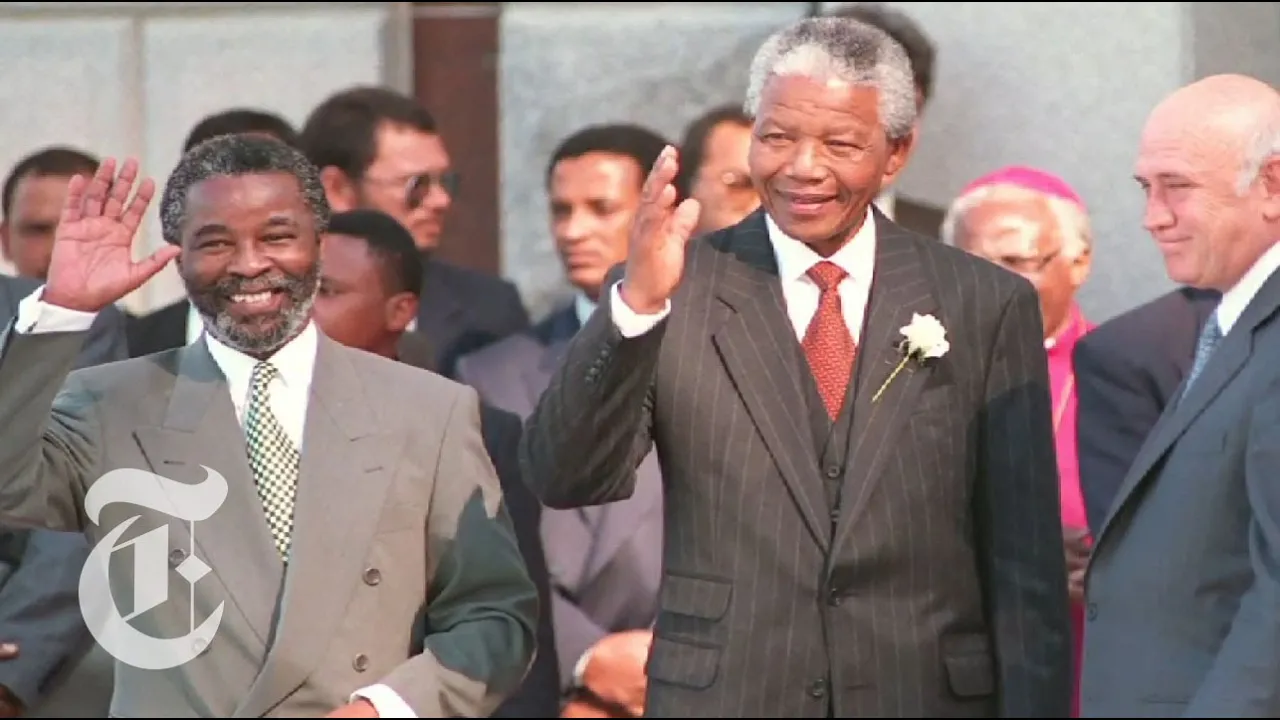



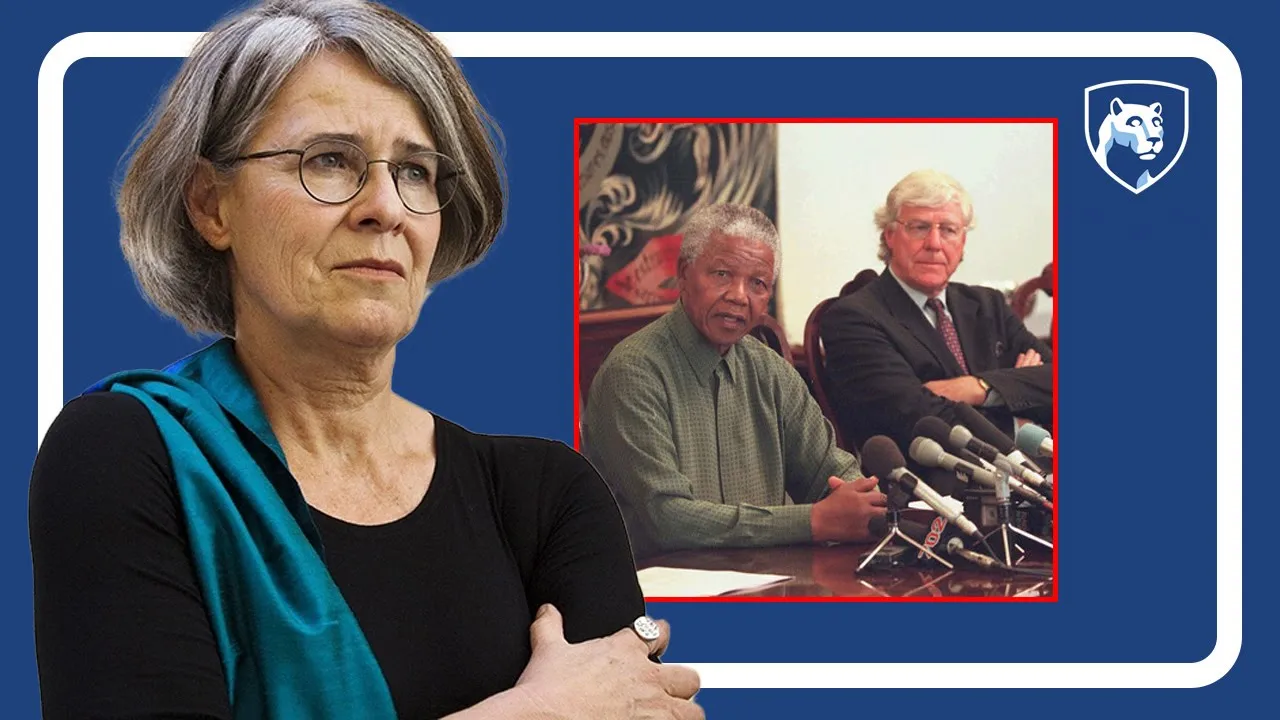













This documentary explores how Nelson Mandela and the Truth and Reconciliation Commission promoted forgiveness over revenge in post-apartheid South Africa, showing how personal transformation and institutional mechanisms can heal a nation divided by decades of racial oppression. The film documents Mandela's 27-year imprisonment on Robben Island, his eventual release, and his leadership in guiding South Africa toward reconciliation rather than retribution, demonstrating that forgiveness is not merely an abstract moral concept but a pragmatic necessity for national healing and future progress.
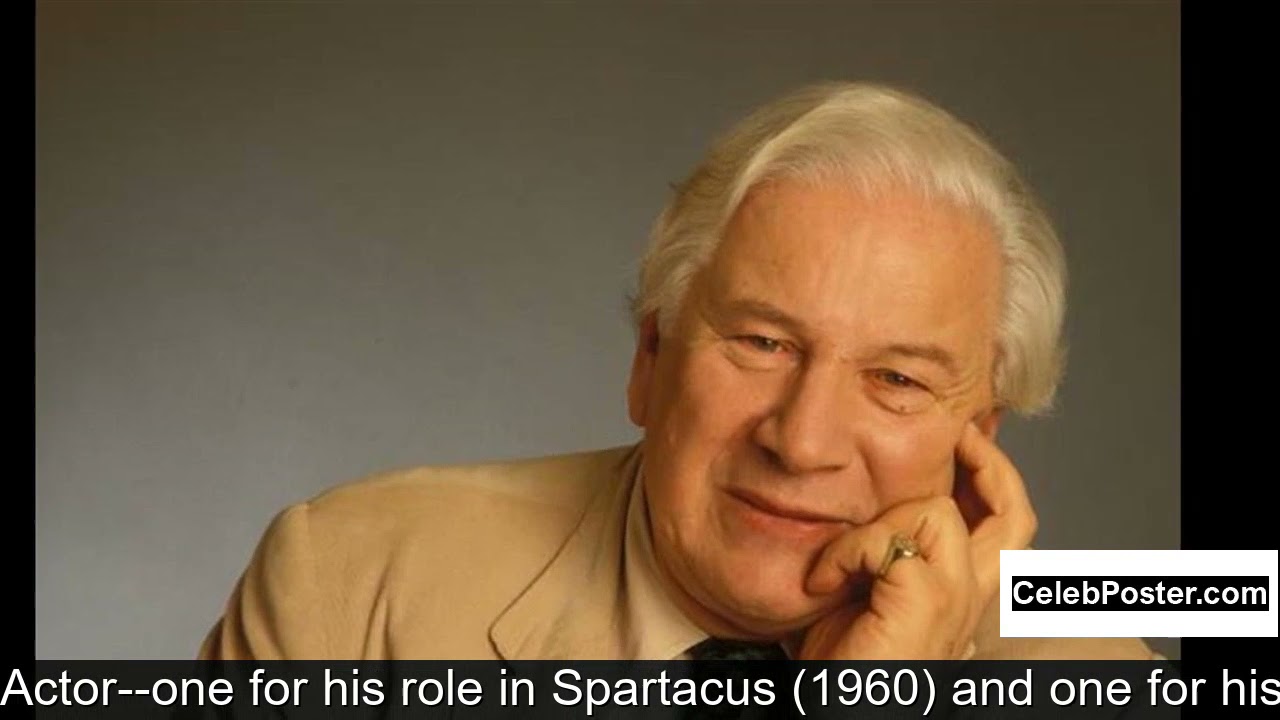
Peter Ustinov & Nelson Mandela: South Africa's Reconciliation Journey
Added:The history of Apartheid in South Africa, including its legislative framework of racial segregation, systemic inequality, and its socio-political impact from 1948 to 1994.
The life and legacy of Nelson Mandela, specifically his transition from anti-apartheid revolutionary and political prisoner to South Africa's first democratically elected Black president.
The concept of the Truth and Reconciliation Commission (TRC) and South Africa's unique approach to national healing through public testimonies and restorative justice.
An overview of Sir Peter Ustinov’s background as an acclaimed artist, intellectual, and UNICEF Goodwill Ambassador, which frames his perspective as a cultural observer.
Comparative analysis of international conflict resolution, comparing South Africa's reconciliation model with those of other post-conflict nations like Rwanda, Northern Ireland, or Cambodia.
The ongoing socio-economic challenges of post-apartheid South Africa, including wealth disparity, land reform debates, and the persistent legacy of structural segregation.
The study of 'Soft Power' and cultural diplomacy, analyzing how public figures and international artists influence global human rights advocacy and political transitions.
In-depth study of Nelson Mandela's political philosophy, exploring how his writings (such as 'Long Walk to Freedom') and speeches balance strategic compromise with revolutionary ideals.
62K views632likes49:59Original Release: 2021-02-18
by boat and by train by rickshaw sedan chair occasionally even on foot i have circumnavigated the world in the footsteps of mark twain [Music] a century ago he wrote a book following the equator and in his faded traces i've now reached journey's end the coastal waters of south africa it's a country i've steered clear of before for obvious reasons but where better to start my reconciliation than by sailing to a place where past present and future collide to the political alcatraz of the southern hemisphere robin island [Music] identity and belonging have been my themes the stubborn endurance of people brutalized by their history thank you very much can there be hope and forgiveness in a country which has endured so much cruelty [Music] empty prisons breathed their own poisonous vapor in trains day this wind lashed island was a british dumping ground for the unwanted here came lepers lunatics vagrants and political detainees the detritus of an empire when nelson mandela arrived in 1963 it was a top security prison its waters all white its prisoners black or colored mandela spent 18 years of his incarceration lionel davis was also a political prisoner here today he's my guide in the beginning we had one single mat that we slept on a sisal mat and because it was so bitterly cold they were forced to give us another mat so we had a seismometer and a felt mat we had three blankets for winter and two for summer okay are we allowed in yes you have a loud it's really hello territory about now my goodness well there's not much room to move no there's not a bed of course would stretch from this side of the wall to that side and mandana could just about he's tall he's tall yes and he had to sleep a bit cramps but it was a great improvement from the times when we slept on mats apartheid divided prisoners between blacks like mandela and coloreds of mixed or asian descent like lion blacks were given worse food to eat fewer clothes to wear and attempt to divide and rule which failed the most wonderful opportunity we had you know to talk about these differences you understood other people's culture and i think this for me was the most humanizing experience that you know over the years all of that prejudice that we were all born with it just you know dissipated do you really think that we're born with prejudices i think when we become conscious we we inherit prejudices but i was also impressed with the fact that that small children are really born without prejudice they acquire it with education and with family background seeing whites you know and not being politically conscious i saw whites around me and everything that was wrong i laid at the doors of white so i was extremely anti-white in fact when i was a young man i got seven in strokes with a cane at the police station before allegedly having assaulted a white person which made me even more anti-white i understand that through my political joining political organization and becoming political politically conscious today i am not anti-white i'm not anti-anything you know when it comes to people but i'm pro-love and pro-peace well there we have a lot in common thank you for talking to me thank you and thank you for not being anti-white it made the whole thing very much easier [Laughter] in south africa all the old targets seemed to have changed i've just come back from robben island and now you must know how i feel seeing where my taxpayers money is going it's not going into welfare or health or education it's all going into robben island why because robin island is becoming a quote monument to the struggle for democracy unquote oh wake me when it's over i mean what monument what about a monument to us what liberals peter dirk ace is a celebrated political lampoonist who for years enjoyed humiliating mandela's jailers how can they forget i basta black baby for democracy during a state of emergency i went into a black township risked my life and my husband's mercedes i got a black baby took her time i bought it i bought it not daughter me me anyway daughter says they don't both black babies they have new ones ah like lionel on robben island peter dirk s has had to find fresh targets for his saturn luckily whites today are learning to laugh at themselves with his help this is your first visit yes absolutely well yeah will you have a chance to meet nelson mandela we hope so you're wonderful desmond tutu i know yes tutu has this great a great line which i use everywhere love your enemy it'll ruin his reputation that's marvelous marvelous just a great philosophy do you know how wonderful it is to see you here live do you know what it takes us to get you here live because we know you don't want to leave your homes especially not at night hey because that means you've got to pick up your security keys again and then you get to the front door and you've got to open your front door and your veranda is covered in barbed wire and the walls are getting higher and higher and higher and higher and right up there the electricity and down here in the moat the crocodile and then you go out for the evening and when you get back your house is gone the interesting thing is how they laugh at that sequence about the guns and the walls and the crocodiles and the violence that's wonderful yeah sure and it is so real i mean it's not funny because it happens all the time and yet somehow laughing at the fear makes that fear less fearful from 1976 to 90. everything i talked about was death it was all death we shot children we killed people we murdered people we destroyed self-respect we were just it was like cancer and suddenly it's not it's the culture of life i mean it is optimistic it is still fraught with problems but at least we can solve the problems the old days there was like we i didn't know how it was going to end i mean we all expected you know that bloodbath that everybody said well one day you're going to be punished and i think the irony is we're still waiting i mean is it possible that we got away with all that before i travel deeper into modern black south africa can one ever totally avoid the memory of its insalubrious past twain had described the white boy population here as profoundly ignorant dull obstinate and bigoted their treatment of blacks merciless [Music] apartheid has been and gone since then but the abstinent afrikaner spirit has not entirely the highway made for sleep deep in the er trial orange free state is a small all-white community a fledgling state of 600 souls seeking eventual independence if they remain as peaceful as they claim to be aurania will be a picturesque dignified threat to no one however their ambition is a republic 1 million strong its guiding spirit is professor boshoff the son-in-law of dr vert the assassinated architect of apartheid the patriotic songs in forest clearings are not entirely reassuring the fact is that either the africana is going to be integrated in the new africa and disappear in history or and live perhaps or survive perhaps in small pockets but that's not the african nation and we are sure that the african nation has got the will to survive and in order to survive it should make a plan and this is the only plan [Music] and this frail wide-eyed lady is the community's most potent symbol of the afrikaner's past guided by her daughter comes 97 year old mrs betsy favorite how'd you do a husband was stabbed to death in 1966.
as prime minister he'd constructed the whole apartheid system she's 97 now fantastic this is a good age yes it's a very good age it's a very good age i feel ashamed of being so young no you didn't i needn't do that her fragility is a touching epilogue to the repugnance her husband's name still evokes but i don't i don't need cushion really nature has been generous i didn't come here before because i didn't wish to play in front of segregated audiences and this was a general attitude adopted by trades unions by all sorts of other things now i'm absolutely delighted to come i'm and uh to visit you in your a little piece of paradise which you've created for yourselves i'm so pleased that i came here it was the best thing i could have done and you enjoy it very much surrounded by your own it's a it's quiet and we haven't got the other people yeah yes we've got all right everything is right so that makes it easy for us and safe it's delicious i see you had mr mandela to tea i guess he was an important person yes and i was quite pleased to receive him and he took out my best cuts and sources and things in that case you were the wise one i think so i certainly think so i think that's enough there's no reason why i shouldn't have received him of course not here in a township near johannesburg is the precise reverse of irania's mood of insecurity and militancy under apartheid coloreds and blacks were forbidden from dancing together today the romantic combinations are unrestricted [Music] to these children what they see is the natural order born and apparently raised without any evident prejudice [Music] waiting their turn our 11 year old tammy and the intriguingly named sisway her partner and what does that mean nation bridge nation nation so you're a one-man nation yes oh that's very nice to hear have you won any trophies yet yes you have yes how many 20. 20 20 trophies at your age for ballroom dancing yes will allow me to be uh not the last or the first but one of the many who congratulate you thank you 20 so you're hoping to add a 21st tonight yes my goodness i'm terribly jealous i've never won any for ballroom dancing what you hope to do later you do you want to dance in your later life yes i'll dance until i'm a professional and then i'll stop and i pass my trick go to university and i'm gonna start being a soccer player a soccer player really with well ballroom dancing can only help because it makes you nimble it makes you quick i see that way but i can't on a dance the whole time i've got to get done with life yeah yeah i think you're right but tonight the determined young sizwe and his dancing partner tammy have a tough night of competition ahead ballroom is south africa's third most popular cultural activity winning their 21st trophy won't be easy although there's plenty of confidence in this now well-established power exciting [Applause] [Music] [Applause] [Music] [Applause] [Music] bye [Music] [Applause] [Music] [Applause] [Music] it's hard not to envy tammy and sisue's ambition their energy and youth they still encounter some universal prejudices but for now the pessimists have fallen silent just as on the dance floor it is the opportunities and not the obstacles people are choosing to see [Music] tonight almost everyone tammy and says we included will get a prize outside the ballroom it's too early to say who the winners and losers will be [Music] mark twain had enjoyed south africa's trains easy riding fine cars all the conveniences no doubt they had more room for luggage too on the legendary five-star blue train from pretoria to cape town i've been temporarily joined by my wife your compartment welcome aboard thank you very much oh oh my wife only travels with the absolute basics for survival well that's all right how should you have the knife we'll just sit there here are some crew details as they call them you want fish pineapple molly one of my wife's basics for survival is a gourmet lunch are you ready for a 12th course lunch toasty vanilla matured in french oak barrels that should make you feel at home is it i recommend that one now not to bluff you me all right we'll have some of that [Music] there's still a long way to go in south africa the shantytowns are a world away from my cocoon of luxury power may now be black but the color of money here is still white i'm about to visit a place twain marveled at the greatest novelty the globe has in stock [Music] diamonds [Music] [Applause] [Music] it took the white man to locate the wealth hidden beneath this landscape but it would be the black man who got it out our route to cape town i'm stopping at kimberly just as mark twain did before me to witness what he called an exciting kind of fashion since its acquisition by cecil rhodes the de beers mining company has gone on to dominate the world's diamond trade maester rhodes is south africa said twain rhodes himself said remember that you are an englishman and have therefore won first prize in the lottery of life his prize was once a hill made into a hole the biggest man-made hole on earth diamonds have triggered a frenzy of digging twain reported that one miner was given a horse a blanket and five hundred dollars for finding a diamond worth millions but he got no ticket in the lottery of life as you can see here the smaller sizes right to the big ones this will all be broken into about fourteen thousand categories fourteen thousand four two thousand categories [Laughter] oh here we're getting into recognizable yeah now you can diamonds you're looking at diamonds before it looked to me like some highly qualified dentists having a a game with fillings that's what i thought when i started here the diamonds are only the white ones i didn't even know they were yellow diamonds brown diamonds and even those black diamonds those will be used for industrial purposes this is a very special piece of diamond the 616 carrots the only uncut octahedron as far as we know it is so unique the the value of it is in its uniqueness when i hold it if you wish looks to me like an ice cube and it's almost as cold but no ice cube was ever worth 10 million pounds i was now about to discover how exciting fishing for diamonds really was inspecting the source of this extraordinary wealth in a modern deep mind uh all right uk science here i have no idea all right um you're 10. yes well then i'm at least 11.
i don't want to do any of one-upmanship i've joined manny depico an x minor ex-political prisoner who is now the state premier of northern cape province votes not diamonds are what he comes here to collect last time this happened was in new zealand i seem to remember going into a pool with a lot of maoris discussing the order of the day am i on the wrong foot i was trying to put that foot through the armhole but oh my god that's tight yes okay i've done it uh i know now why i didn't want to be a miner when i was small or when you were big i'm being helped by a professional now at the back staying premiere is it there yeah is that right uh if that's big enough in the crotch it's big enough yeah it's big enough absolutely that's fine uh okay and now we do kung fu i'm little overdressed for sumo wrestling but otherwise yeah slight step down as you get in there not for the first time on this journey i was missing the tranquility of my vineyard in switzerland if we're not back within three hours move on to the next location thousand feet below the surface is quite as deep as i ever want to go four and a half down capacity to take everything out i'll let you see me through your welsh fire singing or is it an illusion [Music] i'm certainly deeper than mark twain who languished on the surface looking for the glow of those limpet pebbles which made de beers so rich unfortunately the nature of modern diamond mining means that you're highly unlikely to see any actual diamonds the few that there are are hidden in the rock manny depico my companion is a familiar face down here as a young anc activist he trolled for diamonds but he also tried to organize labor and was imprisoned for his efforts now he's the premier of the state a joyful man entirely free from bitterness when i went into prison out of the 24 hours or spending 18 hours alone in my single cell solitary confinement and others six hours you can mingle with the other inmates but there you could sing alone and keep saying because if you don't do that you get mad can you remember them yes oh yes means that we're going to put ori we're going to dismantle it to the ground and water bottle mandela seeing that water you must release nelson mandela now how was the music of that porta potta porta portamente you see the force of the workers coming and that was great because it was pushing us forward and it's contagious now i'm a premier i can't talk those things now the workers are calling i said money we are not they sing songs about me they need more improvements such a wonderful thing now [Music] away from the in-growing spirit of aurania i'm finding many such wonderful things in south africa and such determination to look forward not back [Music] many to pico's task may seem impossible to balance the aspirations of blacks with those of white businesses which keep the economy alive and yet he approaches it with the same joyous will to succeed which is the prevalent mood of this vast country there's always a road near the railway times very interesting oh yes [Music] me [Music] i've come to cape town and the financially impoverished township of kailisha to find a school choir in exuberant song [Applause] [Music] anthems like this evoked long and painful memories sung in the past by disenfranchised miners or on protest marches [Music] today its uplifting cadence has expressed more than mere hope possibly fulfillment each movement and gesture has a significance the movement now is explaining what they're singing about as quasi okamba we can't walk kulelis which means in this land of our forefathers because of this monster now what is this monster the monster referred to here is the apartheid monster because blacks were restricted to move even in town i couldn't go to pretoria and work without a school bus or an id now what must we do if not to see new game we must rise up rise and rise and rise and work hard like that together like the the wheels of the train that is why you found them holding each other imitating the movement of the train and together yes together we can make it if we rise up and work together [Applause] [Music] [Applause] [Music] [Applause] [Music] i've been invited home for tea by cry girl agnes jibinika oh you haven't seen that between the carriages townships like kaidisha have a dangerous reputation for solitary whites but today it's the local commuters who seem most imperiled [Music] i declined the next train too and eventually we got a taxi to agnes home she lives here in another part of the windswept shantytown of kailisha this so-called murder capital of the world boasts the same single-story architecture common to all the world's do-it-yourself townships from rio to bombay but amidst the corrugated iron and recycled t-chests something else is growing and agnes is its promise this your dog yes this is my dog you know kellog who came out he doesn't look like a breakfast food i think the most interesting wallpaper you've got which is made up actually of colors of soap this is the kitchen sort of living area yes and the bedroom and the bedroom [Laughter] and what else i got one foot in the bedroom and one foot in the dining room well it's a very good use of space that's quite clear does anybody sleep where i'm like where i'm sitting yes oh oh this one i see i'm 16. yes i'm 16 years old and i'm at [Music] and i my subjects in school is accounting and business economics business economics and accounting oh my goodness that's very advanced yes i never did that and this is my cousin's sister that's why all these are your cousins yes and what do you hope to be when you are 17 18 university to be a lawyer a lawyer yeah does she really want to be a lawyer yes oh another cousin another cousin where does he come from that's a she it's a sleeping cousin [Music] it's a tiny cousin the extraordinary joy of agnes and her family is infectious but african problems and they are substantial need peculiarly african solutions i was about to experience these on a rather intimate level [Music] it's been a long journey i'm in need of a tonic i visited many doctors in my time for insurance purposes but few if any with the depressing candor of nomsa the sangoma relatively well oh i can see but you don't look fine you want to come say that you do you have to take off your shoes oh you'll wait for me here because i've still brought another gentleman to you yes of course in the bone she's about to toss on the floor nomsa reads clues sent by the patient's ancestors she'll need a sackville for me we what is she doing to him nomsa's diagnosis has real value they tell me sick notes from her are accepted by employers i can issue a certificate that for such and such days he didn't come for work because i was treating him they accept that certificate yes that's very interesting but do you think this would have happened if there hadn't been such enormous changes within south africa you know it was a competition with western doctors they were the one who who didn't want to accept us but they knew 80 percent of the people come to us because he was now it was my turn i concentrated hard on her bag of bones and shells the exclusion of anything else it's a floor x-ray they take you to the x-ray in order to see what is wrong with you inside but now in in my profession i throw i do that x-ray by throwing the bones and then i can read what is wrong with you peter is a very strong man here i see your grandmother you know he used to love you so much well it might interest you to know it probably comes from africa then because she was half ethiopian yes my father's mother but now you feel now this this and your your heart also can't take much you know your body is full of water especially the knees yeah and here you know oh yes i realize what it is and you can even feel it but keep keep away from overworking yourself try to relax well you speak exactly like my wife and she knows me much better than you do so i'm going to give you only two halves so it will help you because now your weight also you'll notice it gives you a problem how did you know thank you very much it's a pleasure i feel like a new man still it's too early to throw my stick away but then i was about to sense wounds deeper than any nonsense bones could heal [Music] all over south africa families are still traumatized by the backwash of apartheid and yet revenge is not a word i've heard why the answer in part is a unique exercise in state forgiveness the trc truth and reconciliation commission when black leader steve biko died in his cell the world was repulsed what was your rank this policeman was among those responsible it's an extraordinary feeling to be looking into the eyes of this man but this is not a trial it's a plea by political criminals for amnesty for reconciliation in return for the truth it was the wednesday for beaker's widow and elder son more extraordinary still to hear such forensic and deadpan detail mr beaker then i couldn't manage to grab hold of him and i then grabbed the piece of hose cut off hose yeah and because that immediately stopped him in his tracks and he turned towards me and we struggled and as a result of our momentum mr biko's head hit the wall he fell how old were you when all this happened your father i was approaching seven um when my father died it was shortly after the soweto uprisings of course and we were young but we had a general feeling of who were the good were the bad guys in my case my father had been banned since 1973 and opposite our house were policemen 24 hours a day did you see anybody throwing punches in the room in which mr biko was being interrogated blows were aimed backwards and forwards whether the blows actually found their target i don't know it's like in a rugby scrub yes without a referee is that the only contribution that you think that you might have made to mr because yes nothing else no he's by and large an expressionless face and is largely indifferent to the pain that you know we're talking about at the hearings well that can suggest two things either he has found a way of coming to terms with that history you know or perhaps perhaps he doesn't even 20 years later realize the level of pain that he may have caused to your speaker [Music] but can one forgive when the perpetrators like that policeman seem devoid of remorse archbishop tutu might know he's chairman of the trc do a lot of people get off free and does it matter it was part of the prize that had to be paid for our transition you see if at the negotiations they had decided that all those guilty of growth violations of human rights where for the high jump then it is highly unlikely that the security forces would have permitted the transition to be as reasonably peaceful as it turned out to be so that that was the compromise between those who wanted a blanket amnesty which would have been a tantamount to amnesia and those who say they wanted the nuremberg type of trial forgiveness is not something nebulous it's not something ethereal for religious people it is actually deeply pragmatic it is part of real politic because you come up to the realization that without forgiveness there is no future why in this world is it so bad to change your mind you're regarded as abandoning convictions and things like that i believe doubts are more important than convictions by yourself yes i'm not you i'm myself unfortunately wonderful wonderful and i believe doubts are the spur to all thought because doubts unite people and convictions separate them you've got some beautiful ways of saying profound things oh i happened at all but i mean basically we're on the same side that is that is a wonderful thing can you imagine if you were opposed to us i should hate it i should hate it of all the places he visited twain would have been most surprised by south africa today what he called the majestic pile of table mountain has not changed since then and he had foreseen the oppression of black a white man wants their land he wrote but it is the dignity and purpose of their renaissance which would have astounded him i decided to go to the top to behold the beauty of this country and to meditate upon its future cleared up down there didn't clear up here i feel we're in daphne du maurier country smugglers shipwrecks what's on my back is that a person or an animal it's you i might have known it [Music] their bite may be worse than my bach but before i could find out a live radio interview john robbie and it's a very great pleasure hello to be talking to sir peter you know yeah welcome dear i believe you're on top of table mountain i'm sitting above a sheer precipice with my back to it of course otherwise i wouldn't be able to talk to you and uh it is misty and i said it's a bungee jumper's paradise and plans maybe to come out and spend more time in south africa is the sort of place you'd like to return to tremendously impressed with south africa and i can't imagine anybody leaving it i mean i would be part of the brain drain that came back sir peter used to know thank you very much indeed it's been a great pleasure thank you very much and touchiness you have to speak two languages here if you don't speak the 15 others bye-bye he's knowing my suit this animal which i need tonight for nelson mandela would you get rid of them please in a nice way mandela i knew would be on the qe2 that evening miraculously as the clouds party i could see the ship at its birth in cape town harbour my last evening of the journey and at a fundraising dinner on board the chance of meeting with the man who embodies all the attributes i have found in south [Music] [Applause] africa [Music] [Applause] [Music] [Applause] foreign [Music] oh and to think that he's three years older than i am [Music] as you know i and many others spent some time some picnic on an island for many years it is tragic to spend such a long time away from your family and from your children nevertheless there are certain aspects of prison which we miss we miss the time just to sit down to think that is what we don't have outside jail but in jail you could sit down and stand away from yourself and look at your record and be able to say if i get another chance this is the role that i'm going to oh thank play very much on robben island he had slept on a mat here on his way to his temporary suite on the qe2 the guards were sued and again i'm lost your acting kept us in good spirits in in prison oh really did i reach there that fills me with pleasure anyway i've learned all about i hope i got it right i i was taught the word yesterday by archbishop tutu oh yes oh yes that's right that's a wonderful feeling yes quiet no that is true it is humanity humility interpreted in african terms yes well they i think i ventured to say that you're the first great purely african leader who has really begun to influence other continents many of some of the people who are with me in problem island will tell you how we followed his acting question and i don't think that there's anybody who can really come close to him i can polish your shoes you know if you want somebody to polish your shoes they need polishing but i i still don't think that you should do it thank you thank you very much thank you very much thank you thank you i'm up thank you i'm up that's a miracle thank you [Music] more of an encounter than a conversation a thousand questions would not have been enough at its conclusion mark twain described his epic journey as a fine and large thing for both of us a century apart an unforgettable adventure but twain had made no predictions and i will express only a hope that in the new millennium we will be allowed to forget not merely incited to remember [Music] [Applause] oh [Music] yes you
Up Next

4:52
How to Use BTS7960 Motor Driver with Arduino Uno
@_crazytechz
20.7K views•2022-08-15

26:22
Walking in the City: Urban Rituals and the Flâneur in Contemporary India
@PSBTIndia
1.9K views•2016-08-02

9:49
FastAPI vs Flask vs Django: Choosing the Right Python Web Framework
@TechWithTim
302.5K views•2024-05-26

1:42
Game of Thrones Opening Credits: A Cinematic Analysis
@gameofthrones
46.3M views•2011-04-18
Related Study Plans & Knowledge Roadmaps
Structured learning paths in General & Interdisciplinary Studies
general-studies
Artificial Light: History, Tech & Human Impact
01The Pre-Electric Era: Fire, Oil, and Gas Lighting
02The Incandescent Revolution and Grid Electrification
03Gas Discharge and Fluorescent Illumination
+ 3 more learning modules
14h6 modules
Explore Roadmap
general-studies
Elevator Engineering: History, Physics & Cities
01From Hoists to Safety Brakes: The Dawn of Vertical Lift
02Hydraulic vs. Traction: The Engineering Physics of Elevators
03Modern Speed, Safety, and Algorithms
+ 2 more learning modules
12h5 modules
Explore Roadmap
general-studies
Rubber: Material Science, History & Geopolitics
01Origins of Natural Rubber & Mesoamerican History
02The Chemistry of Natural Rubber & Vulcanization
03The Geopolitics of the Rubber Boom & Colonization
+ 2 more learning modules
12h5 modules
Explore Roadmap
general-studies
Containerization: Evolution, Logistics & Trade
01Ancient Trade & Bulk Cargo: Amphorae to Barrels
02The Industrial Revolution & Cardboard Packaging
03The Containerization Revolution: Malcom McLean
+ 2 more learning modules
12h5 modules
Explore Roadmap