
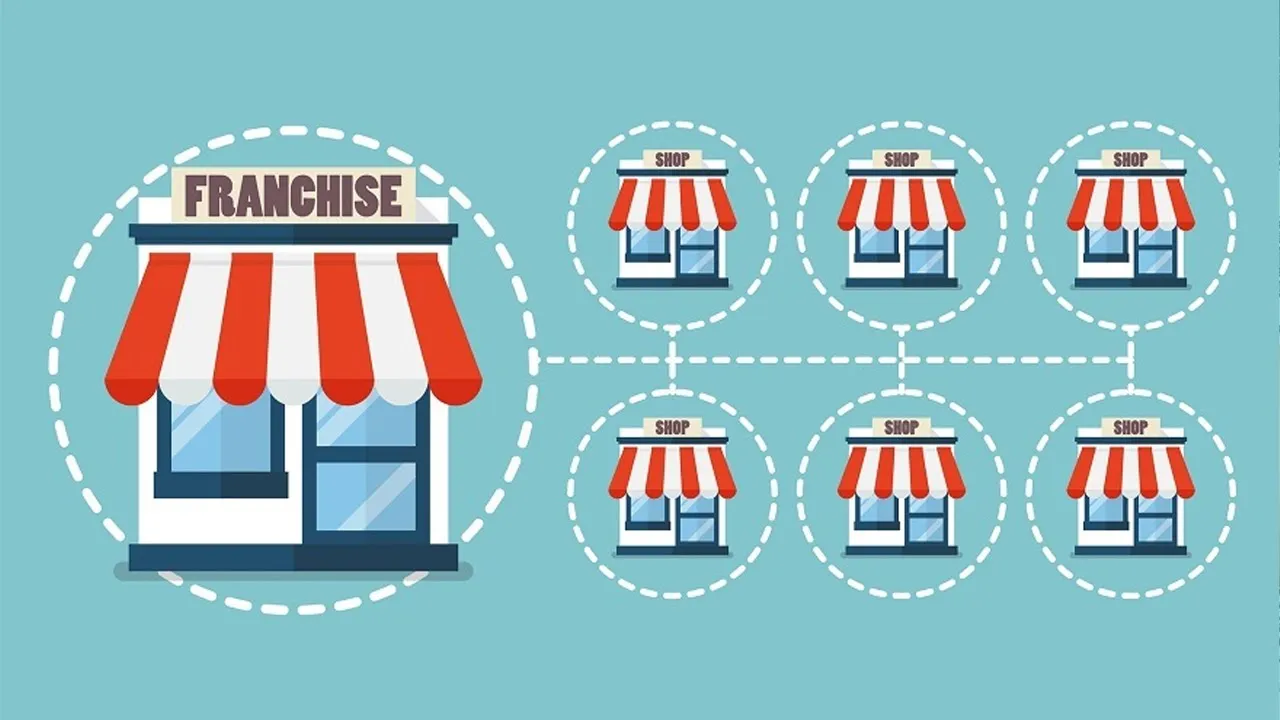






















Building a sustainable franchise sales machine requires diversifying lead sources (combining high-volume sources like Meta with premium sources like BizBuySell), using AI-powered tools for 24/7 lead engagement to improve speed-to-lead, and implementing a lead scorecard system to track marketing qualified leads (MQLs) and sales qualified leads (SQLs) for data-driven budget allocation and continuous optimization.
Franchise Sales Machine: Strategies for Sustainable Growth
Added:Fundamental understanding of the franchising business model, including the rights, duties, and economic relationship between franchisors and franchisees.
Basic concepts of sales funnel management, including lead generation, lead scoring, and customer acquisition costs (CAC).
Familiarity with Customer Relationship Management (CRM) systems and how they are used to track user journeys and pipeline stages.
An introductory knowledge of digital marketing channels, such as pay-per-click (PPC) advertising, search engine optimization (SEO), and email nurturing.
Understanding the legal and regulatory compliance requirements of selling franchises, such as the Franchise Disclosure Document (FDD) and FTC regulations.
Advanced strategies for recruiting multi-unit franchise operators and negotiating area development agreements.
Implementing predictive analytics and machine learning algorithms to assess franchisee candidate viability and long-term success probability.
Developing comprehensive franchise onboarding, training, and ongoing support programs to ensure operational consistency post-sale.
7.2K views22likes50:38Original Release: 2025-10-14
First of all, I am super excited to be here with you all.
Mostly because I am a franchise development nerd. I've been doing this for way too long, almost 17 years.
And to have an audience that actually cares about franchise sales and franchise development is really my dream come true.
And also to be here with two of my favorite people in franchise development, Nisha and Assan, uh two partners that we work with quite often and share a number of clients with.
So, today really we are all here as industry veterans. We work with so many brands, hundreds and hundreds of franchise brands. We really do know where the bodies are buried.
Meaning, we know what mistakes to avoid that we've seen and what works for generating leads and closing deals.
Before we start, um I wanted to share a quick video with you from some of our shared mutual clients just to show you why you should even pay attention to what we're saying.
The deal that we finished just last quarter, a 15-shop deal with a group out of New York, Long Island, we know that that was directly related to the campaigns that Ignite had completed.
>> Biggest difference that we've seen in working with Ignite has really been in their ability to help us go from a single-unit franchisee-focused model to a multi-unit franchise-focused model, which has allowed us to both grow faster, target a higher quality, higher caliber of investor, and stabilize our growth trajectory year over year over year.
>> one KPI is closed deals. We measure all sorts of KPIs on the marketing side, but at the end of the day, if there aren't closed deals, well, you know, we're not getting our job done. I've been working with with Joe and the Ignite team for over 7 years now, and I'm glad to say that I'm on our best sales year year after year. Shout out to Joe Malmuth, who's one of our favorite clients uh across all three companies presenting today. Uh the reason why we love them is not just because of his amazing personality, but because his sales team has got it together, and we know that when we generate leads for them, they're going to close deals, and they do.
They're actually going to hit their sales goals, well, it should have been by the end of September.
All right, so let's dive in. We're going to start at the beginning, which is figuring out your goals, your budget.
This is basic math. This is going to give you a ballpark. It's not going to give you an exact lead number or deal number, but it'll sort of get you in the ballpark. So, if you wanted 25 deals, the math is you want to figure out how many leads you need. The industry average is 2.4% of all leads convert to deals.
So, you would need about 1,042 leads to hit that goal. Now, lots of different variables can impact that, including how you manage leads, and we'll get into that a little bit more.
Also, what lead sources you're you're using, because they're going to convert at different rates and behave differently. So, this is a table that I put together that breaks down the common lead sources in franchise sales and what you can expect from them.
So, you're going to notice that some of them have high costs, some of them have low costs, some are high volume, some are low volume. And um there are different channels and sources that you would want to use depending on what kind of investor you're looking for. And here are some additional lead sources, including BizBuySell. So, premium lead sources are going to behave differently than Meta, for example.
So, it's about having a mix of different leads so that you're not putting all of your eggs in one basket, and at the same time you are able to hit your deal goals. So, you wouldn't want to go with a lead source only with a lead source that was high quality and low volume, cuz you're probably not going to hit your deal numbers. You need to layer in different lead sources.
And here's just sort of a guide um on what you could expect to pay from some of the channels you're probably using.
And when you see the lead to close rate, that is in part lead quality, but it's also a lot of lead management, and we will get into that shortly.
So, here's sort of a healthy an example of a healthy mix of leads coming from different sources, and this is how you would start making your projections. So, on the first slide we saw we needed 1,042 leads, and so this would be how you get to the number of leads that you need to hit your deal goals.
This is something that not everyone who is doing franchise lead generation um does.
Some some aren't aware of it, but basically, what you want to do is you want to track your leads, and the leads that are um qualified, that are moving in your pipeline, you want to flag them, send that information back to the ad platforms so that they can find uh similar prospects. So, why should you diversify your lead sources?
You don't want to put all of your eggs in one basket.
You know, say you really believe in paid search because the intent is there.
It's an active searcher of business opportunities. There is lots of good reasons to go with paid search. But, things can happen. Campaigns can um decline in performance.
There could be some change in the algorithm. You never know. So, making sure that you're using diversified lead sources, it's just going to help to stabilize your lead flow and make sure that your pipeline is never empty.
It can also help with bandwidth issues.
So, for example, if you have a very small sales team, you don't have marketing automation set up, then you probably wouldn't want to go all in on Meta or another high-volume lead source. You might need to go with some of the premium lead sources and perhaps paid search. So, in this little video, it is going to dramatically explain to you sort of the interplay between lead sources. This is another thing that people don't necessarily think of.
[Music] Stop gambling with your franchise growth.
Do you think your organic search game is strong enough to do all the heavy lifting?
Think again.
If you're putting all your faith in SEO alone, you're basically rolling the dice and hoping for the best. And in the world of franchise development, hope is not a strategy.
Here's the reality check. The franchise lead journey isn't a straight line. It's a messy, unpredictable ride with multiple touch points.
Yet, so many brands make the rookie mistake of crediting only the last click, the organic search, as the sole MVP.
Newsflash.
That's like giving all the credit for a touchdown to the guy who crossed the goal line while ignoring the entire team that got him there.
Paid ads, the unsung hero of your lead generation.
Your organic strategy might be solid, but without paid advertising, you're invisible to half your potential leads.
A killer paid digital strategy builds awareness, gets you in front of the right people, and keeps your brand top of mind until the moment they're ready to take action.
Think about it.
A potential franchisee has seen your ads for weeks on social.
Then, they have a terrible day at work.
Their boss yells at them. Their coffee spills. Their office chair breaks. They finally Google "best franchise opportunities." They click on your organic search results. Your CRM says organic search brought them in.
Wrong.
Paid ads primed them. Organic just closed the deal.
And if you think you can cut paid advertising and still get the same results, prepare for a harsh wake-up call.
So, you don't want to get too comfortable feeling like you're getting great results from one channel and pull the plug on others because you don't know how they interact together. Hopefully, you will have the data and you won't have to go with my opinion. The way that we start off getting uh data from our campaigns is by defining KPIs. So, the first one is marketing qualified lead. We use the same definition across the board, valid contact information, they're in an available territory, and they self-report that they're financially capable.
So, that sort of tells us that we're doing all right on the front end, that we're targeting correctly, that people know what the minimum financial criteria is, and they meet it. Next KPI is sales qualified lead. And that is determined by the sales team. It's going to be a step in your process that's further on.
And it should be after you've spoken to a prospect, had contact with them, and decided that, hey, this person, I want them to continue in the sales process. They'd be a good fit.
So, that could be application received or FDD sent, something further on in the sales process. So, this is not a thing of beauty, but it's very practical. It's a lead scorecard.
And what we're tracking here, the top section is lead volume. How many total leads we get, how many total leads by channel, then the next section is marketing qualified leads.
So, how many of those leads met our marketing qualified standards? If we see that, you know, the percentage is is really low, I'd say anything less than 25 30%, then we would really want to take a look at the marketing, the targeting, the messaging, all of that. But, if we were getting qualified leads, and then we see that they are not moving to the further stages in the sales process, we would know that we also need to take a look at how we're managing leads. Then we're also tracking deals, and we're putting in our um ad spends and anything that we're paying towards SEO to calculate the cost per deal by channel, blended, and eventually we've got cost per deal.
So, it's cost per lead and then cost per deal. And this is great because you track this data over time, and you can start making projections. You will be able to make smarter decisions about how to allocate your budget based on historical data.
And um you'll start to learn things like your lead to deal ratio.
But, lead generation is really just a quarter of the battle. So, if you thought that lead quality alone translates into deals, it does not. So, one horror story to share with you, I will not disclose the brand, but they're a large franchise, and I went through the process of becoming a lead.
I followed their path all the way through. I input, you know, my inquiry, and then I got an email that said, "We receive a high volume of inquiries, and you will hear back from us within 7 days if you fit our criteria."
So, the problem there is not that they're not a fantastic franchise opportunity, and people should wait for them.
But, that is not how people work. So, you know, in that time that they're letting prospects, their leads, go uncontacted and unengaged, those leads are probably looking at other brands, and may not be around when the client uh when the franchise is ready to call on them. So, how do we bridge the gap between the leads that we generate and sales teams? So, a key component for us has been Lumen AI.
Lumen for us is a way to connect our clients with the leads that we're generating, which helps close deals, but it also helps to give us information back about the leads that we're generating, so we can improve our campaigns, and we can drive even higher quality leads, which will result in more deals. Here's sort of a template. This is like the most basic you need this kind of coverage to really get value out of the leads that you're generating.
SMS is by far the strongest channel for franchise sales, and especially for for brand new leads who are just coming in to you, you know, you can send it out and catch them in their moment of interest and start engaging them even when you're not working.
So, here are just some best practices for engaging franchise leads, starting with sending that automated welcome SMS to take the next step, which could be to schedule a call, it could be a request for consideration form, it could be to attend a webinar. Now, here is how we um work with our clients to get feedback on lead quality, which means that they have to connect with leads to be able to give us this feedback. And it falls into two buckets.
There's actionable feedback for optimization, and other reasons for disqualification that we can't target or make changes on our end to avoid.
So, an example of actionable feedback would be if if clients are marking leads having bad contact data. Outside of organic leads, we should be able to do something about that. So, there could be a targeting misalignment, there could be something going on with spam leads, or it could be an indication that you need some sort of verification.
And then there's also financially incapable. So, there's a lot that we can do there in terms of messaging and targeting uh so that we reduce the number of leads that don't meet the minimum financials.
But, in the other group, there are things like uncontactable, and uh unresponsive.
We can't do anything targeting-wise to sort of screen out people who in the future are not going to be responsive.
And that's where we would want to make sure that you have your lead management playbook in order.
So, what do we do when we see that leads are coming in, we're getting lead volume, we see that leads are uh marketing qualified, but then they're not really moving to that sales qualified stage. Is it lead quality?
It may be, but most likely there's also a lead management issue going on. And that's when we would suggest doing a franchise lead journey audit. It is literally following the path a lead takes and documenting it from the point of discovery all the way through the first connection with the sales team.
So, you know, you could start with organic search results, click, go to a landing page or a website, input your inquiry, submit, and then document the communications, the timing, what channels are you being reached out to? How's the messaging?
Does it advance you to the next step?
You can really learn a lot by seeing what your leads are actually experiencing.
Here's a laundry list of some of the common mistakes that we see in lead management, but just to highlight a couple.
Speed to lead.
I know it's cliché, but it's incredibly true.
For every day that you don't reach out and engage try and engage a lead, the likelihood of being able to connect with that lead just plummets.
The other mistake that we see is, you know, sales teams are immediate gratification people. They want to do deals, and they may not care what deals are done in a year from now.
So, we commonly see leads popping back up saying, "You know what? Now's a better time."
So, it's really important that you've got a strong nurture campaign in place, so that when it is better time, you're there.
And we see that brands will manage all leads the same regardless of lead source.
And if you think about it, a lead from a broker who's who knows they want a franchise, they've looked at yours compared to other opportunities, they've been vetted financially, you're going to treat those leads differently than a meta lead. And this is important for us to keep in mind. Yes, we may have an amazing franchise opportunity, there may be a lot of people applying and saying raising their hand saying they're interested, but this is highly competitive space. And out of the, you know, 1 to 2 million people who uh request information about a franchise, only a very small fraction actually go on to invest. So, if you aren't talking to your leads, they'll be talking to somebody else. So, here a couple of takeaways for you. Set deal goals, have an idea of where you're going and what you're trying to accomplish.
Um you want to use what you know about the different lead sources to figure out a good mix for yourself based on how costly the leads are, how responsive, the volume, all of that. You want to make sure that your lead sources are diversified so that you're not relying on just one channel. Track everything.
Data is king and then use that data to make smart choices in the future and don't forget about lead management.
Again, an easy way to see what the experience is like is to actually experience it yourself.
Now, I'm going to turn it over to Nisha to talk to you a little bit more about premium lead sources.
Thanks so much, Rachel. I appreciate Ignite hosting this webinar and connecting us all and Lumen AI for kind of joining in on how we can help people build the best machine possible for their franchise development teams.
You know, um my name's Nisha. I've been with BizBuySell for gosh, about 18 years, but I've been focusing on the franchise side of the world for about nine of those. Rachel mentioned actually two really important pieces uh in really you want to make sure that you're tracking all of your lead sources, quality so that you can understand and better design your own, you know, franchise development strategy.
And you also want to take a look at those lead journeys. Those were fabulous points. And that kind of leads us into, you know, why is it so important to include premium lead sources in your franchise development planning?
And you know, it's kind of funny as we've been putting together this uh webinar and really every other day I have my mother's voice in my head. It's actually kind of funny at times, but it took me until just recently, a couple years back now, to realize that my my mother was in sales.
She's a mortgage broker.
And now I'm in sales and, you know, every one of you on the call here, you're in sales, too. One of her favorite phrases that she would tell me while I was growing up, you know, and throughout my life was, you know, play the game, right? And I understand now what she really meant was to, you know, get in, assess the situation, figure out the rules, and what works best in that environment to be successful even if you don't really like it or if you're hesitant to embrace it as so many of us are.
Now, how does this all tie in?
You know, we all need to play the game in franchise development. Premium Well, I'm about to tell you a few things that you're probably not going to want to hear. You know, premium lead sources are integral to every lead generation campaign and some folks want to shy away from that because they do come with a higher cost per lead and higher risk, but ultimately they, you know, result in a lower cost per acquisition across the board and require fewer human resources.
And I'm going to walk you through why it's so important to play the game when it comes to lead generation. Here are, you know, the specifics that we're going to cover.
Why you should add high intent, low volume sources to your strategy.
How advertising with a trusted source can really boost your brand's credibility with buyers.
Couple of tips on engaging ideal buyer buyers and where they are searching.
And then I'll share with you a few case studies of, you know, brand partners where they had quality was winning over quantity every time.
So, a colleague of mine is actually known for a really great phrase and I've I've heard her say this for years and I I can't agree more. You know, leads are work, not sales.
As the brand, you know, you want your franchise development sales team to be working as efficiently as they possibly can.
And when it comes to generating those leads that that sales team's going to work, you know, you need to do the same for them.
Rachel covered the importance of lead diversification and having volume and diversity in your strategy is just really the baseline.
Adding in some high intent, low volume sources can really benefit your development team in so many ways.
One thing to keep in mind is that every lead channel, you know, high volume, low volume, doesn't matter, are going to have some point of limiting returns.
You know, at some point using large volumes of unqualified leads is not going to be practical. You need to be balancing those marketing dollars and human resources to be as efficient as you can. You're never going to use just one lead source.
Having lead sources that drive volume is important, but having lead sources that drive conversions with fewer leads and less work is going to bring in a lot of balance to your strategy.
You know, when I'm advising my clients on how to build the most efficient campaign, I always ask them, you know, what's what's more important to you?
Your time or your money?
And everybody wants the holy grail of lead sources, but it doesn't exist. So, you've got to cover all your bases and the real answer is they want both, right? High intent leads don't just help in the short run, either.
It's not like we're going to get, you know, everything all at once. We're looking at this in a much longer term factor, you know, high intent leads can improve franchisee fit.
Utilizing targeted lead sources like this can help franchisors attract candidates who align better with the brand's values, thus reducing turnover and increasing long-term franchisee commitment.
Essentially, at that point, we've seen the lifetime value of a franchisee's going to be a little bit higher because originally their buy-in was there from the beginning. You know, we're not convincing random person who's searching on Google to come buy a business. With high intent lead sources, that's that's what they came here to do. They're they're here to buy businesses.
And franchise growth takes a lot of things into account.
It's not just about, you know, spending marketing budgets and how many sales gurus you've got on board. You know, growth mode franchises often have limited onboarding capacity.
And when you've got low volume, high intent leads, you're really allowing for more controlled expansion that won't overwhelm your operations or dilute your brand standards.
Speaking of control and standards, uh in a world where we all get fake news, AI generated ads, spam phone calls left and right, someone trying to take our money and every other thing fighting to get your attention, business buyers are leaning towards going to sources that they know and trust because the safety takes that mental load away and they know that they've got good options to choose from as we're curating those lists of opportunities for them and it's all about credibility.
You know, credibility is extremely important. People feel good when they go where they know they're safe.
Experienced, successful business buyers also value their time.
High intent sources will boil down the choices for them and make the buyer's decision-making process a lot easier while helping them to mitigate risk.
Think about it maybe like this.
You know, when you need help with any high stakes, life-changing decision, which this is, buying a house, for example, you go to the specialist. You go to, you know, a realtor. You don't just ask anyone on the street for advice and hope they know the right answer.
You know, and and on that same line, you know, now that I've got us thinking about what kind of trusted sources are out there and why a high intent, higher lifetime value buyer might be utilizing them, keep in mind it's your job to go and meet those buyers where they're looking.
And these trusted sources vary by brand.
These include things like industry forums, you know, specific organizations that are relevant to your ideal buyer.
A few select targeted conferences you might go to, BizBuySell, Prospect Direct. There are only a small handful of high intent lead sources, but meeting those ideal candidates where they are ensures that you're getting in front of serious prospects rather than just hoping that they've stumbled upon you.
Proactive targeted outreach like this is a key component for success and a lot of franchisors they just don't realize when outreach is very intentional and aligned with that buyer's mindset and where they are in their journey, it sets the tone for trust, alignment, and long-term success with these buyers.
And to really, you know, figure out where to go, the best thing to do is really get to know who your ideal buyer is.
Then go in, test things out, and track like crazy so that you are knowing exactly, you know, who your ideal buyer is. It's going to allow you to tailor your messaging, tailor the channels that you're using to reach out to these folks, the offers that you are sending them, and all of that's going to be dramatically increase the engagement and conversion rates for your team.
Part of this uh Lumen AI is going to cover, and they're going to help you to look at the best ways to connect with leads and make sure that you're, you know, taking these good high-intent leads and actually doing something with them.
But, you know, now for my uh clichéd line of the day, right? You know, don't take my word for it, but the proof is in the pudding, right? I'm going to show you uh two case studies, and these guys are on totally opposite ends of the spectrum.
So, first you got that Big Air Trampoline Park.
Uh these guys really embody the, you know, go where your ideal buyers are looking.
They have a very long discovery process and a large list of criteria buyers need in order to be qualified.
And after trying, you know, quite a few things, they found one high-intent source in particular to have the kind of buyers they want.
That happened to be BizBuySell.
And after that, they kind of doubled down in reaching our audience, and as a result, at the end of 24, they had 27 deals done. 22 of those came from us.
And that's just one source.
Deal Finders, on the other hand, has a very, very different strategy, but the high-intent buyers are still extremely important. This is a new brand in the pickleball, you know, kind of industry, and they're competing against vastly more established brands. You know, they need high-intent, ready-to-go buyers quickly.
They are in growth mode, and in order to survive, they've got to do as much as they possibly can with as few resources as possible.
So, Deal Finders needed to get in front of the right audience, one that was there and ready to act.
They did a campaign. They generated actually a much higher volume of leads than we usually see and expect. They got about 100 leads.
25 of them, a quarter of them, went to Discovery Day. That is extremely unusual.
Out of those 25 candidates, they were actually able to award, you know, four locations.
And, you know, with all that said, ultimately, you know, mom is always right. Uh nobody wants to hear that, right? You you got to play the game to be successful.
Now that you've kind of diversified your lead sources, you've looked at including volume, high quality, different tools, now now you got to go talk to them.
Hassan is going to cover some of the best ways to communicate with your leads so that you can close deals as efficiently as possible. Thank you, Rachel. Thank you, Nisha. This is good, and thank you for setting the stage and planting the seeds for me. Um I just want to start by thanking the Ignite team for hosting this and providing us this opportunity to to join hands and, you know, always love being uh or sharing screen with my partners in crime in this case. So, uh thanks for that as well. Again, I'm um hello, everyone. I'm Hassan Qazi. Um I am vice president of partnerships here at lumen.ai. I've been in the technology space, as you can see the gray, for 20 plus years.
And, yeah, and these days, it's all about uh it's all about AI. So, we will talk about uh uh how we work with uh you know, various friend franchise development brands uh and partnering with them uh and, you know, what's uh what's keeping us busy and happy and successful. So, lumen.ai is, in short, uh a conversational AI tool that boosts sales by automating lead follow-up and scheduling.
And we do it by texting in real time.
So, expect a 24/7 responsiveness and seamless integration with your choice of calendar and your choice of CRM. We've been around the block for 7 plus years and before gen AI, ChatGPT were household names or or used by my kids.
Uh we are grateful to the 100 plus brands who've taken us into confidence, taught us the nuances of their franchise development strategies, and helped us be part of their success. And I'm happy to share that many of them are joint brand partnerships between the three organizations that are that are here today. I'm going to start with um talking about three of uh the challenges that are uh top of the lead funnel.
And and I'm sure you folks, you know, are are are these are not new to you.
Um vested leads. Now, we talked about high-intent leads. We talked about trusted lead sources. We talked about diversified um leads lead acquisition and different strategies in being um smarter when it comes to acquiring leads and injecting leads into your system.
And but how good are those leads if you don't get back to them on time? And again, we've said so many times, and then we repeat all the time, speed to lead, speed to lead, speed to lead, but time is is very important, especially when you're going after a high-intent lead from a trusted lead source.
Okay? So, this is, again, um you don't want that first inquiry to be um after the long weekend. They won't even remember what form they filled and what their intent was a few days ago.
Um the other thing I want to highlight uh as a challenge is, you know, we hire really smart uh sales people, and we give them KPIs and goals to sell.
No one wants to chase.
We would want them to rather spend their time having meaningful conversations with this with these high-intent prospects where it's a mutual fit for both sides versus just coordinating time to meet.
Right? So, again, that's that's just some of the things that we see all the time. I just wanted to highlight for you. And now, moving on to different ways uh we engage, and this is the world of omni channel, right? Uh you want to give the prospect the opportunity to pick up a phone, call you, email you, text you, however it is convenient for them to engage. But, what we've learned from experience and data insights is that outpoint outbound voice or the good old phone call, which I personally like doing, is is is is irritating at times.
It doesn't have the same kind of response rate.
Uh it may be convenient for me, uh you know, to pick up a phone, but may not be convenient for the other party to receive the call anytime I want them to.
Okay? Email, again, you know, we got to live with email, but when it comes to certain things such as coordination, having a conversation, or timely response based on the volume of email that we all get, it's just so confusing and slow.
Okay? So, end of the day, we have stats and data to support that texting is a convenient and an effective way, also very respectful, especially in the space that we are in.
You know, you want a response to someone if they reach out to you at midnight, but you don't want to proactively remind them of something at midnight. So, if a system is smart enough, texting can play an important role in how you uh engage with your prospects.
Now that we've set the stage uh sort of a relationship between leads and then the speed and then the engagement, uh let me give you an a high-level overview of lumen.ai as a tool.
You know, in the sales world, CRM is the the center of the universe. You know, it's a single source of truth for sales people. Uh what they expect to see is just under that one hood. So, Lumen AI um integrates with your CRM system bidirectionally in real time so that lead qualifiers, sales people, developers uh can be instantly aware of the progress of the leads that they own.
Okay? And vice versa. The system also wants to know if they've done anything before uh before the tool has reached out to anyone.
Your franchise development team gets a single real-time view of lead progress.
More importantly, each prospect sees a coordinated sales process.
Okay? Now, think about this.
Um if a salesperson is talking to someone, during that call, you don't want uh an automated tool to text the same prospect saying, "Hey, can I book you an appointment? Do you need more information? May I help you?" Not a good idea. So, that's why this bidirectional uh relationship that we've built is very important. Think of this in in simple terms, uh hiring uh a superhuman scheduling assistant.
And let's go to the next slide to look at the job description of such such person if if if one exists, you know, up 24/7 juggling between dozens of brands and so many time zones and so many leads and updating calendars and CRMs in real time, you know, that's not humanly possible. That's why you can rely on tools.
Okay? So, difficult lead sources can require your your team to expend immense effort chasing.
That results in low conversion and it's hard to keep up.
We are changing the game here by by sifting through hundreds of leads per month per developer, filling their calendar with the ones that are most interested, most qualified. Again, the terms used earlier, high intent and from the trusted sources.
Again, I don't I don't know if you want to hear it from someone who is representing an an AI technology, but I I must admit and say this.
Um people or human beings like talking to people.
No one likes talking to machine.
That's a fact.
We can use machines as a tool to help us do certain things, but if a prospect is reaching out and is interested in a franchising opportunity, the fact is they want to talk to someone.
Okay? So, pop culture frames AI as replacing humans, while some job functions can you know, are are more vulnerable like mine. We view the relationship between AI and humans as an intentional choice.
Now, we are delighted every time we help a team spend less time chasing leads and more time having meaningful conversations. So, we started this discussion by sharing with you, again preaching to the choir, how important speed to lead is. But I want to I want you to think about the relationship between speed to lead, speed to engagement, and speed to an actual relationship with a person. And that's what the the goal here is.
So, we'll just talk about continuing on that theme, we'll talk about you know, some some stats here, but think about it this way that even the most motivated, most capable prospects can also be busiest.
So, if they're not picking up their phone, it doesn't always mean that they're not qualified.
The person may have a 15 franchise unit and they're a perfect multi-unit prospect, but they're not available.
So, through the power of AI, we can engage with them at the time of their choosing, 24/7 active and engaged and and ready to schedule time anytime they're available.
So, this eliminates phone tag, shrinks your sales cycle by days, putting your brand a stage or two ahead of competitors. Think about these busy people are also target to a lot more competitors because there are anyone who's a good fit is a better target to many options that they have available in the market. So, moving to the stats on this deck on the slide.
In our experience, you know, after working so many years with the hundreds of brands, majority of the inbound franchise development leads come in during off hours. The definition of off hours is after you and I are are are at home or in bed.
And during that time, you know, just just just a normal scenario, somebody had a bad day at work and Rachel's video is is is giving you that example that you know, had a bad day at work, you want to go home, you see a sign, you want more information, you put the kids to bed, you fill a form, you hit the submit button, that's 10:00 p.m.
Who wants to talk at 10:00 p.m.? But it's respectful and easy to just send an email and say, "Hey, understand you reached out, how about we talk tomorrow and here's the time." So, the salesperson or lead developer or lead owner, anyone who's chasing that lead, the next morning is not doing another chase and coordination, it's already in their calendar, it's respecting both parties' times.
So, that's why off-hour leads that come in are an example for us to learn and understand that if majority of the leads come in during that time, we've we've observed that 80% of the people end up booking an appointment within that first hour of engagement and that's exactly where your ROI is and the value of using you know, I mean, there's value of using technology all times, but during that time specially it's very important.
I think I've I've said enough things and as as Nisha said, proof is in the pudding, why don't we go to the next slide, which is a video and I want you to focus on the flow of communication.
It is important for for you to understand how easy, simple, and a respectful way to communicate it is between a machine and a human being.
Please go ahead.
With Lumen.ai's intelligent conversational platform, your customers can say what comes naturally.
Here's Britney setting up an appointment. Notice how she doesn't have to dumb down how she talks the way she does for Siri. Also, it's not just about how she says things, it's about what she says. Instead of answering the bot's questions literally, she just says what comes to mind. Those unexpected twists and turns are just fine. The bot understands what she needs. The result is a shorter conversation and a faster path to happiness.
[Music] Later, Britney gets a smart reminder.
The smart part of that means that the bot can do much more than say, "Reply C to confirm." which is what today's solutions allow. That's great because if she doesn't take care of rescheduling now, a dozen other things on her to-do list will make her completely forget. It could be days.
But with a text conversation, she can squeeze in her replies at a stoplight or while eating a delicious poppy seed muffin.
[Music] Now, it's nearly midnight and Britney realizes she has a conflict. Luckily, the bot is awake 24/7 and remembers who she is. There's no need for her to re-explain her situation because at this point, she and the bot are close friends.
Also, notice how the process of brainstorming together actually results in multiple conversation threads. When she comes back to the Thursday at 9:00 idea, the bot remembers that they talked about this before. An intelligent bot maintains context at many levels and that translates into a relationship.
[Music] The Lumen.ai platform picks up on that context and uses it. Okay, so here's my pet peeve.
Now, have you told the customer support person that you wanted the red one and they still ask you three times what color you want? Infuriating. Here, Jordan says he's busy until 3:30 every day because he's got a day job. The bot notices that and respects it. That's what intelligent conversation is all about. Back when computers started understanding natural language, it was all about access for non-technical people. In today's age of digital natives, that's less important. Today, it's about solving problems together.
[Music] Here's one last scenario. All Jordan needs to do is cancel and he's in a rush. A simple situation calls for a simple response. All done.
Thanks for watching. So, I want to sum it up by saying that expanding a franchise network depends on fast, efficient engagement with motivated leads.
So, a fully automated tool like Lumen.ai can help you connect with prospects as soon as they express interest, allowing your team to prioritize high-quality interactions and increased conversions.
With that, I will end my piece of the presentation. Next slide, please, with a quote from our mutual friend um from Batteries Plus.
And if I have to give one um one comment about this organization is that from all the franchise brands that we work with, they're really really good at their KPIs, understanding their numbers.
And since we jointly work with them, one of the thing that they one one thing that they shared with us more recently that I would share with you so you can take it away and and imagine the impact is after they started with working with all of us, their sales cycle went down from 120-ish days to 76 days.
Just just that alone for all the franchisors listening to this, just think about that. This is the kind of impact uh, know, you can have in your sales funnel if if you think proactively about how digital marketing, um, good lead sources, quality leads, and a better way to engage can, uh, can support you with with that. I want to thank you all for listening to us, giving us the opportunity to share the insights with you.
And I'll pass it back to to Rachel to wrap it up.
Thank you so much for your time today. I hope you took away a nugget or two.
Um, thank you, Anisha, and thank you, Asan. It's a pleasure to work with you and present with you.
If you do have any questions and you want to explore franchise lead generation or how to make your process better, get a hold of us. We love to talk shop.
Thanks, everyone.
Up Next

14:15
Rai Stones: The Mysterious Currency of Yap Island
@Thoughty2
619.6K views•2021-05-28

12:54
Triumph of Orthodoxy Icon: Byzantine Art & History Explained
@BenCallan
2.1K views•2024-08-06

9:49
FastAPI vs Flask vs Django: Choosing the Right Python Web Framework
@TechWithTim
302.5K views•2024-05-26

1:42
Game of Thrones Opening Credits: A Cinematic Analysis
@gameofthrones
46.3M views•2011-04-18
Related Study Plans & Knowledge Roadmaps
Structured learning paths in General & Interdisciplinary Studies
general-studies
Elevator Engineering: History, Physics & Cities
01From Hoists to Safety Brakes: The Dawn of Vertical Lift
02Hydraulic vs. Traction: The Engineering Physics of Elevators
03Modern Speed, Safety, and Algorithms
+ 2 more learning modules
12h5 modules
Explore Roadmap
general-studies
Rubber: Material Science, History & Geopolitics
01Origins of Natural Rubber & Mesoamerican History
02The Chemistry of Natural Rubber & Vulcanization
03The Geopolitics of the Rubber Boom & Colonization
+ 2 more learning modules
12h5 modules
Explore Roadmap
general-studies
Containerization: Evolution, Logistics & Trade
01Ancient Trade & Bulk Cargo: Amphorae to Barrels
02The Industrial Revolution & Cardboard Packaging
03The Containerization Revolution: Malcom McLean
+ 2 more learning modules
12h5 modules
Explore Roadmap
general-studies
Textile Tech: Evolution, Labor & Global Impact
01Pre-Industrial Textiles: Handloom & Cottage Industry
02Mechanization: The Spinning Jenny to the Power Loom
03The Factory System & Global Labor Transformation
+ 2 more learning modules
10h5 modules
Explore Roadmap