
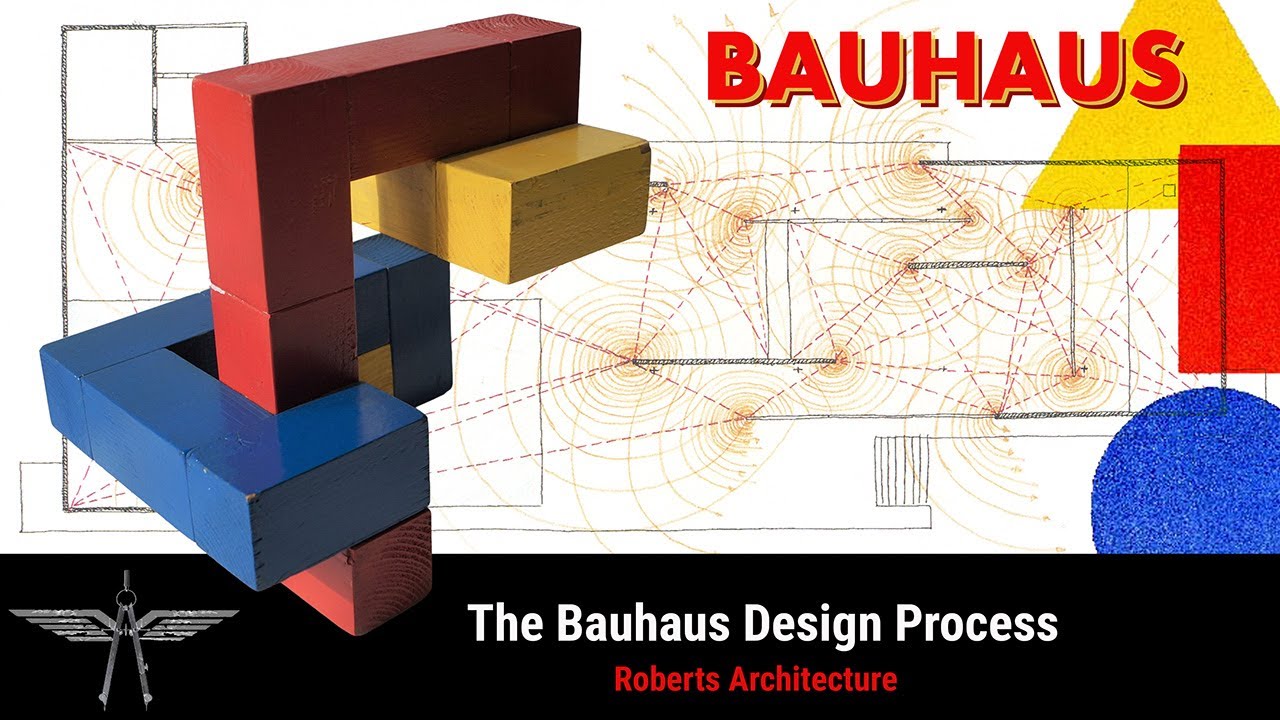


















This lecture traces how tubular steel furniture design evolved from the Bauhaus school's pursuit of geometric purity and functional rationalism to American industrial designers' adaptations that prioritized manufacturability and mass production. The Bauhaus designers, including Marcel Breuer, Mart Stam, Wilhelm Wagenfeld, and Marianne Brandt, pioneered tubular steel furniture in the 1920s, creating revolutionary designs like the cantilever chair and iconic lamps that celebrated minimalism and industrial materials. However, these early designs were often handmade, expensive, and commercially unsuccessful due to their radical aesthetic. When American designers like Donald Deskey, Kem Weber, and particularly Gilbert Rohde encountered tubular steel, they adapted the Bauhaus principles to American manufacturing contexts, prioritizing cost-effective production methods, standardized components, and market accessibility over pure aesthetic expression. Rohde's work at Herman Miller exemplified this synthesis, creating furniture that achieved both modernist aesthetics and commercial viability through innovative component systems and strategic marketing. This evolution demonstrates the ongoing tension between artistic vision and industrial production requirements that characterizes industrial design history.
Bauhaus Tubular Steel Furniture: Design History Lecture
Added:hi everyone as you know class was cancelled tonight because of hurricane sanding so I'm posting leure online for you that way when the power dies you can light a candle and use what's left of your battery power just take current with our lectures today is from bow house to Broadway enjoy W this is a video that shows tubular steel being B into an amazing shape by a computer assisted tubing Bender now that's not what we're going to talk about this week what we're going to talk about instead is the dawn of the era of tubular steel I wanted to show you this video in advance so that you can have an idea of why this material would be so interesting and important while we talk about our clumsy learning how to use it this week I'd like to look at tubular steel as a device for talking about the bow house and as a way to explain some manufacturing advances in America that produce some pretty ugly things in the service of trying to achieve a more Modern Way of of construction and manufacture we're going to look at a lot of chairs my apologies to those of you who don't like chairs uh it's just the tool that gets us across the Finish Line most gracefully and also frankly because the bous era was an era of a lot of Architects designing Furniture uh Architects like to make chairs and that's what we're going to look at Jim herd who was the curator of the bicycle Museum of America said that at the turn of the century 1900 there were two buildings in Washington DC that held every patent that the US had generated up to that point one building h held every patent for everything and the other building was just patents for bicycles it's easy to forget how prevalent and important and exciting bicycles were at the time because we live in a world where we have so many other methods of transportation that are more affordable and more common these posters I think help explain how uh cross style cross type of person cross activity how many different barriers were broken down by the presence of the bicycle you could find a bicycle poster in the art deco style in the art Nuvo style uh and you could find all sorts of different people excited about using bicycles designing bicycles living in a b bcle culture and Bicycles of course all industrial designers love bicycles but they're important for our story because they forced manufacturing to figure some stuff out that then designers could repurpose for other uses the biggest Advance would be tubular steel our ability to make metal into a tube wasn't new but it took a big leap forward in the 1890s the monamon process invented by the monamon brothers essentially takes a hunk of Steel drills a hole through it and then rolls it over and over again through a series of dye with a a cone-shaped device inside to make it ever thinner and longer so it's not extruded it's a slug of Steel turned into tubing but that gave us thin walled even walled seamless tubular Steel if you add to that electroplating you get tubular steel that can live outside in the rain better this is a process we looked at we we've looked at it a few times so far this semester the 1820s it was a new process but it was battery powered and we talked about uh with the Advent of automobiles the need for a coating on metal that was more resilient and more resistant than paint or enamel chrome plating is a really good surface to achieve that and as you add electricity to the process of chrome plating you can scale it up and get bigger and big bigger plating facilities the picture on the top shows 1911 and you can see their wooden Vats that are tar lined and it's a sort of a craft process very soon thereafter on the bottom the automobile industry scaled that up so that you'd get automatic plating uh processes and and larger tanks and bigger machines with the Advent of World War I the aviation industry required all sorts of refinements and developments in plating as well we got hard chromium plating bronze alloy plating nickel plating um and all of that can get used for other purposes after World War I last week when we looked at the Art Deco period we looked at all sorts of shiny things that were shiny because they were chromed and we we got a better understanding of how Chrome was used as a material what I'd like to look at this week is how chroming on tubing leads to another sort of opportunity for designers on the left you can see bow house Purity European design Purity and on the right the American manufactured sort of bastardization of all of that and that's what I want to do I want to explain how that happened and why and I have to ask for your patience because some of you will be frustrated by the Stark purity of the first chapter and some of you will be frustrated by the sort of ridiculousness of some of the objects of the second chapter but the story I want to try and illustrate with these two chapters is how we took a a conceptual purity of design that wasn't really manufacturable and learned to manufacture it and in the process had to make some sacrifices some of that Purity had to be thrown out to bring the price down and the quantity up this is sort of like tubular steel Behind the Music a couple of weeks ago we looked at the art Nuvo period and we looked at how although the objects were all still decorated the surface decoration was a lighter more graceful Affair than Victorian things had been been we used adjectives like uh natural tensile exotic luxurious and then last week we looked at the Art Deco period when we looked at this slide you threw out adjectives like geometric uh Speedy or fast shiny what we're going to look at right now are product from the bow house era if you were there if we were having class tonight you'd be shouting out all sorts of adjectives like undecorated and geometric and machine made and I'd be congratulating you on those excellent choices of adjectives in reality these amazing objects produced by the bow house family of designers were meant to seem manufactured and some of them were meant to be manufactured but many of them could not be manufactured they were actually hand constructed uh and did not meet with great Commercial Success because at the time these were very forward-thinking objects and they were a little too harsh for most people's homes and because they were handmade a little too expensive they did have an enormous impact on everything designed ever since and one of the the most important things to keep in mind is that the bow house also introduced a lot of the ways we still educate designers so for me the objects are beautiful and tell a great story that we're going to look at but keep in mind that as a school as an educational effort the bow house is invaluable to us today the bow house has three phases uh the first phase was in in vimar in Germany and I don't know if you remember Henry velt a favorite of mine from the art Nuvo period and Beyond he lived for a very long time he was head of a school called the Grand ducal Saxon School of Arts and Crafts in viar and in 1915 because he was Belgian and World War I was starting he was asked to leave Germany and before he left and stepped down as director he proposed that Walter gropus succeed him that's when that school became the bow house gropius transformed this sort of sleepy arts and crafts School into something much bigger and much more enduring but in its first phase under gropus it's still inherently craft based there's a very strong Foundation of Education being developed and that celebrates all the things that freshman Foundation programs still celebrate color form contrast uh the Primacy of basic geometric shapes unadorned surfaces circles squares cones all of that all of the aesthetic of the bous comes out of that educational plan after World War I there's more need for Commerce for design and Manufacturing to meet and produce objects that people could consume and there are also some professors at the bow house llo mahol Nagi and Joseph alur who get involved trying to steer gropius in a more industrial Direction and the school starts to take a more industrial approach in 1925 they moveed to decide to a purpose built building that gropius built that's the picture on the right and then there's one more sad chapter at the end it moves to Berlin for a very short period of time after the Nazis are finally successful in shutting down all possible Innovation because the bous is so covered in every other art history class you're taking I'm just going to talk about the parts of it that sort of support my story and know that you'll learn more about it in other places from people who are better prepared to talk about it there isn't a lot to look at from Walter gropus for us as objects because he was really an educator and an architect more than anything but the things that he did produce show everything you want to see from a bow house effort there is a purity of form a Simplicity of of geometric uh form even in the pieces that were made in very limited production or one of aind pieces you see that Pursuit we see some early work from gropius uh and then we I have a funny slide of a late piece to show you in between uh he was mostly an architect and educator I show this not because I want to celebrate it as a great design I show this because it's an example of his much later work when he lived in America at the time and I I'm fascinated by the fact that this teapot has survived to the point where it's in almost every Chinese food restaurant you go into it's avoidable it's like the tonet chair it's something you've never noticed and now that you've burned it into your retina and your brain and your memory you're going to see it everywhere you go I don't think it's uh any sort of Triumph of teapot design but for some weird reason it has endured because we're in New England I want to show you the gropus house as well I'm just going to put this one slide up as a placeholder to let you know that after he left Germany he went to England for a moment for a year and then came to teach at Harvard and designed and built his own house as a celebration of the things he had been able to bring with him from Germany so there's an amazing collection of furniture it's all preserved as it was lived in at the time and it's really worth a visit so all of you who have free time get in a car get on a bus go to Lincoln Massachusetts put on the little paper booties over your shoes and take a tour of this sort of transcendently exciting incredible modern interior I'd like to spend more time talking about some of the people at the bow house who actually designed objects that can uh tell the the story we want to look at and the first of those would be Marcel Brer because he's really the one who started the ball rolling on the left you can see a student piece of his it's a wooden chair that he designed and it has all the excitement of a student piece of furniture it's it's full of energy and vitality and it's it's wood being wood wood wants to be a rectangle and we'll let it but it doesn't look very comfortable it doesn't look very resolved in terms of manufacturing and look at the chair on the right a mere 6 years later for me it's one of the triumphs of thinking about manufacturing and we'll look at this construction system of this chair in a moment Legend has it that Brer was walking to school or work one day and came across an Adler bicycle and marveled at the chromed bent tube steel handlebars and realized that that material and those manufacturing techniques could be used in in any metal shop in support of any kind of investigation and that opened the door to an exploration of using tubular steel to produce Furniture what I love about Marcel breer's work is that you can always find his thinking pattern by looking at his work on the chair on the lower left you can see a sort of clumsy corner where one piece of tubing is just screwed into another one and the stretch stretchers in the front below the seat are screwed in from the ends and then the chair on the right he's realized that you could actually introduce a you could get rid of the back legs and in the front you could introduce a different stretcher system uh there was a there's a vitra traveling vitra show of boer's furniture where you get to see all of the prototypes that lead to the final chairs and it's really a revelation to see how each iteration answers a problem and perhaps introduces a new problem and and he throws himself at solving that next problem so if you look at all of his early work with tubular steel you can see an exploration trying to figure out how to have the structure you need to hold a person up and how to have the structure that you can build using the tools you have but how to by examining those things end up at a brand new kind of support system and kind of chair this chair the famous now called the wasy chair but at the time uh it didn't have that name it's we called the B3 chair it's the most amount of chair and the most amount of form language and the most amount of energy and contrast between materials that you could ever get out of one chair and yet if we look at the parts that are used to make it it's almost nothing in fact many of the parts are repeated on the other side so it's actually only I think six parts to make this whole chair which is remarkable and that's a result of looking at if I make the front leg turn into the armrest I can solve that problem but I introduced this new problem maybe the front leg turns into the stretcher underneath your legs uh but then that digs into your under your legs so maybe it's a stretcher that sits down farther and the seat is suspended above that there are all sorts of problems being solved in the construction of this chair my favorite Breer chair would have to be this remarkable aluminum chair from 1933 it's very early for anybody to be using aluminum in production but it's also very very smart construction it's an extrusion that is then sliced down the middle and each half is bent in a different way so one Extrusion turns into the part that makes the bottom support the arm support the front support the side of the entire chair and you take those two parts one for each side and attach them with some stretchers that are just screwed on and you have a chair it's it it's an awful lot of chair visually but it's almost nothing structurally this is the patent drawing for this chair and I think it's interesting to look at patent drawings from this time period because Boyer didn't really know how he would end up solving all the problems but he wanted to patent the basic concept which started him down the path so the patent drawing chose every possible outcome he might ever arrive at on one page so that wherever he went it would be uh covered under this patent and I've blown up the section at the bottom which is the profiles of the actual extrud rions you can see the one 1 2 3 fourth down on the left that has the sort of three grooves that's the closest to the one that ended up getting used that's extruded in aluminum and then it's just run over a band saw down the middle and you get these two separate Channel grooves here's a picture I took at the Milwaukee Art Museum just a couple of weeks ago when I was there that shows you as well as I could without getting in trouble in the museum the back leg the Extrusion and then you can see the point where it start starts to get cut and the left hand side bends up and becomes the armrest and twists around and attaches to the back support and the right hand side continues all the way around the outside of the chair and becomes that back support so it's just one piece of metal in a very clever reorganization of Direction bler was really good at identifying what the problem would be and then finding a workaround as you know any time you you join tubing you've got a complicated joint you have to weld it you have to fit it you have to have some sort of joint it fits into so if you're going to make a small table where a leg needs to join the stretchers you've got an awful lot of joinery and BR here are two solutions that Brer proposes on the left let's just go around the leg forget putting a leg on it let's make the stretch or turn into its own leg and on the right the legs could just attach to the top surface and continue on their way without ever having to stop there are joints in these but they happen down at the bottom where the tubing is straight I'm showing these mostly for later comparison and to get you as many Brer tubular steel things as possible in one lecture but you can see some of his work is incredibly well considered and figured out this green chair is just one line of tubing sauntering its way around the whole chair and then two horizontal stretchers that that that support that there's almost nothing in it and it's a really fully formed idea about a chair the card on the right on the other hand is has so many angles and bends and sort of custom difficult to manufacturer components that it is not as successful an investigation and I show those both because I have things to compare them to later I also wanted to point out that the Triumph of the time was using tubular steel to make a chair the challenge that didn't really get fully resolved was what is the seating surface is it a very oldfashioned sort of woven seat is it fabric is it leather it's some sort of flexible material stretched between the tubular steel so on one hand we can charge forward into the modern era of tubular Steel on the other hand we have to rely on some slightly more old fashion techniques of actually holding the person up ber moved to England to escape the Nazis and worked with isacon one of the earliest companies looking into how to use plywood to manufacture designed objects and we'll look at those in a very big way when we look at plywood in 2 weeks it's very interesting to me with that chair on the lower left to look at how Brer decided to reinterpret his aluminum chair in wood and it's a great lesson to designers that materials tell you things and you can't really just translate one material into another you'll get close but there's a there have to be some sacrifices and I think that although this is a Triumph of plywood manufacturing it's incredibly incredibly difficult to Manu facture because the seat and the arms are very hard to join together uh and it was sort of a desperate attempt to reinterpret his aluminum chair and wood I think it's really interesting as a design exercise and perhaps less successful as an actual design but I love seeing how breer's investigative spirit is just transferred to the material that's available where he is and in 1937 he moves to America uh also to teach at Harvard another person we need to look at at the time is Mart Stam and he's Dutch he moves to Berlin and participates in a brow housee show in 1926 where he made a classic mistake he had a great idea and he shared it with his friends you know what happens when you do that on the left is the proposal that he had we can eliminate the back legs we could introduce the Calver uh an idea that was important in architecture as well at the time into Furniture metal tubing is strong enough that just the front legs are enough to hold a person up that seems like a small idea to us today perhaps because we live in a a post cantal lver world but at the time a chair with no back legs was Radical and you can see he didn't actually make a chair he took plumbing parts and screwed them together and made a proposal a structural suggestion and on the right is the actual chair version of that made out of tubular steel and plywood what's interesting about this story is that of course the person we think of as the person who introduced tubular steel furniture is Marcel Brer Mart Stam ended up having to sue Marcel Brer for copyright infringement because he invented the Calver chair and Marcel Brer had made a Calver chair what's interesting is the judge resolved the patent suit by awarding Mart Stam the right to call himself the inventor of the Calver chair and Marcel Brer got the right to call himself the man who introduced tubular steel furniture so they each got a part of the early claim on this important innovation and not the whole thing they had to share that honor I think it's very interesting to look at how the Mart Dam chair changes over time and you'll notice a familiar name if you look at the credits on all these slides who's making the furniture the tonet company those are the people who made the incredible steam bent chairs from the 1840s on if you live in Europe at the time in Germany especially and you have a material this new material tubular steel that requires it be bent you can do that in a shop you all know how to do that with a diacro bender and some tubing Jigs and it's fussy and it's difficult well tonet is going to be pretty well set up to understand the fussy difficultness of bending and with less retooling and learning than other companies would have to do they were able to manufacture using this new material very successfully these are all versions of What the tonet company sold as the mar Stam chair and there are radical differences in them here's a slide of three of the s43 chair that's just called the stam chair and I hope you agree that if you look carefully they're not they're more dissimilar than similar the chair on the left the earliest one is very heavy pieces of wood for the seat and the back and and on the arms as well the upper right hand chair shows a more refined ability to make plywood but it's still just sort of bolted on through the steel and the chair on the lower right is the Contemporary version where we're we have so mastered laminated Plywood And counters sunk cap head machine screws that we can make something that probably is closer to the Vision Mart stem had the purity of that design in production but is actually radically different from the ones being made in his day and I just put that up as a warning to you if you did a a Google search on Stam chair you're probably going to find the new one over the old one and if you're looking for authenticity you're going to have to use your eyes and your brains in a more thorough and careful way to uh help explain the history of this one chair the idea that tonet was taking over this manufacturing I think is is very exciting here's a catalog from 1931 that shows roer chairs uh in such a great celebration of crazy geometry that you can't help but get excited about this new aesthetic I'd like to look at some other designers who are active at the bow house and helping to forge this bow house aesthetic you have a choice you're at a fork in your road and you can either call this man William wagenfeld which is sort of boring or you can lower your voice and do your best marlen Dietrich impression and say vilhelm wagenfeld which is much more fun so I recommend that Vel vagen Feld studied metal work at the bow house between between 1923 and 1925 where he designed probably the most famous bow house object this lamp on the left with Carl Jacob zuker it it became one of the most popular it remains one of the most popular objects from the bow house era and it's one of the purest expressions of that bow house Theory geometrical shapes industrial materials no concession to decoration or fality in fact it was a little too difficult to manufacture inhouse the plan was make the these things and sell them to the outside world and help fund the school that was part of the daa B house sort of business model they ended up having to farm this out to an outside manufacturer the t- strainer on the bottom is electroplate and that shows again using the materials of the day and the manufacturing techniques of the day to arrive at a new aesthetic I get excited about vogen feld's work because he was one of the few bow house designers who actually had a long successful career in Industry designing for serial production he worked for J glassw work and many other manufactures in fact we're going to look at his work for brown design in the 1950s so keep his name in your brains some of his designs are still in production you can see the te- service in the top picture at the Ry Museum in the 20th century Gallery uh just as a side note it looks incredibly fragile doesn't it it looks like if you pick that up and put it to your lips it will just shatter and when you see it in the Museum it it's as delicate looking in fact it's boras silic glass something developed at Corning in America in 1915 Corning introduced Boris silic glass it made glass objects able to survive a much wider range of temperature it made it possible for Corning to manufacture glass dishes that you could cook in you could bake in the oven and then use them as serving dishes and even refrigerate in them I'm not showing the objects that Corning made because frankly they're just not that interesting uh wagenfeld was much better at using this new material and figuring out ways to make objects that were really exciting looking and also could perform that exciting new range of functions most famously in his kuas containers it's a series of I think 10 pieces that could stack there seven bases and then top Lids to them that could stack in each other in different combinations so you could bake in them and serve in them and refrigerate in them and if you ever see them in a antique store buy them because they're incredibly valuable now they were mass produced and remain one of the most famous objects from the period This is a mini Side Story I want to tell you just because in past years of teaching this class we've had different textbooks that tell the story differently so I did I did a little bit of homework to make sure I could get the actual facts for you so next time you're at a c a a cocktail party and your host uses one of these coffee makers you'll be able to get the story correct on the left is a clumsy wonderful American coffee maker by the silx company and silx has a great I have to consult my notes for a moment to tell you what this means because it's so funny silx stands for sanitary and interesting method of making luscious coffee the silx company it's based on laboratory equipment and it's a simple premise for for making coffee if you've ever used one it's like magic the water boils in the bottom turns to steam goes up through the tube is forced through your coffee beans coffee grind uh and swirls around in the top making very strong coffee when it cools and turns to a liquid when the whole device cools it gets sucked back down into the bottom part by vacuum pressure and sucks through the filter so the Grounds Coffee stay above and the liquid coffee goes below and then you disassemble it and pour and really hope that you don't break the parts washing them because they're impossible to find replacements so that's the silx coffee maker method on the right in the middle is a famous coffee maker designed by Gerard Marx for crax coffee machine the crax coffee machine in Germany and you can see although it's 1925 it it doesn't really confidently want to Proclaim it's 1925 it still has feet that look like they're off a coffee ear it has feet that look like they're from a piece of furniture with a sort of fancy footed method of meeting the the table it is using chromed metal but it's to my eye not as confidently 1925 and as early as 1930 crax hired vham wagenfeld to redesign that coffee maker and welcome it into the new age and I think it's a Triumph of redesign because he's just rationalized the base used basic geometry and redesigned the handle and made the object uh more of a celebration of the geometry it stuck with because of some of the glass manufacturing used in it so there are three versions of this coffee maker you'll see the two on the right the Gard Mark syrax coffee machine and the vhm wagenfeld one confused for each other and often times given both people credit for either of them as a lazy way of solving the problem so that's more than we should have spent on that but I I thought you'd like knowing this is an interesting vagen Feld Design This is the Contemporary version it's still in production by techn Lumen uh I'm not certain who made it in 1930 perhaps that company was around then too I'm excited by this design because it has everything you want from a bous era design it's purity of geometry it's a symphony of sort of cylinders and discs and rods and it's chromed and shiny and no decor surfaces and yet it can work as a table lamp it can light upwards or downwards it can be mounted on the wall and point up or down or out and in each of those positions its form changes that's always interesting to see something that can manage to maintain its sort of purity of concept in use and satisfy a bunch of different uses another B house designer who who found success in industry is Mariann Brandt she's also important because because she was a woman working in one of the shops at the bow house where women were not initially allowed the bow house although Forward Thinking still had some sort of oldfashioned ideas about where women could be they could be in the Ceramics Studios they could be in the weaving division Mary and Brandt broke down those boundaries and charged forward into the metal shop where she was so Adept that she became the workshop's director in 1928 she negotiated contracts between the bow house and outside industry for collab aberations in metal and that experience left her better prepared to work in Industry when she left the bow house she lived to be 89 years old and had a long career designing her most famous objects are still ones she made in the bow house period on the left is a copper version and a silverplate version of her famous teapot which is now called the model mt49 tea infuser one was sold recently for uh almost $400,000 they're remarkable objects for a long list of reasons I hope you'll agree that the handle isn't something you'd really enjoy picking up and pouring from the ergonomics are not considered but if you ever want to understand how to assemble geometry into a functioning object look more at Brand's work these are some lamps that she made which celebrate everything you would want about in a bous design the only surface decoration is the marks on the aluminum from the spinning process a sheet of aluminum is put over spinning mold and it's condensed around that wooden form as a result you get these uh radial sort of scratch marks in the surface and rather than polish them out they're left as evidence of the the Simplicity of manufacturer of these lamps many of these are still in production as well they're unapologetically geometric there is no decoration these are more pieces she made in the bow house metal shop there they're uh ashtrays and again they show a really successful combination of basic geometry using very simple materials brass nickel plated brass on top are silverplated teapots a teapot and a I guess coffee pot no that's not a coffee pot I think it's a creamer that she made in the B house metal shop and on the bottom are the alessie versions that were put in production more recently in stainless steel you can see your eye will tell you the difference between a silverplated object and stainless steel what's interesting to me is the basic Simplicity of construction allows these to be made later in a totally different material and arrive at the exact same aesthetic the only difference is the color temperature of the metal brtt went on to work in production and the lamp on the left is one of her more famous objects because it was produced in such large quantities and was relatively inexpensive it's made out of humble materials it's just steel and then some enamel paint I know very little about her work for rber these are some objects of things she designed and I'm not showing them because they are the most important objects I could show you but they do show her ability to arrive at a really fully formed aesthetic with very few materials and I think when we look at Brown design and the Very rational approach to design that happened in the 1950s and 60s this clock a good 30 40 50 years earlier could fit in just as as well then and I think that's a it's always exciting to see something that far ahead of its time so keep that clock in mind there are many other designers working in Europe in the same vein at the same time exploring the same Explorations who are less connected to the bow house and I want to look at them as well as evidence that this conversation how can I take new materials and arrive at a new aesthetic how can I create objects that speak to manufactur Ing and quantity even though at the time they're not taking advantage of that me vandero is certainly somebody we need to look at in that conversation he worked for Bruno Paul in 1905 he worked for Peter Barons in 1908 with lorier and Walter gropius and then he opened his own practice in Berlin in 1913 so he he's going to take architecture into the modern era and he's bringing a lot of expertise from the past ERA with him because of all the places that he worked before he set off on his own he was the president of the de of ver bun from 1926 to 1932 we looked at that a few weeks ago the doche bur Bund was sort of a Matchmaker between designers and Industry trying to get artists and designers working for serial production so he's already interested and versed in that conversation he was the last director of the bow house in daau from 1930 to 1932 and in 1938 he came to America where he headed the architecture department at uh The Illinois Institute of Technology I like looking at his tubular steel furniture because it shows me that he's trying to solve a different challenge he's also making a cal lever chair no back legs but he's instead of using sharper 90° bends looking at long gradual relaxed bends where there is really no front leg the bottom surface turns into the seat surface with a big curve that's a different manufacturing technique that's rolling the the tubular steel instead of bending it on a on a diacro bender these chairs have been in production since they were designed for me that's also always an interesting part of a story because I'm sneaky and I want to force you to look at as many women working at the time as possible I'm going to talk about Lily right here she worked for Joseph Hoffman in Vienna in 1908 so she's also well-versed in Old School architecture Ure in 1912 she joined the Deutsche ver Bund and in 1920 became its first female director that's sort of radical that in 1920 a female architect designer is interpreting the conversation between design and Industry for the world and she realized that education was a big part of what the verk bun should be doing she planned and curated several design exhibits that traveled around to promote German design one of those traveled through American it was at the Museum of arm in New York New Jersey where thousands of German objects were on view for American artists and designers to look at and learn from that's going to really Inspire new ways of thinking In America which we'll look at in a moment in 1926 she moved from funfor to Berlin to work with me vandero and they were professional and personal partners for 13 years from 1925 until he immigrated to the United States in 1938 these are chairs that made on her own and you might argue that they're very clumsy Affairs there's lots that isn't quite as resolved as it should be but it shows you that she's designing Furniture using all the same sort of uh investigations as everybody else it's interesting to note that Mis vandero did not make any furniture before he met Lily Reich and after he left and came to the United States he never made any more furniture she on the other hand design designed Furniture throughout her career so I think it sort of interesting to see I have a few examples today of people whose work was improved through collaboration and I would argue that Vander Ro Furniture is certainly in that category I also like looking at how the same concept of chair is tweaked to suit different materials the chair on the left is tubular steel painted in this case not chromed and again a woven seat because we don't quite know what to do about the seating the chair on the right is bar stock so that allows for a different kind of Bend you can make a more extreme Bend and it can support weight in a different way so the attachment points can change but it's essentially the same idea about a chair another architect doing important things for design industrial design is lorier he's a Swiss French architect and designer and perhaps the most important pioneer of modern architecture and the international style he was dedicated to providing better living conditions in crowded cities and I'm going to mention that in a weird way later and get myself in even more trouble than I'm in already he had a 50-year career long career and designed buildings all around the world he's not part of the bow house but he is same story same time same interests same success so we're going to look at him and this is the Pavilion that he designed for the Paris Expo of 1925 we looked at that last week and remember I showed you super uh department store Pavilions the problem with this like is I'm not editing this at all there's no time this is hurricane damage lecture and I'd love to go back and edit this audio and get rid of all the stupid things I'm saying but if you've made it this far you're going to laugh at the idea that I'm just having to uh swallow my pride and let this be stupid so I'm about to say that last week I showed you Pavilion for department stores at that Exposition and talked about how interesting it was that commerce was on view in a way that it hadn't been in Pre shows the 1851 Crystal Palace Exposition had Pavilions by country suddenly in 1925 we had Commerce uh we don't need to relive that memory but remember if you can the slide I showed which had the four department store Pavilions that all looked like weird Smurf Huts or thatched roof uh Foles of some kind well this incredible building was at the same show so that was a very long backpedaling to to try and get you to remember the aesthetic of the 1925 Paris Exposition because this building the espro Pavilion and remember the show was a call to designers for things that were that were forward-thinking that were new that were unapologetically modern this building is unapologetically modern to the point where people were quite confused by it we're not here to talk about architecture so forget about that but look closely at the picture on the right and what do you see tonet chairs you you can see one on the right at the desk at that little table and then you can see a forest of legs peeking out from behind that display case in the center and then the chairs you can see in the front are just kind of boring leather or velvet covered club chairs nothing unapologetically modern about any of that it's important to know that cor brusier could invent a modern look for buildings for architecture but when faced with the interior he suddenly ran into a sort of a wall he realized there wasn't a modern expression of interior components of furniture so why am i showing you this slide uh in 1926 Charlotte perriand was a designer in Paris she had work on view at the Paris Expo as well interiors that looked like these two slides other of her work and you can see that fits in more with what we looked at from that show it's got all the things you want from our Deco it's geometric uh it's got sort of a luxurious celebration of surfaces of glass and of wood and of upholstery but it's not very forward thinking it's not very modern uh for the time period we're talking about today it worked just fine for 1925 but what we see by 1927 in this great bar Under The Roof is a completely different Charlotte Perry end and there she is on the left I put this picture in just because it will help you understand her personality what does she do when when she gets to the top of the Alps she greets the Alps this way so how can you not fall in love with a woman who's got to flash the Alps refocus your attention for a moment to the picture on the right and you can see a completely new aesthetic it's tubular steel it's Chrome it's shiny surfaces but it's lost the sort of uh enslavement of G to Geometry that her earlier work had she's someone to keep your eye on and by 1928 she's designed an entire interior for another uh interior decoration show here's a review from a paper called the studio of this exhibit perhaps never before have I so definitely experienced the feeling of entering a new world of breaking with narrow Traditions be they ever so respectable of a window open to the Future the motorc car the airplane and wireless have in a few years revolutionized the material conditions of Life grave social questions home life housing the position of women have altered our customs at this time the artists have not remained outside the movement they've progressed with it and sometimes even gone beyond it it's very easy to see in this illustration by per end and this picture of the chair from that exhibit how that interior could Inspire that review here's the Prototype chair on the left and the production version made by tonet on the right I have a few before and afters to show you to help you see see that these prototypes were very homemade Affairs compared to the slightly more refined tonet versions when corbusier sees Pan's work he sees these interiors and realizes this is a better approach to a modern interior tonet chairs don't belong necessarily as the Only Furniture in my Interiors we should be making our own Furniture to celebrate on the inside of the architecture what the outside of the architecture is already achieving in 1927 corbusier hires perryan to come on board as a designer of interiors and furniture for his firm she works along with corbusier and his cousin Pierre janere and they they do a thing that I'm sure all of your friends who are Architects do so anyone who's an architect stop listening for a moment Architects love to talk and what they did was they talked and they talked about the three positions that your body should be held in when seating you should sit upright when you're paying attention you should be a little more relaxed when you're paying attention but to something more fun than a business meeting and you should have a way to lie down in your in your seating as well so upright reclining and really reclining I'm sure there's a better use of language to describe those three three positions but what happened is that they kept talking and talking and they drew up these three positions and they kept talking and talking and when they were done talking they talked some more you know how this happens with designers and peran got a little frustrated by this so she went to her metal worker who had made her other furniture and had him fabricate the prototypes of each of the three positions that they had been working on in sketching and installed these prototypes in her apartment and invited corbusier and janre to come over when they walked in they were reported to have been astounded that there were the physical manifestations of all of their talking and thinking there was the SI do basul the chair with the Tipping back the chz long the reclining chair and the photoa gr confor the very comfortable chair I hope you'll agree that that chair looks not only very comfortable but remarkably unlike the version you thought I was going to show you these are three different versions of that the most famous chair from this uh exercise the original I believe is the upper right hand side without the leather and it's just a sack of feathers uh it's it's bean bag chair meets tubular steel the chair on the left is the slightly more finished leather clad prototype and then the picture on the lower right is how we know that chair looks today so whenever we talk about Lauer's chair that's the one we think of in fact that wasn't possible until we had foam in 1965 expanded cell foam in 1965 allows a perfect rectangle of cushion in a way that wasn't possible before I hope you will all uh when looking at this chair come to the conclusion that a chair with a tipping back is not a good idea if you've ever sat in one you know that it it never gives you any fixed support and it often times pinches you in ways you wouldn't want I hope you also look at this and realize that they made the mistake of realizing a prototype and never going back and refining it if you're using tubular steel and your your goal is to make smart production to avoid welds to avoid cutting the steel to avoid having too many connection points this chair is Triumph of Aesthetics but a tragedy of manufacturing it has more welds all hand fitted hand welded cleaned up hand polished and then chromed than any chair could ever have that's the reason perhaps that this is the least evident of the three of them in today's world you don't see this one as much this one again its original form and it's a more manufactured form later using foam has been in production pretty much ever since as a result of these three chairs corer came became very well known for his furniture designs he introduced tubular the tubular strike that delete that if you care to he introduced the tubular steel ideas of the bow house to France and also interpreted those ideas in a in a slightly more sort of French way to suit his own needs he did at the time credit perryan for setting down the design parameters and the basic form and and then working on the details and the execution it isn't that he claimed credit for these chairs but because of his enormous reputation for many many years all of these chairs were just described as the corbusier's furniture over time that attribution has expanded and now they're generally credited as chairs designed by the team of cor peran jeor because I've introduced the concept cept of Charlotte perryon and the exciting flashing of the Alps that she managed I want to talk a little bit more about her because she doesn't really fit anywhere else in our semester and a lot of her interests take us where we want to go she was very frustrated by the expensive price tag on this furniture and by the reality that most people weren't able to or interested in welcoming it into their own homes it was too radical she also was interested in designing for the the mass for everyone and it's interesting to look at her work as a result and see how she extracted some of the components of what we're talking about with the purity of the bow house and European design aesthetic and made it a little more consumable these are chairs that she designed to fold and stack I don't know the history of the beach chair well enough to say this is the first beach chair but definitely it's removing everything extraneous keeping the tubular steel for its manufacturability and its price but adding a comfy upholstered cushion so that it's a little more comfortable she's also proposing a different use of space she's proposing that in our homes we lower all of our surfaces we make things more flexible and modular and movable so that we can have furniture that suits our own interest in living in our house rather than have a designed aesthetic that doesn't really support our lifestyle she also is interested in how to recreate that modern aesthe using more familiar or warm materials using wood using Fabric in 1941 she worked as an adviser to Japan's Department of trade and spent some time in Japan and I just include a few slides of her work from that time period because I think it's interesting to see how any designer uses new material to arrive at a hybrid of their design interests and what the material will allow this is a very simple bed that she designed out of bent B bamboo and here's a chair she made while in Japan it's a folding chair very much like futon chairs of today and I like seeing that it's an effort to combine two of the three seating postures that she had helped identify the sort of relaxed upright and then the reclining seating position but using just one chair so more flexibility you get more for the money you spend on this chair and perhaps most fascinatingly she went back and Revisited the shes long from 1929 in bamboo in 19 1941 it's the exact same chair radically different material very much like Marcel Brer designing his aluminum chair in plywood when he got to England in 1950 she published her own Manifesto uh called The Art of Living she was very interested in the idea that design and living should be joined that you can design objects but you can also design your life and your lifestyle and the object should help you do that she designed whole programs for ski resorts for hotels for public spaces where the populace where the masses would encounter design as a result many of her objects are very sturdy because they're meant to be used and uh in many cases sort of disappear into the background of use this is an early closet system where the components can be assembled in different ways to give you the most amount of closet and the least amount of space with the least amount of stuff we'll look at a bunch of different closet systems in the 1960s but she's doing it a bit earlier than other people and she designed the kitchens for cober's unut and Mar a an important piece of architecture that's a large lowcost housing project and all the things we looked at in terms of kitchen design in our in the efficiency era trying to figure out circular motion and compactness of space are things that she considered in this kitchen design she did a lot of work as I mentioned for ski lodges for hotels and I think it's just really interesting to look at how her work is a hybrid of use and aesthetic how much sculptural form she gets out of something and still have it be a pretty basic object in that vein probably the greatest Triumph of her work is the Ombre chair also sometimes called the what is it also called it has another nickname that I can't remember and isn't in my notes it was designed I'm a failure at this job I wish could know that I'm sitting in my kitchen right now and there's a hurricane outside and the amount of noise uh I'm sure you can hear it the refrigerator just clicked on anyway back to perryan she died in 1999 at the age of 96 I think if you look at the omber chair you get everything you need to know about her which is that she was great at interpreting material limitations she was great at creating objects that were sculptural form that were exciting to look at that change as you move around them but that also satisfied functional practical requirements I know nothing about the luck cards but I'm going to talk about them anyway this is my charging forward into ignorance I hope you agree with me in Wood their designs are not a Triumph This is a chair produced by tonet that doesn't take advantage of any kind of bending or smart manufacturing it is a lounge chair like any number of others and on the left you'll see a folding chair again manufacturable consumable um cable horable but not all that interesting and on the right when they switch to tubular steel their aesthetic is somehow mysteriously fully formed and I think very exciting I showed you without talking about it Marcel breer's table earlier that was essentially bent tubular steel a filing cabinet and a top surface screwed together to make a really beautiful expression of bow house aesthetic this is another version of that same exercise done a year or two later the fewest number of parts to make a pretty radical complete object and here's the real Triumph This is the luckart chair it's like the second generation of tubular steel they're taking what Brer figured out what M vandero figured out and combining all of that and making something that is sculpturally one of the most exciting chairs ever made and from a manufacturing standpoint one of the biggest nightmares ever produced this is using every way you could possibly use to bend tubular Steel some of it is rolled some of it is bent in a jig some of it is bent on a diacro bending machine all of it is hand assembled all of it is very hard to match to a drawing and then welded together and and cleaned up and chromed the chair is Cal levered on very small welded steel brackets and the laminated plywood pieces are made in a way that you had better hope they don't spring back too much when they come out of their mold because they have to fit inside this tubular steel so everything about this is very very hard to make which made this chair very expensive so huge fail in terms of ease of manufacturing in terms of using manufacturing as a way to understand and arrive at form language total fail as object incredible success and as expression of purity of concept which is something Architects love to look at really really successful so why am I putting it in if my focus is always on understanding manufacturing as an important tool to designing successfully I'm putting it in because look what happens when America decides to start chasing this same dream I think that share on the right is one of the ugliest things ever made and my apologies to the family of Nathan George hor because I not only know nothing about him I I have decided not to learn anything about him because I have such a visceral reaction against this chair but and this is a really big butt Matthew has a really big butt but that chair is really smart manufacturing because the top and bottom chrome parts are the same because the weld joint on the top is hidden under some upholstery there's almost nothing to this uh to make the chair and I will forgive Nathan George hwit the clumsiness of this chair because I so appreciate his desire to make this aesthetic manufacturable we're going to switch into phase two which is what happens when America and remember we're really good at manufactur uring we can make model T's like no like nobody's business we can manufacture things because we understand manufacturing but we don't at this point really understand pretty very well we don't have control over the aesthetic of what we're making because we're so focused on making it in repeat it's like the bow house started with handmade things and we're struggling towards machine manufacturing and America was starting at the other end of the extreme machine manufacturing struggling to get towards an aesthetic and we're going to meet in the middle so I hope you will forgive the bow house for not thinking about manufacturing because that wasn't their exercise so much and I hope you'll forgive all the stuff I'm about to show you for not being as attractive as it might be because that was not necessarily the exercise the important thing to know is that when the B house comes to America it does so in a way that's radically exciting Macy's had a show called Art and trade sponsored by the met in 1927 and it's the first large department store exhibit in New York City to Showcase modern American design there is a desire in America to move forward in design and what's interesting is Macy's realizes that we'd better get a museum involved to make sure that happens correctly over 50,000 people came to see this weeklong show there is a really strong desire in America for modern design there just isn't the right equation yet last week I introduced Donald Desy and I talked about how he went to Europe Europe to see the 1925 Paris Exposition and came back determined to introduce the art deco as a style to America and how he did so especially at the Radio City Music Hall in New York I left a little bit of that story out for this week because I think it's so sneaky and funny and I hope that you as designers will learn from it he was hired by the ipsilanti read and fiber furniture company to redesign their line of Rattan Furniture so listen to that again look at the name of this company ipsilanti read fiber they make retan furniture that's what I call Pure one Furniture it's just woven stuff and he takes the contract and this is a great example of seeking forgiveness instead of permission he arrived with a whole slew of new designs none of which were for Rattan all of which were for modern furniture using modern materials and it was such a compelling example of doing something successfully that the ipsilanti readen fiber furniture company decided to take a gamble on this change their name to the ipsilanti furniture company and make something they called the flect Trum line on the right you can see the table one of the tables that they produced as a result of this collaboration all of desk's work shows like Marcel brers did a struggling to answer questions and you can look at each one and see the table on the upper left is exploring Square tubular Steel because Square tubular steel has a reference surface and you can bend it automatically on a machine without worrying about the bends going Ary the price you pay for that is it collapses on the inside of the curve a little bit and that ruins the purity of the uh form the table on the lower left is looking at using bar stock and screwing it in different ways to flat surfaces to figure out how to use one leg as four legs and make a table with two surfaces with the fewest number of Parts the table on the right is so clumsy it's extruded steel screwed together in different ways and aesthetically I don't think it's a wild success but I love the yearning for manufacturability the taking materials that are mass-produced and trying to figure out ways to assemble them into Furniture this is a picture from a an auction catalog from a collection assembled in 1930 and I found it fascinating because it's taking the Mart Stam chair produced by toned in 19 30 and an ipsilanti Furniture Company table by Don Desy from 1930 the table is not a Triumph of the bous aesthetic but the chairs are and an American collector in 1930 realized that combining them got you legitimacy and uh savings all at once I know that three people watching this if three people are even still watching this which I sort of Doubt at this point are groaning because could these things be any uglier from our point of view but but I asked you to consider that the chair on the left again using Square tubular steel which is easier to you don't have to fit the welds you can just cut and Weld and you can bend them with a reference surface and the chair surface is what we now call nahide that's because polyvinyl chloride PVC is a brand new synthetic uh initially as an adhesive and it turns into a coating on fabric and you get this miracle material that isn't leather but looks like leather again high-end aesthetic low-end material and on the right is another new material which we now call uh well it's a laminate it's called fora and that's a originally made as an insulator on cabling on wires but people realize you can make a flat surface out of it and put patterns I would argue that in this case the pattern wasn't worth putting on the for Mica but you can see that these are brand new materials being used by deski because they can achieve manufacturing savings without sacrificing quality of product another designer I'd like to look at is you can also call him Kem Weber or if you want because you know he moved to America from Germany call him Kim vber he came to San Francisco in 1915 to supervise the German Pavilion at the pen Pacific Exposition in San Francisco any of you who have been to the Exploratorium that's the campus of that exhibit still there and he got stuck here during World War I and thank heaven stay St he's trained as a woodworker and I think it's really interesting to look at his transition into metal these are wood chairs the chair on the left couldn't be working any harder to look like it's made of tubular steel the chair on the right is a chair I've always hated because it I think it's just so clumsy it's often called The Airliner chair uh it I fell in love with it last year because I realized not only is it doing Calver in Wood because that was the material that was more available to him but it is a knockdown piece of furniture it's designed to come out of a box and that made me forgive all of its clumsiness because it's arriving at Calver in a material that doesn't really want to be Canal levered uh and doing so in a way that allows Mass manufacturing and easy assembly but what happens when when Weber switches to chromed tubular steel is a huge sacrifice of aesthetic I think he makes among the clumsiest things made at the time period but again the driving for manufacturability is really interesting to look at the chair on the left is the same part used twice for the arms the ottoman on the right is realizing that if you bend the the tubular steel out you get more visual weight at the bottom if you add more rows you get some something that references Art Deco streamlining and speed whiskers but it's just the same part used three times he's exploring where tube steel can be um crimped and then bolted onto itself where you could wrap wire around it there there are all sorts of manufacturing Explorations happening in these objects so I will give them some leeway aesthetically I also like seeing that that one Bay chair could be extruded on one axis and turned into a three Bay sofa and the piece on the right like the Lockard chair is bending tubular Steel in all sorts of irrational ways but you can see it's also doing it in a way that's Le way less careful way less considered there's lots of room for error in this because it kind of doesn't matter we'll just disguise it by putting some lime green around it as a contrast Here's the the the green chair from Marcel Brer that I think is doing the same thing in a really elegant way so there's a good example again of bow house Purity here are here's another chair that vber designed and again you can see some concessions being made the bottom of the chair is bar stock which can hold the weight of the chair and the can better the back of the chair is crimped tubing that's just screwed on you might think it's a hideous chair you might think it's an attractive chair I'm talking outside of aesthetic because I think it's fascinating to look at the struggle to figure out manufacturing plus tubular steel here's a combo slide of the Marcel Brer desk the Walter Dorn Teague desk that we looked at a few weeks ago and also Kem vber made a desk in the same style I should have put the luck Hearts desk in here as well this idea that filing cabinet plus tubular steel equals modern desk is a really interesting one to me and I would love to know how welln the Brer desk was it's 2 years earlier did anybody know about it is it possible that all designers at the time arrived at this formula because it's such a successful one I've shown you some clumsy uh Explorations I think there's one designer who really figured out manufacturing plus and more modern aesthetic equals a new direction for design and that would be Gilbert roie he began his career as a commercial illustrator in advertising he worked freelance for ad agencies and large department stores drawing furniture and drawing interiors and as a result he really understood marketing as part of the design process he took a four-month trip to Europe in 1923 so he wasn't there for the Paris Expo of 1925 but he visited Paris and he went to the bow house in Germany he actually went and met everyone there and looked at what they were doing right at the beginning in 1923 and he returned home determined not just to become a designer as we saw so many early industrial designers do but determined to become a designer of modern Goods he worked for a company called Haywood Wakefield which made wooden furniture although you might argue that these chairs are desperately trying to be metal furniture there would and a review in the Chicago Tribune of this line of furniture noted that the appeal of Ro's modernism was its conservativism that it was not radically different looking and the review said nothing he does is startling or bizarre which might sound like an insult but in fact they're pointing out that bous furniture was so unfamiliar that you wouldn't want to mix it with Grandma's furniture and most people had older Furniture whereas Ro's Furniture you could mix in with any other style and it would welcome the new age but not in an sort of offensive or startling way these were also inexpensive pieces of furniture there were over 100 pieces of furniture in the first Haywood Wakefield line that Roi designed and they sold for $6 to $35 depending on the table Buffet chair armchair very inexpensive and as you can see 25,000 of this chair were sold in the first nine years of its life here's a funny little aside prohibition is something we talked about last week remember that this is also the era of prohibition here's a Gilbert Ro designed little occasional table with room for books and then when no one was looking you could rotate those books out of the way and get to the liquor and the glasses that has nothing to do with anything I just wanted you to see it roie also like Desy realized that tubular steel is a a material that can lead to a new aesthetic and interestingly he approaches a company called Troy sunshade company that's an umbrella manufacturer because we don't have tonet in America we don't have people who know how to bend wood and can transfer those skills to bending metal we have people who know how to bend metal and just don't know what else they can do with that interestingly also Troy sh sunshade company has offices throughout Europe because they sell their umbrellas around the world uh and those showrooms might have shown Ro's Furniture I love the idea that Marcel Brer might have seen Gilbert Ro's Brer knockoffs in sales offices in Europe but Ro's among the first American designers to use bent metal for furniture and I think he's the best at it I think these chairs get as close to bous credibility and purity of form as we could get at the time and yet they're really designed from a manufacturing standpoint in a way that that other furniture wasn't again you can look for evidence of decisions being made where will I if I'm going to introduce a weld which exponentially increases cost where will I do that how will it be cleaned up how will I attach the components as you can see some of Ro's designs are really successful some of them are more Explorations I think these tools are about as much form language as you can get from pretty simple bending techniques and here's a comparison remember before I showed this Marcel Brer tart although it's beautiful it is a very complicated thing to make very expensive because all of the bends are particular angles it has to be assembled before it can be chromed uh very complicated object the tray on the right I think is borderline hideous and I'm not able to talk to Gilbert Ry so I don't know but to my eyes it's more an investigation of how can I use the simple process of manufacturing that Troy sunshade already has in place for their umbrellas to produce Furniture because its Chrome steel and uh Plastics it can go outside so ugly as it may be I really admire the fact that it's looking for ways to make new objects using pre-existing manufacturing techniques and with the Marcel Brer object uh beautiful as it may be I have a little bit of a problem that it's not considering that so this is just a one another one slide support of this idea that we're trying to meet in the middle and get these two things to work well together beautiful Aesthetics and Manufacturing and right now we're not quite there because I like to show you drawings there's a beautiful gouache painting of Gilbert Ries and I also like that every time someone has a new material they make a piano base out of it here's Gilbert Ro's tubular steel piano base and again he's really prolific because there's so much demand so many people at this time are looking for inexpensive furniture are looking for a way to express themselves in the new modern style without breaking the bank and Ro is able to meet that Demand by being extremely prolific all of these objects were manufactured and they were remarkably in expensive the amount of furniture you could get for the money you were spending I think was a pretty good equation so I might not like each of these but I think there sketches in service of looking for the right way to do it where roie starts to really make sense is when he switches from a freelance designer working for Haywood Wakefield to the design director at Herman Miller the picture on the right shows Ro's Furniture Design for Herman Miller and you can see at a glance that it's a series of components used in multiple repeats to create different Furniture we're going to look at how he arrived at that the pictures on the left are Herman Miller's catalog from 1932 at the time the company was on the brink of of going bust they had fewer than 100 employees there were $30,000 in debt and and gilber Ro had gotten in his car to drive West with his portfolio looking for work that happy combination left Herman Miller company thinking well we might as well take a chance on the modern style on this guy we got nothing to lose and Gilbert Roy saying well I've just tricked them into hiring me as a designer so that's super exciting and it's one of the best fits that we see in design and Manufacturing in America within 6 months of the introduction of go Ro's new designs their losses are down to $10,000 and they're incredibly successful with this new modern style of furniture the picture on the left if I asked you to identify a style for this stuff I hope you'd have trouble figuring that out it's sort of French it's sort of colonial revival it's sort of pretty uh maybe it's a little Art Deco it's not quite a bunch of things the pictures on the right are can only be described as modern as undecorated as sort of a Triumph of combination of geometry and and upholstered surfaces all of Ro's work at Herman Miller took advantage of what Herman Miller was really good at it's a furniture company they make case goods they can make drawers and rectangles and he looked at ways to add a couple of other elements to make that equation more exciting the Chicago Tribune wrote about this work a chair a table table or a Shez long of his design would fit into a room done in any period of informal type so they're pointing out that it's not the style that is the limiter it's sort of if you're living in your home in an informal casual way any of this stuff will work many of these pieces were in production for 5 to 10 years which for a large furniture company is remarkable and I feel in looking at Gilbert Ro's work for Herman Miller that he is arriving at a comfortable hybrid of an invest vestigation of geometric purity of formal Simplicity but also manufacturability low price and sort of acceptability in your home this isn't Furniture just for the affluent it's for the growing middle class I also like that he's just doing the slightest in interventions I'll put a little bit of chrome tubular steel there and a circle of mirror attach that to what is basically just a rectangle of drawers and you have something that has a lot of form language he's also letting the wood make the piece warm and sort of Welcome in your home and using the tubular steel to give it just a little bit of modernity and I think that that combination is really successful in Ro's work as fast as by 1939 so just within a few years you get the full-blown Ro style it's confident it's refined it's production oriented and yet it doesn't look necessarily machine made it has that vibrant surface of wood veneer and you can see the inside is rationalized System of of components the whole approach to furniture at the time at Herman Miller was to make these components that could be combined in different ways with fewer Parts you get exponentially more finished products that's an idea borrowed from Bruno Paul that he called combination Furniture uh that's not a new idea that's Bruno in Germany but roie calls it unit furniture and it's part of the foundation of what makes Herman Miller so successful at the time I also like looking for evidence of shared Parts the the chest on the left and the chest on the right have the same drawer pull used in dramatically different ways it's like Ro's looking for what's the maximum amount of effect I can get with the least amount of stuff the chest on the right is just alternating the direction of the veneer and you get this great checkerboard pattern and if you just move move the drawer PS into this Chevron shape you get something that's a celebration of the modern style with no more components than it needs just to exist this is a table that I don't care to look at because I grew up in the post this table world of barking my shins on the edge uh of these tables covered in duct tape to keep you from chipping them but this basic idea flat piece of glass with a couple of holes cut in it and the same Le and repeat that screws on when you get it home it's a flat pack easy to ship very easy to manufacture table that creates an aesthetic that I grew up with so I don't like but I can't argue that it's not a really fully formed aesthetic that was very new at its time really smart combination of manufacturing and design and the right amounts of each Ro also realized that if you were going to sell people new objects you had to explain those using marketing we're going to look a lot more at lifestyle marketing when we talk about R right I love looking at this picture though that shows a cart on the right on the left the more important image is the cart in use and I like that the hostess is facing us both of the guests have their back to us so as a viewer of this image I'm invited in to have tea with them Ro realized that if you didn't showing the entire interior was one way to get people interested in the aesthetic you could imagine your home looking like that but even more so showing it in use allowed you to imagine yourself using it and as a result you get excited about bringing it into your home just so you know what happened to roie he died quite young he died at the age of 50 and that cut short his career at Herman Miller we'll look at how George Nelson picked that up and took the company somewhere different but he was very interested in new materials and before he died was able to participate in the introduction of plexiglass in an interesting way the 19339 Worlds Fair which we looked at last week was a celebration of the future and had a lot of information about new materials roie designed the the introduction of plexiglass for Roman hos at that show his exhibit showed how it could interpret light and and how it played with light in an interesting way on the left there's a a sort of crazy exhibit he designed Where Mrs modern appears from the sky and places a telephone order for her dream home which arrives on the stage one thing at a time with push button convenience and here's a chair that I showed last week as well it's molded plexiglass and tubular steel I show it just it's not my favorite design and it didn't go anywhere because plexiglass was reserved for World War II bomber noose use and more important uses than chairs by the time the world ended and plexiglass was available roie was dead he died in 1944 and so this chair didn't go anywhere but I think it's just an interesting example of this constant exploration for how do you put a seat onto some tubular steel and get an aesthetic so there we are full circle there are definitely sacrifices at both ends of the Spectrum in in terms of manufacturability when we make the beautiful objects and in terms of beauty when we make the manufacturable objects because remember we're on a we're in a Continuum we're making a journey towards intentional manufacturing and we're not able to do it yet but we're aware that it exists and we should Chase it the next chapter we'll look at is the Great American era of form around the world people are starting for the first time really since the Industrial Revolution to be able to make using machines objects that they've also been able to create with control over their form language they're sculpturally beautiful they're functionally satisfying they're incorporating user preferences and user abilities and ergonom I and marketing and lifestyle into their design at the beginning instead of Applied later it's a very exciting era where we finally get this equation right and I wanted to stop and talk about the era before in a more focused way to help you see what a struggle it was to get there working from a craft-based world into a machine produced World took a very long time to reconcile and these objects will help you see when we got that figured out what we did with it we're going to take a brief detour next week to look at the birth of the profession of industrial design I'm going to talk about Henry dfus and Raymond Loi outside of the Continuum of everything else for a bunch of reasons their careers Spann 40 50 60 years and so as a result we can watch the world change as interpreted by designers single-minded you know two designers watching their worlds change and interpreting it for us also the way we practice our profession was developed at that time by looking at their work we can see when we started modeling in clay when we started modeling in foam when we started using gouache for renderings versus markers for renderings all of the things that we're learning to practice industrial design were arrived at by practicing designers and all of those tools are evident in the work of drus and ly they're also important designers and there's a lot we can learn by looking at them in a slightly more focused way I didn't want to relegate either to a little moment in a bigger lecture I want to pull them out and talk about them more but they don't quite deserve an entire week so I'm using the week to talk about them but also to layer in our understanding of how we practice industrial design and when all of that happened so I know this wasn't as much fun as having class I hope that right now while I'm sitting in my kitchen recording it you're out enjoying the before hurricane excitement of terrible weather before it turns into the terrible con quences of that weather um and if anybody made it to the end I congratulate you I can't quite believe you bothered and thank you see you next week
Up Next
The New Bauhaus: Chicago's Design Legacy and Impact
@IITInstituteofDesign
511 views•2019-10-22

Triumph of Orthodoxy Icon: Byzantine Art & History Explained
@BenCallan
2.1K views•2024-08-06

Art Nouveau Design History: Origins, Key Styles & Influence
@HistoryofID
73.2K views•2020-10-08

Game of Thrones Opening Credits: A Cinematic Analysis
@gameofthrones
46.3M views•2011-04-18
Related Study Plans & Knowledge Roadmaps
Structured learning paths in General & Interdisciplinary Studies