


















The New Bauhaus, founded by László Moholy-Nagy in Chicago in 1937, established progressive design education principles emphasizing human-centered design, interdisciplinary collaboration, and social responsibility that remain influential in contemporary design practice; Moholy-Nagy's innovative approach welcomed marginalized populations including women and minorities, advocated for participatory design methods, and integrated emerging technologies like photography into the curriculum, creating a model that continues to shape design education today.
The New Bauhaus: Chicago's Design Legacy and Impact
Added:The history and core philosophy of the original Bauhaus school in Germany, including key figures like Walter Gropius and the principle of 'form follows function'.
The historical context of the late 1930s, specifically the emigration of European modernist artists and architects to the United States due to political pressure and World War II.
Fundamental concepts of modernist design, including functionalism, minimalism, and the integration of fine art with industrial technology.
The basic artistic and educational theories of László Moholy-Nagy, particularly his work in photography, light, and experimental media.
The transition of the New Bauhaus into the IIT Institute of Design (ID) and its pioneering role in evolving design from craft to systemic and human-centered design.
The architectural legacy of Ludwig Mies van der Rohe and his impact on the physical landscape of mid-century Chicago.
How the educational methodologies of the New Bauhaus shaped modern graphic design, corporate identity systems, and product design in post-war America.
An exploration of contemporary design thinking and how multidisciplinary approaches are applied to solve complex systemic challenges today.
511 views4likes44:26Original Release: 2019-10-22
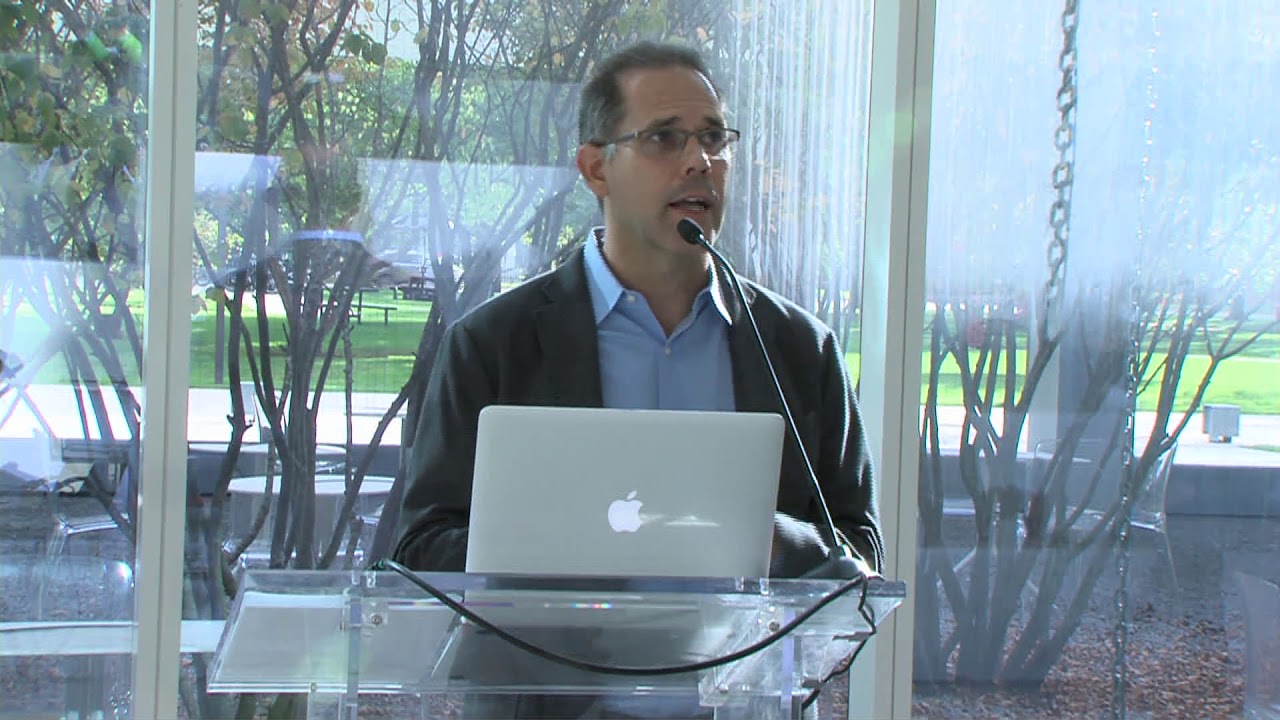
hello uh welcome uh to this event on the what was the new bauhaus um and this is our last actually event in shapeshift of 2019 shapeshift design at the noitec has been a design festival presented at iit by the college of architecture and the institute designed together the new dean of the college of architecture is here as well reed kroloff [Applause] and i am dennis weil and i'm the dean of the institute of design we are happy to welcome you here on the me's campus and i'm also very happy to announce that tonight we are breaking 1 000 attendance at the shape shift festival the festival that was going on for 10 days and we are just breaking 1 000 people with all of you here [Applause] so this year we celebrate using shapeshift to celebrate the bauhaus centenary but we want to use this platform of shape-shift and designer domino attack beyond our bauhaus heritage we want to focus on chicago and illinois tech as partners is reimagining imagining the urban environment of the 21st century through our work today both the college of architecture and the ancient design we are addressing the key challenges of our city to make it more equitable and sustainable with equitable and sustainable long-term solutions and the plan of read and myself is that we actually will now that the entity design moved back to the main campus just one year ago that we will continue to extend our collaboration between what i like to call the built environment and the lift environment the combination makes actually better lives and better buildings the event tonight has been underwritten by the nascent family who we all have here in honour of walter nathan an iit alum and a long-time board member of the institute design and a fan of the bauhaus and will hear after the screening more from the nathan family we end the festival tonight with the story of the beginning of the institute design one of the two bauhaus based schools at iit next to mies college of architecture this story is not told by id but it's told by open a film production company based in new york that explores and documents the world around us through film and tells us unique stories and offer new perspectives at the intersection of arts science nature and politics i'm excited to ask just to the stage two members from the open docs team peter ringbaum and ashley lukaszek peter ringham is the producer of the new bauhaus documentary please come up so they know who you are um peter rainbow is the producer of the new bios documentary he has many films to his credits his debut feature documentary the russian winter premiered at a tribeca film festival in 2012 his follow-up shield and spear premiered at the toronto hot docs in 2014 and won the silver prize at uk's passion for freedom awards peter's films have also been screened at idfa the sheffield dockfest film society of lincoln center bam the hammer museum miami art puzzle and the international film festivals moscow call place gordenberg another cold place durban and stockholm all cold places peter is not urban not there he has been a film independent fast track fellow at the gotland film lab resident at the ingmar bergman estate a midpoint feature launch participant at the bellini talent it is also my pleasure to introduce ashley lokazic he's the head of the partnership and new business at open docs the parent at open open open box which is the parent company of open docs i'm not the first one probably to confuse this and in that role is heavily involved in the promotion and the launch of the film however athlete's contribution goes much deeper ashley was the catalyst of the idea of producing a documentary about the new bauhaus in 2016 when she was working at id and led the planning for the commemoration of both id's 80s in 2017 and the centenary of the bauhaus in 2019 it was heard it created the idea pushed the idea forward got open docs engaged as the lead and together with john lankford who couldn't be here tonight approached the angel investments for the development of the treatment idea so glad that the story of our founder maholi naj is finally being told with a film who he was what motivated him and the outsized impact on design in the us into chicago he and the school he has founded have had thank you opendocs and take it away from here thank you dennis what are we doing okay thank you very much thank you dennis thank you for um inviting us and thank you most of all for helping us making this project um i want to recognize the nathan family who are one of our first contributors to the project and um walter nathan is a co-executive producer on this film um the new bauhaus i'm sorry i have a getting over a cold some i have a cough drop in my mouth not good timing but it's there the new bauhaus this film we started around 20 end of 2016 which is quite fortuitous because that was when the mahogany's future present retrospective was happening so there was sort of a fortuitous timing in the works so i saw that show at the same time as we got connected with institute of design and then we were able to to actually start filming as the show was still up here at our institute and also at lacma we also got um someone from lacma this is the la county museum of art that that showed the phil the exhibit um that was the last stop of that exhibit and we got one of someone from lacma involvement project aaron wright who became a producer on this this film so that time the timing was really fortuitous also because this year is the 100th anniversary of the founding of the bauhaus as you all know um so we had a a clear deadline in the works we needed to get this film done this year and we did it will premiere october 16th as the opening film for the architecture design film festival in new york and then october 17th as the opening field for the architecture program at the chicago international film festival we have two screenings in chicago um of the full film on the 17th and then on the 18th at amc yeah that's that is mca sorry mca chicago um so tonight we're gonna look at the first 15 minutes of the film it's you're getting a sneak peek of it it's actually not the finished product product because at the moment it's being we're doing the sound mix and all the color work in la so you'll be watching something that is pre sound mix and pre-color but it still looks okay and it still gives you an idea of what the full film will be like so okay ashley it's great to be here and i hope you guys enjoy it so just just the beginning we hope that you come see it at the chicago film festival on the 17th and 18th of october um i think it's really fitting to be here tonight sharing this sort of sneak preview of the new bauhaus with you on an evening when we also celebrate walter nathan um because walter nathan liked the subject of our film maholi naj was a creative entrepreneur who having fled nazi germany as a young man built his empire here in the fertile ground of chicago and walter was a friend of the school for many many years he was a member of the board of trustees for the institute of design a graduate from iit and an admirer of the bauhaus and i also considered walter a dear friend as well as supporter of this project in fact this project would not have been made without the early enthusiasm and support of walter nathan and ann nathan his wife who's here tonight so i just want to acknowledge ann and walter and anne's four children who are also here tonight richard nina betsy and susan and i believe nina and ann wanted to say a few words i'm really honored to to think that i'm even here in view of all this lovely crowd and what and and the love that walter put into this this this film i'm ann nathan i'm walter's wife i'm really sorry that he's not here so we'll save it for another time when he's i hope eric okay anything else that's it should i put it up here um thank you so much i'm nina nathan um anne's daughter and walter's daughter on behalf of our parents ann and walter nathan the nathan family is so proud to support the open docs film the new bauhaus walter passed away in november so he never saw the finished product but anne and my siblings who are here tonight susan richard betsy and some representative grandchildren as well are thrilled to be here to celebrate this wonderful accomplishment and congratulate all involved walter's enthusiasm for the new bauhaus film was very clear to us he was an alum as you've heard and trustee of iit and a board member of the institute of design thus a film celebrating not only the founder of what would become id but as the film notes one of the most versatile artists of the 20th century certainly found its way to walter's heart it is without doubt that walter also felt an affinity to maholi's story as ashley suggested like maholi a jewish immigrant walter also fled nazi germany landing in chicago in 1938 just one year after maholi the aryanization of the nathan family shoe factory in frankfurt forced the family to start anew in america maholi too having seen the shuttering of the bauhaus school kept the spirit alive by eventually starting the new bauhaus in chicago with a degree from iit in mechanical engineering walter went on to start a manufacturing business rtc industries which is still alive today with our brother richard which over time became increasingly more and more design oriented in addition walter and ann developed a love of the fine arts with ann eventually becoming a highly reputed gallerist in chicago's river north area walters professional path in growing interest in industrial design and the arts eventually drew him back to his alma mater where he became a trustee and board member walter's love of iit which afforded him opportunity and success in his newly adopted country grew stronger over the years as he was inspired by so many of the amazing administrators professors faculty members and the students that he continued to meet over time until in fact he was 95 years old we imagine that his and anne's support of the new bauhaus film came as a gesture to show his very very deep respect and admiration for a school in a city that he loved thank you so much it's it's true peter and i had an opportunity to have lunch with walter i think two or three weeks before his passing and he was like hurry up and make this project let's get it done so he um he was involved and excited about it till the end of his life and i'd love to call up now vicki and todd as well so in addition to my colleague and fellow producer peter ringbaum who's also the cinematographer um of the film i also wanted to introduce our other panelists vicky matranga and todd cook and todd cook is a graduate student here at the institute of design prior to being becoming a student here and todd worked for design within reach and knoll and he's also responsible for the research and curation of an exhibit that you can see at the top of the steps here after our panel is has concluded um the founding of an american bauhaus so definitely check that out todd has also published numerous um articles on american modernism and interviewed thought leaders on the topic we have vicky matranga who is a historian and an expert on chicago industrial design and she has written and lectured on this topic at endless numerous conferences and in publications vicky most recently contributed to the art design chicago initiative the art deco chicago book the modern by design exhibition and the list goes on and on she is also featured in the film so thank you vicky for being here tonight as dennis mentioned i have been involved in this project since really it was just a seedling of an idea i think you know we didn't know that we were going to make a film when we started talking about what we would do for the bauhaus entire centenary um and it's really great to be here with the 100th anniversary of the bauhaus happening this year with a nearly finished film ready to reveal to the public and one of the things that i found really interesting in the process of of making the film is that even though i was steeped you know in sort of human-centered design and strategy language during the eight years that i was here at the institute of design there was so much to uncover and learn in the process of making the film and much of it seemed to come from scholars and other disciplines kind of adjacent to sort of design as we know it and talk about it at id and so i thought we would start by just asking vicki if you could kind of paint a picture for us of what was happening in chicago and that sort of led to the new bauhaus having the opportunity to take root no yes okay it's on i think hello yes uh well that's a pretty big question so there have been quite a few books written about that and so i guess this might be the place to plug the art deco chicago book that came out last year we start the book with frank lloyd wright and talk about modernism and art deco as a joint kind of concept with 1915.
so those who know chicago you know we put on the biggest show on earth in 1893 with the world's colombian exposition to show that we're really here and to show uh to the world there was culture in chicago in many ways chicago is known for its architecture of course and many enlightened patrons like the glessners who built glessner house were involved in many cultural affairs here it was a big center for arts and crafts frank lloyd wright of course was very important so um a lot was going on here in the teens and twenties as various people in the in the business and art worlds we're trying to blend art with industry it was a big movement across the country with art museums the met museum and and the art institute toledo museum had art schools long before um the holy came to town and so what the movie left out the little clip we've seen here is that there was this group called the arts and association of arts and industries which in fact was formed in 1922 by a group of business people in chicago who wanted to join art with industry and they sponsored lectures and events and fundraised to start school and they gave money to the art institute to do that in 1925 and so alfonso and ali was teaching industrial arts and started what was the industrial design department at the art institute in 1927 and people were already graduating with degrees in industrial design from the saic in 1930 32-34 so they were already working in industry by the time maholi came to town the sears roba company started in a design department in 34 montgomery awards before them in 1932 students from who had graduated in industrial design were working at both of those places and other other manufacturers in town so the was fertile ground in 1937 and at the same time the university of illinois in urbana started its school of industrial design also in 1937.
so i think as the film just showed us a glimpse of what germany was like and what was happening in europe i think it we really have to understand it was really a critical moment in world culture that brought all these emigres from germany and other countries in europe who are being ravaged by war and the fact that they landed in chicago for various personal reasons and other reasons he was invited here by the arts and industry association as thomas died just said because they pulled their their funding from the art institute and then invited maholian well first gropius to come here so um he i think there was a it was really a boiling cauldron of all kinds of exciting things happening in graphic design and architecture of course and other fields related so that once those people came here and started that school they really had a lot to work with and for you todd um you know as a as a student that has been spending a good deal of your time working on not only this exhibit but also the google arts and culture project maybe you can tell us a little bit about that but my question is um what have you uncovered in the research that you've been doing and like what how do you what do you think the experience would have been like as a student 80 years ago or 81 years ago in comparison to now sorry that that mic was a little hot um so um it was really a privilege to get the chance to spend so much time in the archive i i expected to uncover a lot of differences and what i wasn't really prepared for was discovering so many similarities as the film does a really good job of showing maholi was such a protein designer he he applied himself so well in so many different mediums of of expression but you know he was also an incredibly uh forward thinker he was truly a progressive and and i imagined that um some of that was uh the result of the way that he was treated in in germany but um i was surprised to see him leading a conversation that has only we've only really developed a vocabulary for recently advocating for things like participatory design co-design open design really about breaking down barriers that exist between the disciplines to create a more inclusive design field he he said that everyone is talented in an era when women were discriminated against african americans were discriminated against asian americans were discriminated against and he welcomed all of those populations to apply themselves at the institute of design and that was truly uh one of the most amazing things that i discovered um in terms of the resonances with the education that i'm getting here uh the structure has been somewhat consistent what's really changed is the environment in which the education is teaching is is happening in so technology has changed and as a result the curriculum has adapted in order to reflect that change um photography was uh in maholi's eyes the coding what coding is today it was new it was novel it was um un it was uh it had not yet been uh subject to the rules of art and architecture and he saw that as a potential for creative expression so um that's really i think what's changed but for the most part there's so many uh strong resonances with what's going on today yeah i mean i'm glad that you bring that up the piece about sort of equity and inclusivity um because i feel like now that's definitely really at the forefront of of all conversations that we're having around design now and even something that i feel like has you know started to become much more prevalent in the dialogue here at the institute of design under dennis's leadership um and with that petter maybe you can say a word on you know some of the there's the the women the role of women in the bauhaus is an interesting um piece of this story and how did that affect your choices in filmmaking so um opendars brought in our director alyssa namias who is right now busy doing our sound mix and color in la she is a architect by profession and she has made films in in the architecture space before and we thought that it was really really interesting to have her um take a stab at telling the story and i think with that she had an interest in thinking about the the untold stories and the unsung heroes that are operating at that time at least kind of in the background so um through our you know close collaboration with hakula who is uh maholi's daughter and who's still alive living in ann arbor and will be here for our premiere in chicago we got to know the family and we got to know the the um mahola's two wives you know primarily sybil who is adolesce mother who was very involved in the school but behind the scenes no one really knew officially but she was doing a lot of work and had to let she used to say the term handmaidens but she talked about these these people that are that including uh sybil and also um his first wife lucia maholi who is probably the most well-known photographer that came out of the german bauhaus and if you look at any picture from from the german bauhaus most likely was taken by lucia and she was actually the person who taught holy how to photograph and together they learned how to do photograms in the in the i think it was the swiss alps so these are stories that we thought were interesting to dig deeper into and i think having alyssa do that was um isn't an and it's important part of our film and i've also heard you say that in some ways hachila is like the protagonist in a way and that she's become the keeper of her father's story hatha is our conduit i mean she is one of the few people who who was around you know she is the living history she can tell us paint the pictures in a very vivid way and thankfully to some of the alumni that are still around too um sumner um sumner oh what's his last name do you remember sorry i forgot blank on his last name but there's there's a fellow named sumner who happened to also live in ann arbor who um who's in his mid 90s who studied with maholi who uh tells very good incredible stories as well as bia takashi who studied with maholi who is close to chicago now also in her mid 90s both of them incredibly when when we talk about this time period now what we're talking about now 80 years ago um have they it's like the light just turns on and they they have incredibly vivid memories um and are very passionate about the school that they went to and are very passionate about maholi and through them and through hachila we can it it's an important thing for for a film like this where a protagonist protagonist that's been you know dead for 70 years plus to have those kind of people who can help us really um connect to the character actually i was sort of surprised that you didn't say um we we don't party as hard as they did then todd [Laughter] so speaking of colorful storytelling vicky is just a wealth of anecdotes of chicago's design history and i would love if you could share you know with us just a bit of a snapshot or a picture of of your favorite era of chicago design yes it is okay um well i guess my favorite era is the the 20s through the 50s um and then you you mentioned untold stories and women um i had a few of my own that i would love to learn more about and alas and sources are few and far between sometimes for various reasons things have gotten thrown out so um one woman i'm particularly interested in is enormous daily the woman who headed the association of arts and industries from 1922 to 50 50 something um and she's the one who wrote the letter to gropius and to moholy to bring them here but she was agitating for 15 years before that to join art and industry in chicago and so she was really interesting to me and then for the people who were at the school marley airman is of interest to me she maholi invited her from germany to come here to head the weaving workshop and then after his passing the weaving workshop was terminated by later managers and so she came out to oak park and i live in oak park and she started teaching weaving there and she started a store she started a a home you know a store that sold modern design in oak park that was really interesting and then um the exhibit up there has a few pictures of beecher's takeuchi and that's something that is of great interest to me is the we hear a lot about the central europeans that started the school but i'm very interested in the high percentage of japanese students who flock to the school after being released from the internment camps in beatrice's case she spent very little time there was very very lucky for her that she had a teacher from her former school in seattle who wrote letters and agitated for her to be released so she only spent a few months unlike others who were there for a few years so she came to the bauhaus school when it was above the chaperie and her memoirs are at the archive of american art at smithsonian and she paints such a vivid picture of those wonderful exciting years to be in that building on ontario street to have the the waiters from the shape hurry bringing leftover food to the students working through the night and how in her case she was surrounded by people speaking languages she didn't quite understand the europeans and she said it was a breath of fresh air for someone like me an american who was interred and to be brought to be allowed to study here and you know dispel all those notions of of what she had learned in art school before and start fresh and new and learn from the way art was being taught here and art visual perception and she said all the bounds of racism and all those other things have are not here that she had experienced in her life it was if if you can you can download beatrice takeuchi's memoirs i highly recommend it it's it's really powerful to read how she described life in that building and she does that in the film too she's in there yes she's still with us thank goodness so she's in the film um now what was your other question i've already forgotten i think that i think you i think i asked you stories yes one more story you asked me to bring the dove so far so i have that but um uh also in his 90s is don dimmett and i visited with him several times in chicago before he and his wife moved to arizona and um he described when he started school it was a shortly before maholi's passing it was probably the fall of 46 when he started school and unlike other students who were being there were there on the gi bill they meant that meant when they were in registration line they had no money to pay for their education because someday somehow the school was going to get paid back by the federal government so they just had little chits little pieces of paper that they were on the gi bill and they were paying for their tuition that way and when he came up he grew up in wheaton or glen ellen or something like that and took the train every day downtown to go to school um also on ontario street um and so when he got into the line he had cash and he put cash down and maholi looked at sibyl and said sybil we're going to eat tonight so that was pretty fun that that they you know it was hand-to-mouth for them to try quite literally to be paying the bills with the tuition that was coming in so um don had wonderful stories of his his time here you want me to talk about the soap that's it later okay so so vicki has a prop yeah we have this story about the dove so far in the film and i asked her and peter to to tell us a little bit about it as as this audience i think would enjoy this one so this is it so everybody knows this right i think this is uh probably the most lasting evidence of how students were taught under maholi and his foundation class on how to perceive the world and how to work with materials and so if you saw the art institute exhibit a few years ago there was a whole array of little things in wood like this that were the result of the hand sculpture class where students had to carve something that felt good in the hand well with that experience seniors um in the 19 the graduating class of 1952 so that would have been the spring of 52 let's say they had a cl uh they were given a corporate sponsored project as as students do today as well now this of course is after maholi's passing but nonetheless that was part of the foundation class that exercise so um they had a sponsored class and the lever brothers was the sponsor their factory was in hammond indiana and at that time chicago was just factories everywhere it was a it was peak manufacturing time so students could get the benefit of visiting factories and learning from experience of seeing machines on the line so the students were trekked out to hammond indiana to the levers brothers plant which at that time was a now the largest manufacturer of soap and soap was extruded just like lumber it would come out as a plank this material that was the soap material and so each student was you know given a couple feet of this plank like a piece of lumber to bring back to school and to carve and to try to find a shape that would fulfill the client's assignment which was to create a bar of soap that would not lose its brand identity when sitting in a little puddle of water and so they came up with this and the the wooden model carved by don dimmett's classmate billavere is at the muse museum uh uh over there on north avenue chicago history museum has the actual model it was a trio of students don dimmett bill levere and blanking on the third fella's name and so that was their their senior year project alas they got no royalties out of it and after the school got its grant money i don't think the school got any royalties out of it either but i think as far as product design goes this is the most lasting piece of evidence and certainly um you know when maholi made the transition from from europe to the united states i mean it was he physically embodied that and liz siegel did a wonderful job of expressing this in a talk that she gave here a couple years ago that jeff mao put together but he literally wore like the workers suit like kind of to show his um allegiance with communism and socialism um and when he came to chicago he wore a proper suit for his fundraising efforts and i think that's covered quite a bit in the film um i want to give the rest of the audience here an opportunity to ask some questions of our panelists so i'm going to go ahead and pass a mic around i'll just take this one in sorry what's happening oh is that oh perfect okay great think our first person is this gentleman it's not one hi um this very simple question at what point in time does your film end at what point in time does your film end when does it end um well there is there isn't a specific date that it ends um our focus is mahola's time the 10 years that maholi is in chicago that is our focus but we do talk about the school's development a little bit after mahola's death and i think specifically we get into the photography that happens after um after my holy stuff i mean that's really when the photography department takes off and um the school has has a really important place in the in the history of photography in this country so we get into that and that's so that stretches into the 50s and into the 60s even but we don't really talk about now what we do talk about is how his work is relevant today so we're using some examples of practitioners who are working today who are you know greatly influenced by maholi's work and you can and how you know what his thoughts and his ideas and his approach to working 100 years ago are still relevant and i would just add to that you know particularly his pedagogical contributions so this idea of experimentation as a way of learning and as a way of knowing and making is thinking is incredibly um you know relevant still today in the teachings of the institute of design if i can add to that um this is what maholi wrote of the pedagogical outlook of the school and when i read it i literally just i was so amazed because it sounded like it could be the same mission of the school today we know that art itself cannot be taught our task is therefore to contrive a new system of education which along with specialized training in science and technique leads to a thorough awareness of fundamental human needs and universal outlook thus our concern is to develop a new type of designer able to face all kind of requirements not because they are prodigies but because they have the right method of approach upon this premise we have built our program and really what's changed is just one of emphasis that the methods the rigor the discipline has been has been stressed and new methods have been developed to respond to the current technological conditions that we're in um actually here can you repeat the question uh the question was what were what are the most salient and um monumental developments and social sciences that have influenced design today is that is that without the question um it's a great question um i think well i was going to bring up i was going to kind of i hope this is going to answer your question i was going to piggyback off of what you were saying about the hand models because i'm glad you brought those up they're actually included in the uh we have some photos of them upstairs we have maholi with a hand model but that was a method that emphasized uh human human comfort above all and it's very much applicable to the human center design that has become more reflective of the social concerns many of our classes here include behavioral economics and and um uh daniel uh i can never get his last name right but the thinking fast and slow uh yes thank you um thank you um [Music] but so the the context uh used to be more people were more interested in technology you know the the arts and industry society they they brought they were excited about the idea of bringing art and technology together increasingly design is drawing on more multi-disciplinary approaches including social sciences economics and and so it's it's reflective of those developments i don't know that i can we'll speak to exactly which ones but it's considering them all so the discipline is becoming much more uh multi-disciplinary and also the institute of design is known you know for pioneering the notion of human centered design meaning basically understanding the unmet needs and wants of of people and designing for that which comes from you know ethnographic research and deeply understanding human beings i just wanted to add something to that could you hold this one thing i couldn't say before because i was holding the microphone is that exactly what you said the students watch people washing their hands and a typical bar of soap would always end up being an oval and when they saw that people were actually holding their hands sideways instead of like this to wash their hands this shape is what emerged so i don't think they use the word ethnography then but what we do now what what designers do not me but um is watch people do what they're doing and um observation is is really the the key to it all and you know another application of that same thing was developing a handset that that was used for a telephone um i think that was nolan rhodes yeah it never happened then but you know years later something like the princess phone was able to evolve from that idea do we have time for one more question if there is one all right well if there are no more questions i think we can do one more comment dennis so i want to thank the panelists one second i want to thank the panelist ashley for the leading panel and the panelist to talk about it and this is a little i have all that stuff and i hope you can uh you can please join us uh for the reception upstairs where the panelists will be there as well and many of our students and faculty and we can continue the conversation about the new bauhaus and the relevance for it today thank you for coming and please join us upstairs thank you as well
Up Next
8:31
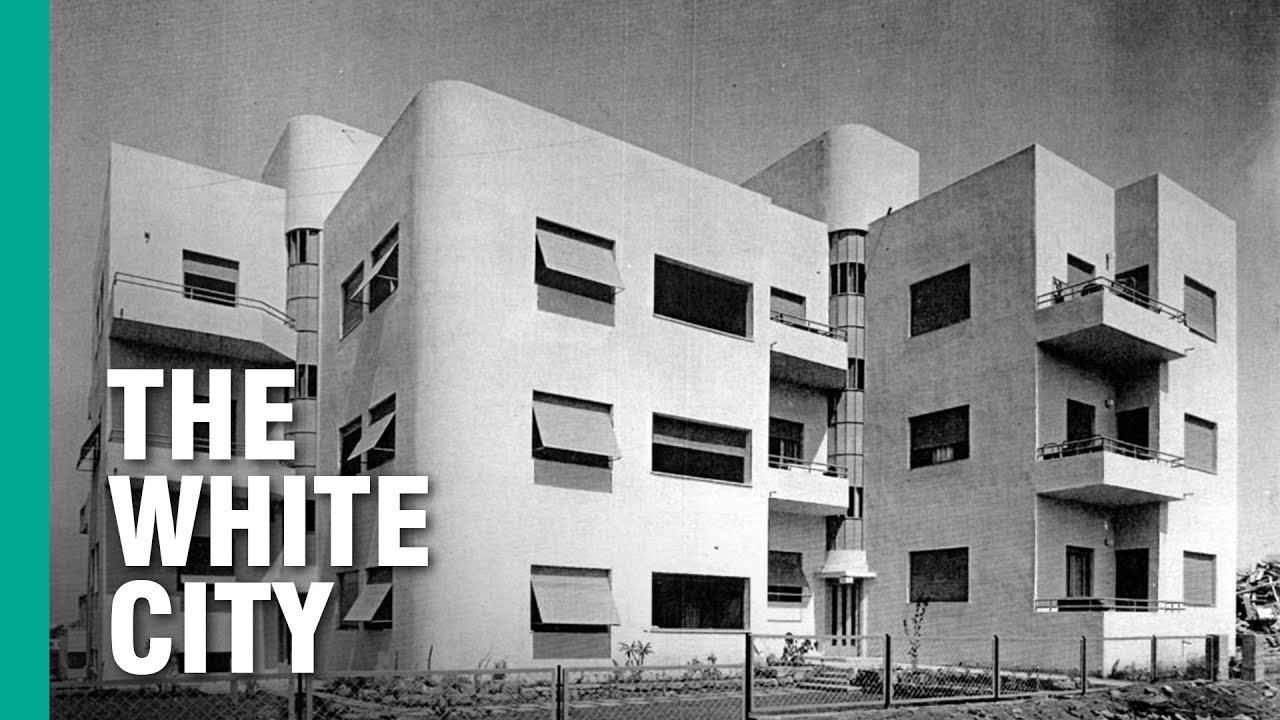
Tel Aviv's White City: A Bauhaus Architectural History
@ARTiculations
29.8K views•2021-06-30

12:54
Triumph of Orthodoxy Icon: Byzantine Art & History Explained
@BenCallan
2.1K views•2024-08-06

9:49
FastAPI vs Flask vs Django: Choosing the Right Python Web Framework
@TechWithTim
302.5K views•2024-05-26

1:42
Game of Thrones Opening Credits: A Cinematic Analysis
@gameofthrones
46.3M views•2011-04-18
Related Study Plans & Knowledge Roadmaps
Structured learning paths in General & Interdisciplinary Studies
general-studies
Elevator Engineering: History, Physics & Cities
01From Hoists to Safety Brakes: The Dawn of Vertical Lift
02Hydraulic vs. Traction: The Engineering Physics of Elevators
03Modern Speed, Safety, and Algorithms
+ 2 more learning modules
12h5 modules
Explore Roadmap
general-studies
Rubber: Material Science, History & Geopolitics
01Origins of Natural Rubber & Mesoamerican History
02The Chemistry of Natural Rubber & Vulcanization
03The Geopolitics of the Rubber Boom & Colonization
+ 2 more learning modules
12h5 modules
Explore Roadmap
general-studies
Containerization: Evolution, Logistics & Trade
01Ancient Trade & Bulk Cargo: Amphorae to Barrels
02The Industrial Revolution & Cardboard Packaging
03The Containerization Revolution: Malcom McLean
+ 2 more learning modules
12h5 modules
Explore Roadmap
general-studies
Textile Tech: Evolution, Labor & Global Impact
01Pre-Industrial Textiles: Handloom & Cottage Industry
02Mechanization: The Spinning Jenny to the Power Loom
03The Factory System & Global Labor Transformation
+ 2 more learning modules
10h5 modules
Explore Roadmap