














![O que é Design? Qual é o papel do Designer? [Aula Completa]](https://i.ytimg.com/vi/EhkX9lkcQqg/maxresdefault.jpg)
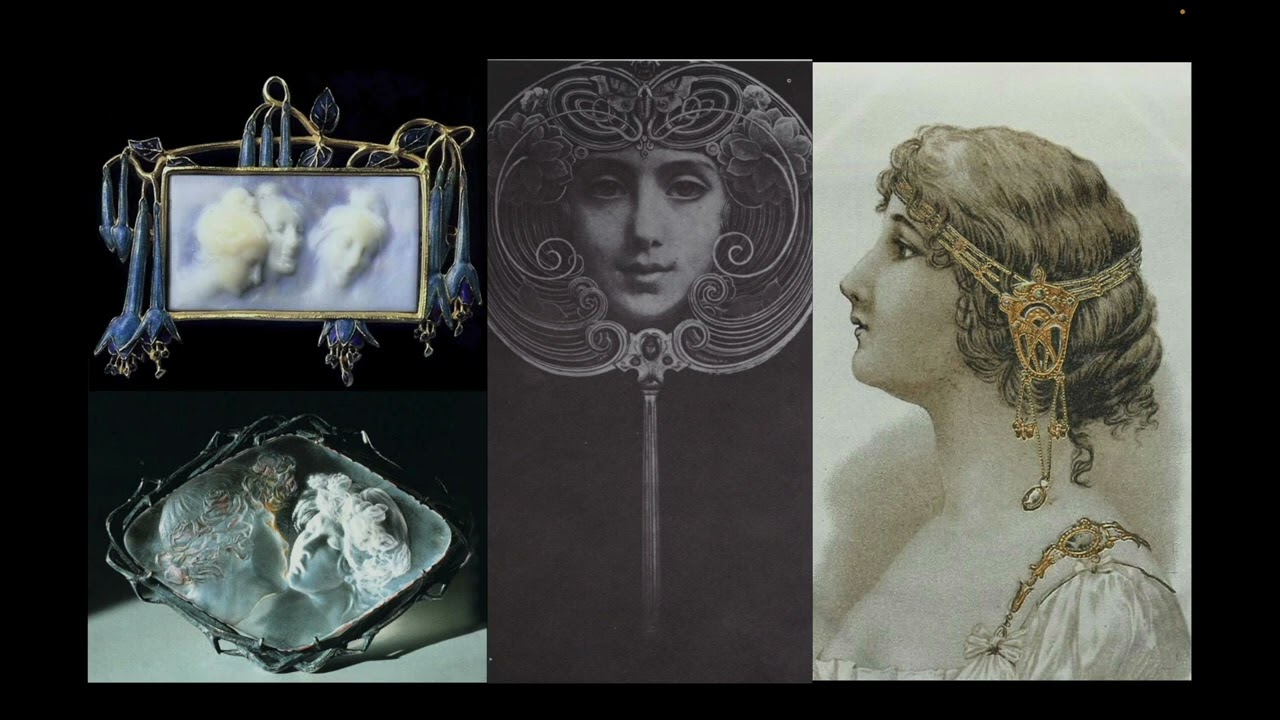







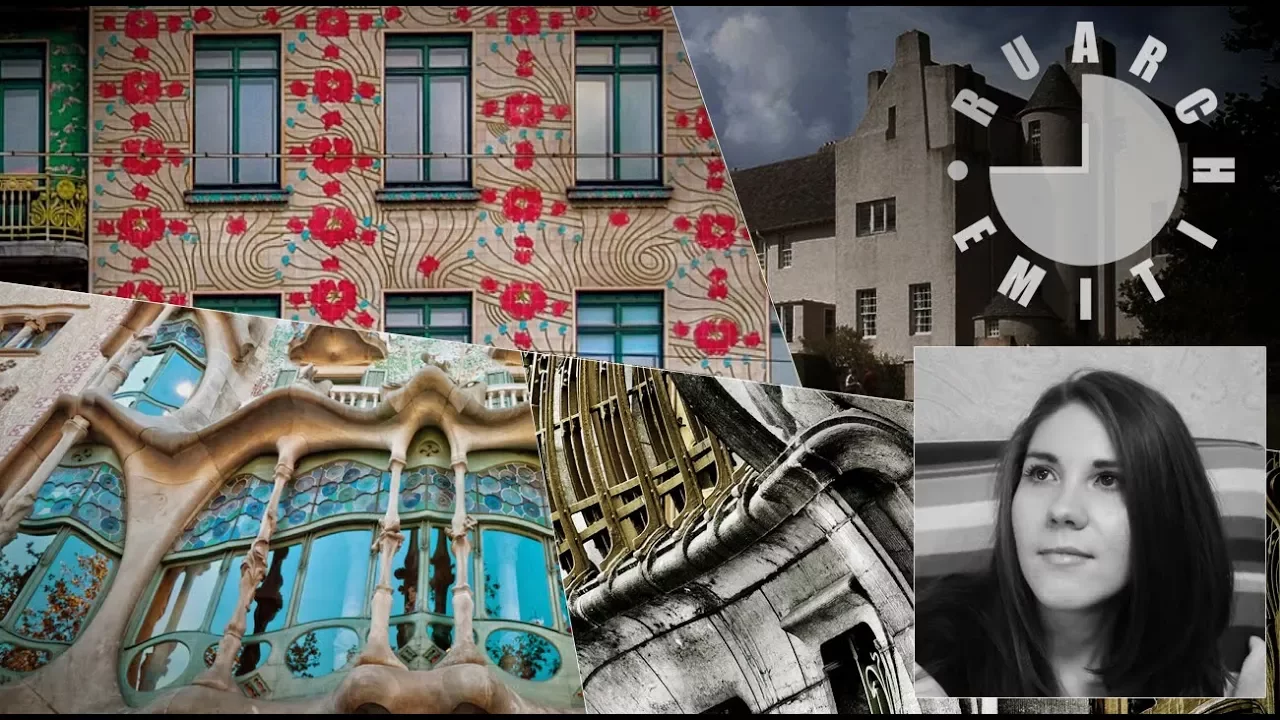


Art Nouveau (1884-1914) was a global design movement characterized by organic, flowing forms inspired by nature, featuring distinctive 'whiplash curves' and nature motifs; it emerged rapidly due to technological advances in printing, transportation, and global exhibitions, while also reflecting contemporary social changes including women's liberation movements and increased appreciation for Japanese aesthetics; the style was self-consciously named and preserved in its own era, unlike later movements like Art Deco which received retrospective names.
Art Nouveau Design History: Origins, Key Styles & Influence
Added:Understanding the Industrial Revolution and its impact on mass production and academic art standards.
Familiarity with the Arts and Crafts Movement and its emphasis on traditional craftsmanship and integrated design.
Basic knowledge of late 19th-century European history (the Belle Époque era) and its socio-cultural environment.
Fundamental concepts of decorative arts, applied design, and the distinction between fine art and functional design.
The transition to Art Deco and the shift from organic, flowing lines to geometric, streamlined modernization.
The evolution of Modernism and how Art Nouveau paved the way for the Bauhaus school and the 'form follows function' ethos.
In-depth study of regional variations of Art Nouveau, such as the Vienna Secession, Jugendstil, and Catalan Modernisme.
The role of Art Nouveau in the birth of modern graphic design, print advertising, and poster art (e.g., Alphonse Mucha).
Analysis of organic architecture and structural engineering integration, focusing on pioneers like Antoni Gaudí and Victor Horta.
73.2K views1.5Klikes1:14:33Original Release: 2020-10-08
hi if you're watching these videos in sequence stick around at the end for a quick message that will explain some things before you get to the next video this is history of industrial design week something the art nouveau last time you saw me this is where we were the crystal palace exposition of 1851 with this kind of object we also looked at some amazing technological advances that seemed pretty far away from that decorated victorian clutter and we saw one amazing design that transcended the limitations of the era's ability to combine industry with integrity and we also saw the development of different sorts of aesthetic confidence what we didn't find was a real coherent clear logic you were right to find it all confusing integrating new materials and new technologies with industry and any kind of agreement about aesthetics was difficult and messy and so telling the story of it is invariably difficult and messy i think you'll enjoy this week's content because it's the most focused and sort of preserved in amber for us to look at and talk about as a complete experience the art nouveau period still suffered from faster advances than we could master and all sorts of chaos as a result but there was also a newfound confidence in both conceiving of and then producing designed goods these are the kind of objects that sort of visually summarize the art nouveau if we were in class students would be throwing out adjectives to describe this and i have a backup list in case they don't have the energy to do that my list of adjectives to describe these things includes sinuous tensile foliate lavish exotic refined dynamic tendril infested molten and my favorite descriptor of the art nouveau style of all of them the octopus rococo however you want to describe it there's this remarkably unified aesthetic all of the stuff made in this style looks like it fits together and this happened around the world it was a global exploration of this really unified visual aesthetic it was completely self-conscious it was in fact self-identified this was a commercial design style called art nouveau when it was happening all of the other styles that we've looked at or even will look at this semester were named later the art deco style wasn't called art deco until the 1960s and it happened in the 20s and 30s we don't know what we're doing when we're doing it it's just called being alive doing stuff and later we can look back and understand what we were thinking about the art nouveau period is an exception it was an effort to do something specific and it was named in its day as a style it's really familiar to us mostly graphically we live in a world where the art nouveau graphics are still sort of everywhere but it existed in all different materials and scales and formats and geographies around the world most style change is gradual but the art nouveau had a relatively sudden appearance around 1884 and an almost instantaneous disappearance with world war one the moment as a result is really fixed in time and a compressed amount of time which is one of the reasons it's easy to identify and discuss i added little red labels in the upper left-hand corner of every sort of chapter title because there's a lot of them and i wanted to keep myself on track and honest i want to introduce a couple of different chapters to get through talking about the art nouveau and the first would just be what is it how would you identify it how would you describe it what are the visual characteristics of the art nouveau most things made in the art nouveau period have a sort of whiplash curve it's a curve that starts out casual and relaxed and then gathers speed and intensity and coils in on itself or the opposite it uncoils slowly and then sort of relaxes outwards with a burst of energy there's a kind of curve you see in most art nouveau work there's also a lightness of form there's carving for decorative effect just like in the victorian period this wood has been carved to take these shapes but it's not a surface activity it's a formal activity the art nouveau style existed in every possible scale from a little drawer pull or a small piece of jewelry to a wall cabinet to a doorway to an entire building to an entire subway system so we see a really rapid change with a sort of farewell to the victorian or gilded era boxiness heaviness massive slabs of wood with carved surfaces all over them these are beds they have a pretty simple mission statement support my body while i'm dreaming but these beds add other layers of information who i am because i like this bed probably what i'm going to dream about influenced by this bed and look what happens when the art nouveau style takes over the design brief called hold me up while i'm sleeping we get a completely different aesthetic goodbye boxy heavy bed hello organic shapes and curves the bed on the left is wood the bed on the right is actually cast iron with wood panels whatever the material and in this case also the aesthetics i think they're pretty different but i think you can agree they're drifting really far away from what beds had been a moment before and we start to see subtleties even in how decoration is applied to an object how the form and the decoration are linked so the tiffany picture on the left has chrysanthemums all over it it's been chased and engraved within an inch of its life to be encrusted with chrysanthemums and the vase on the right doesn't seem to have been made at all it looks like it's swirled out of the mists or out of the water and is offering us a place to put our lily of the valley they're both the same material and the same techniques but it seems like the entire conception of them is different we start to see how nature mattered to everyone in a new way artists and designers were augmenting what had happened in the victorian era william morris took nature plus geometry and made these remarkable wallpaper patterns art nouveau wallpaper is still using nature and geometry but suddenly the geometric repeat is gone and the plant material seems to have attacked the wallpaper of its own accord it has a kind of life force and energy that isn't part of morris's work also when a style arrives quickly existing companies have to decide to embrace it or not so we see a lot of companies that had been around in the victorian period doing victorian stuff jump on the art nouveau bandwagon and start doing a completely new type of thing arthur silver's wallpaper patterns are a great example of that these two patterns couldn't be more different and yet they're made of the same modules or components in the art nouveau period we also see the aesthetic expressed in every detail of these whole interiors the victor horton mansion is a great example every surface the floors the stairs the railings the walls the pillars are all designed to fit together and communicate this new aesthetic so that's what the style looked like if you went out on the street and encountered it you'd recognize it and say hello we need to figure out why it happened so that's my next chapter why did the art nouveau happen why was there this radical global complete swift change in what people were thinking about in addition to all of the second industrial revolution technologies that we looked at last week there are a bunch of new things just to think about so this is just a list of things that happened no one of them should matter too much in our conversation but that all of this happened within such a narrow window should help you understand that the world was changing quickly and so of course art design would as well in 1900 max plunk developed his quantum theory in 1901 marconi sent the first transatlantic wireless signal so global communication was on the horizon and by 1903 there was a network of telegraph cables that allowed us to send a telegraph around the world so the world had a waistline or a belt on for the first time we knew how big it was also in 1903 was a big year the first manned flights at kitty hawk so flight is on the horizon the first silent movies were distributed pierre and marie curie won the nobel prize for their work with radiation and then in 1905 einstein published his theory of relativity that's a lot of stuff a lot of new ideas a lot of new technologies so if the world is changing because of all that new technology it's also changing because we are developing new ways to talk to each other one would be the telegraph of course the telephones but printing was advancing in ways that also allowed us to communicate better and faster here's a bunch more random dates for you 1865 web offset printing was developed to print on both sides of the paper at once doubling the speed of printing in 1870 we started making paper out of wood pulp instead of cotton so cheaper faster paper we also arrived at the ability to print with four color lithography in repeat in production in 1891 printing presses were able to print and fold 90 000 four-page papers in an hour more newspapers more information more information more communication more communication more advances it's a cycle we also figured out diazo type printing and developed the ability to print photographs on fabric i don't know why i think that matters or is interesting it just is in 1892 we got the four color rotary press so we could print all four colors in one process on the paper instead of having to do each color separately and letting the ink dry in between in 1904 offset lithography became common and so what are you going to do if you've got cheap paper the ability to print 90 000 newspapers the ability to print on both sides of the paper the ability to print and color what will you do the obvious outcome of that equation is buster brown the first comic book printing allowed cheaper and better print catalogs i showed you wedgewood's catalog but that was made with hand engraved copper plates expensive time consuming if you get an inexpensive catalog you can make a bigger catalog you can sell more stuff and we saw the birth of the mega catalog in 1894 the sears and robot catalog arrived and it was over 500 pages full of new things you could purchase consumable things most american homes had the bible and the sears and robot catalog as the two things guaranteed to be sort of found in the home this brought commerce into rural places in a way it had not been before new printing techniques also affected packaging we developed the ability to put stuff in a metal container and put a label on that metal container either a paper label or printing right on the metal and that sounds like a small step forward but imagine what it changed the first printed metal boxes were made in 1866 to contain dr lyon's tooth powder at first they had to hand solder every can they made 60 cans a day once manufacturing took over and we were able to produce cans more affordably we could put more and more products in that think what that's going to change we start shipping and distributing food food becomes a commodity that's going to change our relationship with commerce and consumption also for a long time we would buy stuff from people we knew the farmer the grocer and we trusted them to sell us good quality things and if they didn't we could go back and complain if i'm going to be buying postum or kellogg's corn flakes or something else that comes in a box or a can i have to develop brand loyalty i'm trusting that brand to sell me something good instead of my local grocer and the new guarantee of quality became the logo and the character stamped on the package and the corporate name my brand loyalty rapid printing also allowed including pictures with text which was possible before it had been possible since the very first printed anything but in a larger more mechanized more accurate more realistic way we could combine text and images in huge volumes so we got magazines we saw that arrive rapidly and develop rapidly and aesthetically it changed just as quickly so look at these magazine covers from the 1870s and 1880s and look how radically they're going to change in just 10 years because of all the new ability to print differently this is one of the big reasons i think the art nouveau style could take over so quickly because printed material allowed this new aesthetic to get places it couldn't have gotten otherwise from 1890 on magazines like harper's and lippincotts printed pull-out posters in the art nouveau style to sell magazines like a premium this was sofa sized art for the new middle class you might not be able to afford to shop at tiffany's but you could certainly afford to decorate your home with inexpensive printed material the second reason the art nouveau style was able to take over so completely so quickly had to do with the continuation and the increase of global expos this is paris 1900 the shows had ushered in the beginnings of this global audience for design that continued and increased and scaled up and the impact of them did as well so ideas and styles and techniques were spread the 1900 paris expo was the sort of super spreader of design innovation some things on view at the 1900 expo the ferris wheel debuted there it was 350 feet high it held 1 600 passengers at once that's a really big communal experience movies were projected to 25 000 people at a time that's the biggest audience of people doing one thing at once that entertainment had seen at that point and electricity was being explored as more than just a way to create artificial light or power a motor normally when class happens live in person during the break i quietly walk out of the room and leave louie fuller on the screen to astound and mystify and confuse everyone i can't let this moment pass and cut this slide out so i need to talk about loie fuller she was super important to the art nouveau style but i also think she's just really interesting louie fuller was an american she was born in illinois she lived in brooklyn she wasn't particularly adept at dancing she wasn't particularly attractive she wasn't particularly anything and yet she became the world's most famous person beyonce level fame 1900 essentially she held wooden sticks in her hand that were attached to a lot of fabric a big dress and she twirled around that's enough she became the muse for art nouveau designers and artists who were trying to capture the spirit of the time and saw her as the living embodiment of it so there's an endless number of photographs and posters and even movies of her the reason i think she deserves the fame that she arrived at is that she actually was a brilliant inventor she patented many innovations that would change her performance to make it more enticing and exciting in the lumiere brothers film at the top you see her changing color and that's happening because they hand painted every cell of that black and white film but what they were trying to do was replicate what her stage show looked like because she developed ways to use electricity which was still very new at the time to change her color while she danced she had rotating gels she had lights that projected from below so part of her performance was just spinning around but the majority of it was the effects that happened projected onto her while she spun around which is a hard thing to appreciate without seeing her live the new york public library has a lovely online exhibit about her that's worth checking out if you're interested what we saw by the 1900 exposition was countries were still vying for supremacy over each other or attention but more so companies started to really compete for medals at the show for notice and ultimately for customers so companies would manufacture some show stopper piece to get everyone's attention these are two dressing tables made by gorham and company here in providence rhode island one for the paris exposition in 1900 which now lives in dallas and one for the saint louis exposition in 1903 which lives here in providence at our own museum they were meant to stop traffic and while people were stopping at the gorham booth they would end up buying some lesser smaller pieces in today's world we call it a loss leader something you know you won't make money on but it's going to generate lots of profit in other ways if you happen to be in providence this desk is really worth scrutinizing up close if you walk past quickly it's just a chaos of surfaces and stuff but if you stop and appreciate it it's got ivory ebony walnut silver crystal leather it's really remarkable toward a force of craftsmanship but it's also really rewarding to look at and discover all the tiny little details there's owls there the four seasons they're floral motifs the 1900 paris exposition covered 277 acres of paris huge huge footprint and the planners realized they were going to need to get people moving around faster to get them to see all of that they installed electric sidewalks in paris there were three elevated platforms so you go from stationary up to the moderate speed and then up to the upper speed which went six miles an hour they must have been astounding this is a film that thomas edison made when he was there because he was so impressed by them these were not the first moving walkways the first moving walkways were installed at the world's colombian exposition in 1893 but paris 1900 installed them at a scale that was unimaginable before the global shows would not have been possible without improvements in travel and that gets me to reason number three for the takeover of the art nouveau style sort of linked to number two the expos and that's transportation at the time under sale it would have taken two months to get across the ocean there was transatlantic steam travel as early as the 1820s but it was very primitive that started to change in 1838 izambard kingdom brunel whom we looked at earlier with his tunnels and bridges designed the great western which was a huge ship that took only 15 days to cross the ocean so we went from two months to 15 days in the first generation of large-scale steam travel it was the first steamship designed for regular atlantic crossings and it was iron-strapped wood that was a wooden hull with iron straps to strengthen it and it was a paddle steamer so side paddles and it was 250 feet long but then in 1843 brunel introduced his second ship the great britain this was the first large iron steamship the hull was iron and it was the first big ship to use a screw propeller and at the time it was the largest ship afloat it took 14 days to cross so only one day faster but also larger brunel's third ship is a kind of fascination it was 700 feet long i know somebody out there is going to say no it was 692 feet long this is an introductory class i can skip over some of the details okay it was the largest ship in the world for decades i think for 40 years it had a double hull of iron and it was steam powered with a propeller and paddle wheels so power for every possible condition it could go 14 knots i think it took nine days to cross the ocean but i can't substantiate that it was imagined to hold 4 000 passengers it never wound up carrying more than a few hundred and had a really rocky history of transit it did not really work as a passenger ship for a bunch of reasons it ended up relocating to america it was converted in 1864 to lay telegraph cables and had a long active duty doing so the great eastern laid over seven transatlantic telegraph cables so didn't work as passenger ship but still did a lot of work for us i mentioned this because we develop a new focus on conquering travel for passengers and freight in the victorian era but really maturing in the art nouveau era and a couple of things helped that along one would be the building of the suez canal called the highway to india this was a human-made sea level waterway in egypt that connected the mediterranean and the red seas and it allowed water travel between europe and asia without having to go all the way around africa i found out recently that the statue of liberty that famous thing france gave america to celebrate our relationship and to celebrate liberty and to welcome people to the country it was first offered to the suez canal but that didn't end up happening so here it came anyway that has nothing to do with this story by 1870 screw propellers were in regular use also steel started to get used in a new way steel had been around for a very long time but manufactured in larger quantities starting in the 1850s steel is just iron that's been carbonized purified with the addition of minerals and it started to be made on a large scale from 1890 on that started getting used in ships and scaling up ships bigger ships bigger ships need bigger waterways so suddenly the suez canal wasn't so big dug by hand with shovels when we built the panama canal that really was a celebration of this new era of larger steel held ships and it's a much larger waterway it allowed travel from one side of the americas to the other without having to go all the way around south america so just like the telegraph made a belt around the world we now have water travel around the meridian without having to go south around entire continents think what that will do for travel and for commerce getting goods and people places faster this era of ocean liner spills into next week but we have to put a little bit of it in here now those steam engines that had started the industrial revolution and made their way into boats gave way to much larger engines turbines and electricity much more efficient motors and that sped things up ships got bigger but they also got faster the mauritania is a good example almost 800 feet long it held just over 2 000 passengers and it could cross the atlantic in five days so in the span of five sentences now i've taken you from two months to five days to get across the atlantic you can imagine what that does in making these global expositions possible if you want to go to paris for a show and it takes two months to get there very few people can do that if it takes five days to get there more people could probably put in for vacation time we start to see that the challenge is speed and size every country wanted to have the biggest fastest ship and at a certain point they maxed out they couldn't make the hulls any bigger they couldn't get across the ocean any faster this is a great story about what happens when you reach the end of that competition germany announced the imperator it was going to be 900 feet long and right after france announced the aquitania which was going to be 901 feet long they both were going to go about the same speed so the only way they could win in the race to get customers and attention and press was to be the longest ship so hapag the german company building the imperator stuck a 10-foot eagle on the front of the ship making it 906 feet long so it was once again the largest ship in the world six days across the atlantic can't change that we're going to look next week at what happens when you can't improve performance you start instead to improve experience or style and that's the story of ship design in the art deco period so i offered a summary of what the art nouveau style looked like and i offered a quick overview of how it might have spread so quickly we need to look now at why it looked the way it did and you may think i'm crazy for even having this chapter but certainly for putting it first i don't care i think this is a really interesting flavor of the art nouveau period there was an awareness of women's role in the world in our society and our daily lives that was new and raw and complicated and made its way into not just what was happening politically and scientifically but artistically women were fighting to get the vote to have their voice in representation i don't know if you're aware of this but the first country to give women the vote was new zealand 1893. 2020 new zealand's in the news for having their act together better than everyone else again it really makes me wonder what's in the water in new zealand that they figure everything out before everybody else any rate others followed soon thereafter but some countries didn't follow so soon thereafter some are still not up to speed at the time in the art nouveau period women were not only starting to talk about getting the vote and getting the vote they were allowed into universities female doctors won the right to practice remember that in britain men didn't even have the vote until 1918.
in 1914 only two-fifths of the men in england could vote landowners only world war one changed a lot of that so it's amazing to me that women had to struggle and fight to get the vote but it's also amazing how recent voting even is as a widespread activity in britain also only women over 30 and still in qualified ways could vote in 1918 it took until 1928 for all women over the age of 21 to get the vote look at the different dates attached to when women were allowed to vote around the world and these are just the ones i could easily identify it's taken a really long time but the conversation and the activity and the change started in the art nouveau period the role of women was changing everywhere and in france especially so there was this focused attention on women and on female forms which became a central decorative motif especially in french art nouveau you may think that's a crazy leap like women wanted the vote and so we need naked ladies turned into butterflies you may think this is a crazy connect the dot i'm doing here but i really do believe that the anxiety about the role of women would have affected the objects that they were conceiving and producing and consuming here's an example also there is a museum of a fireplace with two naked women carved right onto it so if your wife goes off and becomes a doctor and leaves the house at least you've got them right in 1884 jk horseman wrote a book called al-rabor which means against nature and there's a great quotation in it that every time i walk past this fireplace i sort of think about he wrote about the desire to envelop woman in a wholly depraved atmosphere shaping furniture on the model of her charms imitating her passionate contortions and spasmodic convulsions in the curves and convolutions of wood and copper it's also possible that i wanted to talk about the changing role of women because i like to talk about mariana fortuney and this isn't even bigger stretch between the dots and my connect the dots game here this is the last lecture i'm recording and i kind of don't care deal with it one of the reasons i like to talk about mariona fortune is i really admire his work the other is i really admire his path and i think there's a lot that student designers can learn from examining how he got where he got he started his life as a fine artist a painter and then he took up engraving so all of the processes used for engraving were familiar to him and he started to wonder if he couldn't print images on fabric using some of those processes but that required bright light he was using photographic processes and exposures to do this and he didn't have access to light that was bright enough artificial light at the time was not very sophisticated so being an enterprising and curious person he decided he would solve that problem himself fortuney inverted the whole concept of what an electric light could be he coated the outside of the bulb with a reflective surface to bounce the light back into the light fixture which is a large diffusing dome so all of the light is concentrated and focused and then shot outwards in a sort of even broadcast of light and this produced more light but more even light than any other light at the time had that allowed him to do the work you wanted to do but more interestingly it also worked well as theater lighting and he was interested in the mechanics of theaters so he ended up licensing this design to the aeg the german electric company and they were installed in theaters all over europe really successful design not by someone who set out to be a lighting designer for theater by someone who is trying to be a textile artist as an exploration of his fine art practice fortunately lamps are still made today in a number of different styles the table lamp is relatively unchanged the pedestal lamp the floor lamp has gone through a few variations of bases but the basic concept is the same you can buy the one on the right from design within reach any design that lasts for 100 years has to be a good design and he didn't stop there he then realized with his increased understanding of diffusing light and his ability to print patterns on fabric he could combine those and make really beautiful sculptural fabric light fixtures remember in 1909 domestic electricity was so relatively new and there wasn't a real consensus about what electric light fixtures were supposed to be i think fortuna did a really amazing job on a sort of first generation exploration to arrive at something really beautiful and also really enduring because these are also still made today then he went back to the fabric that he was printing and started making tunics out of it sort of a loose unstructured garment that would best show off these incredible rich luxurious textile patterns so the fabric panels were mostly rectangles so that he could show off his pattern as well as possible the problem at the time was most women didn't have a way to wear a big rectangle tunic so he created a dress to go underneath it the delphos dress which is this pleated silk and it really was created just to be a sort of quiet backdrop for these beautiful printed tunics that ended up being the real game changer i also should mention that fortuney worked with his wife she was his muse but she also was his business partner her name was on rietna green and her story is not untold but she's not well known so if you're looking for where women are in design if you're looking for husbands and wives who work together well you should check them out a little bit more and so here's what that dress unleashed the woman on the left is wearing a t-dress for visiting in the daytime or for receiving friends at home in midday so it's not a formal evening dress it's more casual and yet look at this contraption it's got layers and layers of fabric it's got frills and frou-frou everywhere she's corseted her shape is controlled she is presented to the world as a manicured controlled idea of what a woman is supposed to be the woman on the right is sitting back relaxed confident bad ass don't mess with her completely different aspect completely different presentation of what a woman could be in society and the fortuney dress became the sort of emblem of the liberated woman who didn't need a corset who didn't need to be presentable also the dress on the right is pleated and you maintain the pleats by twisting it and it wraps up into a little packet fits in a little wooden box or in a little handbag the dress on the left you need a whole trunk to travel with i should point out the woman on the left is olga de meyer who was the wife of adolf demaio famous photographer and also his muse probably the daughter of king edward the seventh and later in life a renowned lesbian really interesting woman the woman on the right is selma schubert sister to alfred stieglitz also the photograph on the right was taken by stieglitz and it's an early color photograph it hasn't been hand tinted so art nouveau looked the way it did i think because of a changing idea about what women were going to be in our world number two would be an increased interest in nature as a contrast to what industrialization had done to our world these are pictures of new york that's times square if you can believe it we always had big ads there just the material changed and on the right is glasgow and you can see a lot of some things that cheap paper printing large scale printing with color gave us advertising opportunities so that's great but what you can't see is evidence of nature we forget that cities were industrial centers as a result people living in urban environments from the victorian period all the way up through the art nouveau period we're developing an ever less comfortable relationship with nature because there wasn't any left the destruction of nature caused by urbanization and caused by the new wealth and the better farming and the moving into the cities from the country led to a focus on nature in art and design people were seeking ways to balance what freud called the nervous overstimulation caused by modern city life by looking to nature so the art nouveau style is full of natural forms that were imagined to offer tranquility and beauty to counter what freud called the embattled modern subconscious and to provide a sort of escape from the urban landscape which had been so decimated i love the idea of like outside is ugly and industrial but when i go home everything is leaves and tendrils because so many people were moving to the cities there was a population explosion vienna alone increased from under 500 000 in 1850 to over 2 million by 1910.
with more people you need more places for them to live more buildings more buildings need more furniture and for the first time because we had new steel and new elevators we had new apartment buildings built in this new style for a whole new class of people with new money and outfitted with new furniture new wallpaper new fabrics new objects so many new things were being made to accommodate the moving of people and the changing of their economic status of course they would be made in the most current style so that's another reason this style could arrive so quickly and completely the demand for decor exploded at the same time as an explosion in the ability to manufacture decor we now could manufacture things in larger quantities even just the idea of decor and design as a profession was becoming mainstream at this time i don't know how many of my students read kansas wheeler this week i hope all of them because i find that every time i reread candace wheeler's writing i find more about it to enjoy she was one of the first professional interior designers working in america one of my favorite quotations of hers is small things cease to be unimportant if largely treated that's good so nature was everywhere it was in apartment buildings it was in decor it was in fennel shaped teapots you could look at these art glass lamps from nancy in france and wonder why anybody was making mushrooms and dandelions into lighting fixtures or you could realize that nature plus glass techniques plus electricity was a new equation no one knew what a table lamp should look like so why not have it be a mushroom or a dandelion and bring nature in you turn the light on and you illuminate nature in your gloomy sad life this doesn't really belong in an industrial design history class because the art class made in nancy in the art nouveau period was handmade this is a craft enterprise although they did serialize production they rationalized their their workers so uh work went down the production line and different skills were applied at different times but i'm not allowed to talk about the art nouveau period without showing you some art nouveau art glass another thing to think about is that between 1850 and 1900 large quantities of roman glass were discovered dug up and people fell in love with the iridescent surfaces and the colors and the production techniques were lost so one of the things that the art nouveau glass artists were trying to do was replicate those colors and textures and techniques and here's two things made by dom because if i don't show all three of the great glass makers and they'll see someone's going to come and get me you understand why these things fit in the art nouveau in their celebration of nature they just don't necessarily fit in industrialization but whatever this whole lecture is full of whatevers okay my next reason the slide tells me is japan so we've got women's role in society an appreciation of nature and japan before admiral perry's expedition in 1853 japan only traded with the dutch and the chinese in a really restricted way since 1639 so for 200 plus years japan was relatively closed off from the outside world and kept most of their ancient traditions alive and didn't adopt the ways of other cultures it was a really isolated kind of wonderful maturing that happened and admiral perry ruined that he arrived with his ship which was a big steam-powered smoke-belching paddle wheel monster in the harbor of japan in 1853 and said i'm coming back in nine months with some friends who have ships just like this and you're going to trade with us and japan said well we don't want to do that so he arrived nine months later with a whole fleet of these horrible steam-powered smoke-belching paddle-wheeled monsters and began trade with japan so the good news for the rest of the world is we got to fall in love with everything japanese which we had never seen before the bad news for the japanese was they had no choice in this and i love this slide because on the top we see photography the triumph of the west showing us what things look like we know that admiral perry looked like that and we know that his ship looked like that on the bottom are japanese produced images of admiral perry and his ship and i think they are so much more powerful because they're not just saying here's what he looked like they're saying here's what it felt like to meet him here's what it felt like to see that ship there's a whole extra layer of emotion built into those images very quickly japan was forced to take on the role of exporter to the rest of the world and they took that role on really successfully in 1862 at the international exhibition in london there were japanese exhibits and from that show on every global exposition had a japanese pavilion selling and promoting japanese wares how people find out about design and new design things happens a bunch of ways sometimes through education at schools at a lecture sometimes education happens through communal gatherings like global expositions sometimes it also just happens because there's a person who's determined to spread the word siegfried bing is a great example of that with the art nouveau he opened his gallery in 1890 in paris and you can see there it's called la nouveau you go and buy art nouveau stuff at his gallery when i say this period proclaimed its own existence and name this is a great example he fell in love with japanese prince and in 1893 he organized an exhibition of japanese woodblock prince that he showed in paris that he's sent to travel in britain and in new york and thousands of people saw japanese woodblock prince for the first time he was a significant voice in the preaching of the gospel of japanese art and design in 1895 his gallery was redone with new art nouveau interiors created by omri vandeveld a well-known belgian art nouveau designer whom we'll see again in a kind of unlikely way in a few weeks i'm hoping my students all watched a short video about christopher dresser right before this one so i don't need to talk about him now but this is where he fits in this story as well his travels in japan for four months his exporting of thousands of objects from japan and then his own work incorporating the japanese aesthetic into his manufactured items is a big part of this story as well where he fits in here is the objects he acquired for tiffany to use as a design library for all of the things they made in the japanese style because at this point all scales of things in all materials were being influenced by japanese art silver ceramic glass anything every manufacturer in the west began looking to the east for inspiration and you can find literal japanese motifs almost like they've just been rubber stamped onto things plucked off of something authentic and stuck onto whatever we were making and you could find looser interpretations and we started to produce things that are very reminiscent of what was happening with ceramics in the late 1700s we were taking western forms and slapping eastern motifs on them in these crazy mash-ups i need to expand this though because it's not really that the art nouveau style happened because people were interested in japan it's a big part of what made up the style but there's a larger kind of umbrella category going on here so we've got an appreciation of women an appreciation of nature and appreciation of japan but if i expand that we were starting to be interested in other cultural aesthetics not just japan lots of them and sadly all of it involves colonialism so even japan we opened up by force we saw that all of the industrialized nations were colonizing all the non-industrialized ones because they were easy to take over through military action and rich in resources for labor for materials so every major industrialized country went on a hunt for some piece of land or some group of people that hadn't been claimed yet france had colonies in tunisia africa and asia britain had colonies everywhere but added egypt to that italy took over libya holland had colonies in indonesia belgium took over the congo germany took over much of africa and i'm going to argue that the u.s took over its own west our westward expansion and the taking over of all the native american land and forcing the native americans out is just as ugly a colonization as any of the others and that really affected art and design partly because we were coming in contact with other cultures that had other aesthetics partly because there were new materials coming into manufacturing the king of belgium in an effort to stimulate trade with the belgian congo offered free material to artists tusks and rare materials to help them make those materials fashionable so there's some crazy belgian jewelry at the time full of opals and carved ivory that pretty much exists just to get people interested in more trade with the colony and make that relationship stronger and throughout the arnova period you can see this quest for the exotic developing tiffany alone made things in styles called moorish and pompeian and saracenic which is syrian in addition to colonies we were starting to look at history pompeii had been discovered in the 1600s but by the 1870s it was finally catalogued and proper scientific excavation began so archaeology had already been around for a long time but in the 1880s and 90s it started to be a not only a profession but a sort of a science a more careful activity and as a result there was real craze for some of the things we were discovering some of the ancient cultures all of this information the rare materials the foreign cultures the new aesthetics the people we were colonizing the people we were rediscovering from history wove together as companies made these big show-stopping pieces for global expos so many of the biggest fanciest most remarkable things made at the time are also sort of now the most embarrassing and problematic ones our museums are full of astounding examples of craftsmanship that we might find ourselves scratching our heads over now sometimes artists and designers took on the challenge of looking at other cultures with some kind of sensitivity the viking punch bowl was exhibited by tiffany at the chicago world's colombian exposition in 1893 and i think it shows a fascination with civilizations of the past it's using decarbonized iron inlaid with silver and gold and has this beautiful kalamandar wood base and it's using materials and craftsmanship to elevate the memory of the vikings in a way this is easier to do because the vikings didn't exist at this point but i'm holding this up as an example of an artistic exploration of some foreign culture or foreign aesthetic that i think is well executed in a way that honors it and i'd like to compare it to something that doesn't because sometimes artists and designers did things that were not sensitive this is a piece by joseph heinrichs and sold by shreve crump and low i believe it now lives in baltimore and it's hardly honoring native american culture or native americans it's just copying a bunch of motifs and sticking them on a punch bowl and sticking native americans right on that punch bowl so this is the second thing i'm going to show you this semester that i think tips into being product racism in this case really blatantly so it's so hard to look back on these things from where we are now and be forgiving about them but at the time this was a perfectly acceptable enterprise and there are lots of examples of this kind of thing in fact we don't know that joseph heinrich designed this but it's so like everything else he did that it's likely he made scores of objects with other cultures on them and he specialized in combining silver and copper and i'm going to go off-roading again because there's another designer i want to talk about who probably doesn't belong here and you probably don't care about but i think there's something to be learned from what he did pauline farnham worked at tiffany from 1885 on and was design director there from 1891 to 1908.
his first real claim to fame was the orchid pins he made that won every award they could at the global expositions they were shown at he figured out a way to enamel on gold that was so close to the actual orchid that these were unbelievably realistic he produced jewelry in a wide range of styles but i'm most interested in his metal work farnum designed the big show stopper pieces that went on view at the expositions tiffany was participating in and remember the goal of these pieces is to show off the wealth of the country they come from this is a silver vase that tiffany made that's mimicking a pueblo pattern a native american pattern so it's showing the material wealth of the country with the silver and the rubies it's showing the craftsmanship wealth of the country with the inlay work and the enamel and it's also showing the cultural wealth of our country by taking pueblo art to paris i'm not saying this isn't offensive to someone it probably is this is the problem with appropriation you may think it's fine someone else may not so the best thing you can do if you're looking for a way to not create problems is to either not borrow other people's motifs or involve them ask them find out but we're talking about history here this is 1893 whole different era when i look at this object it seems to me that it's honoring its source materials both the actual material it's made of and the aesthetic content that it has borrowed paulding also designed this face on the left which used to be called the pueblo vase but it isn't anymore and i think that's because it isn't modeled on a pueblo motif i think it's a hoopa basket any rate it's a native american form very literally translated but it's also an incredibly complicated technique of inlaying silver and copper together in this geometric pattern and it has snake handles with turquoise from arizona so again it's a mashup of the materials we had the cultural wealth that we had and the craftsmanship that tiffany was going to put on view i want to tell you a little bit about the history of tiffany because i think in your head it's probably a monolith it's just that store in new york that sells jewelry it has a really long interesting history and because tiffany keeps entering my conversations in this class i feel like you should know that it has multiple eras charles tiffany founded the company in 1837 but he was just a merchant a stationer in downtown new york and he slowly built the business at first he sold silver that he bought from someone else then he started having silver made then they started making the silver in-house so tiffany slowly migrated from just a wholesale stationer to a early example of american manufacturing prowess in tableware and silver and also jewelry his design director in 1877 was edward c moore who's the person who received all of the stuff from japan from christopher dresser charles's son was louis comfort tiffany who took over the company in 1902.
he's someone you'll hear about in a bunch of different ways lewis comfort tiffany developed something he called favreal glass and he wanted to give production glass the same luster and beauty of ancient roman glass and this is kind of funny to me because ancient roman glass was originally clear but then it spent so long buried in the ground decomposing and absorbing minerals that it became iridescent and colored so he wasn't actually copying ancient roman glass but whatever it's beautiful he trademarked and patented the techniques involved in producing this in 1894 in 1879 he formed associated artists with candace wheeler you can go to the armory in new york and still see some of their interiors also the mark twain house in hartford connecticut in 1892 he started tiffany glass and decorating company to do stained glass siegfried bing mr art nouveau in paris came to america in 1894 and visited tiffany's factory and they signed a deal for siegfried bing to be the sole distributor of tiffany's glass in europe so tiffany's footprint in paris filtered right through the sort of portal of art nouveau in 1900 he started tiffany studios and in 1902 when he took over his father's business he merged all of those companies and really took over tiffany's you're familiar with his work well i don't know people used to all be familiar with his work because we had this thing called television and on this thing called television there was a program called antiques roadshow and every person who went on antics roadshow brought any old scrap of stained glass that they were hoping would turn out to be a long lost louis comfort tiffany treasure worth millions sometimes they were and i think they fit right into that art nouveau exploration of what happens when you take glass and electricity and nature and combine them you get a table lamp that mimics a natural form so this is the american art nouveau version of the dandelion or mushroom lamp that i showed you from france and that leads me to reason number four so we have appreciation of women of nature of the exotic and number four reason why the art nouveau looked weighted is science there was a new vocabulary of organic forms this is the work of ernest heikel a german botanist scientist crackpot he had a microscope and he started looking at microorganisms under the water and he recorded them imagine you lived in a world where you had never seen these images and then someone put them in front of you especially if you're an artist or designer it would completely change your opportunities and that was happening all over the place microscopes allowed the study of things at a whole new scale so it allowed science to happen but it also allowed a new kind of art and design to happen new technology like better microscopes and better ability to grind glass was a big part of the advance of science but all of those processes could be repurposed for the advance of art and design as well in 1889 we figured out how to silver electrodeposit onto glass so i already talked about silver plating which is electrodepositing silver onto another metal onto brass or nickel you run an electric current through an object in a bath and then a silver ingot is oppositely charged so the silver particles swim through the liquid and stick onto the metal i don't know if i described that right but i think i did we then figured out how we could do that on glass by laying a coat of metal on first and etching that off or by painting a copper layer on with a brush so this is inherently hand done it has to be painted on by brush and that leads to a sort of flowing surface form and you get this wonderful layering where blown glass is sort of surrounded by a cage of sterling silver in addition to new scientific processes we had a flourishing of the chemical industries better science better chemistry better chemistry more chemicals more chemicals more options you could buy acid as a paste so you could use acid to etch surfaces and create patterns that way again this would be hand painted so you get sort of flowing forms you also could buy a grinding wheel and put it on your electric motor so you could say that these emil galley glass pieces are these shapes and these patterns because that was his aesthetic or you could also go out on a limb and say if you took a glass vessel and a spinning grinding wheel and ram them together you're likely to get a bunch of wave shapes part of this science chapter also relates to education before art and design schools botany and biology and science were kind of the best education for someone inclined towards a career in art and design and we saw that with christopher dresser who was trained as a botanist as a result any of the artists who were trained in nature or botany were inclined towards the organic forms that are so popular in the art nouveau period with the advent of proper art and design schools including risd 1877 there was a whole new generation of artists trained specifically as designers and as designers for industry which was a whole new field if i expand that idea that science affected the aesthetic of the art nouveau movement i want to point out that there's other sciences at play here too if we're looking at new scales of things with microscopes there are things underwater i couldn't see of course people also started looking at other places where they couldn't see with their eyes but there might be some presence there was a huge boom in spirituality in the belief in the afterlife there also was the rise of psychoanalysis at the end of the 19th century an interest in dreams and the unconscious freud published the interpretation of dreams in 1900 and the theory of sexuality in 1905 imagine what that did to the world so you could look at this water pitcher that's a coiled up snake and say it's a snake just to be fun and the thing on the right i don't even know what it's trying to be but it's clearly some underwater reference is it a sleeping octopus i don't know these are not objects that are trying to be pretty they're not a picture covered in chrysanthemums these are objects trying to elicit some other kind of emotional response i think these are dream-like objects being made at a time when dreams were starting to become part of scientific exploration so i think my last reason in this category appreciation of women nature the exotic increased presence of science and immersion being completely surrounded by the art nouveau style one example is the paris subway hector guimard made the technology of the paris metro and the style he introduced into an immersive experience for everyone visiting the 1900 paris expo this could have gone before when i talked about the expo but for me it fits better here they realized that not only did they need moving sidewalks to move people around the fair they needed a way for people to get to the fair people were coming from all over and would need to travel so the entire metro system was installed and there were competitions to figure out what the architecture above would be and just like with the 1851 crystal palace exposition the architects were proposing raising a whole block clearing all the buildings to build a train station doing massive invasive structures above ground and gemard realized you didn't need anything above ground all you needed was a little bit of protection from the weather and something that served as a beacon this is where you enter the metro is underground it doesn't need a huge representative above ground it just needs something to indicate the entry point and he designed a series of structures that were cast iron parts made off-site and brought in and panels of glass so this is not unlike the crystal palace from 1851 so although everything you design is fully art nouveau and has nothing to do with the crystal palace aesthetically it's the same solution it's prefabricating lightweight parts offsite that can be assembled quickly it's the smallest amount of invasion you can do into a city block and still have something that works as a metro station many of them are still there today anyone who's been to paris i'm sure has been through one or seen one or had their picture taken in front of one they've held up really well the next part of this immersion story gets me back to talking about commerce the department store arrived and matured in the art nouveau period the first was le beaumarche in paris in 1869 and it was the first place where commerce was centralized instead of going to all different vendors people could go to one place and have all the things they needed in one building and that introduced consumers to the delights of convenience buying everything they needed in one place but even more than that the delights of discovering things they didn't know they needed finding things they just wanted and couldn't live without that approach to consumerism which fuels our whole world today started with a department store in the art nouveau period it also spread the gospel of the art nouveau style because the buildings these huge immersive spaces were all built new there was no pre-existing sort of building type for a department store so they were mostly built in the art nouveau style in 1912 gallery lafayette was redesigned with a completely new art nouveau staircase and a main hall so all of the big department stores that we know in our world today came to life in the art nouveau period european department stores really promoted the art nouveau style through their architecture in american department stores the significance of retail was less about style and more about sorting out the commerce if you're interested in commerce you should read about john wanamaker in philadelphia his first store opened in 1861 and he relocated in 1876 to a vacant railroad freight depot no one knew what a department store was supposed to be so it might as well be an abandoned train station and it had concentric rings of tables with sales clerks behind each table in 1896 he opened a new 16-story building in new york a massive massive retail hub at the time it was the largest space in the world devoted to selling things in philadelphia in 1903 he built a 12-story granite store complete with a 150-foot high central hallway a central gallery and the second largest organ in the world where do organs normally live not in stores right they live in cathedrals churches so wanamaker even though he was a pious man was making a bold statement that the new god was commerce that you would come to the department store for your worship service i usually start the art nouveau lecture with information about christopher dresser although he lived chronologically in the victorian era his work predicted what was happening in the art nouveau period in his interest in incorporating japanese information in his design work in his ability to embrace manufacturing to arrive at new kinds of forms instead of mimicking older ones and i'm going to end the art nouveau conversation with information about peter behrens they're sort of open and closed brackets because behrens lived chronologically in the art nouveau era but his work predicts what happened after so i don't know where you want to put them in the flow of the history of design but they go somewhere usually when new technologies enter our world they're not designed they're merely created invented engineered and then design slowly takes over to consider the user and manufacturing and aesthetics behrens had a genius for introducing first generation new technologies that were fully mature so i think there's a lot to learn by examining how he did that last week we looked at a bunch of really ugly new technologies they worked well they improved our lives but they didn't really arrive at a designed version of themselves very quickly here's another great example the electric washing machine when we got small electric motors we could attach them to things and remove the manual labor from those processes but we didn't tend to take the next step and care what those objects look like we were so excited that the manual labor was gone and it's a difficult challenge as a designer to take on a new technology because if you make it look too new no one will know what it does it will be too alien if you make it reference the older version that it's replacing nobody will understand that it's a new thing so how you balance looking forward and backwards and straddle that in the middle with confidence is a real challenge behrens did this with an amazing kind of confidence these electric devices are from the exact same time period as those washing machines and you can see the difference right from 1907 to 1914 peter behrens was hired as a freelance artistic consultant for the aeg the german electric company this is the first time a major company did that embraced design by bringing in a freelance designer and letting them have access to everything redesigning everything the company was producing electric companies at the time were struggling to figure out how to monetize electricity we were mostly just using it for light bulbs so by getting people using electricity in their homes more they could sell more electricity the challenge for the aeg became producing electrified versions of existing products partly to improve the customer experience but mostly to sell electricity the kettle on the bottom is one of baron's great triumphs because it's clear to everyone that it's a kettle just like the one that sits on your stove but there's just enough different about it that we understand it's a new kind of kettle and he did that with aesthetics so the technology is new but that's not the part we see we see the aesthetics of this kettle as something forward-looking but the form of it as something backwards looking how to balance the components to get that all to work correctly is a real struggle for designers even today graphic designers think of behrens as a graphic designer because he took over the identity of the aeg in fact the whole idea of identity design is something that behrens introduced so in addition to doing product design for them he redesigned their logos their advertising their catalogs their exhibitions and their showrooms rethinking all the identity tools that made that public statement about what the aeg was architects think of barons as an architect because he also designed buildings for the company this turbine hall has a huge expanse for big pieces of equipment with no columns in the middle and the engineering involved in making that happen is allowed to show in the form of the building and that relationship between new kind of building and new kind of aesthetic is the same thing that's on view in the kettles but here scaled way up for architecture he also fits in the world of architecture because of the shadow his practice cast on the profession people who worked in his office included walter gropius ludwig miss van der roha le corbusier and adolf meyer he designed all of the showrooms for the aeg also but for me the best part of what peter barons did forget the graphic design forget the architecture it's the stuff that lived in those showrooms if you remember the american system of manufacturing where we struggled to make repeat replaceable interchangeable parts so you could make all the parts first and assemble them into something after this is that but with an added layer of smart because he realized if he standardized the connection points he could interchange the parts from one model to another and use a small kit of parts to make a large body of lamps of kettles of things so standardization not just of the manufacturing process but kind of of the design and assembly process as well as a result you start to see a family resemblance between all the products because they're sharing so many parts a good example of this is the kettles they came in three sizes they had three finishes there were three different metals and three different shapes which produced 30 different models of kettle something else behrens did that you should know about is with bruno paul joseph maria albrecht and joseph hoffman found the deutsche werkbund this was an organization in germany that was trying to sort of be a matchmaker between designers and industry industry was figuring out how to make things designers were figuring out what things could look like and how they could work better but they weren't really working together as well as they needed to and behrens realized there was an opportunity to intentionally advance design as a profession by getting in there and linking up designers with businesses after world war one there was a widespread need for products and this led to an embracing of standardization and industrial production that had been resisted before the war so the deutsche workbond was perfectly positioned to really help solve some problems in 1908 the workbond had 500 members including 12 different companies but by 1914 there were 2 000 members the workbond also led directly to the post-war 1919 bauhaus so you'll be hearing about it again the art nouveau style ended really suddenly gone because of world war one there were eight and a half million people dead 21 million people wounded that's nearly two percent of the entire global population so nothing after the war could exist without calling attention to those statistics to those numbers the only real way you can move on after some major catastrophe is to move on completely you have to sort of say like the people who made that war are gone we who survived it are not those people we're different people we're new people we're better people and we're going to make different and new and better things and have different and better new ideas and thoughts and laws so any style that existed before the war has to also go any war especially world war one requires huge mechanical and social and political machinery to launch and support the war effort and after the war all of this potential needs to be reapplied to peacetime living that's where designers come in they're all these new things we know how to do they need to be applied to our daily lives and as a result in this period all of the ideas about mechanization and industry and actual mass production that were sort of developing and being toyed with before the war matured and became everyday realities in the years after the war so there'd be no reason to go back to a style like the art nouveau which was trying to stylistically predict a modern new thing but didn't really have technology figured out when you could instead go to a new style that fully embraced those new manufacturing techniques and new thinkings about what stuff should be in the next big era the art deco period which by the way was named in the 1960s when it was happening no one knew what it was called unlike the art nouveau designers began to harness and tame all of the novelties and new ways of thinking that developed in the art nouveau period and produce items not only with a startling new kind of modern aesthetic but in larger quantities the shift from the victorian aesthetic to the art nouveau aesthetic was dramatic and fast but the shift from art nouveau to art deco was even more dramatic and even faster and i think you'll see a lot of our world today in what was being designed in the art deco period because most of the ways of thinking about how to design for the machine were really developed in that period and are still with us today okay see you next time okay remember at the beginning i said stick around here's my message last spring in march two of my students who came from india were really upset that they had to leave immediately to get back before the borders closed and in an effort to give them a sense of normalcy like not everything is stopping i promise to record the lectures and share them with them i didn't ever imagine that two days later everybody would leave and i'd have to record all the lectures and share them so the art deco lecture although it's the fifth lecture in this sequence it was actually the first one that i recorded you're gonna see that there's pretty clear evidence that i thought i was recording it for two people and not spending all that long being careful about how i did it i just wanted to explain that because all of the fancy techniques i've invented for these later ones like the nine dollar green screen and the clip-on lights and a microphone aren't going to be there so you may wonder why the sudden huge step backwards in production quality it's not like any of these have been well made they're all just made with spit and a prayer but i thought that was worth saying and i also want to thank those students because if i hadn't started doing this as a personal favor for two people i liked who were in distress i never would have started doing it it was a massive undertaking that sort of exposed all the flaws in my research in my images in my kitchen and putting those out there is a kind of humbling experience and in the end it was also a great experience so see you next time i have to take a break to push my glasses up see i know you've caught me pushing my glasses up all semester it's not that i don't i mean they're cheap glasses but they're designed to go there because they're reading glasses but now i'm recording and they have to go way up there where they don't fit so don't blame me what's that should i get bit by something splinter it's a splinter when i get a splinter i've just been sitting in front of my computer all day every day i have a computer splinter huh i got bit it's a bite okay also by 1870 the screw propeller was in regular use i have trouble saying screw propeller screw propeller screw propeller screw propeller by 1870 the screw propeller i can't say it by 1800 screw propellers propeller because so many people were moving to the city there is a bug in here and i'm going to get it did i get it graphic designer he features oh god i'm gonna start the whole thing over because of the sun coming in where's that sun coming in from hi it's me i'm really sorry to interrupt the thing is i'm editing this video and i've just discovered that my camera turned itself off i have the audio so i can finish the lecture but i won't be standing there in front of everything and i know how important that is to you the thing is i could go upstairs and find those clothes and set up the nine dollar piece of nylon green screen and turn the clip lights on again and restart the 10 year old camera that apparently isn't up to this task and re-record it and stick it in and maybe you'd never notice i just can't i can't i think that would be the straw that breaks this camel's back
Up Next
14:01
How to Paint in Mucha's Art Nouveau Style: 6 Pro Tips
@BrookeBowenArt
105.9K views•2018-07-31

12:54
Triumph of Orthodoxy Icon: Byzantine Art & History Explained
@BenCallan
2.1K views•2024-08-06

85:03
Bauhaus Tubular Steel Furniture: Design History Lecture
@HistoryofID
83.1K views•2012-10-30

1:42
Game of Thrones Opening Credits: A Cinematic Analysis
@gameofthrones
46.3M views•2011-04-18
Related Study Plans & Knowledge Roadmaps
Structured learning paths in General & Interdisciplinary Studies
general-studies
Elevator Engineering: History, Physics & Cities
01From Hoists to Safety Brakes: The Dawn of Vertical Lift
02Hydraulic vs. Traction: The Engineering Physics of Elevators
03Modern Speed, Safety, and Algorithms
+ 2 more learning modules
12h5 modules
Explore Roadmap
general-studies
Rubber: Material Science, History & Geopolitics
01Origins of Natural Rubber & Mesoamerican History
02The Chemistry of Natural Rubber & Vulcanization
03The Geopolitics of the Rubber Boom & Colonization
+ 2 more learning modules
12h5 modules
Explore Roadmap
general-studies
Containerization: Evolution, Logistics & Trade
01Ancient Trade & Bulk Cargo: Amphorae to Barrels
02The Industrial Revolution & Cardboard Packaging
03The Containerization Revolution: Malcom McLean
+ 2 more learning modules
12h5 modules
Explore Roadmap
general-studies
Textile Tech: Evolution, Labor & Global Impact
01Pre-Industrial Textiles: Handloom & Cottage Industry
02Mechanization: The Spinning Jenny to the Power Loom
03The Factory System & Global Labor Transformation
+ 2 more learning modules
10h5 modules
Explore Roadmap