
















![[Коллоквиум]: Computational cognitive neuroscience: A brief primer](https://i.ytimg.com/vi_webp/TY5W4uxLfrM/maxresdefault.webp)










The orbitofrontal cortex (OFC) encodes the economic value of choices, and causal manipulation of OFC neurons demonstrates that disrupting OFC activity during stimulus presentation devalues the corresponding choice, while facilitating OFC activity increases perceived value, thereby establishing that OFC neurons are causally related to economic decision-making.
Neuroeconomics: How Orbitofrontal Cortex Neurons Drive Choices
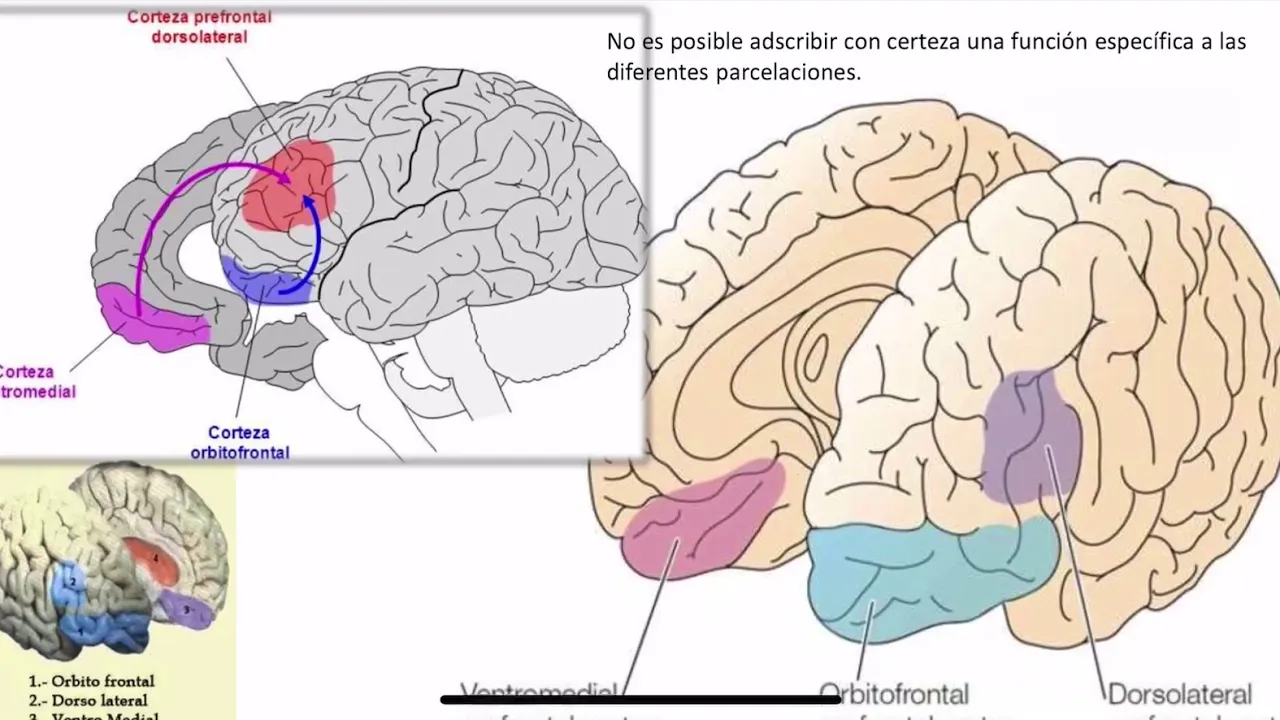
Added:Basic neuroanatomy, specifically the location of the prefrontal cortex and the specialized role of the orbitofrontal cortex (OFC) in sensory integration and decision-making.
Fundamental concepts in microeconomics and decision theory, particularly 'subjective value', utility, and how organisms compare disparate options (e.g., apples vs. oranges).
Basic neurophysiology, including how individual neurons encode information through firing rates (action potentials) and represent external variables.
The scientific distinction between correlation and causation in neuroscience, including methods used to establish causal links (e.g., optogenetics, microstimulation, or lesion studies).
Computational models of decision-making, such as the Drift-Diffusion Model (DDM) and reinforcement learning algorithms that simulate how the brain accumulates evidence to make a choice.
The neural circuitry of valuation, specifically examining how the OFC interacts with the basolateral amygdala, ventral striatum, and anterior cingulate cortex to guide goal-directed behavior.
Clinical implications of OFC dysfunction, exploring how damage or atypical neural activity in this region contributes to neuropsychiatric conditions like addiction, obsessive-compulsive disorder (OCD), and pathological gambling.
Applications in neuromarketing and behavioral economics, analyzing how understanding the neural basis of subjective value can predict consumer choices and inform public policy design.
1.9K views64likes12:32Original Release: 2020-11-07
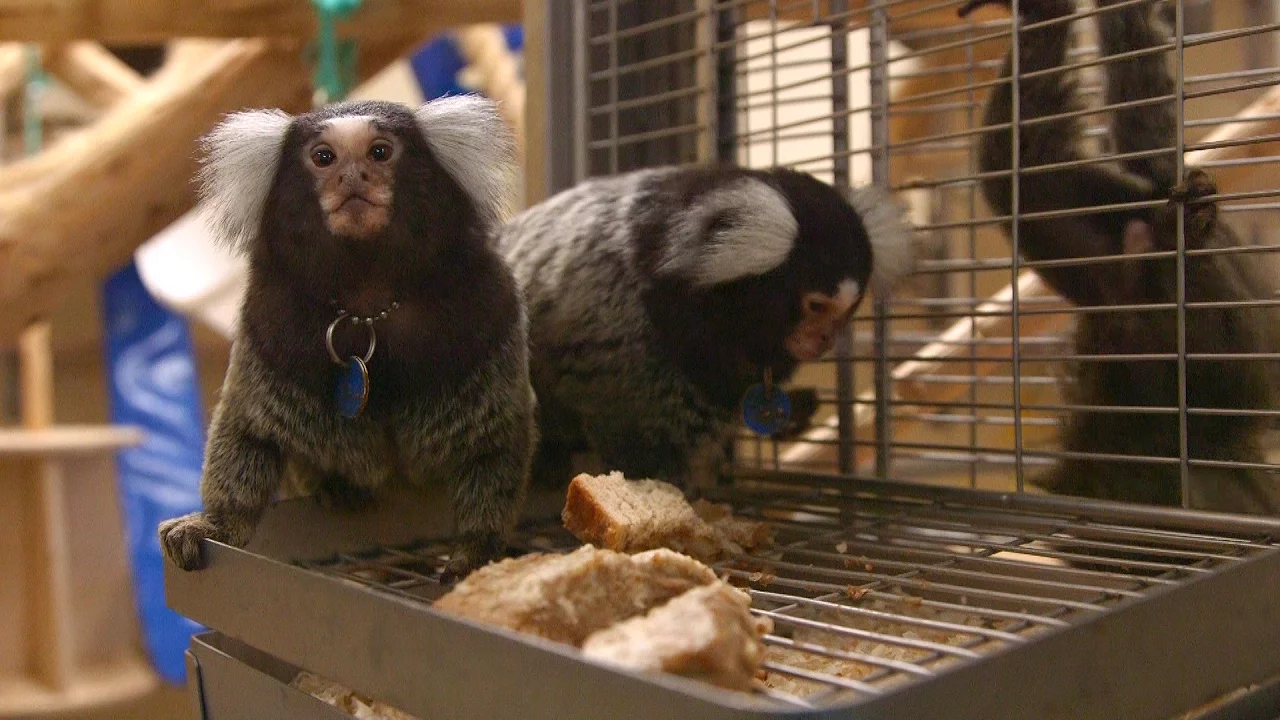
from the moment we wake up we're faced with decisions are you actually gonna get out of bed or are you gonna hit snooze one more time what are you gonna wear for the day what are you gonna eat for breakfast we make choices throughout the day and those choices make us who we are but how do we make decisions and what part of the brain is active when we make these critical choices well recently a paper was published in nature stating that neurons in the orbital frontal cortex are crucial for decision making so that's what we're going to talk about today specifically we're going to be looking at economic choices and all of these tie together into a whole subfield of neuroscience that's being born at the moment which is called neuroeconomics so without further ado sit tight stay tuned or don't that's your decision let's roll the intro [Music] hey everybody welcome back to neurosciq the best place on youtube to increase your neuroscience iq we're back today with another week's video and as i said in the intro we are going to be looking at a paper called values encoded in the orbital frontal cortex are causally related to economic choices so before we get started by diving into the paper we are actually going to talk about what economic choices are because this is something that i wasn't sure of when i read the paper so it's something i feel that we should cover so what is an economic choice when we make a choice we are required to give something up so we're choosing which one we want and we're giving up the other choice we have to weigh the cost and benefit of each decision and this is essentially economics so an economic choice is when we make a choice based off subjective preference and there is no right or wrong so for instance when you wake up in the morning and choose what shirt you're going to wear you usually choose your favorite but some days you might be going to a business meeting or a job interview and you might not choose your favorite shirt because it might be your most comfortable shirt you might have to choose something that's a little less comfortable but more appeasing that is an economic choice the next part of the title that i want to just go through before we get right into the paper is how do we establish casualty so if you are taking any science courses are maybe not maybe you've heard before that correlation doesn't mean causation so just because things seem to correlate to each other doesn't mean that that's the cause but how can we establish causation in science well we need three things to do so first we need correlation and for neuroscience it could be like what neural activity is associated with the particular behavioral outcome so the authors of the paper we're looking at today actually did previous work so in this paper what they did was they looked at neuron firing so you can go into a brain and record spikes from a neuron and then you can associate the spikes to behavior so this is what they did in the orbital frontal cortex when they had monkeys choosing between juice so they had juice a and juice b and they presented the options on a screen and then the monkeys made a choice and when they made the choice we saw firing in the orbital frontal cortex but what they also noticed was that the spikes seem to be related to value so interestingly the monkeys prefer juice a so maybe we can pretend juice a is apple and they didn't like flavor b which is banana as much the only time they would choose b over a is when they were offered four times the amount of juice so let's say the experimenters offered the monkeys one juice box that was apple juice and four juice boxes that were banana well because the monkeys like apple juice more you'd think they might choose the apple juice but actually there was way more banana juice offered so they would go for choice b in that case so the value of the choice depends on the flavor and the amount and what the researchers saw was when there was more value there was more activity in the orbital frontal cortex now these juices were presented one at a time so they would present the apple juice there would be a little amount of spiking then they presented four banana juices and the neurons would start firing and there would be a lot of activity because there's a higher value so they associated the overall frontal cortex neuron firing with the value of the choices presented now that's not enough to establish causation the next two things that need to be established are necessity and sufficiency the experiment they conducted was actually very similar to the one i described earlier so they were presenting monkeys with choices between jews and again the monkeys preferred one juice over the other apple was better than banana but they would go for the choice that they didn't like as much if they were offered the right amount now what they did was they stimulated the neurons with high stimulation we can actually impair the activity with low stimulation we can facilitate activity okay so they predicted that if the orbital frontal cortex was somehow inhibited or disrupted then this would influence the decision making and that is actually what they saw the way they tested this was by looking at four different conditions so either they presented apple juice first and then banana juice or they presented banana juice first and then apple juice and then they also varied whether or not they were stimulating the orbital frontal cortex during presentation what they saw if we look at this sigmoidal curve was that with the presentation of a and then b we have our normal curve and the same thing happens if you present b first and then a so those are the orange curve and the light blue curve so what we see at the beginning is the forced choice where they're only given the option of choosing apple so obviously none of their choices would be banana because there's no other option and then at the end we also see another forced choice where they are given the option of just banana so obviously every single time they're going to choose banana so we have very similar curves when there is no stimulation now they added stimulation when the first choice was presented and this is high voltage stimulation of the orbital frontal cortex which is going to disrupt the activity so if we look at the ab option so that's looking at the red line and the brown line if we look at the red line and the brown line what we see is we have our normal red line and brown line but now if we're stimulating when a is presented we have a shift to the left so we're shifting the brown line to the left why is that happening well this is because we're devaluing choice a so now the monkeys are going to switch their decision to choice b faster it doesn't matter how much banana you offer them and if you look it looks like if you offer five banana juices and three apples they'll switch their choice pretty rapidly to banana even though they like apple juice better whereas the choice before the switch was happening at around five to two so you had to offer them five bananas and two apples and they'd make the switch to banana but now with a five to three they're switching the same thing happens the other way around so now if we're stimulating when b is presented banana which they already don't like we're now disrupting the evaluation of this choice so if we look at the light blue line and then we look at the dark blue line now we've stimulated during the presentation of b so b doesn't seem to have too much value so we are actually going to shift that line to the right the reason why we're shifting to the right is because now we've devalued b even more so to get them to choose b we have to offer a lot more in the second condition they stimulated the brain during the presentation of the second stimulus so if they presented apple juice and then they presented banana they would stimulate during the second presentation and we see similar effects but it looks like there's a larger effect if you look at the graph there's more variance between the lines why does this happen well that's because when you stimulate and disrupt during the presentation of the second stimulus we're not only disrupting value computation but we're also disrupting value comparison so it's more disruptive and that's why there's a bigger difference between the stimulated conditions and the normal conditions so that's what happens when we disrupt the orbital frontal cortex now if we lower the stimulation a little bit we're actually going to facilitate activity in the orbital frontal cortex and that's what they did in the next experiment now the scientists said that based on the fact that these a and b neurons so neurons for apple juice and neurons for banana juice are randomly organized in the orbital frontal cortex no matter where you put the electrode it's going to have the same effect on each neuronal population so the change in value for a should be the same as the change in value for b so in this experiment rather than presenting the juices one after the other they presented both at the same time and that means that both of the values would increase so what they predicted is that the line should shift they found that this actually does happen so when the stimulation was off we have this black line and the black line is our normal when we stimulate during the presentation of the choices we should shift to the left and so that is what they see why does it shift to the left well that's because now a which they already valued even more it's going to have greater value but b is also going to have greater value that's why the graph maintains the same shape but it all just moves towards the left they also realize with this that the monkeys reacted faster so as we can see if we disrupt the orbital frontal cortex then we're disrupting the computation of value for a stimulus but also if we facilitate it we can increase the value that a stimulus has this kind of tackled both necessity and sufficiency but i would still caution whether or not we can say that causality is established with this experiment i still think more research needs to be done but i'm interested in hearing what you folks think so leave any comments you have down below the two articles will be in the description and make sure you like comment and subscribe for more future videos remember if you have any ideas leave them down below so i don't have to decide what the video topic should be [Music] you
Up Next

64:22
Introduction to Brain and Behavior | Neuroscience Course Overview
@newyorkuniversity
188.7K views•2013-01-03
21:55
Deciphering Neural Circuits Controlling Anorexia in Mice | Richard Palmiter
@AllenInstitute
2.3K views•2011-10-10

4:10
Vagus Nerve (CN X): Anatomy, Nuclei & Functions Explained
@Alilamedicalmedia
305.2K views•2022-10-31
13:03
How Exercise Benefits Your Brain: Science Explained
@TED
11.4M views•2018-03-21
Related Study Plans & Knowledge Roadmaps
Structured learning paths in Neuroscience
neuroscience
Appetite Regulation: Brain Circuits & Hormones
01Foundations of Endocrinology and Brain Anatomy
02Introduction to Energy Homeostasis
03Peripheral Signals: Leptin, Ghrelin, and Insulin
+ 2 more learning modules
14h5 modules
Explore Roadmap
neuroscience
Neuroeconomics: Value, Risk & Brain Mechanisms
01Foundations of Neuroscience and Brain Anatomy
02Introduction to Neuroeconomics and Subjective Value
03Dopaminergic Prediction Errors & Reinforcement Learning
+ 3 more learning modules
18h6 modules
Explore Roadmap
neuroscience
Spatial Navigation: Cells, Grids & Brain Maps
01Foundations of Brain Anatomy and Memory
02Place Cells and Head-Direction Cells
03Grid Cells: The Brain's Coordinate System
+ 2 more learning modules
12h5 modules
Explore Roadmap
neuroscience
BCIs: Neural Decoding & Prosthetic Control
01Neuroscience Foundations: How the Brain Signals Intent
02Signal Acquisition: Recording the Brain's Activity
03Neural Decoding: Translating Brain Waves into Data
+ 2 more learning modules
25h5 modules
Explore Roadmap