



![The MARKET REVOLUTION in America—INDUSTRIALIZATION [APUSH Review Unit 4 Topic 5] Period 4: 1800-1848](https://i.ytimg.com/vi_webp/FDzhYGT3Tmg/maxresdefault.webp)











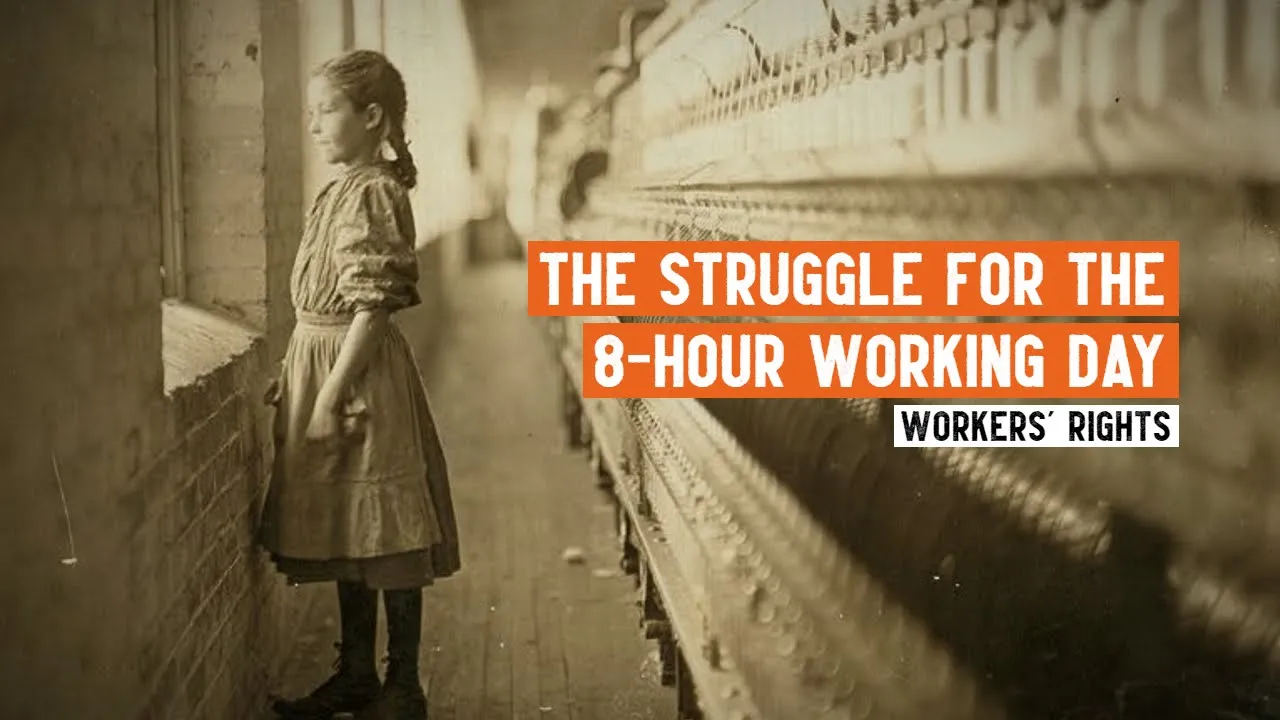















Human work culture has fundamentally shifted from the natural, relaxed patterns of Stone Age and medieval societies (where people worked 4-6 hours daily with frequent breaks and holidays, taking 42-51% of days off) to the rigid, time-disciplined industrial model imposed by capitalism. This transformation began around 1664 when capitalists like Richard Palmer started using church bells to enforce strict schedules, culminating in the mechanical clock becoming a tool of worker subjugation. Despite modern societies being wealthier, workers today have far less leisure time than their medieval ancestors, demonstrating that the shift was driven by capitalist interests in maximizing productivity rather than genuine efficiency needs.
The History of Work: Medieval Leisure to Industrial Labor
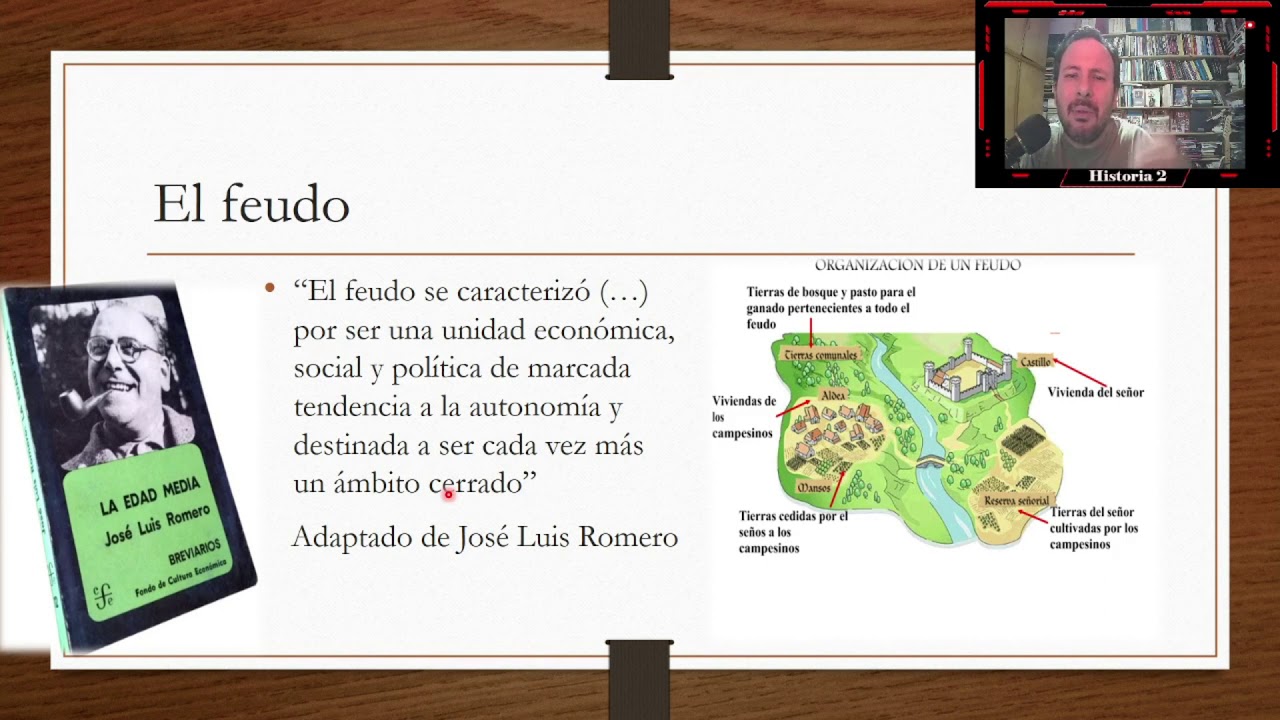
Added:Understanding of the medieval feudal system, particularly the structure of agrarian society and the relationships between lords, peasants, and guilds.
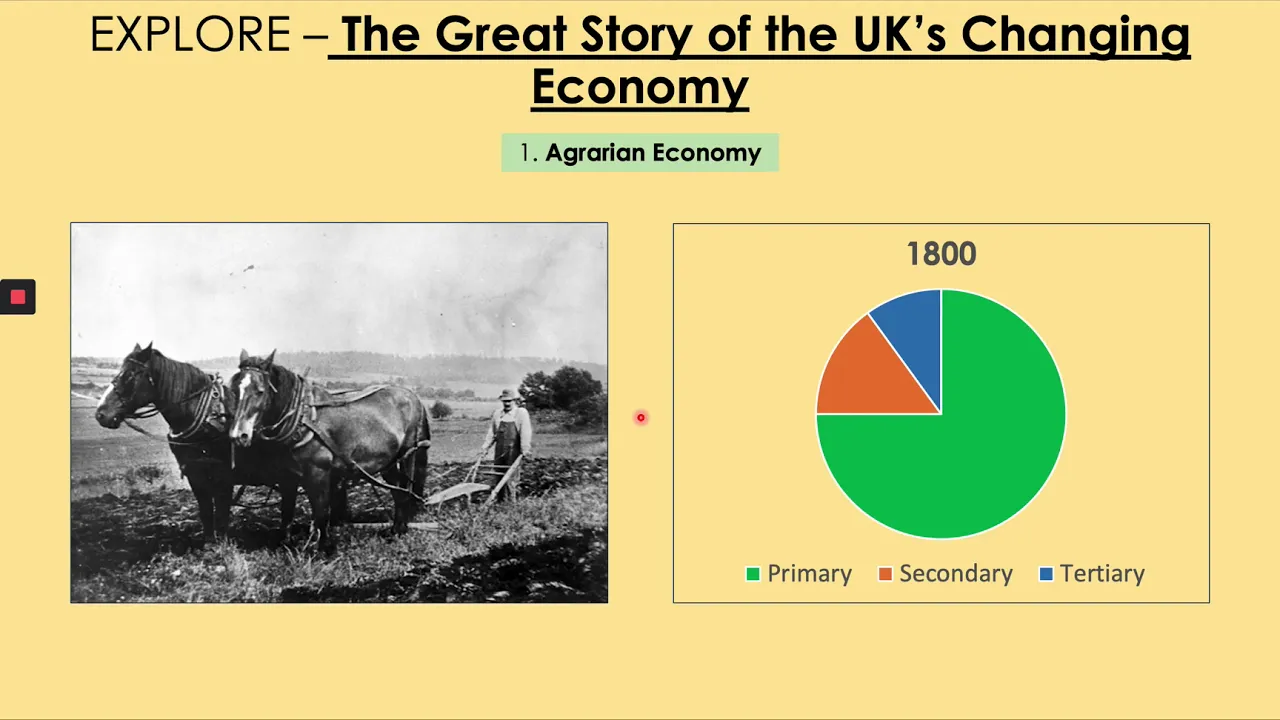
Familiarity with the transition from subsistence-based agrarian economies to early market capitalism.
Basic knowledge of the Industrial Revolution, including key technological advancements like the steam engine and mechanized factories.
The concept of 'task-oriented time' versus 'clock-time' in pre-industrial daily life.
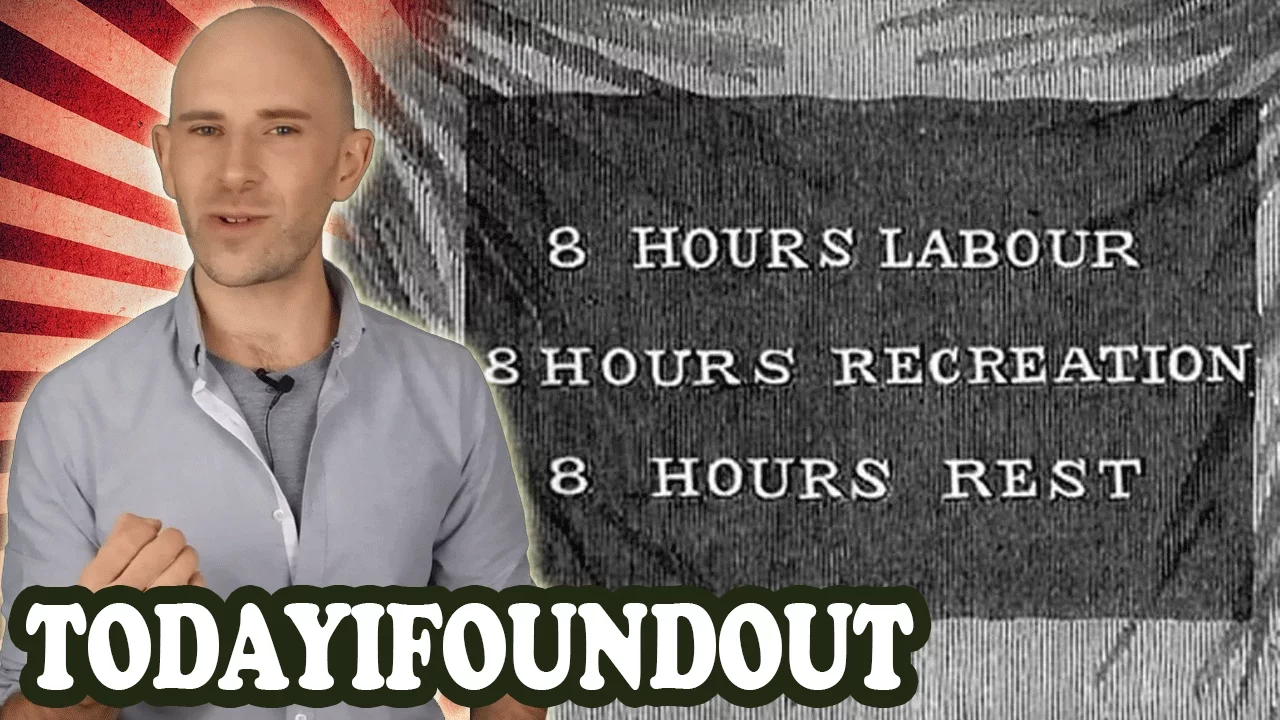
The history and evolution of the labor movement, specifically the late 19th and early 20th-century campaigns for the eight-hour workday.
Karl Marx's theories on the alienation of labor and how the division of labor impacted the worker's relationship to their output.
Max Weber’s thesis on 'The Protestant Ethic and the Spirit of Capitalism' and its role in reshaping the cultural value of hard work.
Modern debates surrounding work-life balance, including the digital gig economy, the four-day workweek movement, and the concept of 'time famine' in contemporary society.
1.5M views88.5Klikes33:16Original Release: 2023-09-29
We work too much. This is a pretty recent phenomenon, and so this fact makes us unusual, historically. It puts us out of step with our ancestors. It puts us out of step with nature. For reasons that will become obvious, Anthropologists in the 20th century became very interested in the evolution of work, and so to answer some of their questions they looked back to Stone Age societies. What they discovered surprised them. They found that while there were unique cultural variations all over the world, virtually all Stone Age people liked to work an average of 4-6 hours per day. They also found that most Stone Age people liked to work in bursts, with one fast day followed by one slow day, usually something like 8 hours of work, then 2 hours of work, then 8, then 2, Fast, slow, fast, slow. These anthropologists found another thing. Pre-capitalist and pre-industrial societies all had their own ways of measuring chunks of time. Some would measure by how long it took to accomplish a specific task, or cook a specific meal, or walk a specific distance. But the odd thing is that when you compare all of these little markers that were used by different cultures, they were all somewhere in the ballpark of 30 minutes. It seems that in a world without clocks or phones or sundials, measuring the day in 30 minute chunks just feels good and natural to humans. Very few societies ever felt the need to break the day into smaller chunks than that. It’s hard to go much deeper than that from archeological evidence alone, but there are other pre-capitalist and pre-industrial societies that we can look back to that can help us. There are excellent surviving records from medieval Europe that delve into this issue, so let’s start there. For virtually all of human history, most work was agricultural work. This was also true of medieval Europe. So when thinking about medieval workers, we shouldn’t be thinking about cities, we should be thinking about workers in fields. For the first hour or so of the medieval workday, people would just trickle in at their own pace. The employer was usually expected to provide some food to the workers, so for this time people usually had a chat and a bite to eat, but otherwise did nothing. As you can imagine, convincing people to get up and start the work for the day was often quite difficult. Employers complained about this all the time. After a couple of hours in the field, there would be a midmorning break that could range from 30-60 minutes, where workers would have another bite to eat. When the Sun was high in the sky and the day was starting to get hot, work would stop again for an extended period of time. Something like 2, maybe even 3 hours depending on how hot it was that day. This period would begin with a larger midday meal that would be recognizable to us as lunch, and was followed up by, this is not a joke, naptime. In medieval Europe, siestas weren’t just a Spanish thing, they were an everywhere thing. After returning to work refreshed and rejuvenated, workers would intensify the pace of their work in an effort to finish everything up for the day. If they were done by the midafternoon, they could go home. If they weren’t, they would break for another 30-60 minutes with more food provided before going back for one last sprint. Most of the time, workers didn’t have to stay much later than this. But if it was harvest season and people were working late, there would often be a longer break in the evening with a larger meal provided by the employer. But this was rare. Workers might be in the fields for like 8 hours a day, but when you account for all of the breaks, they would only be working for 4-6 of those hours. During the busiest times of year they might be in the field for like 12 hours a day, but with the breaks they would only be working for 7-9 of those hours. Notice the numbers we’re playing with here. Stone Age peoples all over the world and agricultural workers in medieval Europe both liked to work 4-6 hours a day, even though each group had no knowledge or memory of each other. It seems that this is just a natural pattern that humans like. Medieval workers would work longer during the harvest or during a crisis, but they didn’t like to, and that’s the point. Also notice the length of these breaks. Medieval workers measured the day in 30 minute chunks, just like their Stone Age ancestors. What else sticks out in the medieval workday? Notice how the workers were constantly eating. That was one of the perks of being a day labourer. Food was a worker’s biggest expense, and so part of their compensation was that their employer would take care of the food for that day. It would be like if part of your compensation was that your boss paid your rent. It relieved a massive financial burden. One other thing to note is that work was generally understood to be a thing that happened during the day, and although there wasn’t an exact science to this, a workday was broadly understood to be half of daylight hours. If there was an urgent need for people to literally work from sunrise to sunset, there was kind of a gentlemen’s agreement that this would count as 2 days of labour. What can we take away from all this? Work used to be a lot more informal and a lot more casual. Labour and leisure used to be intermingled. One was expected to relax or even nap on the job. Work was a part of a worker’s life. Kicking back and passing the time wasn’t just something workers did at home, it was equally something they did at work. Unless there was some sort of unusual crisis, workers were not expected to experience great stress while working. The week always began at a leisurely pace. Monday and Tuesday are described as days with a “holiday spirit.” Employers write of their difficulty in getting people to even show up. Thursday and Friday are described as “fast” days. Mondays and Tuesdays were slow, Thursday and Friday were fast. An echo of the Stone Age pattern of working. Fast, slow, fast, slow. Saturday was pay day, and so it functioned as a “hurry up and finish everything so that we can get the hell out of here” day. It seems that under normal circumstances, Saturday was kind of a half-day, although during busy seasons it could easily turn into just another fast day like Thursday and Friday. After the week’s work was done and everybody got paid, workers got a full day off on Sunday. But by the 16th and 17th centuries, a new custom invented by workers disrupted this pattern. They called it Saint Monday. Saint Monday was a kind of unofficial holiday, where absenteeism was permitted and even expected on the first day of the workweek. People were still flush with cash from last Saturday, and Monday was a “slow day” anyways, so it just organically became a thing that workers just didn’t show up. Employers learned to tolerate it, and workers gleefully looked forward to it. Countless labour actions in Early Modern Europe can be traced back to some dumbass boss with something to prove trying to crack down on their beloved Saint Monday. This was the real origin of the two day weekend. It didn’t come from the government, it came from workers, they did it themselves. And it came centuries before any legislature got around to making it official. But leaving aside Saint Monday, it’s striking how different the mentality of medieval workers was from the mentality of workers today. Or, let’s flip that around. It’s striking how different our mentality is today from that of our ancestors, going back hundreds, even thousands of years. Here’s one specific example of that difference. Whenever medieval workers could afford to stop working, they did. Medieval Europe was not a culture in which people saved a lot of money. This isn’t because they were primitive or selfish or anything like that, there just wasn’t that much for poor people to spend their money on. Food, housing, clothing, that was pretty much it. If a worker was all set in those three categories, there honestly wasn’t that much else available to them. This led to a phenomenon in medieval Europe where… after all of a worker’s basic needs were met, the more they earned, the less they worked. To put it another way, medieval workers liked to spend most of their discretionary income on leisure. This isn’t such a strange phenomenon. If you survey people today and offer them a choice between more money or more time off, most people would take more time off. It’s just that under our system, people are never offered that choice. Or when they try to exercise that choice for themselves, they are either professionally punished or fired. In medieval Europe, people could make that choice for themselves, and whenever possible, workers worked less. A lot less. There were three major holiday periods where workers routinely took a big chunk of time off. Easter, Midsummer, and Christmas. Or, for the uninitiated, March or April, late June, and late December. I would note that of the three, only the December holiday period made it into the modern era intact. Things really slowed down in the winter. Days were short and the work was also short. Because of this, a tradition evolved called “winter wages,“ where workers were paid half a day’s wage for half a day’s work. We’re talking about a 4 hour workday at the very most. If you add in all of the breaks, this would be maybe 2-3 hours of actual work. “Winter wages” were usually done for the months of December and January, and during this time, people took as much time off as they could afford. Workers spent their extra time on indoor labour that might not generate a profit. Home repairs, building new furniture, patching up or making new clothing, these were jobs best saved for the slow winter months. When you total up the estimated number of days worked by medieval farm labourers, things become quite stark. Researchers have found that Spanish farm labourers did not work for 42% of days in a year. In France, the number was more like 49%. The English usually worked more, but this wasn’t because they were naturally more industrious, it’s because they were historically more exploited by their aristocracy. When there was a labour shortage in the 14th century, English labourers immediately used their clout to create more time off for themselves. For a period of time, English workers enjoyed 51% of days free from work. The funny thing about these numbers, 42%, 49%, 51%, is that once again they echo how people worked in Stone Age societies. Almost every other day off. Fast, slow, fast, slow. Labour historian E. P. Thompson describes this work pattern as a natural human rhythm and a common preference in people across different regions, different cultures, and different times. For a point of comparison, consider a modern worker working 5 days a week. In a calendar year, that worker has 28% of days off. Add in the 10 or so public holidays that most countries have, and that worker now has 31% of days off. Add in 2 weeks of vacation, and that worker has 34% of days off. Assume instead that they get 6 weeks of vacation, and that worker has 39% of days off. In order for a modern worker to even begin to rival the amount of time off enjoyed by a medieval French farm labourer, that modern worker would need to be provided with 3.5 months of vacation per year. Plus weekends, plus public holidays. Medieval workers were operating on a level so far beyond us, it’s difficult for us to even dream that big! Up until the Early Modern era, workers were paid by the day. The length of a workday could fluctuate throughout the year, but even during the busiest periods, workers might be in the fields for 12 hours at most. But as I’ve said, if you take into account all of the breaks and mealtimes and naptimes, that might translate into 8 hours of actual work. And that was on the busy end of the spectrum. At other times, a shortened workday would often lead to less than 4 hours of actual work. That all began to change with the proliferation of mechanical clocks. Cities and towns began building clock towers in their town squares in the late 14th and early 15th centuries, and before too long, churches and yes even some private businesses were inspired to have their own mechanical clocks installed. Arguably the most important clock ever built was installed at the Amsterdam Stock Exchange in 1611. The Netherlands were at the epicenter of this new capitalism fad that was sweeping Europe, and their shiny new stock exchange reflected that. Local Dutch governments tried to curb the capitalist fervor taking over their country by restricting stock trading to certain times of day – 2 hours in the summer and 30 minutes in the winter. Wait a second. See that? Even as late as 1611, Dutch stock traders had their own version of winter wages. It didn’t even necessarily make sense for their job, it was just in the culture that that’s what people did in the winter. Anyways, the Dutch wanted to issue hefty fines to any traders who violated these restrictions, so the stock exchange commissioned a giant state-of-the-art clock. This idea quickly proliferated to every stock exchange in Europe. And with this, the clock escaped the public realm of town squares and churches and entered the private realm of business. All of a sudden, capitalists wanted to prove how much of a capitalist they were by having their place of business install a mechanical clock just like their local stock exchange. Clock mania had begun. Textile mills were the first businesses utterly transformed by the clock. Some brain genius had the idea to connect their mechanical clock to a bell, which would ring to signal the beginning and the end of the workday. This was a profound cultural shift, and workers really struggled to make sense of it. Understandably. Under the old system – and by the old system I mean the way that people had been working for all of human history – workers were hired by the day, and measured the day in 30 minute chunks. They began and ended their workday accordingly, within a broad 30 minute window. Now, workers were hired by the hour, and measured the day in 60 second chunks. This was new, and it was confusing. Many workers responded to the workday bell by doing the most logical thing under the circumstances. They just ignored it. It had never before mattered at precisely what minute one began or ended their work, so why should it matter now? But the capitalists cared. In fact, they would develop an unhealthy obsession with the clock. Before too long, the capitalists were able to convince city governments to get involved, who began issuing fines to workers who were late for the workday bell. Let me say this again. If a worker who worked for a private business was 1 minute late for work, the local government would fine them as much as an entire day’s pay. This kind of thing had never been done before, it had never been part of the unwritten social contract between bosses and workers. The capitalists just unilaterally invented this new rule out of whole cloth, and they did it by joining hands with local governments across Europe. Industrial capitalism and the heavy hand of the government, friends since the beginning! The owners of the textile mills wanted to change the culture of work, and they did, but they did it by basically beating workers into submission. As capitalism and later industrialization swept across Europe, it brought with it an oppressive, even authoritarian relationship between workers and owners. Shortly after the introduction of the work clock, the capitalist class killed the customary afternoon nap that had been a part of the workday for as long as people could remember. Absolutely tragic. They also stopped providing food to the workers, which dumped an extra financial burden onto the working class. Meal times, which up until now had been long and informal and subsidized by the employer, were shortened and regulated down to the minute. The entire workday was squeezed and squeezed until all of the air and all of the culture and all of the joy was taken out of it. But soon, even having a maximally productive workday wasn’t enough. Workers quickly figured out that they could not trust the company clock. Many bosses liked to fiddle with the time so that the work day started a little bit too early and ended a little bit too late. One trick that bosses liked to pull with early company clocks was to rig them to the production line so that if there was any sort of technological problem, as there often was, then the clock would stop. Later generations of company clocks had mechanisms built into them that caused them to periodically pause during the workday, accumulating minutes, only to suddenly jump forward to the “real” time during breaks. It’s funny, because the capitalists were the ones that invented this idea that the clock must reign supreme. They were the ones that had the government fine people if they were 1 minute late for work. They were the ones who unilaterally imposed this new social contract on workers. And then they were the ones to immediately break that new social contract. Why? No reason, really. Just for a few extra bucks. Like I said, workers caught on pretty quickly. But when workers talked with other workers about how the company clocks were inaccurate, it became standard practice within the textile industry to fire them on the spot. Fast forward 200 years. When pocket watches became common, workers did the sensible thing and brought them to work. Why wouldn’t they? The capitalists had established long ago that being even 1 minute late for work was a mortal sin. Surely pocket watches would enable workers to be supernaturally punctual. This was exactly what the bosses wanted, right? But that’s not how it went. For the first time ever, workers with pocket watches had physical proof that their bosses were tampering with the clocks. This practice was so egregious and so clearly morally wrong that it became a political scandal, particularly in Britain, with genuine calls for regulation and reform. The capitalists responded to this scandal by…well, what do you think they did? Imagine, you own a factory, you find out that your middle managers are messing with the company clock, word gets out, there are angry newspaper columns, there are debates in Parliament, there is the threat of legislation coming down on your head, it is a full blown political scandal. What do you do? If you said “ban pocket watches from factories, search workers before they enter the building, and fire anybody who complains about it,” then congratulations, you’re a fascist! And yeah that’s exactly what the capitalists did. By now it should be clear that the mechanical clock was a tool used by the industrialists to subjugate and exploit their workers. It was never about productivity or efficiency, because they proved over hundreds of years that they would rather fire a productive worker than run an accurate company clock. That was where their priorities were. It was never really about profits, was it? It was about power. 20th century Canadian socialist George Woodcock, who wrote at length about what he called the “Tyranny of the Clock,” wrote the following. “And because, without some means of exact time keeping, industrial capitalism could never have developed and could not continue to exploit their workers, the clock represents an element of mechanical tyranny in the lives of modern men more potent than any other exploiter or any other machine.” All of the trends that began with the mechanical clock kicked into overdrive with the widespread adoption of artificial lighting. This is what finally killed “winter wages.” Now, there was no need to take it easy when the days were short. With artificial lighting, capitalists started treating every season like it was harvest season. That’s how factory workers got stuck working 12, 14, 16 hour shifts, not just during the busy season, but all year long. That familiar feeling where you leave work in the winter and it’s already dark out? That wasn’t a thing until like 1802. That was a thing that was invented by the industrial capitalists in order to maximize productivity. The industrial capitalists did not stop with the tyranny of the mechanical clock, and they did not stop with the invention of the 12, 14, or even 16 hour workday. In time, they expanded their reign of terror to target public holidays. Within a matter of decades, public holidays that had existed for hundreds of years were systematically suppressed in favour of more work. We talked earlier about the late medieval period, when workers were able to live lives where they had 42%, 49%, 51% of days off. Only 2 or 3 hundred hundred years later, workers had to learn to survive with only 15% of days off. The industrial capitalists would have taken more if they could, but the Church mounted a defence of Sunday as a day off. Mostly. At the end of it all, the lives of workers had been completely transformed. English workers in the 19th century were working 80% more than English workers in the 17th century. The country had never been richer, but you’d never know it by looking at the workers. Over the century leading up to this, the British GDP had grown by 50%, but over the same period, worker pay was not just stagnant, but in decline. They were doing almost double the work for less pay. And the transformation wasn’t just in the number of hours worked. Owners and bosses used their leverage to force their workers to live in a tiny authoritarian world run by capitalists. This shift in the culture of work has always been fascinating to me, and so I tried to look back to where it first began. When and why did we shift from the more casual and laid back work culture that came out of medieval Europe, to the more totalizing and authoritarian and inhuman work culture that came out of the Industrial Revolution? I think I’ve figured out where things started to shift, and I think I’ve got it pinned down to the exact year. 1664. In 1664, some absolutely psychotic capitalist named Richard Palmer, cursèd be his name, paid the church in the town of Wokingham, England to ring their bell at precisely 4 o’clock every morning and at precisely 8 o’clock every evening. He did this because he was still seeing the cultural evidence of “winter wages,” where workers woke up later during the slow winter months and worked half as hard as they normally did. As a capitalist, this drove Palmer crazy. He felt that it was deeply important for workers to be up 4 hours before sunrise every day, even if they didn’t really have any work to do. If they didn’t want to wake up on their own, he would do it for them. So he had the church bell ring at 4 o’clock every morning, 4 hours before sunrise. He also felt that it was his job to tell people when to go to bed, so he had the church bell ring at 8 o’clock every evening. Also, shout out to the church for straight up abandoning their religious mission and surrendering to this capitalist weirdo. Way to go guys, I hope the money was worth it! According to Richard Palmer and this new breed of 17th century capitalist coming up with him, “private time” was an outdated concept. This new generation of capitalists wanted a say in how workers were spending their hours at home. They even wanted a say in what time they went to bed. They had a totalitarian worldview. As far as they were concerned, all time was company time. Inspired by the work of Richard Palmer, this particular form of abuse became a fashionable trend in England. Psychopaths all across the country started co-opting churches and victimizing towns, all in the name of productivity! 20th century Canadian socialist George Woodcock writes of this new breed of capitalist, “the new capitalists, in particular, became rabidly time-conscious. Time, here symbolizing the labour of workers, was regarded by them almost as if it were the chief raw material of industry.” But this newfound obsession with time and productivity didn’t stop there. When this new generation of capitalists left their places of business, they would see their workers getting off work for the day. And what did they see them doing? Standing around in groups, chatting. Relaxing on public benches. Walking into public houses to grab a meal, or, God help us, a drink! All of this public recreation bothered Palmer and his friends immensely. Palmer’s obsession with the clock coincided almost exactly with the rise of English newspapers. And what did this first generation of newspapers like to discuss? They liked to discuss the “problem” of the poor, and specifically the “problem” of the leisure activities of the poor. The capitalists were very open about this, they said that the only legitimate leisure activities for the poor were mental cultivation or religious study. Basically, studying Latin or studying the Bible, that’s what poor people should be allowed to do for fun. Anything other than that, they argued, was corrosive to the culture. For those keeping track at home, bribing the church and turning into a private tool of the capitalist class, not corrosive to the culture. Relaxing on a public bench after work, corrosive to the culture. These people were demons! That’s what the capitalists wanted. No life outside of work. No hobbies. No idleness. No relaxation. No days off. Nothing to look forward to. No life. Just work and someone else’s profit. 20th century Canadian socialist George Woodcock concedes that “mechanical time is valuable as a means of co-ordination of activities in a highly developed society, just as the machine is valuable as a means of reducing unnecessary labour.” But, he argued, the modern use of the mechanical clock did not reduce unnecessary labour. It did the opposite. “Hurried meals, the regular morning and evening scramble for trains or buses, the strain of having to work to time schedules, all contribute to digestive and nervous disorders, to ruin health and shorten life.” What to make of all this? We are richer as a society than ever before, but somehow we are less free. Workers have lost so much. Not just our afternoon naps and our holidays, but our autonomy, our dignity. In short, we work too much. But it doesn’t have to be this way. Medieval French peasants took as much time off as they could afford, which for them was 49% of the year. It’s time for us to start moving back in that direction. We already know how to do this. We have the money, we have the policies, we have the administrative capacity. We have everything we need to work less. The only thing we lack is the ambition. The messed up thing is I’m actually very punctual.
Up Next

14:16
The Astronomical Quest for Longitude: How Time Solved Navigation
@besmart
962.2K views•2022-11-08

12:54
Triumph of Orthodoxy Icon: Byzantine Art & History Explained
@BenCallan
2.1K views•2024-08-06

9:49
FastAPI vs Flask vs Django: Choosing the Right Python Web Framework
@TechWithTim
302.5K views•2024-05-26

1:42
Game of Thrones Opening Credits: A Cinematic Analysis
@gameofthrones
46.3M views•2011-04-18
Related Study Plans & Knowledge Roadmaps
Structured learning paths in General & Interdisciplinary Studies
general-studies
Elevator Engineering: History, Physics & Cities
01From Hoists to Safety Brakes: The Dawn of Vertical Lift
02Hydraulic vs. Traction: The Engineering Physics of Elevators
03Modern Speed, Safety, and Algorithms
+ 2 more learning modules
12h5 modules
Explore Roadmap
general-studies
Rubber: Material Science, History & Geopolitics
01Origins of Natural Rubber & Mesoamerican History
02The Chemistry of Natural Rubber & Vulcanization
03The Geopolitics of the Rubber Boom & Colonization
+ 2 more learning modules
12h5 modules
Explore Roadmap
general-studies
Containerization: Evolution, Logistics & Trade
01Ancient Trade & Bulk Cargo: Amphorae to Barrels
02The Industrial Revolution & Cardboard Packaging
03The Containerization Revolution: Malcom McLean
+ 2 more learning modules
12h5 modules
Explore Roadmap
general-studies
Textile Tech: Evolution, Labor & Global Impact
01Pre-Industrial Textiles: Handloom & Cottage Industry
02Mechanization: The Spinning Jenny to the Power Loom
03The Factory System & Global Labor Transformation
+ 2 more learning modules
10h5 modules
Explore Roadmap