












![DISTANCIA HIPERFOCAL [EXPLICADA SUPER FACIL]](https://i.ytimg.com/vi/krEecQY3RUg/maxresdefault.jpg)




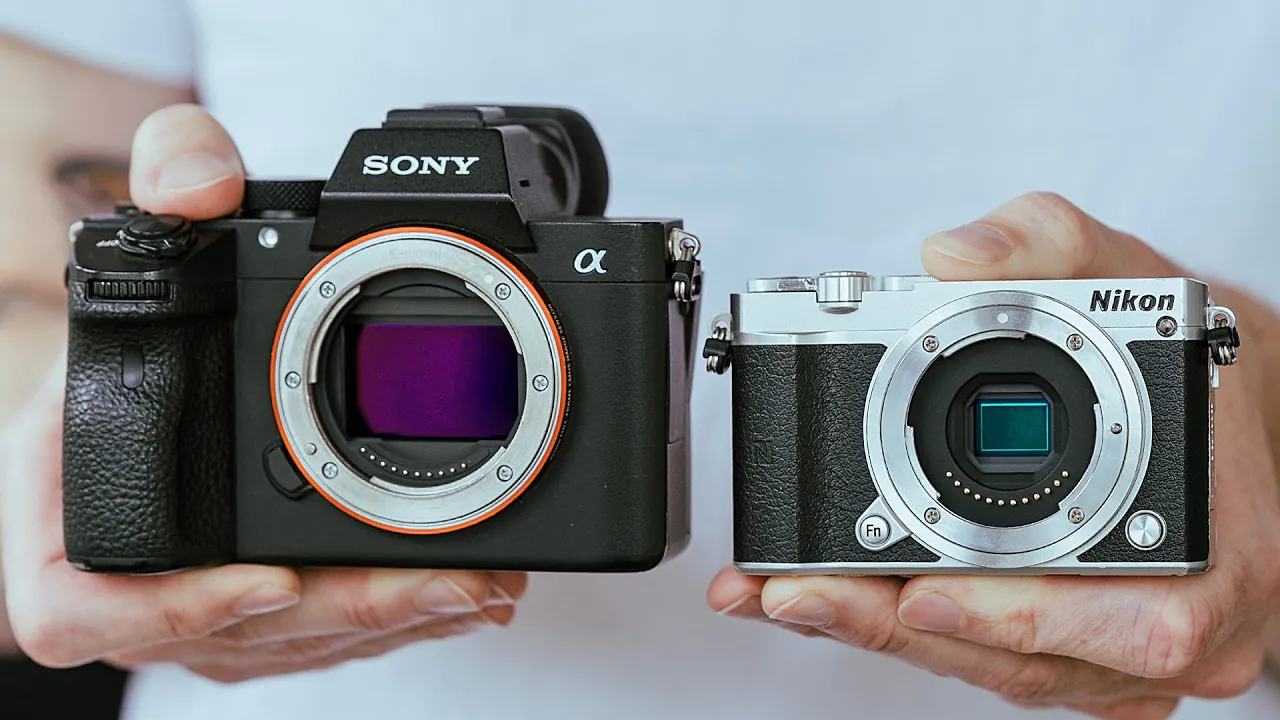

Depth of field refers to the range of distance in a photograph that appears acceptably sharp; it is controlled by three interconnected factors: aperture (smaller f-stop numbers like f/1.8 create shallow depth of field while larger numbers like f/16 create deeper depth of field), focal length (longer focal lengths produce shallower depth of field), and the distance from the camera to the subject (closer subjects result in shallower depth of field); additionally, sensor size does not directly affect depth of field, but smaller sensors require photographers to move closer to achieve equivalent framing, which indirectly affects depth of field.
Depth of Field Explained: Aperture, Focal Length, and Distance
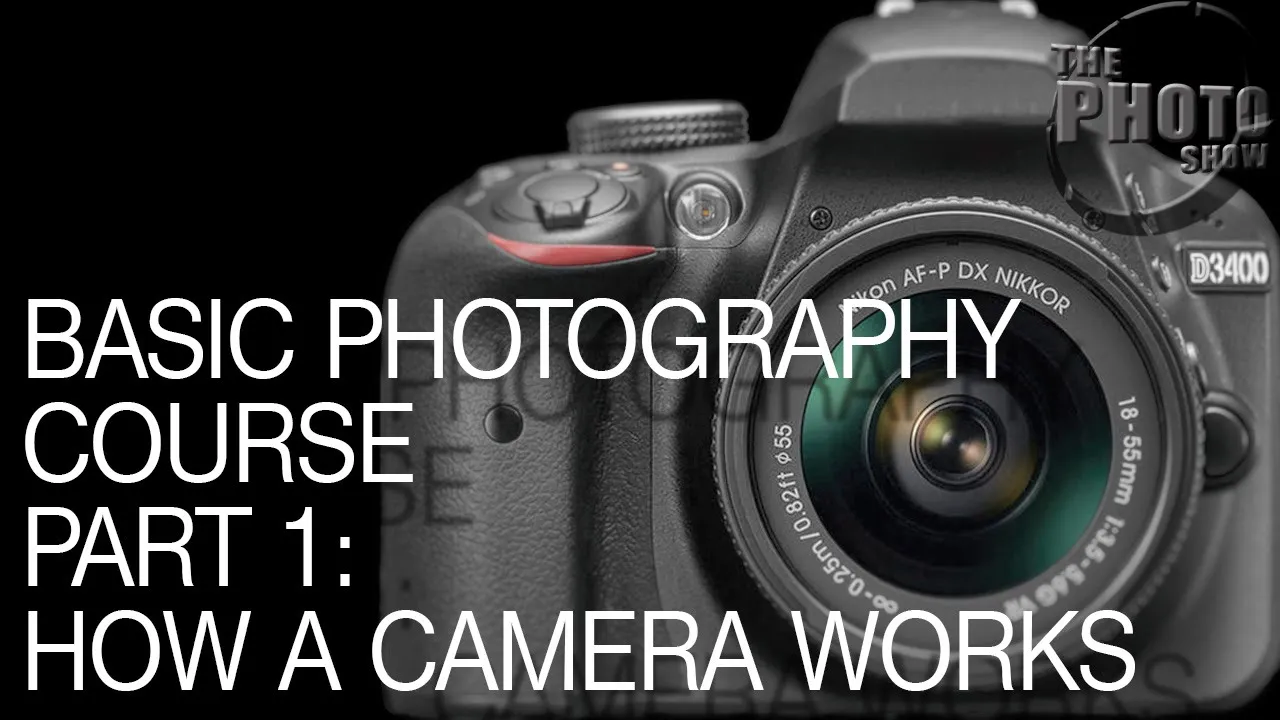
Added:Basic camera anatomy and how light enters a camera body to form an image on a digital sensor or film.
The concept of optical focus, including how a lens converges light rays onto a single focal plane.
The definition of aperture and how f-stops (e.g., f/1.8 vs f/16) inversely relate to the physical size of the lens opening.
An introductory understanding of focal length (measured in millimeters) and how it affects the field of view.
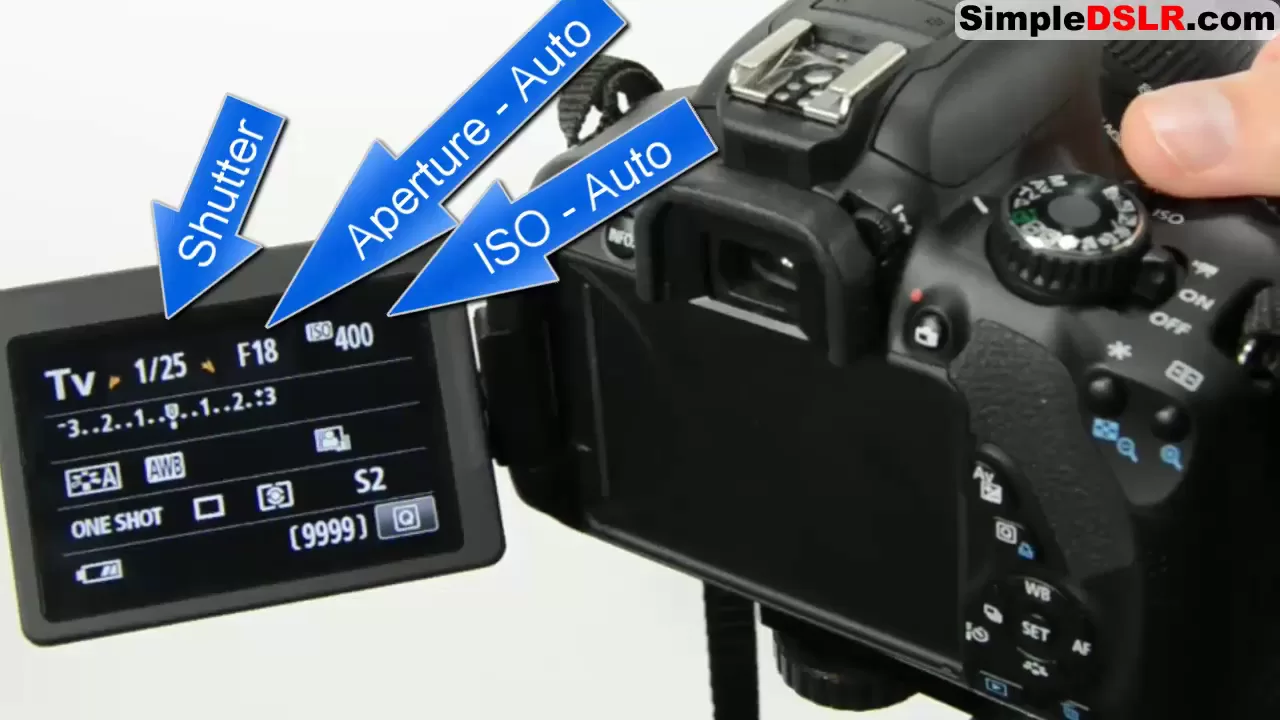
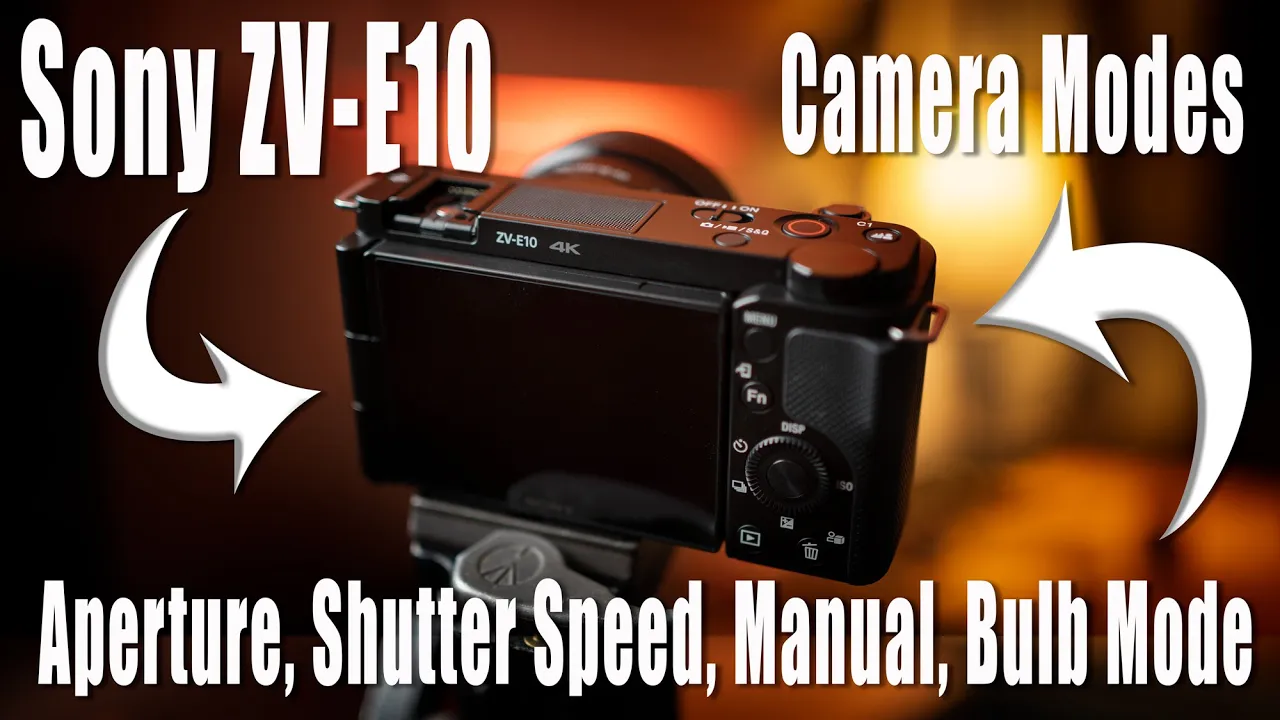
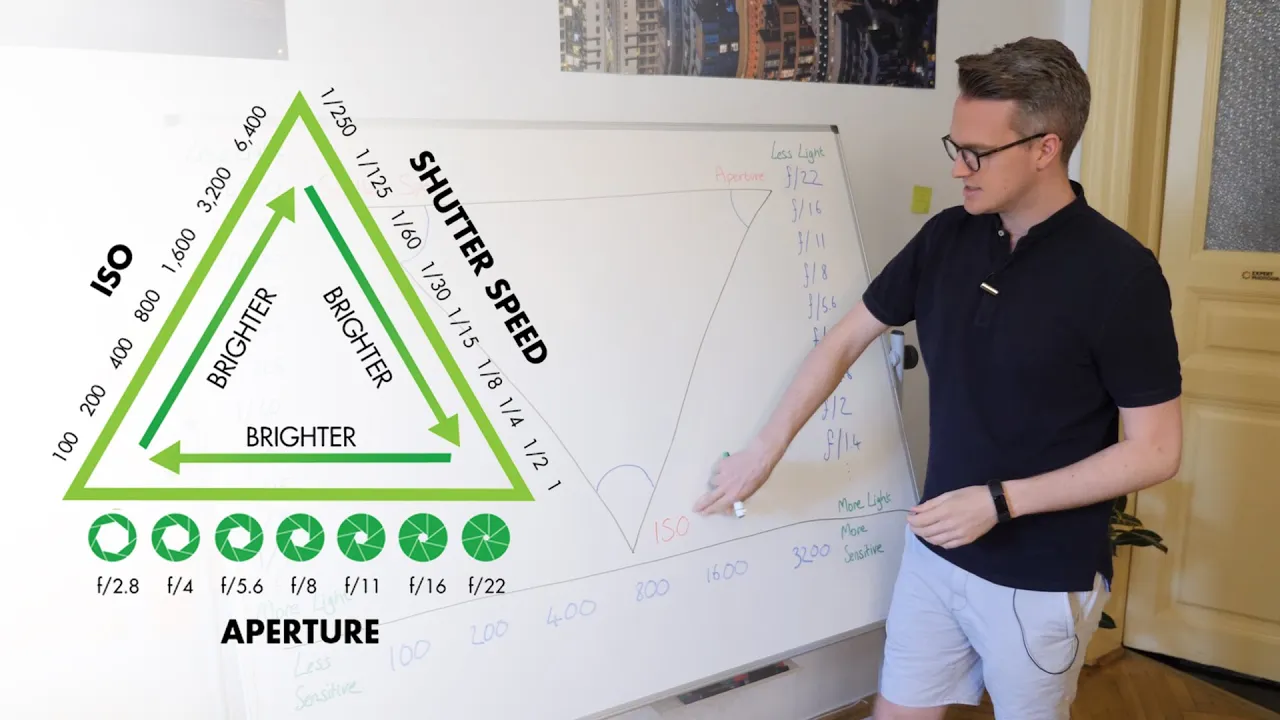
The Exposure Triangle: How to balance aperture adjustments for depth of field with shutter speed and ISO for proper exposure.
Hyperfocal Distance: Calculating the precise focusing distance to achieve maximum depth of field in landscape photography.
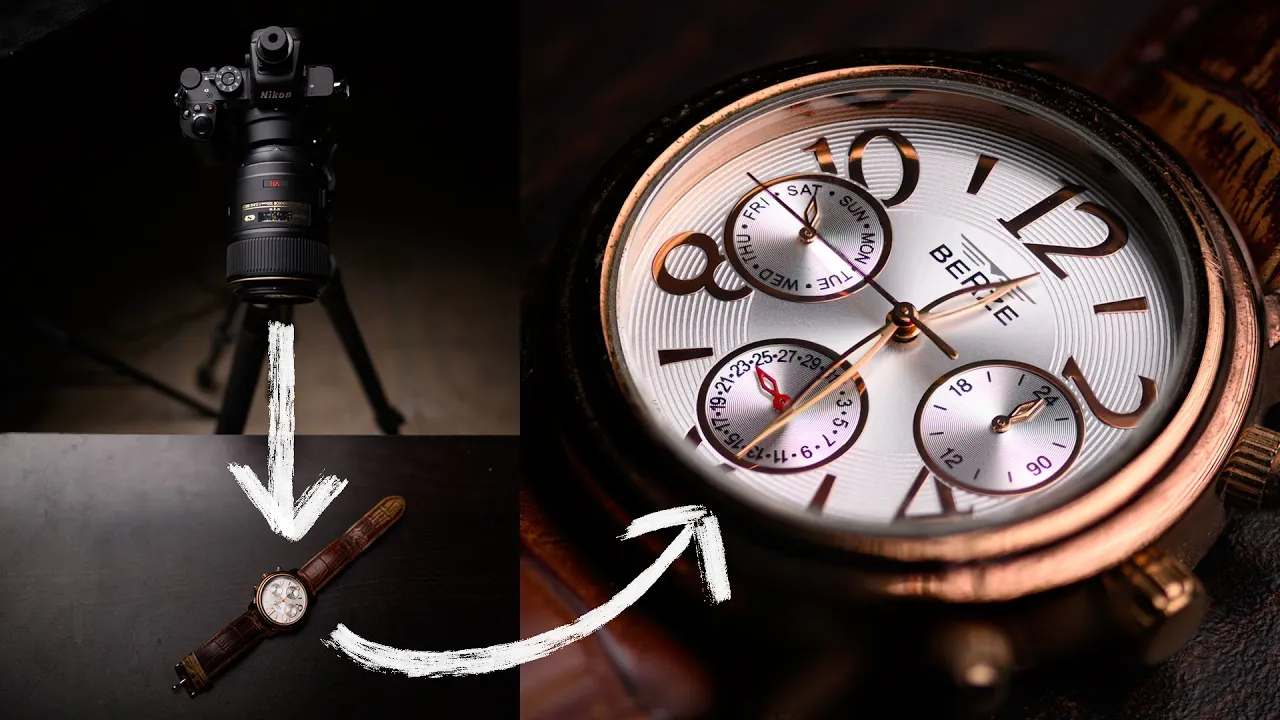
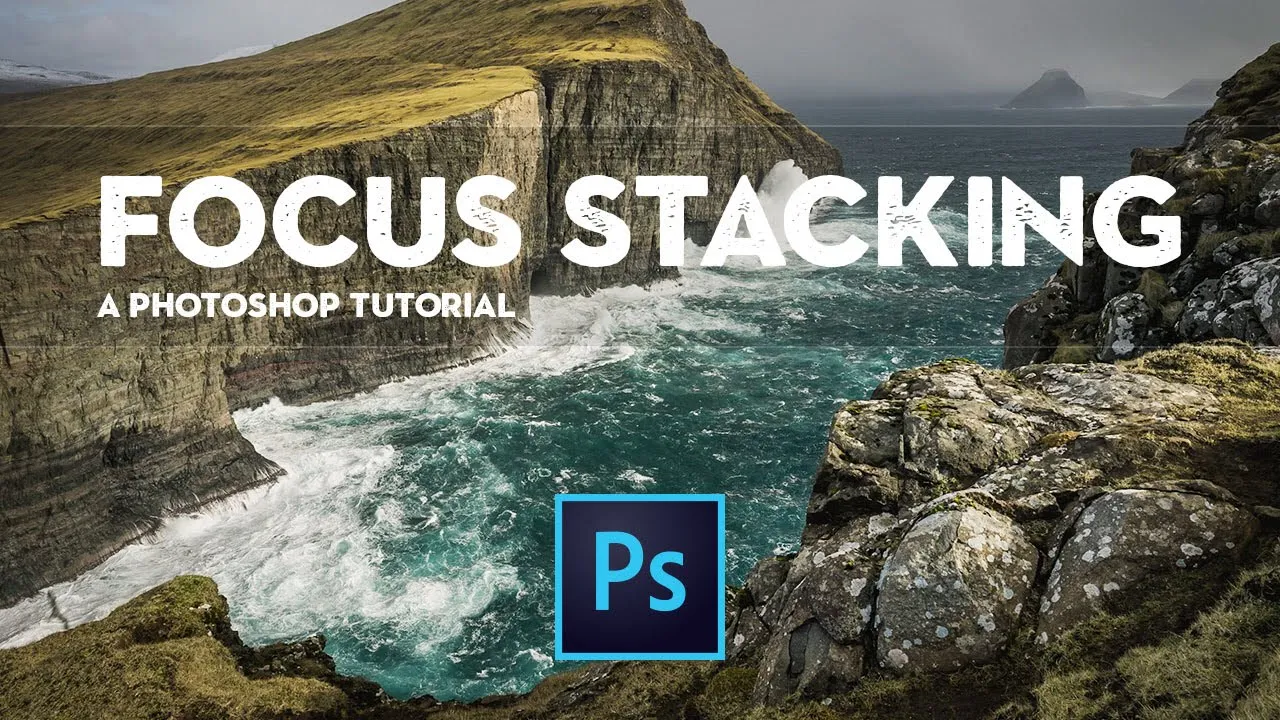
Focus Stacking: A digital post-processing technique used in macro and landscape photography to combine multiple exposures for infinite depth of field.
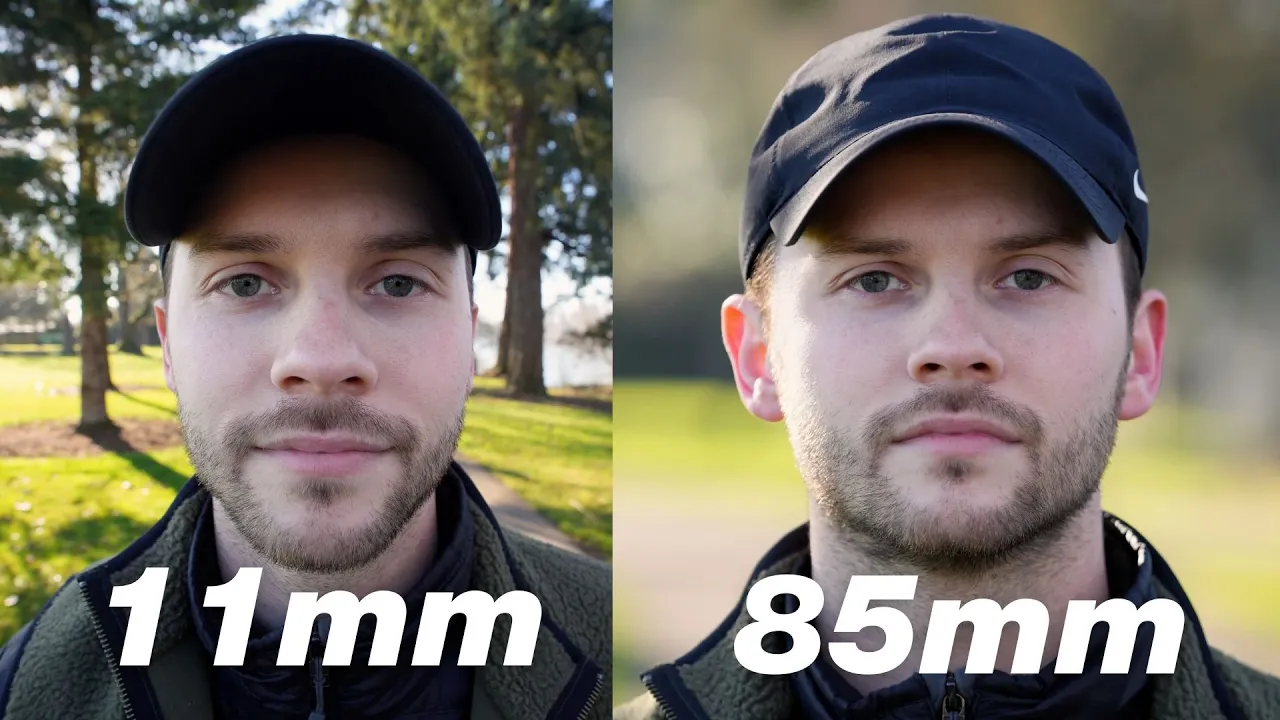
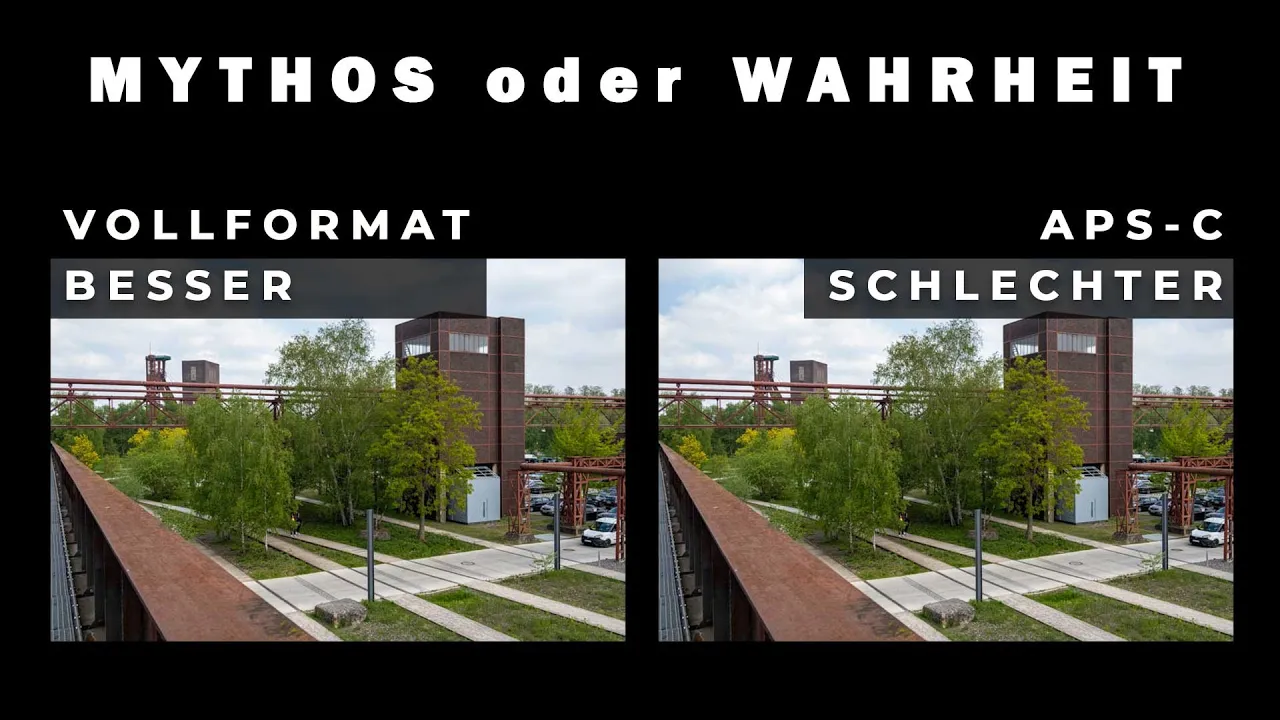
The effect of camera sensor size (e.g., Full Frame vs. APS-C crop sensors) on perceived depth of field and equivalent focal lengths.
169.4K views3.6Klikes8:27Original Release: 2012-11-23
what's up guys I'm n of Cam Crunch and today I'm going to be talking about depth of field now depth of field is basically how much of your image is an acceptable focus when you have an image where a lot of your image is in Focus let's say a landscape or basically anything where you know all the details are nice and crisp and clear you have what is called a deep depth field or a large depth field when you have a picture like a portrait where the eyes are in focus and the ears and the nose and everything else is of focus where basically you have very little in Focus you have what is called a small depth of field or a shallow depth of field there are three things that control your depth of field and the first one is something that everyone probably already knows and that is your aperture but there are two other things that control your depth of field there's your focal length and the camera's distance from the subject and these three things all work together to determine how much of your image is in Focus rather than showing you a bunch of pictures that illustrate the differences between uh changes in the three things that affect your depth field I thought I'd show you a video so that you can see the changes as they are happening as I make changes to the camera settings in terms of aperture distance from the subject as well as the focal length so here it goes the first test we're going to do is with the aperture now with the aperture the larger your aperture is or the smaller your f-stop number is the more shallow your depth of field is so less will be in focus and when you increase the f-stop number or decrease the size of your aperture let's say to f8 f11 or F16 you will get a deeper depth of field so more of your image will be in Focus right now we have our aperture set at 1.8 and you can see that there are film canisters set in front of me and the focus is on this one in the middle so the depth of field is very shallow at this point the film canister to the front of it and behind it are out of focus and even more so with the film canisters at the end but what I'm going to do is change the aperture and as I change it you will see that more of the image will get in Focus so I'm going to lower the aperture size or increase the f- stop number right now again it's at 1.8 and I'm going to slowly move it so now it's at 2.2 now it's at 5.6 and as you can see this back one here is clearing up as well as this this front one here now it's at f7.1 F9 f11 and now it's at F16 and as you can see these two here are pretty much clear and in Focus now while these ones are still slightly out of focus but they're more so in Focus than they were previously I'll push it a little bit further all the way to F22 and as you can see it's very clear now so again the smaller your aperture sizes or the larger f-stop number uh gives you a larger or deeper depth of field while a smaller f- stop number like f1.8 f2.8 uh basically a bigger aperture size will give you a more shallow depth of field so the next thing that affects your depth of field is how far the subject is away from the camera and right now we have a film canister that is really up close to the camera and as you can see we are shooting at F4 but everything behind the camera behind the film canister is pretty much out of focus so you don't really need a very a very large aperture to create out of focus areas all you have to do is just move closer to your subject which explains why when you are shooting a landscape even though you shoot at f2.8 let's say you will get pretty much the whole thing clear it's because you're focusing into Infinity so I'll show you that effect right now so as of right now we pretty much just have this film canister in Focus I'm going to move the tripod back going to recompose and then I'm going to focus in on the film canisters and you know we have the same uh aperture but pretty much you know all the film canisters are in Focus now rather than that just one in the front and again I I'm going to move back close recompose and focus in and now that I've focused in on this object that's very close to the camera everything behind it is pretty much out of focus the last thing that affects your depth of field is your focal length the longer your focal length is the more out of focus areas you will get the shallower your depth of field will be with a wider focal length you will have a larger depth of field uh and that's assuming your aperture stays the same and the distance from the subject stays the same so right now again we are looking at the film canisters and we are focused on this second one right here and pretty much everything besides the second uh canister is out of focus so what I'm going to do is place my hand right here and as you can see it's very very out of focus but I have a zoom lens on right now it's at 105 but as I zoom out to 24 you will see how clear my hand becomes and that's because I moved from a longer focal length to a wider focal length even if I left all the other settings the same so again I'll move that in and as you can see my hand is pretty much completely blurred out but when I move to a wider focal length my hand becomes clear so again the longer your focal length is or the narrow your field of view is the more uh shallow your depth of field will be whereas if you have a wide focal length your depth of field will be greater will be deeper and more will be in Focus so those are the three things that affect your depth field but I'm just going to throw in one more thing into the equation and that is your centor size now the sensor size doesn't actually change your depth of field whether you're using a small sensor a fullframe sensor or medium format sensor as long as you have the same distance from the subject the same aperture and the same focal length then your depth of field is pretty much the same but there is a catch with a smaller sensor you're seeing less than what you would see with a fullframe sensor or a medium format sensor in terms of your view your frame so what do I mean by that just imagine this you're taking a picture with a crop camera a camera with an apsc size sensor like your Canon Rebels or your D3000 series or 5,000 series or 7,000 series you're taking a picture of some one and it's a Head and Shoulder portrait if you take a full-frame camera with the same distance same focal length and same aperture and you view that subject you will get more in the frame than you would with a smaller sensor so how do you compensate for that well in that case you'd have to move the fullframe camera closer to your subject in order to get the same sort of same field of view essentially so because you're changing the distance from the camera to the subject you're bringing it closer your depth of field becomes more shallow it becomes smaller and you get more out of focus area so although depth of field doesn't change between sensor sizes um the cropped view I guess of smaller sensors compared to larger sensors does play a role if you if you make if you try to equalize that between the different sensor sizes I hope that made sense and I hope that didn't you too much if you have any questions regarding that leave that in the comment box down below and I will reply maybe make another video just to clear things up so that's it guys those are the factors that affect your depth of field I hope you enjoy this video and I hope it did help if it did please give this video a thumbs up favorite the video share the video and subscribe because it will really help out the channel grow and I'll see you guys in the next video peace
Up Next
4:22
Understanding Camera Lens Focal Lengths: A Beginner's Guide
@Michromatic
244.1K views•2014-11-17

12:54
Triumph of Orthodoxy Icon: Byzantine Art & History Explained
@BenCallan
2.1K views•2024-08-06

9:49
FastAPI vs Flask vs Django: Choosing the Right Python Web Framework
@TechWithTim
302.5K views•2024-05-26

1:42
Game of Thrones Opening Credits: A Cinematic Analysis
@gameofthrones
46.3M views•2011-04-18
Related Study Plans & Knowledge Roadmaps
Structured learning paths in General & Interdisciplinary Studies
general-studies
Elevator Engineering: History, Physics & Cities
01From Hoists to Safety Brakes: The Dawn of Vertical Lift
02Hydraulic vs. Traction: The Engineering Physics of Elevators
03Modern Speed, Safety, and Algorithms
+ 2 more learning modules
12h5 modules
Explore Roadmap
general-studies
Rubber: Material Science, History & Geopolitics
01Origins of Natural Rubber & Mesoamerican History
02The Chemistry of Natural Rubber & Vulcanization
03The Geopolitics of the Rubber Boom & Colonization
+ 2 more learning modules
12h5 modules
Explore Roadmap
general-studies
Containerization: Evolution, Logistics & Trade
01Ancient Trade & Bulk Cargo: Amphorae to Barrels
02The Industrial Revolution & Cardboard Packaging
03The Containerization Revolution: Malcom McLean
+ 2 more learning modules
12h5 modules
Explore Roadmap
general-studies
Textile Tech: Evolution, Labor & Global Impact
01Pre-Industrial Textiles: Handloom & Cottage Industry
02Mechanization: The Spinning Jenny to the Power Loom
03The Factory System & Global Labor Transformation
+ 2 more learning modules
10h5 modules
Explore Roadmap