![CAP 11: Los MODOS DE MEDICION de la luz [CURSO GRATIS DE FOTOGRAFIA]](https://i.ytimg.com/vi/KnRm5Opu1gk/maxresdefault.jpg)










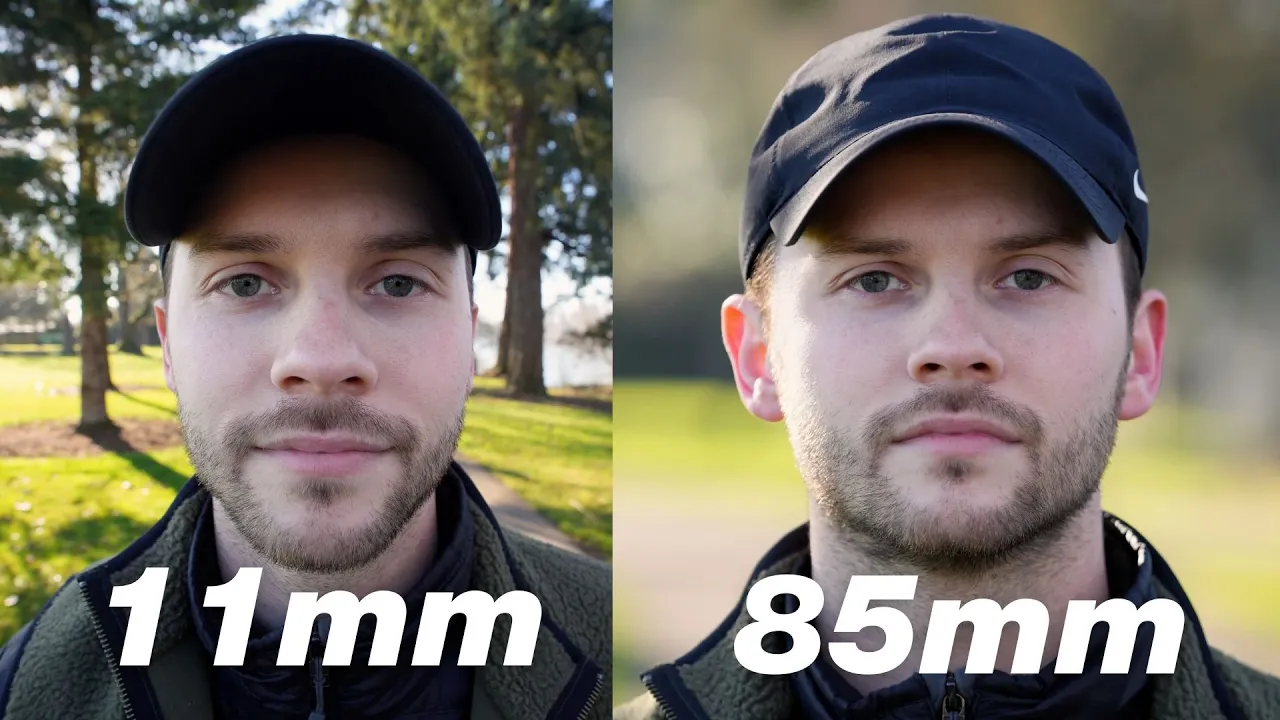












Focal length, measured in millimeters (e.g., 12mm, 25mm, 45mm, 150mm), determines the field of view in photography; shorter focal lengths (wide-angle) capture more of a scene, while longer focal lengths (telephoto) zoom in on distant subjects, with smartphone cameras typically offering a field of view similar to a 17mm lens on a micro 4/3 camera system.
Understanding Camera Lens Focal Lengths: A Beginner's Guide
Added:Basic camera anatomy, specifically how light passes through a lens to project onto a camera sensor.
The fundamental concept of 'field of view' and how optical devices frame a physical scene.
Familiarity with basic photographic terms such as composition, framing, and perspective.
An elementary understanding of optical refraction—how glass elements bend light to focus an image.
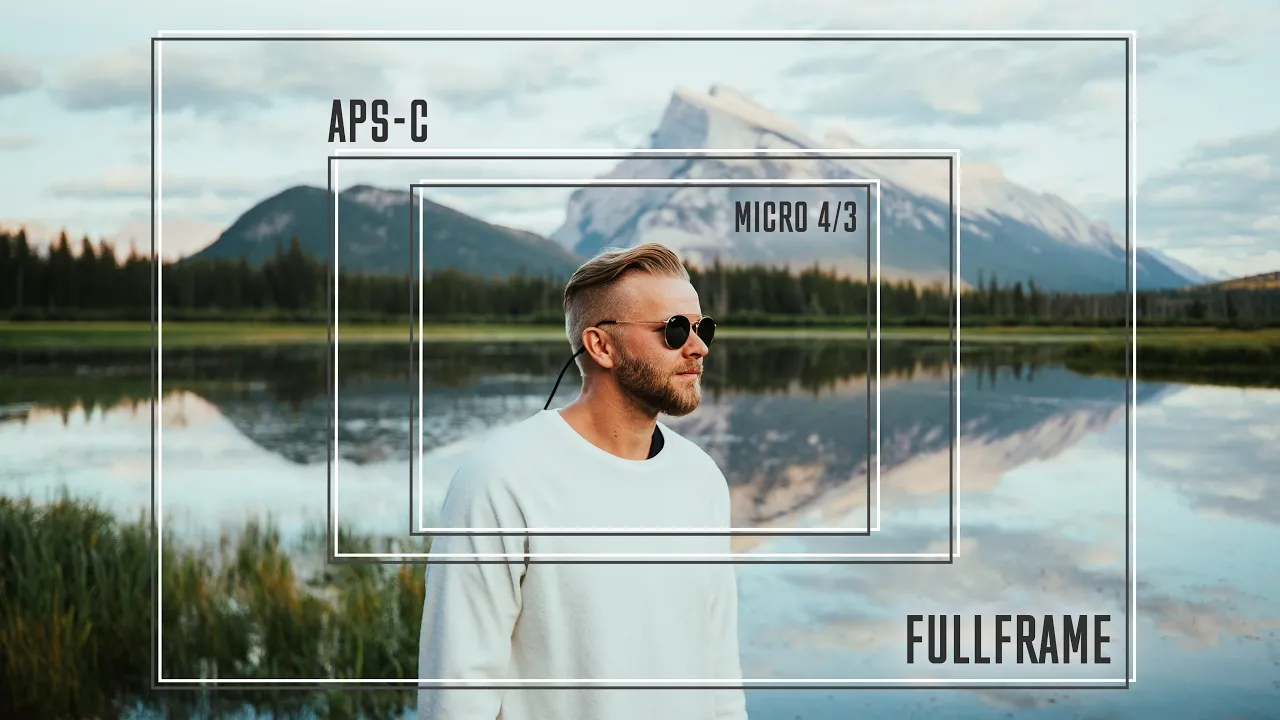
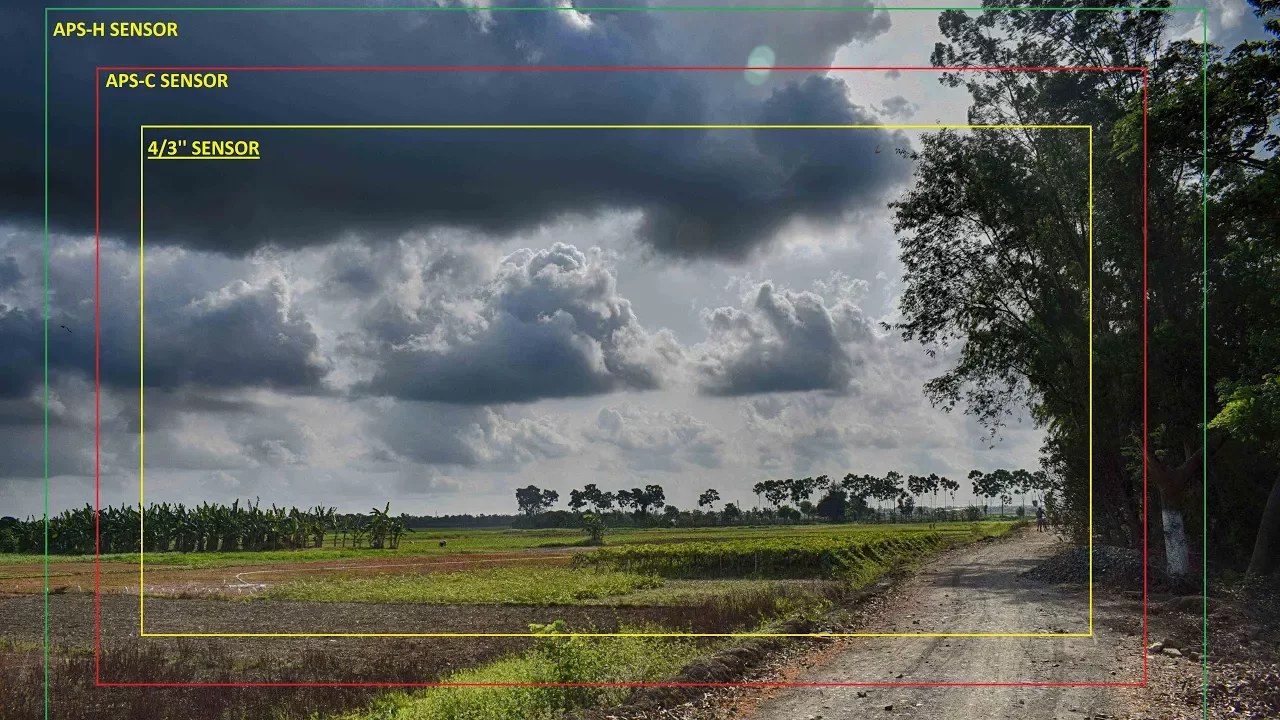
The relationship between sensor size (Full Frame vs. Crop/APS-C) and effective focal length (Crop Factor).
How focal length impacts depth of field (DoF) and background blur (bokeh) in conjunction with aperture settings.
The optical phenomena of perspective compression and lens distortion, such as wide-angle barrel distortion.
The practical application of selecting specific focal lengths for various photography genres (e.g., portraiture, landscapes, wildlife).
The optical differences, image quality trade-offs, and usability of prime (fixed) versus zoom lenses.
244.1K views4.3Klikes4:22Original Release: 2014-11-17
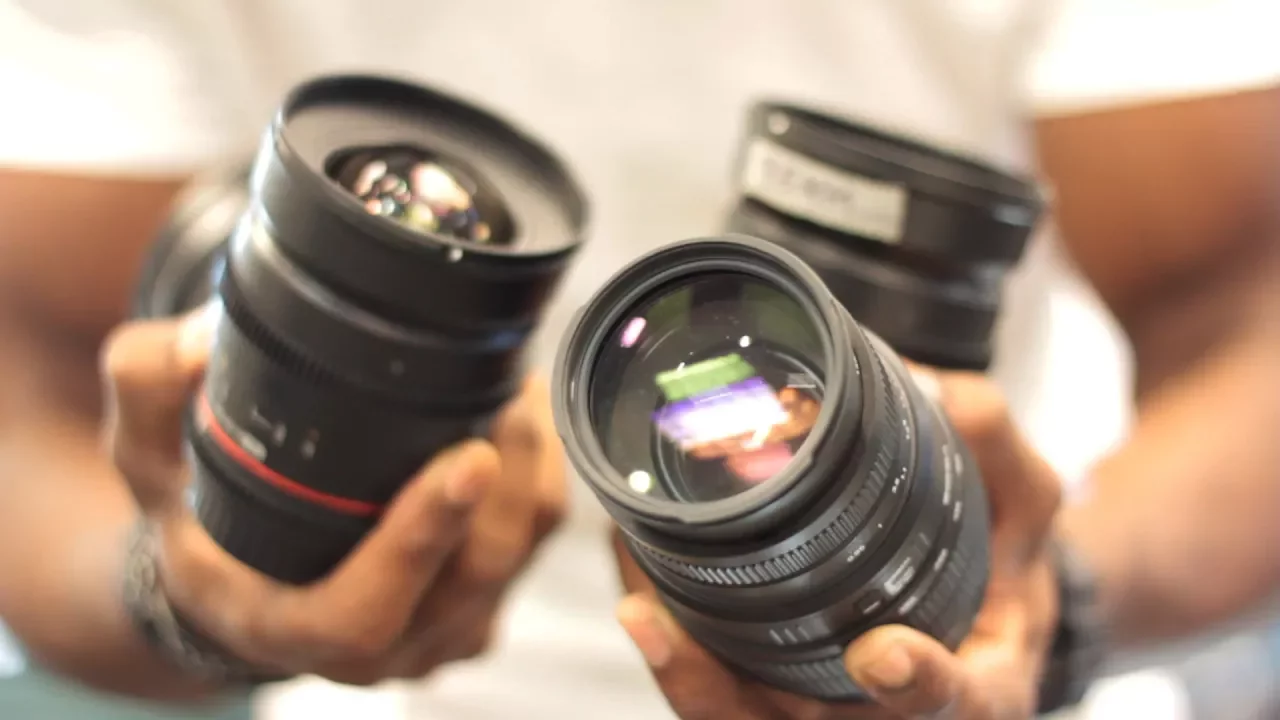
on this episode of micromatic I've Got 5 minutes to teach you about focal length so now one of the hard things about getting into photography and really getting into anything that's super nerdy like photography is all the jargon there's all kinds of stupid jargon that you kind of have to learn it's almost like this barrier before you can fully immerse yourself in the field you have to learn the jargon all right and in photography there's a lot of things that I can explain but right now today I want to talk about focal length and what focal length means so now focal length is a measurement usually in millimet uh that's relevant to your lens okay so you might have a lens that is a 25 mm lens you might have a lens that's a 35 mm lens and you might have a lens that's 300 mm all these millim measure some specific in the Optics of each lens and it's not really important to know exactly what those millimeters mean uh in terms of that measurement what does matter though is understanding how different millimeters and different focal lengths affect your images this is a 12 mm lens this is a 45 mm lens you know they kind of look the same side by side but each lens will give you a very very different field of view and rather than trying to explain what field of view is I'm going to show you uh what I did was yesterday I went out to one of my favorite spots set up the camera on a tripod and without changing any of the settings so I set the settings exactly the same for each lens I tried on each different lens pointing at exactly the same scene and so now as I go through these clips you're going to be able to see how a 12 mm field of view changes and differs from a 25 mm field of view uh and I go all the way up from 12 mm to 150 mm uh which this bad boy can do so you're going to see exactly what these millimeters mean uh and maybe for a closer frame of reference most people are very familiar with shooting with an iPhone or a smartphone camera um and those don't all have exactly the same focal length but in terms of micro 43s they're generally equivalent to about a 17 mm focal length Okay so if you take a 17 mm lens and you put it on your micro 43s camera you're going to get roughly the same field of view that you would get on an iPhone uh and that's you know a good starting point a good frame of reference so now for this focal length comparison I've used multiple lenses uh and in these clips that are coming up I want you to not pay attention to the quality of the image pay attention to the framing of the image because that's where that's what I want to teach here right is the focal length not necessarily that one lens is better than the other which you might be able to notice in these clips but again not super important right now what is important is that you understand that as you go from a wideangle lens to a a long telephoto lens uh the effect that that has on your image so there you have it in 5 minutes you've learned all about camera focal lengths uh take this knowledge with you as you watch future episodes of micr uh because I'm going to kind of take it for granted that you understand what focal length is um I hope this was helpful if you found it helpful maybe hit the like button down below share the video with a friend maybe even consider subscribing to the channel and I'll see you next time on the next episode of [Music] micromatic
Up Next
18:47
Camera Lenses Explained: A Comprehensive Filmmaking Guide
@D4Darious
325.3K views•2016-11-16

12:54
Triumph of Orthodoxy Icon: Byzantine Art & History Explained
@BenCallan
2.1K views•2024-08-06

9:49
FastAPI vs Flask vs Django: Choosing the Right Python Web Framework
@TechWithTim
302.5K views•2024-05-26

1:42
Game of Thrones Opening Credits: A Cinematic Analysis
@gameofthrones
46.3M views•2011-04-18
Related Study Plans & Knowledge Roadmaps
Structured learning paths in General & Interdisciplinary Studies
general-studies
Elevator Engineering: History, Physics & Cities
01From Hoists to Safety Brakes: The Dawn of Vertical Lift
02Hydraulic vs. Traction: The Engineering Physics of Elevators
03Modern Speed, Safety, and Algorithms
+ 2 more learning modules
12h5 modules
Explore Roadmap
general-studies
Rubber: Material Science, History & Geopolitics
01Origins of Natural Rubber & Mesoamerican History
02The Chemistry of Natural Rubber & Vulcanization
03The Geopolitics of the Rubber Boom & Colonization
+ 2 more learning modules
12h5 modules
Explore Roadmap
general-studies
Containerization: Evolution, Logistics & Trade
01Ancient Trade & Bulk Cargo: Amphorae to Barrels
02The Industrial Revolution & Cardboard Packaging
03The Containerization Revolution: Malcom McLean
+ 2 more learning modules
12h5 modules
Explore Roadmap
general-studies
Textile Tech: Evolution, Labor & Global Impact
01Pre-Industrial Textiles: Handloom & Cottage Industry
02Mechanization: The Spinning Jenny to the Power Loom
03The Factory System & Global Labor Transformation
+ 2 more learning modules
10h5 modules
Explore Roadmap