
















Camera lenses are categorized into prime lenses (fixed focal length, sharper images, faster apertures, more portable) and zoom lenses (variable focal length, convenient for dynamic shooting), with focal length determining field of view (wide angle <35mm for expansive views, standard 35-70mm for natural perspective, telephoto >70mm for compression and subject isolation), aperture controlling light intake and depth of field, and lens characteristics like distortion, compression, and breathing affecting image quality and creative possibilities.
Camera Lenses Explained: A Comprehensive Filmmaking Guide
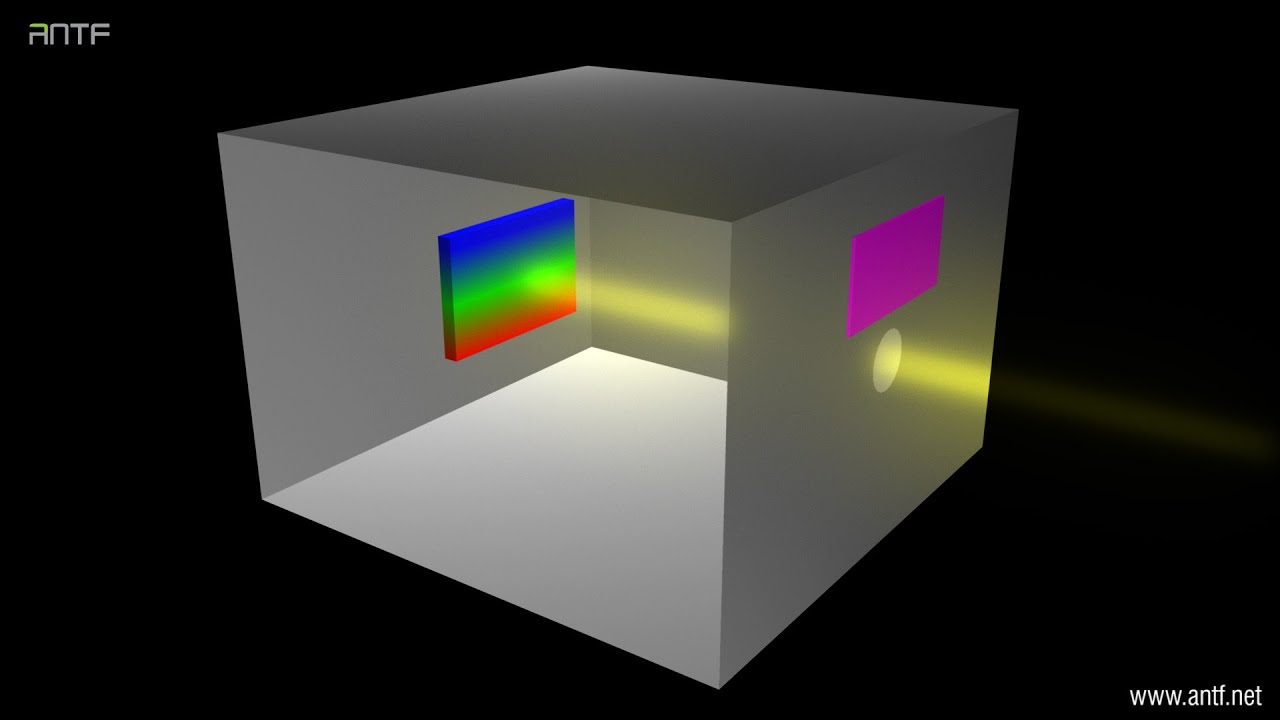
Added:Basic understanding of camera anatomy and how digital sensors capture light.
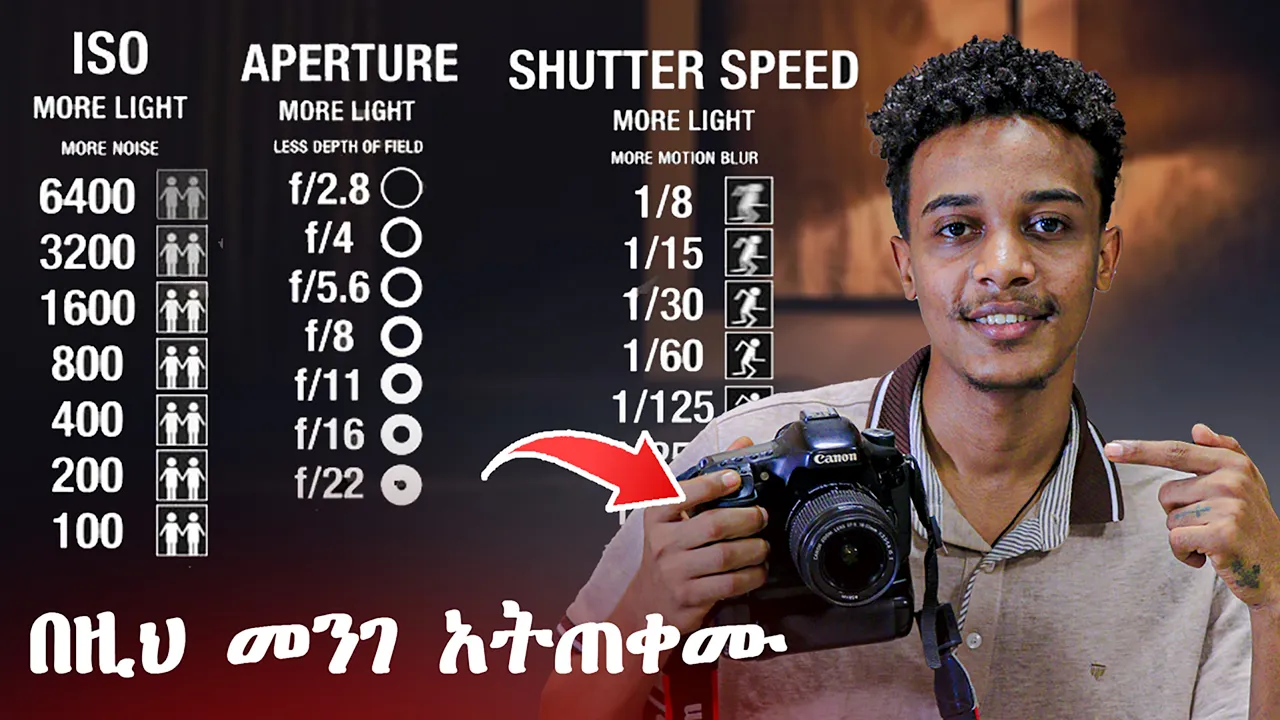
The fundamentals of the Exposure Triangle, particularly how ISO and shutter speed/shutter angle function.
Elementary physics of light, including how light waves refract when passing through glass elements.
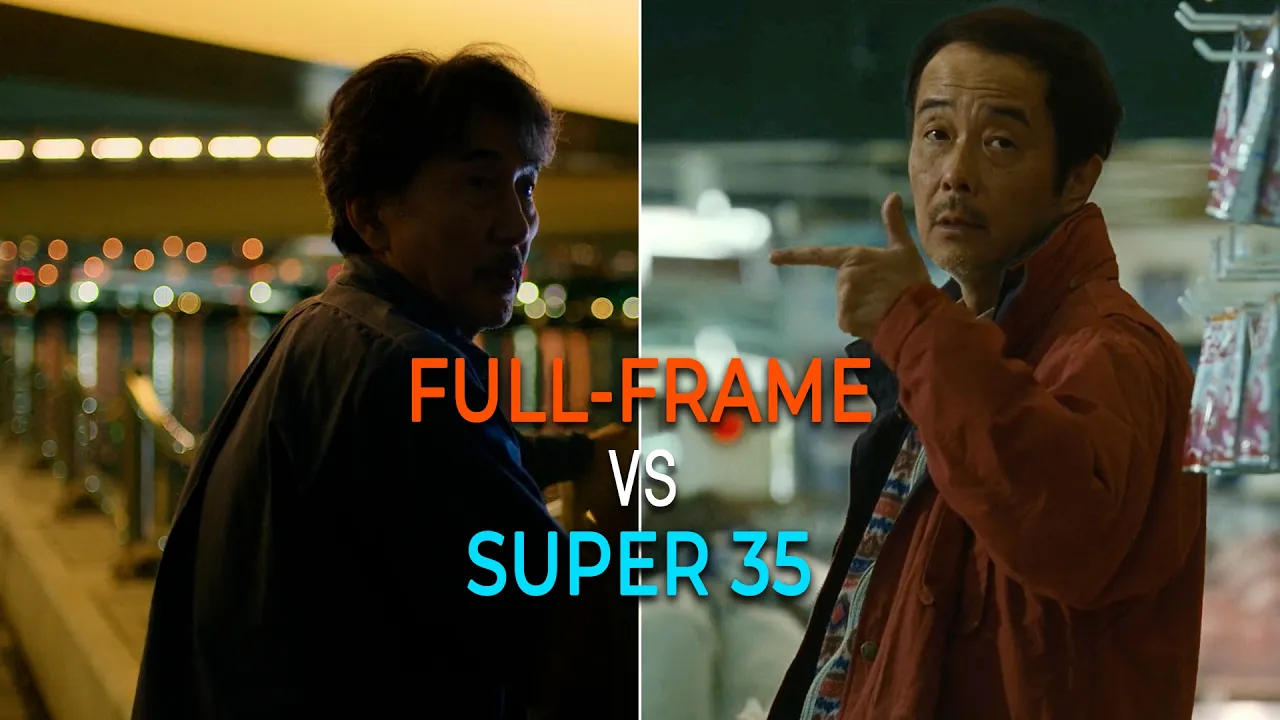
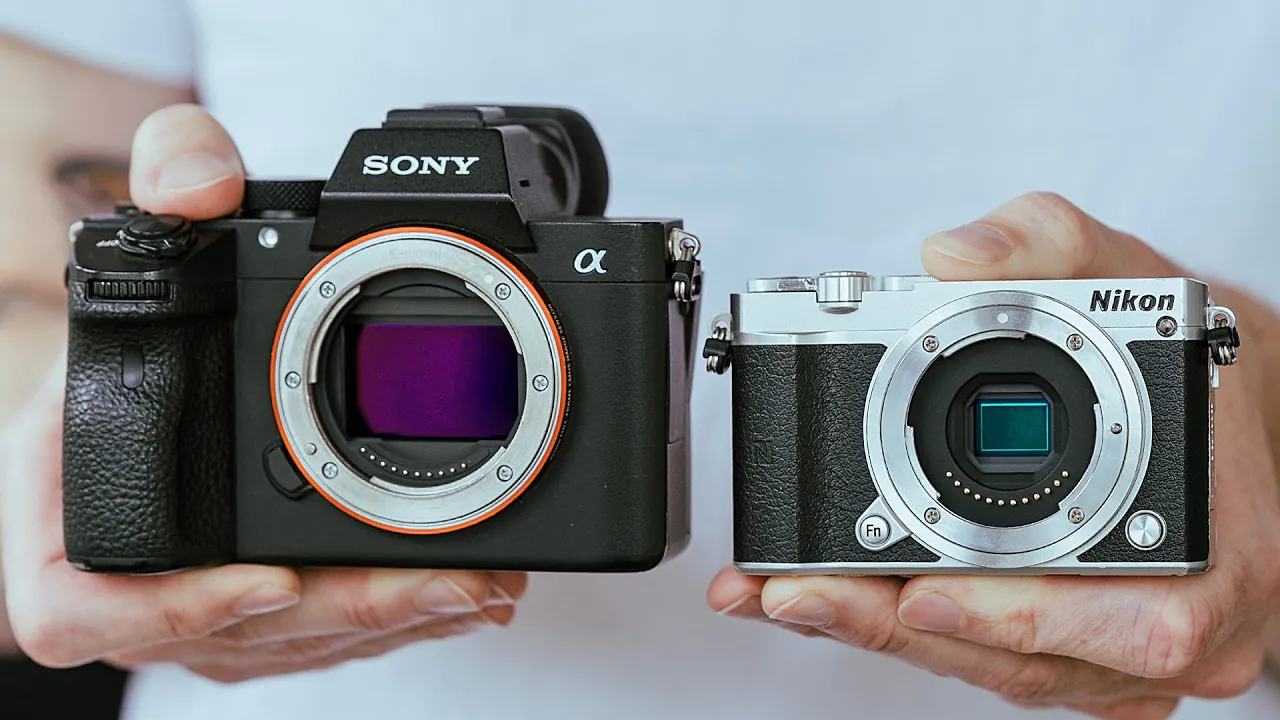
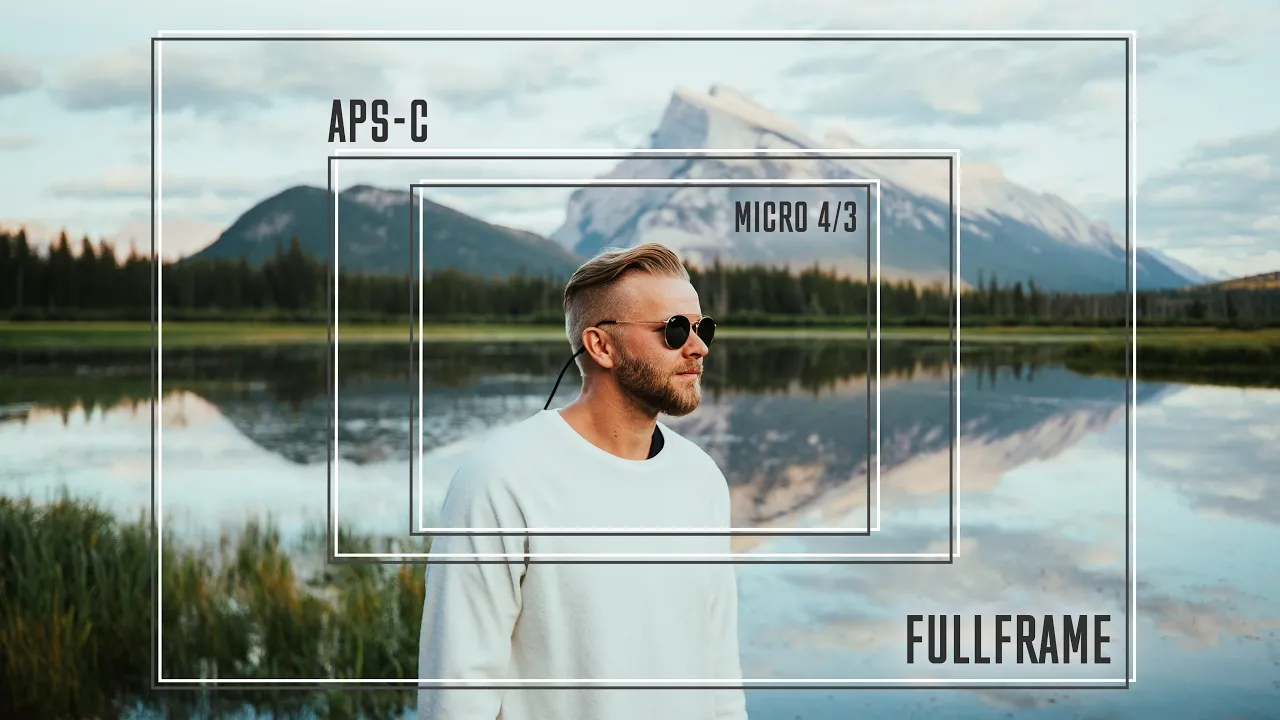
Understanding crop factor and how sensor size (e.g., Full Frame, APS-C, Super 35) affects a lens's field of view.
The psychological and narrative impact of focal lengths on filmmaking (e.g., spatial compression vs. wide-angle distortion).
Advanced lens characteristics and specialized optics, including anamorphic lenses, T-stops, and lens aberrations.
The practical application of lens accessories, such as matte boxes, follow focus systems, and neutral density (ND) filters.
325.3K views14.7Klikes18:47Original Release: 2016-11-16
yo Dar is Brit here and this is intro to camera lenses for filmmakers and photographers but mostly filmmakers because this is a filming Channel I did a Lyn's video a while back but then I woke up two weeks ago and then a strange thought occurred to me you know I kind of want to redo that video I'm going to redo that video whether you're new to photography or film making all of this ly's business can be super confusing so I'm going to try and rival through all of these basic concepts and things and I'm going to try to make it as painless as humanly possible I do believe it about that time let get into it categories we've got two categories prime lenses and zoom lenses a zoom lens has a range of focal links and you can zoom in and out very convenient a prime lens only has one focal length it's fixed does not zoom in and out not as convenient three types of lenses wide normal and telephoto more on that later one of the first things you'll see on the lens on the front or somewhere on it is the manufacturer's name focal length each lens has what's called a focal length the focal length is usually marked on the lens you'll see a number with two M's behind it for millimeters if it's a zoom lens there will be a number range indicating the zoom range this one goes from 10 to 18 mm technically focal length is the distance between where the lens focuses incoming light and the camera's digital sensor but it's a lot easier to think of focal length as a magnification of the image so a higher focal length means higher magnification and a lower focal focal length means lower magnification if I took a camera stuck it on a tripod and photographed a subject changing only the focal length not moving the camera it'll look something like this again the tripod is not moving we're just changing the lens and the focal length aperture there's an opening in the back of the lens that opens and closes this is the aperture the next few numbers on the lens refers to the aperture the aperture is a ratio of one and another number the other number is the maximum aperture or the widest the aperture can open up the lower this number the more light the lens can take in it might get confusing when you see two numbers here which is the maximum aperture 4.5 or 5.6 well it's both this means that the lens has a variable aperture so when you zoom all of the Optics inside are shifting because of this Shifting the lens takes in less light toward the end of the zoom range resulting in the aperture changing you can see it camera as well notice how when I zoom in the image darkens slightly again that's because the aperture is changing you mostly see this with cheap mass-produced zoom lenses like this kit lens not necessarily a bad thing it's just it is what it is it's something to be aware of your more expensive zoom lenses have what's called a fixed aperture there are complex mechanisms inside that allow you to maintain the max aperture throughout the entire Zoom range like this Canon 70 to 200 mm L Series lens at 70 mm the max aperture is 2.8 and at the end of the zoom range 200 mm the max aperture is still 2.8 the pricier lenses tend to perform a lot better in low light shooting conditions because their apertures can open up wider to like 2.8 1.4 they're considered fast lenses this kit lens would not be great for shooting in low light conditions because the widest this aper can open up to is 3.5 this would be considered a slower lens or a slow lens here's a shot with a lens that can only open up to 5.6 and here is another shot with a lens that could open all the way up to 1.8 see the difference we get so much more light field of view the field of view or the angle of view is a fancy way of saying how much stuff you can see in the frame if I take a shot of this toy on a 10 mm lens we have a very large field of view which means we can see a lot more of the environment around the toy if I take another shot of that same toy at 200 mm you'll notice that the field of view is very different it's so narrow that we don't see much of the environment at all lenses that provide a field of view that's about what the human eye can see are considered standard or normal lenses these range from about 35 mm to 70 mm lenses that provide a wider field of view than what the human eye can see are considered wide angle lenses and these are pretty much anything that's less than 35 mm lenses that provide a narrower field of view than what the human eye can see are considered telephoto lenses and these are pretty much any anything above 70 mm perspective different focal links will alter the perspective as well wide angle lenses exaggerate the size of anything closer to the camera making it appear larger I'm shooting this episode on an ultra wideangle lens right now so as an example my thumb is closer to camera so it looks bigger than my head and they also expand or exaggerate distance making anything that's farther away from camera appear even further away let's see what happens if I place these two toy figures 5 in apart from each other and take pictures of them with different focal lengths if we look at the first photo on a wideangle lens the toy on the right looks a lot smaller than the toy on the left it also looks further than 5 in away wide angle lenses exaggerate distance wide angle lenses are great for making smaller objects appear much bigger to draw more attention to them wide angles also allow us to feel much closer to the actors or subjects because we can see more of their environment with a wider field of view and we're literally closer to them in terms of perspective the lower the focal length the more of the environment you pull into the frame wide angle lenses are 24 to 35 mm Ultra wide angle lenses are 16 to 23 mm and fish shy lenses are pretty much anything less than 16 mm really wide angle lenses bend light more strongly than regular lenses which gives you a really deep depth of field everything is in Focus lens Distortion wideangle lenses tend to produce lens Distortion because they Bend like light very differently than normal or telephoto lenses so you can get Barrel Distortion another name for it is Bo or arcing where a straight lines appear to curve slightly or extremely depending on how wide the lens is also things closer to camera at the edges of the field of view can get Warped or distorted so here's a ball shot at 100 mm notice there is no Distortion because it's pretty much telephoto at 50 mm it's still pretty clean no visible Distortion at 24 mm we're considered wide angle definitely starting to see some Distortion and warping around the edges at 15 mm we're in the ultra wide territory the ball loses its shape around the edges of the frame at 10 mm the ball takes on more of a pill shape around the edges compared to an earlier shot at 100 mm the Distortion is pretty severe lens compression longer focal length lenses 70 mm and above compressed distance so background objects and foreground objects look way closer than they actually are remember that pick that I took earlier at 10 mm let's take another pick of the same toys going telephoto on a longer focal length remember the position of this tripod and how it looks in the background here for the next shot so here's a pick of the toys at 200 100 mm the toy on the right looks much closer to the toy on the left now a lot closer than 5 in the toy on the right even appears to be the same size as the toy on the left if we look closely even the tripod in the back is way bigger and appears much much closer to both the toys in the foreground essentially the background and the foreground are compressed everything has been flattened because of the flattening effect that longer lenses have it tends to be more flattering to facial features so when you're shooting super models or very stylistic glossy commercials everything tends to look better on a longer lens longer vocal link lenses are also great for isolating a subject in a frame as well because you see a lot less of the background due to the narrow field of view and they have a smaller depth of feel which is how you end up with that creamy out of focus background our eyes are naturally going to be drawn to the only thing in Focus which is the actor or the subject next if you're using a zoom lens you'll see the focal length indicator marked on the side of the lens or it could be on the top of the lens this one goes from 10 to 18 mm you can zoom between the various focal links by turning the zoom ring you might also notice that the lens gets longer you usually see this with lower-end zoom lenses the pricier zoom lenses have what's called an internal Zoom where the lens doesn't visibly extrude you've got your focus ring here we can focus on anything from 25 M to 1 m away or 82 to 3 ft away you'll also see a figure 8 looking symbol lying on its side this marking means Infinity what does that mean well the simple version if you're trying to focus on something that's too far away to focus on like the mountains if you move this to the infinity Mark they'll be in Focus you'll also see a switch that says AF and MF for autofocus and manual focus if you are shooting narrative films this should be on manual focus we are filmmakers we do not let the camera decide what focus on you might also see a switch that says stabilizer I personally never use the built-in stabilizer on the lens because you might get some funky things when you're using it while you're shooting video but some filmmakers use it there are much better ways to stabilize the image like using tripods Dolly shoulder rigs steady cams jibs etc etc filters the next number you'll see on the lens is the diameter you'll see a circle with a slash through it and a number next to it if you want to use any filters or lens caps you will need this number to get the correct size macro if you have a lens that is capable of macro photography it'll say the word macro on the lens somewhere you'll be able to focus on subjects or objects from a really short distance away and Achieve close-ups with more detail than the human eye can see you can think of macro photography as the Cinematic equivalent of a magnifying glass there are different variations of macro lenses with macro photography the longer the focal length the greater the magnification so if you've got like a 60 mm macro capable lens then you you know you might be able to use that for product photography but if you're trying to catch all the det details on like a fly's face then you're probably going to want to go to 100 mm or more one thing to remember about shooting macro is you'll end up with a really shallow depth of field so if you want whatever you're shooting to be completely in focused and not just like a small piece of it then you're going to have to pour more light on it and close that aperture down so that you can get more in focus on the back of your lens you'll see a color dot this is the mounting marker It lines up with the identical dot on your camera so you can mount the lens onto the camera correctly you should never have to force a lens onto a camera if it's not lining up then you're probably doing something wrong lens mounts digital cameras that can use interchangeable lenses have different mounting systems or connection points these different mounting systems ensure that the lens connects to the camera the way it was designed to so that light passing through the lens will fall onto the sensor correctly most lenses and cameras have contacts which allow the lens and the camera to communicate information like Auto Focus aperture various settings back and forth when you change the settings in the camera this connection allows the lens to know what settings to use some of the most common mounting systems are the pl Mount the Canon EF Mount the Nikon F Mount the Sony E Mount there are plenty of others sometimes this can get a little tricky because manufacturers make various types of mounts so you can get a lens that says like a Canon EFS Mount and it won't fit on a Canon camera that just has an EF Mount the moral of the story if you're buying or borrowing a lens make sure you get the lens with the correct Mount if you do run into a situation where you have a lens and a camera and there're two different mounting systems there are adapters that you can get but that's as far into adapters as I'm going in this video prime lenses as I mentioned before prime lenses are fixed they only have one focal length they do not zoom but there are advantages to using a prime lens one prime lenses tend to be smaller in size and lighter which makes them more portable their construction is not as complicated as a zoom lens they have far less glass and they're also faster which means they can open up to wider apertures taking in more light it makes it a little bit easier shooting in places with low light two prime lenses tend to produce sharper images than zoom lenses this is one of the reasons why filmmakers prefer to work with primes three because primes open up to larger apertures you can get really shallow depth of feel for they're generally cheaper a really nice expensive Prime is not going to be as expensive as a really nice Zoom again the zooms have all that added complexity all those moving parts and Optics prime lenses are definitely not as convenient as zoom lenses so if you want to get closer to your actor or your subject you've literally got to get up and move closer to your subject Prime verse zooms if you're doing lots of videography or documentary style shooting where you don't have much control over your environment then you're probably going to want to work with some zooms if you're recording Live Events you do not have time to be constantly swapping lenses or else you're probably going to miss the range of focal links allows you to zoom right right in on the action and also if you're going to be in really dusty Sandy dirty places you don't want to be swapping lenses in these environments as you're going to get dust and stuff all over your sensor but if you're doing narrative style film making or music videos or commercials and you've got adequate control over your environment meaning you've got actors you control the lighting you control the set dressing etc etc then primes are definitely the way to go you'll want that Sharper Image you can do lens swaps plus you've got the lower light performance with the wider maximum apertures if you're literally just starting out and you got no money just use the kit lens use what you got Cinema lenses this is a 50 mm photography lens and this is a 50 mm cin lens Cinema lenses are designed specifically for film making whereas photography lenses are designed for photography but you can do both with them so there are a few differences between Cinema lenses and photography lenses the focus throw on a cinema lens is a lot longer than a photography lens with a bigger Focus ring and longer throw it's much smoother easier to Rack Focus especially when you're opened up to a wider aperture with the cinema lens finding focus and racking with the subject is a breeze because you've got the nice range you can rack nice and slow and smooth but with photography lenses the focus ring is so small it's easy to blow the focus or miss the mark the smallest adjustment shifts the focus so much that it's hard to rack the markings on the side of Cinema lenses are more in depth there are no autofocus Motors inside of Cinema lenses meaning there's no autofocus you shouldn't be using that anyway filmmakers don't use autofocus fool they have dedicated rings to control the aperture photo lenses usually don't have aperture Rings you can only control the aperture through camera settings Cinema lenses typically have much sturdier construction and offer a sharper image with more contrast lens breathing photography lenses were never designed for film making they were designed for photography so when you rack or pull focus with a photography lens while you're shooting video you can get what's called lens breathing essentially lens breathing is when the focal link changes slightly as you rack or pull Focus I'm shooting this test with a 20 mm lens here it's a fixed focal length and as I rack Focus from the front of the room to the back of the room or from the back to the front the composition changes slightly you can really see it if you pay attention to the edges of the frame the space between the edge of frame and this chair completely disappears when I rack Focus that that's the lens breathing here's the 18 to 135 kit lens the change in framing is even more obvious here this clock almost completely disappears this is a common problem when you're shooting with non Cinema lenses and it's even worse if you're shooting with really cheap zoom lenses or kit lenses you don't see lens breathing as much with the pricier Cinema lenses because they're designed not to do that you can rack Focus all day long and you're not really going to see too much of a change in composition Cinema lenses can get really bright pricey Canon C primes like this one run about $5,000 The Benchmark cook S4s go for $20,000 and high that's a lot of money do I really need that that really depends on what you're shooting and what you're using them for if you're shooting documentaries you you probably don't want to use C lenses they're they're very bulky they're very big they're very cumbersome but if you're working on a narrative film or a commercial and you've got a budget a film crew and a focus puller then they are great rent yourself a few and they'll make your life a whole lot easier cleaning lenses start with a blower to blow off any dust if you've got any stubborn particles or smudges you can put some lens cleaning solution onto a microfiber cloth and then clean the lens don't ever put the solution directly on the lens you can also use a lens pin to really work those smudges out but make sure there's no dust on the lens first or you'll scratch the coating on the lens the last option is breathing on the lens and rubbing it in with a shirt if it's soft enough hold up now I know you didn't just say what I think you said on a professional level this is an absolute no no and it can probably get you fired but if you're new and you're young and you just got your film making stuff and you don't have lens cleaning materials yet you'll be fine I've been in a pinch I've done it before it's not the end of the world you should definitely never ever ever ever ever really do that with your like really expensive lenses though like ever lens protection there are two ways to protect your lenses one is screwing a UV filter on the end of the lens so if anything hits the lens it's going to crack the filter instead it actually works a lot of people don't care for this method because if you spent some serious cash on some good glass the last thing you want to do is degrade your image quality by putting cheap glass or cheap plastic in front of it the second is using a lens Hood aside from flagging unwanted lens flares it also acts as a bumper for your lens well I think that about covers it that was a long one and also if you've got a lot of questions about film making or how to get started or you looking for some general guidance I also do chat with me sessions I will leave a link to that in the description section well that's all I got for you if you enjoy what you saw please like go subscribe you can find me on the social medias Facebook Instagram Snapchat or Twitter baby you can also check out my second YouTube channel Dar Brit Vlog about my aventures on the film festival ccle my first feature link film unsound live casting Vlogs etc etc I do believe that's all like got for you suckers de
Up Next
19:34
Debunking Lens Compression Claims: A Blind Focal Length Test
@DaveMcKeegan
79.2K views•2023-12-08

12:54
Triumph of Orthodoxy Icon: Byzantine Art & History Explained
@BenCallan
2.1K views•2024-08-06
20:10
Mastering Film Composition & Cinematography Techniques
@D4Darious
1.1M views•2017-01-17

1:42
Game of Thrones Opening Credits: A Cinematic Analysis
@gameofthrones
46.3M views•2011-04-18
Related Study Plans & Knowledge Roadmaps
Structured learning paths in General & Interdisciplinary Studies
general-studies
Elevator Engineering: History, Physics & Cities
01From Hoists to Safety Brakes: The Dawn of Vertical Lift
02Hydraulic vs. Traction: The Engineering Physics of Elevators
03Modern Speed, Safety, and Algorithms
+ 2 more learning modules
12h5 modules
Explore Roadmap
general-studies
Rubber: Material Science, History & Geopolitics
01Origins of Natural Rubber & Mesoamerican History
02The Chemistry of Natural Rubber & Vulcanization
03The Geopolitics of the Rubber Boom & Colonization
+ 2 more learning modules
12h5 modules
Explore Roadmap
general-studies
Containerization: Evolution, Logistics & Trade
01Ancient Trade & Bulk Cargo: Amphorae to Barrels
02The Industrial Revolution & Cardboard Packaging
03The Containerization Revolution: Malcom McLean
+ 2 more learning modules
12h5 modules
Explore Roadmap
general-studies
Textile Tech: Evolution, Labor & Global Impact
01Pre-Industrial Textiles: Handloom & Cottage Industry
02Mechanization: The Spinning Jenny to the Power Loom
03The Factory System & Global Labor Transformation
+ 2 more learning modules
10h5 modules
Explore Roadmap