
![Basic 3-2-1 [4] 焦点距離 / focal length](https://i.ytimg.com/vi/2P8vYEsi9tI/maxresdefault.jpg)





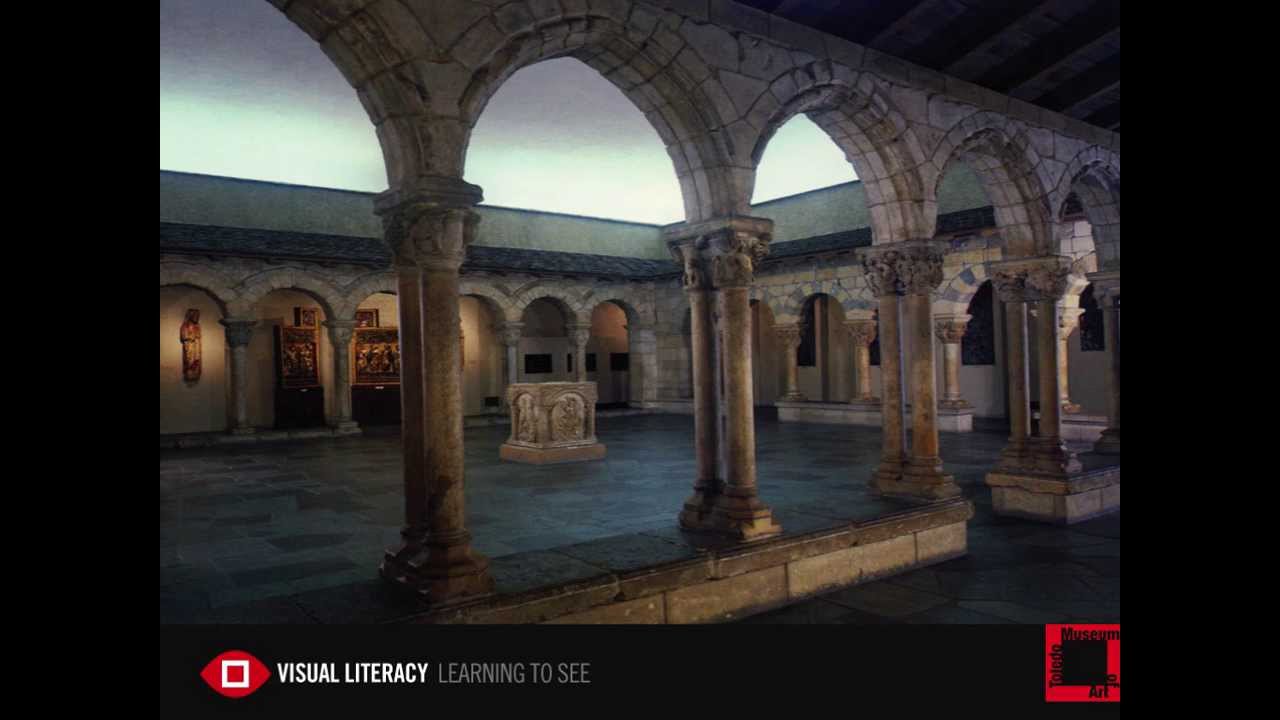


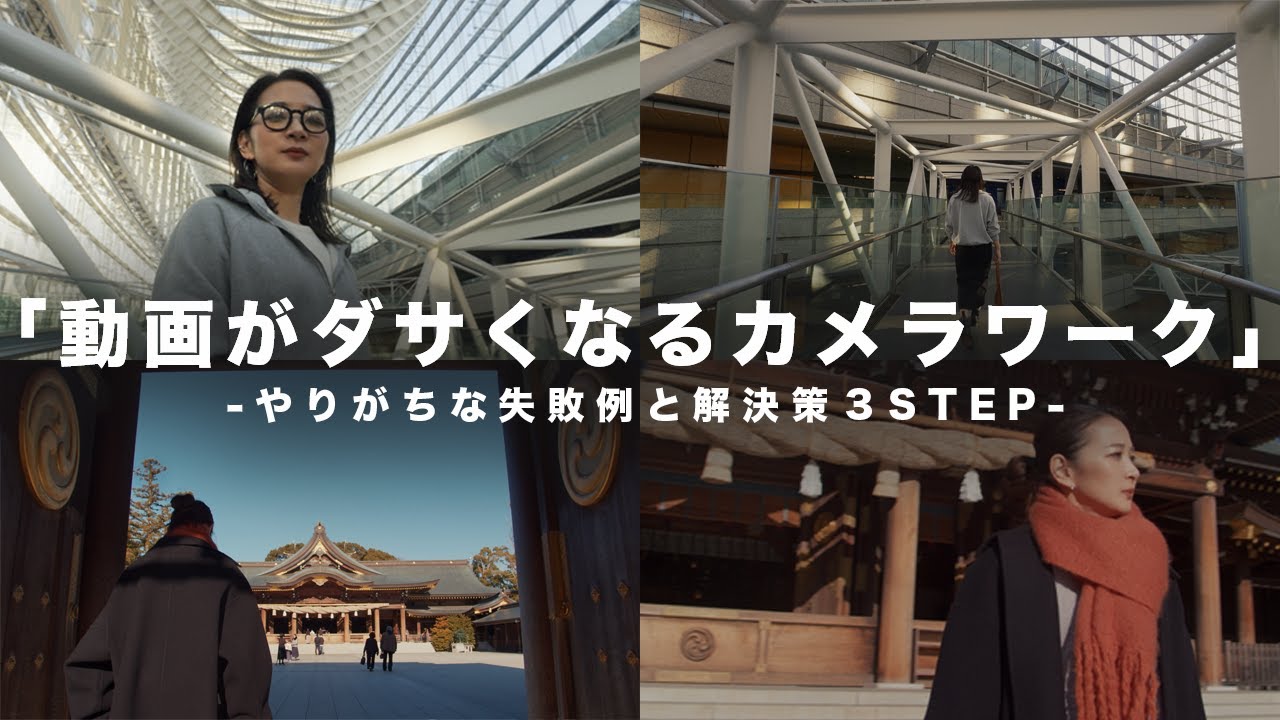

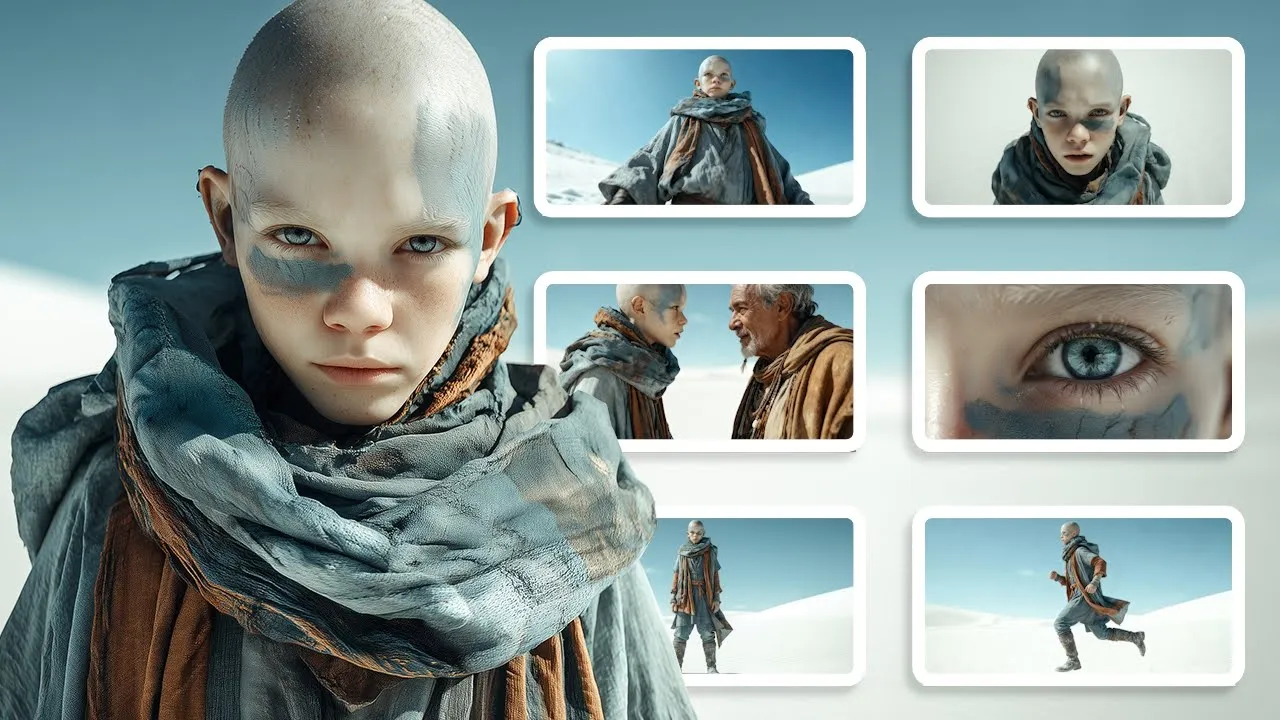

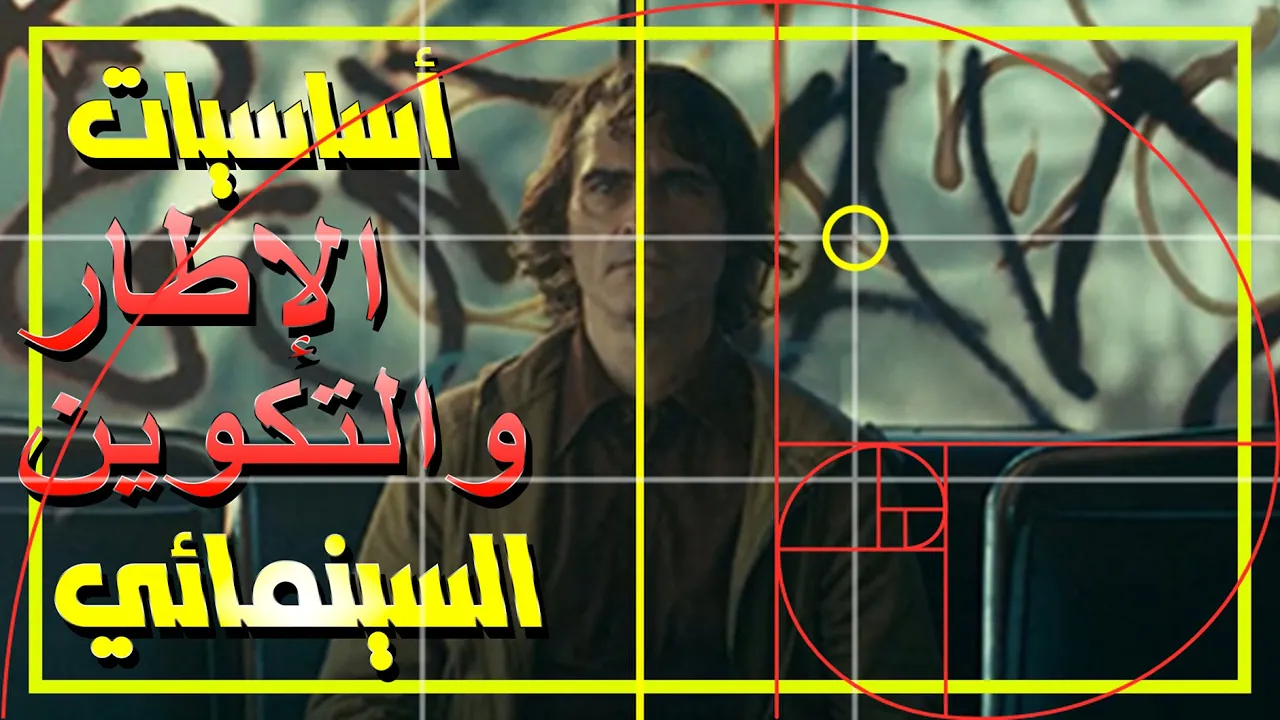



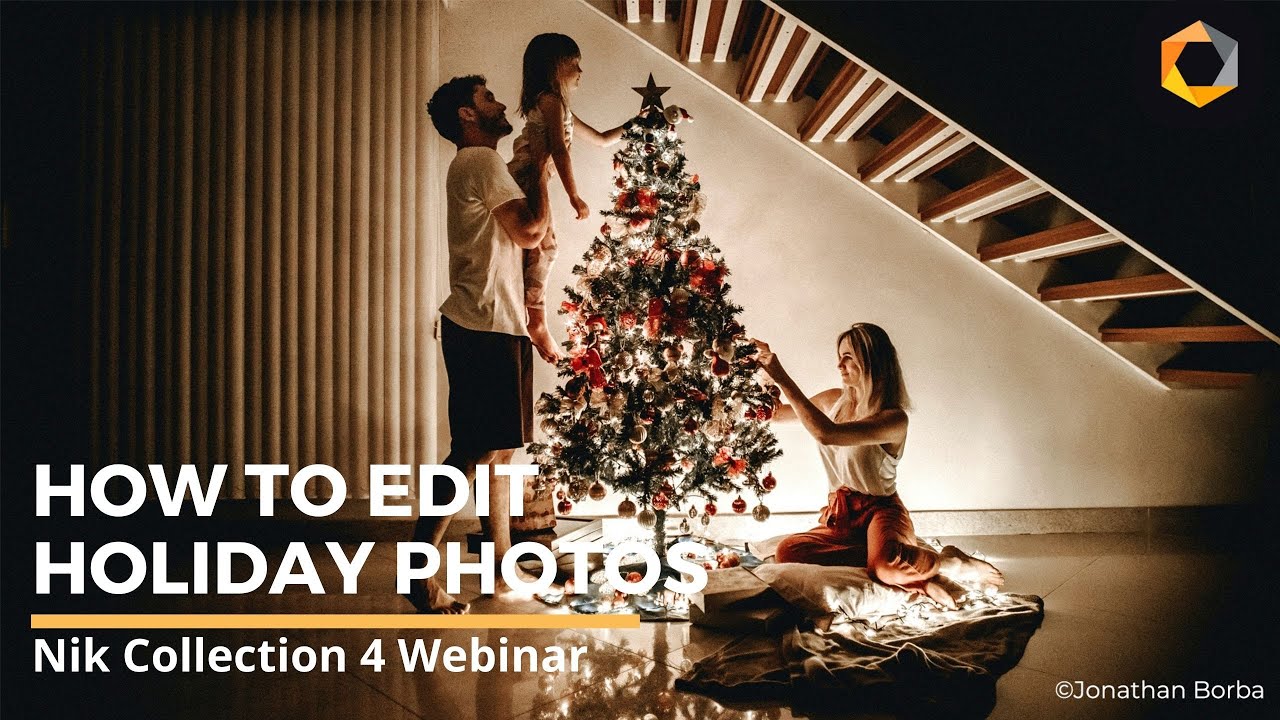



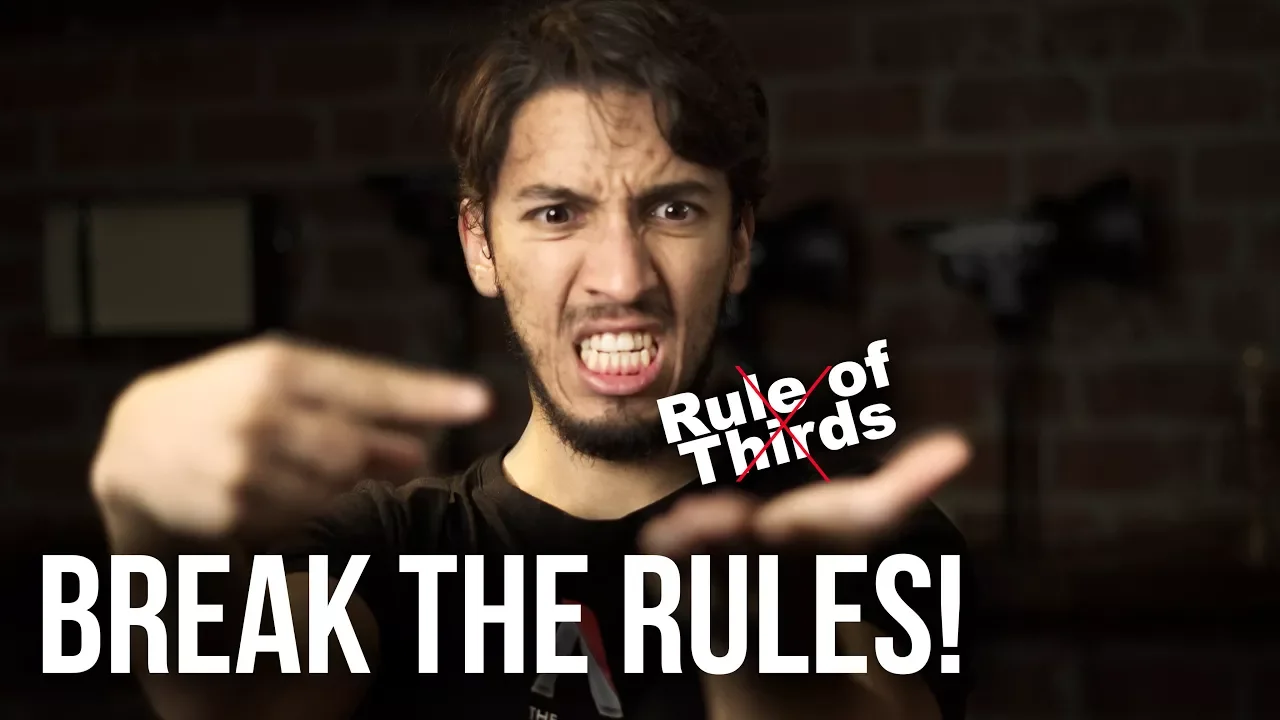

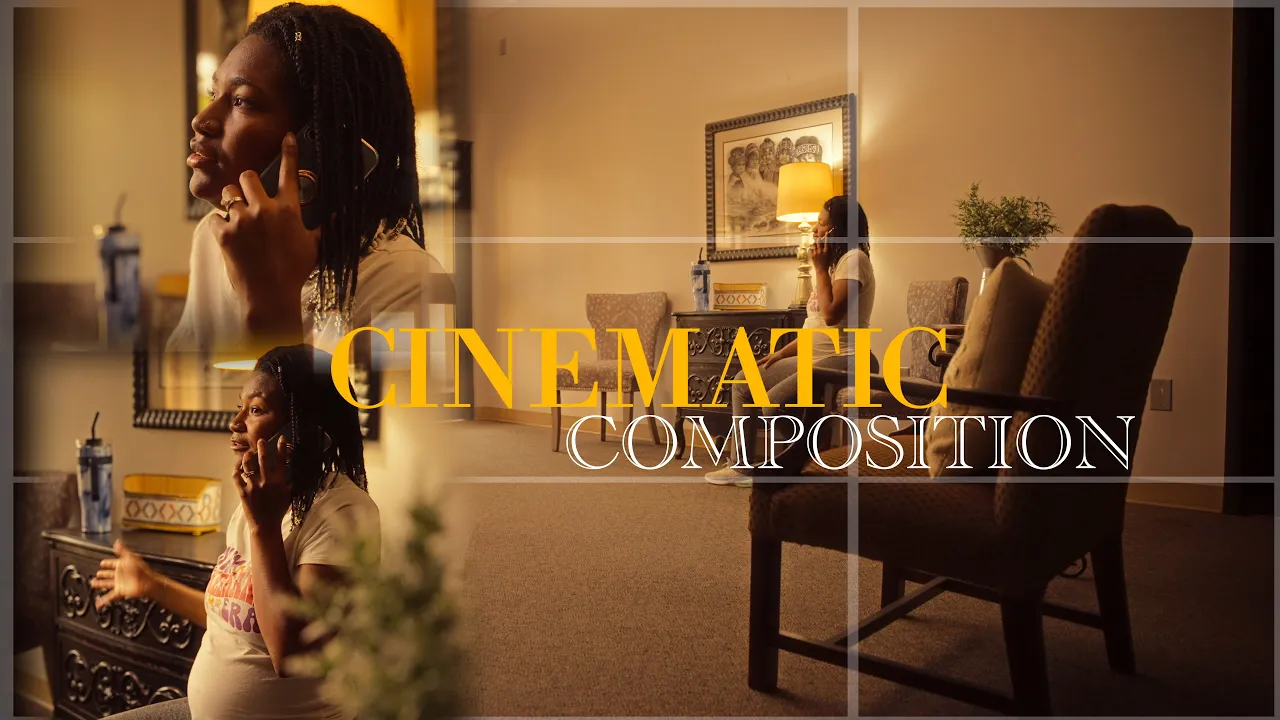


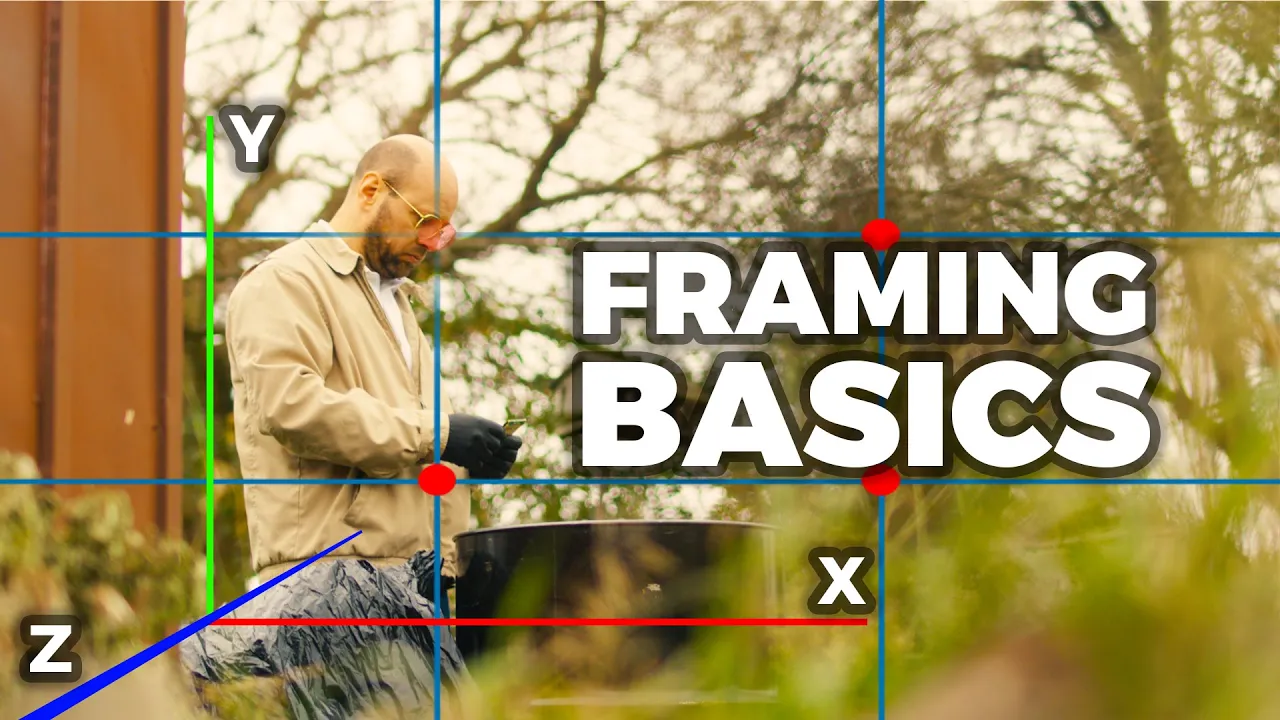
Effective film composition relies on fundamental principles including the rule of thirds (placing subjects along intersecting lines or grid points), proper look space (allocating 2/3 of frame space in front of subjects), appropriate headroom (maintaining consistent space above subjects' heads), and using leading lines to guide viewer attention; while these rules provide essential guidelines for creating balanced and aesthetically pleasing shots, experienced filmmakers can strategically break them for artistic effect once they understand the underlying principles.
Mastering Film Composition & Cinematography Techniques
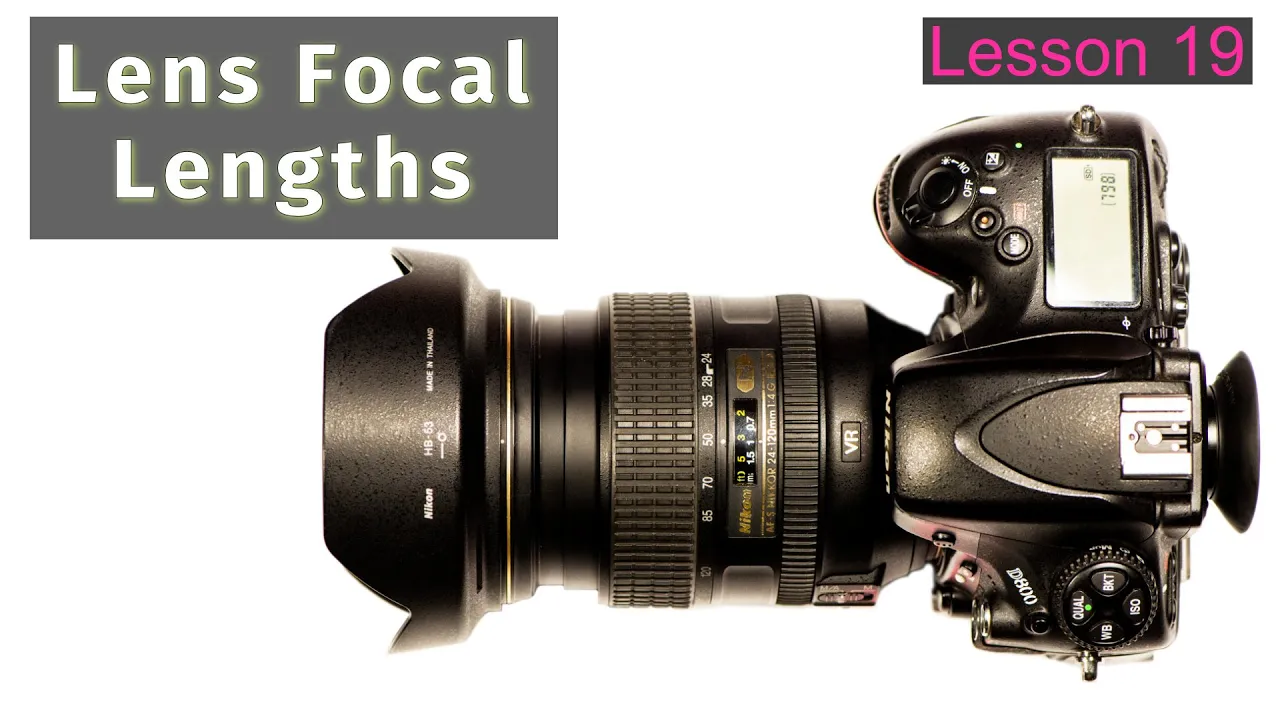
Added:Basic understanding of camera anatomy, including lenses, and how different focal lengths affect the field of view.
Familiarity with standard shot scales (such as extreme close-ups, medium shots, and wide shots) and their primary narrative purposes.
The concept of the frame and aspect ratios (e.g., 16:9, 2.39:1) as the physical boundaries of visual storytelling.
An introductory awareness of visual literacy, specifically how viewers naturally scan an image and interpret basic visual cues.
Advanced camera movement techniques, such as pans, tilts, and tracking shots, and how movement alters composition dynamically.
The integration of lighting and color theory to enhance composition, create depth, and direct the viewer's eye.
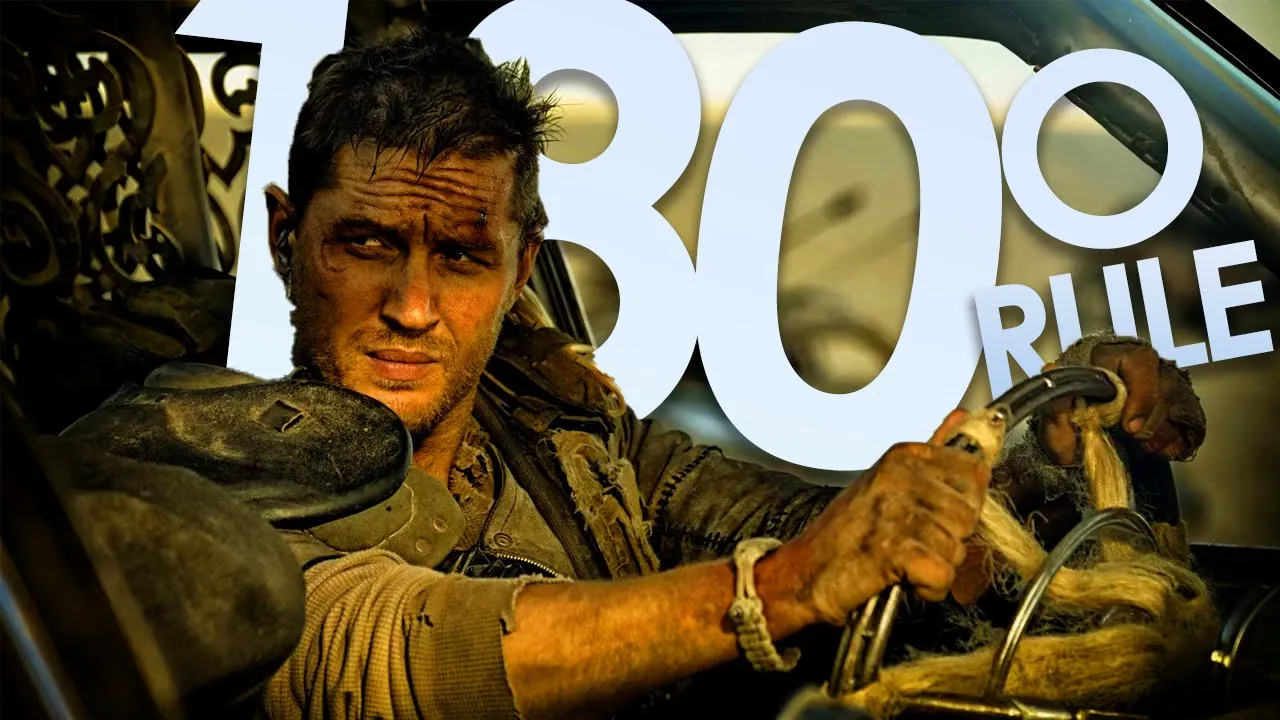
Continuity editing principles, including the 180-degree rule and eyeline match, to ensure composed shots edit together seamlessly.
Expressive composition, or learning when and how to intentionally break classical rules (such as using awkward headroom or extreme Dutch angles) for psychological effect.
The study of lens selection and depth of field, exploring how lens compression and focus manipulate the sense of scale within a frame.
1.1M views42.6Klikes20:10Original Release: 2017-01-17
[Music] yo Dar SP here and today's all about mastering composition and frame we've got cinematography with as with everything else in life nothing can truly be mastered but with a lot of hard work we can get pretty darn close so without further Ado I do believe it about that time let get into it before we jump right into composition first we got to talk about beauty Beauty why do we find some people more attractive than others while Beauty may be in the eye of the beholder it turns out math has a lot to do with it since ancient times Ma mathematicians have tried to measure Beauty and it turns out that a lot of what we call physical attraction depends on a ratio a golden ratio this ratio actually occurs very very commonly in nature many things like like plants animals the human body shells they all have this ratio in some form or [Music] another long story short they analyzed beautiful face is looking at the ratio between the facial features nose mouth forehead eyes eyebrows basically when we find this ratio in mass quantities on somebody's face it attracts us because it's familiar to us pattern recognition when we talk about the aesthetic of beauty we talk about symmetry proportion a recognizable pattern or method to the arrangement of the elements we see the same thing in bodybuilding the idea isn't just to get as big as humanly possible is to achieve symmetry in proportion as well the most legendary bodybuilders had the widest backs and the smallest waist so what does all this have to do with Framing and composition Framing and composition when we talk about composition we're talking about the arrangements of the elements that make up that image if a composition is aesthetically appealing or interesting on some level it's because those elements have been arranged with some sort of detectable method if we look at a shot where all the elements are thrown together at random without any sort of method it's not a composition it's chaos odds are it will not guide our eyes through the image in any sort of comprehensible way nor will it be pleasing to look at if we took those same elements and arranged them together with some sort of method we end up with a composition that's aesthetic there is an identifiable method to the placement of the elements this method doesn't have to be complicated it can be very simple in fact sometimes simple is better you can even arrange the elements in such a way as to draw attention to particular parts of the image by contrasting colors contrasting sizes but there needs to be some sort of method to the arrangement now when we talk about the composition in film we're talking about the visual Aesthetics of any shot the lighting the colors the shapes everything you see it's all about arranging the elements within the frame to guide the eye or draw attention to certain things it's about intent it's about method before we go any further I got to tell you guys how I met Big Willie Style so I was doing some last minute shopping and Toys R R and I ran into them cray cray what was even crazier is his reaction was like yo DEA Darius I'm like impressed that he even knew who I was first off and he's like I love what you're doing with the show on the YouTube with the the films and the cameras my reaction was what yeah I pretty much fanboyed I mean I just saw Suicide Squad like the day before two days ago and I'll be honest I I wasn't really crazy about the movie but but I loved your partner it #t true story then I pop the question I know you're probably super busy but I would love to like have you on d for darus sometime next week or next month or or maybe next year or or never never never is cool to long story short he agreed The champ is here rule of thirds the rule of thirds is just one method of arranging the elements within a composition if you divide the frame up with two vertical lines and two horizontal lines you end up with nine boxes the idea is if you align your subjects or your points of interest along the vertical lines or where the lines intersect you will end up with a much more pleasing and balanced composition when setting up a shot or a composition using the rule of thirds the most important question questions you should be asking yourself are one what's my main point of interest and two where am I putting it for example if I take this wide shot of this wrestler dead center the shot feels flat and dull but if I frame him up along one of the vertical thirds we get a big Improvement our eyes are still drawn to the wrestler which is the main point of Interest despite the fact that he is not at the center of the frame if I take this shot of big willly style and decide that the point of interest is his face I might reframe to get the eyes along the intersecting lines on the top left third in general you want the eyes to fall on or near the top third line with close-ups or medium shots like so here's another shot let's move the eyes to one of the intersecting points this is especially true with landscape shots if you frame The Horizon dead center of frame it's a bit flat but if we move it to the lower third we end up with a stronger image it even works if we move it to the top third if you've got two subjects you can frame them so that each Falls onto one one of the vertical thirds if you have two subjects that are super close together you can treat them as one subject group them together and place them at one of the intersecting points or along one of the vertical thirds you can apply them to anything even Shadows take a scene from a movie you like and imagine overlaying these intersecting lines you'll notice that the visual interests are easy to follow because most of the time the subjects fall on top of one of the vertical thirds and the background falls on top of the upper or lower third roughly one thing to remember about the rule you can you can be slightly off and still create a very powerful image people like to site the show Mr Robot as a reason why the rule is completely useless well they don't break the rule with every single shot it's only certain shots and second of all let's take a look at a bigger picture here you're talking about a show that has great casting professional acting lighting sound filmic locations good story and characters all around polished finished product when they choose not to all the rule of thirds we buy that it's an artistic choice because everything else is so good but for the Newbie filmmaker who's still learning all the technical aspects of film making when he makes the artistic choice to ignore the rule it usually kind of goes something like this your shots are kind of weird it's supposed to be like that I don't like the whole thirds thing is played out everybody does it oh so did you mean for the lighting and the acting and the sound to be bad too but nobody uses rule of thirds on YouTube they stand right smack in the middle of frame just like you that be spray spray spray at the end of her dress little piece of wrongness to change your clothes when you're addressing your audience directly you're teaching them something you can kind of get away with any framing because I mean we're directly addressing you I I am looking right at you people don't like rules they don't like to follow them but when I hear people say they don't even want to be bothered learning it going make me lose my mind take some time to learn the rule first then you can always break it later Center framing centralized framing is a great way to mix things up it's when you place your main point of Interest like right smack in the middle of the frame wait wait back [Applause] up oh my God didn't I just say not that long ago that you don't want to put the subject like right smack in the middle there's there's a technique to it usually it only works if there is a ton of symmetry between both halves of the composition making the image kind of picturesque Wes Anderson's made an entire career using Central framing as his signature style works really well for comedy as well Stanley kubric made great use of central Framing and single point perspective to create horror and suspense in his films George Romero and John seal made great use of central Framing and mad Mac to keep the fast-paced action and editing coherent and easy to follow your eyes don't have to hunt around the frame for details they made it really easy for you just look right here and you can follow all of it look space AKA looking room AKA leading room AKA nose room look space or looking room is the space between your actor space and the edge of frame you always want to give your actor or your subject room to look into frame you should have about a third of the space behind the actor and 2/3 of the space in front of them it's not a hard and fast rule though it's more like a rule of thumb if you're already using the rule of thirds to frame up your actors then this should not be an issue for you because you're already going to have that lead room if you don't leave enough looking space this is called short sighting as a result things can feel off balance visual tension follows if you leave too much looking space things also look weird framing a shot where someone turns can be a bit tricky since we need to move with the subject while keeping them framed we still adjust the frame to give the subject room to look let's see how it looks if you don't reframe for look space eh not so good lead room isn't just something that can happen to the left or right of frame it can also happen vertically or diagonally across the frame this also applies to moving subjects as well that 2/3 extra space will prevent your subject from looking like they're about to run smack into the edge of frame because the audience can see the actor in fact has some place to go it also happens to accommodate for small errors and panic without that cushion you can see how awkward it is even in interviews giving the subject that extra looking room helps the viewer feel at ease feel free to break this rule if you want I'm not telling you what to do I'm not your daddy but it is good to at least understand the rule before you break it just I mean just saying now if you have some sort of narrative reason to reduce looking space for some dramatic effect then by all means please do so the King speech would be a prime example they used short-sighted framing on the king to communicate a trapped feeling when I'm composing shots I am feeling my way towards a composition that feels right I'm not doing like a mental checklist of composition rules when you're first learning yeah you do that sort of thing a lot but after you get a lot of practice and experience it just kind of becomes second nature head room so that space between the top of the frame and your actor's head that's called Head room if you watch any television show or film you'll see a consistent sliver of space above the actor or the subject's head in any given shot I even have it here if you don't give enough Headroom you could cut into the actor's forehead if you give too much head room that shot can look off balance or awkward all that extra space up there just becomes Dead Space if you add even more room to shot becomes pretty abstract maybe you want that for some aesthetic reason but in most cases it just doesn't work sometimes you might want to decrease or completely eliminate head room for tight shots such as this one you might be doing it for aesthetic reasons or narrative reasons feel free to do so just just be careful in David Lynch's film elephant man they used a crazy amount of headro but it's to accommodate the elephant man's abnormally large head in most cases so they went ahead and made the extra head room a part of the overall shot strategy of the film they go against the guideline out of necessity but the visuals still work leading line leading lines draw the eye into frame and lead them toward a subject or a point of Interest anything could be a leading line streets tree branches fences the lines on the steps really draw the eye right into D4 here you've actually got to move yourself around and line the visual elements up in the composition it does take a little bit of thought repetition looking for repetition is one of the methods for finding or creating strong compositions again our brains are wired for pattern recognition it's predictable it's familiar it's aesthetic when something is repetitive one element duplicates itself many times in a particular fashion looking for the repetition is one easy method for finding interesting and compelling compositions I'm you can be me when golden ratio we kind of already talked about this already but the Golden Ratio or fibonacci's number is a Formula or a ratio that mathematicians equate to Beauty pattern recognition if we see that same ratio in an image or a composition we recognize it as aesthetically pleasing golden ratio is mostly used in photography but you could you could use it in film making as well the abridge version there's this cool spiral put your point of interest in the little hole of the Spiral align the rest of the image with a rule of thirds type grid and you're pretty much there you may not know this but the rule of thirds is just a simplified version of the golden ratio they're really really really really really similar it's much easier to tell somebody to split the frame into three equal parts which is the rule of thirds rather then to split the frame by the mathematical ratio of 1.618 blah blah blah which is the golden ratio balance using balance in your compositions can help your audience feel a sense of ease in the shot when we talk about balance we talk talk about the amount of objects to one side of frame in comparison to the other if your subject or your actor is positioned on one side of the frame you can use a counterbalance to balance out the other side here's a shot without a counterbalance and here is a shot with one now you don't have to balance every single frame out with a Counterpoint but it is an option if you want a different feel contrast you can also use contrast to guide the eye towards certain parts of the frame you can use the contrast between light and darkness we'll naturally look to where the lightest parts of the frame which should be your subject or whatever the main point of interest is frame within a frame using natural framing can be a great way to guide the viewers eyes towards certain parts of the frame they're also a great way to create visual interest almost anything can serve as a natural frame that you can use to frame your actors doorways Windows tree branches you name it anticipatory framing anticipatory framing is when you anticipate the movement of the actor or the subject rather than react to it it's good to practice this and feather out your stops and starts with your actors especially if it's a scene with lots of improv you don't get this luxury with documentary film making or even videography but it's still good to try and feather out your stops and starts so I put together a little film just to exemplify some of the things that we've been talking about I think I'll call it [Music] I just want to start off by saying I am a huge fan of your work like I grew up on fresh prints I don't think you understand like that's the only reason that's the only reason why I got this hat in West Philadelphia born and raised in the playgrounds where I spent most of my days chilling out maxing and relaxing all cool I agree we should totally just we should just get right into it what I'm really looking to do is I want to change the whole like film making tip game I feel like other YouTube channels they're content with just like throwing examples of stuff out there but I kind of want to do more than that and I feel like me and you you know if we put our heads together like I feel like we can make history you know what I'm saying yeah I agree we should just like take it like one step at a time let's let's not get ahead of ourselves we'll just focus on writing it first [Music] good talk good talk [Music] [Music] [Music] [Music] [Music] I don't think we're going to be able to pull this episode off well I let you down I let myself down I let us down maybe I expect it too much I don't know what it is but there is something that I'm missing and I can't figure it out but I know I'm missing something I feel it you're right I can't afford to things like this I mean you kept going after YW West right so if you could do it we could do it and then it hit me I'd been going about this all wrong the answers were right there in front of my face the whole time I just couldn't see it how how could I have not seen it I think will knew he must have known he said so much without saying anything at all I think maybe he wanted me to discover it for myself oh yeah it's going to be a great episode so let's talk about the shots framed on left third framed on right third left third again symmetry between left and right and frame within a frame used here both will and D4 are on vertical thirds symmetry between left and right frame within a frame leading lines subject framed on right third Center framing both will and D4 occupy vertical thirds short sighting to foreshadow trap feeling Central framing with symmetry Central framing with symmetry Central framing with left and right symmetry left third repetitive pattern makes this shot interesting and Central framing left and right thirds rule breaking I broke the rule here and here because the wheel toy is so small that when I place him on the thirds the frame seemed off balance so I pushed him back a little bit further although I broke the rule here the frame is still very balanced if you look at the negative space last thoughts when it comes to things like oh I don't know heart surgery bridge building sky diving space travel you know where doing something incorrectly could probably get somebody killed I'm pretty sure in those instances there are probably some rules you should never break but when it comes to Fone making blindly following rules can stifle creativity knowing when to follow a rule is just as important as knowing when not to follow oh and I really enjoyed working with will too great great guy I really wish we had some some time to like catch a beer and have a chat but I mean he's really busy and he had to catch a flight well I do believe that's all that I got for you if you're interested in getting a second opinion or feedback on your short films or short scripts or feature scripts I do Consulting as well I will leave a link in the description section where you can get more info on that I will also leave uh a couple of links in the description section where you can see some samples of what this feedback would look like to give you kind of a better idea of what the service is if you enjoyed what you saw please like go subscribe you can also find me on the social medias Facebook Instagram Snapchat Twitter baby you can also check out my second YouTube channel D BR where I Vlog about my Adventures on the film festival circuit with my first feature link film on life casting Vlogs Etc ET do believe that's all I got for you suckers de boo
Up Next
26:05
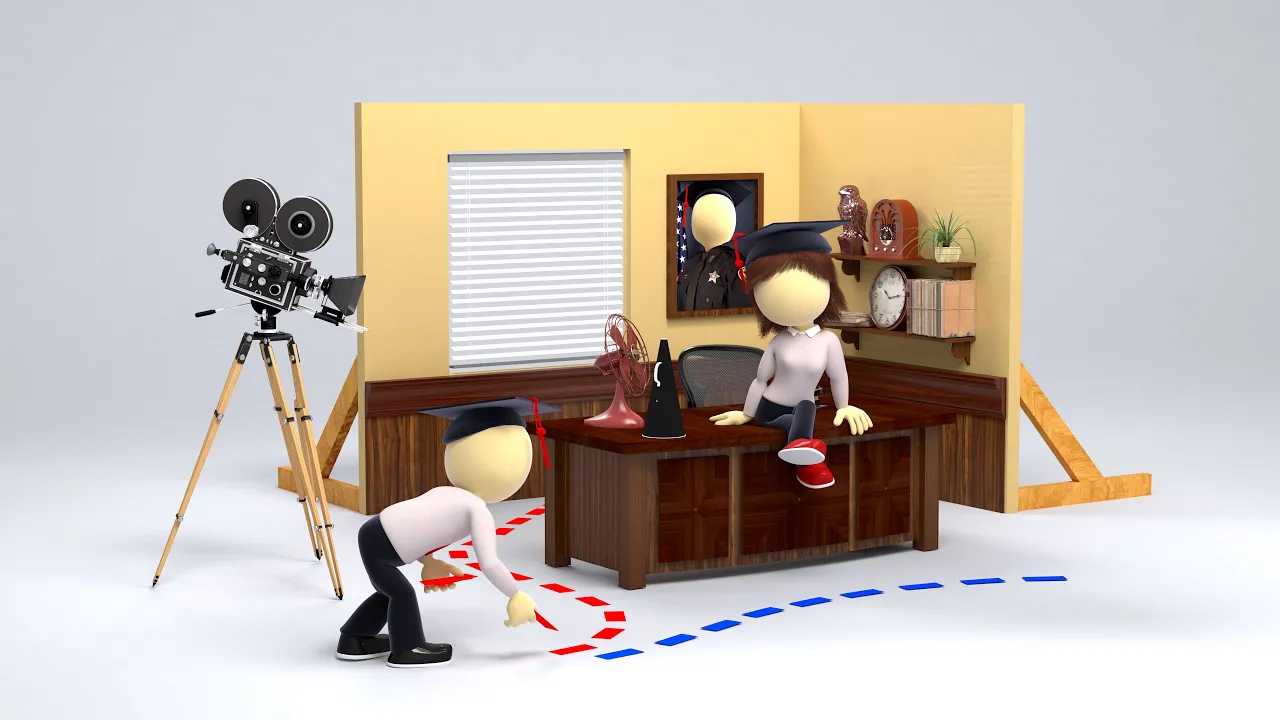
Staging and Blocking: How Directors Shape a Scene
@FilmmakerIQ
911.5K views•2016-04-04

12:54
Triumph of Orthodoxy Icon: Byzantine Art & History Explained
@BenCallan
2.1K views•2024-08-06
18:47
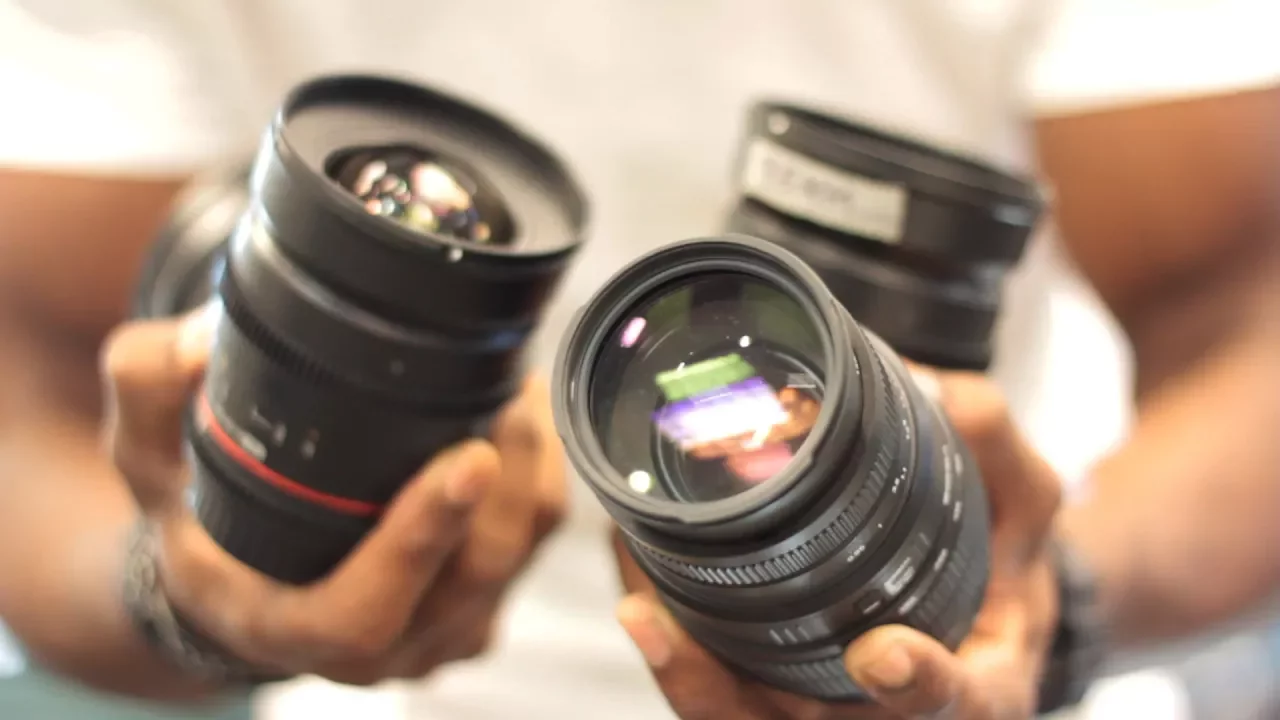
Camera Lenses Explained: A Comprehensive Filmmaking Guide
@D4Darious
325.3K views•2016-11-16

1:42
Game of Thrones Opening Credits: A Cinematic Analysis
@gameofthrones
46.3M views•2011-04-18
Related Study Plans & Knowledge Roadmaps
Structured learning paths in General & Interdisciplinary Studies
general-studies
Elevator Engineering: History, Physics & Cities
01From Hoists to Safety Brakes: The Dawn of Vertical Lift
02Hydraulic vs. Traction: The Engineering Physics of Elevators
03Modern Speed, Safety, and Algorithms
+ 2 more learning modules
12h5 modules
Explore Roadmap
general-studies
Rubber: Material Science, History & Geopolitics
01Origins of Natural Rubber & Mesoamerican History
02The Chemistry of Natural Rubber & Vulcanization
03The Geopolitics of the Rubber Boom & Colonization
+ 2 more learning modules
12h5 modules
Explore Roadmap
general-studies
Containerization: Evolution, Logistics & Trade
01Ancient Trade & Bulk Cargo: Amphorae to Barrels
02The Industrial Revolution & Cardboard Packaging
03The Containerization Revolution: Malcom McLean
+ 2 more learning modules
12h5 modules
Explore Roadmap
general-studies
Textile Tech: Evolution, Labor & Global Impact
01Pre-Industrial Textiles: Handloom & Cottage Industry
02Mechanization: The Spinning Jenny to the Power Loom
03The Factory System & Global Labor Transformation
+ 2 more learning modules
10h5 modules
Explore Roadmap