













![[AVS] La rééducation cardio-respiratoire - Ibtissam Belmadani et Dr Mathieu Bernard](https://i.ytimg.com/vi_webp/GuTZnjyzOk8/maxresdefault.webp)










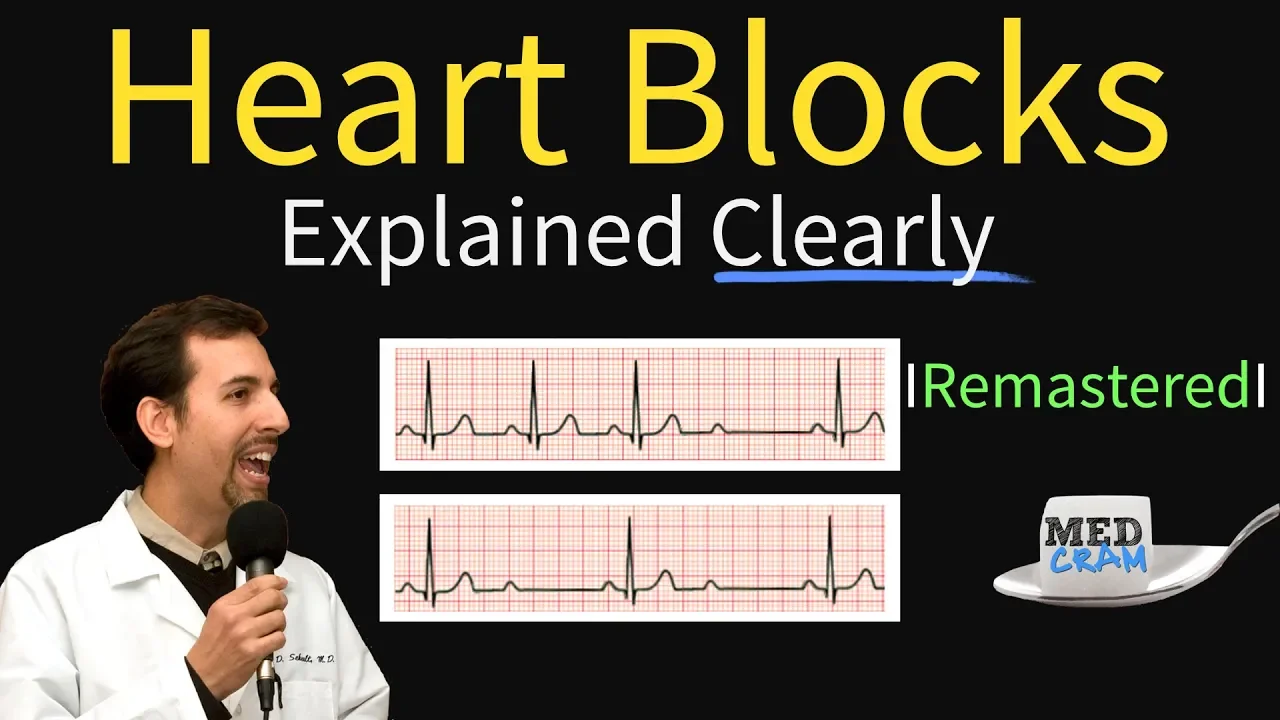

Heart rate can be determined on an ECG tracing using two primary methods: (1) The mathematical formula method where Rate = 60,000 divided by the interval between R-waves in milliseconds, with each large box representing 200 milliseconds; and (2) The box-counting method where beats landing on heavy lines allow quick rate estimation using the sequence 300, 150, 100, 75, 60, 50 beats per minute for intervals of 1, 2, 3, 4, 5, and 6 large boxes respectively. For irregular rhythms like atrial fibrillation, the 3-second mark method is used by counting R-R intervals between the 3-second marks and multiplying by 10 to obtain beats per minute.
How to Determine Heart Rate on ECG/EKG | Rate Calculation Basics
Added:Understanding of standard EKG paper grid measurements, specifically that 1 small box represents 0.04 seconds and 1 large box represents 0.2 seconds on the horizontal axis.
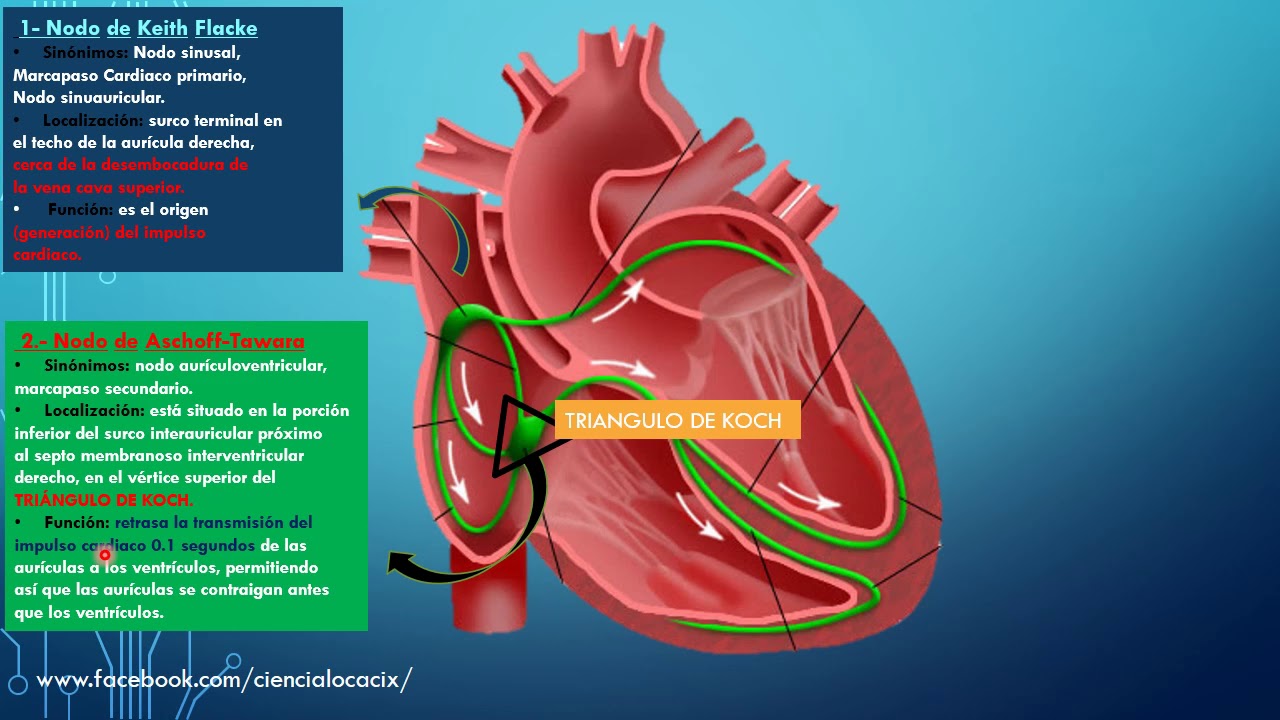
Basic anatomy of the cardiac conduction system, including how electrical impulses travel from the SA node to the Purkinje fibers.
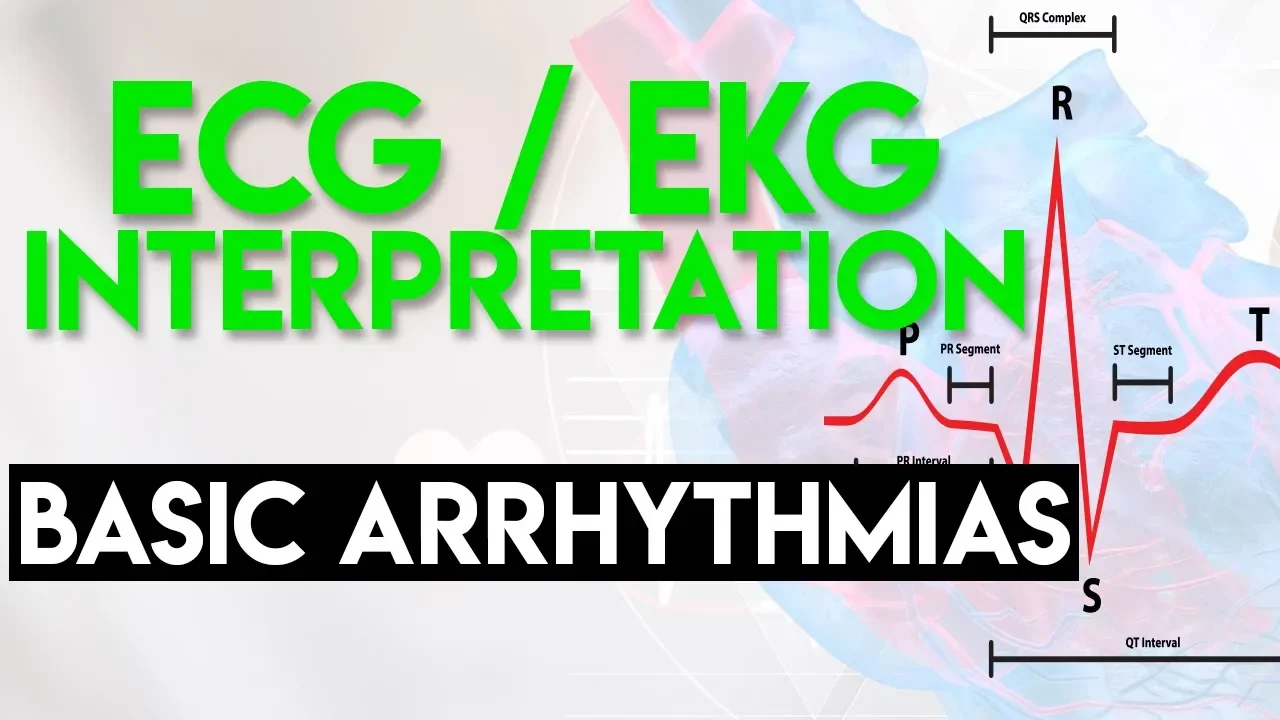
Identification of standard EKG waveforms, particularly the QRS complex and the R-wave peak used for interval measurements.
The physiological definition of heart rate (beats per minute) and the normal resting heart rate range for healthy adults.
Differentiating between regular and irregular heart rhythms and learning how to apply the 6-second strip method for irregular rhythms like atrial fibrillation.
Clinical interpretation of rate abnormalities, such as diagnosing and understanding the causes of sinus bradycardia and sinus tachycardia.
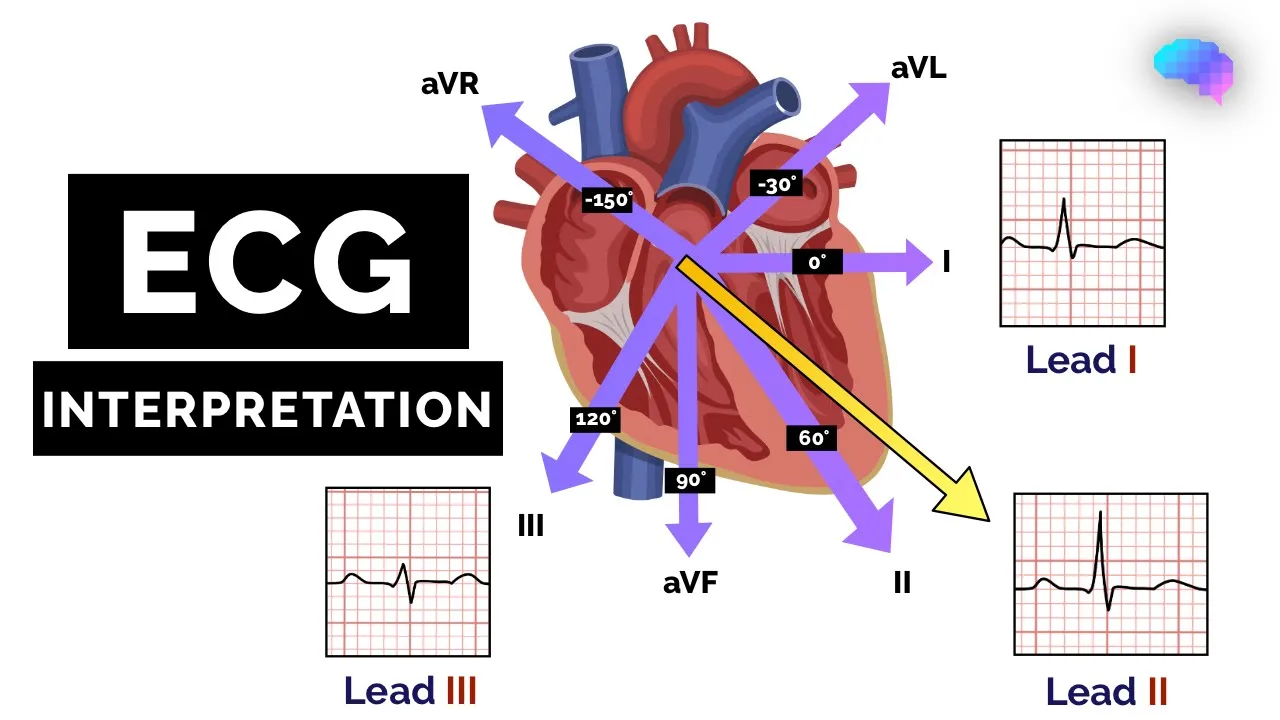
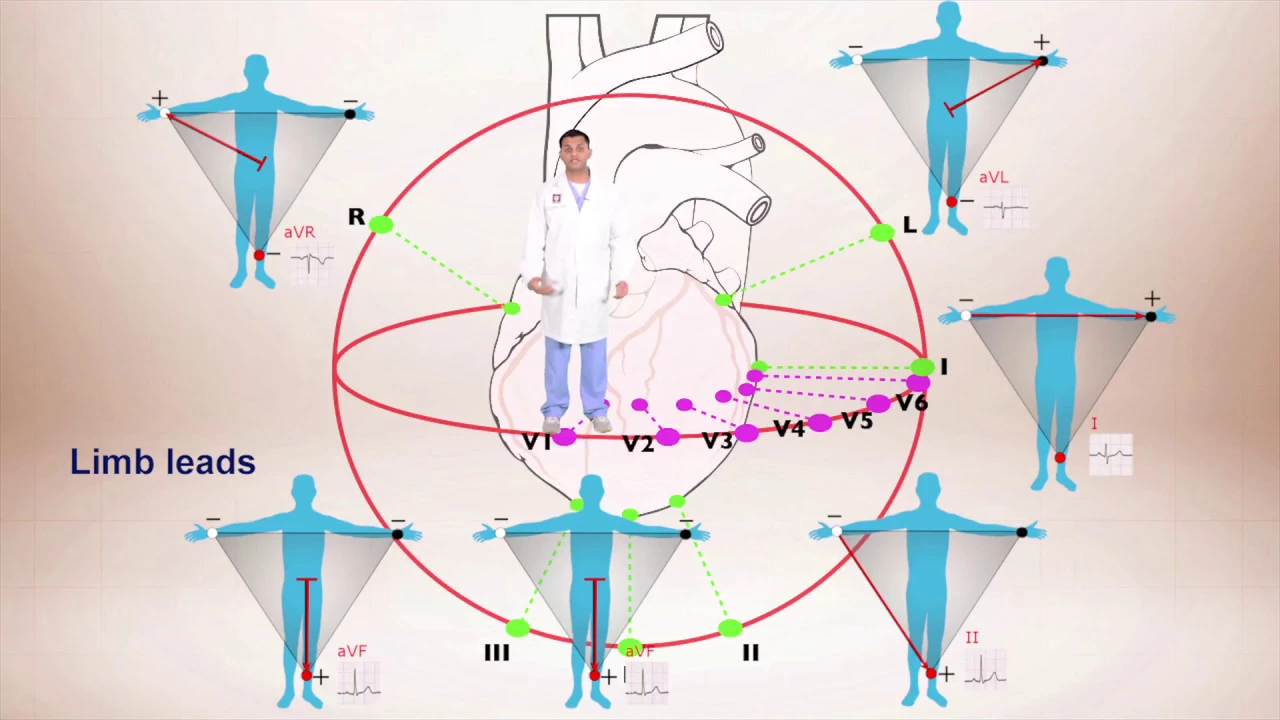
Introduction to cardiac axis determination using the quadrant method on a standard 12-lead EKG.
Identifying common arrhythmias and conduction blocks, such as first-, second-, and third-degree AV blocks.
79.6K views469likes14:15Original Release: 2011-11-13
hi this is Dr Nick from the ECG Academy and we're going to continue this discussion of heart rate measurements we're going to pick up where we left off with the last tracing now we've already established that at a normal paper speed the paper is running at 25 mm/s and that's our time reference now uh how do you translate the timing that we've already established as being 25 mm/s how do we get beats per minute out of that well again we're going to get into mathematics the conversion has to do with the fact that there are 60 seconds in 1 minute and because we're dealing in beats per minute we have to somehow put this into the equation now we know that 1 second is equal to 1,000 milliseconds so that means that 60 seconds is equal to 60,000 milliseconds in a minute now that's the fudge Factor 60,000 what that means is that the rate relationship between the interval or the time between Beats from here to here is related to rate in a calculation that rate is equal to 60,000 divided by the interval between beats okay so how do you figure that out well you simply count if you know that each Big B box is equal to 200 milliseconds so make it make it easy on yourself scan the ECG and look for a QRS complex that lands on a heavy line okay right here so now if you measure how many milliseconds it is from one beat to the next and you know that a big box is 200 so let's count off 200 milliseconds 400 600 800 a th000 and now you have to kind of look a little bit carefully this turns out to be 1,00 so now if you take 60,000 ided 1100 plug it into your calculator you get about 55 beats per minute and so it's easy right you can do this in your head can't you well most people can't so don't feel bad there are other ways of figuring out heart rate and most of it depends on how many milliseconds there are between beats let's kind of zoom in on one of these leads here and try to figure out what the rate is well you can count backwards and you can count forwards as well well here's a p-wave that lands on a heavy line and you can count backwards if you like and count milliseconds 200 400 600 800 1,000 um 1,40 and you can plug that calculation in but there is an easier way if you sort of like figure out what how what let's see if if it's 200 milliseconds 60,000 / 200 is equal to 300 and then if you figure out okay what about 400 milliseconds well 400 um if you take 60,000 / 400 and that comes out to be 150 well now that's uh there's a sequence of numbers and as long as you can memorize these numbers then it becomes very easy to count the rate okay and so here are the numbers if you start on a heavy line the first number if the East if the QRS if the signals are just one box apart then the rate is actually 300 beats per minute as I showed you in this calculation here if the signals are two boxes apart then it's 150 beats per minute if they're three boxes apart it's 100 if they're four boxes apart at 75 five boxes gives you 60 and six boxes gives you 50 if you just remember this sequence of numbers does it make sense well sure look at that if the beats are five boxes Apart 1 2 3 4 five then it's 60 beats per minute well five boxes is equal to 1 second isn't it and there is 60 seconds in a minute so it all makes sense if you remember 300 150 100 75 60 50 so what you do is you start on a heavy line if you can like say for example here and then you count in One Direction or another looking for the next similar signals so 300 150 100 75 60 and this would be 50 well now you're going to have to kind of fudge it a little bit if this is 60 and this is 50 then your heart rate here must be something just below 60 you know and you'd probably be okay to call it 58 Beats per minute so that's a quick and easy way to figure out the heart rate okay so we're going to go back to this tracing this whole 12 lead on that 18-year-old person and we're going to get a sense of how do you measure rate in a on a 12 lead well as I said you kind of uh have to scan around and uh look for a QRS complex that lands on a heavy line and this was the one that we used before so if you count off we can say 300 150 100 75 60 50 so if this is 60 and this is 50 you have to kind of call it 55 or so and that's what we came up with when we did that mathematical calculation okay so it kind of makes sense to do this um well let's try it again um here's one that lands on a heavy line so let's count it 300 150 10075 60 wait a minute wait that that's not the same if this is 75 and this is 60 then we're talking a rate of of like maybe 68 beats per minute but but that's not the same as this one so it turns out that there is such a thing known as sinus arhythmia um sinus arhythmia is a normal finding and we're going to discuss it when we talk about sinus node function but sinus arhythmia occurs in normal people especially 18year olds and it has a lot to do with the nervous systems effect on the heart rate and even with just respiration the heart rate will vary from one B to the next so it becomes a little bit difficult but um but I want to introduce you to uh the electroc cardiographer best friend and that is uh calipers yes indeed calipers are a way of trying to get a sense of whether we um have a regular rhythm or an or an irregular Rhythm and uh it also allows us to make measurements that we otherwise would have difficulty making for example when things don't land exactly on a heavy line so you take your caliper and uh I'm just putting it on this point here and then what I'm going to have to do is electronically kind of like uh resize it so that the other point lands on this other QRS complex okay and so then what um when you move the calipers from one beat to the next you can get a sense of whether the interval is the same this is almost the same but clearly this interval is a little bit shorter the r to R interval from one QRS to another QRS is shorter than what we than what we saw in the first couple of Beats and this is much longer than we saw in the first couple of Beats so yes indeed there um is a bit of a challenge in measuring rate you have to kind of look for an average heartbeat and the measure it now I'm going to show you um a way around that um a little bit later in this video but first I want you to get used to using these calipers now the the cool thing about calipers is um it lets you measure things that don't land exactly on a heavy line and I'll show you how and well let's go back to this first interval here and we're going to put the point of the caliper on the first beat and the second one I guess maybe I could probably resize that a little bit better so that it lands on this uh second beat okay so now that's showing us EX exactly how long the interval is well now how do we measure that without having to count little tiny boxes and get into milliseconds and do crazy stuff like that well once you've established the interval here you simply pick up your caliper off the page and you lay it down on another part of the paper such that the leftand point is right on a heavy line you can see that uh I've placed it on this heavy line and now you can see what the interval is if you want to count off in milliseconds is 200 400 600 800 1,000 probably 1,40 maybe 1,60 if you uh look carefully we're going to zoom in on things in the next video so you'll be able to make fine measurements of PR intervals and so forth but for the time being you can make gross measurements without having to count little tiny boxes um in terms of heart rate we're talking start with this one and count off the numbers as I said before 300 150 17560 and you see it's a little bit less than 60 um but it's nowhere near 50 so again we have about 58 beats per minute abbreviated BPM okay so this first beat is 58 beats per minute but there's a a a normal degree of sinus arhythmia such that sometimes it's a 68 and sometimes it's down to um 55 and so on so that is your basic approach to determining heart rate the key here is that you really have to look at the whole entire tracing I always tell people when you're first looking at an ECG you really have to look at the whole Forest don't concentrate on the trees don't zoom in and look oh look at that that fifth beat over the there has a little funny squigle hm I wonder what that is well before you get into those tiny details you kind of have to scan the whole ECG all the way across and get a sense is it regular is it irregular are all the beads kind of about the same distance apart in which case you can sort of like use anyone you like and you'll still kind of be in the ballpark or is it very irregular and I'm going to show you an ECG that's very irregular next now here's an example of an ECG where the rhythm is irregular in fact this is an abnormal Rhythm it's known as atrial fibrillation you may have heard about that it's due to a rapid electrical disturbance in the top chambers of the heart so the Atria are beating a million miles an hour but the AV node winds up passing a rather random signal down to the ventricles and so the heartbeat is irregular and you can see some of these intervals are actually very short and other intervals are very long and um determining heart rate is a little tricky because um uh depending upon which interval you you measure you could get vastly different heart rates so calipers aren't terribly useful under these circumstances but I'm going to show you something that is useful well uh one thing you can do is just run a strip that's a whole minute long and count the number of R to R intervals in a whole minute and that would give you the number of beats per minute well that kind of would be a bit of a waste of paper and it would also mean you'd have to sit there with the patient for that long so that's not a practical solution but what if you ran the EC G for 30 seconds counted the number of heartbeats and then just multiplied by two well that would give you the number of beats in a minute right we'll take that idea a little bit further what if you only ran it for 10 seconds then you'd have to just multiply by six and then you would get the beats per minute well I got an even better idea look down at the bottom of this tracing and you'll find pretty much on every single printed ECG these little do dads these little Marks here are known as 3 second marks and they're spaced surprisingly 3 seconds apart so if you measure the number of R to R intervals between two of these marks that would give you 6 seconds and then you can multiply that by 10 and that would give you the number of beats per minute so let's let's figure this out try to find a QRS that's more or less close to one of these uh 3 second Mark so we'll we'll pick this one now you're going to measure this is 3 seconds and this is 6 seconds how many R to R intervals are there in six seconds well this R to R is one and this one is two and this one is three four five and now you'd have to say like five and maybe um a half or maybe 4/10 so that gives you a rate of 54 4 beats per minute now of course if you measure something a bit different so if you go from from this one to this one you may get a different number so this would be 1 2 3 four a little bit more you might get 42 but this is a challenging ECG because the rate is so tremendously variable but it gives you a tool it gives you a way of measuring grossly irregular heart rates using these 3 second marks well this is one of those tips you'll only get here at the ECG Academy and that concludes my discussion of heart rate measurements in the next video we're going to be talking about measuring intervals like PR QRS QT and so forth this is Dr Nick for the ECG Academy thanks for watching
Up Next

26:57
ECG Interpretation Made Easy: 12-Lead EKG Basics
@MedNerdDrWaqasFazal
1.1M views•2023-02-04

48:47
Graphic Medicine: Comics for Collaborative Healthcare Communication
@nationalpatientadvocate
189 views•2023-12-04

10:28
Neuroanatomy: Central and Peripheral Nervous System Divisions Explained
@AKLECTURES
136.2K views•2014-09-20
3:05
Stages of Labor and Vaginal Birth | Childbirth Animation
@nucleusmedicalmedia
52.1M views•2017-08-18
Related Study Plans & Knowledge Roadmaps
Structured learning paths in Medicine
medicine
Abnormal LFTs: Diagnostic Workup & Pathology
01Liver Anatomy and Basic Physiology
02Introduction to Liver Function Tests (LFTs)
03Hepatocellular vs. Cholestatic Patterns
+ 3 more learning modules
12h6 modules
Explore Roadmap
medicine
Analyzing Blood Smears: RBC, WBC & Platelets
01Introduction to Blood Components & Smear Preparation
02Normal Morphology of Blood Cells
03Erythrocyte Pathologies & Morphological Variants
+ 2 more learning modules
12h5 modules
Explore Roadmap
medicine
Mechanical Ventilation: Waveforms & Alarms
01Anatomy and Physiology of Breathing
02Introduction to Mechanical Ventilation & Core Modes
03Ventilator Settings and Waveform Interpretation
+ 2 more learning modules
12h5 modules
Explore Roadmap
medicine
Neuro Exam: Localization & Stroke Syndromes
01Foundations of Neuroanatomy and Vascular Supply
02The Neurological Examination: Step-by-Step
03Principles of Neurological Localization
+ 3 more learning modules
18h6 modules
Explore Roadmap