





![Properties of waves [IB Physics SL/HL]](https://i.ytimg.com/vi/Cb9jUOFDBiE/maxresdefault.jpg)


![SCIENCE !!NCERT EXAMPLAR BOOK CLASS -7!! THEORY OND OBJECTIVE QUESTIONS#] BY SAPNA mam...]](https://i.ytimg.com/vi/UDHyXnxPieg/maxresdefault.jpg)










Sound waves reflect off surfaces following the law of reflection (angle of incidence equals angle of reflection), creating echoes that can be used in sonar technology and parabolic microphones; sound waves also refract (bend) when passing through media with different temperatures, with colder air causing sound to bend downward and warmer air causing it to bend upward, explaining why sound carries further in winter than summer.
Physics 20: Sound Reflection, Refraction & Diffraction | 11.7-11.9
Added:Understanding of sound as a longitudinal, mechanical wave that requires a physical medium to propagate.
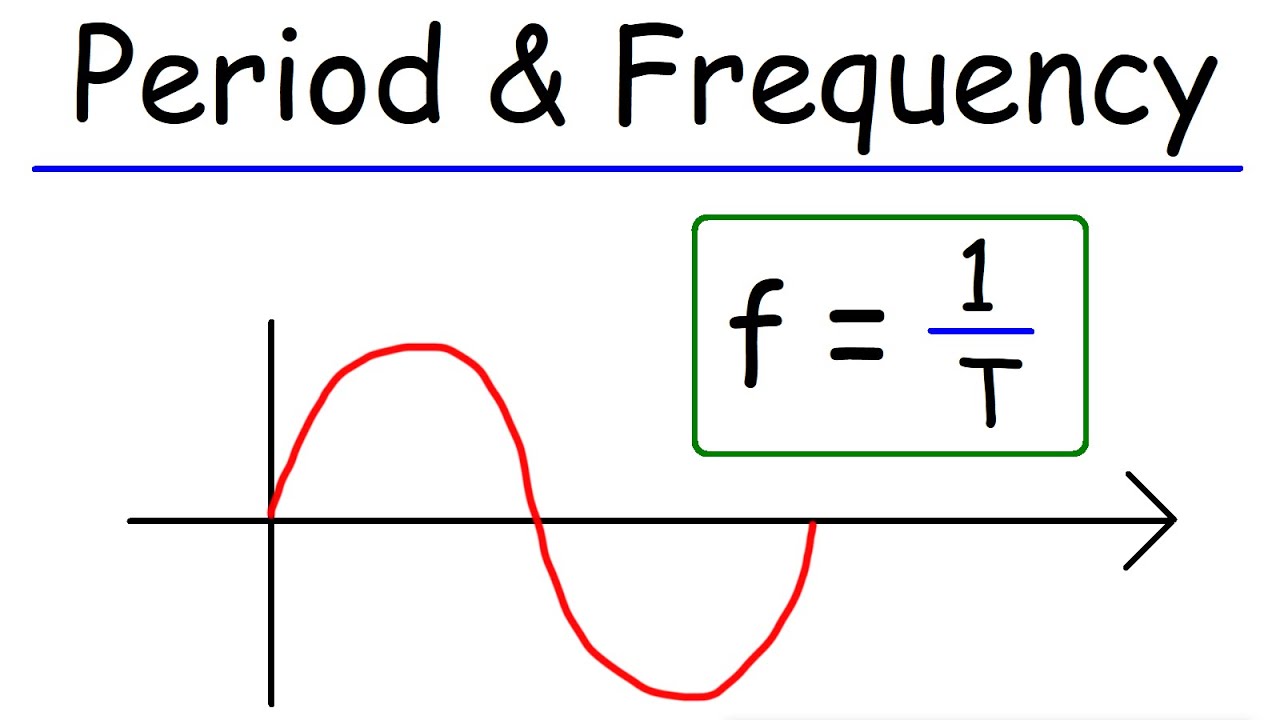
Familiarity with basic wave properties, including frequency, wavelength, amplitude, and the wave speed equation (v = f * lambda).
Knowledge of how the speed of sound is affected by the environmental properties of the medium, such as temperature, density, and elasticity.
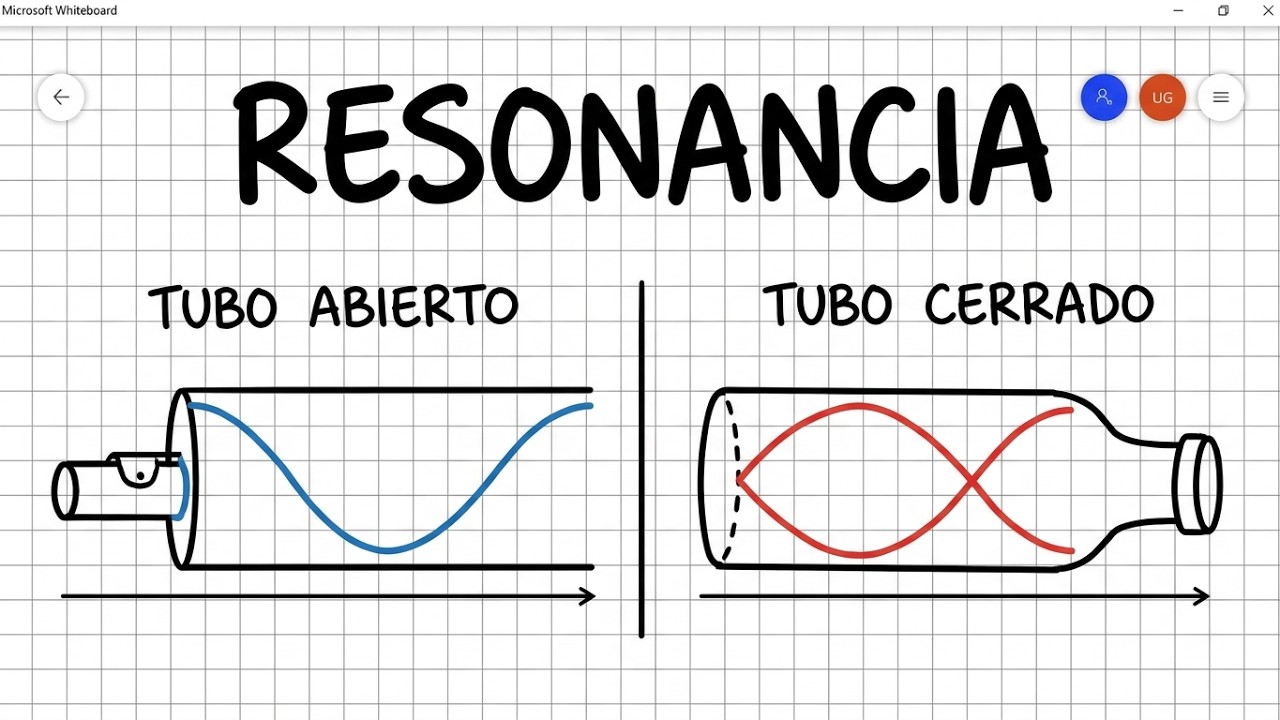
Exploration of wave interference, beats, and the formation of standing waves in air columns (resonance in musical instruments).
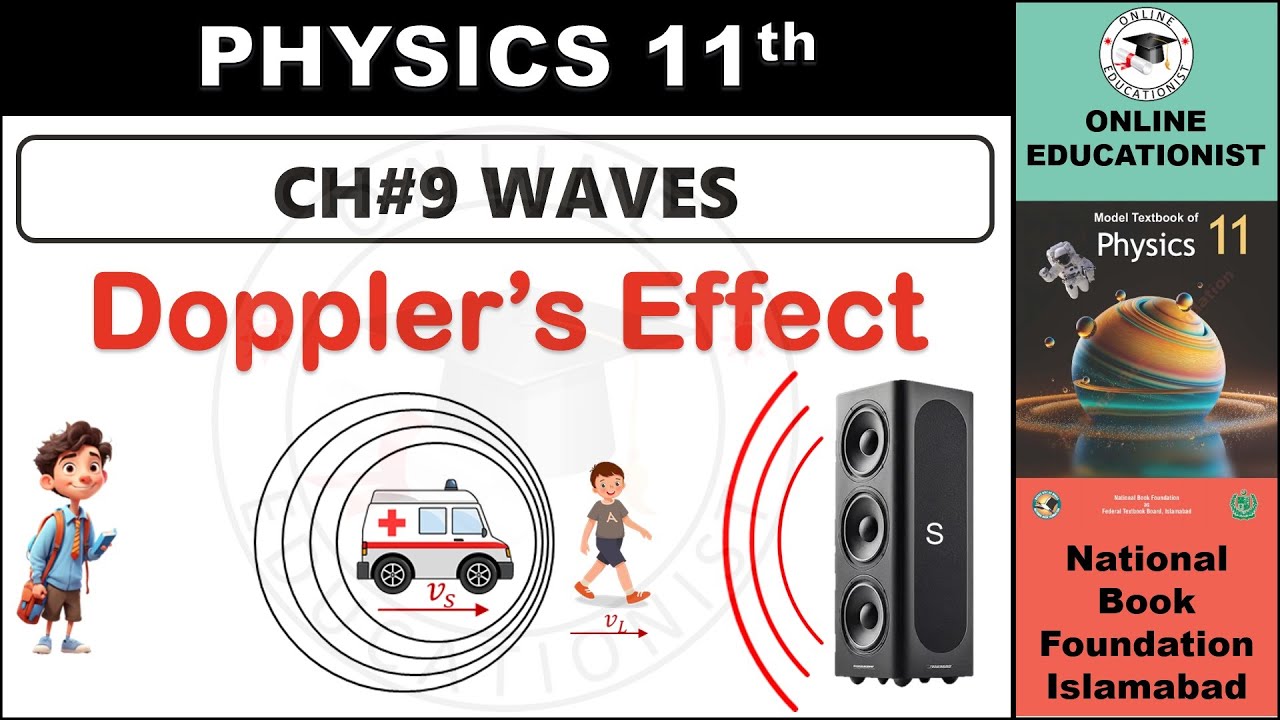
Study of the Doppler Effect and its applications in astronomy, radar, and medical diagnostics.
Principles of architectural acoustics, focusing on how reflection, absorption, and diffusion are managed to optimize sound quality in concert halls.
In-depth analysis of active sonar and medical ultrasound technologies, utilizing quantitative calculations of sound wave travel times and boundary reflections.
109 views1likes18:15Original Release: 2022-03-07
all right reflection sound waves uh section 11.7 page 360 in your heath physics text following along you are likely familiar with how a mirror works so we're going to be talking about light a lot uh in the next kind of sort of next sections next chapters after chapter 12 13 to 16 i think is all about light reflection refraction colors all that sort of stuff but now we're still dealing with sound but you are familiar with how a mirror works right the light bounces off the mirror the angle that the light hits the mirror is equal to the angle that the light reflects off the mirror all right so the reason why you look in the mirror the same way you actually look in real life is because all of those light rays are reflecting or bouncing reflecting off of yourself to the mirror then back to your eye okay and they're all traveling in real straight lines now if the mirror is polished and a beautiful mirror you'll see exactly yourself if it's like a rough mirror or textured or something you'll see like a vague sort of outline of yourself that's because the light rays that are coming from you bouncing off of you to the mirror are not being bounced back uh predictably so if you if the mirror is not a good one if it's warped if it bends like that then the light rays are not coming all parallel they're going off in different directions and you see something that's a little bit warped but if we're talking about sound waves sound waves work in a very similar way to that of light okay so you should be filling your your sheet in here with light as your first blank the sound can reflect off a flat surface okay and i mentioned the other day about my bluetooth speaker in my kitchen i kind of turned my little bluetooth speaker when i'm listening to when i'm whatever we're in the kitchen or eating i turn it guys please don't talking i turn it so that it faces the wall over there because the sound will bounce off the wall kind of into the area where we're all sitting or eating or working in the kitchen and the room the the room is filled with kind of better quality music if i can aim it at that one flat wall so that the sound bounces off of that wall if i face it into the cupboards or whatever you know it doesn't get reflected very well it gets muffled if you're anywhere else in the kitchen so you know you can't think about that now if it hits at a 90 degree angle it reflects straight back so if we have a flat wall if we have a flat wall and the sound waves are coming in here and exactly at 90 degrees right here they're coming in there hit the wall they will bounce back exactly on the same path just like light if it hits at an angle it'll bounce off at the same angle so let's say it comes in like i should move that let's say it comes in here's the wall let's say it comes in at this angle right here well any of these angles that you measure this one or with the perpendicular this one here it will the resulting reflected wave will be at the exact same angle okay so those will all be the same and you kind of know how that works if you've ever played pool before billiards you know the ball the ball bounces off the the bank there and it's always a predictable you know reflection there really okay all right um the sound wave that bounces back uh to the source so if we're thinking about this this 90 degree situation here i'll draw it over here you can see it but if we have a sound wave that bounces back to the uh you know whatever the person or whatever is making that if the sound wave bounces back that's called an echo right and so you can hear an echo in lots of different situations usually if you're you know in an open space maybe at a quiet open space if you're climbing you know if you're in the mountains or something or if you're i don't know if you've got a rock face beside you you're out in the wilderness and you shout you can hear your voice come back right or if you're in between two buildings and a quiet night you can shout you can hear an echo slight echo back so that's the sound waves bouncing back to the observer reflected sound waves can be used in a number of devices so for example a sonar s-o-n-a-r bounces sound waves off of objects under water it listens for the echo and uses a computer to draw an image of what's in the water all right so have you guys heard of sonar before sonar and boats so if you have like uh if you have like a ship or whatever right here's your ship and there's the here's the bottom of the uh ocean or the lake or whatever and let's say this ship is sending down you know sonar uh sound waves as it passes some maybe some object down there so what's going to happen is the the boat's going to send off this this sound wave it's going to bounce back up to the boat and the computer you know generates you know what happens to the time you know and all this sort of stuff bounces back the time it takes to to bounce back up and stuff like that and so the computer goes and it draws uh you know all these things it draws that you have something like this at the bottom okay so you have some kind of like boat or whatever you know that sunk or whatever they can find things at the bottom you can see other ships you can see fish a fish finder's the same way you got this collection of you know of um you know reflections of fish finders kind of same way or a depth finder in a boat if you have a depth finder that's what it's doing it's kind of mapping off the bottom so if the the bottom of the lake or whatever gets shallow your your boat will be able to determine that as it goes it just kind of measures you know the depth and then can display that any questions okay so sonar all right a parabolic microphone i think we've talked about this in this class too i think um if not a parabolic microphone yes that's the shape of a parabola so those are those of you that remember that word from from math uh the the great use of a parabola is in reflection of light or sound any sound waves that are coming in from a distance and that actually intercept or are reflected off of the parabolic dish they will all be reflected to some focus point here and so that's a predictable reflection and uh that will uh cause all of these sound waves to come to one point wherever that i guess is let's say it's out here a bit and so that's why that's why it will it will collect a lot of sound from a very small space and these will be magnified into the microphone so if it was just your ear right so here's your ear the side of your head there right then you're getting a few you know a few sound waves kind of collected into your ear and going down into your your middle ear there your inner ear but if you had a parabola or a parabolic microphone a dish then you could collect you know many more sound waves and the sound would then be sort of amplified right just in the same way if someone's talking and you go like this you can actually hear better you can hear yourself when you talk better it makes things louder just by doing this but also if you just do this right now you'll be able to hear me louder and a little more clear because your your hands are it would be roughly in the shape of a parabola and you'd be collecting more sound waves so i know no one wants to do this because you look like you know dumbo or something but you should try it once and once in a while to see if you can hear me a little bit better all right okay any questions here so far 11.7 or 3.
11.7 this unit is technically unit three i guess is why they have 3.7 here but i'm using the textbooks there so 11.8 is a bit on acoustics we're not going to get too deep into acoustics but i will i do i would like you to show you a couple um one or two of these videos today here we'll just kind of see so i'll have these up on the website if you're looking at this video i won't show you on this uh exact video here but um we'll watch these two videos and we'll find out the difference between you know echo and reverb and stuff like that okay so uh the uh difference between echo and reverb just watched on the video there and just once again the echo is the exact same sound sort of coming back uh to the observer reverberation is sort of like multiple copies of the same sound that come back and overlap um to to exhibit or to replicate some sort of natural open space sound all right so there's a difference between echo and reverb and uh yeah you can watch those videos again if you if you need to so let's take a look at 3.8 which is a section 11.9 in your textbook on page 365.
given that we live in saskatchewan you've most likely noticed that sound seems to carry further in the winter i don't know if this is something you could pinpoint in your life right now but in the winter i don't know if you're walking in the let's say in the woods in the winter uh when it's really nice and quiet it seems like you can hear uh hear sounds from a lot longer away or more sensitive sounds snapping of tree branches stuff like that in the winter seems to be more crisp and carry a little bit further this is not your imagination it actually does there's good reason for this and it's called refraction okay so there's a difference between reflection with an l and refraction with an r those are different it's not just one person you know making a mistake or having some kind of speech impediment it's actually they're actually two different words you might not know the difference between them but that's what i'm here to explain so refraction is a bending of a wave this happens with light it also happens with sound and other waves but it's a bending of the wave a reflection is a bouncing off of the wave where there's no sort of bending or warping it's just a straight bounce refraction is actually a bending of a wave so when a wave passes into a new medium that conducts sounds at different rates we get refraction okay so we'll talk about this with light a lot coming up in chapters 13 to 60 i believe but with sound if you're if you're talking or there's some kind of sound and you you have sound traveling through air then you have sound traveling through water obviously that's going to get warped a bit right maybe notice that or if a sound coming out from the water you know you hear this muffled sound and it's different than a person was just talking to you in the air but in this case different mediums can be the same type of medium but at different temperatures so air temperature has a great effect on the speed of sound as we've already learned right speed of sound and air is affected by the temperature 332 meters per second plus 0.6 times whatever times the temperature is right and so it can be less than 332 if it's really cold can be greater than 332 if it's really warm and so the result of air passing through unevenly heated air cause sounds to bend in new direction so the air temperature a great effect on the speed of sound filling your blanks there okay so if air is not evenly heated it can cause a warping or a bend of the sound wave as sound passes into cooler air it slows down bending into the cooler air and we have diagrams here coming up so i'll show you that in a second but as it passes into hotter air it speeds up and it bends away from the hotter air now this whole bending how it bends into and away from is brand new we're going to start talking about it now also with light becomes a little bit more obvious there's more diagrams and we do more calculations with light how that refracts into different different media but it applies to sounds this is your first kind of look at it in the winter the ground is colder than the air above it because of the snow and stuff it's cold near the ground the air is a little bit warmer because the sun comes and heats up the air first and the snow keeps the ground pretty cold so the winter the ground is colder this creates a cold layer of air near the ground and this causes sound to bend down towards the ground okay so i have some diagrams below here i don't know those are on your notes so i will get to those in a second let's just keep going with the notes here so if the sound bends down towards the ground the the sound then bounces off the ground and keeps kind of going along this bouncing pattern so i have two diagrams here and here's the cold air one this is winter okay this is winter and what happens is this person that's talking okay we have cold air down near the near the ground so down here is the colder air this is cold and sound as the waves kind of travel they almost get like pulled into the cold air so instead of like going straight like this this this sound and i'll try and i'll try and zoom in a bit here okay but the sound waves here and you can see by this red this red arrow the sound waves kind of get pulled in towards the cold air and what happens is all of these all of these sound waves kind of get reflected okay and bent down again towards the and they kind of keep going on in this sort of pattern and so you have sound that keeps propagating here and so there's lots of sound where we're able to hear it so it kind of gets bent towards it bounces off the snow it comes up and bends down balances off the snow again so it kind of keeps rolling off in the summer different than this we have really warm air near the ground because the ground you know heats up and it's ground it's cooler as you go up and so what happens is these sound waves actually get pulled into the cooler air that's above the observer and they kind of get drawn up like this and there's nothing for it to bounce off of so it kind of they kind of get lost the sound waves kind of get lost in the summer so in the summer the ground is warmer than the air above it there's a hot layer near the ground this causes sound to bends up to bend up towards the sky and then never to return there's nothing to bounce off of this is why sound does not carry well on a hot day and also because of wind and stuff too it's usually quite a bit windier in the summer which affects the sound waves and kind of tosses them about but this is our first look at something called refraction the bending of sound waves and when sound travels slower in a medium at the at the barrier of that medium the sound wave that kind of comes out will kind of get pulled down let me let me give you another another example i don't know if this is coming or not uh nope so another example over here let's say i have a top view of a wagon okay so you know those old wagons like the old red wagon or whatever have the wheels like this okay so this wagon is you know here's the here's the handle whatever right so it's going in this direction okay and what's gonna happen to this this uh wagon these wheels are free to move right they're free to move right now this wagon is traveling on the cement but here over here is grass okay i don't have a green marker at my ready here but this is grass and so this is pretty uh dense okay then more dense than the cement and so what's going to happen to this wagon with the wheels that are free to move what's going to happen to that as it hits the grass it's going to what this first tire is going to slow down quite a bit it's going to get kind of almost caught in the grass and so this wagon is actually going to end up to be sort of looking like this because those wheels are going to turn into right they're going to turn into the grass so it's going to go like this and then as soon as it hits the corner here it's going to bend this way okay so it's tough to draw but you know it's coming down towards the grass and then as soon as this wheel hits the grass it kind of gets pulled in and it changes direction a bit so that's what happens to the sound waves okay let's just uh let's just finish up this section here if we can so a few more minutes diffraction also deals with the bending of waves but in the situation of traveling through an opening so when you travel through an opening the waves kind of like spread out like this when a wave passes through a narrow opening smaller than the wavelength it spreads out as if that opening were the source of the wave so here's your diagram a small opening is uh you know there's going to be more bending of the waves but it treat it's treated as the new source don't leave yet this also happens around corners fill in these blanks the longer the wavelength the more it will bend around a corner so high-pitched sounds like sounds from a trumpet or from a piccolo or from a violin or something like that if you have a high pitched sound it's a little bit more direct higher frequency but the low bass sound from like a bass drum or a bass amplifier those are longer waves and those get pulled around corners a bit easier so that's why when you hear like a if a car is coming down the road it's got a big stereo system right you hear the bass first you always hear the bass coming first that's because it'll travel around corners and permeate things here okay so that's what this last section talks about the thumping car base all right uh that's the that's it for chapter 11. uh please take a look at the website for questions uh uh here's your questions here for chapter 11. get a start on those questions tonight you should do the first few if you can three or four tonight that's your homework see you tomorrow you
Up Next

12:47
Wave Interference and Beats: Lab Demonstration
@auwerdajn
125 views•2013-04-04

12:53
21cm Hyperfine Transition in Neutral Hydrogen: Radio Astronomy Basics
@AaronRobertParsons
12.4K views•2011-10-13

32:32
NMR Spin Physics I: Zeeman Effect, Resonance Condition & Larmor Frequency
@nptel-indianinstituteofsci8064
2.3K views•2024-01-17

27:14
Entropy and the Second Law of Thermodynamics Explained
@veritasium
27.5M views•2023-07-01
Related Study Plans & Knowledge Roadmaps
Structured learning paths in Physics
physics
Nuclear Physics (Decay, Fission & Reactors)
01Atomic Structure and the Binding Force
02Radioactive Decay and Half-Life
03Nuclear Fission Mechanics and Chain Reactions
+ 2 more learning modules
12h5 modules
Explore Roadmap
physics
Soft Matter (Polymers, Colloids & Rheology)
01Foundations of Soft Matter & Thermal Forces
02Polymer Physics and Macromolecules
03Colloids, Surfactants, and Self-Assembly
+ 2 more learning modules
38h5 modules
Explore Roadmap
physics
Analytical Mechanics: Lagrangian & Hamiltonian
01Mathematical Foundations: Calculus of Variations
02From Newtonian Mechanics to Constraint Dynamics
03The Principle of Least Action & Lagrangian Mechanics
+ 3 more learning modules
28h6 modules
Explore Roadmap
physics
General Relativity (Spacetime & Cosmology)
01Foundations of Relativity: Special Relativity
02The Geometry of Spacetime: Equivalence Principle & Curvature
03Einstein's Field Equations: The Mathematics of Gravity
+ 2 more learning modules
55h5 modules
Explore Roadmap