








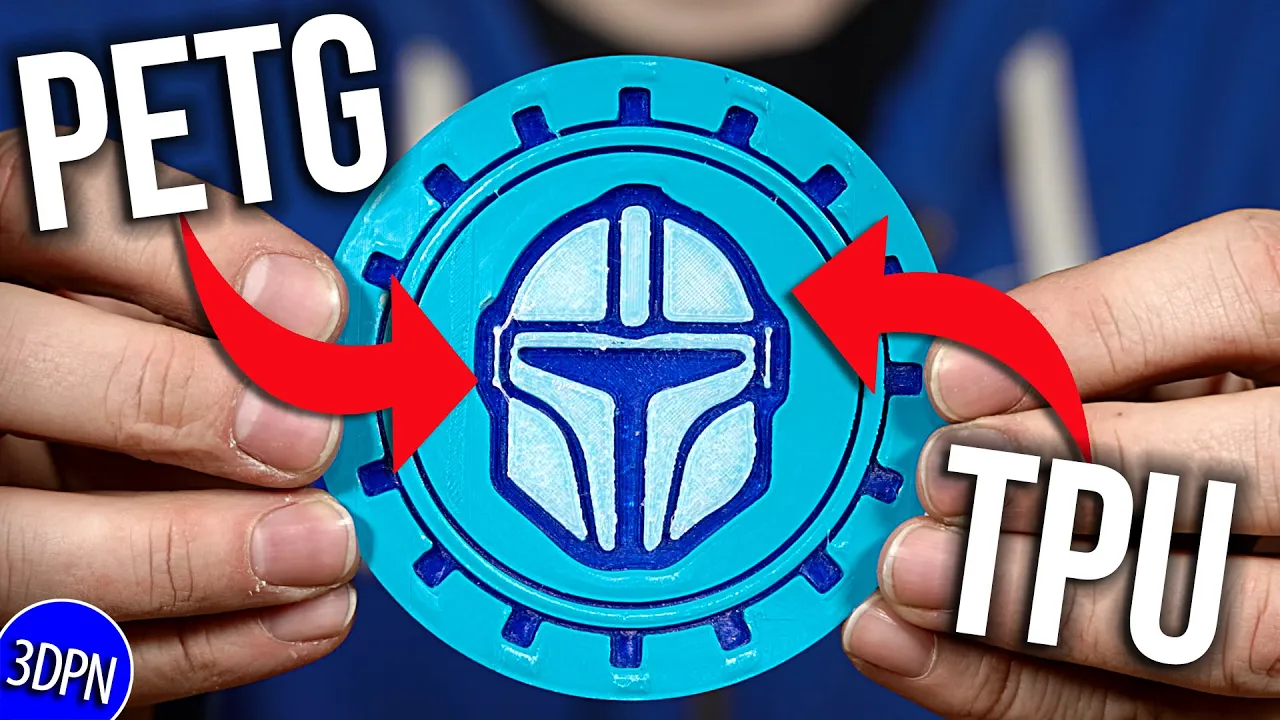





TPU (Thermoplastic Polyurethane) is a thermoplastic elastomer that offers unique advantages over standard 3D printing materials like PLA, PETG, and ABS, including exceptional flexibility (able to stretch 4-8 times its original length), high impact and wear resistance, and the ability to create functional parts such as living hinges, springs, and dampeners; TPU's shore hardness (measured using a durometer scale) determines its flexibility level, with common variants ranging from 45D to 98A, and while it prints easily on most printers without requiring an enclosure, it demands careful attention to print speed, filament dryness, and retraction settings for optimal results.
Flexible Filaments Guide: TPU for 3D Printing Applications
Added:Basic principles of FDM (Fused Deposition Modeling) 3D printing, including how filaments are melted, extruded, and layered.
Familiarity with standard rigid filaments (such as PLA or PETG) to serve as a baseline for comparing material properties.
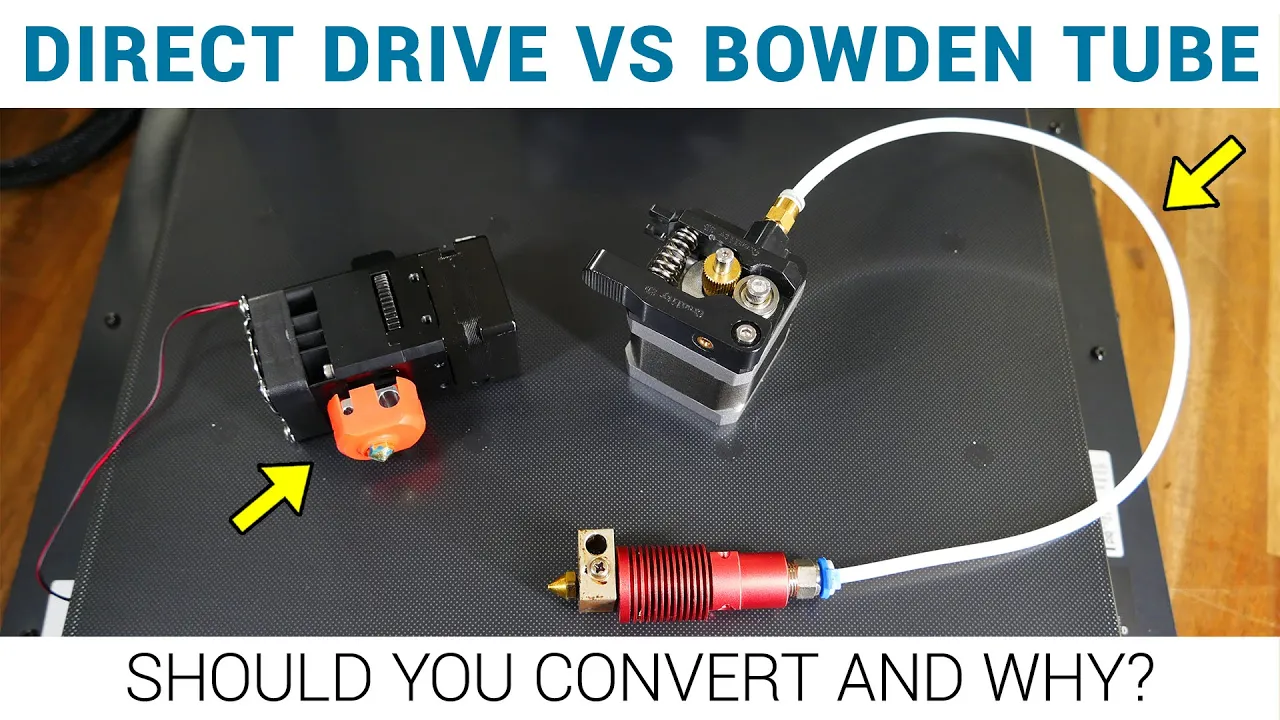
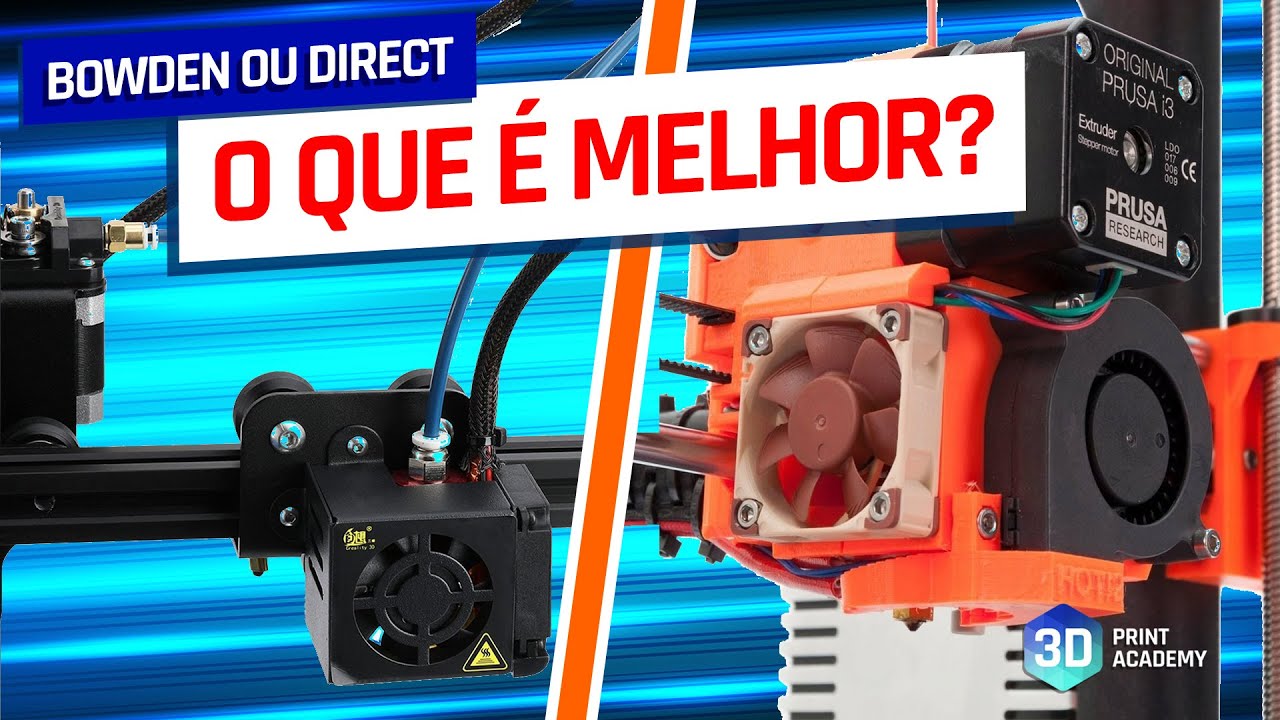
Understanding of 3D printer extruder mechanics, specifically the difference between Direct Drive and Bowden tube extrusion systems.
Basic proficiency with slicing software (e.g., Cura, PrusaSlicer), including foundational settings like print speed, retraction, and temperature.
Advanced mechanical design for flexible parts, such as utilizing variable infill densities and geometries to engineer localized stiffness.
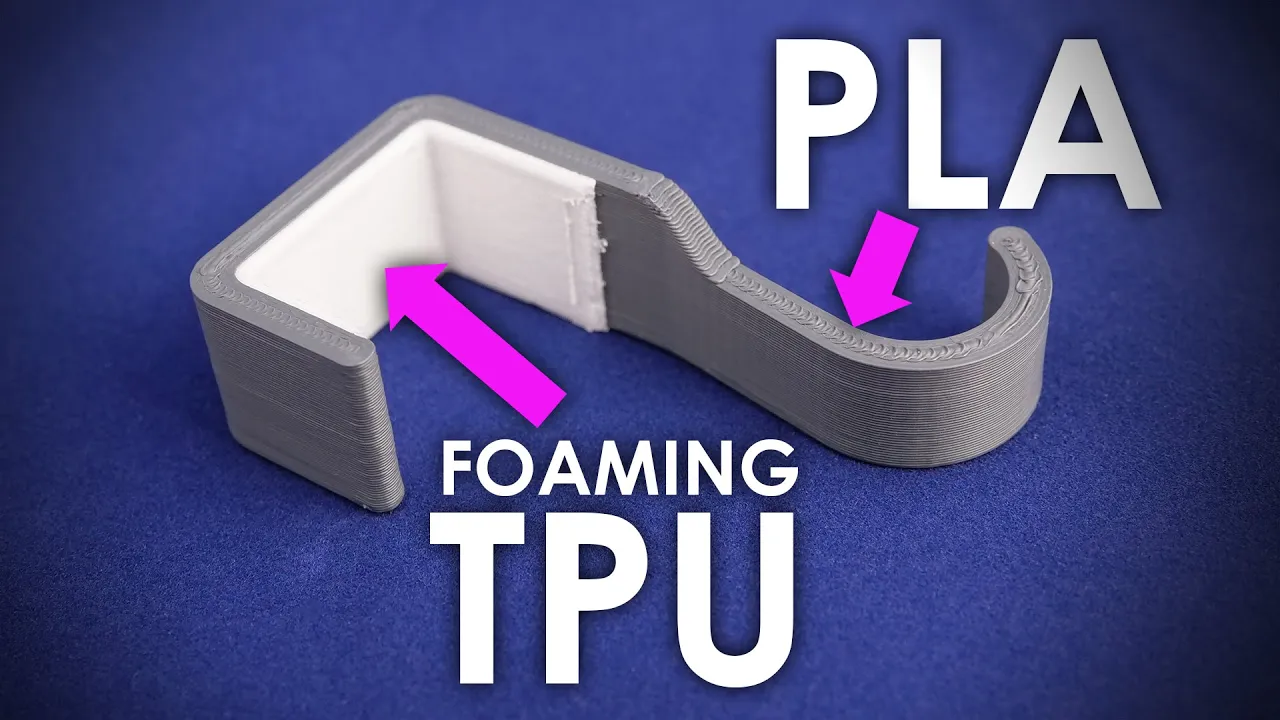
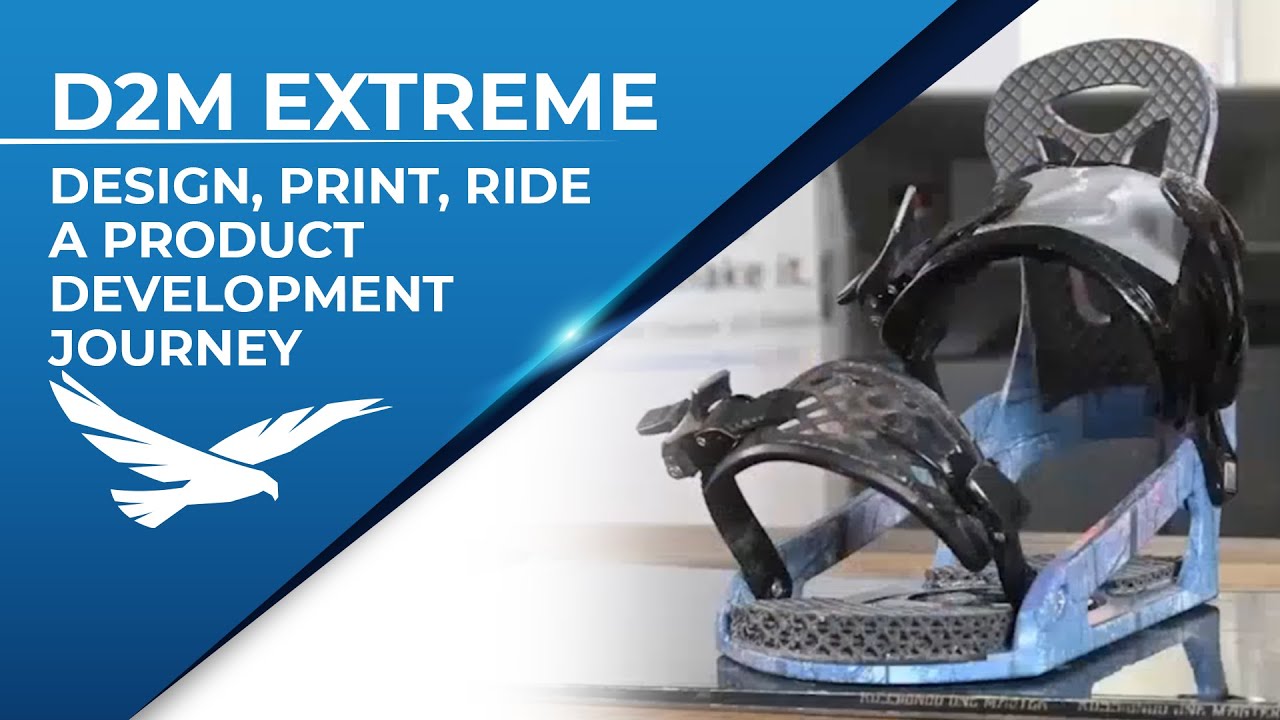
Techniques for multi-material 3D printing, specifically bonding rigid and flexible polymers (like PLA and TPU) within a single print.
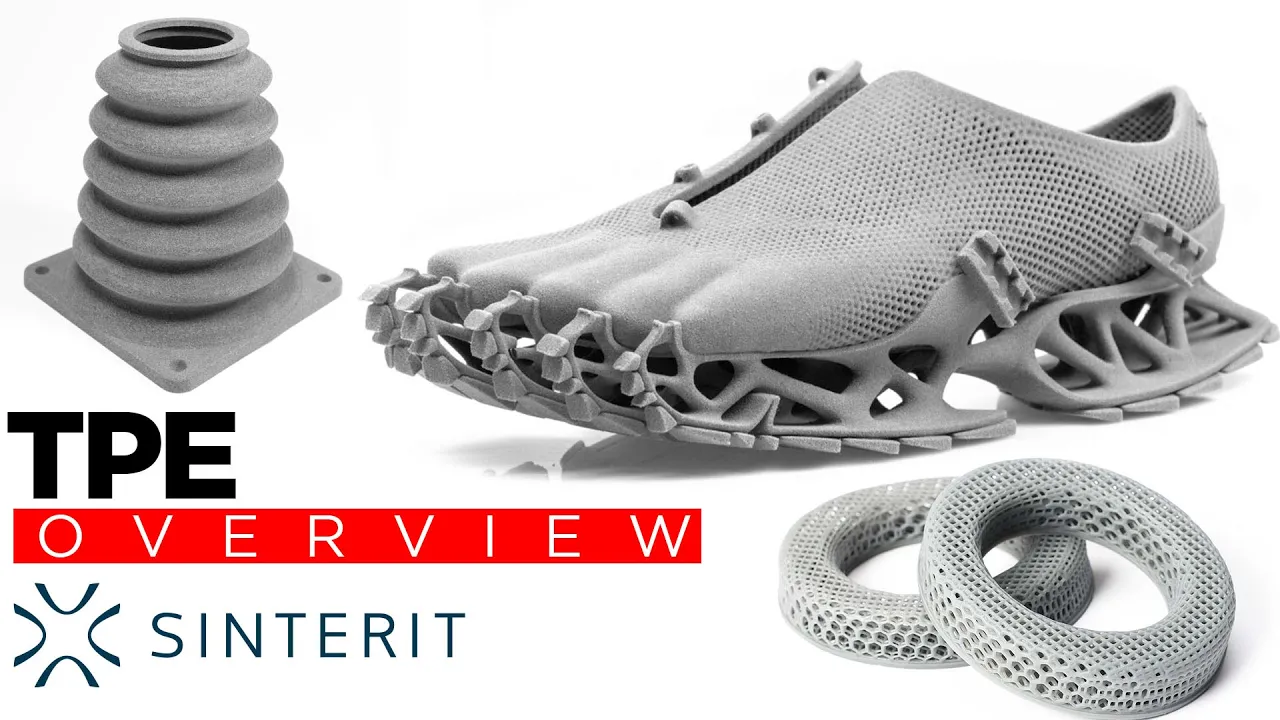
In-depth study of alternative thermoplastic elastomers (TPEs) and chemical-resistant flexible filaments for industrial applications.
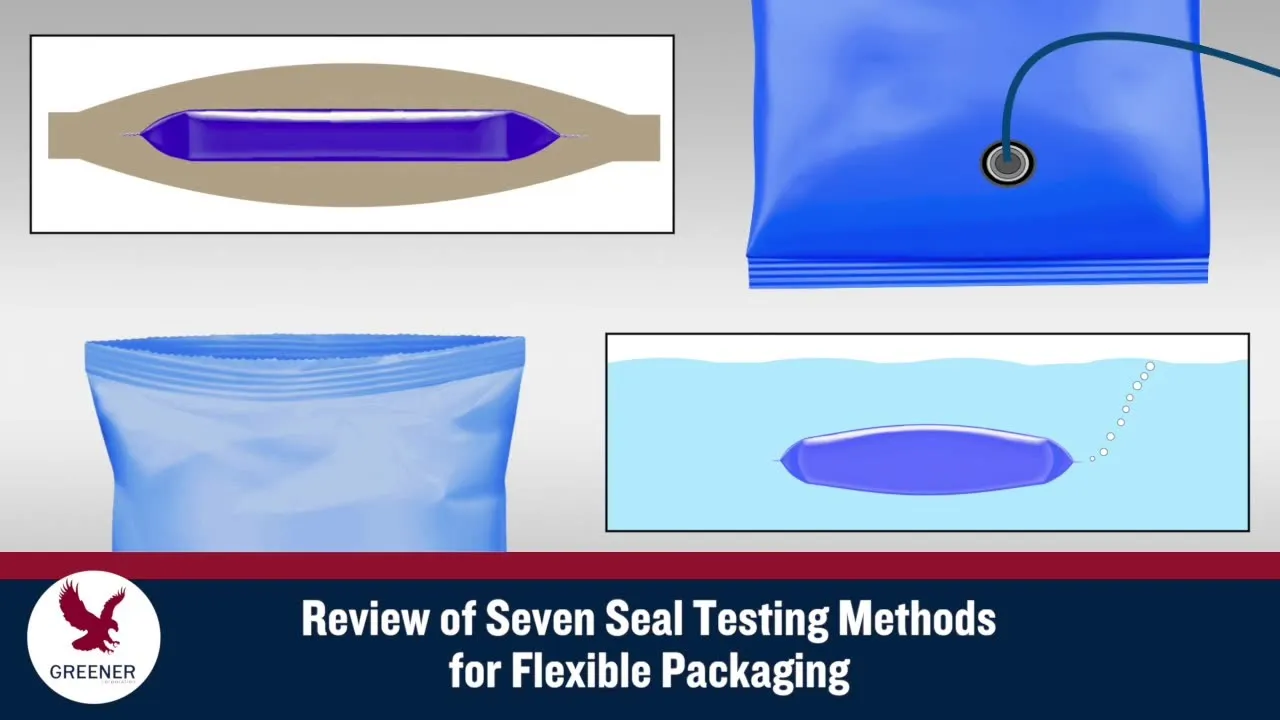
Post-processing, vapor smoothing, and structural testing methods for flexible components to ensure airtight or watertight seals.
94.3K views2.4Klikes16:11Original Release: 2022-08-07
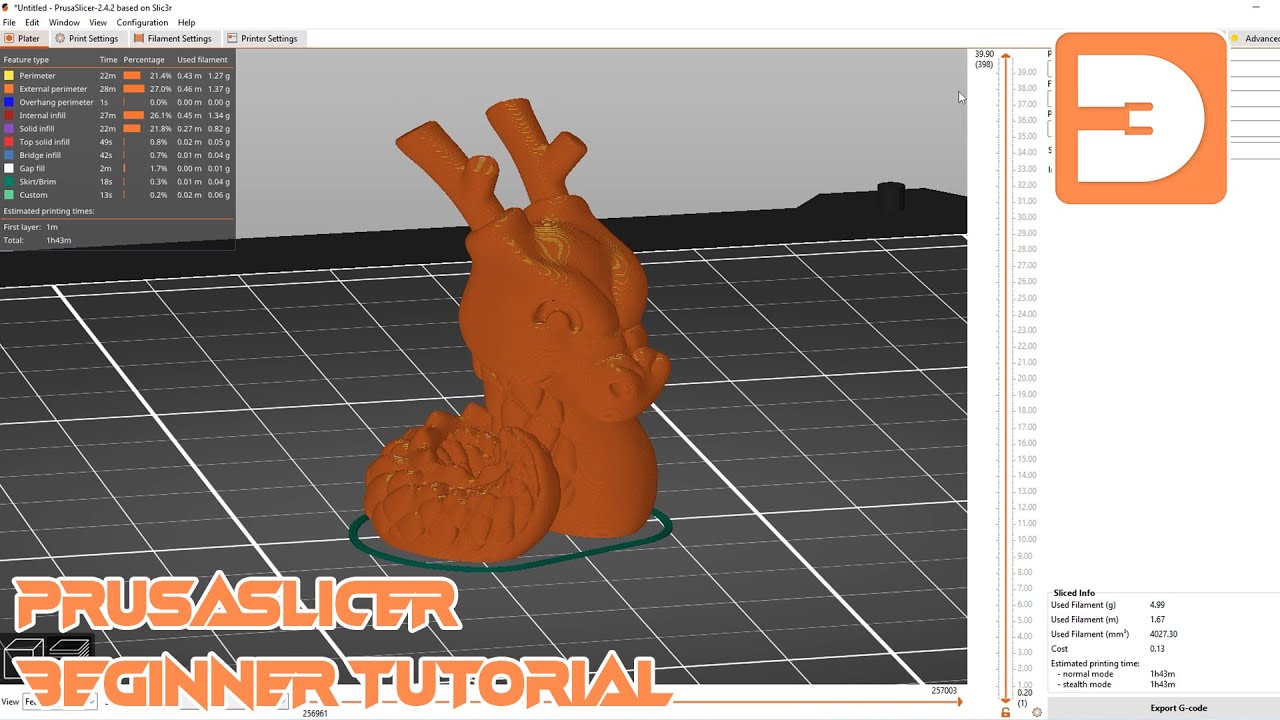
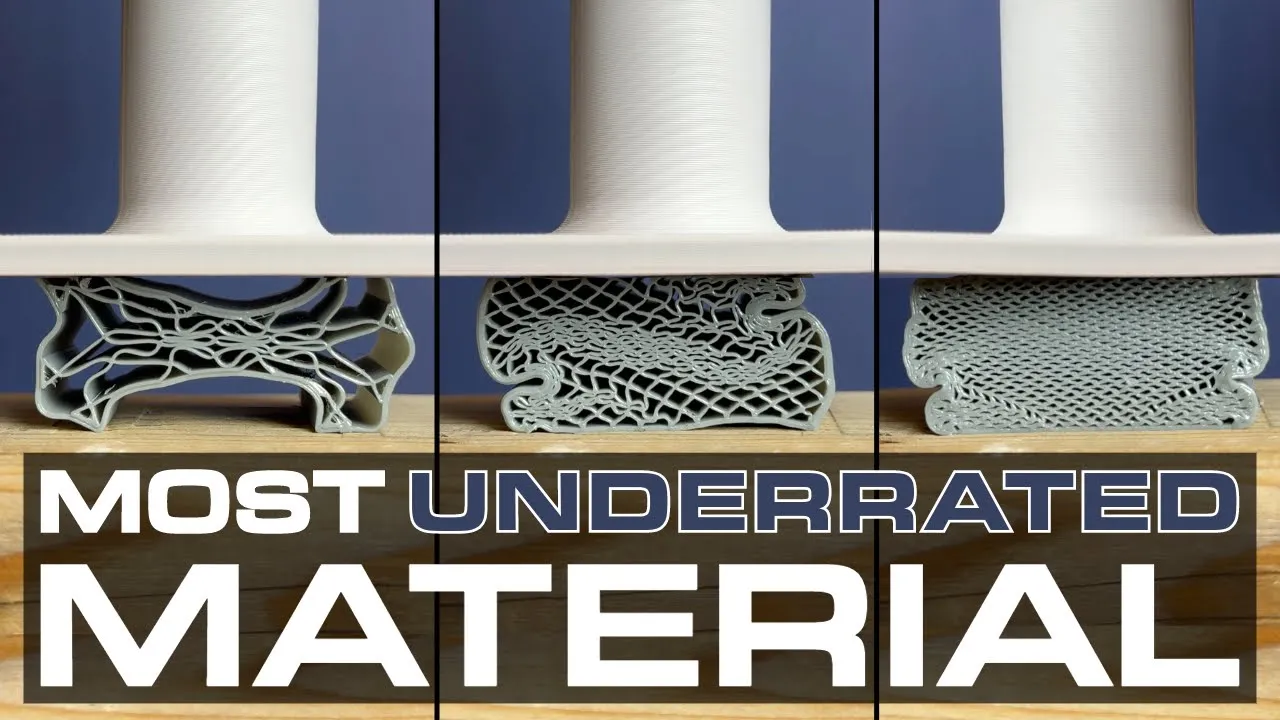
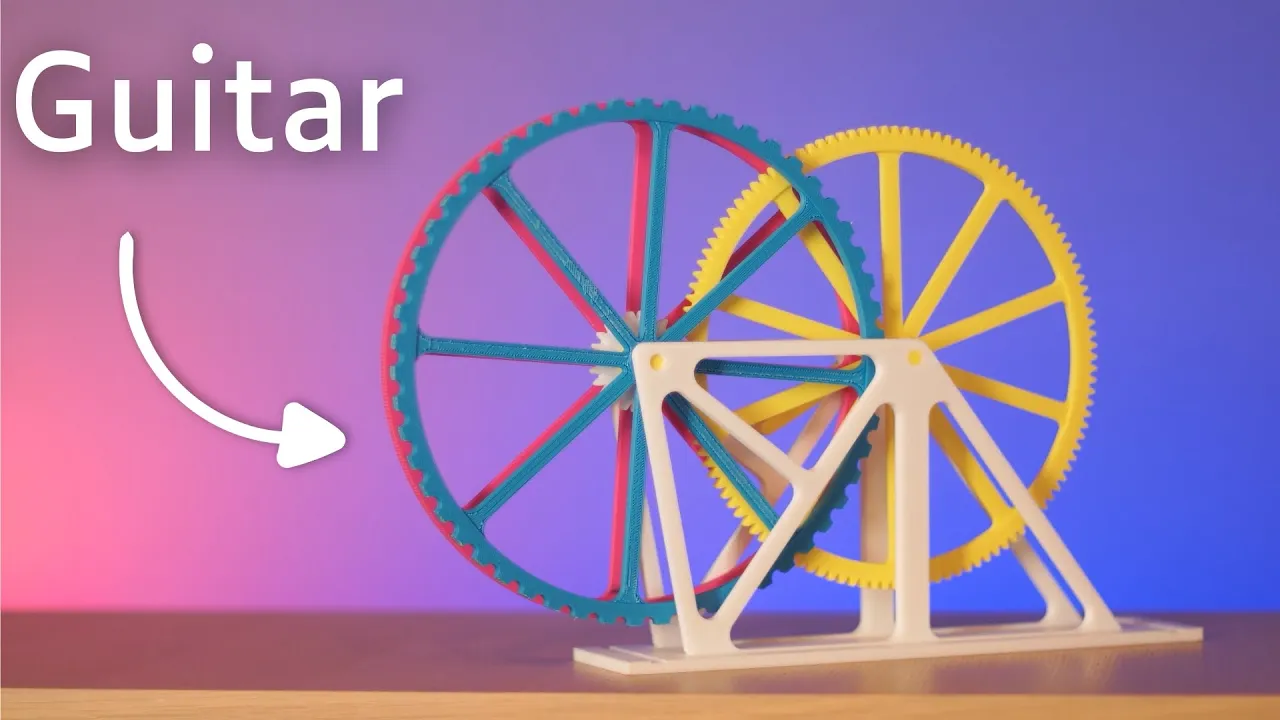
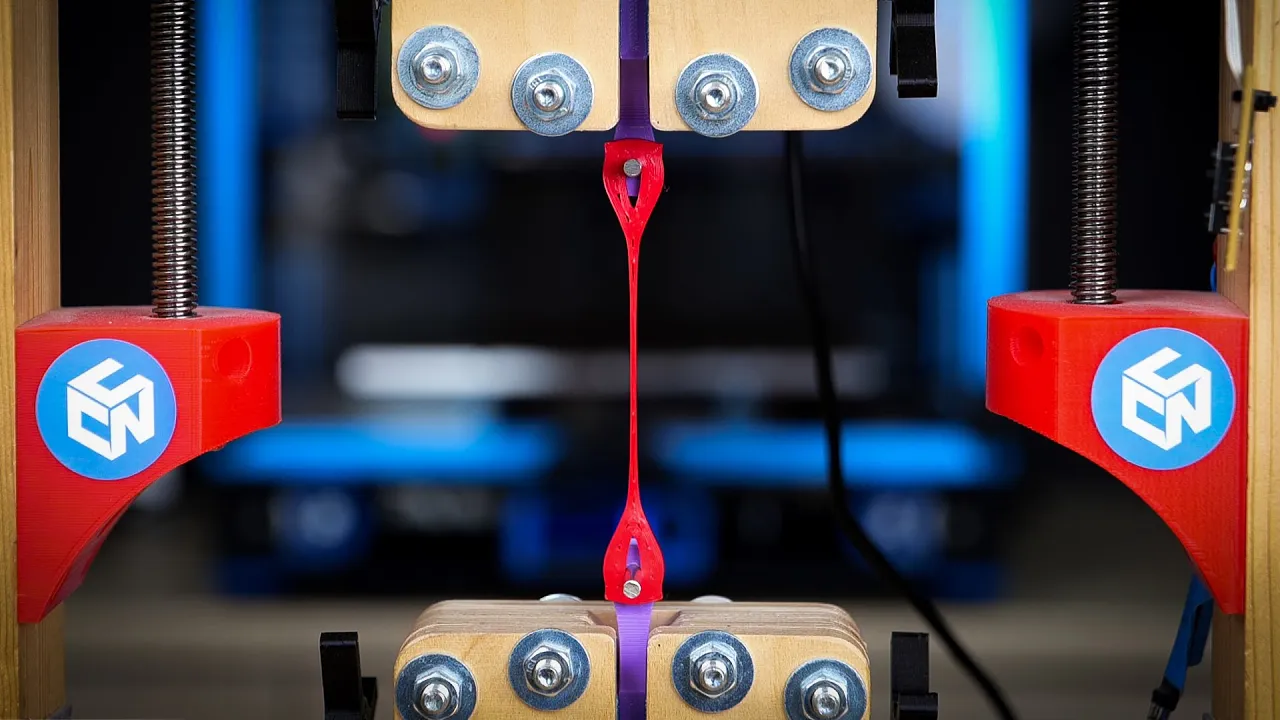
eight months ago i printed with a flexible filament for the first time and i printed a phone case this thing has been on my phone for eight months in my pocket everyday use and incredibly it's still together can your filaments do this [Music] so i've been into 3d printing off and on for the past 10 years but it wasn't until recently that i discovered flexible filaments now i printed my first phone case eight months ago and it served me really well but i never really played with it much since then when it came time to print a new phone case i found out there was a lot of options so i printed a lot of phone cases and a lot of other things i think my favorite one so far is this vase i printed in the most common flexible filament called tpu it was printed in vase mode which means it's only a single half millimeter thick layer but it's basically indestructible my kids have been hitting each other with it and i've been abusing it to let out stress while learning animation and video editing i have become obsessed with flexible filaments because they open up a whole new class of capability that just isn't possible with a standard trifecta of pla abs and petg you can make all kinds of functional things like living hinges springs and dampeners pressure fit connections super silent gears use your imagination you can even make bottle sleeves that stick to your build plate so well it tears off the pei coating but best of all the most common flexible filament tpu can be printed on just about any printer so it's both super cool and super accessible in other videos you see people printing benchies and doing rigorous stress tests to try to give you a bunch of fancy numbers but you know how these materials feel can you predict how they're going to work or fail for a given application i want to try to give you an intuitive feel for how they behave so you can predict better how they might fit into your next crackpot project idea most flexible filaments fall into the category of tpes which is thermoplastic elastomers and within this category is the most common filament you'll print with which is tpu which is thermoplastic polyurethane you'll find dozens of brands of tpu across the internet and quite a few variants you'll usually see a number and letter associated with them like 95a 85a 45d what do those numbers mean let's take a look these are called shore hardness numbers measured using a tool called a durometer this isn't exactly how a durometer works but it's close enough for demo purposes an indenter with a known tip diameter is applied to the surface of a material with a known force and the amount that it indents the material is measured with a micrometer so what's the a and the d well a durometer that measures the hardness of a hard hat probably won't give very meaningful readings for a tire so there's a couple different durometer types which vary by tip diameter and pushing force with short a for softer plastics and short d for harder ones if you're going really soft they're shor zero zero and zero zero zero and if you're measuring really hard objects you might end up on the rockwell hardness scale the most common tpu is 95 to 98a and throughout this video anytime you see parts printed in that cool teal color that's the same smart 95a tpu which is the most rigid one i'll be showing you i also bought some polymaker 90a tpu which is great and some ninjaflex 85atpu which is clear before we go hands-on let's take a look at the three most common filaments pla petg and abs and show how tpu roughly fits into that mix so the first metrics we usually look at are tensile strength and impact resistance most people are surprised to find out that pla is actually one of the strongest consumer 3d filaments on paper but that strength is compromised by its minimal impact resistance which means it's super brittle it can break from even shortfalls onto hard surfaces abs and asa are closely related in most mechanical properties so i'm going to put them together here they aren't as strong as pla but they're not weak and their high impact resistance makes their performance much more predictable petg is right in the middle which makes it a pretty balanced filament which also happens to be pretty easy to print you can see this rough trend that we're usually trading strength for impact resistance and tpu definitely follows that trend it even beats the curve a bit in the strength metric by the way i didn't put scales on these charts because there's a lot of factors that influence the specific measured values that you'll find in the literature the main takeaway here should be how these materials relate to each other which is pretty consistent but we can show the scale for material elongation and the standard filaments are all pretty inelastic with pla being the worst of course as you'd expect tpu can stretch quite a bit and we had to add that squiggly diagramming thingy to keep it from falling off the right side of this chart most tpus can stretch four times eight times their original length before breaking fatigue resistance and wear resistance are two important metrics when it comes to long-term service of your prints fatigue is measured by applying ten thousand cycles of a light loading that individually don't damage the part but over time might cause it to break down and where is degradation from surface friction and abrasion of moving parts they're technically different metrics but most of these filaments track in the same direction in both and this is another one where the flexible filaments nearly fall off the charts you saw how much abuse this tpu vase could take and it's only half a millimeter thick in fact i saw a brilliant post by the 3d printer manufacturer ultimaker promoting a feature in their slicing software cura called outer wall extruder if you had a dual extruder printer you could have the entire part printed in a rigid material but have just the outermost wall printed in tpu to add wear and abrasion resistance the whole thing even better if you print it in a different color you can see from a distance whether the outer surfaces have worn away and need to be replaced stiffness is important for applications that require good dimensional stability and tight tolerances as you'd expect from its other properties pla is very high on the stiffness chart abs and petg are behind pla on this one too but they're both still rigid plastics and plenty stiff for many use cases of course tpu is going to be at the bottom of this chart that's kind of the point right but i can't stress enough how you should experiment with printing tpu at 100 infill because it can be surprisingly rigid when printed solid and thick and this makes it an interesting candidate for mechanical components like gears if they can handle the load the soft connection between gear teeth makes them really quiet and if it works for your application they should last forever given its epic impact and wear resistance printability is difficult to quantify but pla is the undisputed king no matter what factors you look at and that's why it's the main filament for people new to 3d printing it prints at low temps on just about any surface with minimal warp and it tolerates moisture well abs and asa are kind of the undisputed villains here requiring a print surface that can boil water and an enclosure to keep the print volume warm i love petg because it's so easy to print while still maintaining much better mechanical properties than pla you need a pretty hot bed but no enclosure and here we see why i think tpu is so amazing it has all these crazy performance characteristics and it's really not that hard to print it also doesn't need an enclosure but it can be tough to print on a printer with a bowden extruder which is the standard for the ender 3 line but it's doable if you keep your speeds low and keep the filament dry all right enough of this educational stuff let's go break some [Music] well it just fell over [Music] [Music] [Music] um [Music] [Music] here's a two millimeter piece i'm actually surprised there we go [Music] [Music] [Music] [Music] [Music] [Music] this is the 85a tpu but pretty much all of the tpu is the same which is basically you can just crumble it into a little ball do whatever you want with it has excellent elastic recovery it just pops right back to the way it was before not even sure if you can crease it let's try it nope you hardly you can hardly even tell that i just did that so this is the 85a tpu and you can see it's actually got some a little bit of elasticity to it you can actually stretch it and it comes right back i'm bracing myself so that when it breaks or comes out of the device that it's not i'm not going to fly into the wall it's stretched ever so slightly this is the original length probably like four millimeters this was a failed test piece obviously there were some extrusion issues and i stopped the print but i got this much off of it it's probably only about one millimeter thick instead of two this probably isn't a great test because there's so many holes in it it has a lot of ways to fail but we can do it just for the lulls this is a one millimeter thick piece of tpu full of holes and it is strong as hell yeah i just shook the whole table and you'll notice one of the things different about this is it's not stretching it's it's resisting but it's not really elongating i must have put what a hundred pounds of pulling pressure on it and i maybe i stretched that hole a bit but damn this is some tough stuff here's a few random prints i did when i first got the 90 atpu i had a lot of fun experimenting with it because it's super rubbery and satisfying to deform you'll notice the insane stringing and blobbing which i actually had with all the tpus when i first printed them it's primarily because i was printing too fast and the filament needed to be dried even right out of the packaging actually this project is what inspired me to finally build the dry box that i've been thinking about for a while i'll discuss that topic more in the next video remember this all right i want to print some phone cases and i want to show you a cool trick you can do with your slicer to really spice up these 3d printed tpu cases so the first thing i'm going to do is go to thingiverse or printables to check out the to find a phone case now you'll notice in the pictures it doesn't have a solid backing if you go back to this picture over here they're showing it with not solid but the model that you download is solid so how do they do that and as you'll see here it is solid and if i just leave all my slicer settings the way they are i can go to slice and i can preview this preview it and i can use this little slider over here to look at the individual layers if you've never done this before you totally should because it's really useful for looking at how your part might print especially if you're looking at things like overhangs and kind of weird structures especially if you want to see the support structures you can go through here and just use the little slider on the right to look at each individual layer and it shows you exactly what the machine code that is going to be sent to the printer does now what you see is i have some cool infill patterns here but there's a floor which is three three layers and a top that's three layers the trick is you can just set zero for those so i set top layers to zero and bottom layers to zero and if i re-slice it what you see is that it does only infill which is exactly what we want so then you can print your phone case with any of the infill patterns that you have kira has a bunch you can see this list here lines triangles tri hexagon octet quarter cubic prusa slicer has i think even more you can do this in simplify 3d as well but they only have a couple for the purposes of phone case i gyroid's neat but i prefer something like tri hexagon so you can just switch to your the infill you want and click slice again and it will show you what it'll look like and then you can change how dense the pattern is by changing the infill density so we could change this to 12 instead gyroid at 12 percent and we're going to see that those lines are a lot more sparse if we go back to tri-hexagon you see that that's probably almost too sparse and that's one of the things i like about gyroid is because you can use actually very sparse infills and it still kind of fills the space really well and is pretty strong this one is neat but i don't think it's going to work for a phone case because you'll see that there's a lot of kind of not connected parts here i think that this will kind of just flop around on your phone i'll show later how i printed a cool like necklace using this but for a phone case i don't think it's going to work and don't forget i mean there's also just straight old grids those are neat and they work [Music] my i don't know if there's ultimately anything useful about this but there's something deeply satisfying about it still on the build plate and can i even get it back to the way it was there we go yeah so did i just invent a new kind of wearable for mardi gras i hope you got a good feel for the tpu filaments i showed in this video in one of my next videos i'm going to cover some of the more exotic flexible filaments as well as some more creative slicer hacks many of which might only be useful for flexible filaments don't forget to hit that like and subscribe button and thanks for watching
Up Next

5:57
Introduction to Point-of-Care Ultrasound | Stanford Medicine 25
@StanfordMedicine25
104.9K views•2011-12-14

12:54
Triumph of Orthodoxy Icon: Byzantine Art & History Explained
@BenCallan
2.1K views•2024-08-06

9:49
FastAPI vs Flask vs Django: Choosing the Right Python Web Framework
@TechWithTim
302.5K views•2024-05-26

1:42
Game of Thrones Opening Credits: A Cinematic Analysis
@gameofthrones
46.3M views•2011-04-18
Related Study Plans & Knowledge Roadmaps
Structured learning paths in General & Interdisciplinary Studies
general-studies
Elevator Engineering: History, Physics & Cities
01From Hoists to Safety Brakes: The Dawn of Vertical Lift
02Hydraulic vs. Traction: The Engineering Physics of Elevators
03Modern Speed, Safety, and Algorithms
+ 2 more learning modules
12h5 modules
Explore Roadmap
general-studies
Rubber: Material Science, History & Geopolitics
01Origins of Natural Rubber & Mesoamerican History
02The Chemistry of Natural Rubber & Vulcanization
03The Geopolitics of the Rubber Boom & Colonization
+ 2 more learning modules
12h5 modules
Explore Roadmap
general-studies
Containerization: Evolution, Logistics & Trade
01Ancient Trade & Bulk Cargo: Amphorae to Barrels
02The Industrial Revolution & Cardboard Packaging
03The Containerization Revolution: Malcom McLean
+ 2 more learning modules
12h5 modules
Explore Roadmap
general-studies
Textile Tech: Evolution, Labor & Global Impact
01Pre-Industrial Textiles: Handloom & Cottage Industry
02Mechanization: The Spinning Jenny to the Power Loom
03The Factory System & Global Labor Transformation
+ 2 more learning modules
10h5 modules
Explore Roadmap