



![[Vật Lý 12 - SGK Mới] Sự Chuyển Thể Của Các Chất - Bài giảng SGK Mới (Bài 2) | Thầy VNA](https://i.ytimg.com/vi/RbW-eN5UI6k/maxresdefault.jpg)

![Materia II 🧪 Química [CICLO FREE]](https://i.ytimg.com/vi/fIRBHM-Yz80/maxresdefault.jpg)


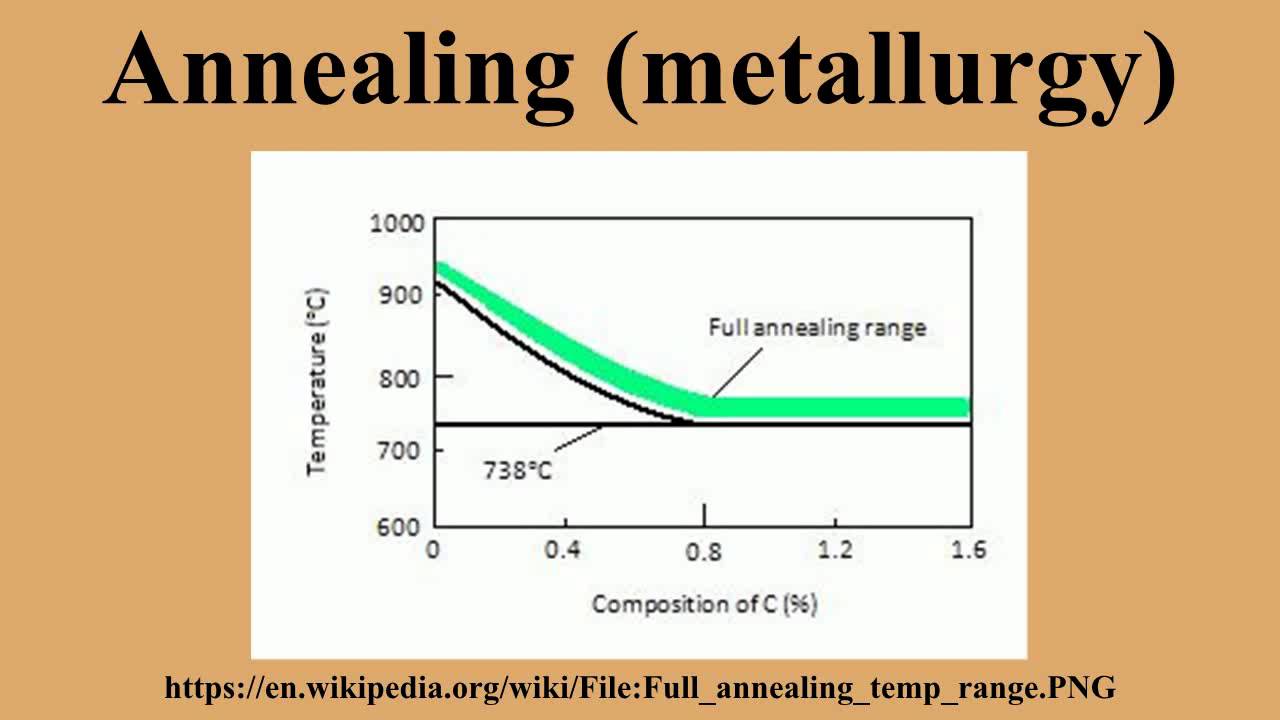


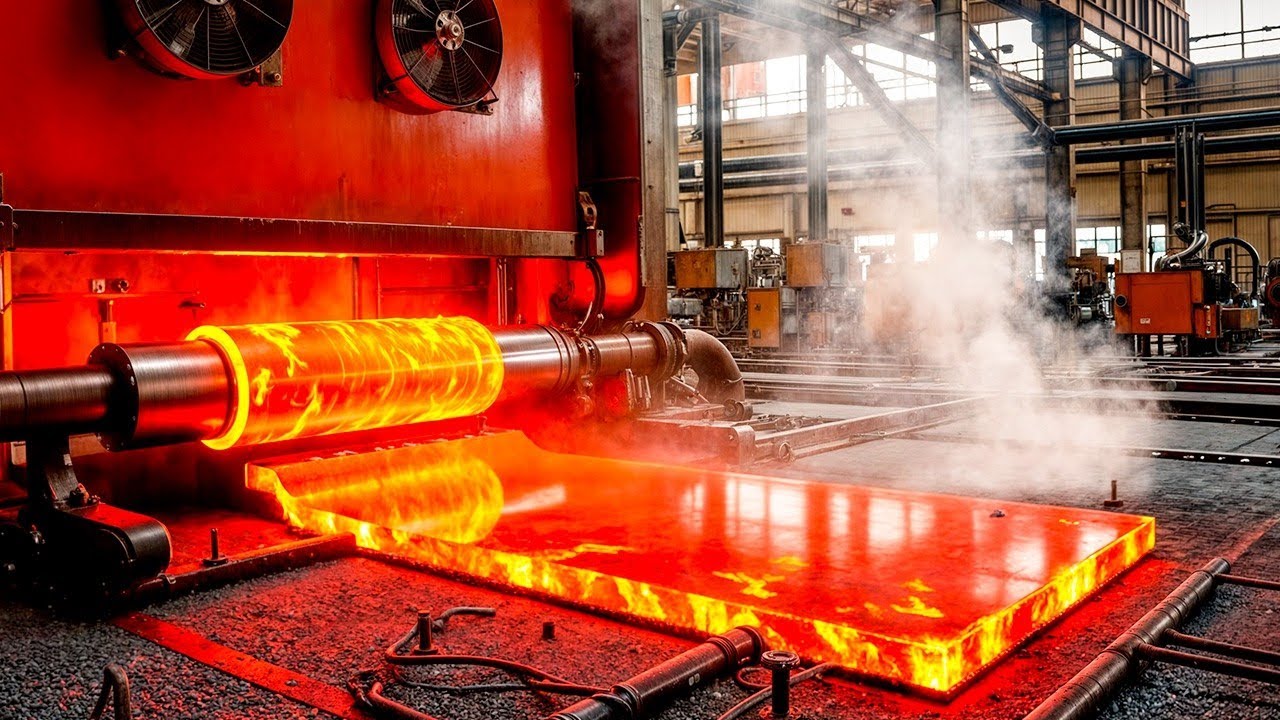











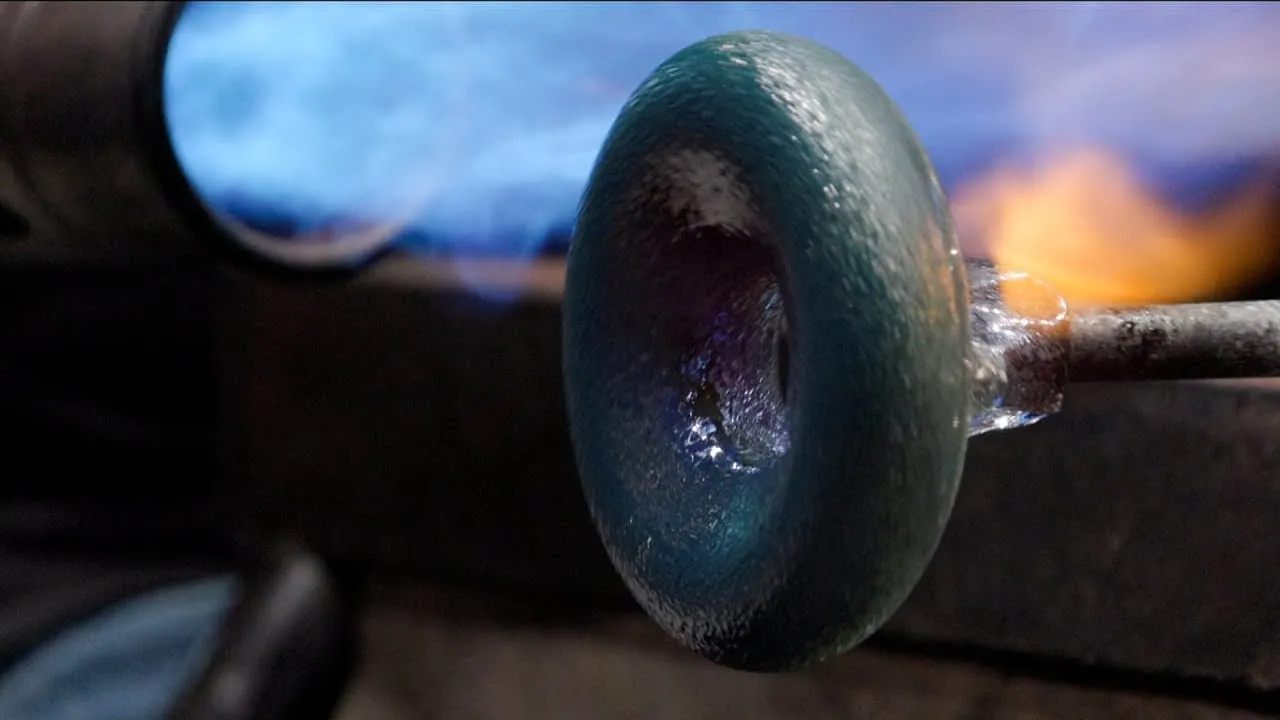
The Pilkington Float Glass Process, invented by Sir Alastair Pilkington in the 1960s, revolutionized flat glass manufacturing by replacing labor-intensive sheet and plate methods with a continuous process where molten glass floats on molten tin, achieving perfect flatness; the process uses raw materials including sand (60%), lime, dolomite, soda, and sulfate, with recycled cullet reducing energy consumption by up to 20%, and produces clear, tinted, and coated glass for automotive, architectural, solar, and electronic applications through controlled melting, floating, annealing, and coating processes.
Float Glass Manufacturing Process Explained | Pilkington
Added:Understanding the chemical composition of soda-lime glass, including the roles of silica sand, soda ash, and limestone.
The concept of amorphous solids and how the glass transition phase differs from crystalline solidification.
Physical principles of buoyancy and surface tension, specifically how immiscible liquids of different densities interact (e.g., molten glass floating on molten tin).
Basic thermodynamics, including heat transfer, melting points, and the concept of controlled cooling (annealing) to relieve internal mechanical stresses.
Advanced glass post-processing techniques, such as thermal tempering (toughening), chemical strengthening, and lamination for safety.
The application of thin-film technologies, such as Low-Emissivity (Low-E) coatings, anti-reflective coatings, and self-cleaning glass.
Structural engineering with glass, including double/triple glazing units, acoustic insulation, and modern architectural glazing systems.
Environmental and sustainability aspects of glass manufacturing, including furnace energy efficiency, carbon footprint reduction, and the recycling cycle of cullet (scrap glass).
345.3K views1.9Klikes6:57Original Release: 2013-10-18
today a modern float glass line produces an average of several hundred tons of glass each day it runs 24 hours a day 365 days a year for over 15 years there are about 450 float glass lines around the world together they produce more than a million tons of float glass worldwide every year until the 1960s flat glass was produced using the sheet and plate glass manufacturing process this method was highly labor intensive invented by sir aleister cookington the float glass manufacturing process quickly became the universal method for producing high quality flat glass [Music] today float glass manufacturing supplies glass to a variety of different markets including automotive architectural solar panel and many other technical applications glass making uses some of the earth's most abundant raw materials the primary ingredient is sand accounting for 60 of what is called the batch lime and dolomite are added to assist the weathering properties of the finished glass while soda and sulfate lower the temperature at which sand will melt but glass itself is also an important ingredient [Music] broken glass called cullet is recovered from the manufacturing process and then crushed before being added to the batch this further accelerates the melting process and reduces the amount of energy required for melting by up to a fifth all raw materials are rigorously checked to ensure the purity of the batch [Music] it is then fed automatically into the filling end of a furnace natural gas burned in preheated combustion air then heats the batch up to 2800 degrees fahrenheit once heated the batch materials melt and change from a semi-molten state to molten glass melting refining and homogenizing take place within separate zones of the furnace processes within the furnaces are managed from the control room to ensure that the glass is homogenous and free of bubbles inside the furnace heat is applied from alternate sides in 15 minute cycles this assists fuel efficiency by ensuring that combustion takes place in the presence of preheated air this continuous melting process can last as long as 50 hours the glass leaves the conditioning end of the melting zone at a temperature of 2000 degrees fahrenheit through a narrow canal where it passes to the heart of the process the tin bath molten glass enters the tin bath and floats on top of the more dense molten tin like oil floating on water here the glass spreads out following the perfect flatness of the tin so that the upper and lower surfaces of the glass remain absolutely flat and parallel with perfect spectral properties the glass is made thicker by confining its initial outward spread over the tin to make thinner glass the top rollers controlling the width of the glass are sped up to produce a gentle stretching action a controlled atmosphere of hydrogen and nitrogen within the bath prevents the tin from oxidizing when it emerges from the tin bath the glass is sufficiently hard so as not to be marked by the conveyor rollers the float glass manufacturing process can produce clear tinted and coated glass products online pyrolytic hard coatings are produced by depositing microscopically thin layers of metallic oxides using the chemical vapor deposition process this process produces extremely durable products that can be easily handled cut tempered bent and fabricated pyrolytic coated glass include low e coatings for solar and thermal control self-cleaning anti-reflective and many other special applications the glass now enters the annealing lear where any stresses are removed by a controlled cooling process in a length of over 800 feet equivalent to three football fields the glass is taken from 1100 degrees fahrenheit down to room temperature at this stage the glass is perfect now the glass is scored so it can be snapped to predetermined sizes indentations left by the top rollers are removed on conveyors and sent to be reintroduced as collet at the beginning of the melting process [Music] after passing through the automatic handling stages customers orders which might involve a range of thicknesses and sizes as well as special coatings are packaged for delivery as a leading global glass manufacturer the nsg group provides one of the broadest ranges of glass products available in the global market pilkington architectural products help control energy protect against fire insulate against noise provide safety and security afford decoration and privacy incorporate self-cleaning properties and are used in a myriad of other applications glazings also bring safety and style to cars with increasing sophistication and new systems built into the glass float glass is also extending its usefulness beyond traditional automotive and architectural applications to new and emerging technologies in electronics from touch screens and refrigeration doors to digital and hd television displays continuous innovation ensures the development of glass products that provide solutions to the market the nsg group is committed to being at the forefront of these developments glass is an integral and important element of most solar technologies solar panels can be used to harness the sun's energy and supply buildings with electricity and heat nsg group offers a wide range of high-tech glass products that can be used in all leading solar technologies glass is an important part of the world we live in it is an integral part of many functions in our daily lives next time you close your glass shower door use your smartphone look out your window or open the sunroof of your car think of all the possibilities float class offers you
Up Next

16:22
Common Laboratory Glassware and Equipment: A Comprehensive Overview
@ProfessorDaveExplains
199.9K views•2022-09-05

12:54
Triumph of Orthodoxy Icon: Byzantine Art & History Explained
@BenCallan
2.1K views•2024-08-06

9:49
FastAPI vs Flask vs Django: Choosing the Right Python Web Framework
@TechWithTim
302.5K views•2024-05-26

1:42
Game of Thrones Opening Credits: A Cinematic Analysis
@gameofthrones
46.3M views•2011-04-18
Related Study Plans & Knowledge Roadmaps
Structured learning paths in General & Interdisciplinary Studies
general-studies
Elevator Engineering: History, Physics & Cities
01From Hoists to Safety Brakes: The Dawn of Vertical Lift
02Hydraulic vs. Traction: The Engineering Physics of Elevators
03Modern Speed, Safety, and Algorithms
+ 2 more learning modules
12h5 modules
Explore Roadmap
general-studies
Rubber: Material Science, History & Geopolitics
01Origins of Natural Rubber & Mesoamerican History
02The Chemistry of Natural Rubber & Vulcanization
03The Geopolitics of the Rubber Boom & Colonization
+ 2 more learning modules
12h5 modules
Explore Roadmap
general-studies
Containerization: Evolution, Logistics & Trade
01Ancient Trade & Bulk Cargo: Amphorae to Barrels
02The Industrial Revolution & Cardboard Packaging
03The Containerization Revolution: Malcom McLean
+ 2 more learning modules
12h5 modules
Explore Roadmap
general-studies
Textile Tech: Evolution, Labor & Global Impact
01Pre-Industrial Textiles: Handloom & Cottage Industry
02Mechanization: The Spinning Jenny to the Power Loom
03The Factory System & Global Labor Transformation
+ 2 more learning modules
10h5 modules
Explore Roadmap