![Postwar ECONOMIC Prosperity, Causes & Effects [APUSH Review]](https://i.ytimg.com/vi/KZA_004n2To/maxresdefault.jpg)












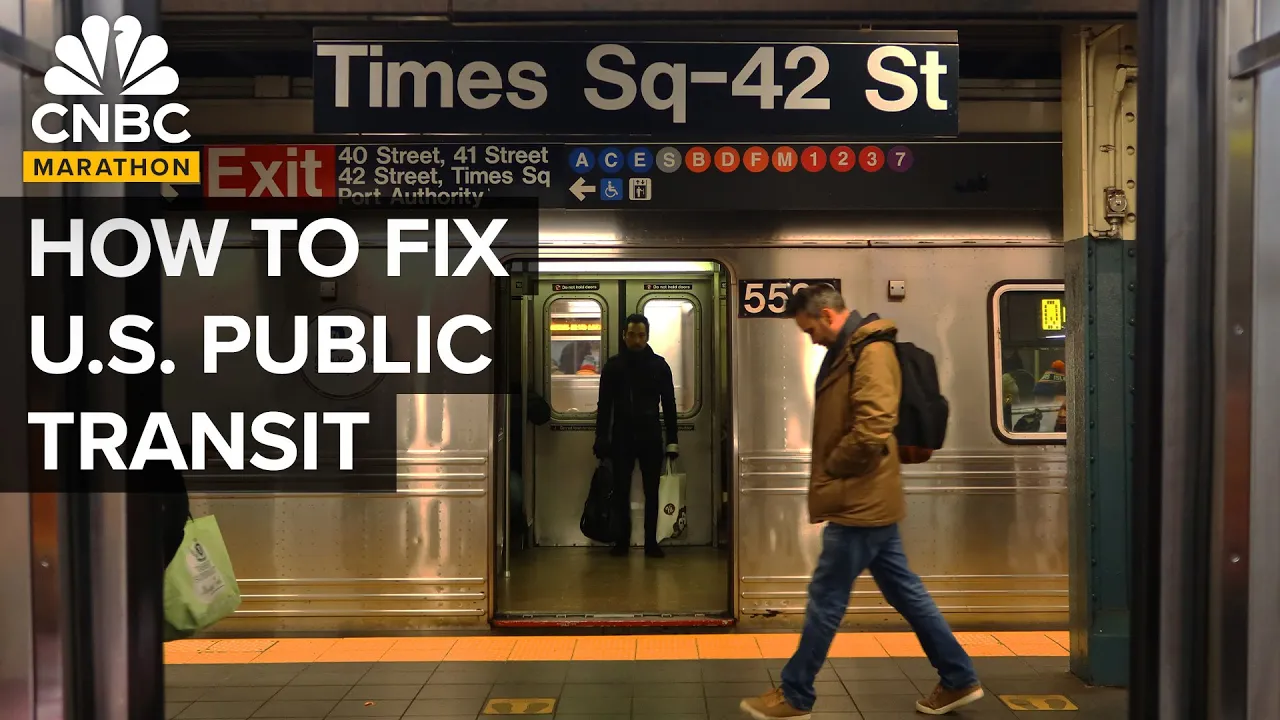


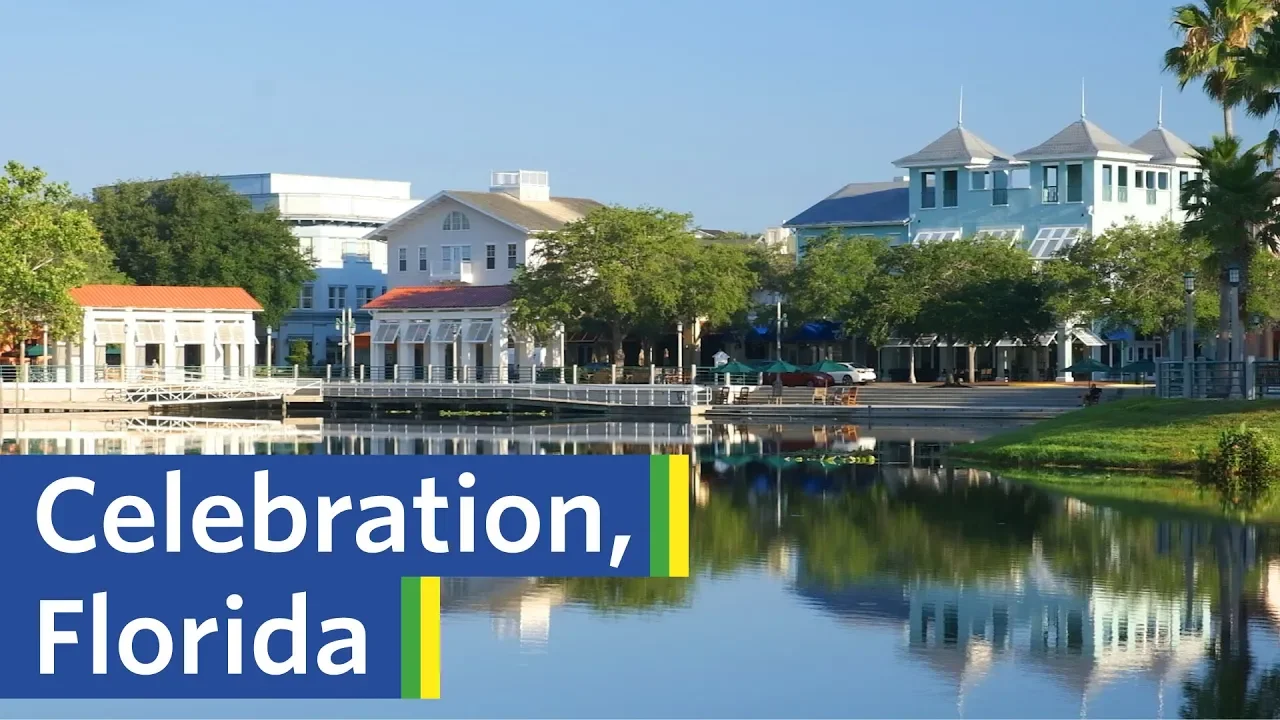


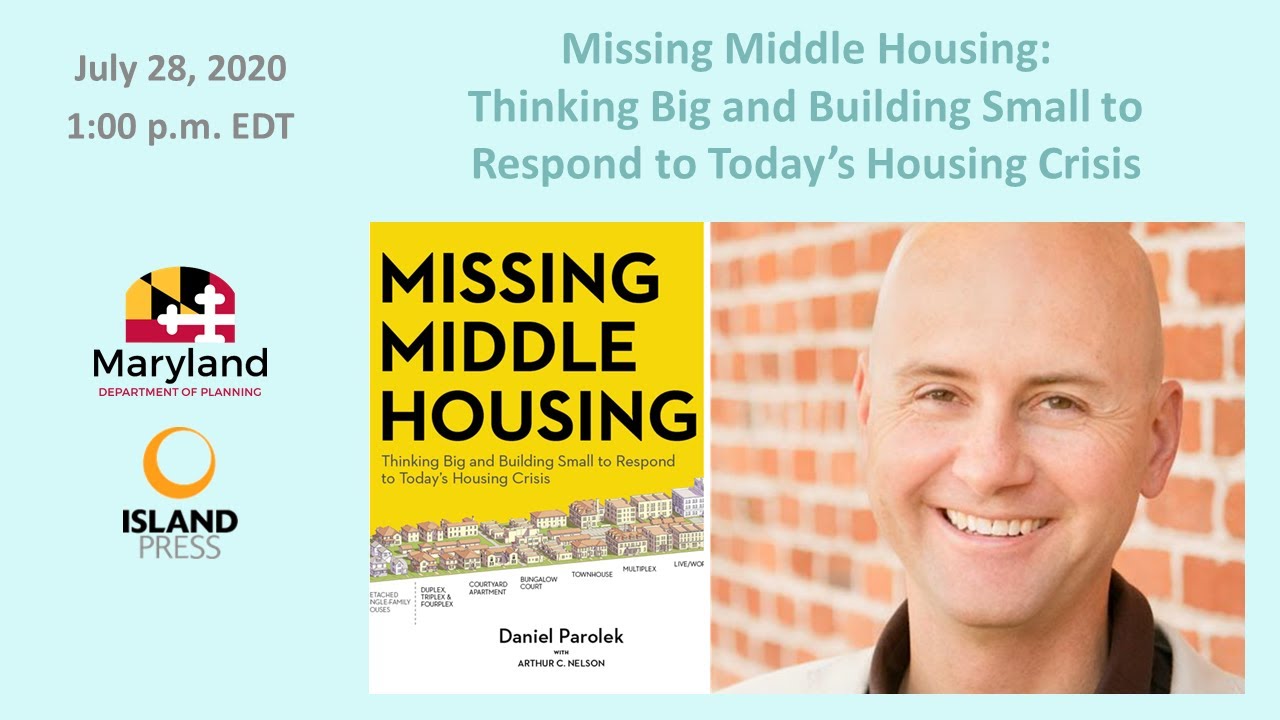



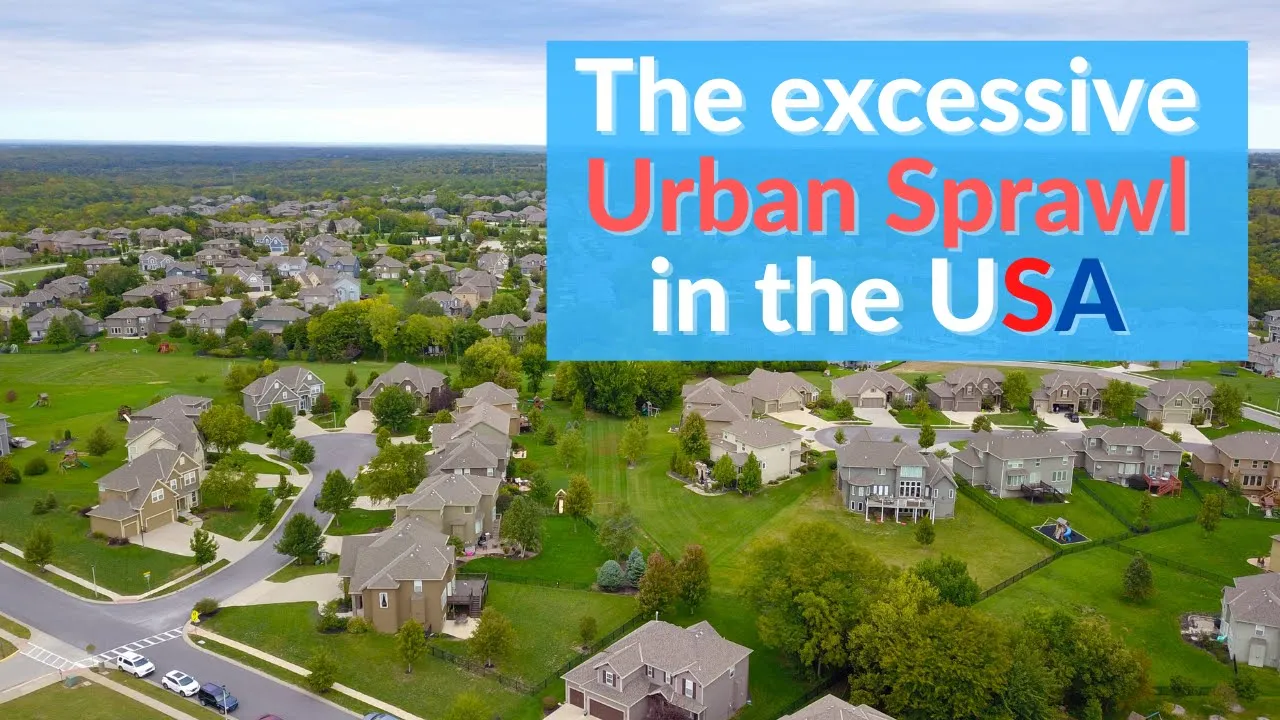





American suburban sprawl emerged from deliberate policy choices rooted in racism and corporate lobbying, transforming suburbs from exclusive retreats for the wealthy into car-dependent, walkable spaces that exclude marginalized communities. The GI Bill's discriminatory implementation through redlining and restrictive covenants excluded Black veterans from homeownership, forcing them to remain in cities while white families moved to suburbs. Combined with federal highway policies that prioritized automobiles over public transit and pedestrian infrastructure, this created a self-perpetuating cycle where suburban expansion required ever-expanding infrastructure funded by city taxes, leaving behind degraded urban neighborhoods. Beautiful cities require density, walkability, mixed-use development, and human-scale design—principles that American planning systematically rejected in favor of automotive convenience.
The Historical Roots of American Suburban Sprawl: A Critical Analysis
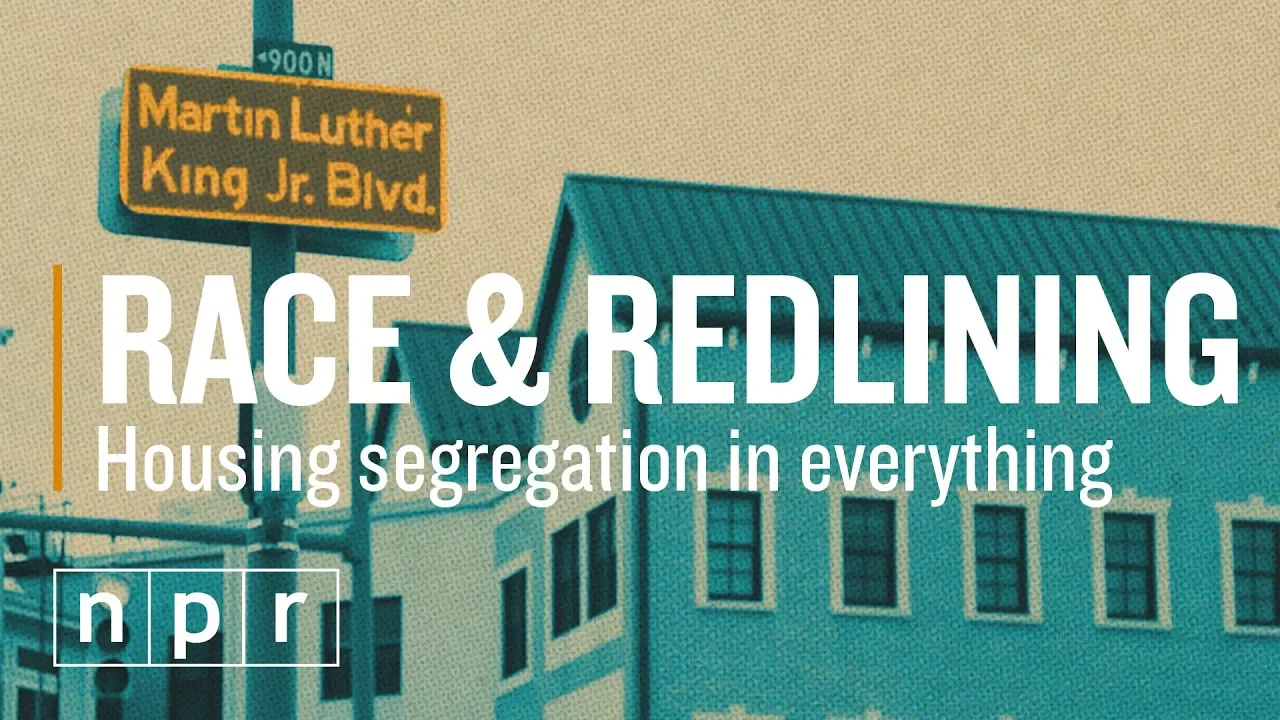
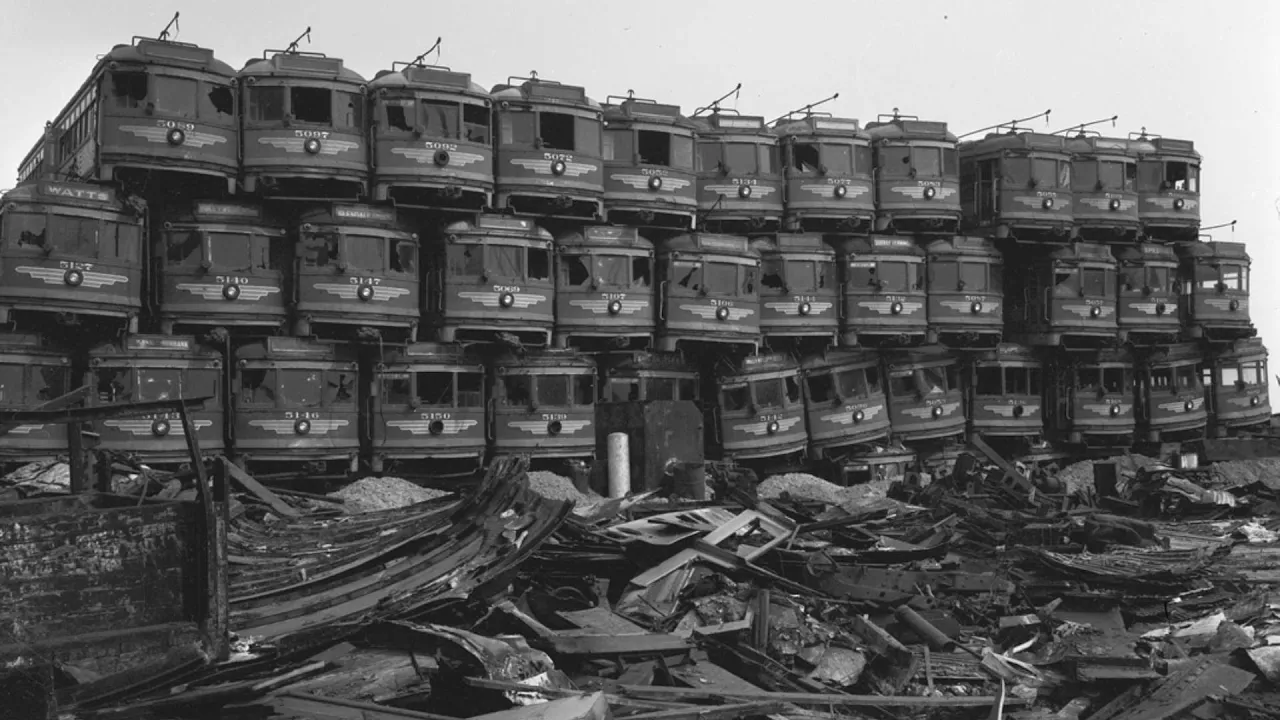
Added:the United States is [ __ ] ugly sure we have mountains and beautiful national parks and amber waves of grain Etc but the majority of Americans 52 of them live in places that look like this or this or this from Fresno to Newark and everywhere in between the collective American Experience is one of driving for miles and miles down concrete highways past strip malls shopping centers and acres and Acres of parking lots these photos could be anywhere in the United States is this Illinois is this Ohio is this Connecticut Upstate New York who's to say day after day year after year the majority of Americans spend their time driving in their cars down highways that look like this but it wasn't always like this and it didn't have to be this way once an idyllic escape from the bustle of the city reserved only for the richest Americans the suburbs became the symbol of upward mobility and the American dream and thanks to lobbying money good PR and you guessed it a hell of a lot of racism the American suburbs were slowly built into what you see today ugly spaces that make cars essential walking impossible and everyone miserable this is why America is so freaking ugly roll the intro [Music] foreign [Music] loves the suburbs though serial killers am I right I'm excited for today's sponsor hunter killer hunter killer is the adult board game company that creates immersive murder mystery games there's so many games to choose from Hunter Killer Games offer unique experiences depending on your preferences for level of difficulty you can do single box cases premium mystery experiences multi-part box sets and 6 or 12 month subscriptions the games are collaborative and can be played by one two three or even more people I chose the game Dead below deck where a murder happens on board a cruise and you have to sift through all the evidence and figure out the Killer's means motive and opportunity in order to figure out who did it you're given a box of evidence plus some digital evidence on the hunter killer app like witness interviews and text message screenshots and this one on a boat was especially fitting because I took it to a cabin weekend on a lake and me and my six other friends Spent A Rainy afternoon solving the case this is not a role-playing game you're all the detective and you have to piece together the evidence provided for you like Maps items letters and more to try to figure out the story and who did the killing it was honestly really flooded I'm not usually a board game person but this was like a spooky board game you know these games are perfect for you if you love True Crime and problem solving and you're looking for a new experience so head on over to Amazon Target or Walmart to get your own immersive murder mystery game today thanks again to hunter killer for sponsoring this video in the late 19th and early 20th century the concept of the suburbs emerged as a result of the industrial revolution's rapid urbanization at that time the suburb was perceived as an escape from the chaotic crowded and often unsanitary conditions of urban life they were primarily accessible to the wealthy City inhabitants who could afford to maintain two residences or travel regularly between their suburban homes and their places of business in the city the suburbs offered space fresh air and an idyllic pastoral landscape reminiscent of the English Countryside which was highly idealized in American culture at the time these settings were presented as a healthier and safer environment for raising families away from the vices and dangers of the city the original suburbanites who were the affluent City dwellers considered their suburban homes as a refuge from the hustle and bustle of the city a place for recreation and Leisure the suburban houses of this era were often large detached and set on spacious plots of land reflecting the wealth and social status of their owners they were not yet a part of mass-produced housing schemes each one was unique designed by an architect and often full of ornate fashionable details this was the image of the suburb as a prosperous Serene and exclusive place however this vision of the suburbs dramatically transformed in the United States following the end of World War II with the passage of the GI bill in 1944 which provided a range of benefits to returning veterans including low-cost mortgages this coupled with the economic boom and the growth of the middle class facilitated a massive wave of suburbanization marking the beginning of the era of the mass suburb while the GI Bill provided a range of benefits to returning World War II veterans including low-cost mortgages job training and college tuition the implementation of these benefits was not Equitable across racial lines though the legislation itself didn't explicitly differentiate benefits based on race in practice the distribution of its benefits was largely influenced by social and institutional racism the GI Bill worked in tandem with existing racially discriminating housing and lending practices such as redlining and restrictive covenants which effectively excluded black veterans from enjoying the same opportunities for homeownership as their white counterparts redlining was a discriminatory practice where lenders would designate neighborhoods with a high percentage of black people as high risk areas for mortgage lending these areas were often outlined in red on maps used by Banks and other lending institutions hence the term redlining this led to a systemic denial of Home Loans or Insurance to People based on the racial or ethnic composition of their neighborhoods moreover the federal housing Administration or FHA and the Veterans Administration regularly refused to ensure home loans for black people both veterans and non-veterans and were complicit in staining racially segregated neighborhoods even when black veterans could secure a loan they were often steered away from White Suburban neighborhoods and instead directed toward urban areas Suburban developers like those who built Levittown often included restrictive covenants in property Deeds explicitly barring people of color from buying homes in these areas for example the original contract for homes in Levittown included the Clause that the homes could not be used or occupied by any person other than members of the Caucasian race this combination of systemic racism and discriminatory practices meant that black veterans were largely excluded from the homeownership boom and the creation of the post-war middle class A significant aspect of the idyllic vision of the American dream this had a long lasting impact contributing to the racial wealth Gap and patterns of racial segregation that persist in the U.S today this of course wasn't the only tool in racist tool belts throughout the 20th century exclusionary zoning as it has been used in the United States refers to local zoning or ordinances that effectively limit the availability of affordable housing thereby segregating communities by income and often by race this type of zoning practice was utilized extensively in the early 20th century as a means to segregate neighborhoods especially in the wake of the 1917 Supreme Court decision Buchanan V Worley which ruled Municipal ordinances mandating residential racial segregation were unconstitutional exclusionary zoning practices often involved rules that mandated large lot sizes square foot minimums prohibitions on multi-family housing and other restrictions that essentially made it impossible for lower income families to live in certain areas these practices were often implemented under the guise of maintaining neighborhood character property values or public health but they frequently serve to exclude racial and ethnic minorities who are disproportionately low income due to broader systemic inequalities for example a town might impose a regulation stating that homes must be built on a minimum lot size let's say one acre this would effectively raise the price of all new homes in that area making it unaffordable for low-income families because of systemic racial disparities in income and wealth these zoning regulations had a disproportionately exclusionary impact on communities of color effectively relegating people of color to the cities while white people left for the economic promise of home ownership something black people were systematically excluded from this rapid expansion led to another issue Transportation as more and more houses were built the suburbs had to continue expanding outward to find space for more and more Lots but the people living in the suburbs continued to work and commute in the cities what's the solution High-Speed Rail and Incredibly efficient mass transit no dummy cars obviously but it wasn't obvious the obsession with and Reliance on cars that seems uniquely American was manufactured as not a symptom but a feature of the suburbs the popularity of the car had major implications for City Planning urban areas began to be designed around the car leading to the creation of broader streets parking lots and garages this Auto Centric is design sometimes came at the expense of pedestrian friendly spaces and public transportation often took a back seat moreover in some cases vibrant neighborhoods usually populated by people of color were divided or demolished to make way for highways and Roads leading out to the suburbs the federal aid Highway Act of 1956 authorized the construction of a national highway system in the United States the idea was to facilitate efficient Interstate transport and ensure the capability for Rapid military deployment in case of emergency however it also had a transformative effect on American society by further enabling suburbanization these highways made it even easier for people to live in the suburbs and commute into the city further contributing to the growth of suburbs additionally as I said Highway construction often disproportionately affected minority communities Urban highways were frequently routed through neighborhoods populated by racial and ethnic minorities leading to displacement Community Division and other negative impacts according to the financial times broadly U.S Transportation policy essential the automobile highways were considered the lubricant of efficiency by American political and Business Leaders with other forms of transportation cast aside main streets throughout the country were turned over to cars either with high-speed roadways or sprawling parking lots Nimble street car networks were ripped up and replaced by slow-moving buses that joined the ever-growing traffic jams in American cities the removal of those streetcar networks was often lobbied for and or financed by oil and auto companies and when the streets became so clogged that buses couldn't complete their routes on time people turned to buying their own cars making the problem even worse to further encourage the adoption of the car above all other forms of transportation the Auto industry actively demonized pedestrians making fun of pedestrian victims of auto accidents and coining the term jaywalker from the term J used in the late 1800s to mean worthless fourth rate a hick or a dope and walking in the suburbs is actively discouraged through City planning that completely removed sidewalks on purpose to remove the urban feel from the suburb that comes with pedestrians plus homeowners didn't want to give up their precious yard space to a sidewalk so not only does that make walking anywhere in a suburb more difficult it also actively makes it more dangerous pedestrian crashes are more than twice as likely on roads with no sidewalks what this led to was a massive shift from pedestrian-centric streets and city planning to streets clogged with cars necessary because of the car Centric planning or lack of planning in the suburbs where workers lived this in turn increased congestion and traffic and therefore pollution in the city centers that were often mostly populated by people of color who couldn't afford or were legally barred from moving out to the suburbs and the footprint of American cities changed dramatically from black communities being decimated by the building of Highways through their neighborhoods to entire city blocks bulldozed to make way for parking garages to hold the increasing number of suburban commuters not only do these sprawling suburbs require miles and miles of hideous highways flanked by strip malls with ever-growing parking lots the cities themselves have gotten uglier with unsafe Highway overpasses dividing neighborhoods and parking ramps dominating the skyline we are all trapped in this ugly hellscape that the Auto industry built for us and what's most Insidious is the financials behind all of this as the suburbs expanded they needed more and more roads highways Bridges infrastructure to stay afloat but because the nature of the suburb is spread out single-family housing as opposed to the densely packed City Apartment dwelling the suburbs have too few people to be able to fund this infrastructure and they so they have to keep expanding in order to fund themselves and even then they still can't fund themselves and so they often rely on tax dollars from City dwellers to subsidize their Suburban excesses and who lives in the cities because of white flight oh yeah people of color when it comes to housing people of color have been screwed over in literally every way in imaginable so we have this self-perpetuating cycle the growth of suburbs leads to more suburban sprawl which increases the need for cars which leads to the building of more highways and Roads which leads to not enough income to pay for the suburbs which leads to the growth of the suburbs and black and brown communities and cities are forced to subsidize Suburban Lifestyles at the expense of the beautification of their own communities leading to the degradation of inner city neighborhoods so we're literally all living in ugly shitholes well almost all of us according to an article from the guardian beautiful cities have six qualities they're orderly but not homogeneous humans love organized complexity they have visible life streets full of people and activity makes cities beautiful instead of Bleak they're compact not sprawling they have orientation and mystery the ability to both get lost and not get lost which is achieved by a balance between small streets and big ones they have appealing scale with an ideal Building height of five stories when we adhere to this sort of guidance we get dense and medium memorized cities like Berlin and Amsterdam and they're uniquely local embracing the unique characteristics of the place this accurately describes many cities in Europe which is why so many of us flock there for vacations to gawk because we literally can't imagine living in a place so aesthetically pleasing but it also accurately describes the richest most gentrified areas in our American cities minus the uniquely local part because they all kind of look the same I'm talking former warehouses often around five stories tall turn into beautiful Lofts lots of small local boutiques adequate public transportation small alleys and large roads and visible life I'm thinking the North Loop here in Minneapolis or Back Bay or South End in Boston where I went to law school you know places where mostly only upper class white people can afford to live because of course but like I said at the beginning it didn't have to be like this and there are people working to undo the last Century's work of uglifying our entire country cities like Minneapolis where I live as well as Los Angeles and the state of again have started changing regulations around single-family homes to allow for greater density and less Reliance on cars such as allowing for the addition of accessory dwelling units to existing houses and removing requirements for certain numbers of parking spaces for every unit or bedroom and apartments in cities where inhabitants are the least likely to own a car and across the country ballot initiatives are being introduced related to repealing or adjusting zoning rules that unnecessarily bar the creation of more affordable and more dense housing where it is desperately needed at the same time there's been an increased call for focusing on the walkability of cities both in urban areas as well as suburban areas this involves wider pedestrian-centric sidewalks investment in mass transportation infrastructure and increased green spaces which should be implemented equitably with a special focus on lower income neighborhoods in cities where the suburbs have historically drained the funds away from those inner city neighborhoods on the federal level in 2015 the Obama Administration passed the affirmatively furthering fair housing rule or affh rule which required cities counties States and public housing agencies receiving money from the Department of Housing and Urban Development or HUD to create plans that take meaningful action to overcome historic patterns of segregation promote fair housing choice and Foster inclusive communities that are free from discrimination but then of course the Trump Administration rescinded the rule and then Biden issued an executive order telling HUD to examine the effects of repealing the rule but whether the affh would have really made a huge difference is questionable as it didn't require cities to actually prove they were doing anything they just had to show a strategy or plan and then get federal dollars so not only is it questionable the efficacy of a federal law aimed at writing the wrongs caused by suburbanization over the last century will also always be stalled because of the predictable pendulum swing of politics and political opinions at the federal level so ultimately the Monumental task of fixing a century of hideous City Planning wrought by the expansion of the suburbs supported by federal bills and extensive Auto industry lobbying falls into the hands of states and localities but Trends are changing demand for large lot suburban sprawl is down and some experts estimate that most of the demand for new housing between now and 2040 will be for attached homes and small lot homes because largely people want what the cities have I.E things to do anything to do at all but they can't afford City prices and the things that make cities particularly walkable can be translated to a Suburban setting with the right city planning according to project drawdown's walkable city solutions the factors that make cities and neighborhoods most walkable include density of homes workplaces and other spaces wide well-lit tree-lined sidewalks and walkways safe and direct pedestrian Crossings and connectivity with mass transit this can be applied to the suburbs as well think Stars Hollow from Gilmore Girls a designated downtown area that isn't monopolized by parking garages where shops workplaces restaurants artists Studios and more are concentrated in a central location and the houses around them are on small Lots including some multi-family housing above the shops so there's a lot of people living working and shopping nearby AKA density the sidewalks are wide and well lit year-round lined with trees and location specific Greenery pedestrians never have to cross more than two lanes of traffic to get around the town and it's centered around a town square with green space this layout creates easy Community Building as it is Rife with third spaces that is spaces outside of home and work where people can meet and form Community spaces that are dramatically lacking in the United States today the only thing missing from the Stars Hollow scenario is connection to easy mass transit like a Commuter Rail Line though the east coast is slightly better at that than the rest of the country oh and also black people black people and low-income people are also missing from this scenario because this idyllic picture I just painted for you and the few localities where it does exist in America is largely designated for rich white people a remnant of Legally enforced racism that barred black people from Ever Getting a foot in the door when Suburbia was coming up despite the fact that the expansion of Suburbia actively decimated their communities through Highway reconstruction and rerouted their tax dollars into building the Hideous Suburban infrastructure that we all live with today so I wanted to end this video on a positive note as I so infrequently do by highlighting the work that is being done to Center black communities and black lives in City Planning and Urban Development black space is a collective of 200 black designers Architects artists and urban planners who explore ways to Center black life in the built environment they're doing work in Atlanta Chicago Oklahoma and Indianapolis their work encompasses three pillars neighborhood strategy where they work at a neighborhood level to co-create spaces that affirm and amplify black presence in public life customized learning to teach strategies and values for ethical design practices and urbanist experiences bringing together black designers Architects and urban planners to share new ways to Center black and architecture design and urban planning their work has helped teach new ways to plan cities that Center black communities instead of decimate them the work has included building redesign walking tours lectures design workshops and more you can support their work at the link in the description like I guess said at the beginning America is [ __ ] ugly but it didn't have to be this way it doesn't have to be in the future you can support the ways that your own city is working to dismantle the historical [ __ ] that led to this by contacting your city council members running for office yourself donating to projects like black space and getting involved in zoning board meetings that could help change the density and makeup of the communities where you live if you like this video you might also like my last video all about how Watergate ruined everything thank you to my patreon supporters including my newest patrons and an extra special shout out to my multi-platinum patreon Brett Pian Tech if you're interested in behind the scenes content access to my research and show notes content about my dog and all sorts of other stuff consider joining me over on patreon today thanks so much for watching have a good day bye bye foreign
Up Next

Social Media Dystopia: Regaining Control of Our Data and Attention
@pinchsocial
619 views•2018-11-26

The Internet's Own Boy: Aaron Swartz Documentary (2014) | Digital Rights & Activism
@moviemaniacs
2.4M views•2014-07-01

America's Soft Power: The Fight Over Voice of America
@LeejaMiller
80.8K views•2026-03-19

Game of Thrones Opening Credits: A Cinematic Analysis
@gameofthrones
46.3M views•2011-04-18
Related Study Plans & Knowledge Roadmaps
Structured learning paths in General & Interdisciplinary Studies