























Common pool resources are non-excludable but rivalrous natural resources that lead to the tragedy of the commons, where individuals overuse them because they cannot be easily excluded and one person's consumption reduces availability for others; examples include fish stocks (overfishing), forests (deforestation), atmosphere (climate change), pastures (overgrazing), and living space (overpopulation), and government intervention through indirect taxes, tradable permits, legislation, international agreements, and collective self-governance can help internalize external costs and achieve sustainable resource allocation.
Common Pool Resources: Causes and Solutions to Tragedy of the Commons
Added:The concept of market failure and why free markets sometimes fail to allocate resources efficiently.
The classification of goods based on the criteria of rivalry and excludability (private goods, public goods, etc.).
The basic economic model of demand, supply, and the price mechanism.
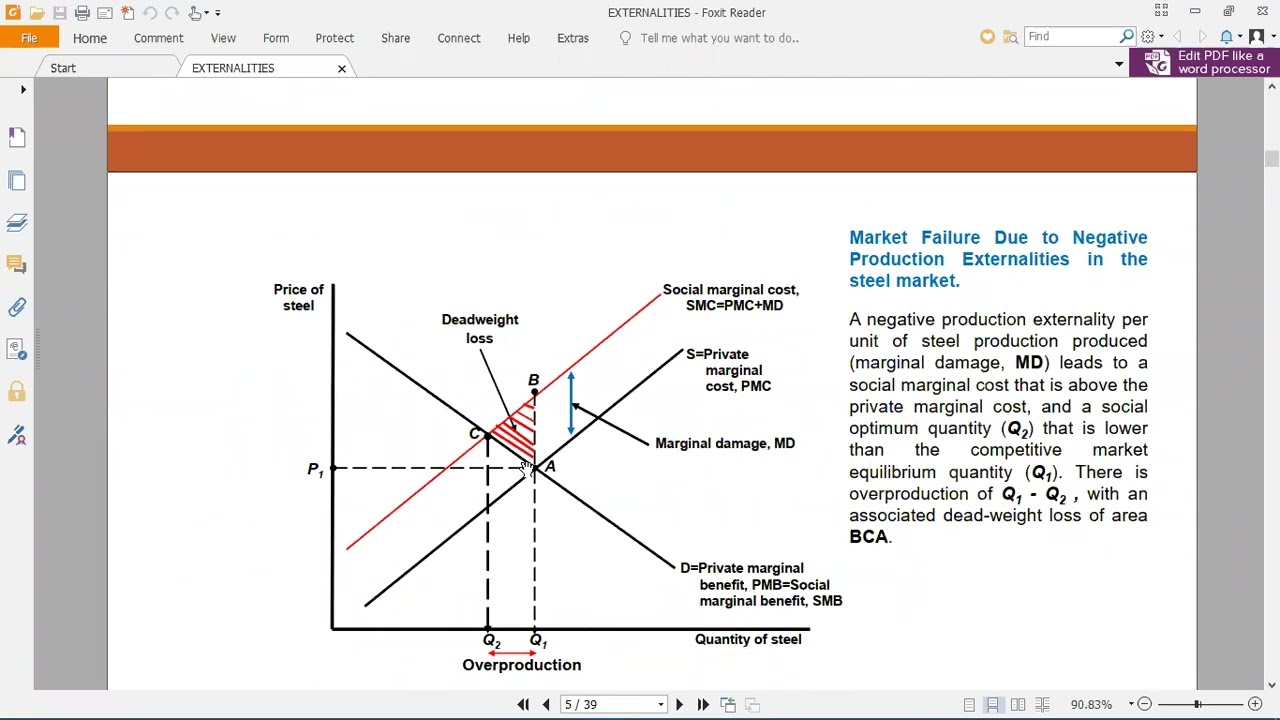
The definition and mechanism of negative externalities, particularly in production and consumption.
Elinor Ostrom's Nobel Prize-winning theory on governing the commons through collective self-regulation and community-based management.
Game Theory applications, specifically how the Prisoner's Dilemma models the incentives leading to the Tragedy of the Commons.
Evaluating the effectiveness and trade-offs of specific government policies, such as carbon taxes, cap-and-trade systems (tradable permits), and legislation.
The challenges of managing global common pool resources through international agreements, such as fishing quotas and climate accords.
9.2K views215likes10:18Original Release: 2023-02-20
foreign [Music] hi everyone so this video is basically everything you need to know about common pool resources according to the IB economic service so the focus of this video will be on common pool resources what are they common pool resources are natural resources that are non-excludable but rivalous what does non-excludable mean non-excludable means it's very difficult to exclude someone from benefiting from the resource rivalrous means one person's use or consumption of the resource actually leaves less for everybody else the combination of those two characteristics non-excludability and rivalry leads to an unsustainable overuse or depletion of the resource this unsustainable overuse the term that's often used to describe it is a tragedy of the commons so let's have a look at examples of cprs and the corresponding tragedy of the commons if you look at fish stock in the oceans fish stock in the world's oceans is often prone to overfishing so the corresponding tragedy is of is overfishing and this is because it's difficult to exclude fishermen from fishing in the ocean and the more fish one fisherman catches the less fish there is for everybody else if you also look at forest trees forests are a common pool resource because of the unsustainable depletion of forest trees we are cutting down trees much faster than we're giving them a chance to replenish themselves this leads to the tragedy of the comments in the form of deforestation if you look at the atmosphere another common pool resource okay we are spewing greenhouse gases so greenhouse gas emissions and climate change would be the corresponding tragedy of the commons if you look at pastures okay the corresponding tragedy is over grazing if you look at Living Space the corresponding tragedy of the commons is overpopulation so these are all examples of common pool resources there and their corresponding tragedies of the commons okay now it's very difficult to represent the resource itself diagrammatically you cannot represent the resource itself diagrammatically but you can draw a negative externalities of production diagram for the product produced using the resource so if you want to look at the world's oceans fish stock in the oceans think okay tuna fish the market for tuna fish draw a negative externalities of production diagram for the market for tuna fish show that there's an overproduction in that case the external cost the negative externality the vertical distance between the MSC and the MPC will be the unsustainable overuse of the common pool resource let's see what that looks like so let me zoom out and zoom back in So if you assume that this is the market for tuna fish okay fabulous the marginal social cost is higher than the marginal private cost which is the blue curve okay remember the intersection of MPC and mpb gives us the market equilibrium so the market will produce qm and charge the price pm but the intersection of MSC and MSB will give us the point of allocative efficiency the socially uh Optimum uh allocation of resources what the market should be producing so the intersections of MSC and MSB will give us Q opt and P opt the distance between qm and Q opt is the overproduction there's an over allocation of resources we are over producing tuna fish for Say Sushi if you are like me you like sushi and this overproduction is leading to an unsustainable use of the world's oceans it's leading to overfishing the overfishing is the negative externality all right so what can the government do in response to these negative externalities well the government can either tax the product or create tradable permits or create stricter government regulation so the whole idea is the goal of government intervention I'm going to zoom in here the goal of the government intervention is to raise the cost of production and thus internalize the cost of the externality by doing this this will shift the MPC closer to the MSC so whatever government form of government intervention the goal is to shift the MPC the blue curve closer to the MSC which would bring qm closer to Q opt okay so the goal is to eliminate this over allocation of resources this can be accomplished through indirect taxes tradable permits or legislation and regulation all of which would raise the cost of production and shift the MPC the blue curve up and to the left closer to the MSC so the MSC now becomes the MPC plus the tax or the cost of the permit or the legislation regulation okay now so indirect taxes or pergovian taxes are one approach if we're talking about fossil fuels carbon taxes by taxing fossil fuels themselves you are making fossil fuels more expensive which incentivizes businesses to use less fossil fuels or basically punishes them for using too much fossil fuels they are paying for the cost of their greenhouse gas emission emissions legislation regulation education and awareness creation this is a long-term strategy and it's better it targets the younger Generations we teach kids about sustainability about farming sustainable farming the importance of recycling hopefully what that would do is actually decrease the demand for the product so shift the MSB to the left but that's a very long-term strategy tradable permits you create permits for the firms based on how much pollution they're allowed to Emit and and if they are going to emit more they have to buy more permits if they have permits and they've decided to switch to clean the energy or be more sustainable they can sell their permits and be rewarded for this action International agreements is also another strategy a lot of tragedies of the commons are actually Global problems so local Solutions alone cannot solve Global problems there needs to be a coordination between nations like the Paris agreement with climate change we can't fix climate change with just a handful of countries using tradable permits and carbon taxes countries need to stick together and confront this problem because it's a global problem local Solutions are not enough Collective self-governance basically this is a strategy where the government empowers the people who benefit from the resource to create agreements and enforce these agreements between themselves and they basically govern themselves so the government can encourage fishermen okay to start creating uh quotas for themselves and and and monitoring who's you know who's sticking to their quota and so on Collective self-governance is something that we observe and a lot of indigenous communities indigenous communities often have cultures that live in harmony with the environment they can use environmental resources without abusing them okay so they live in harmony with the environment we can learn from this and we can encourage Collective self-governance okay now subsidies don't worry about subsidies and government provision um that's actually in response to positive externalities I copied this from the IB syllabus okay so what did I I go over today let's see I basically talked about the characteristics of common pool resources and how that leads to the tragedy of the commons I gave examples of common pool resources and their corresponding tragedy I said that you can't really diagrammatically represent the resource but you can look at the product okay so if you want to show the problem of deforestation you can draw a diagram a negative externalities of production diagram for paper paper is overproduced and then negative externality is deforestation we are unsustainably cutting down trees okay um examples of government intervention all forms of government intervention should be aimed at raising the costs of production which internalizes the external cost by Shifting the MPC up and to the left closer to the MSC this can be accomplished by indirect taxes permits tradable permits and legislation and regulation as well as of course carbon taxes in the case of fossil fuels education and awareness creation and the importance of international agreements and Collective self-governance so if you like this video please press like please subscribe to the channel if you look at the links below the video you'll see a link to join the channel and become a member of the channel and this is a great way of supporting the channel but also gaining access to lots of exclusive content uh leave comments below if you have any questions and I'm always happy to respond to comments if you have any requests for videos feel free to make them as well have a great rest of your day week month year and good luck in everything that you do bye
Up Next
28:50
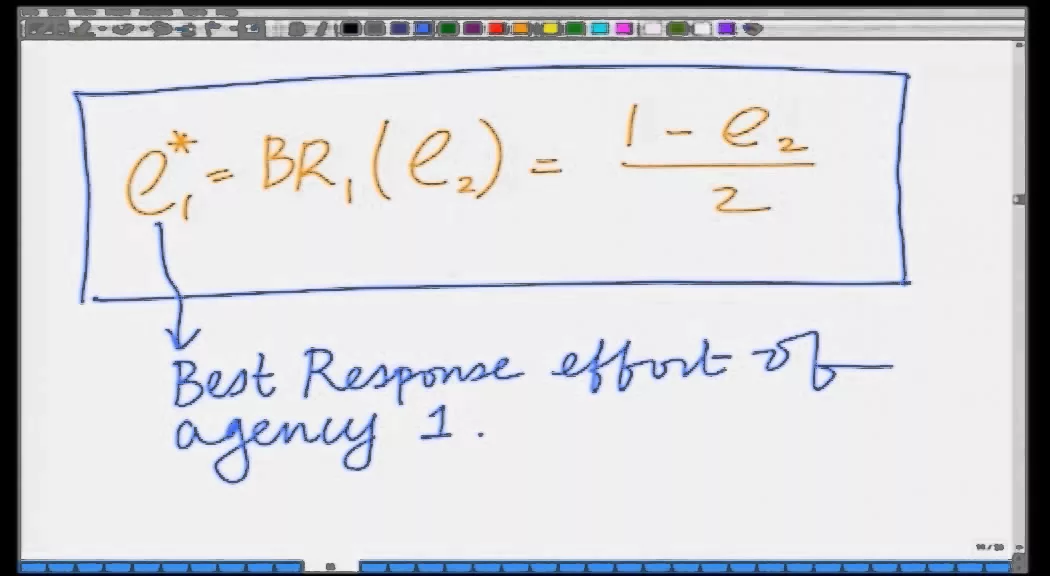
Tragedy of the Commons | Game Theory | Nash Equilibrium Analysis
@adityajagannatham1879
15.1K views•2015-01-10
5:07
Impact of Yuan in Indo-Russian Trade Amid Sanctions
@WION
261.9K views•2022-07-01

7:52
Government Intervention: Price Floors Explained | IB Economics
@ibeconguru
15K views•2016-04-16

113:18
The Age of Easy Money: Fed & Inflation | Full Documentary
@frontline
21.2M views•2023-03-15
Related Study Plans & Knowledge Roadmaps
Structured learning paths in Economics
economics
Sovereign Debt: Defaults, IMF & Restructuring
01Introduction to Sovereign Debt & Government Bonds
02Debt Sustainability & Credit Ratings
03Anatomy and History of Debt Crises
+ 2 more learning modules
12h5 modules
Explore Roadmap
economics
Market Design: Matching Theory & Gale-Shapley
01Introduction to Market Design and Price-Free Markets
02Two-Sided Matching & The Gale-Shapley Algorithm
03School Choice Systems and Mechanism Design
+ 2 more learning modules
10h5 modules
Explore Roadmap
economics
Impossible Trinity: Forex, Capital & Policy
01Introduction to Monetary Policy and Central Banking
02Exchange Rates and International Capital Flows
03The Mundell-Fleming Model
+ 2 more learning modules
8h5 modules
Explore Roadmap
economics
Healthcare Economics: Market Failures & Systems
01Introduction to Healthcare Markets and Market Failure
02Asymmetric Information and Adverse Selection
03Moral Hazard and Insurance Design
+ 2 more learning modules
12h5 modules
Explore Roadmap