



















![UNIT 3 GOVT MICRO ECONOMIC INTERVENTION [PART 1 of 9]](https://i.ytimg.com/vi/QrUZSycvFxU/sddefault.jpg)





A price floor is a government-imposed minimum price above equilibrium that protects producer incomes (like agricultural products) or worker wages (minimum wage), but creates market surpluses where quantity supplied exceeds quantity demanded, leading to inefficient resource allocation, deadweight loss, and requiring government intervention to purchase or dispose of the excess supply.
Government Intervention: Price Floors Explained | IB Economics
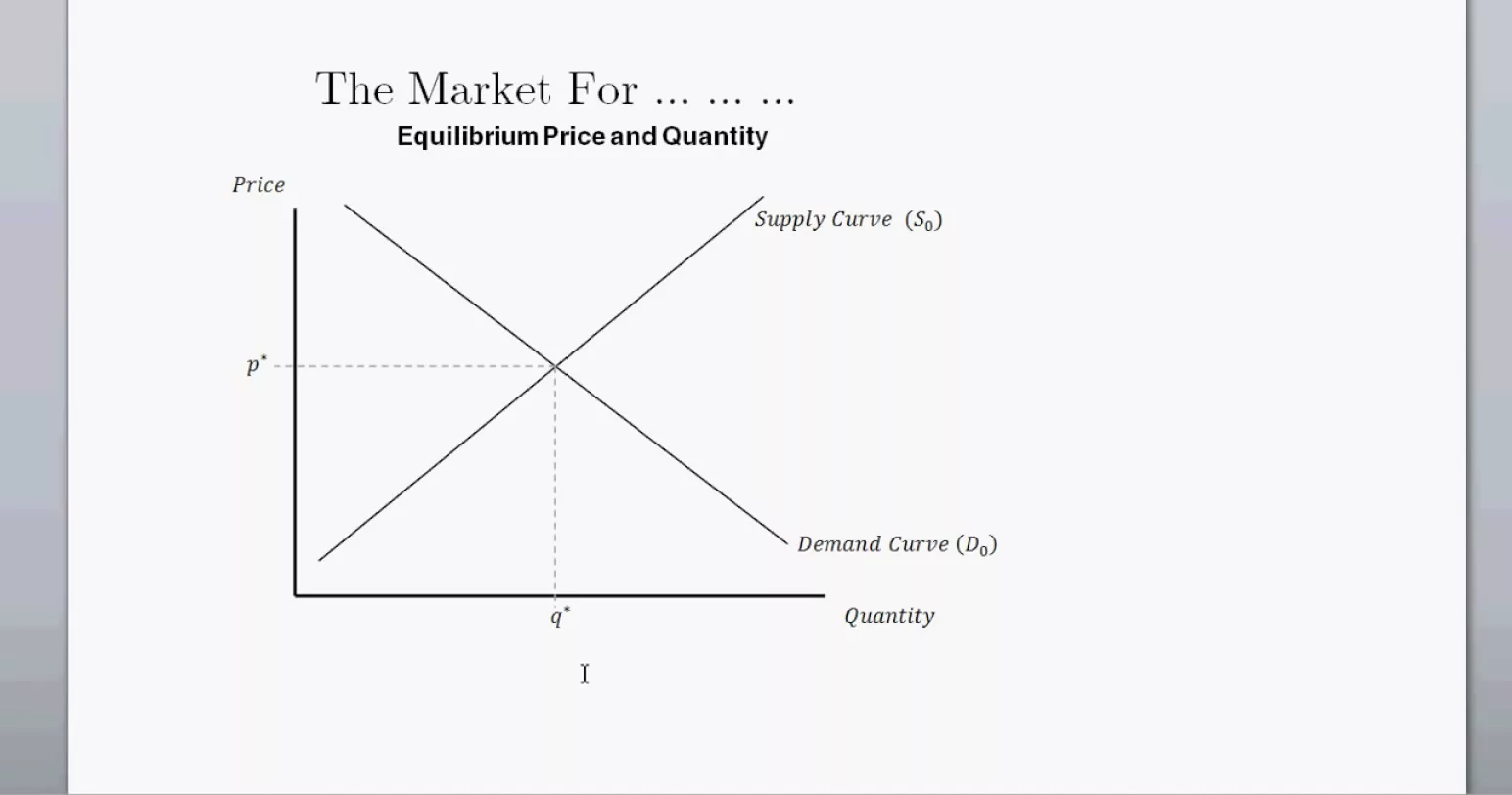
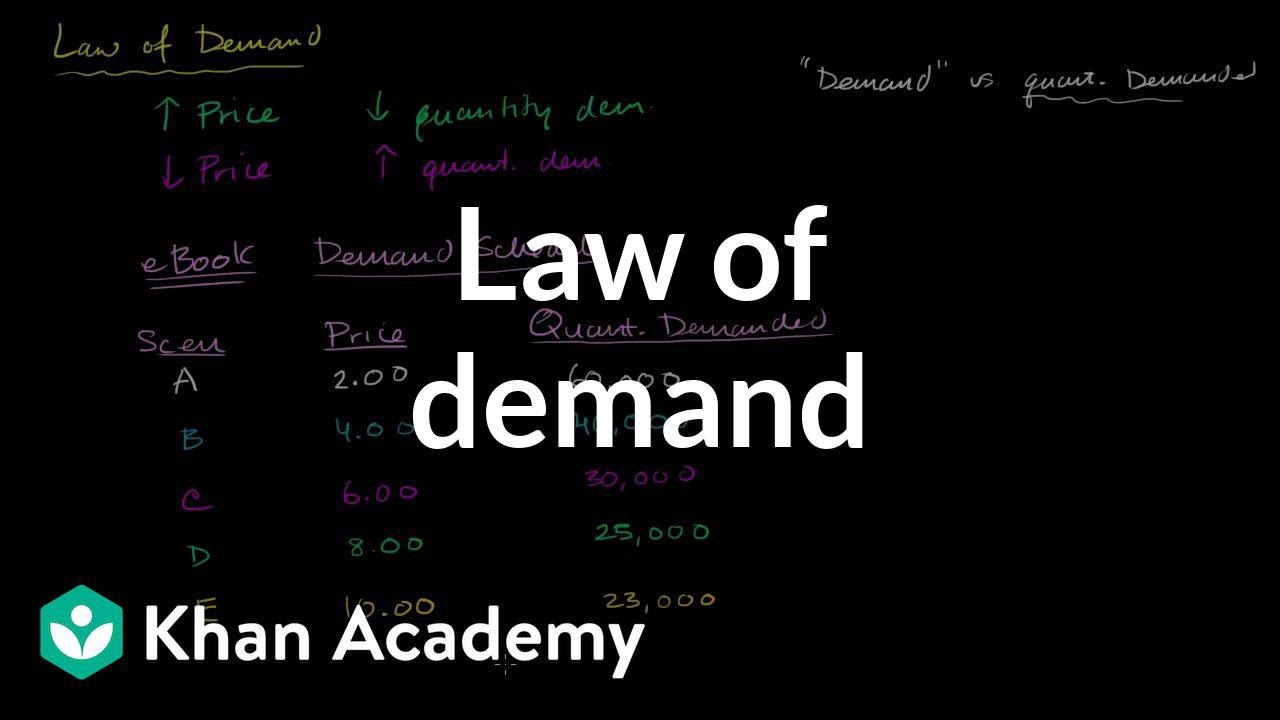
Added:The law of demand and supply, including how market equilibrium, market-clearing price, and quantity are established.
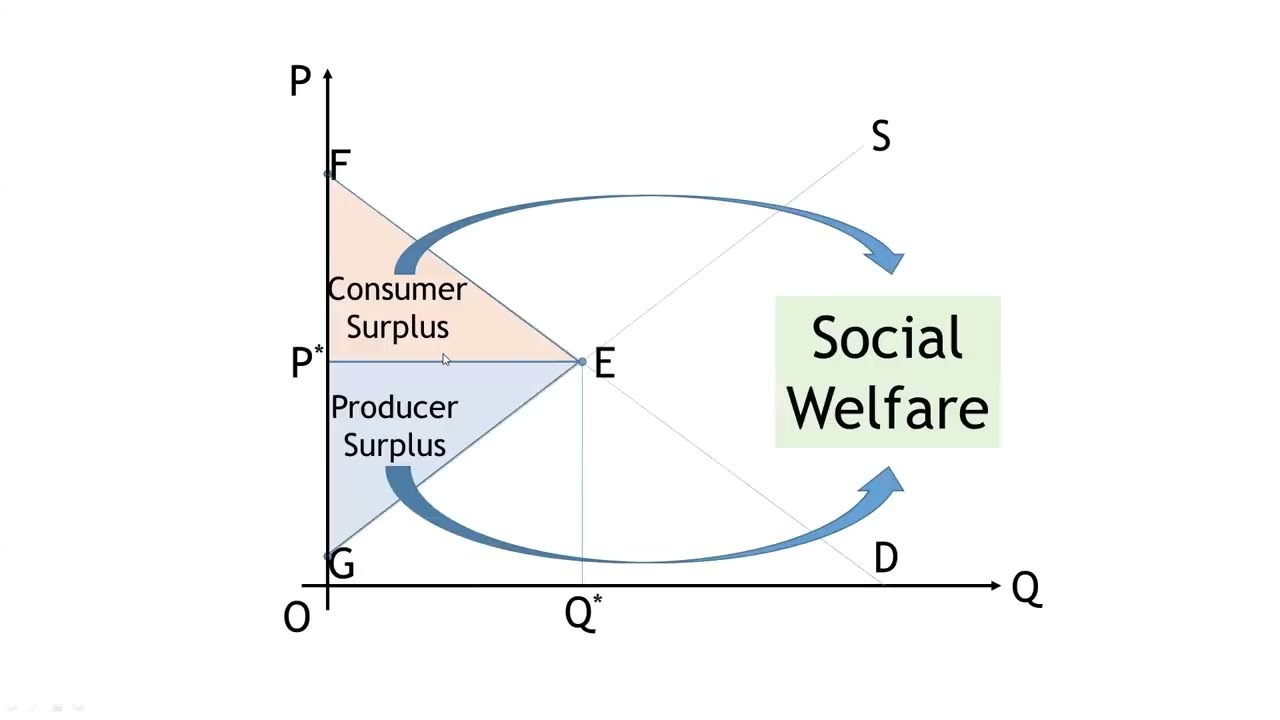
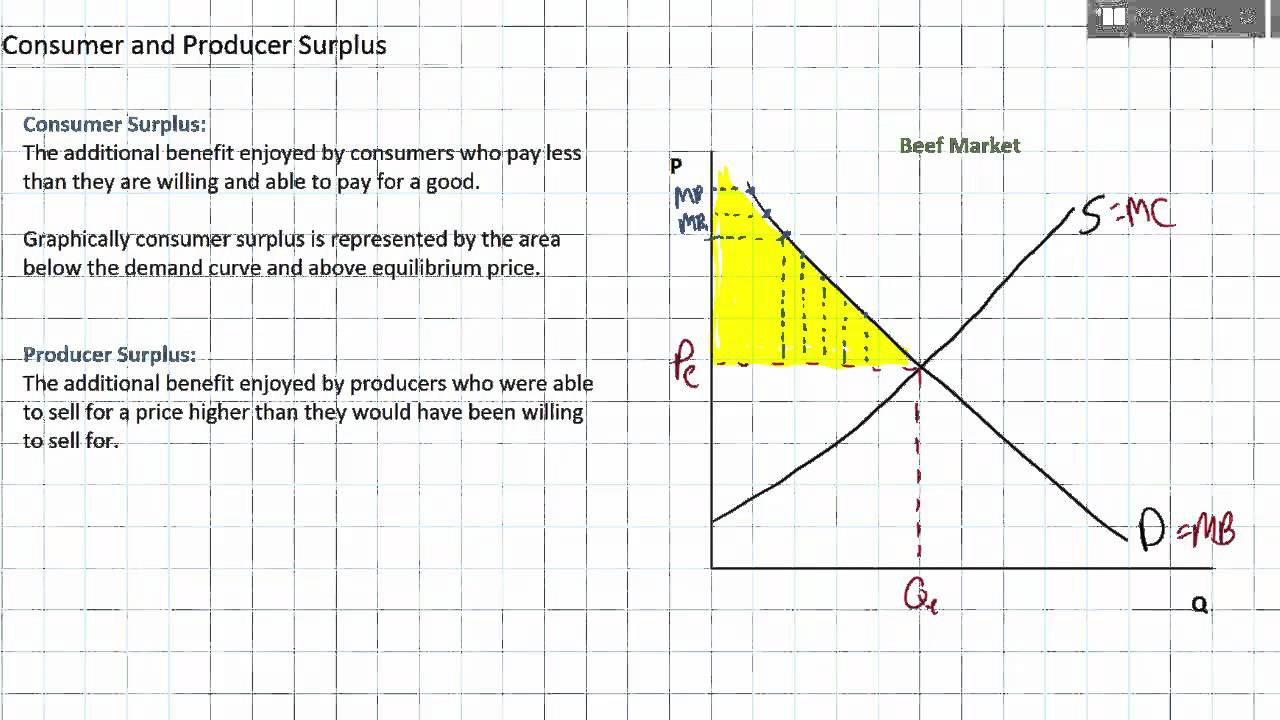
The concepts of consumer surplus, producer surplus, and community surplus (social welfare) in a free market.
The signaling, incentive, and rationing functions of the price mechanism in resource allocation.
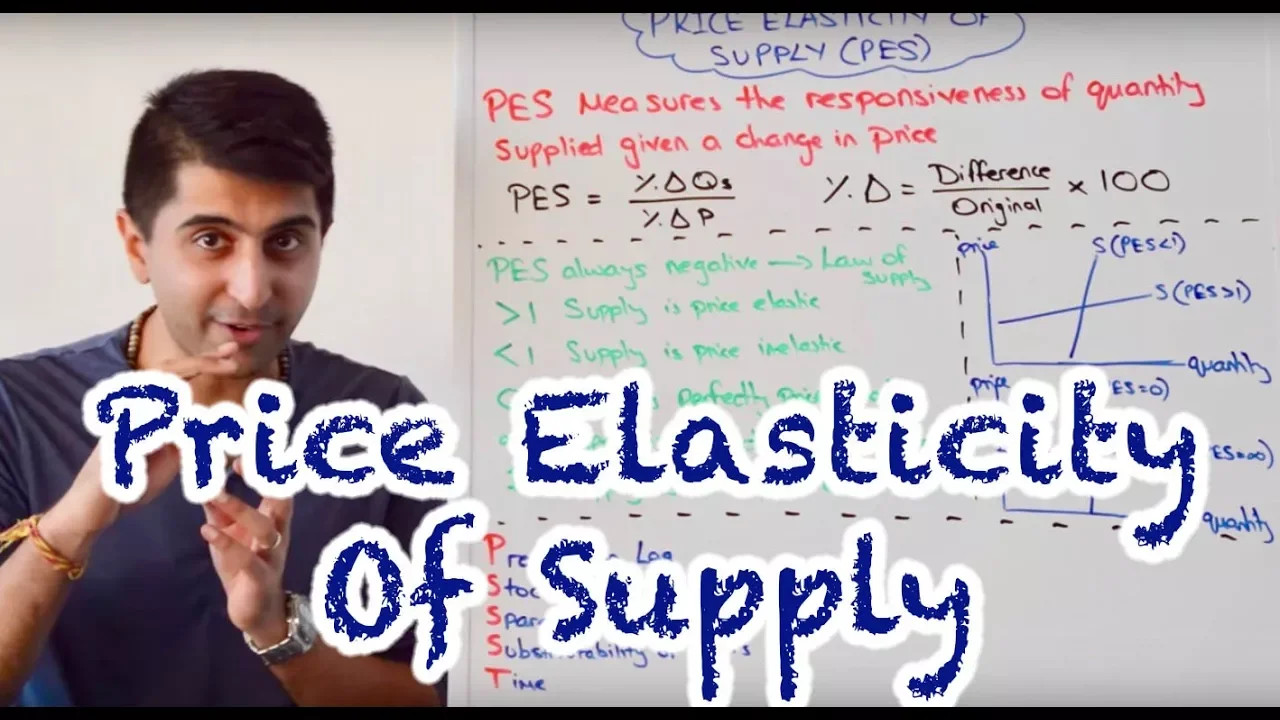
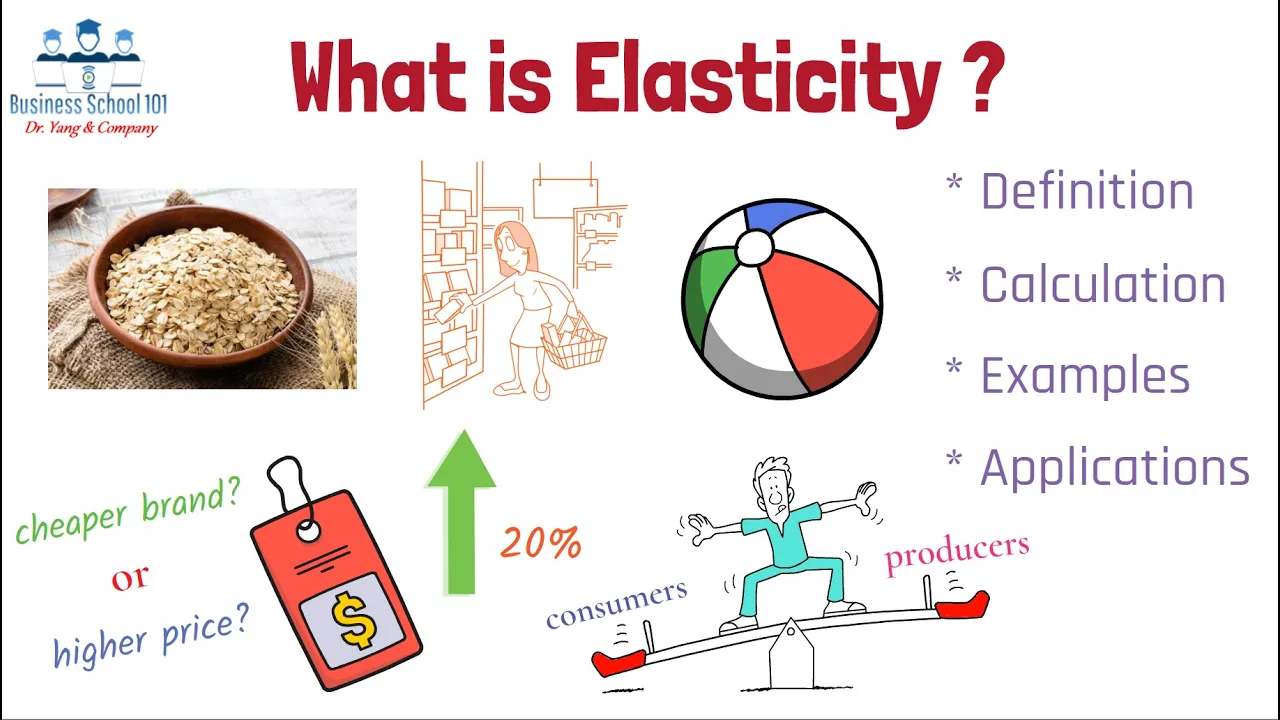
Price Elasticity of Demand (PED) and Price Elasticity of Supply (PES), which dictate how sensitive consumers and producers are to price changes.
Price Ceilings (Maximum Prices), exploring how maximum price limits create market shortages, rationing systems, and parallel (black) markets.
Real-world applications of price floors, such as minimum wage laws in labor markets and price support schemes in agricultural markets.
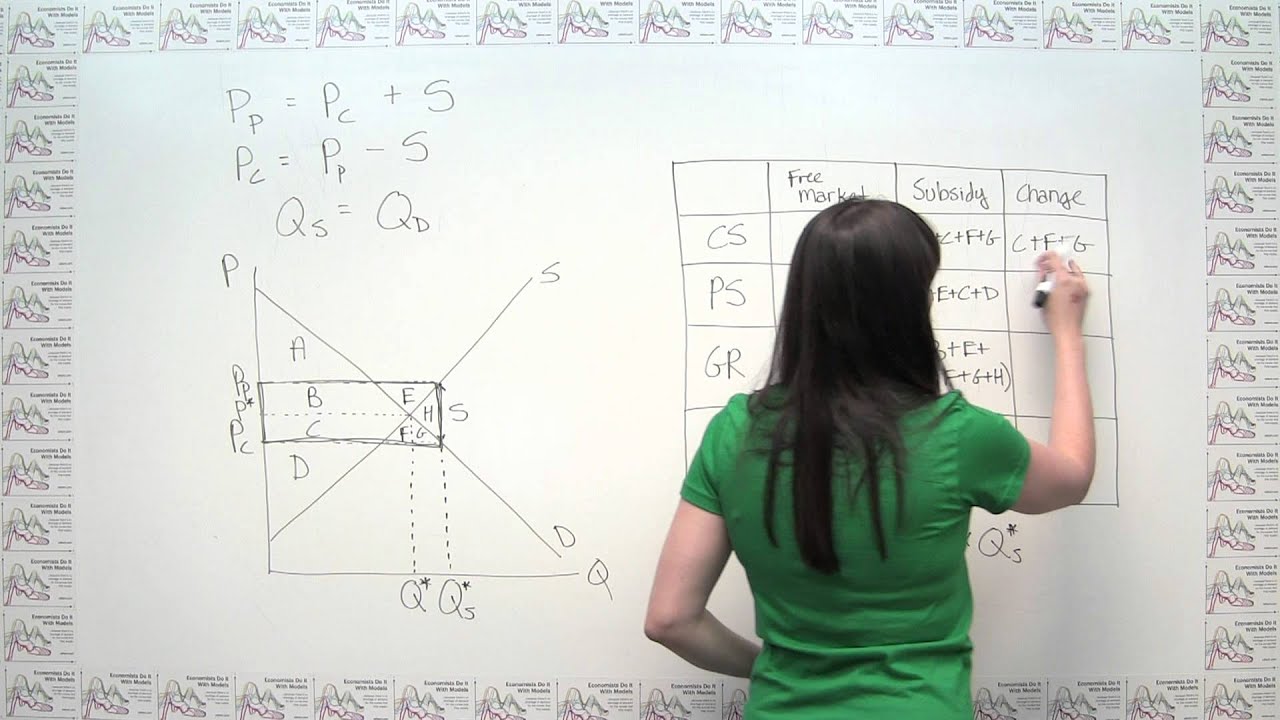
Other methods of government intervention, including indirect taxes, subsidies, and direct regulation.
The concept of deadweight loss (welfare loss) and the broader evaluation of market failure versus government failure.
15K views127likes7:52Original Release: 2016-04-16
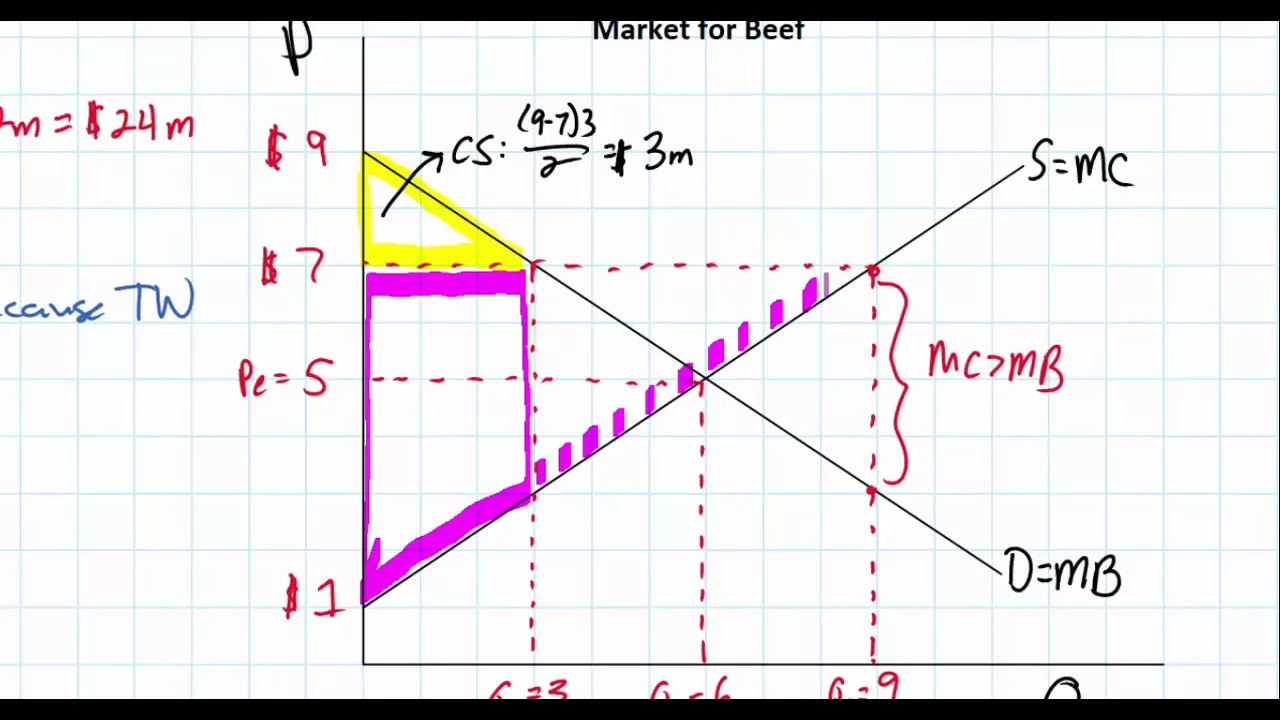
this video is the fourth and last of the government intervention series and it will focus on price flaws or minimum prices um in the video I'm going to explain why governments impose price flaws um I'm going to show it on a diagram as well and then I will discuss the consequences on the market outcomes as well as the different stakeholders involved so what is a price flaw well basically it is a minimum price that the government sets by law above equilibrium um it's called a price flaw because you can't really go below a flaw so why do governments impose price flaws well basically um it's one of usually one of two reasons either to raise the incomes of producers of um goods and services that the government believes are quite important like agricultural products um these producers could be unable to face foreign competition or um they are affected by lots of price fluctuations and so to raise their incomes and protect their incomes the government imposes a minimum price or a price flaw another reason um could be to protect workers by maybe setting a minimum wage a minimum wage is an example of a price flaw because that's a minimum price that you have to pay for employing the worker that you cannot pay them below so it is um a price flaw these are the two main reasons so let's have a look at the market for wheat as an example so this is the market for wheat um Farmers the and if it was left to equilibrium this would be the equilibrium point right here the equilibrium price would be PE the equilibrium quantity would be QE this area shaded in green would be the consumer surplus if the market was left to um reach equilibrium and this area shade in yellow would be the producer Surplus now let's see what happens when the price flow is introduced so now the price floor has been introduced um it is this um purple line here as you can see at this price floor the quantity demanded will be um that point on the demand curve here so QD minimum with that um minimum price and the quantity supplied would be Qs minimum that point here as you can see quantity Supply exceeds quantity demanded so we have a surplus we have excess Supply um we will see in the diagram that the consumer surplus has decreased um as a result of the price flow it is that green triangle here that's the consumer surplus after imposing um the price flow and you will see that the producer Surplus has increased so the producer Surplus after opposing the price floor has increased and it is that big triangle here under the um price floor so there's been a decrease in consumer surplus and an increase in producer Surplus because of the price flow and there's also a situation of excess Supply there's a situation of um a surplus because the farmers now are being paid um an artificially High um price for their product so um there's more wheat being farmed than um what there actually is demand so what happens with this Surplus so um the government basically has to interfere in the market yet again and buy this Surplus or this excess Supply due to the price flow being set for the wheight market uh this area shaded in purple this purple rectangle here is how much the government will spend to buy that Surplus production so there's all this wheat being farmed that no one's buying there there there's actually no demand for it it's artificial the government goes in and buys this Surplus so this can be quite wasteful um and uh what's the point of farming all this wheat if there isn't actually demand so the price flaw sets an artificial artificially high price that doesn't truly reflect um what the market needs so let's discuss some of the consequences we've seen that um price flaws or minimum prices cause surpluses and there's a situation of excess Supply uh this is an inefficient allocation of resources there's over allocation of resources to the production of this um good or service because of the artificial price ceiling um it also leads to a dead weight loss so welfare impact all of this um money that the government is spending to buy that Surplus or that excess Supply uh that's money that could be used in something else so there's also an opportunity cost because this money could be used to fund other government um projects and other government spending uh price flaws also encourage businesses to be quite inefficient because it's really giving them easy money that they don't have to um be efficient or be competitive or work hard for so the government buys this Surplus as we mentioned earlier now what sort of measures can the government take to dispose of this Surplus cuz now um in the example that I gave the market for wheat for example the government buys all this wheat well the government can either store it and that costs a lot of money storage costs money or destroy it which can be seen as very wasteful um you know destroying all of these agricultural products just because there's a surplus it seems very wasteful especially when there's famine and hunger in other parts of the world or um previous governments have tried to sell it abroad but this has caused other governments um to feel quite threatened because then their local producers can face um competition from so so whatever course of action the government takes there's always an opportunity cost um and this is again another problem with price controls like price ceilings and price floors the government will interfere to try to fix uh the Market or try to fix whatever mess it created in the first place by imposing that price floor or that price ceiling and it always leads to opportunity cost if any money is being spent or any time or effort this is money or time or effort that could be invested in other um government projects so there's always an opportunity cost um setting a minimum wage for workers uh will work the same way so basically uh if the market was left to uh equilibrium uh this would be the price of employing a worker and this would be the quantity of workers that are employed or the number of jobs that are available because the market would reach equilibrium but by setting a price floor which is again this purple line here now you have a surplus you have an excess supply of workers but there aren't enough jobs or there aren't enough businesses willing to employ them so you actually create a situation of unemployment uh because this is the quantity of workers that businesses are demanding the businesses are willing to employ and this is the quantity supplied of Labor or the quantity supplied of workers so you have a situation of surplus labor and not enough jobs you have a situation you've created this artificial unemployment by setting that minimum wage
Up Next
12:31
Subsidies Explained: Incidence, Elasticity & Deadweight Loss
@MarginalRevolutionUniversity
325.4K views•2015-01-28
5:07
Impact of Yuan in Indo-Russian Trade Amid Sanctions
@WION
261.9K views•2022-07-01

10:18
Common Pool Resources: Causes and Solutions to Tragedy of the Commons
@ibeconguru
9.2K views•2023-02-20

113:18
The Age of Easy Money: Fed & Inflation | Full Documentary
@frontline
21.2M views•2023-03-15
Related Study Plans & Knowledge Roadmaps
Structured learning paths in Economics
economics
Sovereign Debt: Defaults, IMF & Restructuring
01Introduction to Sovereign Debt & Government Bonds
02Debt Sustainability & Credit Ratings
03Anatomy and History of Debt Crises
+ 2 more learning modules
12h5 modules
Explore Roadmap
economics
Market Design: Matching Theory & Gale-Shapley
01Introduction to Market Design and Price-Free Markets
02Two-Sided Matching & The Gale-Shapley Algorithm
03School Choice Systems and Mechanism Design
+ 2 more learning modules
10h5 modules
Explore Roadmap
economics
Impossible Trinity: Forex, Capital & Policy
01Introduction to Monetary Policy and Central Banking
02Exchange Rates and International Capital Flows
03The Mundell-Fleming Model
+ 2 more learning modules
8h5 modules
Explore Roadmap
economics
Healthcare Economics: Market Failures & Systems
01Introduction to Healthcare Markets and Market Failure
02Asymmetric Information and Adverse Selection
03Moral Hazard and Insurance Design
+ 2 more learning modules
12h5 modules
Explore Roadmap