




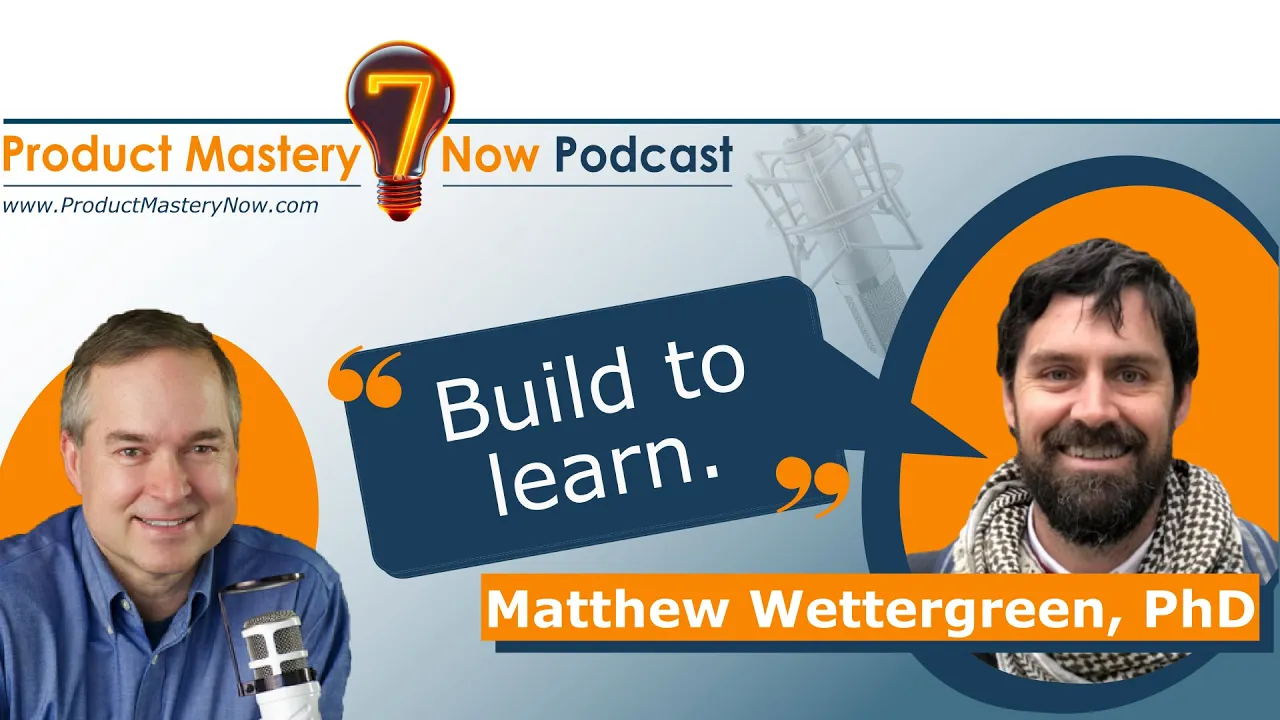

















Effective engineering and innovation require combining hands-on physical manipulation with iterative experimentation, where practitioners develop deep foundational knowledge across multiple domains before specializing, allowing them to make intuitive leaps and solve complex problems through trial, error, and continuous learning rather than relying solely on theoretical approaches.
Robotics Innovation with Jamie Hyneman | Udacity Talks Ep. 9
Added:Basic principles of mechatronics, including how sensors, actuators, and microcontrollers interact.
The fundamentals of the iterative design process and rapid prototyping methodologies.
An understanding of basic workshop fabrication techniques and manual machining tools.
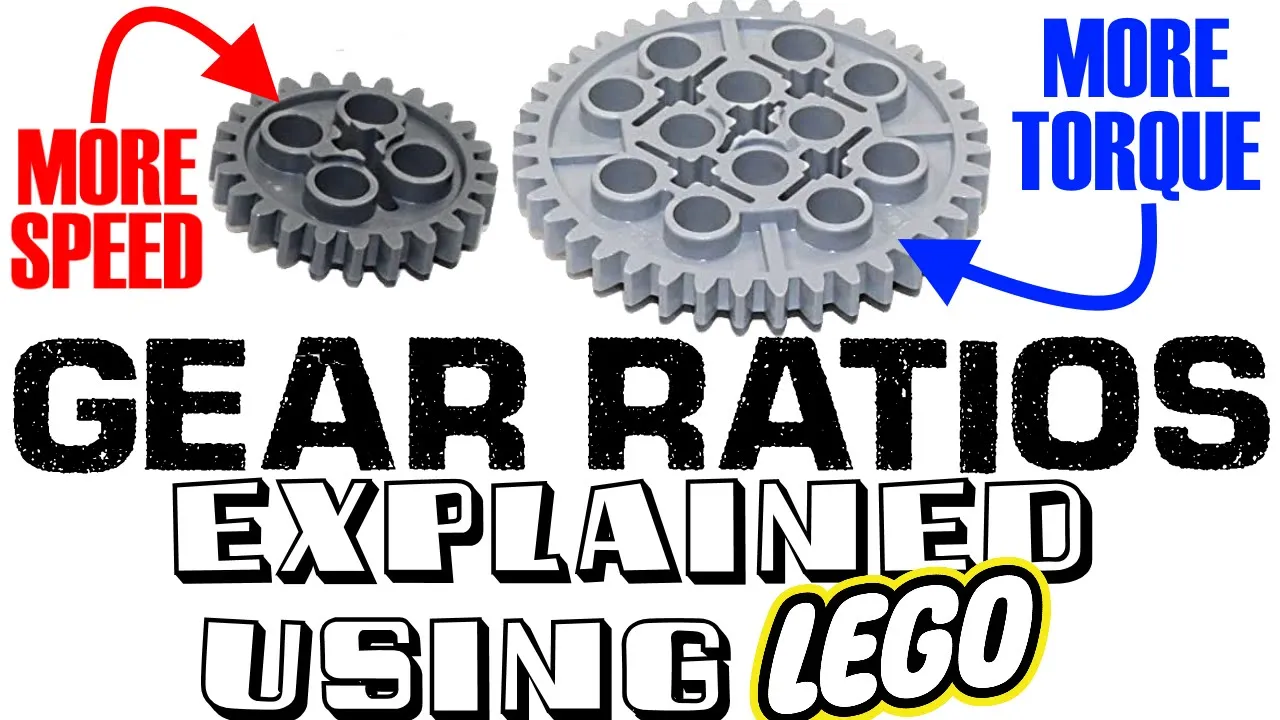
Core concepts of mechanical physics, such as torque, gear ratios, and structural integrity.
Advanced kinematics, control systems, and autonomous navigation in robotics.
Applications of materials science, such as selecting optimal materials for custom robotic builds.
Human-Robot Interaction (HRI) design principles for collaborative and industrial robots.
The process of transitioning a hardware prototype from a workshop concept to a scalable, commercial product.
116.4K views1.6Klikes36:37Original Release: 2017-04-20
[Music] hello my name is Sebastian welcome to udasi talks today is a very very special day for me it's going to be the best day of my year because I'm here in the temple of mythbusting together with Jamie Hinman who has been one of the two co-hosts of Mythbusters for 14 years is that correct it's a long time but yes so youve busted a lot of myths in your life yeah 14 years of daily shooting here in the shop and uh uh and out on location as well and uh now all that is gone and it's just me and my toys yeah I'm basically spending my time uh coming in locking the doors turning up the music and that's great coming out later with who knows what for those of you for the very few of you in the world who might not know what mythbuster is it's been the world's most amazing way to bring basic science to the world and not just as a okay here's the equation of physics and please memorize it but is here's something that you believe could not happen or could happen and we show you the truth about the world give me give me a a favorite myth that you actually really busted that surprised people I'm sure you have thousands yeah you know um the thing about favorites and busting there's two things uh I almost don't pay attention to whether something was busted or confirmed or not I was only interested in what I had to do uh and and and test and and what that involved uh and favorites you know it goes all over the place there is one story that I like to put out there though as what I think the most highly of and that is the lead balloon uh we built a a lead a balloon out of lead foil that was 14 ft in diameter and filled it with helium and it flew and the reason that was so interesting was not that it was that spectacular it didn't involve explosives or high-speed car CR crashing or you know cannons or anything like that but uh the engineering task that that represented was to Big a foil is tight enough to hold well yeah this is a thing that uh it this is a material that was incredibly heavy and weak it was kind of like trying to build something out of wet toilet paper and so to make that happen uh of that with that size and weight of the thing there was absolutely no room for error and and what it meant was that we had to get into our head what we were facing how that material was going to behave in that application we had to understand every detail with that to the point that um we in advance of doing the experiment we had walked through every minute of that day in advance in our heads and and it was like when we actually did it we'd already been there it was the closest I'll ever come to actually seeing the future and and atite is not enough it has to be helium tight which is much harder helium tight it had to hold together the this was a material that was we had to assemble build the thing in place uh you couldn't move it once it was you know once it was assembled because the material would rip the lightest excuse so we had to come up with had to visualize all these contingencies and prepare for them um and for me it's representative of something that I I like best about that experience of shooting the show that it it it shows the kind of uh you know what it takes to internalize a material or a process or some something that you're testing uh you know if you don't get it into your head and the way that we were able to get that that project into our heads it's you're just looking at a pile of meaningless data on the table so whenever you're engineering or or creating something think about What It Takes what what how do you bring it into your head where you can control it I find this fascinating most of our students at ersity are software specialist but this shop is just amazing I mean it's like it's like heaven I mean just seeing what kind of things you can build out of nothing is amazing it showed me a water formed steel plate um there's a drone over here I guess it's a Google hat on top of it um tell me about tell me about flight tell me what are you doing with these wonderful flight machines here drones helicopters gasoline powered pitch propell and so on well uh currently I'm fascinated with the uh um the direction that I'm seeing a lot of these drones going in and that is that um uh as drones are getting used for different things a lot of them involve covering larger distances and U you know a vertical takeoff and landing craft is not the most efficient sort of a an aircraft you want to have a lifting surface with a wing and so I'm seeing a lot of um a lot of drones being what we're calling transitioning drones where they they come off in a Vall fashion and then they transition to horizontal flight with with a wing on them now the thing about that is and we can look at what I was playing with up here um those two different states the vertical takeoff and landing and then the horizontal flight uh are asking different things out of the propellers and because in the in the the lifting hovering mode you want to have a relatively uh shallow pitch that is that is not moving very much through the air it's just staying uh uh stable as you start to transition though and you're going forward now you're meeting oncoming air so the blade needs to actually either speed up a great deal which is you know problematic and there's going to be a certain limit to it or it can steepen its pitch and sometimes like in in a well in a helicopter for example they vary the pitch on their blades uh uh but they yeah they're using a Servo or some other kind of control though to mechanically do that I had same is true for small aircraft often right lots of them have variable pitch well I had reasoned that why not do it with a spring um because that would save mechanical complexity and weight if you could do it and so I've set up a little test bed here with the force gauge and everything like that and and I've been playing with that and it actually naturally seems to um be adjusting to whether it's either hovering or moving forward that's amazing so this spring basically keeps it flat at a high high RPM and then as you go to lower RPM and forward flight less energy yeah it automatically adjusts to whatever Condition it's in and you know and we have to do more testing with that uh you know in theory you might be able to if you have a Servo you might be able to optimize it through sensing or something a little bit more than the spring naturally does I don't know yet but that's that's the kind of thing that I've started to play with and we're seeing a lot more of an interest in this because uh interestingly I was seeing drones that are U transitioning like this uh to do with agriculture because they're going out and want to stay in air for a long the ranges this the is one of the the big big open issues for electric flight there very few drones that can fly more than 40 minutes right right because of the inefficiency of regular drones so this is one obvious solution for it you know if you can have some sort of lifting surface obviously there problems because one of the main attractions of these the quadcopter style drones is its compactness and if you throw a lifting surface into there uh you're asking for a little more but um a little more space but so Jimmy you have a a tank here a Vietnam era tank um is this going to be a toy for my son to play with well uh my 9-year-old son we we might be able to work something out it's a yeah this is this is a this is an armored well it's a variation on a m133 armored personnel carrier these were made starting in the 60s and um uh this particular one isn't armored and uh it was a pickup truck version of it but it's uh um got tank treads it's got the same suspension and engine in it um and I'm u i I can't tell you what my specific plans for uh um for this device is because it's uh it's uh it's something that you don't take a shopping to Whole Foods what I am doing though and what's required of of this for for the end purpose is uh to convert it to remote control and um so I'm uh I'm in process of doing that and but I'm also doing it in an interesting way in that I'm um I'm making sure this was something I learned a long time ago you don't want to make something like this remote control without making it able to also be manually controlled because if you you know if in in some cases you want to have somebody behind the driver's seat because you know like getting it off and on a truck and doing it by a remote control so I've worked on suring cars here and there and normally what we do is we have electric steering booster and a torque sens in your steering wheel and you Ry those up but this thing has nothing electric to it except maybe the battery here know yeah it has an electric starter and that's it so you're working with linear pneumatic activators what I'm I'm actually using Servo pneumatics for it which is the part I said about being able to uh make it both remote or or manually controlled uh with Servo pneumatics what what you have is a a Pneumatic piston with a a linear potentiometer that goes down the center of the the Piston shaft so it can uh it can give feedback just like a an electronic actuator can uh the advantage with it is uh several things though it's much lighter and uh and faster than something that is electric motor driven uh it's much lighter than a hydraulic thing would have would be because Hydraulics you know they the liquid doesn't compress so the wall thickness on those has to be massive to take any kind of uh um you know surge of pressure uh with uh with pneumatics though the air ax is a a buffer for that so you can have relatively light and thin walls on it and the other advantage in this particular case is that uh uh if I want to if I go ahead and put these um uh these servon pneumatic actuators in the linkage that is controlling the engine and all the other components in this uh I can disengage them with a simple solenoid valve so you hit a switch it opens the Airlines and they just bleed if you're manually operating in if you want to remove control it it's just a switch and and you're good to go and that that's something you can't do with with like well with a mechanical actuator like a an electric one you'd have to mechanically disengage it this is amazing what what what is a giant egg and why do you don't keep in the refrigerator ah well this is a actually one of my favorite tricks that we use when we build things here uh my God this is a a a thing that we would make to vacuform plastic so we can we we have a yeah it's out of wood and uh this is a particular kind of wood though this is um it's a we refer to it as MDF or I think there's a brand name Tran but uh as you can see there are about 2 in inch and a half 2 inch thick segments here so we buy this in 4x8 sheets and then uh um glue them together with wood glue uh you know and press it with a with a a pipe clamp or something like that until it cures and then we have a a massive wooden block with a very even Grain on it that we can put on a a wood lathe or in this case or use common wood shaping tools so it's it's got a very even texture that you can get a smooth surface off uh that is smooth enough that once we uh pull a sheet of plastic over it on the backu for machine um it has no no texture that it picks up from this um there simply is no other solid material that's this inexpensive to that you can do something like this with and we use it all the time plastic shells that you would normally have to you know make by molding and casting some big thing or Machining some expensive yeah product one of my favorite tricks wow I could spend hours here asking questions but um let's sit down for a sec because our students have submitted many many interesting questions and as you always do in Dusty talks we let our students speak and ask our Geniuses like yourself Jamie great questions but I'm intrigued for me this is the Temple of doing something with your hand and building something interesting physical as opposed to bits and bites well and you know I I just want to um um talk about that for a second because uh you know we live in the real world and for this bit about you know being able to internalize things it's it's uh if you if you try to do it in a vacuum you know like you're just sitting in a desk and you're in your head it's a different it it some I I I tend to think of it at least it's this way for me having a physicality allows you to pull things into your head more so I have all this stuff you know if I start to want to design things I pull things off the shelf I I you know I I try to bend them or hit them or you know cut them or whatever it is and and uh sooner or later stuff starts to happen it starts to evolve because I'm it's a way of of bringing whatever I'm dealing with into my head instead of trying to work in a vacuum you know what I mean yeah I do I do I do it also means you have to have a lifetime of experience with different materials and manipulate things and heat and moisture and all these wonderful things that that come together in the physical world well and that that experience build of foundation um which I like to make the point uh it allows uh me to make intuitive leaps into areas that I have no direct experience with so uh this is something that again if you're working in a in a vacuum you may come up with ideas but they may not be useful you know they may not be practical to actually put into into work having that Foundation even though I've never done something before I have I have some wherewithal to judge whether it's actually a reasonable thing to do or not um so and that's that's what is beautiful about having and and I'm an advocate for that I as I think I forget who it was azim mob or somebody that said specialization is for insects and uh so uh you know n0 degrees F for insects I take it okay well well and and and I mean like there's a need for specialization actually it it allows you important well it allows you to make a certain uh penetration on a linear path that that is important but uh I I I want to say that uh so I'm not dispelling the need for doing some of these things where you've got um somebody that knows a lot about one specific thing and has invested a lot of time on on that but what that also means though is if that person who has specialized in that thing runs into a a speed bump or some kind of a problem they may not have the wherewithal to figure their way around it because they don't have this broad foundation so specialization is fine uh but do other things as well have have a foundation that's been the trans the sort of the trajectory on my career was to build this broad range of experience and then now when I want to go in a a specific Direction and really uh you know penetrate that deeply uh I can do that but I can I can also navigate my way around an obstacle at the same time but I would love to be your student or the fly in the wall for half a year seeing how you you build things that can be built um somehow I don't think you will need to oh now I could learn I could learn so much from you trust me I learn so much today how to use your standard drill and turn into a robotic arm for human robot is something I haven't seen before very very smart and and vice versa I'm sure there yeah I'm sure you can teach me a thing or two as well um let's see so we are launching now have a robotics an degree and sadly it's it's more software focused the reason is we can much easier bring into the world as a software Focus than in a hardware Focus but there's some Hardware components but Adam wants to know one our students what is the most compelling area of Robotics for you today flying vehicles is it tanks um well I like to think of of Robotics as not something where okay so you've got this thing that's a robot and it can do things by itself I like to think of of uh Robotics and the way that I would like to see them U uh working with us as an as an extension of ourselves and um you know there are times where simple remote control for example is is you know is is just as good or better because you're able to interact with that thing but it's an extension of your abilities and it enhances your abilities like an exoskeleton for example might be one of those things and that would be great to have by the way yeah well like Run 10 times as fast yeah and that's that for me is is more interesting than having this little thing that can run around by itself and do something I don't I I want to I want to do the thing I just want to do it better or faster or strong stronger you believe as voice as human augmentation from the farming early farming equipment to today's tele operative robots that might be on space stations are similar yeah I mean I and and I think down the road like as far as robotics as well you know I don't I I don't find it particularly appealing to have a scenario where I can just stay in my armchair and watch TV all the time because the robots are doing all the work and we don't have to you know I want to be I want to think of the the F future scenario with robots for me is more of something that that allows us to do things that that that we by ourselves couldn't do as well or or do as much of and so that's my my particular take on it um you know people ask about you know what's the future of of Robotics and everything and and I'd like to I'd like to encourage a uh that sort of a an approach where robotics is for extending our capabilities I like what I say because I think technology is for extending our capabilities and has in the history of humanity yeah when people talk about artificial intelligence I believe it's about extending us not replacing us exactly um Nick asked a question that I find really interesting um when you when you Dam start a new project how do you take the problem at hand and start working towards solution do you start with experimenting sketching something out uh doing math simulations thinking and joging on the beach like what's something you've never done before like exploding a big tank or something how body it well uh one of the things that I and I haven't heard anybody really go here out I haven't heard anybody say this before but one of the things that that I've always thought is that the you know the mind and the body really aren't so separate you know you tend to think uh uh on the face of it that okay so I'm going to invent or make this thing I've got some problem that I need to solve or something I need to to create and so you go in your head and you figure it out well uh the first thing I do is I get on a treadmill and uh because I find that that Mind Body Connection is really important and there and there's evidence uh to back that up the you know increased oxygenation levels uh and and uh you know chemicals hormones and things that are going and when you think about it also there's there you know this is speculation but in when are the times that we are uh as humans that we have evolved to need our our our our brains the most well that's those are also times that we've needed our bodies the most when we're hunting when we're mating when we're uh in at fear for our lives both things are going at full performance in those situations so they didn't involve separately so this idea of sitting at a desk to figure something out doesn't work for me um I'll do that and everything uh there certain things that are not practical to do while you're you're running on a treadmill you know personally I'll I'll set it to a steep setting and I I get to a comfortable aerobic sort of you know I get in a butter Zone with that and I find that it's like hitting a switch for me the difference between being able to think while I'm physically active versus thinking when I'm stationary I'm just picturing you on top of this robot called treadmill now inventing new robots well uh could be um so that's one of the things that I do and uh and and I I think the other thing that goes along with this which is important is that because it's impractical to you know be typing on a keyboard and doing CAD work or something like that while you're walking or running um I've been forced in this situation to uh um uh to visualize the thing that I'm working on in my head and do the do the design work simp simp in the head and so I've refined that process to where I I have a specific space that I create that's like a shop then and I bring things into it and I I intentionally force myself to um like visualize details in the room that are maybe even irrelevant to the project at hand but but it it starts to to build a u uh an environment where um there are attachment points in my brain that are created by that room and by putting things in that room and now we're in AA in in a situation where it's basically like I've got this CAD program in my head that I can use and I can man manipulate and it's doing things uh automatically it's making uh connections that that are subconscious because of that you know things that like where I don't I I haven't figured out how to do something and but I put all the relevant elements there in the head and then there it is it it by itself because you're making all all those little mental the the neurons are starting to to to link up does that make any sense at all I I am very strongly suspect I'm talking to a true genius here to be honest and I think all the important discoveries in the world don't come from cat tools but they come from moments where things are similar to the way you're describing them which is is great do you experiment much when you do this oh yeah iterate itate well the you know there's another thing that is interesting that I've learned and because and and I have to say part of this of you know me talking about this in this way is a direct result of having to learn how to express myself on MythBusters because everything we did we had to talk about and and and we also got all of this attention for you know for putting science out there and asked you a lot of people asking questions why did this this occur well and so I've learned how to articulate it but uh one and one of of the things that I started articulating with this that that you know I described this scenario where once these things get in your head and the neurons start to make those connections automatically um uh I find that when I start to apply myself to a uh a problem whether I'm on the treadmill or in some other environment um I describe this as pushing it's like uh in in a simple scenario as an example is that uh say you're in a room and and there's a refrigerator there that you've got to move across the room and you don't know whether it's too big or too light or not strong enough or what the floor texture is you you so what do you do you go up and you and you push on it well okay so it doesn't move what are you going to do then well maybe you grab one corner and try and see if it you can get purchase somehow rotate it lever leverage somehow you you apply yourself and you you might well find that yeah the thing starts to rotate and then now you're rotating it across the floor because that seems to be the the thing that's actually working and so I find that that when I have something that I'm uh trying to do a task that I'm trying to accomplish and figure out just simply getting in there and pushing on it in that way um starts to make things happen it it allows your this these again these neurons to start to connect you you start to see evidence or of or or or um a a a a hint that this particular feature is working and so you build on that and you you apply more leverage you you you start to build an environment an understanding of what you're dealing with simply by applying yourself and and and uh and taking note of the evidence that is presented and then then you uh continue and I find you know that and we saw this all the all the time on MythBusters uh we would come into something that we had no experience what whatever with not had had not a clue how we were going to deal with it but we simply came in and started to push and poke at it and things would get teased out and we'd find a trail that we would follow and and then there there you go and it's done you know I think it just described to me um how to build a successful startup company um people here in silic Valley often ask me a question how do you succeed in companies and and we have this picture of thr spaghetti at the wall until it finally sticks and it's the same as pushing the refrigerator box to the kitchen until it finally moves uh and it's very painful uh in the beginning because uh often people have expectation you have to get it right in the first shot but I think the process is much more important well and it's exciting when things actually start to move when the spaghetti is on the wall and hangs there yeah and you then you put something that didn't exist before together and that's that's creation you know I I I noticed you're uh looking at some questions for reference and I had looked these over as well the the this sort of Point points out this bit about um creativity in engineering and it's incredibly creative that whole process you know like what what can be more creative than than this sort of thing where you you're trying to problem solve and something comes into life that didn't exist before uh and and it can be something that's useful something that is that maybe you don't know that has yet to find a use but it's engineering and and creating these things uh uh experiencing that process it's it's it's uh it's just so incredibly um thrilling and creative we try to distill all of our students that is fail is an option it's great actually you don't really fail you do something you fail if you don't learn but if you do learn then you you you do something and you learn from it and you know more you never make the same mistake again and even it looks like a failure might end up to be a big success there's a question from a guy named Antonio which is fun Antonio says he's always been fascinated about the idea of machines that repair and replicate themselves how far how far do you can you can you be one of those how far are we well um that one is pretty easy to for me to parse out when uh just in in a simple way is like as a builder um when I'm fabricating something I've got to like if it's a if it's a machine because we're talking about machine that can replicate itself well uh when I'm when I make a machine or repair a machine or or evolve a machine I go to the LI I go to the drill press I go to the the milling machine I go to the welder I get metal stuff have Rob do this for you I I've got you know drawers and drawers of you know this size of Bolt and nut and that size of Bolt and nut and a bushing and a bearing so how are you going to have a machine that I mean is it a machine that exists in a shop like this that can go navigate through all of those drawers and pull out those I would be impressed if you had a robot that could bu itself in this shop well components here for me that that that's a ways off like you're what what this this image of this robot that can fix itself and replicate itself it sort of means that it's got the wherewithal to to do these things and and and it's not going to it doesn't imply that there's a shop there it implies that it's able to Nature thing yeah I you know I think that's uh I think personally that's pie in the sky and that you know the the where the only thing that that that is coming from is okay so now you've got 3D printers and you could have a robot with its own 3D printer that can sit there and you know patch a hole or or make build another little structure but there's there's there's a lot more as the point to some kind of a a complicated machine that's able to build something there's a lot more than simply laying down a little you know a bump or you know a flange or something else or a patch yeah Cameron asking a question so I find it very interesting for students um what are you currently learning what skill technique and methodology are currently in a novice and you want to improve uh uh there's there's so many things I um uh I need to well to put in perspective what I've done here um I'm um reasonably versatile with most everything in this shop and that's one reason that I was able to make a business out of it I if I would estimate the cost of a job and and so on I I could build that thing myself so I knew how much time it was going to take to build it and therefore how much to charge for it um uh and what was going to be the problems with this or that process that was involved um but there were some areas which are more in the areas that you guys are uh have expertise in uh programming uh uh doing things with uh with 3D printers and cnc's those were uh specialized uh things that I would have employees deal with um and I know enough about how those work to be able to estimate them and deal with them as a as a as a a business owner but um as far as me coming in here and you know and following through the whole process process I I have a ways to go well we be happy to give you a rebate on another degree in the software field I'm I'm I'm definitely going to enroll in audacity and take some of your courses one last question I want to ask you um it's kind of a tricky question but what would you like to invent next that hasn't been invented yet what are you itching to to solve um well at any given time I've got a you know close to a couple dozen different things that that like that that I would like to example uh well um let's see uh I've got uh well I I I showed you some special shoes that I have in the other room I can't talk about all the details of those but that leads to um one of my favorite things is this concept of like an exoskeleton or things that that robotic things that that extend the the capacity you know makes you run faster and longer and carry heavier payloads and all these things right now um uh things like exoskeletons as an example and this is this is one of the thing the areas that I'm uh that my particular background um equips me to deal with and and I because I've experimented some with this stuff if you're putting something on a human being uh that uh that is to work with them and into great with them it effectively has to be as fluid as that person even something as simple as a as a a motor enhanced or spring enhanced knee joint it's not like there's a like like a a you know an axle like the axle on the the forks of your bicycle that will line up with that with wherever that is on your knee um and but that's what you need typically to to have a spring there or a motor there to you know turn a gear or something that makes that enhances that joint um if and I've gone through this whole process if I were to uh try and carry that through the whole body from the ground through my ankle through my knee through my hips through my shoulders and arms and things like that every error in that lineup of those axles because you've got this your knee is this sort of floating thing and there's all this fluid and flesh around it and everything else is the same way there are errors with those linkages every one of those gets Amplified by the time you get to the you so you could really hurt yourself yeah so this is an incredible challenge to have a machine that integrates with the human body and uh and that's but that's one of the reasons that somebody like me should look carefully at that because I have such a wide range of materials and processes and that I'm familiar with in my toolkit um it's uh and so I'll probably be well I am looking into those kind of things I like this idea of of Robotics as I said not just as a separate thing but something that is integrated some way of enhancing what I can do uh but I'm very familiar for the reasons that I talked about that it's not a trivial thing you think oh I'll just Mount this here and here but you try it you try to start strapping this stuff on and and it just uh it it's it's a really tough challenge Jam I find your work unbelievably exciting and of course I've watched mythb as many many times as I'm sure many of our students have it's been a privilege and pleasure to be spending in morning in your in your wonderful shop and talking to you learning from the master himself thanks so much for being such a great inspiration for us for such a long time in this country and around the world well thank you I appreciate it thanks for spending your time with me this is udasi talks it's been a real pleasure here in San Francisco reporting from one of the craziest places on Earth the Temple of anything that blows up and can be built and can fly and crawl and help you move faster um I I wish we could invite all our students to come here and spend a year here and learn from the massel unfortunately don't fit into this room um but take on N Robotics and hopefully you you can do a little steps along the great steps that this wonderful master has been doing taking all his life thank you Udacity is great thank you so my this is actually not a myth right don't bust that myth please [Music] la [Music]
Up Next

5:53
EMG Signal Processing & Analysis | Biosignal Filtering & FFT
@degamma8
17.1K views•2020-11-27
30:32
Ultrasonic Transducers: Resonant Frequency Measurement and Horn Design
@imajeenyus42
229.9K views•2017-02-22
54:16
Polymer Environmental Degradation: Mechanisms & Stabilization
@iit
1.8K views•2012-07-10
33:39
How a Student's Question Saved a NYC Skyscraper from Collapse
@veritasium
22.8M views•2025-04-26
Related Study Plans & Knowledge Roadmaps
Structured learning paths in Engineering
engineering
Building Acoustic Levitators: Physics & Arduino
01The Physics of Sound and Standing Waves
02Piezoelectric Transducers and H-Bridge Drivers
03Arduino Programming: Generating 40 kHz Signals
+ 2 more learning modules
14h5 modules
Explore Roadmap
engineering
Building Peltier Cloud Chambers: Particle Tracks
01Cosmic Rays & Cloud Chamber Physics
02Thermoelectric Cooling (TEC) Fundamentals
03Custom Liquid-Cooling Loop Design
+ 2 more learning modules
18h5 modules
Explore Roadmap
engineering
Yagi-Uda Antennas: Modeling, Build & VNA Test
01Introduction to RF and Antenna Fundamentals
02Yagi-Uda Antenna Design Principles
03Antenna Modeling and Simulation in 4NEC2
+ 2 more learning modules
18h5 modules
Explore Roadmap
engineering
ECG Monitor Design: Op-Amps, Filters & Noise
01Electronics & Breadboard Basics
02Op-Amps and Instrumentation Amplifiers
03Bioelectricity and ECG Fundamentals
+ 2 more learning modules
18h5 modules
Explore Roadmap