
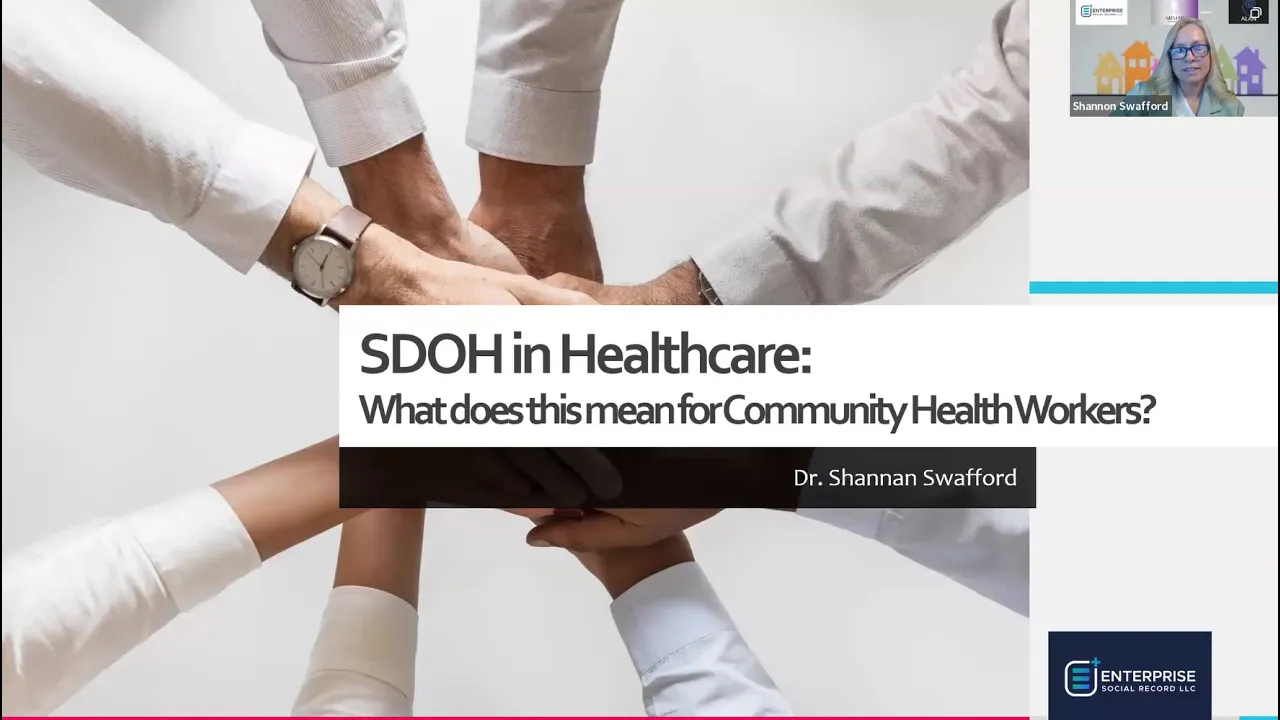
















Public health fundamentalism—the tendency to exclude social medicine and equity considerations from disease outbreak responses—leads to ineffective interventions that fail to address the root structural causes of epidemics. Effective public health requires understanding how poverty, historical injustices like colonialism, and systemic inequalities create conditions where diseases spread and persist, rather than focusing solely on individual behaviors or technological solutions.
Paul Farmer: Structural Violence & Public Health Fundamentalism
Added:The concept of Social Determinants of Health (SDOH), explaining how non-medical factors like poverty, education, and systemic racism drive health outcomes.
Basic tenets of medical anthropology, particularly how cultural, political, and economic contexts shape health systems and disease experiences.
An introductory understanding of global health history, including standard top-down epidemiological approaches and vertical vs. horizontal health interventions.
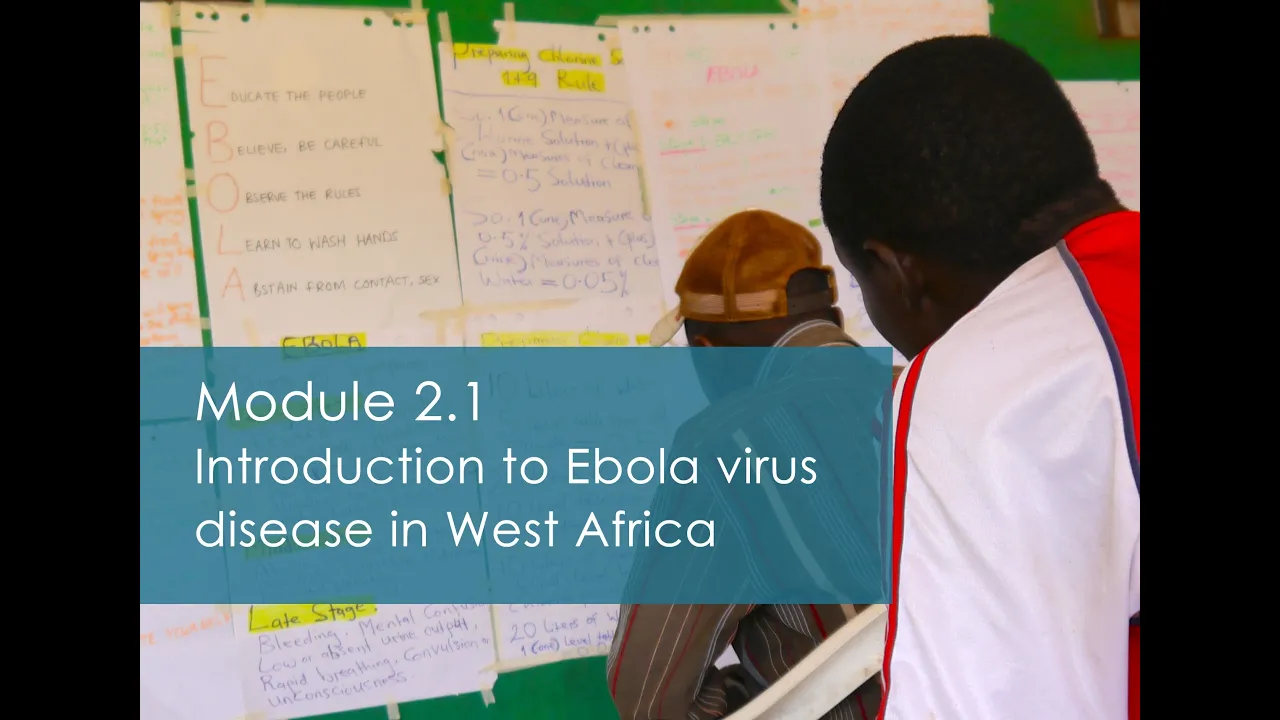
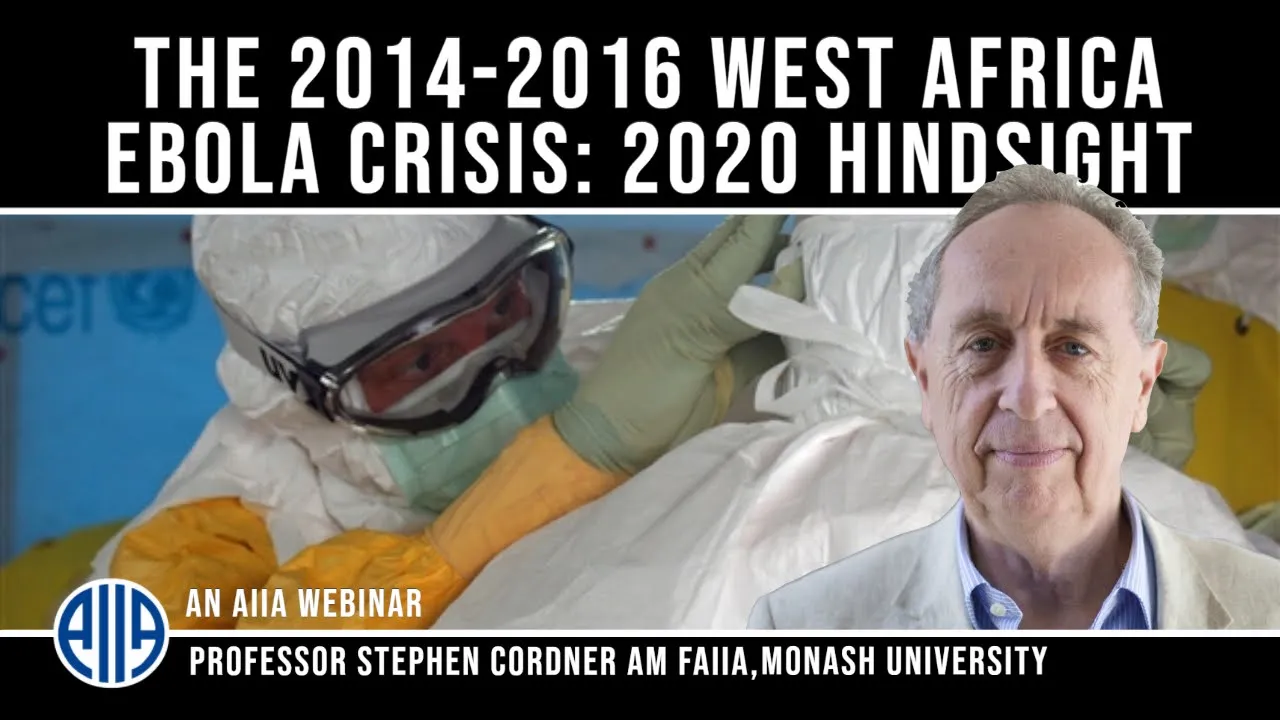
A foundational knowledge of the Ebola virus epidemic (2014-2016) in West Africa, including its transmission, containment strategies, and impact on weak health infrastructures.
Advanced frameworks in Decolonizing Global Health, analyzing how historical colonial power dynamics continue to influence modern health aid and resource allocation.
The application of the '4 Ss' framework (Staff, Stuff, Space, Systems) developed by Partners In Health for strengthening healthcare infrastructure in resource-constrained settings.
Critical analysis of international bioethics, specifically evaluating health as a fundamental human right through the lens of distributive justice.
Evaluating contemporary pandemic preparedness policies (e.g., COVID-19 responses) to identify and critique instances of 'public health fundamentalism' versus context-specific community engagement.
5K views39likes34:45Original Release: 2017-11-30
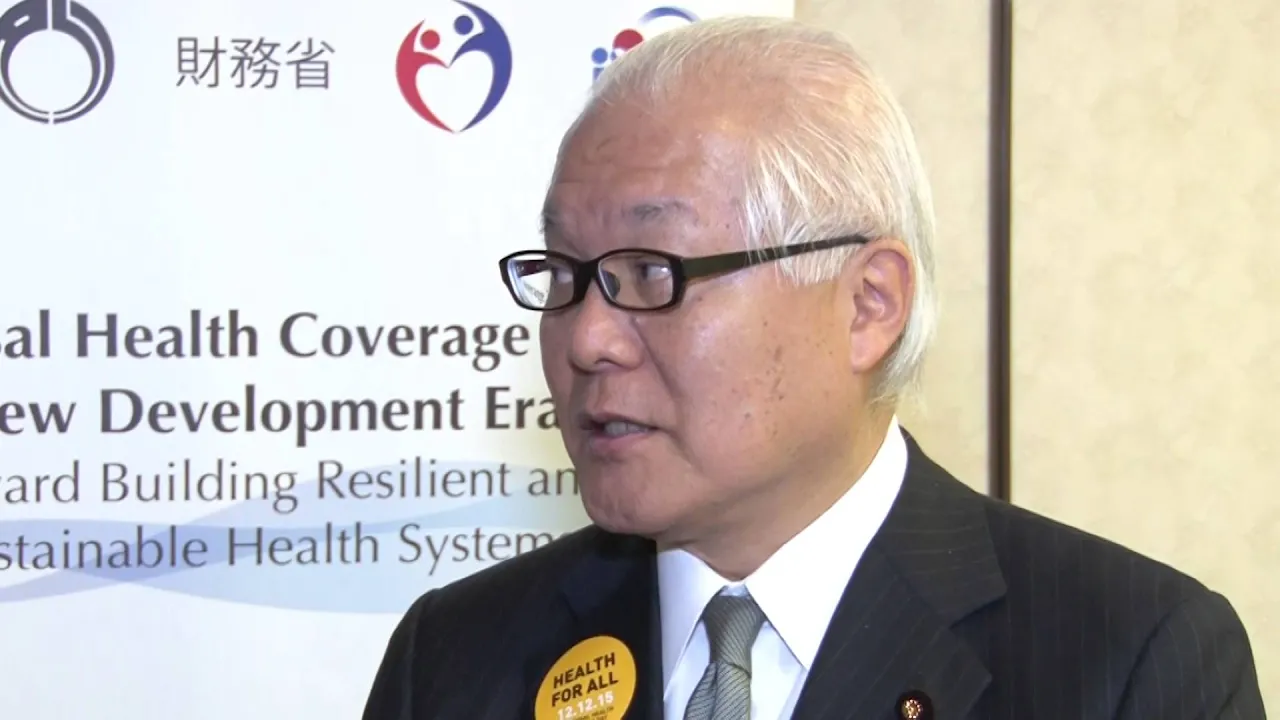
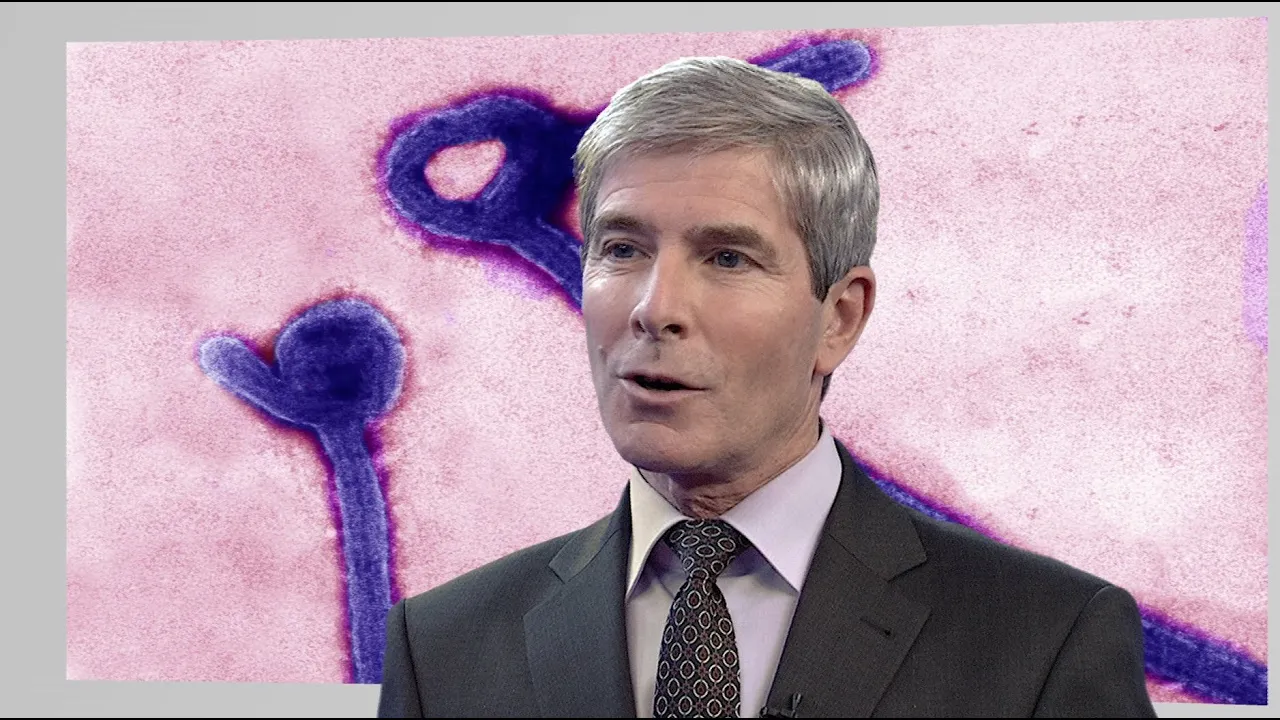
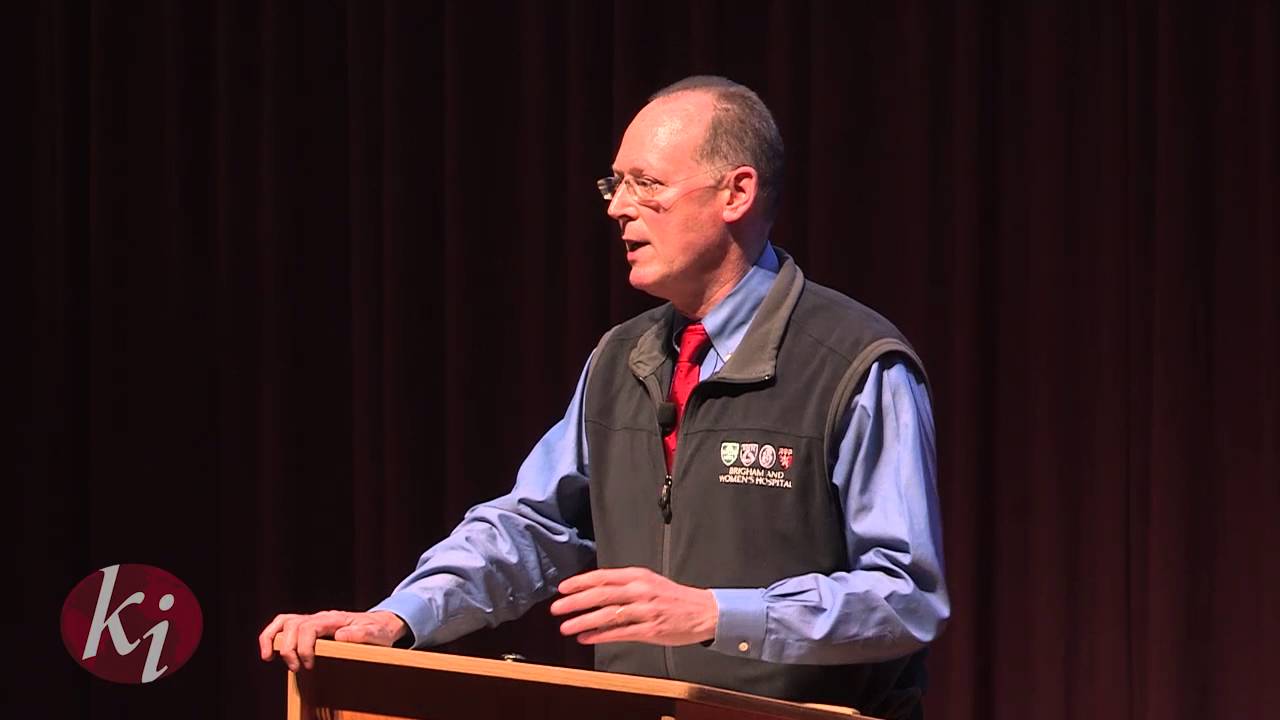
now I had been I had been given alright maybe I did come up with this right from Haiti over one of structural violence but saying it to a crowd like this which includes several friends of mine who are in the social sciences relevant to medicine saying context matters is hardly a bold proposition I don't think that anyone here would disagree that context matters how it matters is different issue and I'll go into this one of these images is from right after the genocide and another one from after the earthquake in Haiti I've already had a chance to speak about he was quite cure so I'm gonna go on to something I haven't had a chance to speak about which is public health fundamentalism reflecting on the Ebola epidemic or this particular reset and think about what that means to have zero vision to exclude not only social medicine but also equity from the discussion and instead of let me just begin by illustrating just a little bit of background and some people here you know far more about this than I do although I must say one of my books from 15 years ago infections and inequalities has a picture of Ebola on the cover a masquerade and it never did well and my publisher the University of California said you shouldn't have dead people on the cover of a book it's not good for sales and so I knew something about it but not the way I was going to learn about it through this experience that I'll describe here but just in terms of background the bullet was the word we throw around is discovered in 1976 of course that that just means that the technology for identification of a pathogen like this finally overlapped as it had in Europe some decades before overlapped with the pathogen and the story of this is a very sad story it's related to social medicine as everything is but just to speed up the narrative a bit what happened was this is a nose of Camille epidemic that afflicts predominantly caregivers again a lot of confusion about this and I'll go back to the confusion which is has been propelled by public health fundamentalism and helped behaviorist thinking cognitivist reductionism but what happened in 1976 was that and some of you may know this story directly from some of the folks who identify this this virus in a Mission Hospital short stories in a Mission Hospital the disease is introduced spreads rapidly from person to person afflicting large rate caregivers that was the story in 1976 is the story today now how do equity how does it equity come in well the pathogenesis was propagated by substandard medical care I said a Mission Hospital this is in what's now the PRC in the Congo the hospital had got a hundred days but it had no doctors now how many of you would go to a hospital in Oslo with a hundred beds and no physician I think nobody and it was run by very well-meaning I've no doubt sisters from Belgium Flemish speakers and they were reusing in their clinics inpatient and in their outpatient clinics they were reusing needles vaccination is an effort to save money to be reflecting their own virtues of prudence and caution and reserve and of course that's not a wise way to advance such virtues and they don't become virtues in a setting like this and this rapidly spread from person to person amplified by sub spanner practices in 1976 substandard medical practices you wouldn't have been able to do that in in Belgium and of course that was a very unpleasant thing to have to explain to the sisters many some of several of whom died as did a physician summon in from another district and the priests who are working there and one of the people who shared this story with them is Peter Piaf he was a young man in Antwerp training and infectious disease as I was and many of you know him through his work on hate but the story that he tells in his memoirs is much more up close and personal how do you understand the epidemic and also how do you explain it to others now these this is just three images to remind us and the importance of Suunto sees the first is his Marburg was very similar story it has that German name as some of you know because it was discovered in a place where it could be discovered that is to sing a German laboratory this was not our research laboratory was a laboratory for the production of polio vaccine green african green monkeys were being sent to Europe for of the production of the vaccine and it spread rapidly from infected monkeys to lab workers and then all the way to another German city and to Belgrade through that same chain so understanding these events which are transnational to say global and connected in very important ways to disparities could not be done without social medicine I would argue and nor can the current epidemic or a recent one now here's part of the problem I'll get to first many many people in this University have count their globe is larger than Oslo Norway Scandinavia Europe and for those of you in which area this includes many of them certainly my friends who are here today many of you understand that diagnosis of anyone with a fever let's say that the Cardinal symptoms of Ola fever diarrhea and vomiting right so patient comes in say you're in Malawi or in Sierra Leone or Liberia Guinea and patient comes in with a fever or fever nausea vomiting diarrhea again for the physicians who practice and not just in in places like where I was yesterday it will be tomorrow but anywhere the differential diagnosis is broad and it also requires it requires staff and stuff and space and systems and all returns what I mean by that so what what do you do you know if a patient comes in with these symptoms without laboratory capacity which again all medicine is social medicine and so people practicing it need to understand and if they can find someone else to worry about how to build a lab great when my colleagues at Harvard at the Brigham Women's Hospital the surgeons complain as they often do to infectious disease doctors because we're good listeners when they complain and I say at least you don't have to build your own operating room and put it off put in the electricity and most of the time they don't get what I mean or at least they used to pretend they do but they understand if someone else can worry about having diagnostic that's great but otherwise you're stuck with this long list of possibilities and that is what happened in 1976 and it's what happened alas in 2013 when this current outbreak began by the way one of the things that you heard again and again in Norway as elsewhere was that this is the first time that there's ever been a bowl in West Africa or this part of West Africa but all you have to do to think that that might not be true is actually look in the medical literature and find surveys Sarah serological surveys from Liberia and Sierra Leone at least it's not Guinea showing that it all it was indeed present I just so we forget so quickly why we doesn't and it's okay you could keep repeating it again again you know errors of whatever sort of you like right because without social medicine which includes a historical approaches nope no one's going to say well gee that's a colossal error if it involves four people all too often just gets shrugged off so that this story I'm going to just tell you how I experienced it I had actually never been to Sierra Leone until the summer of 2014 I was working on another Atlantic Commission at that time and with surgeons I brought up surgeons already just by accident we were working on and so there were colleagues from Norway as well we were working on surgical care in settings of poverty these days we just call them resource poor settings which is a you know again when I hear that term in Boston I said well Austin's a resource poor settings over in that neighborhood that's what social medicine reminds us but I had not been there and the first meeting that we were there three meetings in these lands and commissions as you know the first one was at Harvard Medical School and the third one was in Dubai go ahead I was I was hoping people with these labs these are great places to have meetings don't get me wrong but I was on the Commission and and and in fact if I could say in an immodest way I'd raised the money for these meetings and since it's all about power as you pointed out I had the power to change that which is kind of a good feeling and I said you know we really can't have the first meeting at harbor at the third one in Dubai and not have a meeting somewhere that it's actually a resource poor like every convention and and we ended up going to Sierra Leone for that second meetings because of some colleagues from England particularly but because we we wanted to have one of these meetings in a place that is a clinical desert right it's a clinical desert which is why Ebola killed and it's a public health desert which is why it's spread now having helped to marshal the funds for this I can tell you I had been following I've been trying for 30 years to get out that promed whenever they started it where they're sending out bulletins about every rare outbreak I still don't know how to unsubscribe to some young Norwegian technocrat could show me I'd be glad but on this particular instance I'm kidding I don't want to get off Thank You Chuck in this particular instance anybody on that list of infectious disease doctors and Generals started hearing about this outbreak in March it had begun it's thought in December of 2013 oops what am i doing I'm ruining my own talk because it's supposed to please pear as well so I began receiving news of this between Harvard and Rwanda and I had some pressure to change the venue because in March it was clear that the Ghanaian deaths had been caused by Ebola was confirmed and it was marching West from a place that some people call the tri-zone area a small patch of land where Liberia Sierra Leone and Guinea come together in a little island only 20 miles or so across they all come right to guess if you look at the map which I hadn't done very often until recently that was held to be the epicenter for the beginnings of the epidemic if so of course it had spread across those borders to get to Liberia and Sierra Leone there really is no borders they're foot cross by foot passes or colonial inventions I'll return to that in a second from the late 19th century Liberia's borders have been disputed for longer than that but really these are European creations and Liberia inspiration of American settlers American colonists and there was four people who knew the region which as I said I did not there was no reason to believe that it would not spread across those borders that it promptly did by April or May of 2014 again I was receiving some pressure to to find another venue because it was not safe it was going to have a meeting in Freetown the capital of Sierra Leone well I objected that Ebola was not spread through medical conferences but rather from a lack of staff stuff space and systems necessary to prevent its human-to-human transmission in clinical settings so we didn't change it and and in this June of 2014 I've made my first trip ever to that country and I knew exactly 3.3 people see our other nuggets not counting a new commissioner from The Lancet Commission co-hosted the meeting in many ways one of them all three were doctors one of them was a student of mine father Barry who I've known over the course was a better part of a decade he had started a small non-governmental organization in eastern sierra leone although that's not where he was from his name is bono Barry is by the Barry the one in the middle Martin salia a young surgeon had been in exile after the war first of Guinea in the United States but always wanted to go back he said I became a surgeon so that I could serve the poor and he attended this meeting and in the third an infectious-disease colleague named Omar Khan who wasn't but very well known in those circles and our small circles because he was an expert on hemorrhagic fevers particularly on NASA but also the bullet on Ebola he if fate had been kinder was to spend the last academic year at Harvard 2015-2016 now that was June and by November two of them were dead it evolved and if you remember and I'm sure that's happened in Europe as well it's from a - of again public health fundamentalism in one of its forms which is a focus on risk aseptically the cover of Newsweek was a bushmeat I've already said this is a zoonosis so it requires a spillover event from another species we don't not even sure which one and bola is not the host species is definitely not a chimpanzee because they're sick and also by this virus all primates it seems but to focus on bushmeat on you know primitive behaviors these were out there in the press for months and maybe they still are was very striking and yet we knew this was spread person-to-person through inferior quality medical care that the staff stuff spacing systems required to halt a we knew that since 1976 so essentially as then and now this caregivers disease began picking off those who put themselves these health professionals who put themselves between for patients facing long-standing risks of epidemics and and death right because the idea that this was an untreatable illness could not be stay sustained but anyone with any clinical knowledge the main symptoms being as I said fever diarrhea vomiting now it seems to me that in Norway or in the United States for a hundred years we've known how to treat massive fluid loss which is by what at least in the United States used to be called replacement therapy you replace the fluids and the electrolytes that's what you happen what happens when you get the flu and go to an emergency room in Oslo or your child has another bout of die or the real disease but the public health fundamentalists not only got the risk factors incorrectly but the clinical management and if you were from this part of the world which I obviously am NOT you would have recognized this as a very familiar approach and it you might as well call it the control without care approach and that's part of the public health fundamentalism that pair has spent some time critiquing and the difficult part of this was that managing risk was really managing for poor people or the rest of us and I'll lay this out in detail now who mark on by the way was the first to die died on July 29 I left on the 22nd of June and on the last day there I was with my wife actually I was headed back to Rwanda and I was asked but to go visit two clinical facilities one was set up in the main referral hospital colonial relic called cannot it was an Ebola treatment unit that was what it was I knew the lingo a little bit too acronyms etu they were just opening and wanted me to come and inspect it these were friends of mine including some English physicians in a Spanish infectious disease doctor and three Sierra Leonean nurses the other institution was also founded by Europeans it was an emergency sorry it was an Italian group that was focusing on trauma care now I I had met with the English folks before at Harvard in the department of social medicine and said you know if you're gonna go to Sierra Leone then you should find a way to work with the public sector right how unamerican is that by the way you guys get to feel very superior because of a hundred years of investment in public health and the public sector but you know I had to learn this the hard way as an American and and they did and that's how they end up in come on and I left there thinking first of all went in the entrance to this unit was through the emergency ward and that was and they knew as well as I did that that was not a good idea and it was tiny it was six bits I have to go back and figure out it was really six or eight but it was a tiny little unit and it had beds buckets and plastic sheets you know and I was thinking what it what is this gonna be like when there's chlorine vomit and all over the place you know how could you possibly protect yourself right they're sitting ducks that is what happened to the mark on right who mark on this is the world's only Lassa unit for treating Lassa this is a famous person aaj who has received funding for the National Institutes for health the World Health Organization the center Suzie's control I told you already his connections to Harvard Tulane but that was for research and as the record said you can't do research without thinking about service delivery and training and he knew this very well that he had a great research project but his disastrous clinical facility so again without the staff stuff spacer systems there was no way that those nurses and who mark on were not at risk and indeed it did not take them long to fall bye-bye that day that I went there in June June it was clear that Duvall was already in Freetown and it already made that Western surge from those forested regions in the east to the great cities of the Atlantic and I say great cities I mean Conakry Freetown Monrovia great in what way they were the epicenter of the slave trade this was the epicenter of the Atlantic world which connected that part of Africa to Europe South America North America indeed the argument has been made I think by compellingly that that is how we constructed the Atlantic world that the great cities of France Bordeaux of the Americas Charleston Boston all the way up and down the coast Brazil the Caribbean there's a link to West Africa in a very intimate way over the last few hundred years now imagine saying that in the middle of rounds had a teaching hospital I'm not willing to do that actually I speak you know that's another best-selling book of mine women poverty and AIDS it's good subtitle though sex drugs and structural violence nobody read it except for my mother who knew we come in it anyway this is the the social medicine perspective thus includes knowledge of staff subspace and systems required Asst prevent her halt navigator will also dunder said where did this come from where is it going now it was clear to anyone willing to look certainly by July and who mark on died this was international news the focus interestingly was not on a lack of staff so spacer systems it was on the use of an experimental drug or agent called semen and that's a sad story as well he ended up not getting the only doses in the tele doses in the world and where were they city they've manufactured I think by a Canadian firm where were they sitting they were saying right where he they died in the middle of this forested semi forested region already raised by war why were they there well they were left there in a refrigerator to see if they were heat stable right and evidently he was not this is a difficult subject for me having known him evidently it was not consulted and whether or not he should receive definitely decided that was taken care of that was some from the world's largest humanitarian agency medical humanitarian agency and the others from the largest regulatory body on health in the world or maybe have the largest one but the most important one for standard said they decided no he would not receive this this theory so it went by plane to to American missionary visit missionaries in Liberia both of whom survived now they did survive in my view because they received this experimental agent he met they survived because they received replacement therapy but not in West Africa they were flown in a bio containment plan to Atlanta where they went to Emory University Hospital because there was a bio containment facility they're friends of mine in fact some of my trainees are infectious disease doctors there and they received as is necessary massive therapy sometimes people are losing 10 liters a day with this disease and even the most ardent chuggers of Pedialyte i don't know it's Pedialyte an international brand oral rehydration salts by anybody ever have it have anybody here to choke the Norwegian still have children so if you have children or a pediatrician you don't you know how hard it is to get kids to drink or eat at the world therapy oral rehydration salts right well imagine you're adult but you're throwing up how on earth can you keep it down right and this is I said it's one of the three main symptoms and you should imagine you can't imagine what these places look like within a few days of having patients in them filthy and swimming with billions and billions of copies of this virus and of course who mark on got sick and of course half the nursing staff died right it's a public health desert what are we gonna do it's not cost-effective not sustainable not you know do that they just put a hospital one day it's not there in the next day it's there I tell you I've seen it and so the failure of imagination again gets applied particularly to poor people but the story is about a patient coming back of the patient-centered approach that you have advocated that would be informative for public health as well as clinical medicine so this girl her name is Mario - I heard about from a friend of mine again there weren't local doctors nurses so of course we tried to bring he would said no one's ever gonna volunteer to work on this we had 1500 people sign up by the website a part of the health of volunteers so that was wrong but again it doesn't matter if you're wrong it's tough for people you can say whatever you want spread by bushmeat strange generic practices so we did have a quite a few people sign up one of them I was in hate an American emergency room physician last time I was here I told you about the Hospital that we were opening in afternoons but we did open it by the way it's beautiful she's the largest solar powered hospital in the developing world in central Haiti so Reagan Marsh is this young doctors name she had work to start the first emergency medicine training program in Haiti that's her the long one she was leaving us early on I was in Haiti since Reagan you know we really need your skills yesterday in Sierra Leone I kind of just kidnapped her and she didn't say no the Haitians weren't happy with me because they were they loved working with her but there already was a functioning emergency room in central Haiti with emergency room doctors I just saw a Zika patient there we think was Paige musica a little boy 12 years old who presented with quadriplegic in the middle of the night Reagan's often Sierra Leone at the time but the emergency room attending that its senior physician Haitian she said I think this boy needs to be intubated they innovate him she goes to murder Zoo I'm in the ICU we have an ICU you think there was a nice to you there before the earthquake anywhere in in rural Haiti well there is now I had nothing to do with any of us the emergency room attending the young woman says we need to intubate him she calls the ICU attending another young women woman she intubates him I see the kid ten days later they're asking me is this Zika I said doesn't matter you already saved him he's extubated tracheostomy he is a walk out of the hospital but he gets rolled out I'm hoping to see him in a couple days sex right so that's Reagan Reagan calls me into the apartment of issue tomorrow but there's this girl I want you to see she's an Ebola survivor it's back to the whole person but she hasn't said anything since she got discharged from the Ebola treatment unit where we actually were trying to treat people and she's dying of and they see she's emaciated and dying malnutrition or who knows what and some of the nurses thought maybe she was brain damages of Sierra Leonean nurses so I went to see her and not very original said I all we have to have food in her and she won't talk or eat so I have to put it it's a gastric tube and and did and she she looked at me with something that was not a pleasant emotion but she didn't say anything and then she just pulled it out if someone else put it in and I had this guy that I told you about Ibrahim 26 years old told me he lost 22 members of his family ever since that night he had been telling me this was in officers thanksgiving american time so it would be third week of november he said i want to help the bullet patients i won't you know that's what i want to do this was after he just got out of that horror and lost muscle and you know it's not my decision really but somehow I felt well kind of paternal the paternalism gets a bad rap though and I said to him if I were you that would be the last place I'd ever want to go again in my life Ebola treatment unit he was still sick and recovered so I could ignore it January my back he was still saying the same thing he had joined the Ebola survivors group that partners and health sponsors and that's what he wanted to do he hadn't gone to high school you know he and he's had a really complete villain about having survivors anywhere near patients not because we didn't think they were immune we did but you know you have to you have to be careful about exposing people to any kind of risk right and he insisted an assistant in the third week of January 2015 as if I were his we didn't you know he's lost both his parents by now but he said can I go with you to give all the treatment this is one in the northern right I said I asked a couple other people what do you think and but anyway he did go with me and he went to see this child I'd already been seen her a couple of days and we walked into the unit and I was planning on paying close attention to him you know you he had sequelae of disease as many people do not line this but clearly psychological distress and insomnia and some other neurological sequelae and probably psychiatric ones as well I mean who wouldn't right and I was planning to planning on paying attention to my I told him about this little girl and said I would introduce them because that's what he said he wanted you was communicate to have all the patients and she was certainly the least communicative one in that unit which is she had been discharged to the local public hospital and then the whole pediatrics work was earlier I think everyone all the kids in that Ward had survived Ebola and she was the only one who was completely uncommunicative and he went over and sat down with her and I said this is Mari l2g brahim she'd made no acknowledgement of what I said and then just then another girl you know I make it to age wrong but a you know young young ish I'm gonna say six had a seizure and there were no bed rails which again mistake staff stuff's based in systems and so I was the only health professional in there in the room and she fell right off the bed and had a grand mal seizure so it was really only out of the corner of my eye that I saw what happened next because I was attending to her Murray out to this girl took a hold of Ibrahim shirt and pulled herself up to his ear and said something and I as I said I there's nothing I could do I was trying to manage emergency calling for help etc and you know and the bowl of Survivor as some of you know the viruses can be isolated in the urine for months right and of course what happens when you have a seizure and so I have to say with some shame I was I wasn't happy that I was drenched with urine I was otherwise occupied but I saw this happen but an hour later when things die down fortunately the patient didn't die and she was okay I said when outside I said him what did she say to you and he said in a matter of that voice she told me I want this certain kind of juice and these cookies I really like now this is the nurses were saying well she might be brain damaged shins at work and I close with that story because social medicine is about understanding historical context it it is about understanding how poverty works the world and how racism and discrimination and histories like the history of slavery are erased shut down the movie yet not even part of our discussion it's also about listening to patients and that's what he was able to do that's Mario and Ibrahim before and this is her after last anecdote last line sometimes when I go back there which is quite frequently yeah well I'm not sometimes but one time they said oh we have a surprise for you this is not dr. Mario and then I knew it was going to be a survivor you know morning yeah it was Mario - I like they bring her over she sits on my lap you know and photo-op and I said to Mario - I know you didn't start school yet all the schools in Sierra Leone were closed but you're going to in fall you know when I come back I'll bring you some nice present you want some crayons or stuff straw but I want an iPad thank you very much I look for credit
Up Next
3:45
MRC Muscle Strength Grading: A Comprehensive Guide
@Physiotutors
578K views•2015-11-30

12:54
Triumph of Orthodoxy Icon: Byzantine Art & History Explained
@BenCallan
2.1K views•2024-08-06

9:49
FastAPI vs Flask vs Django: Choosing the Right Python Web Framework
@TechWithTim
302.5K views•2024-05-26

1:42
Game of Thrones Opening Credits: A Cinematic Analysis
@gameofthrones
46.3M views•2011-04-18
Related Study Plans & Knowledge Roadmaps
Structured learning paths in General & Interdisciplinary Studies
general-studies
Elevator Engineering: History, Physics & Cities
01From Hoists to Safety Brakes: The Dawn of Vertical Lift
02Hydraulic vs. Traction: The Engineering Physics of Elevators
03Modern Speed, Safety, and Algorithms
+ 2 more learning modules
12h5 modules
Explore Roadmap
general-studies
Rubber: Material Science, History & Geopolitics
01Origins of Natural Rubber & Mesoamerican History
02The Chemistry of Natural Rubber & Vulcanization
03The Geopolitics of the Rubber Boom & Colonization
+ 2 more learning modules
12h5 modules
Explore Roadmap
general-studies
Containerization: Evolution, Logistics & Trade
01Ancient Trade & Bulk Cargo: Amphorae to Barrels
02The Industrial Revolution & Cardboard Packaging
03The Containerization Revolution: Malcom McLean
+ 2 more learning modules
12h5 modules
Explore Roadmap
general-studies
Textile Tech: Evolution, Labor & Global Impact
01Pre-Industrial Textiles: Handloom & Cottage Industry
02Mechanization: The Spinning Jenny to the Power Loom
03The Factory System & Global Labor Transformation
+ 2 more learning modules
10h5 modules
Explore Roadmap