














![Как работает кофеин? [Clockwork]](https://i.ytimg.com/vi_webp/BugtObvHHbw/maxresdefault.webp)













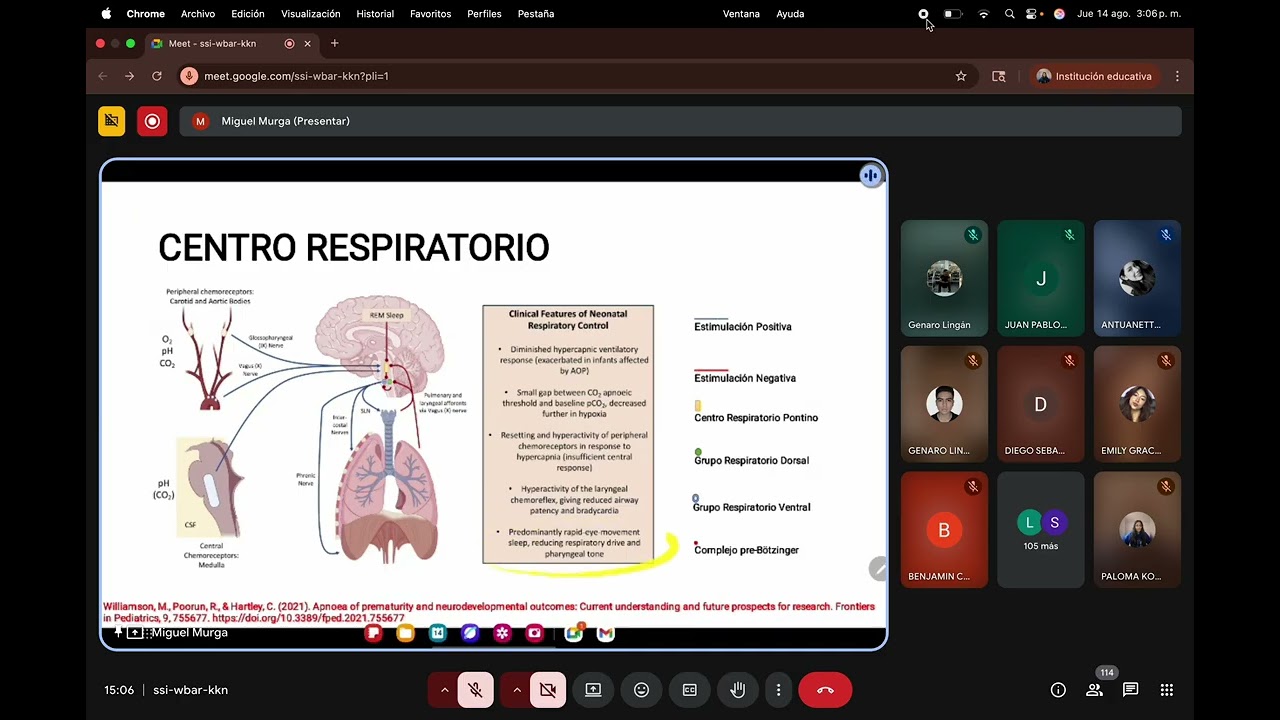
![[홍혜걸TALK] '이른둥이(조산아, 미숙아)의 치료' (분당서울대학교병원 최창원 교수 & 홍혜걸 의학전문기자)](https://i.ytimg.com/vi/jl6CWOWn4yk/maxresdefault.jpg)

Caffeine works by competitively binding to adenosine receptors in the brain, preventing adenosine (a molecule that builds up during wakefulness and signals the brain to sleep) from activating these receptors, thereby reducing sleepiness and increasing alertness; this same mechanism also explains caffeine tolerance (the body produces more receptors over time) and withdrawal symptoms (excess receptors cause intensified sleepiness when caffeine is stopped).
How Caffeine Works: Adenosine Receptors Explained
Added:Basic neurobiology of synaptic transmission, specifically how neurotransmitters carry signals across the synaptic cleft.
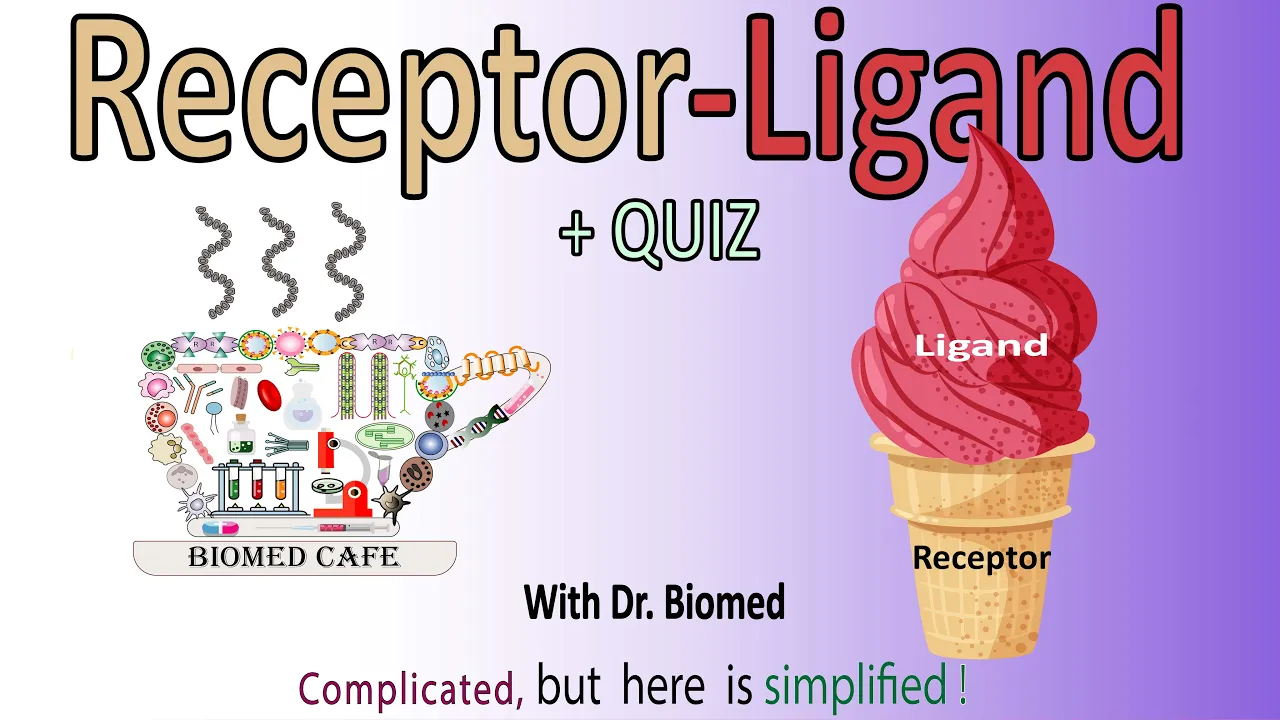
The concept of cell membrane receptors and ligands, including the distinction between receptor agonists and antagonists.
An introductory understanding of adenosine as a biological compound involved in cellular energy transfer (ATP) and neuromodulation.
The fundamental structure and function of the central nervous system, particularly how the brain regulates alertness and fatigue.
The cellular mechanisms of caffeine tolerance and withdrawal, specifically the homeostatic upregulation of adenosine receptors.
The physiological relationship between adenosine accumulation, sleep pressure, and the regulation of circadian rhythms.
The pharmacology of other methylxanthines (such as theophylline and theobromine) and their comparative systemic effects.
Medical and therapeutic applications of caffeine, such as its role in treating neonatal apnea, cardiovascular effects, and its synergistic use with analgesics.
411.3K views10.2Klikes8:32Original Release: 2017-04-06
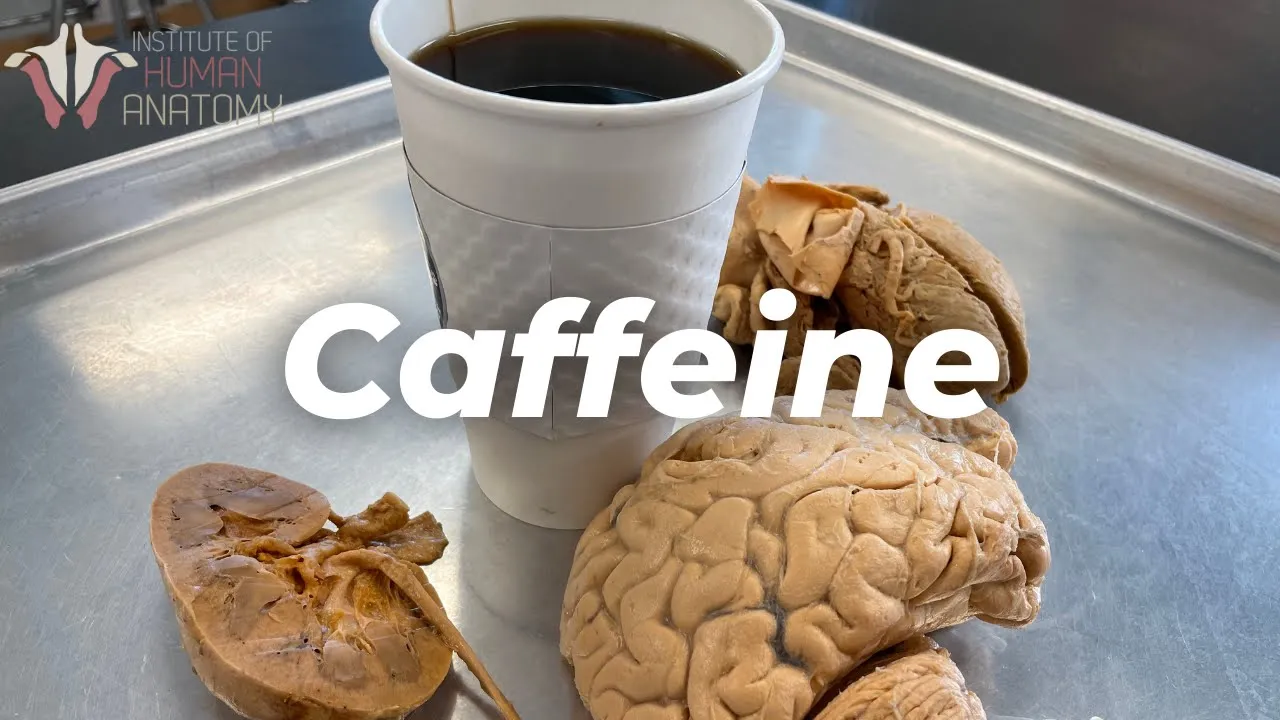
What do tea, energy drinks, chocolate, cola, and coffee have in common?
They all contain caffeine, the most popular psychoactive drug in the world.
Almost everyone knows firsthand how effective caffeine is at keeping you awake, but how does it do it?
Listen in to this episode of Medicurio to explore the history, mechanism, and surprising medical uses of caffeine.
Humans and caffeine have had a long history together.
The drinking of tea began almost 5000 years ago in ancient China while the drinking of coffee began around 1000 years ago in Arabia.
In both civilizations, caffeine became an integral part of their cultures.
Tea and coffee arrived in Europe around the same time in the 16th century and likely caused a revolution of knowledge and technology in Western civilization.
This was because before caffeine was introduced, due to the unsanitary water conditions, Europeans often drank weak beer and wine throughout the day instead of water.
The alcohol sterilized any germs, but also made people tipsy.
You can imagine how that would have affected productivity of workers in Europe.
When coffee became popular, not only did it allow people to work energetically, it also popularized coffeehouses, where people had serious discussions about current events over a cup of coffee, resulting in philosophy, science, and politics all advancing in leaps and bounds.
Without caffeine, Western civilization may very well be a lot less developed than it is now.
It was in the 1800’s when caffeine was finally isolated from coffee, leading to extensive research on the drug.
Finally, in the 1960’s, scientists discovered how caffeine prevents sleepiness.
But to understand its mechanism, first we need to figure out what is going on inside our brain to make us fall asleep.
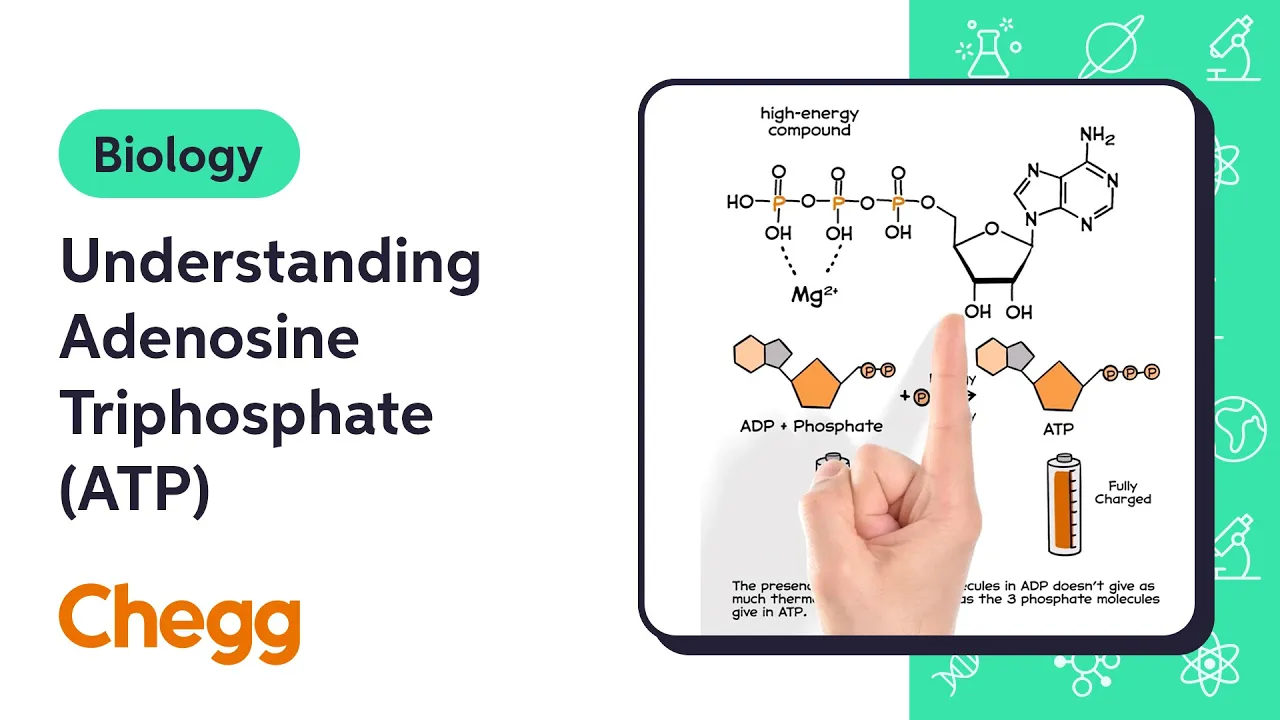
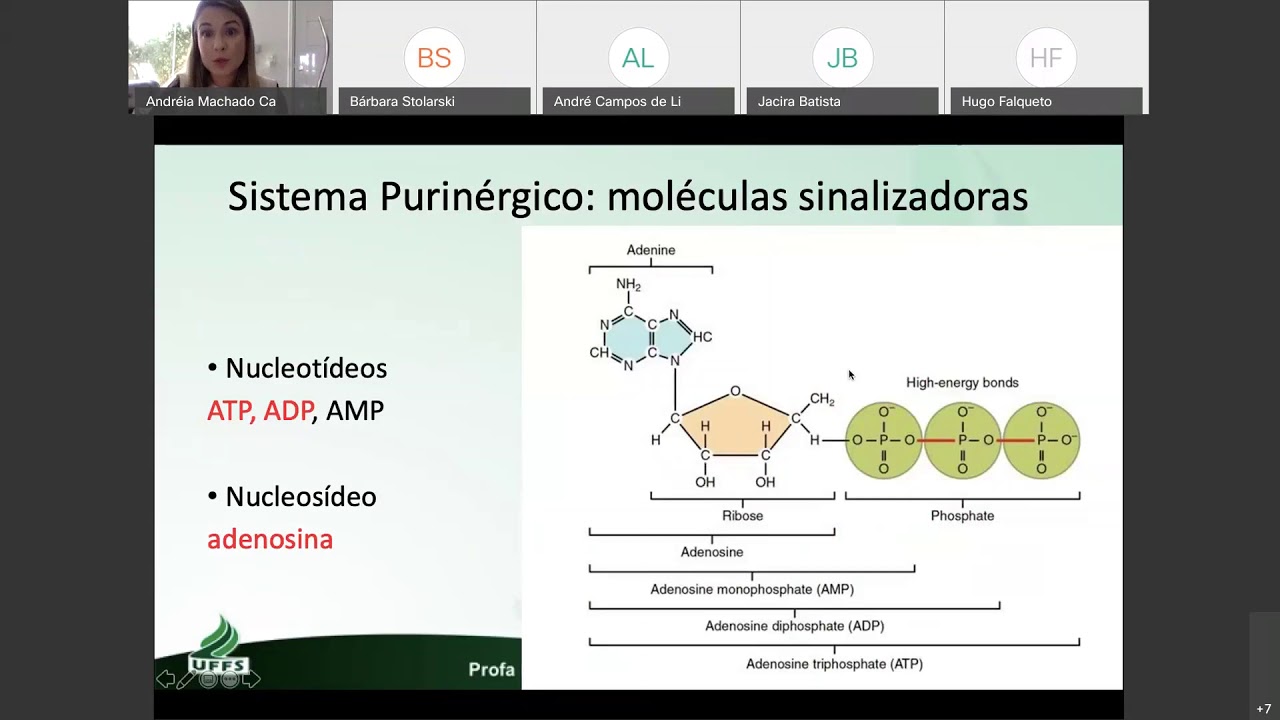
Cells in our body such as neurons break down a molecule called adenosine triphosphate for energy.
One of its breakdown products is adenosine.
Therefore, as the brain uses up energy throughout the day, adenosine levels steadily increase inside the neurons, leading to some adenosine exiting the neurons which can bind to adenosine receptors to cause sleepiness.
This is a very useful mechanism: high adenosine levels in the brain indicate that the brain has been very active and needs to rest, so adenosine will make you fall asleep.
Specifically, adenosine has two effects, depending on what type of adenosine receptor it activates.
If adenosine activates an A1 receptor, which are found on neurons that keep the brain awake, those neurons become less active.
If adenosine activates an A2A receptor, which are found on neurons that initiate sleep, those neurons become more active.
The combined activation of these two receptors, a weaker wake signal and a stronger sleep signal, as well as a variety of other hormones, are responsible for making you fall asleep.
During sleep, the brain can replenish its energy reserves and begins to eliminate adenosine.
Eventually, not enough adenosine is left in the brain to activate adenosine receptors, so you wake up feeling refreshed.
The structures of caffeine and adenosine are very similar, which means that caffeine can also bind to adenosine receptors.
However, since adenosine and caffeine are not exactly the same, caffeine cannot activate those receptors.
All it does is compete with adenosine for the receptors, making it more difficult for adenosine to activate those receptors to cause sleepiness.
This is how caffeine makes you feel more alert, essentially by decreasing the sensitivity of your neurons to adenosine.
Caffeine’s effect only lasts for two to four hours though, depending on how fast your body breaks down caffeine, which is mainly determined by genetics.
Once your body breaks down the caffeine, adenosine can once again bind easily to its receptors to cause sleepiness.
If you ingest caffeine on a daily basis, you may have started with drinking one cup of coffee a day and eventually moved on to three or four a day to have the the same feeling of alertness.
This is known as caffeine tolerance and often happens to people who are chronic coffee drinkers.
This may be due to your neurons synthesizing more adenosine receptors to compensate for the receptors blocked by caffeine.
Therefore, more caffeine is needed to block those additional receptors.
If a chronic caffeine user suddenly stops taking caffeine, since there are now so many adenosine receptors, the sleep-inducing effects of adenosine may intensify.
Therefore, some users may experience withdrawal symptoms such as fatigue, drowsiness, difficulty concentrating, and irritability, the opposite of caffeine’s effects.
To avoid these unpleasant feelings, these people will continue to take caffeine.
This results in a mild physical dependence on the drug, but not severe enough to be classified as a true “addiction”.
Caffeine is nowhere near as addictive and life-ruining as other stimulants like cocaine and methamphetamines.
These withdrawal symptoms can last up to a week until the number of adenosine receptors returns to normal, and you can minimize these symptoms by slowly weaning yourself off of caffeine rather than stopping abruptly.
Adenosine receptors are also found outside the brain, particularly in the heart and kidneys.
Just like how activating A1 receptors in wake-stimulating neurons decreases their activity, activating A1 receptors in the heart and kidneys also decreases their activity: the heart slows down while less blood is filtered through the kidneys, leading to less urine production.
Just like in the brain, activating A1 receptors is a way to give these organs a rest as well, as both heart beating and urine production consume energy.
When these A1 receptors are blocked by caffeine, the opposite occurs: heart rate increases and more urine is produced, symptoms you may experience after a few cups of coffee.
For people who have ingested a large amount of caffeine, they may experience uncomfortable symptoms such as headache, dizziness, and insomnia from over-alertness, jitteriness from higher heart rate, and dehydration from increased urine production.
However, caffeine is generally a safe drug. It is very difficult to overdose on caffeine.
Here are the caffeine levels in common caffeine-containing substances.
For caffeine to be lethal to an average adult, 10 grams of it must be ingested within a few hours, which is the equivalent of around 100 cups of coffee.
A few words of caution though: children should avoid caffeine, as it is still unknown what kind of effects caffeine has on a developing brain.
And if you are constantly using caffeine to avoid sleep, STOP.
Adequate sleep and rest are important for healthy brain function.
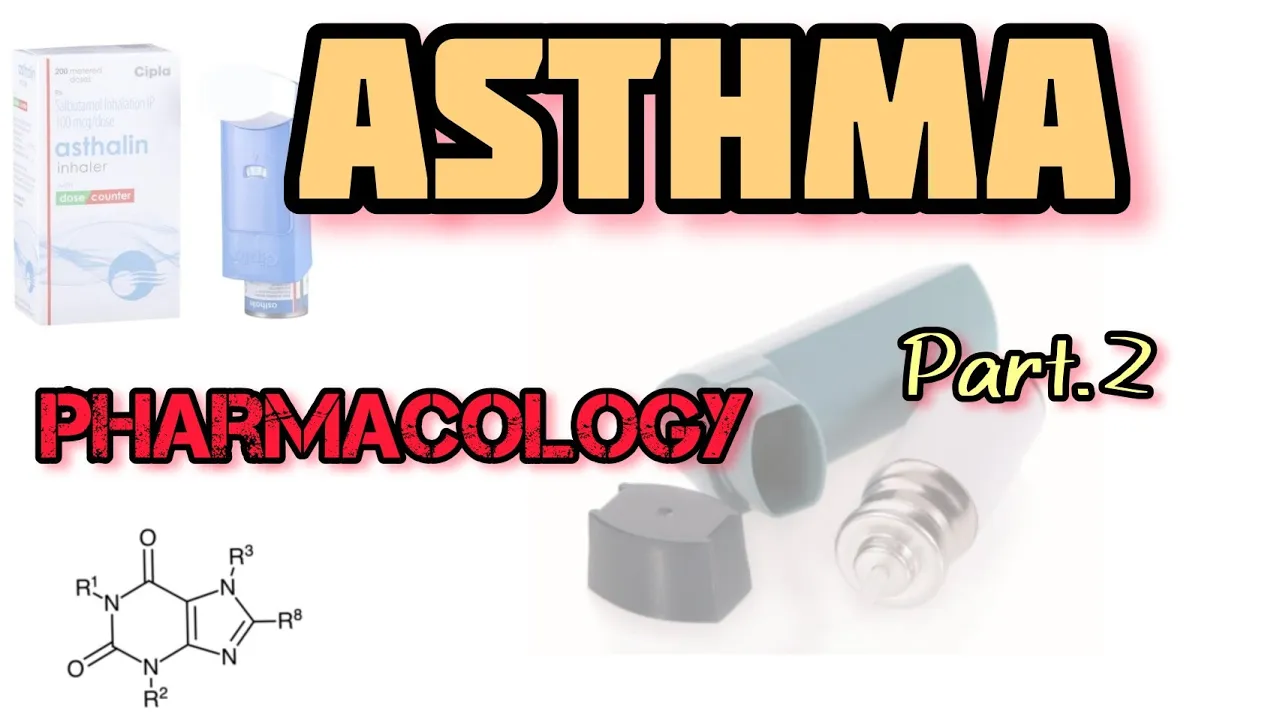
Aside from its stimulatory effects, caffeine also has some medicinal effects, though its mechanism there is not well understood.
Caffeine is commonly found mixed with NSAIDs such as acetaminophen and aspirin because caffeine can enhance their painkilling properties.
This is particularly useful in treating pain from migraines.
Even more interesting is that recent research has found that moderate daily caffeine intake seems to prevent various neurodegenerative diseases such as Alzheimer’s and Parkinson’s disease.
It is truly exciting that such a common drug like caffeine may be the key to preventing the devastating neurodegenerative diseases that are affecting so many people right now.
So the next time you drink a cup of coffee or tea, realize that you are taking in a drug that not only played a huge role in human civilization in the past, but may be an important medical drug in the future.
Thanks for watching, and see you next time on Medicurio.
Up Next

99:47
Lymphatic System Science: How to Boost Health & Appearance
@hubermanlab
434.2K views•2025-10-27

48:47
Graphic Medicine: Comics for Collaborative Healthcare Communication
@nationalpatientadvocate
189 views•2023-12-04

10:28
Neuroanatomy: Central and Peripheral Nervous System Divisions Explained
@AKLECTURES
136.2K views•2014-09-20
3:05
Stages of Labor and Vaginal Birth | Childbirth Animation
@nucleusmedicalmedia
52.1M views•2017-08-18
Related Study Plans & Knowledge Roadmaps
Structured learning paths in Medicine
medicine
Abnormal LFTs: Diagnostic Workup & Pathology
01Liver Anatomy and Basic Physiology
02Introduction to Liver Function Tests (LFTs)
03Hepatocellular vs. Cholestatic Patterns
+ 3 more learning modules
12h6 modules
Explore Roadmap
medicine
Analyzing Blood Smears: RBC, WBC & Platelets
01Introduction to Blood Components & Smear Preparation
02Normal Morphology of Blood Cells
03Erythrocyte Pathologies & Morphological Variants
+ 2 more learning modules
12h5 modules
Explore Roadmap
medicine
Mechanical Ventilation: Waveforms & Alarms
01Anatomy and Physiology of Breathing
02Introduction to Mechanical Ventilation & Core Modes
03Ventilator Settings and Waveform Interpretation
+ 2 more learning modules
12h5 modules
Explore Roadmap
medicine
Neuro Exam: Localization & Stroke Syndromes
01Foundations of Neuroanatomy and Vascular Supply
02The Neurological Examination: Step-by-Step
03Principles of Neurological Localization
+ 3 more learning modules
18h6 modules
Explore Roadmap