

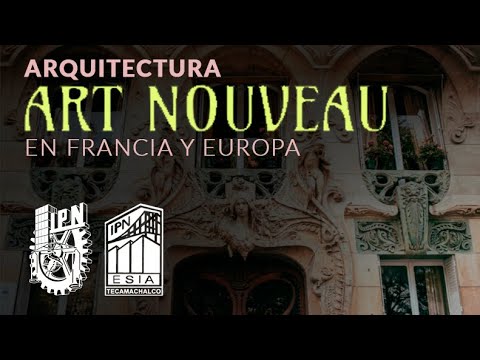










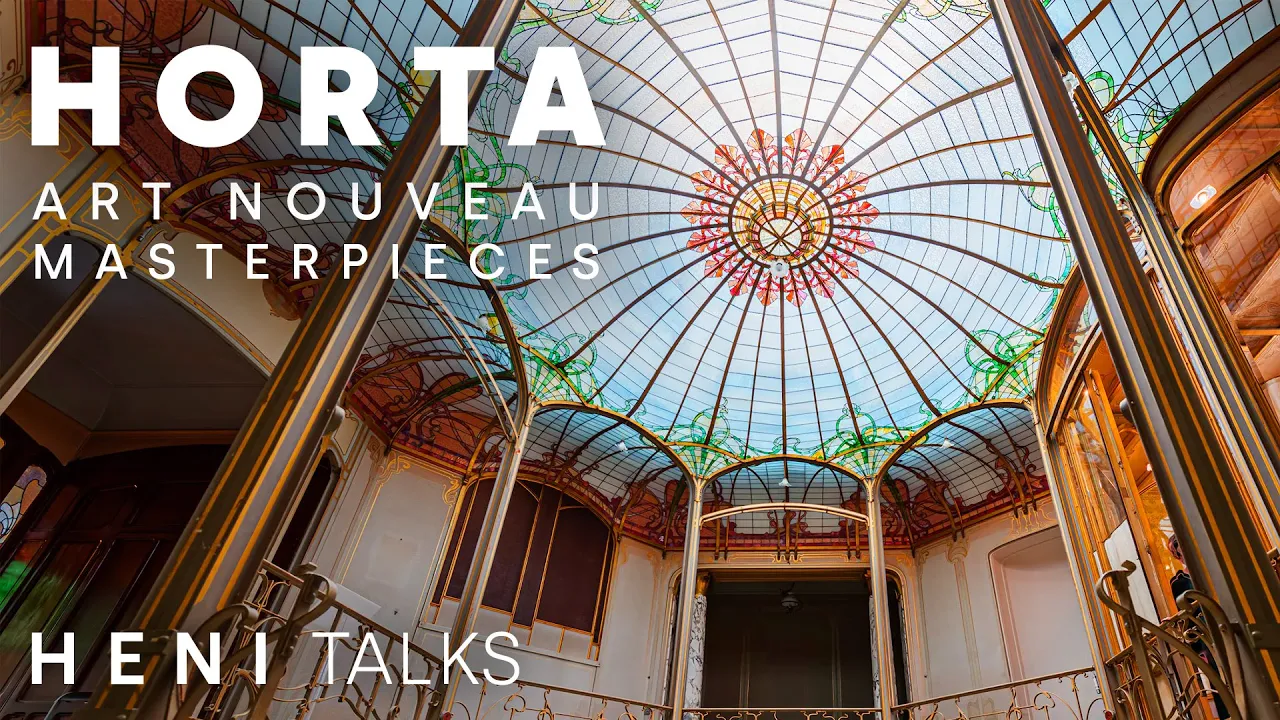




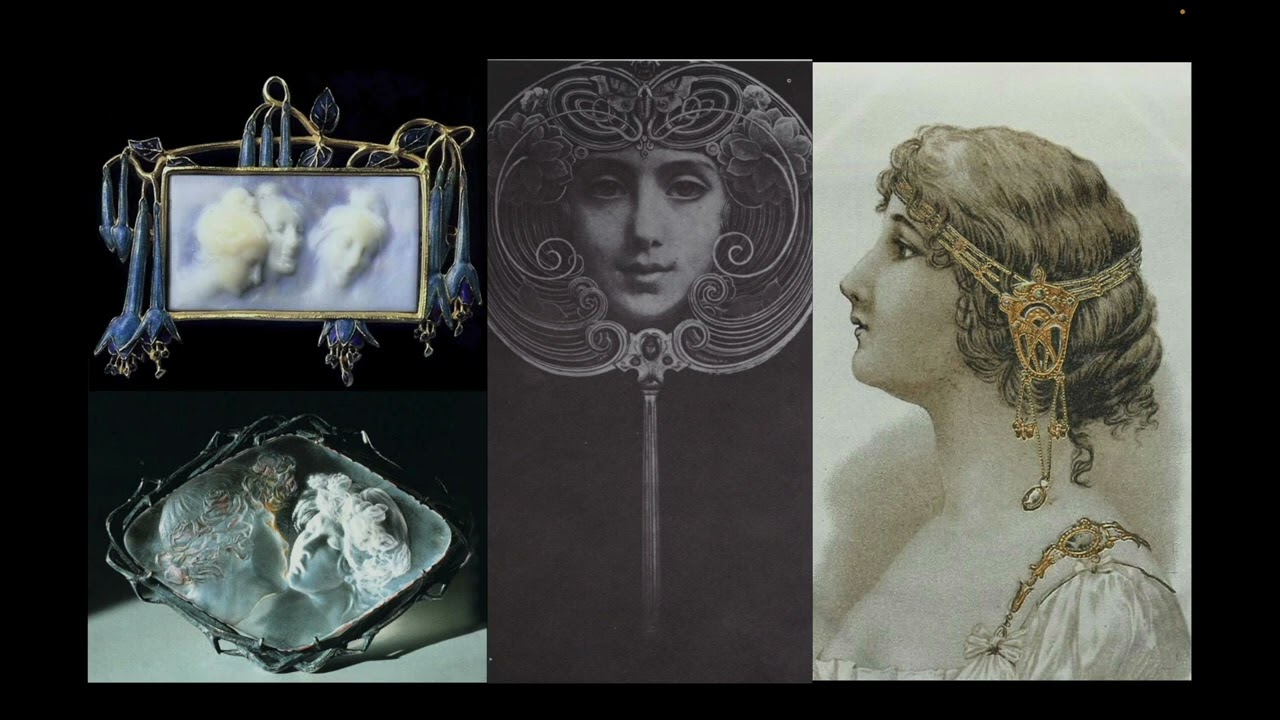
Art Nouveau (1890-1910) is a design style characterized by flowing curves, natural forms, floral patterns, and elegant silhouettes, which emerged as a reaction against the rigid Victorian aesthetic; key features include the distinctive 'whiplash' curve created by Herman Obrist, extensive use of cast iron for decorative railings and staircases, stained glass windows, and nature-inspired motifs such as flowers (lilies, irises, orchids), insects (dragonflies, grasshoppers), and birds (peacocks, parrots), with notable practitioners including architect Hector Guimard, designer Louis Majorelle, lighting designer Émile Gallé, and architect Antoni Gaudi who brought the style to Barcelona.
Art Nouveau Design: History, Characteristics, and Key Figures
Added:Understanding the Industrial Revolution and its impact on mass production, which triggered a artistic backlash favoring handcraftsmanship.
Familiarity with the Arts and Crafts Movement, particularly its emphasis on traditional craftsmanship and integration of art into everyday life.
Basic knowledge of 19th-century European art history and the academic art standards that Art Nouveau sought to rebel against.
A foundational understanding of architectural terminology (e.g., facade, structural support, ornamentation).
The transition from Art Nouveau to Art Deco, comparing the organic, flowing lines of the former with the geometric, streamlined shapes of the latter.
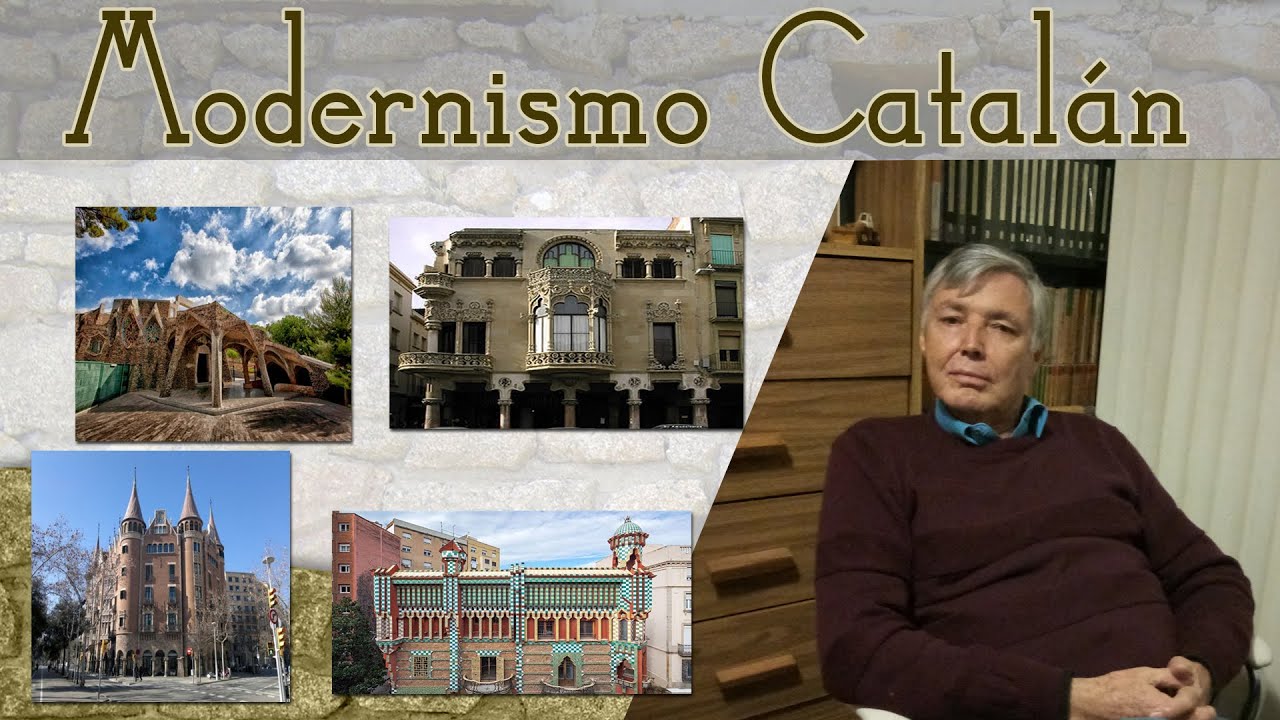
An in-depth study of Catalan Modernisme and Antoni Gaudí's structural innovations in masterpieces like the Sagrada Família.
The concept of 'Gesamtkunstwerk' (the Total Work of Art) and how Art Nouveau designers applied this to interior design, furniture, and graphic arts.
Regional variations of the movement, such as the Vienna Secession in Austria and Jugendstil in Germany.
34.6K views1.4Klikes13:29Original Release: 2021-11-22
I am super excited to go over today's video today we are deep diving into art Nuvo if you're interested in Floral and curves and linear designs elegant Silhouettes you're going to love today's design style now today we're going to Deep dive into the history of this style some probably notable architectural elements that you have seen before but it definitely is a style that is very unique and I think you're G to really appreciate it all right guys let's dive in so let's talk about what is art newvo this was a design style that gained popularity between 1890 and 1910 yes we're going way back so one of the things that this style showcased as previously mentioned are floral patterns curves linear designs elegant Silhouettes and many other interesting features what I love about this aesthetic which is really similar to the bow house movement that we talked about recently is that it also goes into things like Furniture architecture Fine Art pottery and even glasswar so there is a wide range of items that fall under the art nuuvo style which I find really interesting when we get into looks that are not just based on a couple different items but really a wide variety of items for you to explore and see and really impr brace so if you're a movie buff you may recognize this style from the 1964 film my fair lady yes it's like if you're history movie buff like something from way back in the day then you may have recognized this if not that's cool but just you know just so you know so one of the quotes that I would like to share with you from this design movement is from the famous architect Hector gard and the quote says art Novo was inspired ired by all the fluid forms of nature it was a very new thing at the time because most houses were in a heavy Victorian fashion if you're interested in going further into this further than I'm going to go into this here are some notable people to check out so the best designer of the time that you want to check out is Louis Madel Majel probably something because it's French I'm going to put the name up on the screen for you guys so you can go and check that out a lighting designer to check out of the time is Emil G gal gal gal I feel like it's G Emil G I'm terrible with names if you've watched even more than one of my videos you have probably figured that out terrible with names so I apologize however on the screen check it out and famous architect of the time already mentioned him briefly but that's Hector Gard so I will put those names up on the screen I will even link down below just just so you have the spelling of if you want to copy paste and like deep dive I don't know if you want to do that but if you do it's there for you all right so what are some of the general characteristics of this design style flowing lines one of my favorite Architects which is gudy you will see this a lot in his architecture and is absolutely stunning you'll probably recognize some of these and it is a Hallmark of the art Novo style is these flowing curve linear lines what I thought was really interesting is that it really wanted to step away from that geom metric and very strict linear look that we had seen in previous movements basically every single detail within the art newvo period has curved features so Windows door openings furniture and you're really seeing that a lot today so I felt like this was really relevant and thank you to one of my subscribers for actually suggesting to cover this style because it is perfectly tailored with a lot of the trends that we're seeing now and yes they're in a much more I guess current or modern form but the curval linear form is really really significant in the art Novo movement another really big feature and characteristic of this look is nature I feel like that comes from a lot of different looks but in art Nuvo the inspiration from nature is very big in this look it is the artist's Muse you could say and a big part of it is using those natural forms within its architecture design furniture decor and that's where you really see the inspiration from it but also flora and fauna comes into a lot of the design styles that were used in this period as well so one of the interesting materials that's really really common in this look and then during this time is rot iron rot iron was not new by any means however the way that art nuuvo used rot iron was really interesting they were able to really give it some airiness and lightness to it which is kind of unusual cuz rot iron is such a heavy material but they really were using it in a lot more decorative of a way with the curves and that natural element to it and it really was interesting you would see it on a lot of railings and curved staircases as well as Windows like even the bars on windows were done with this style furniture decorative objects Etc there was a lot of R iron used in this era so I've mentioned this before when we talked about our arts and crafts but one of the big things in the art Novo era and the art Noone design style is stained glass and I feel like I have yet to see it really cut back in popularity to this extent however it's very recognizable in this era a lot of times it was used for Windows of course as well as wall decor and even within some furniture like think of lamps ornaments having that curved line very fluid forms very natural forms very very interesting um ways of using stained glass in the art nuuvo period we got to talk about in art nuuvo one of the most popular patterns is using the floral pattern which yes we've seen that in arts and crafts and it's used in many different styles and many different periods and they all almost have their own like unique Twist on how they use a floral pattern within this particular style it was really popular to use lies irises orchids and also a lot of local flowers as well so other than flowers and floral motifs it was really common to use insects in their Design Elements so again this beauty of nature was really embraced in the art nuuvo period a lot of times in their motifs you'll see items like grasshoppers dragon flies colorful bugs again really interesting with this movement the use of insects and also Birds which is nothing new but you know birds of paradise peacocks which interestingly enough there is this wallpaper from anthropology that I absolutely in love with it has a peacock on it I guess it's maybe a little bit art noish and I didn't even like put that together but I'm like in love with it and I really want it in my bathroom but you know I haven't gotten there yet parrots were also really big in this time basically artists of this time we're really using for like exotic colorful creatures to use within their Decor so something that's really notable from this period is called the Whiplash curve so this is a Hallmark of the art Novo movement and it was created by Herman obitz the wall hanging that he created was called cyclin it became a really popular Motif from this movement and you will see it kind of recreated in a lot lot of different ways so one of the features that I really notice when you think about our newvo is the stairs the stairs become a really interesting focal point in the art nvo period it goes from ordinary to extraordinary I found what was really interesting is the use of Curves the way of making a staircase very Grand feel like a piece of artwork and again bringing in that rot iron detail that I had mentioned earlier is what really made these stairs stand out the art Novo period really tried to embrace them bring in lots of natural light and also using the curves and a lot of decorative elements to really make it more of a presence within the architectural space so the furniture was a lot of handcrafted wooden pieces again using those curved forms also bringing ornamentation around floral motifs as well as some stained glass elements one of the really interesting headboards that I found was this beautiful headboard that resembles butterfly wings I think probably one of the most notable pieces from this period that you'll recognize and most people recognize is a Tiffany lamp that was really famous from the art Novo period And I find that especially if you're into like a boho eclectic Vibe you can really bring this into a lot of other design Styles as well another really interesting accessory that was brought in quite you know often in this look however it was you know kind of from more the wealthy and like the you know higher class we can say is a gramophone and you'll recognize these but it really is because of its shape and its curves a really interesting nod to the art newvo era just a brief pause here if you're enjoying this content please don't forget to hit the like button below it does really let me know that you're enjoying the video as well as helps the algorithm and all those kind of things so if you don't mind doing that I would greatly appreciate it so I briefly want to touch on one of my absolute favorite AR from this period and that is Antony godi now he is in Barcelona Spain where he brought this movement there and there is a lot of famous famous architectural pieces architectural buildings not pieces that he is designed and built in Barcelona that is is from this art nuo style from this era at the time you know he was very much considered avangard bringing in this art Novo style he was really well known for his eclectic design style what I thought was really interesting was the use of Curves in his buildings I mean they just stand out as such a piece of complete artwork and although it's an architectural building I will say that they are artwork I just want to share with you guys my absolute favorite uh architectural building from Gotti and that is casso batau building I did Google it I I said it right well he according to Google that's how it said cabat building um what I love about this piece is just everything but the curves that he uses on the space even in the windows and the balconies it's really a piece of artwork even more than it is just a piece of architecture and that's what I absolutely love about him as an architect is just he really pushed the limit I think of what architecture could be and that's why he was is so famous for his architecture so this building was renovated by godi in 1904 it was originally built in 1877 so this was actually something that he transformed from its original state into the state that it is now it's absolutely stunning what I really love is how he showcased so many of the art Nuvo characteristics the curval linear lines that are used throughout the facade a ton of stained glass the balconies are absolutely stunning with the curves and just the detail work that are done on them as well as using glass Mosaic up the facade of this building absolutely hit every single point of art nuuvo just in the exterior of this building alone let alone the inside but it was really interesting just how he Incorporated all of these beautiful ornate features into this architecture Cal you know redesign so yeah and that and if you search Gotti I'll list him with those other really notable people below he has a lot of really beautiful interesting buildings that are showcasing the art noo movement but that one I just wanted to cover as like one of my personal favorites I always try to draw in on stuff that I'm really drawn to and there is so much that you can look into under this look but is a really interesting and unique look and I feel like there's a touch of it coming into to with all the use of Curves I wouldn't say art Novo is the trend that we're going in but definitely the use of Curves and that softer line and just really embracing some of those more natural materials and and natural feeling within spaces we are definitely seeing that again if you enjoyed today's video definitely jump on over and check out this video next apparently YouTube thinks you're going to like it so you know go and check it out all right guys until next time bye
Up Next

74:33
Art Nouveau Design History: Origins, Key Styles & Influence
@HistoryofID
73.2K views•2020-10-08

12:54
Triumph of Orthodoxy Icon: Byzantine Art & History Explained
@BenCallan
2.1K views•2024-08-06

9:49
FastAPI vs Flask vs Django: Choosing the Right Python Web Framework
@TechWithTim
302.5K views•2024-05-26

1:42
Game of Thrones Opening Credits: A Cinematic Analysis
@gameofthrones
46.3M views•2011-04-18
Related Study Plans & Knowledge Roadmaps
Structured learning paths in General & Interdisciplinary Studies
general-studies
Elevator Engineering: History, Physics & Cities
01From Hoists to Safety Brakes: The Dawn of Vertical Lift
02Hydraulic vs. Traction: The Engineering Physics of Elevators
03Modern Speed, Safety, and Algorithms
+ 2 more learning modules
12h5 modules
Explore Roadmap
general-studies
Rubber: Material Science, History & Geopolitics
01Origins of Natural Rubber & Mesoamerican History
02The Chemistry of Natural Rubber & Vulcanization
03The Geopolitics of the Rubber Boom & Colonization
+ 2 more learning modules
12h5 modules
Explore Roadmap
general-studies
Containerization: Evolution, Logistics & Trade
01Ancient Trade & Bulk Cargo: Amphorae to Barrels
02The Industrial Revolution & Cardboard Packaging
03The Containerization Revolution: Malcom McLean
+ 2 more learning modules
12h5 modules
Explore Roadmap
general-studies
Textile Tech: Evolution, Labor & Global Impact
01Pre-Industrial Textiles: Handloom & Cottage Industry
02Mechanization: The Spinning Jenny to the Power Loom
03The Factory System & Global Labor Transformation
+ 2 more learning modules
10h5 modules
Explore Roadmap