Technology systems, particularly those involving artificial intelligence and data analysis, can perpetuate and amplify existing societal biases because they are developed by homogeneous groups who unconsciously embed their own prejudices into algorithms; this creates systemic discrimination in areas like facial recognition, hiring, and housing decisions, requiring collective advocacy for accountability and fairness in automated decision-making systems.
Coded Bias: Facial Recognition Racism and Algorithmic Justice
Added:Deep Dive
Basic principles of Machine Learning, including how algorithms learn patterns from training datasets.

Introduction to machine learning | DSML | KTU MCA S3 | Mod 2 part 1 | Malayalam
118
Machine learning enables machines to learn patterns from data without explicit programming. It operates on four fundamental principles: (1) Data storage - storing patterns from data, (2) Abstraction - simplifying complex data into numeric representations (e.g., converting email frequency to numbers), (3) Generalization - the ability to perform well on new unseen data, and (4) Evaluation - measuring model performance. A good model achieves high accuracy on both training and test data, demonstrating it has learned underlying patterns rather than memorizing specific examples.
Click to watch →

Training program on Machine Learning
149
The basic principle of machine learning is learning from experience. Just as children learn languages through observation and experience rather than explicit grammar rules, machine learning systems learn patterns from data. Children establish connections between words and meanings, understand sentence structures, and recognize patterns in language through repeated exposure. Similarly, machine learning systems learn by observing patterns in data rather than being explicitly programmed with every possible rule.
Click to watch →

9 conceptos fundamentales de Machine Learning | Machine Learning 101
11.2K
This comprehensive section covers the foundational concepts of machine learning. A dataset is a collection of examples stored in table format, typically in CSV files, where rows represent instances and columns represent attributes. Datasets are divided into training (80%) and testing (20%) sets for model evaluation. An instance is a single example, while attributes describe characteristics of instances. Labels represent the target variable the model predicts. Algorithms are rule-based procedures that learn patterns from data, with hyperparameters being manually adjusted values set before training, distinct from parameters learned during training.
Click to watch →

ИИ, машинное обучение, НЕЙРОСЕТИ, Что есть что? | БОЛЬШОЙ РАЗБОР
442.2K
Machine Learning imitates how humans learn through experience. Rather than explicitly programming rules, algorithms process large datasets and automatically identify patterns and rules. For example, spam filters learn to distinguish legitimate emails from junk by analyzing thousands of labeled examples, gradually improving their accuracy without being explicitly told what constitutes spam. This approach enables systems to adapt and improve performance over time based on new data.
Click to watch →

Your First Step into ML | Learn The Basics of Machine Learning | Great Learning
13K
This section explains the theoretical foundations of machine learning: (1) Machines are good at working with numbers, performing mathematical computations quickly, and remembering past data, (2) Machines learn from data represented as past events and outcomes, (3) Two main learning types: predicting future outcomes from past patterns and detecting patterns within datasets, (4) Three algorithms: Regression Analysis (finding mathematical functions for predictions), Decision Trees (creating flowchart-like decision structures), and Cluster Analysis (segmenting data into groups), (5) Model evaluation using training-test cycles (70% train, 30% test) and metrics like accuracy, precision, and recall, (6) Classification into Supervised Learning (with human guidance) and Unsupervised Learning (independent pattern discovery).
Click to watch →
Deep Dive
The concept of algorithmic bias and how historical or systemic human prejudices can be encoded into software.
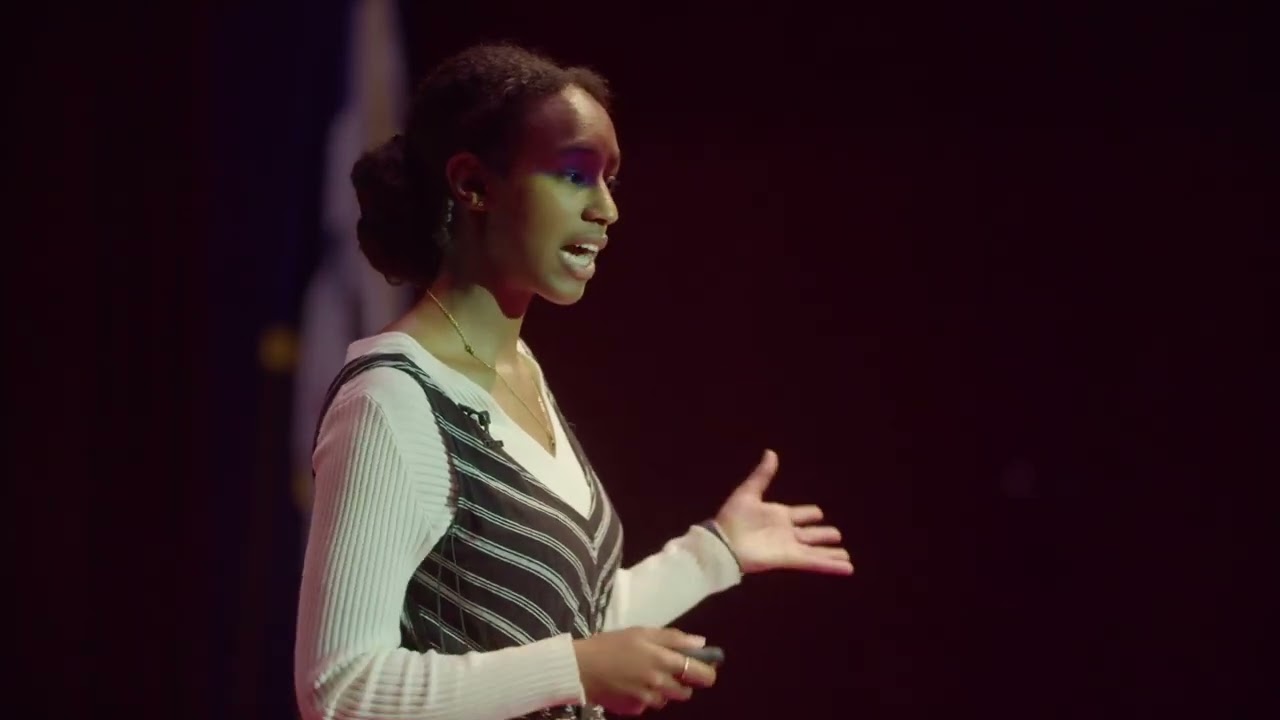
Behind the Algorithms | Netsanet Kantner | TEDxYouth@Davenport
1.3K
Algorithmic bias occurs when human prejudices are embedded into technology through biased training data, leading to systematic discrimination in areas like social media, healthcare, and criminal justice; this happens because our brains take shortcuts when processing vast amounts of information (about 11 million pieces per second), causing approximately 90% of our daily decisions to be made unconsciously and biased, which then gets implemented into algorithms that lack sufficient diversity in their training data.
Click to watch →

Fabian vd Berg - Opening Notes / Marc van Meel - AI Ethics in the Wild - Welcome to the Jungle
466
Algorithmic bias has deep historical roots in discriminatory practices. The Shirley Cards used by Kodak in the 1940s for calibrating skin tones only featured white women, making people with darker skin barely visible. This historical example shows how algorithmic bias reflects broader societal prejudices. Kodak eventually fixed this after complaints from chocolate and furniture companies whose products were invisible in photos, demonstrating that bias correction often requires business incentives rather than moral arguments. This reveals that technological systems are not neutral but reflect and perpetuate existing societal power structures.
Click to watch →

Carey Morewedge - Algorithms as Mirrors: People Better Recognize Their Own Biases
533
Algorithmic bias is not a separate phenomenon but rather codified human bias. Algorithms pick up on biases present in the human decisions they are trained on. This is demonstrated in various contexts: Amazon's hiring algorithm showed gender bias (preferring men over women), COMPAS judicial risk assessment showed racial bias, and healthcare algorithms showed racial bias in patient scoring. These examples reveal structural biases in organizations and society. Understanding this distinction helps designers quantify biases and retrain algorithms to improve outcomes.
Click to watch →

A INTELIGÊNCIA ARTIFICIAL E A PRECIFICAÇÃO ALGORÍTMICA ENTRE A EFICIÊNCIA E A DISCRIMINAÇÃO
275
Algorithmic systems can perpetuate and even amplify historical prejudices and biases. For example, credit card applications have been found to result in significantly different credit limits for couples with identical financial profiles, with men receiving limits 20 times higher than women. This bias occurs because algorithms can learn from historical data that contains discriminatory patterns, and without proper oversight, these patterns can be reproduced and even amplified in automated decision-making systems.
Click to watch →

Desafios e responsabilidades no uso da Inteligência Artificial - Rafaela Iansen
139
Algorithmic bias occurs because AI is created by humans who inevitably carry unconscious prejudices. Philosopher John Rawls' 'veil of ignorance' concept suggests that even well-intentioned people have hidden biases. When programmers create AI without recognizing their own biases, these prejudices get embedded into the system, potentially perpetuating discrimination at scale that individual human decisions would not cause.
Click to watch →
Deep Dive
Fundamental concepts of computer vision, specifically how facial recognition technology detects and analyzes facial landmarks.

Facial Landmark Detection: Introduction
2.3K
Facial landmark detection is a computer vision task that identifies key facial regions including eyes, nose, lips, and jawline. This technology enables applications such as face recognition, expression analysis, face tracking, drowsiness detection, 3D face modeling, and social media filters. The process involves two stages: first detecting a face bounding box, then predicting landmark coordinates. Early methods like Active Appearance Model (AAM) and Constraint Local Model (CLM) are holistic approaches that capture global facial patterns. More recent regression-based methods directly learn image-to-landmark mappings, including direct, cascaded, and deep learning approaches. Challenges include occlusions from glasses, masks, and hands, as well as variations in head pose and facial expressions. Common datasets include Helen (194 landmarks) and LFPW (29 landmarks).
Click to watch →

Microsoft Azure AI Fundamentals: Computer Vision
1.6K
Facial recognition services detect human faces and extract detailed information including facial landmarks (eyes, nose, mouth), occlusion detection (masks, glasses), and image quality assessment. The recognition process involves capturing images, analyzing facial geometry through landmark detection, creating facial templates, and comparing these templates against databases of known faces. Multiple images of the same person from different angles and expressions are needed for reliable recognition. Access requires Microsoft approval and commitment to responsible AI principles.
Click to watch →
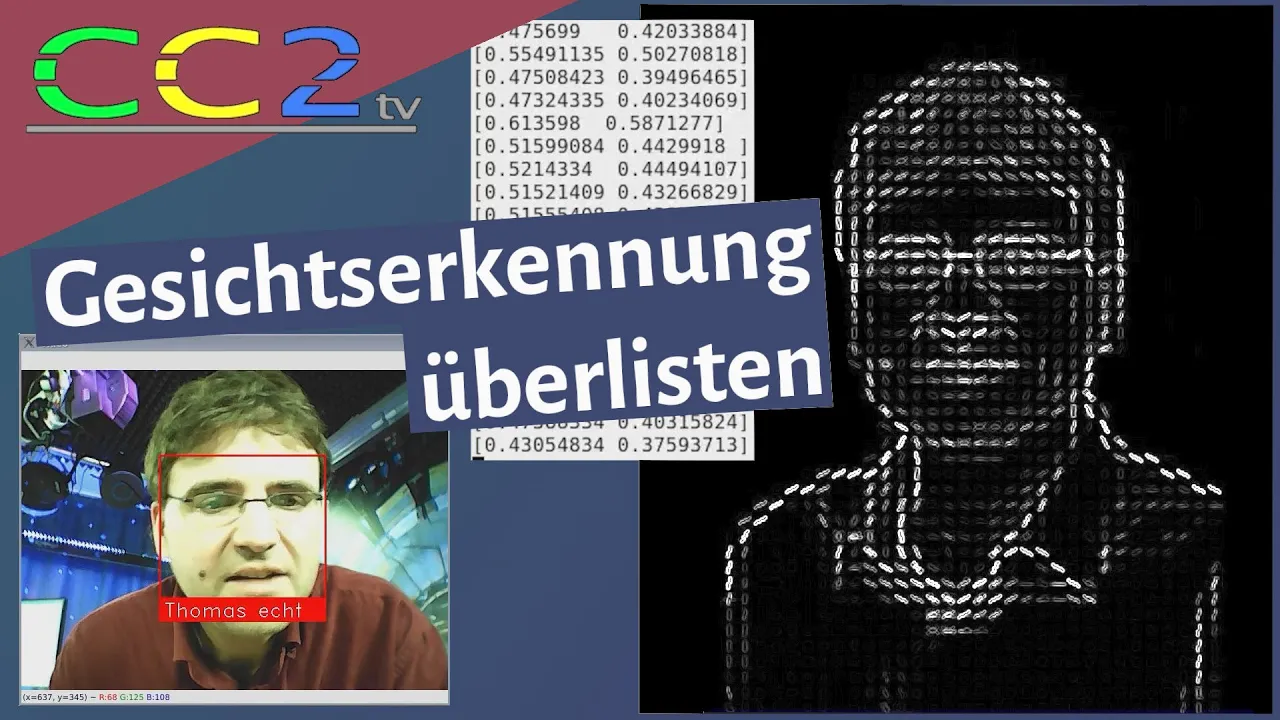
CC2tv #291 Gesichtserkennung austricksen
55K
Face recognition systems work through a multi-stage process: (1) Image preprocessing removes color and reduces resolution to improve computational efficiency; (2) The Histogram of Oriented Gradients (HOG) algorithm analyzes light intensity changes to detect edges and structural patterns; (3) Neural networks trained on thousands of photos learn to identify facial features like eyes, nose, and mouth while ignoring backgrounds. This technology enables face detection on embedded devices like coffee machines and washing machines by reducing computational requirements through strategic image simplification.
Click to watch →
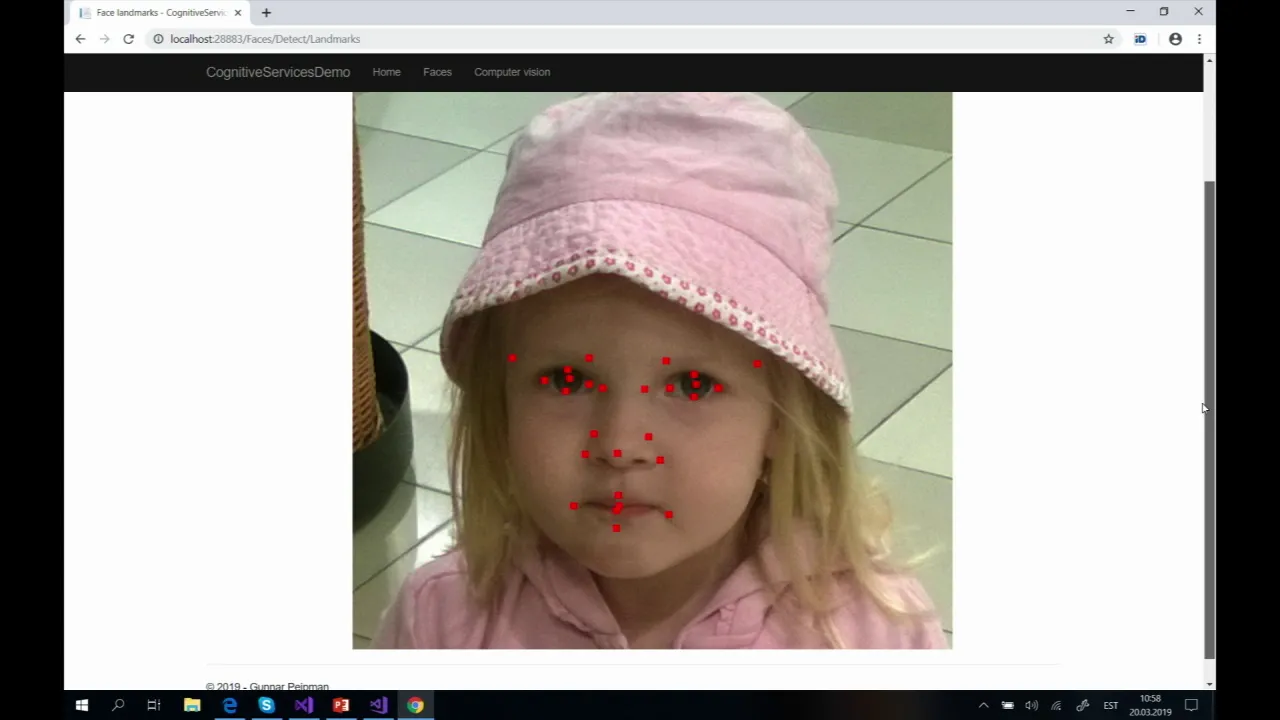
Working with Vision API Of Microsoft Cognitive Services
368
Face recognition uses face landmarks—specific reference points like eyebrows, nose, and lips—to identify and remember faces mathematically. The system considers numerous factors including haircuts, accessories, skin tones, and lighting conditions. Services are sensitive to extreme makeup and artistic distortions, which can cause recognition failures. This landmark-based approach transforms facial features into numerical parameters for computer processing.
Click to watch →

18- Face Recognition with Python & OpenCV | Detect Face and Draw Bounding Box (Part 1)
106
Face recognition technology analyzes facial features to identify individuals. The system converts images into numerical data, measuring features like eye distance, lip position, and eyebrow spacing. Images are preprocessed by converting to black and white and adjusting angles to frontal positions. The system can recognize the same person across different expressions, lighting conditions, and angles. Facial features are measured in centimeters and converted into numerical representations that enable accurate identification regardless of temporary changes in expression or position.
Click to watch →
Deep Dive
An introductory understanding of intersectionality, particularly how race, gender, and class overlap to form system-level discrimination.

How to do the revolution, a beginner’s guide | Habibitch | TEDxBrussels
1.9K
The world operates through interconnected systems of domination organized around class, race, and gender. Class divides society into rich and poor (Marxism), race creates hierarchies between white people and people of color (critical race theory), and gender separates men from women (feminism). Intersectionality explains how these systems operate simultaneously rather than independently. Racism, particularly in Western contexts, must be understood as systemic—a direct consequence of 400+ years of colonialism and slavery—rather than merely individual prejudice. White privilege represents the unearned advantages that white people receive from this system, which was intentionally constructed as a tool of colonization.
Click to watch →

“What is Intersectionality? Understanding Gender, Race, and Class”
502
Intersectionality, coined by Kimberly Crenshaw in 1989, explains how overlapping identities like gender, race, and class create multiple forms of inequality. Rooted in Black feminism and inspired by Bell Hooks and Angela Davis, it addresses how women of color were excluded from both feminist and civil rights movements. Patricia Hill Collins emphasized that intersectionality moves beyond single-axis analysis to reflect the complexity of real lives. This framework recognizes that gender and race together create interconnected oppressions, and that class shapes opportunities differently for working-class women. The interconnected systems of oppression cannot be understood by examining any single factor alone.
Click to watch →

Kimberlé Crenshaw: Mapping the Margins
4.8K
Intersectionality is the concept that women's experiences result from intersecting patterns of racism and sexism, developed by Kimberlé Crenshaw in 1991. Interlocking systems of oppression describe how race, gender, class, and other social categories converge and cannot be separated. A Latina working-class woman cannot simply remove her working-class identity to experience oppression differently as a Latino woman; these aspects are locked together and shape how she experiences the world and accesses resources. These systems multiply problems faced by marginalized individuals facing intimate partner abuse.
Click to watch →

OFICINA - Interseccionalidade de classe, raça, gênero e sexualidade
140
Intersectionality is an analytical framework that examines how multiple social categories—such as race, gender, class, sexuality, ability, and nationality—interrelate and mutually shape experiences of oppression and privilege, enabling a more comprehensive understanding of social inequalities and informing transformative social justice practices.
Click to watch →

Michael Parenti: Imperialism, Media & Class in America
12.7K
Class oppression intersects with and reinforces racial and gender discrimination. Super-exploitation of marginalized groups—including women and racial minorities—maximizes corporate profits by keeping populations economically depressed and willing to accept low wages. This interconnected system means addressing economic inequality requires examining how class power relationships shape various forms of social oppression. Both race/gender oppression and class exploitation are serious life-and-death issues that cannot be separated from economic analysis.
Click to watch →
Prerequisite Knowledge
- Concept 01Basic principles of Machine Learning, including how algorithms learn patterns from training datasets.
- Concept 02The concept of algorithmic bias and how historical or systemic human prejudices can be encoded into software.
- Concept 03Fundamental concepts of computer vision, specifically how facial recognition technology detects and analyzes facial landmarks.
- Concept 04An introductory understanding of intersectionality, particularly how race, gender, and class overlap to form system-level discrimination.
Subsequent Learning
- Step 01Methodologies for auditing algorithms, such as the 'Gender Shades' study, to measure error rates across different demographic groups.
- Step 02Policy and regulatory frameworks governing artificial intelligence, such as the EU AI Act and municipal bans on facial recognition.
- Step 03Technical mitigation strategies in AI, including dataset curation, fairness-aware machine learning, and bias-correction algorithms.
- Step 04The study of digital civil rights and the role of grassroots organizations, like the Algorithmic Justice League, in advocating for ethical technology.
Bias in AI
Bias in AI
0:07Playing Section
- 1
Identifies unconscious biases embedded in technology by developers.
- 2
Facial recognition misidentification leads to unjust treatment.
- 3
No safeguards exist amid rapid deployment of biased systems.
Technological Neutrality and Algorithmic Optimization
While critics argue that facial recognition technology is inherently biased and exacerbates systemic racism, an alternative perspective contends that algorithmic bias is a temporary technical limitation rather than an existential flaw. Proponents of this view, including many AI developers and industry researchers, argue that technology itself is politically neutral. They assert that issues of demographic disparity can be resolved through technical refinement, such as utilizing more diverse and representative training datasets, synthetic data generation, and improved sensor hardware. From this viewpoint, outright bans on facial recognition are counterproductive, as they deprive society of valuable tools for public safety, national security, and convenient identity verification. Instead, they advocate for 'algorithmic optimization' and robust 'human-in-the-loop' protocols, where automated systems assist rather than replace human decision-makers, minimizing the impact of any residual technical errors.
Deep Dive
Methodologies for auditing algorithms, such as the 'Gender Shades' study, to measure error rates across different demographic groups.
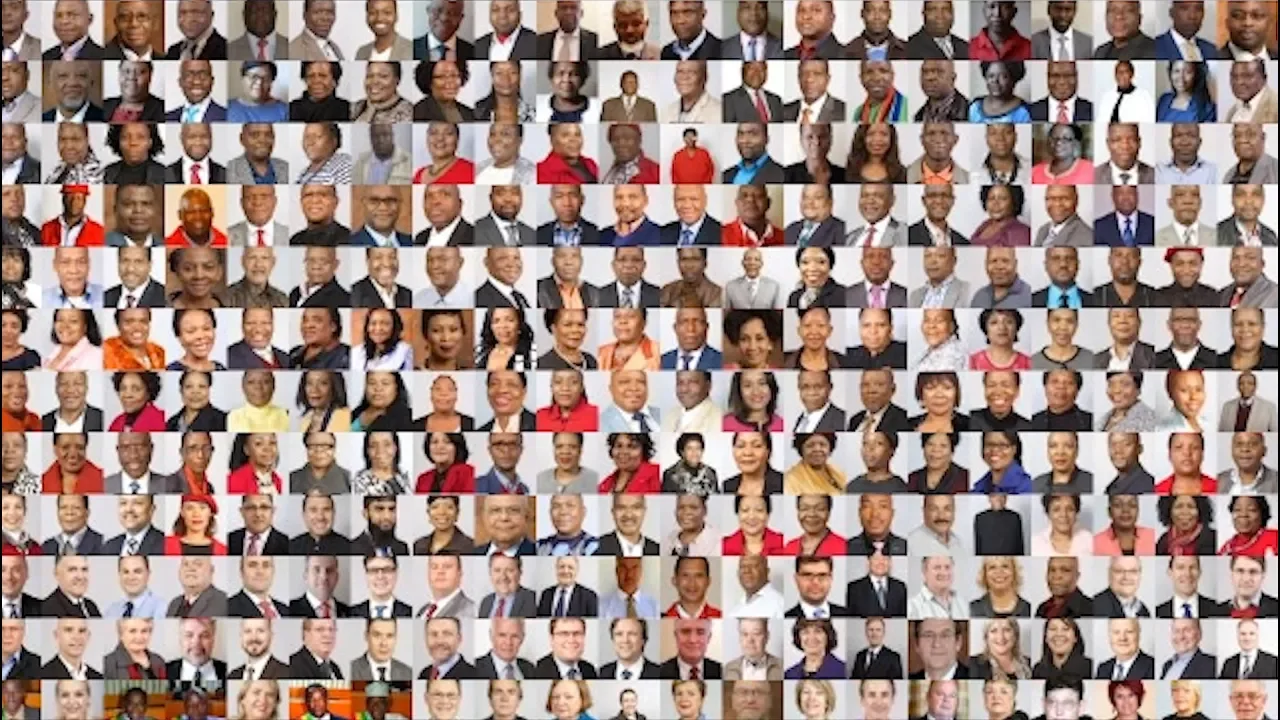
Gender Shades
238.4K
To evaluate fairness across different demographic groups, researchers should create diverse datasets spanning multiple categories (such as gender and skin type) and test commercial systems against these benchmarks. The Gender Shades project tested three major companies (IBM, Microsoft, and Face++) using a dataset of over 1,000 images from parliament members across six countries (three African and three European) to assess performance across different skin tones and genders.
Click to watch →

Privacy Camp 2018: Investigating algorithmic systems - Algorithm auditing.
294
Five main approaches exist for auditing algorithms: (1) requesting code, which lacks context without input data; (2) user surveys, which suffer from scalability and self-reporting issues; (3) web scraping, which often violates Terms of Service and faces legal barriers; (4) sock puppet accounts, which raise ethical concerns about platform manipulation; (5) collaborative auditing through browser plugins, which uses real user data without violating terms. Each method serves different purposes: transparency, accountability, or explainability, and researchers must choose based on their specific objectives.
Click to watch →
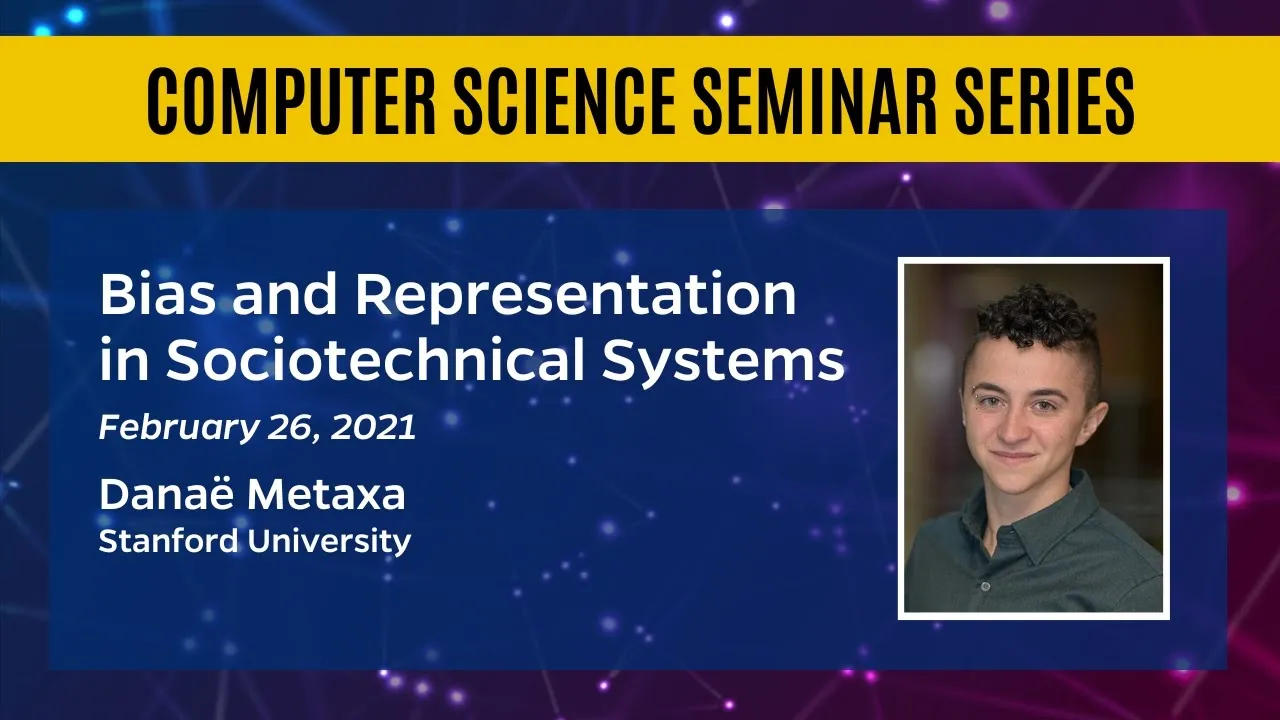
Bias and Representation in Sociotechnical Systems – Danaë Metaxa
175
An algorithm audit is a research methodology for studying opaque algorithmic systems by providing repeated inputs and measuring outputs to draw inferences about inner workings. For the image search study, researchers built infrastructure to automatically collect and process image search results: a scraper using Selenium web driver with separate sessions per query to avoid personalization, saving images to cloud storage, then recruiting crowd workers through Amazon Mechanical Turk to annotate images for gender and race representation with consensus thresholds.
Click to watch →

Sesgos en Inteligencia Artificial, 1 de 2 (Sofia Trejo)
3.5K
Joy Buolamwini's Gender Shades project studied facial recognition algorithms from Microsoft, IBM, and Facebook. The study used images from countries with high female political representation (Rwanda, Iceland, Sweden, Senegal, Finland, South Africa). Results showed significant bias: for Microsoft's algorithm, women were misclassified at 34.7% while men were only 0.6%. For Black women, error rates reached 34.7% for Microsoft, 35% for IBM, and 35% for Facebook. White men had the lowest error rates at 0.6%. This demonstrates how algorithms trained on limited data perform poorly on underrepresented groups.
Click to watch →

#161 Fighting for Algorithmic Justice with Joy Buolamwini, President, The Algorithmic Justice League
312
Joy Buolamwini's MIT Master's thesis investigated whether facial recognition systems had systematic bias based on skin type and gender. She ran her profile image through online demos, finding that some systems failed to detect her face while others incorrectly labeled her as male. This led to the Gender Shades project. A major challenge was collecting diverse training data, as existing datasets were 'pale male datasets' - largely male and lighter-skinned. This created misleading measures of progress because systems were getting better at recognizing the people in the training data. To create a more diverse dataset, she collected data from parliament members of nations with high women's representation, including countries from Africa (Rwanda, South Africa) and Europe (Finland, Sweden, Iceland).
Click to watch →
Deep Dive
Policy and regulatory frameworks governing artificial intelligence, such as the EU AI Act and municipal bans on facial recognition.

Ao vivo | WhatsApp sem número de telefone | 07/11/2025
22.6K
The EU AI Act is the world's first comprehensive regulatory framework for artificial intelligence. It classifies AI systems by risk level: unacceptable risk systems (real-time surveillance, social scoring, behavioral manipulation) are prohibited; high-risk systems (education, employment, justice, infrastructure) require audits, human supervision, and security testing; general-purpose models must publish training data information and ensure cybersecurity. The legislation was approved in 2024 with phased implementation starting in 2026. The EU is considering suspending parts of the law due to pressure from major tech companies and US government concerns about commercial barriers.
Click to watch →

Manifesto for the Just City SESSION 2: Critical Data Studies with Stefania Milan (UvA)
212
Robust regulatory frameworks are essential for keeping technology within democratic and human rights boundaries. The European Union has adopted the Artificial Intelligence Act, though it contains exemptions that limit its effectiveness—for example, facial recognition cameras used by police forces remain largely unregulated. Good regulatory development requires action at local, national, and supranational levels. Cities like New York and San Francisco have banned facial recognition technology for law enforcement, demonstrating that stronger regulations are possible.
Click to watch →

What is the future of the EU's Artificial Intelligence?
12.6K
The EU's Artificial Intelligence Act establishes a pioneering risk-based regulatory framework that classifies AI systems into four levels of risk—unacceptable, high-risk, limited-risk, and minimal-risk—with corresponding transparency requirements; while banning high-risk biometric technologies like facial recognition for law enforcement except in terrorism cases, it places generative AI at a lower risk level requiring only watermarks, acknowledging the fundamental challenge of regulating rapidly evolving technology that can become obsolete within months of legislation.
Click to watch →

The EU’s AI Act, Explained | WSJ Tech News Briefing
56.6K
The EU's AI Act represents the West's first comprehensive AI regulation framework, establishing 'guard rails' around high-risk AI applications such as facial recognition, predictive policing, and real-time biometric surveillance, while also addressing emerging challenges from generative AI tools like ChatGPT through requirements for preventing illegal content creation and transparency in copyrighted data usage; the legislation balances industry calls for rules against concerns about stifling innovation, with final approval requiring negotiation between the European Parliament, Commission, and member states.
Click to watch →

Microsoft will see EVERYTHING….
341.9K
The European Council has finalized AI safety rules under the AI Act, which is stronger and more comprehensive than the US voluntary compliance approach. The rules restrict EU governments from using real-time biometric monitoring like facial recognition except for locating suspects of extremely serious crimes or preventing violent terrorist attacks. Law enforcement is also banned from using AI for social scoring, predictive policing, and untargeted scraping of facial images.
Click to watch →
Deep Dive
Technical mitigation strategies in AI, including dataset curation, fairness-aware machine learning, and bias-correction algorithms.

GDPAI Lect3 Can we make AI systems fairer? | Bias Mitigation techniques in AI
163
There is no universal bias mitigation technique, as different types of biases require different strategies. The goal is to reduce bias rather than eliminate it completely. Three technical approaches exist: (1) Pre-processing - improving data before training through fair representation, optimized pre-processing, removing disparity, improving sampling methods, reweighting, and rebalancing data via oversampling or undersampling; (2) In-processing - modifying learning algorithms during training through fairness-aware loss functions, adversarial debiasing, hyperparameter optimization, and calibration; (3) Post-processing - adjusting outputs after training through threshold adjustment, calibration, group-specific correction, and fairness-aware relabeling.
Click to watch →

France is AI 2018: Guilhaume Leroy Meline - AI fairness / Bias in algorithms
258
Effective bias mitigation requires multiple technical strategies: reweighting training data based on privileged features to balance representation; gathering more diverse training data, especially for visual recognition systems where certain groups may be underrepresented; implementing adversarial classifiers that prevent the model from inferring protected attributes; and applying production-level adjustments to boost predictions for underrepresented groups. A critical insight is that mitigation actions can reduce bias without sacrificing accuracy, and in some cases, accuracy improves after bias correction. IBM's open-source tools provide integrated solutions for monitoring model accuracy, performance, and fairness across different AI technologies.
Click to watch →

Mitigating Discrimination and Bias with AI Fairness 360 - Democast #5
1.7K
AI fairness involves addressing bias in machine learning models through three categories of mitigation algorithms: pre-processing (modifying training data), in-processing (modifying the training algorithm), and post-processing (modifying classifier outputs), with fairness metrics like statistical parity difference, disparate impact, equal opportunity difference, and average odds difference helping practitioners evaluate and reduce unwanted algorithmic bias in their models.
Click to watch →

Framework for Fairness Certification for Artificial Intelligence Systems - Webinar (22/03/2022)
159
This section presents three categories of fairness mitigation strategies: pre-processing (modifying data before model training including reweighting samples, modifying feature values, and adjusting class labels), model modification (building models that inherently resist bias while maintaining accuracy), and post-processing (changing model outputs after prediction). The section describes IBM's fairness assessment tools including Watson OpenScale for monitoring ML models for discrimination, AI Fairness 360 open-source toolkit with comprehensive fairness metrics and bias mitigation algorithms, and VerifyI for generating synthetic data to test bias. The section acknowledges challenges including privacy concerns limiting data sharing and the need for auto-AI techniques that consider fairness alongside accuracy.
Click to watch →

Trusted AI and AI Fairness 360 Tutorial by Prasanna Sattigeri, September 18, 2019
3.4K
IBM's AI Fairness 360 toolbox provides a comprehensive framework for auditing and improving AI fairness, containing over 30 metrics covering group fairness (selection rates, equal opportunity) and individual fairness (consistency), plus sample distortion metrics. Approximately 10 bias mitigation algorithms span pre-processing (data modification), in-processing (fairness-constrained training), and post-processing (prediction adjustment). The toolbox supports multiple datasets (COMPAS, German credit, Adult census income) and integrates with common machine learning workflows. A practical workflow involves loading data, specifying protected groups, computing baseline metrics, training models, applying mitigation algorithms, and comparing results to assess fairness-accuracy trade-offs.
Click to watch →
Deep Dive
The study of digital civil rights and the role of grassroots organizations, like the Algorithmic Justice League, in advocating for ethical technology.

AI For Good? How To Build for Inclusion and Belonging
133
The Algorithmic Justice League, founded by Dr. Joy Buolamwini, conducts research exposing algorithmic bias in major tech companies. Starting from an art project where her dark-skinned face wasn't detected until she wore a white mask, this work revealed gender bias and skin type bias in AI systems from IBM, Microsoft, Amazon, and other major companies. This research contributed to companies stopping sales to law enforcement and influenced regulatory discussions like the EU AI Act, demonstrating how grassroots research can drive systemic change in AI governance.
Click to watch →

'Coded Bias' Director Shalini Kantayya Talks the Frightening Algorithms That Run the World
3.1K
Algorithmic justice represents the continuation and extension of the civil rights movement into the digital age. The connection between racially biased technology deployed by law enforcement, absence of elected oversight, and harm to marginalized communities became apparent during the 2020 protests. This demonstrates how technological systems can perpetuate and mechanize systemic racism, requiring collective action for meaningful change.
Click to watch →
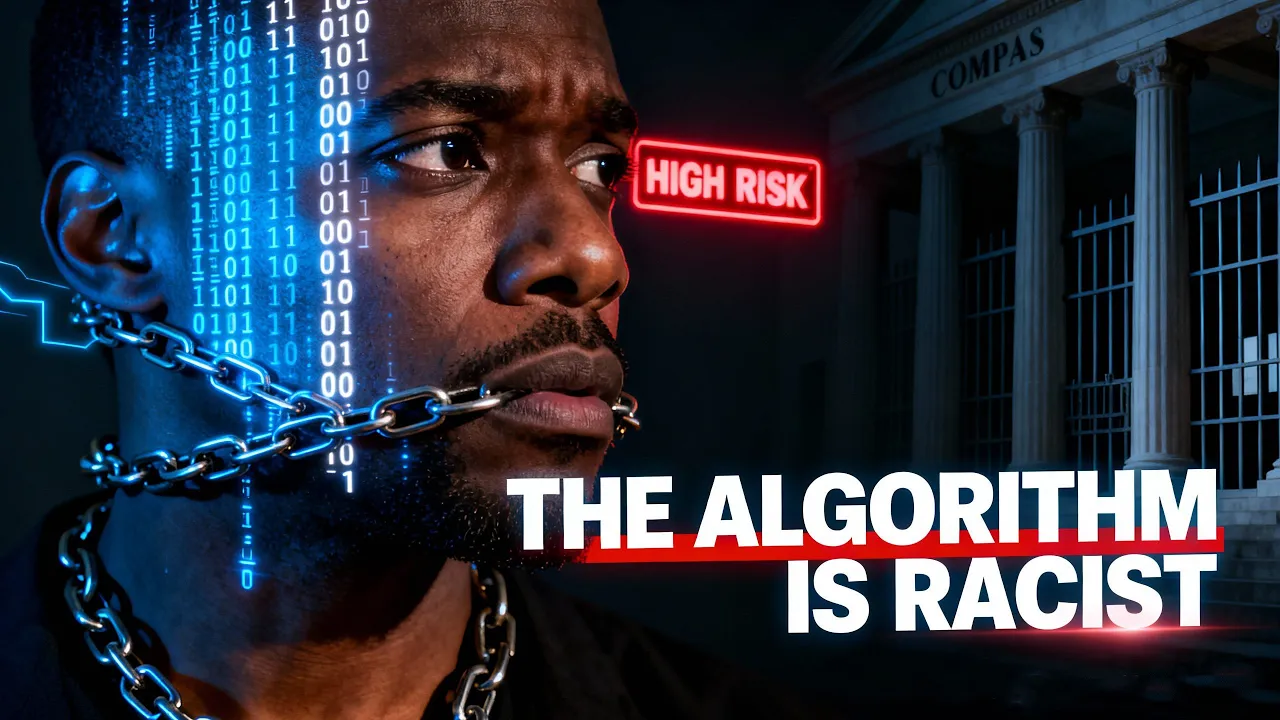
The Algorithm That Sends Innocent People to Jail | Digital Jim Crow
175
Computer scientist Joy Balamini founded the Algorithmic Justice League, using her research to expose how AI systems fail communities of color. Across the country, activists are demanding bans on facial recognition technology—cities like San Francisco, Boston, and Portland have already prohibited police use of these systems. Civil rights organizations are pushing for algorithmic transparency laws that would force companies to reveal how their systems make decisions. A new generation of technologists, many from the very communities most affected, are building alternatives designed with equity at their core.
Click to watch →

Interview with Virginia Eubanks - The Newman Bond
163
Virginia Eubanks mentions the Algorithmic Justice League as an organization working to help communities respond to algorithmic and technological harm. She notes there is growing work among social movement organizations to think about what 'algorithmic justice' might look like, though there is less work on imagining how these tools could become truly liberatory.
Click to watch →
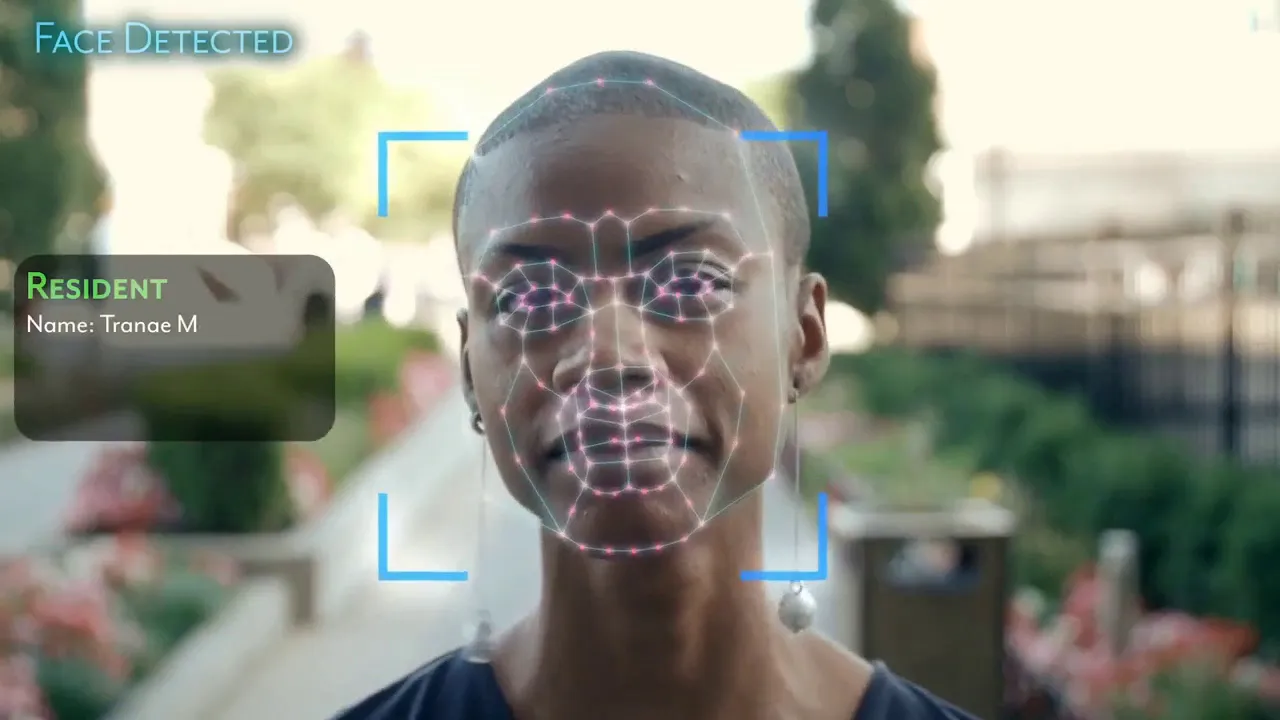
Coded Bias: Timnit Gebru, Meredith Broussard, & director Shalini Kantayya
17.7K
A hierarchy of knowledge exists in technology fields where mathematical and technical expertise is privileged over qualitative, social science, and lived experience perspectives. This hierarchy reproduces historical inequalities from mathematics into computer science and big tech companies. Women and people of color face systemic barriers despite their expertise. Meaningful change requires collaboration between civil society organizations, affected communities, and academic researchers. Organizations like the Algorithmic Justice League, Black in AI, and Data for Black Lives provide platforms for collective action. Key strategies include local legislation (cities banning facial recognition), supporting affected communities in challenging predatory practices, and creating frameworks connecting data rights to human rights.
Click to watch →
Bias in AI
Bias in AI
0:07- 1
Identifies unconscious biases embedded in technology by developers.
- 2
Facial recognition misidentification leads to unjust treatment.
- 3
No safeguards exist amid rapid deployment of biased systems.
Technological Neutrality and Algorithmic Optimization
While critics argue that facial recognition technology is inherently biased and exacerbates systemic racism, an alternative perspective contends that algorithmic bias is a temporary technical limitation rather than an existential flaw. Proponents of this view, including many AI developers and industry researchers, argue that technology itself is politically neutral. They assert that issues of demographic disparity can be resolved through technical refinement, such as utilizing more diverse and representative training datasets, synthetic data generation, and improved sensor hardware. From this viewpoint, outright bans on facial recognition are counterproductive, as they deprive society of valuable tools for public safety, national security, and convenient identity verification. Instead, they advocate for 'algorithmic optimization' and robust 'human-in-the-loop' protocols, where automated systems assist rather than replace human decision-makers, minimizing the impact of any residual technical errors.
Basic principles of Machine Learning, including how algorithms learn patterns from training datasets.
The concept of algorithmic bias and how historical or systemic human prejudices can be encoded into software.
Fundamental concepts of computer vision, specifically how facial recognition technology detects and analyzes facial landmarks.
An introductory understanding of intersectionality, particularly how race, gender, and class overlap to form system-level discrimination.
Methodologies for auditing algorithms, such as the 'Gender Shades' study, to measure error rates across different demographic groups.
Policy and regulatory frameworks governing artificial intelligence, such as the EU AI Act and municipal bans on facial recognition.
Technical mitigation strategies in AI, including dataset curation, fairness-aware machine learning, and bias-correction algorithms.
The study of digital civil rights and the role of grassroots organizations, like the Algorithmic Justice League, in advocating for ethical technology.
290.5K views2.5Klikes2:27@MIFFOriginal Release: 2020-07-14
during my first semester at MIT I got computer vision software that was supposed to track my face didn't work until I put on this white mask I'm thinking all right what's going on here is it the lighting conditions is it the angle at which I'm looking at the camera or is there something more that's when I started looking into issues of bias that can creep into technology our ideas about technology that we think are normal are actually ideas that come from a very small and homogeneous group of people best amount of data at incredible speeds everybody has unconscious biases and people embed their own biases into technology this kids go stopped as we start on facial recognition misidentification and then use that as justification to search you this is an innocent child racism is becoming mechanized systemic issues only going to be hardwired into new technologies it's not just face classification it's any data centric technology every day we are all being scored who gets hired who gets housing I am making predictions for your life right now the people who own the code deploy it on other people and there is no accountability management analytic Taos wanted to install the facial recognition software pretty much turn this place into Fort Knox the technology is being rapidly adopted and there are no safeguards we are socially controlled in a way that we don't see technology that analyzes faces could be biased but the company is pushing it anyway what demographic is it most effective on white men show me that it's gonna be fair that it's legal before you put it out that's what we don't have you it's going to take people coming together driving for justice in this age of automation [Music] you
Up Next

5:01
Implementing DocuSign Click: A Developer's Guide to Clickwrap APIs
@DocusignDevs
45.2K views•2019-05-01

12:54
Triumph of Orthodoxy Icon: Byzantine Art & History Explained
@BenCallan
2.1K views•2024-08-06

9:49
FastAPI vs Flask vs Django: Choosing the Right Python Web Framework
@TechWithTim
302.5K views•2024-05-26

1:42
Game of Thrones Opening Credits: A Cinematic Analysis
@gameofthrones
46.3M views•2011-04-18
Related Study Plans & Knowledge Roadmaps
Structured learning paths in General & Interdisciplinary Studies
general-studies
Elevator Engineering: History, Physics & Cities
01From Hoists to Safety Brakes: The Dawn of Vertical Lift
02Hydraulic vs. Traction: The Engineering Physics of Elevators
03Modern Speed, Safety, and Algorithms
+ 2 more learning modules
12h5 modules
Explore Roadmap
general-studies
Rubber: Material Science, History & Geopolitics
01Origins of Natural Rubber & Mesoamerican History
02The Chemistry of Natural Rubber & Vulcanization
03The Geopolitics of the Rubber Boom & Colonization
+ 2 more learning modules
12h5 modules
Explore Roadmap
general-studies
Containerization: Evolution, Logistics & Trade
01Ancient Trade & Bulk Cargo: Amphorae to Barrels
02The Industrial Revolution & Cardboard Packaging
03The Containerization Revolution: Malcom McLean
+ 2 more learning modules
12h5 modules
Explore Roadmap
general-studies
Textile Tech: Evolution, Labor & Global Impact
01Pre-Industrial Textiles: Handloom & Cottage Industry
02Mechanization: The Spinning Jenny to the Power Loom
03The Factory System & Global Labor Transformation
+ 2 more learning modules
10h5 modules
Explore Roadmap