




![[#2] INTRODUÇÃO À FISIOLOGIA DO SISTEMA NERVOSO: CÉLULAS DA GLIA E NEURÔNIOS | MK Fisiologia](https://i.ytimg.com/vi_webp/AlWtsInlvMY/maxresdefault.webp)



![Brain Structures & Functions [AP Psychology Unit 2 Topic 6]](https://i.ytimg.com/vi_webp/7zwFI0k-JvE/maxresdefault.webp)



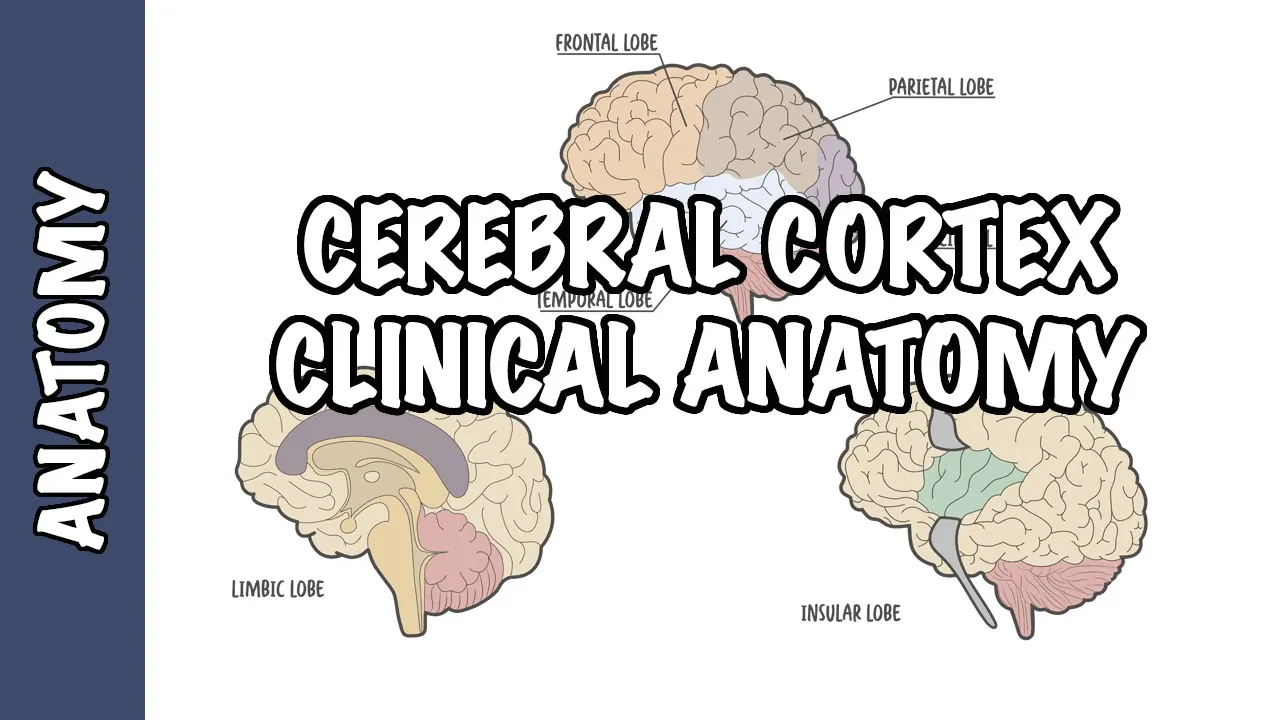




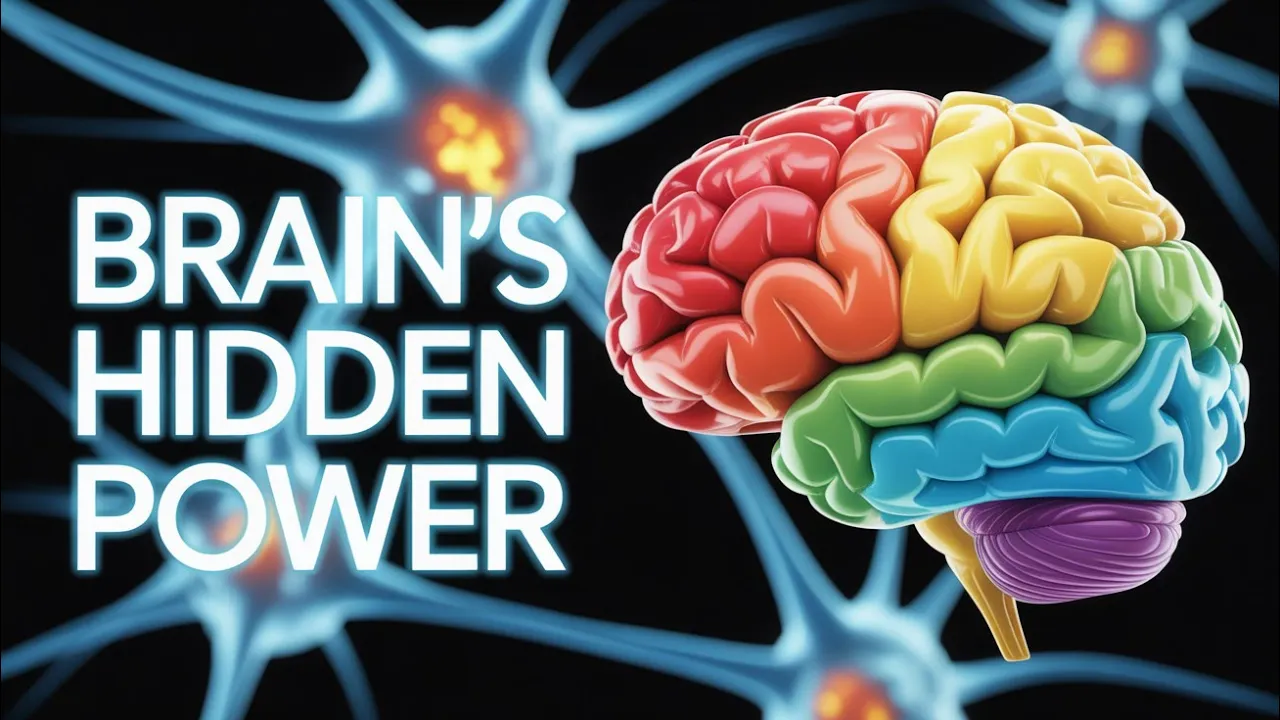

The human brain consists of four main lobes (occipital, parietal, temporal, and frontal) that perform distinct functions: the occipital lobe at the back handles visual processing; the parietal lobe processes sensory information and body position (proprioception); the temporal lobe manages hearing, speech, face recognition, and memory formation via the hippocampus; and the frontal lobe controls voluntary movement through the motor cortex and regulates higher cognitive functions like planning, decision-making, attention, and emotional processing. Additional structures include the thalamus (sensory relay), hypothalamus (hormone regulation), cerebellum (movement coordination), and brainstem (vital life functions).
Brain Anatomy: A Comprehensive Guide to the Lobes and Structures
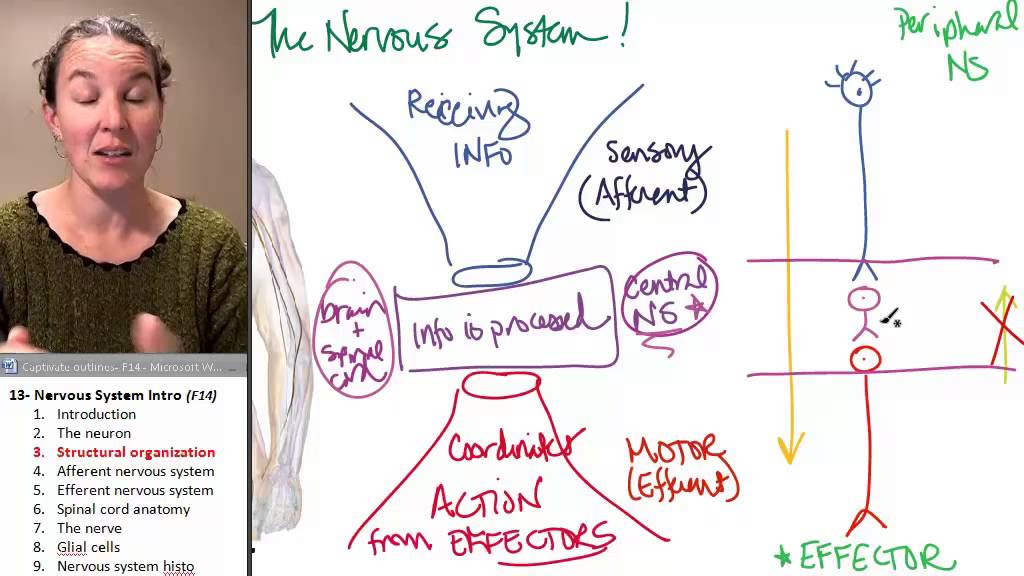
Added:Basic understanding of the nervous system, specifically the division between the central (CNS) and peripheral (PNS) nervous systems.
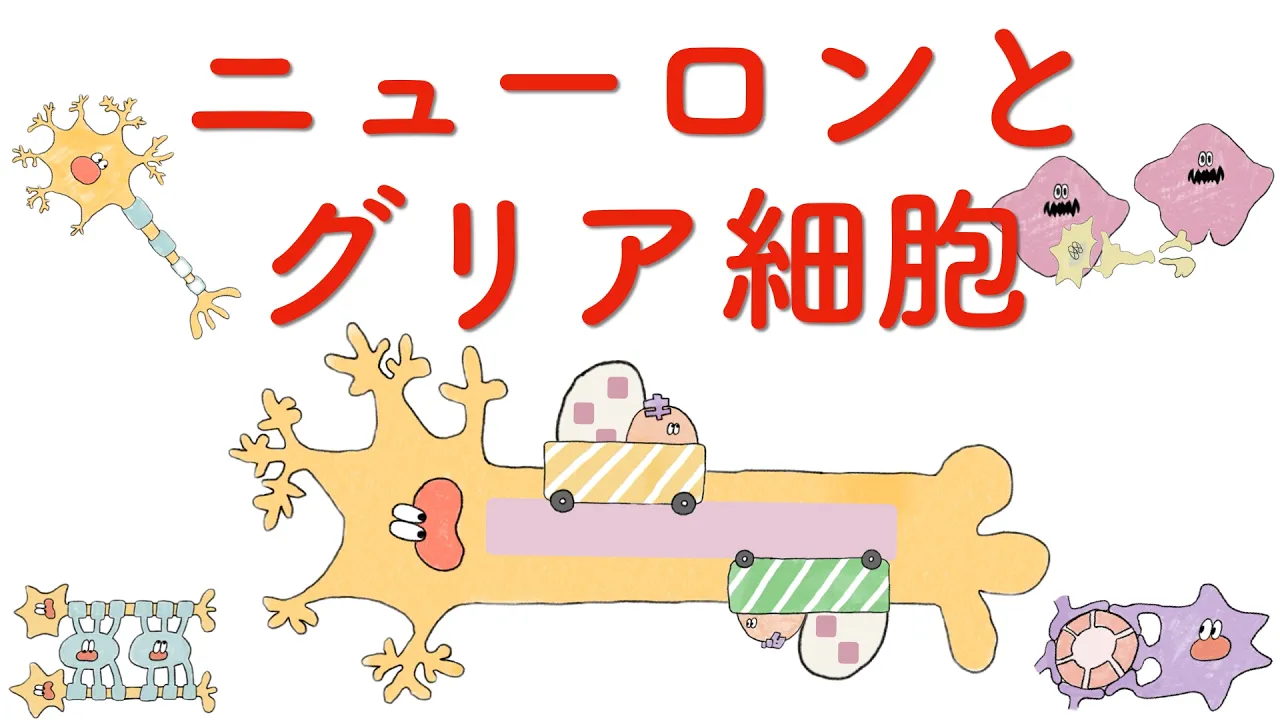
Fundamentals of cellular neurobiology, including the basic structure and function of neurons, glial cells, and synapses.
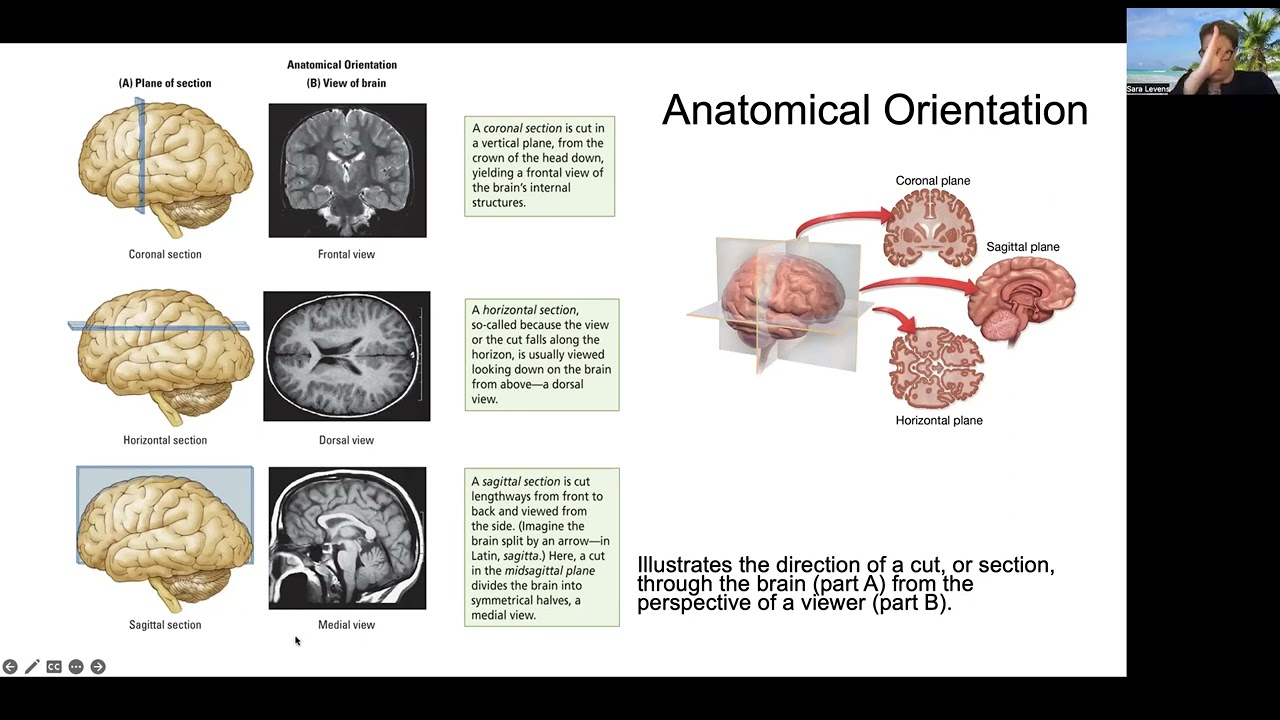
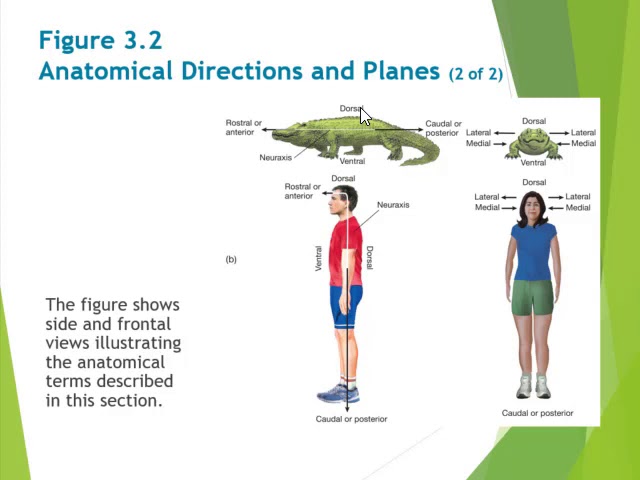
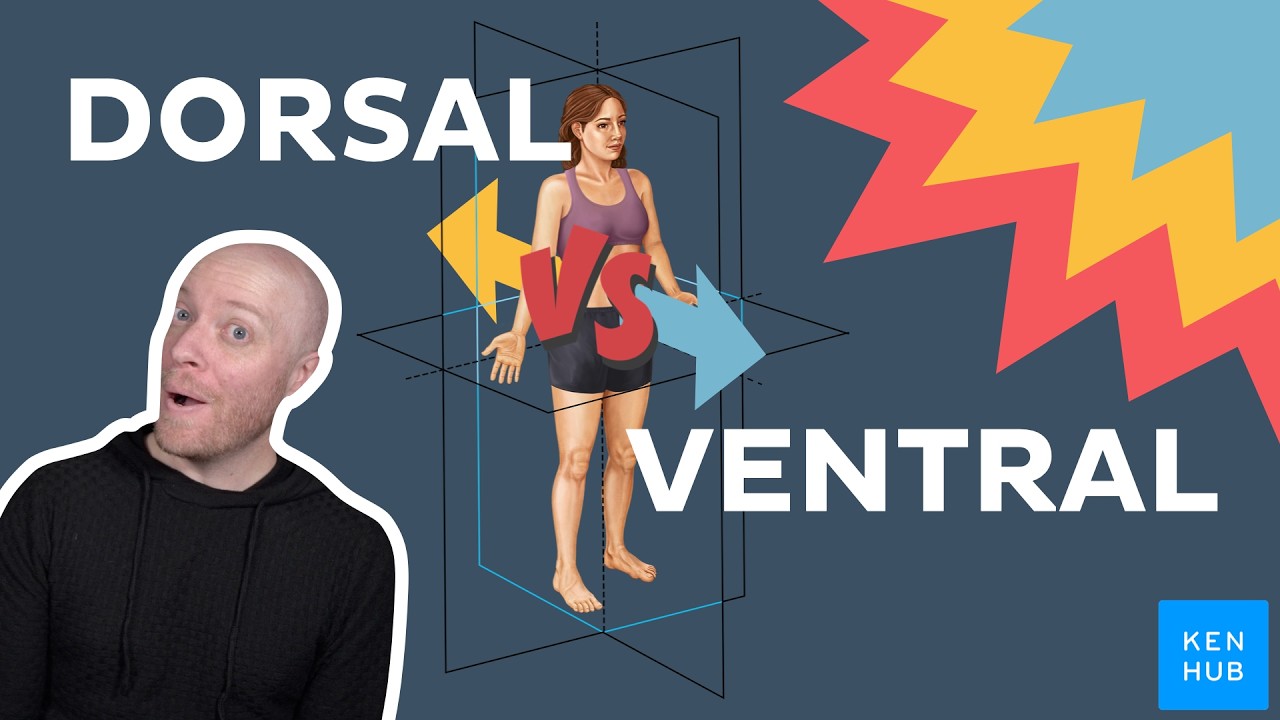
Anatomical directional terminology (such as anterior, posterior, dorsal, and ventral) to navigate 3D brain geography.
The general concept of biological homeostasis and how the body uses electrical signals to coordinate physiological responses.
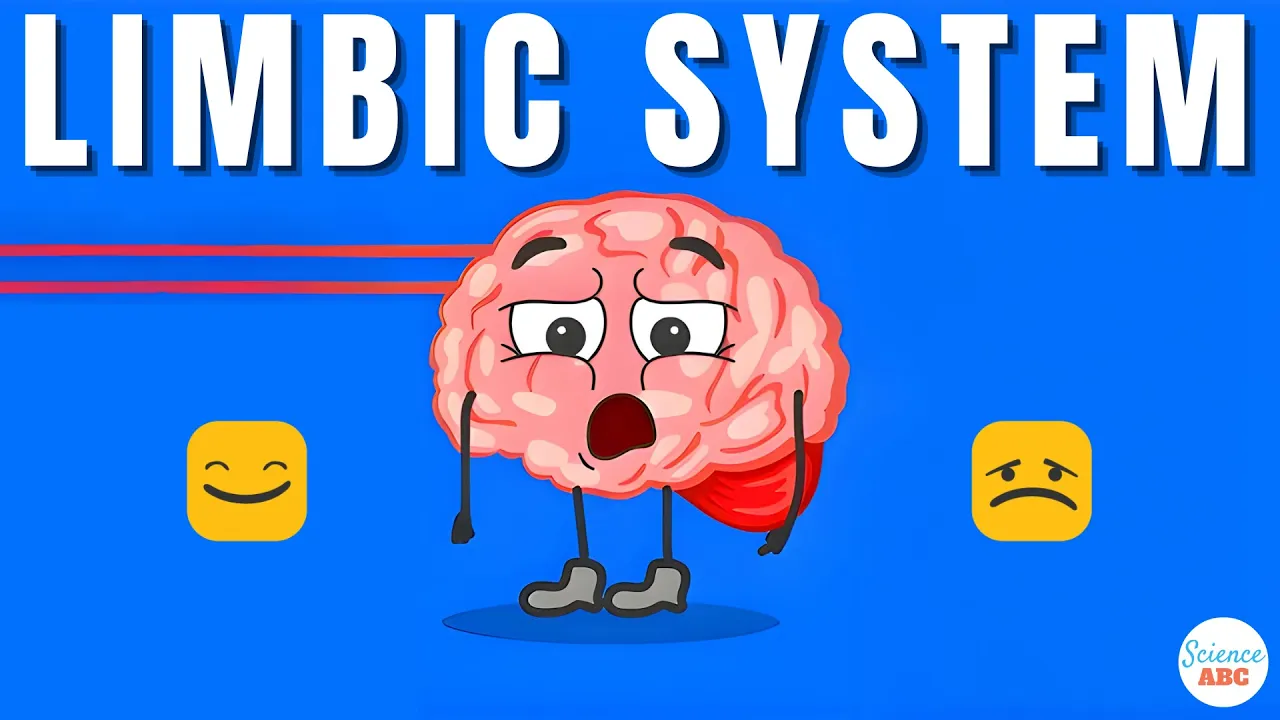
The limbic system and deep subcortical structures (such as the hippocampus, amygdala, and thalamus) involved in emotion and memory.
Clinical neurology and neuropsychology, exploring how localized damage (like stroke or trauma) to specific lobes affects cognitive functions.
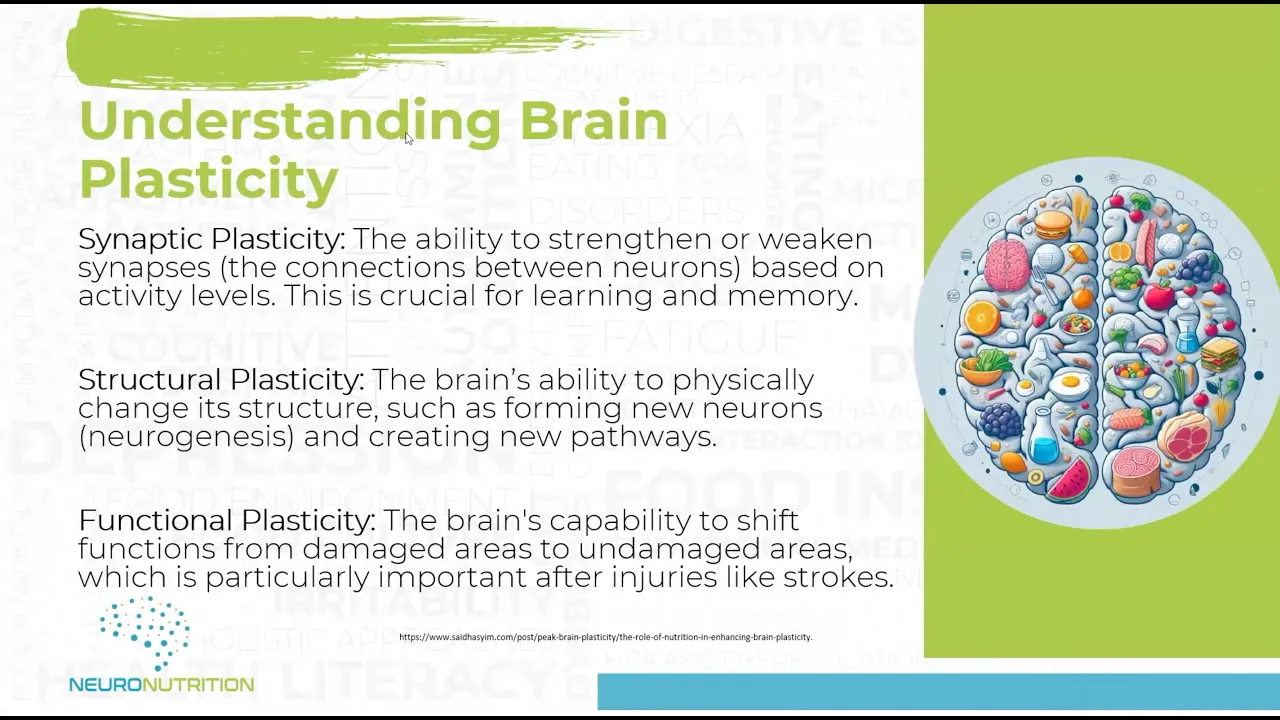
Neuroplasticity and the physiological mechanisms of how the brain learns, adapts, and recovers from injuries.
Modern neuroimaging technologies (such as fMRI, PET, and EEG) used to study functional brain activity in real-time.
194.3K views3.3Klikes6:18Original Release: 2015-11-29
This is what a human brain looks like. It looks kinda like raw hamburger, but each part of the brain is responsible for different tasks.
I’m Alie Astrocyte and you’re watching Neuro Transmissions.
This week, we’re going to talk about the different structures of the brain, the roles they play, and how to tell if it’s cooked just right.
If you had to guess, how big do you think the human brain is?
Well, my head is this big, so this big? Or maybe this big?
Actually, the human brain is only about as big as your two fists held together, like this.
The surface of the brain, however, is much larger.
You know how pictures of the brain look all wrinkly?
Well, your brain is essentially folded up so it can fit more in your skull.
If you unfolded all of your cortex, just the outer layer of your brain, it would cover a space of about 2.5 ft squared!
That’s as big as this! Let’s see if we can make it brain-sized again.
When we look at the cortex, we usually divide it into four main lobes, named after their nearby skull bones.
the occipital lobe at the very back, the parietal lobe at the top, the temporal lobe on the bottom, and the frontal lobe at the front.
“It all looks like brain to me”, you might be saying.
But these areas are actually divided by markers on the surface.
See these deep grooves? These are called sulci. And these ridges? They’re called gyri.
If we keep that in mind, we can see that, for example, the frontal lobe is separated from the parietal lobe by the central sulcus while the distinction between the parietal and temporal lobes is created by this separation, called the Sylvian fissure. These may seem like fairly arbitrary distinctions when we look at the whole brain, but each of these lobes has a distinct set of functions.
At the back of the brain, we find the occipital lobe.
This lobe is the smallest of the four, but it’s really important The occipital lobe is responsible for visual processing.
The occipital lobe itself can be broken up into different areas that process images of objects and patterns, motion tracking, perceiving color, and mapping space.
Above and in front of the occipital lobe, we have the parietal lobe.
This is the key to processing sensory information from your body.
This narrow band on top of the parietal lobe is called the “somatosensory cortex”, and is responsible for processing your sense of touch. It’s almost like a map of your body.
The parietal lobe is also important for for your real life “sixth sense” The ability to see dead people.
Just kidding. Your sixth sense is something we call proprioception, which is the sense of your body in space.
Below the parietal lobe, we find the temporal lobe. It’s sort of a jack-of-all-trades.
This lobe contains the primary auditory cortex, important for our ability to hear and process speech and language.
The temporal lobe also allows us to do some higher-level visual processing, like recognizing faces and objects.
Inside the temporal lobe, we find the hippocampus, a structure that’s crucial in the formation and maintenance of new memories.
We’ll talk more about all of this in later segments, but feel free to check out this video for more information on how different brain injuries can cause some wild changes to your mind and memories.
At the front of the brain, we have the largest lobe of them all: the frontal lobe.
The name makes sense. This lobe is one of the major things that makes the human brain unique.
We have an extremely large frontal lobe compared to other species.
The frontal lobe is important for a lot of different processes.
For example, right next to the parietal lobe, and separated from the somatosensory cortex by just the narrow line of the central sulcus, we find the primary motor cortex.
This region has a “map” of the body that sends out signals to control the use and movement of your limbs and muscles.
Sort of like a remote control for your body!
The frontal lobe is also important for a lot of “higher level” cognitive abilities.
These include things like planning, motivation, attention, recognizing reward, self-control, emotional processing, decision-making, and a lot of other things!
Damaging the frontal lobe can have huge effects on personality!
It’s so interesting to study, but we’ll talk more about some of those things in other videos.
But hang on! We’re not done yet.
Even though we usually think of the brain as just being this shape, it’s important to remember that there are some extra pieces being left out of the big picture.
Underneath the cortex we find the thalamus, which acts as a relay station for sensory and motor signals and regulating sleep.
While the hypothalamus plays a role in regulating your hormones.
Behind the cerebrum, which is what scientists call the “main” portion of the brain, we have this structure that looks like a pile of spaghetti.
It’s called the cerebellum, or “little brain”, and it’s very important for movement control.
While the primary motor cortex in the frontal lobe is the controller of initiating motion, this structure contributes to the coordination and timing of movement, and also plays a big role in proprioception.
So if you’re uncoordinated, blame your cerebellum! High five!
Oh no, you’ve gotta look at the elbow.
No...you gotta... You know what, okay, let’s stick to fist bumps. There you go.
Finally, the brainstem, this narrow structure underneath the cerebellum, is considered the “most ancient” brain structure.
That is, this is probably the first region of the brain that evolved in our earliest ancestors.
This structure has three subregions: the medulla oblongata, the pons, and the midbrain.
All of the information transmitted between your body and your brain has to pass through this region.
It also regulates your heart rate, breathing, sleep, and eating.
So you should love your brain stem. It keeps you alive!
Well now we’ve painted a broad picture of your brain and understand a little bit about what the different parts do.
In upcoming videos, we’ll delve into the nitty gritty about these structures and their functions.
If you’re new to these parts, please subscribe!
And if you liked the video, give it a thumbs up.
Next time, we’ll talk about how your brain “sees” the world.
Until then, I’m Alie Astrocyte, and you’re watching Neuro Transmissions.
Over and out!
Up Next
12:06
Cognitive vs Affective Empathy: Psychology & Balance Explained
@Wedded2Wisdom
115 views•2025-11-29
21:55
Deciphering Neural Circuits Controlling Anorexia in Mice | Richard Palmiter
@AllenInstitute
2.3K views•2011-10-10
5:52
The Neuroscience of Language: Broca's & Wernicke's Areas
@neurotransmissions
112.6K views•2016-07-03
13:03
How Exercise Benefits Your Brain: Science Explained
@TED
11.4M views•2018-03-21
Related Study Plans & Knowledge Roadmaps
Structured learning paths in Neuroscience
neuroscience
Appetite Regulation: Brain Circuits & Hormones
01Foundations of Endocrinology and Brain Anatomy
02Introduction to Energy Homeostasis
03Peripheral Signals: Leptin, Ghrelin, and Insulin
+ 2 more learning modules
14h5 modules
Explore Roadmap
neuroscience
Neuroeconomics: Value, Risk & Brain Mechanisms
01Foundations of Neuroscience and Brain Anatomy
02Introduction to Neuroeconomics and Subjective Value
03Dopaminergic Prediction Errors & Reinforcement Learning
+ 3 more learning modules
18h6 modules
Explore Roadmap
neuroscience
Spatial Navigation: Cells, Grids & Brain Maps
01Foundations of Brain Anatomy and Memory
02Place Cells and Head-Direction Cells
03Grid Cells: The Brain's Coordinate System
+ 2 more learning modules
12h5 modules
Explore Roadmap
neuroscience
BCIs: Neural Decoding & Prosthetic Control
01Neuroscience Foundations: How the Brain Signals Intent
02Signal Acquisition: Recording the Brain's Activity
03Neural Decoding: Translating Brain Waves into Data
+ 2 more learning modules
25h5 modules
Explore Roadmap