




















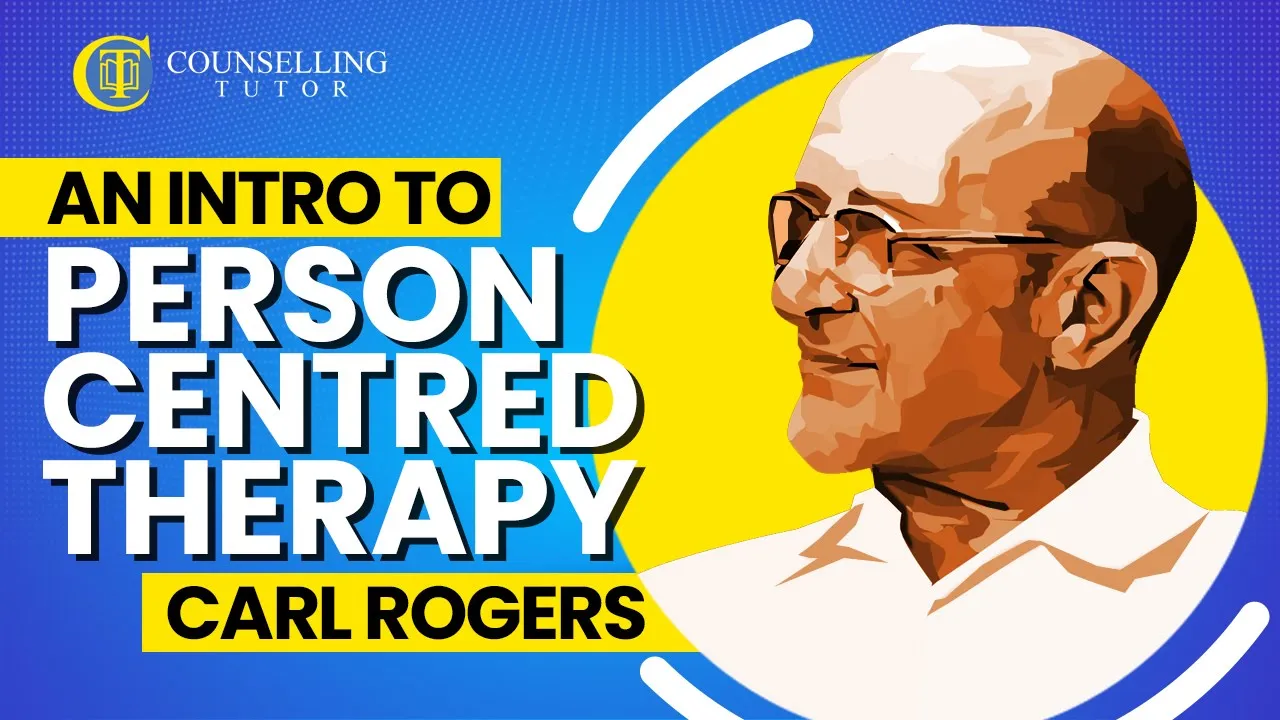



Carl Rogers identified three core conditions—congruence (authenticity/genuineness), accurate empathy (understanding the client's perspective), and unconditional positive regard (nonjudgmental acceptance)—as necessary and sufficient for therapeutic change in person-centered counseling, though modern practitioners often combine these with additional therapeutic approaches.
Carl Rogers' Core Conditions: Person-Centered Therapy Essentials
Added:Introduction to Humanistic Psychology and its distinction from Psychoanalysis and Behaviorism.
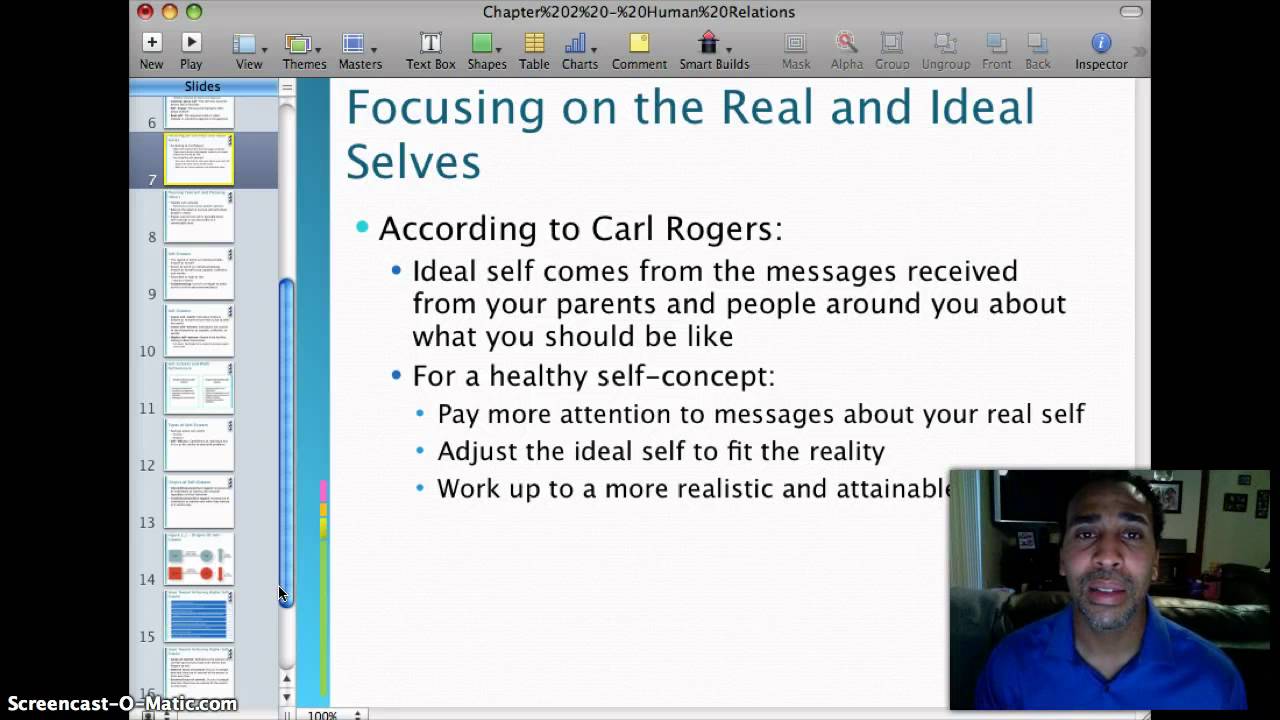
The foundational concept of the 'Self-Concept' (the difference between the ideal self and the real self).
The definition and general importance of the therapeutic alliance in clinical practice.
The historical shift in psychotherapy from therapist-led directive approaches to non-directive counseling.
Practical application of active listening and reflective communication techniques in clinical sessions.
Integration of Carl Rogers' core conditions into modern therapeutic modalities like Emotion-Focused Therapy (EFT).
Critical evaluations and limitations of the Person-Centered Approach, especially regarding severe psychopathology.
The adaptation and efficacy of person-centered therapy across diverse cultural and demographic groups.
38.4K views531likes4:13Original Release: 2017-10-01
today I'll be talking about Carl Rogers three core conditions that he believed are necessary and sufficient for clinical change in counseling now actually there are six conditions but three conditions we refer to as the core conditions so I'll start with those three conditions and then briefly cover the other three so the first core condition is congruence Carl Rogers believed that it was important for a counselor to be genuine in the counseling relationship to communicate and to form a relationship authentically and this is a benefit for both the client and the counselor so communication in the session and the counselor would be authentic both would be authentic and genuine the next core condition is accurate empathy so notice we have use of the word here accurate so not just empathy but here the counselor needs to work to try to be accurate as accurate as possible being empathetic and what Roger is meant by empathy was understanding the perspective of the client understanding the world from the clients point of view their emotions their thoughts their behaviors and accurately communicating that back to the to the client so the client would understand that the counselor understands the client would be able to see the result of the empathy the third core condition is referred to as unconditional positive regard and with unconditional positive regard the counselor takes a non-judgmental stance this allows the client to discuss all types of issues without being concerned about being judged so we stay away from judgment and this is one of those core conditions that I also feel like helps the counselor and the client now I mentioned there's actually six conditions listed by Rogers again he believed those are necessary and sufficient for change I reviewed the three the other three the first one is psychological contact so the client has to be psychologically connected to the counselor they have to be aware of what's going on and able to participate in counseling the next condition is the client needs to be in congruent Rogers would say vulnerable or anxious so this illustrates that the client is at a place where they are open to counseling there's something amiss there's in congruence and that allows that issue to be worked on the last of the conditions is the client has to understand the empathy the genuineness and the unconditional positive regard so they need to be able to understand the core conditions so the counselor has to work to help the client to gain knowledge to understand that these conditions are present now it's interesting about person-centered therapy and what Carl Rogers believed was that these six conditions and and of course more specifically the three core conditions where necessary and sufficient for change and a lot of counselors today of course believe that person-centered therapy gives us valuable tools to use in sessions but the theory itself isn't necessary and sufficient for change counselors typically add other counseling skills to the skills that we see in persons our therapy to the core conditions for example existential counseling skills psychodynamic counseling skills cognitive behavioral therapy counseling skills are also popular so we take the three core conditions from person-centered and we use them across a variety of counseling theories I hope you found this description of Carl Rogers three core conditions to be helpful thanks for watching
Up Next

54:46
CBT Core Beliefs: Identify & Transform Negative Thinking Patterns
@MedCircle
470K views•2020-09-05

68:32
Cognitive Skills for Differentiated Instruction | Teacher PD
@BrainWareLearning
631 views•2017-12-17

9:55
Thinking, Fast and Slow: Daniel Kahneman Animated Book Summary
@FightMediocrity
2.3M views•2015-06-05

6:40
The Nocebo Effect: How Beliefs Can Cause Real Harm
@CGPGrey
10.4M views•2013-12-23
Related Study Plans & Knowledge Roadmaps
Structured learning paths in Psychology
psychology
Neuroscience of Creativity: Networks & Training
01Foundations of Creative Cognition
02The Cognitive Neuroscience of Insight & Fixation
03The Triple Network Model of Creativity
+ 1 more learning modules
15h4 modules
Explore Roadmap
psychology
Imposter Syndrome: Etiology & CBT Framework
01Defining the Imposter Phenomenon
02Socio-Developmental Etiologies
03CBT Fundamentals & Thought Distortions
+ 2 more learning modules
15h5 modules
Explore Roadmap
psychology
Adult ADHD: Executive Dysfunction & Scaffolding
01Neurobiology of the ADHD Brain
02The Core Triad of Executive Deficits
03Executive Dysfunction and Emotional Regulation
+ 2 more learning modules
12h5 modules
Explore Roadmap
psychology
Loneliness: Evolution, Neurobiology & CBT
01Evolutionary Origins of Human Connection and Loneliness
02The Neurobiology and Physiology of Chronic Loneliness
03Maladaptive Social Cognition: The Psychological Loop
+ 2 more learning modules
12h5 modules
Explore Roadmap