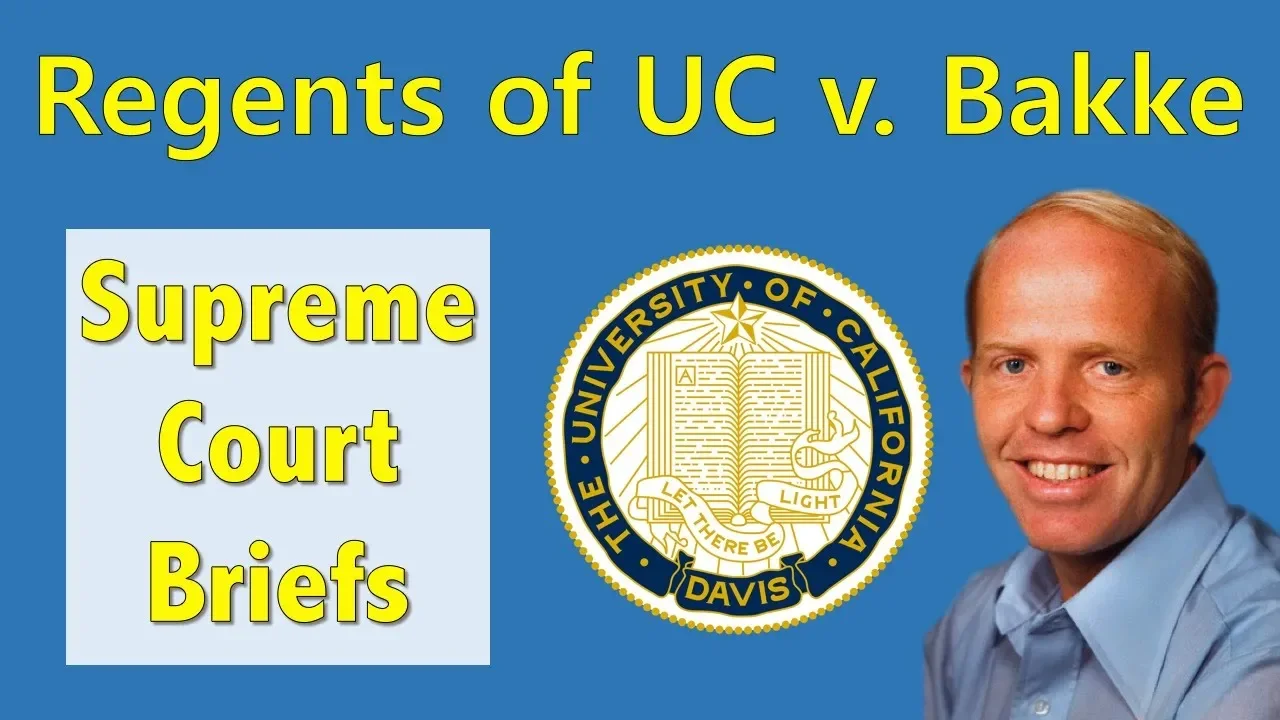


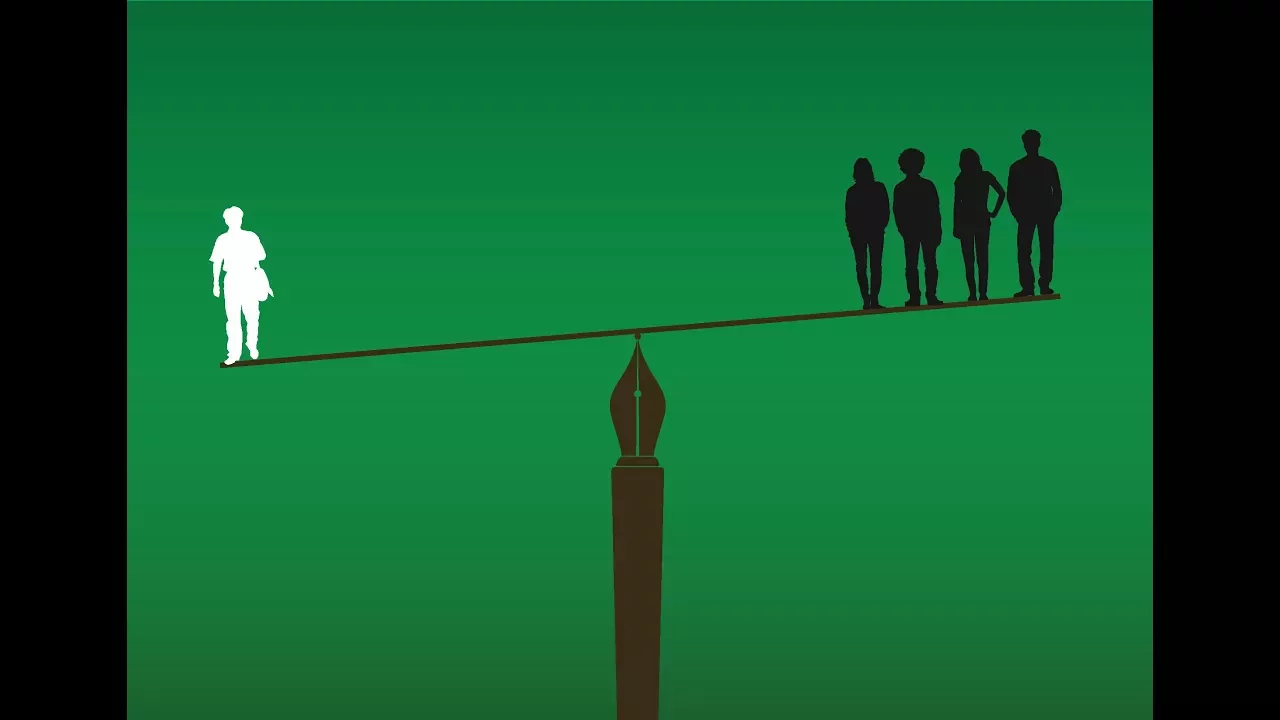













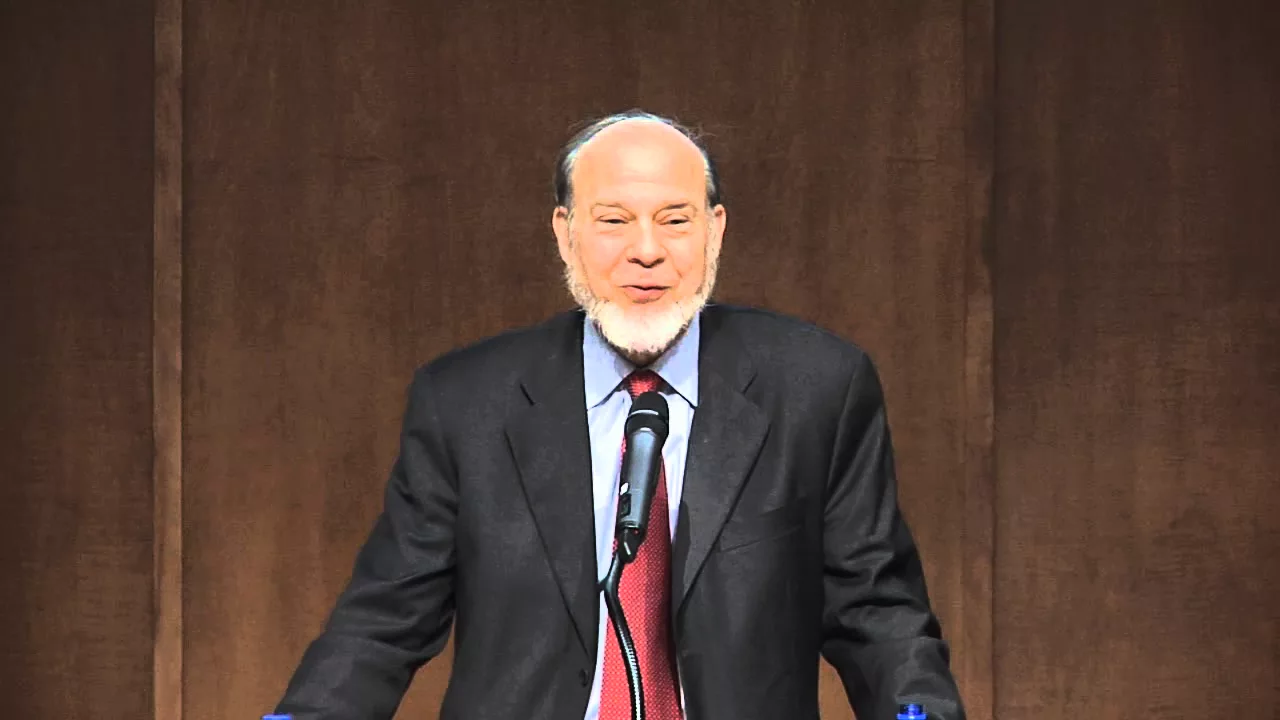





Mismatch Theory, which examines how affirmative action policies may inadvertently harm minority students by placing them in academically challenging environments beyond their preparation level, has gained empirical support through research showing that students admitted to competitive programs through race-based preferences often struggle academically and are more likely to switch majors or leave STEM fields; this theory suggests that well-matched placements based on actual preparation levels may yield better outcomes for all students, and that universities' reluctance to release admissions data prevents proper assessment of these effects.
The Supreme Court Case That Ended Affirmative Action: Peter Arcidiacono Explains
Added:The historical and legal precedent of affirmative action in US higher education, including landmark cases like Regents of the University of California v. Bakke and Grutter v. Bollinger.
The basic mechanics of college admissions processes, specifically holistic review, legacy preferences, and how race-conscious policies were historically applied.
An introductory understanding of 'Mismatch Theory' in academia, which suggests that students admitted under preferential policies may face academic disadvantages if their preparation gap is too wide.
Basic statistical and econometric concepts, such as regression analysis, correlation versus causation, and selection bias, which are used to analyze admissions data.
The real-world impact of the 2023 Supreme Court decision (SFFA v. Harvard / UNC) on enrollment demographics and the rise of race-neutral alternatives (e.g., socioeconomic-based affirmative action).
The broader legal and corporate implications of the ruling on Diversity, Equity, and Inclusion (DEI) programs and hiring practices in the private sector.
Academic and empirical critiques of Mismatch Theory, including studies that analyze long-term career earnings and graduation rates of minority students at elite institutions.
A comparative analysis of how other countries address historical inequality in education, such as reservation systems in India or quotas in Brazil.
722.4K views14.3Klikes54:39Original Release: 2023-09-25
not being able to sleep when people are calling you a racist becomes clear how much I cared about what other people thought of me so part of the protest was over a date of fact which was black men who start in the like the sciences and economics at Duke over half left for you know some other major only eight percent of white men left and that can be explained by differences in their act in that background if you come in and you're on the low end of SAT Math for your school you're gonna be a lot less likely to stick it out I think in Academia I think this is referred to as mismatch Theory one of the shocking things to me was that Harvard doesn't uh an athletic rating and that athletic rating holds for everybody gets one even for non-recruited athletes and the people who do best on that are white legacies which is pretty crazy because Harvard offers a bunch of sports like sailing and such that uh you had to have lots of money in order to access admitted to taking 610 000 in bribes to get students from wealthy families admitted into Stanford there was actually a law school professor at Georgetown who got caught on video it's interesting hopefully I don't get in trouble by saying this when women were really constrained to be teachers that was actually really good for our Public School Systems because I met really good people or teachers and wait what do you mean by that to um real quick do you want to introduce yourself everybody so they know who you are and have an idea of where to find you or if you want to plug a book or social media anything just if you have an idea of who you are oh I wish I had about the plug but uh Peter sidiacino I'm a professor of Economics at Duke I study affirmative action and was the expert witness in the students for fair admissions cases that were recently decided in the Supreme Court mainly did like the statistical analysis and such can you um just curious so uh and then obviously if you're uncomfortable answering any question you don't have to um what were have there been before we ended the affirmative action thing were there significant repercussions till your personal or professional life when you're testifying on behalf of affirmative action do other teachers or academics look at you a different way for that it helps to be in an economics Department that could be you know my history goes back a little bit further than this because back in 2011 there was actually a protest here at Duke over one of my papers yeah and uh you know there were like 30 students holding up signs on Martin Luther King weekend talking about how my paper was racist um and that uh prepared me for whatever was coming down the pipeline I feel like uh I spent the first two weeks of that not being able to sleep when people are calling you a racist you know you real becomes clear how much I cared about what other people thought of me uh and then I really feel like I got a Grace to Let It Go um and you know I still we all have our flaws but you still want to be liked yeah uh fundamentally if somebody was coming after me I could take the hits and say you know we're actually on the same page on these things we just disagree on the solution and um you know we could we can move forward by talking about what what the data actually show sure I mean the paper that they got all upset about was written for economists economists have their their ways of speaking about things and they also tend to like to comment across every other discipline because they feel like their formulas give them the authority to pontificate on all matter of social issue which I think is funny I appreciate I think it's good um it may be more than others because okay that I was the best paid sociologist out there kiss yeah yeah two papers on teen sex um uh you know lots of different how people form friendships sure yeah yeah I think that whole lead Theory I think of um of lead being the main driver of crime in the 90s and everything I'm pretty sure that wasn't Economist I think that was the progenator of that theory um yeah so um something that also just as a heads up I don't know if I said this this I live stream this so this is live it's not like cut to and edited later on so don't say anything right crazy or whatever yeah um one theme that has kind of been consistent over the past couple years um as we analyze kind of universities and how much can you take up a contrary to the I'll say woke establishment opinion is we've noticed that increasingly administrators seem to be unwilling to back faculty uh and they kind of like bow to external pressures or I don't say radical students I feel like Rush Limbaugh I'm using a lot of uh conservative buzzwords right now but um obviously you're at the center of what is arguably one of the most impassioned debates for school admissions related stuff and for social issues brought in the United States do you feel like as a as a professor do you feel like you know your school has your back you don't ever feel any pressure or threats from that or are you kind of like being a little bit more careful now yeah what is your general feeling on that well I'm certainly careful without a doubt you know and that protest happened after I already had tenure okay um that also helps you know I am definitely in the minority you know I do yeah um you know by definitely a conservative relative to the rest of Academia and what's been great about being in economics most of the time is that I can still have those you know we can have those debates and I learned a ton I've probably learned so much because you know I have to actually defend my positions one uh there's a guy Mike Munger here who argues it's not the conservative students who suffer from the woke establishment universities it's the liberal students because they never learn how to defend their opinion sure um but I definitely watch what I say I thought there would be a lot of backlash in me doing this case um it hasn't happened you know um and if anything I feel like I've been saved by some of the other work I did in this case because as a result of getting to see all of Harvard's emissions data I've written I wrote papers about their legacy and athlete admissions so now they want to say my model is wonderful now they want to go after uh the Legacy and athlete admissions which I'm supportive of going after this okay so focusing on affirmative action I feel like the the steel manned version the best argument that I've heard in favor of affirmative action is when College admissions are looking at students that they want to enroll there is a plethora of qualifications and experience that they take into account when they're processing these applications might be extracurriculars might be whether you're a foreign exchange to whether you're immigrant whether you're whatever there's a million things apparently that they'll take into account among like classes and test scores and everything and affirmative action Advocates say that of the this mountain of things that are taken into account it feels like say you've got two applications and everything is roughly equal that a student coming from a disadvantaged or unprivileged minority background ought to be weighed a bit heavier than a student coming from a more racially privileged background I guess that's like the steel man version of I think of affirmative action yeah yeah what's your um yeah I guess so what is if you're like General response do you feel like it's bad um like morally and ethically do you think that just the pragmatics don't work like yeah how do you address in like a casual conversation or slightly more than casual conversations already brings us how do you feel about that yeah well so I often take the cop out of saying you know that I'm not you know uh taking up a particular side of the affirmative action debate but I'm a researcher of affirmative action what bugs me about the debate is that people have really strong opinions on it and yet at the same time we have no idea how much it happens so when you described it as like a like a tiebreaker that's an entirely different thing than like the Abram kindy version uh we're gonna have a quota system and so because universities just hide their data sure you can't actually see how much it actually it actually matters and it really ties in the paper that got me into trouble here was using two data that's why there was a protest because I'm sort of pointing the fingers at Duke and what I've noticed in this I think occurs at all college campuses it's like the science and math classes and the economics classes they're harder they give lower grades and you study more and that has a clear effect on who sticks in those fields so part of the protest was over a date of fact which was for black men who start in like the sciences and economics at Duke over half left uh for you know some other major okay only eight percent of white men left and that can be explained by differences in their acting and background if you come in and you're on the low end of SAT Math for your school you're going to be a lot less likely to stick it out now part of what got me a couple is saying well is it they thought that was victim blade you know fundamentally it was The Sciences in economics that were a hostile environment sure that's just not true you know the legacies with those test scores were leaving at the same rate you know once you account for the differences in active and background race didn't matter gotcha uh so for me you know I think everyone I can see the moral argument for saying we're not going to treat people differently based on their race if you're pro-affirmative action I think you need to figure out at what points you think it would go too far no probably like Abram kindy would say all the way until it's proportional but then I think you're missing out on the fact that your preparation does matter yeah can I um we're trying to get at in terms of diversity so something that you're kind of hitting on here uh I think in Academia I think this is referred to as mismatch Theory right yeah yeah so um mismatch Theory especially with UC schools is what I did reading on I think a year or two ago and it kind of it flipped my opinion on affirmative action um because uh like you said one of the frustrating things is for so many of these arguments the arguments are purely normative or philosophical and very rarely do we ever actually intersect with the data which is arguably the most important point and um I think I got an email I think somebody in my chat type like how do you know if affirmative action is working whatever um and that was a good question I was like I actually don't even know that's good because would we count admissions to a school but we count graduation rates um would we count like yeah like I'm not actually sure and then I think the UC schools did a bunch of digging and you're gonna know this better than me but I think that what they found was that uh admissions for black students was dramatically increased with affirmative action policies but the absolute rate of graduation stayed the same and the per capita rate dramatically fell so whereas you might enroll 20 students with affirmative action you might enroll 40 students and if you stop there affirmative action has been immensely positive but then when you look at the graduation rate it's still just those five students well now you've got mismatch but I've also read contrary data that says well actually and now these are papers that I think are more broadly theoretical I don't know if they get into the numbers but they make the argument that when you put students in accelerated learning environments even if they do have some mismatch just being in those environments benefits that student more than if they would have gone to another school so broadly speaking I guess what you were alluding to earlier sounded similar basically like mismatch Theory where do you think we're at empirically on is the idea of mismatch theory true is it not accounting for some things or is it part true part not how do you feel about that well I think it's clearly true and it's always a matter of how far would you have to go for it to kick in gotcha so you know one of the papers there's a guy named Zach bliemer who wrote a paper that was saying that this fact is sort of off and uh what he found is in California when they removed affirmative action earnings for Hispanics um went down what was interesting is the earnings for blacks did not and if you thought about affirmative action is way more aggressive for black students and for Hispanic students okay so you could have had to be the case have smaller preferences for black students than when you removed it it would have led to earnings crops for African-Americans but it didn't so that's really shows that went too far if you're going to do things where you're going to end up you know with one and a half standard deviation worse on your academics background that's going to go too far it doesn't matter oh wait just so I can understand what you're saying then because you're so the argument is saying that the affirmative action was so aggressive that when you got rid of the affirmative action the earnings were unchanged meaning that the prior affirmative action wasn't even boosting the earnings because the graduation okay I understand so ideally if we peel away affirmative action you would want to see earnings fall because that means that the affirmative action was having a positive effect on increased earnings I understand okay gotcha gotcha okay it's got to be the case that if you're using affirmative action as a tiebreaker that's going to help minority students sure you know if it's just when it goes too far and how could he ever tell when it goes too far when universities won't show you the data gotcha yeah it sounds really similar too oh go ahead oh now what you see is Dennis said we don't even want your test score data yeah which I think some I think MIT and other schools have rolled that back now though right because I think they're like this was stupid like test scores are probably important um I hear a lot of people do the whole Wi-Fi with my audience that's where people say like oh some people are bad test takers but I think that's probably largely a cope I think test test scores are probably pretty important and indicative of a future Student Success in school and everything um yeah and especially in the math and sciences yeah so and really you know people sort of view it as all the the test scores favor the rich and sure they do favor they do because they prepare more right yeah right but the other stuff favors the rich way more yeah um one of the shocking things to me was that Harvard as part of how they rank their applicants as an uh an athletic rating and that athletic rating holds for everybody gets one even for non-recruited athletes and the people who do best on that are white Legacies which is pretty crazy why because Harvard offers a bunch of sports like sailing and such that uh you had to have lots of money in order to access I can really boost up my resume much more if I've got money than I can my test scores sure okay um I'm trying to think of um oh [ __ ] almost all of my content is oriented around usually fighting where they're disagreeing with people so I'm trying to Devil's Advocate as hard as I can um how do you feel uh I'll ask kind of like General ideas about this because some of these things bother me especially as I dive deeper into these um into a lot of these social issues once when when schools are doing affirmative action and I understand you're saying a lot of this data is hard to access it feels very um crude to have categories of like black or brown so for instance a um an African-American somebody descended from slaves that might move out of Baltimore to go to school is essentially on the same Affirmative Action level as uh somebody who has two PhD Nigerian parents that came over to the United States and is enrolling them in school are all of these students just treated as black or are the racial categories more granular when it comes to for the schools that we're practicing affirmative action in their admissions do you know do you have access to that do you have an idea oh yeah I mean black trumps everything okay and um you know as it turns out one study found that like over 40 percent of Ivy League students reverse who are black we're first or second generation immigrants yeah and then to top it off what we actually found in the Harvard data was you get like a really large bump if you're black and then you get a small bump if you're from a poor family but if you're black and poor you don't get the poor buck that's interesting okay and so what that means is in terms of the racial advantage is going to be this two PhD Nigerian parents these kids can have a more of an advanced relative to the two PhD white parents than looking at the poor black kid versus the poor white kid when schools are having when you talk about the bumps that they're getting are these bumps the end result of humans looking and kind of subjectively evaluating applications or is this like an actual formulaic like black is plus 27 on your application Asian is -12 on your application like what is there actually like formulaic stuff to do this or is it like the subjective feelings yeah yeah because that's illegal yeah and if anything I think that the University of Michigan cases got decided exactly wrong so there are two cases that really set the tone for the recent rulings on affirmative action one was uh at the undergraduate level at Michigan where they said you can't have an explicit point system like you just described uh but the other was that you can use it race holistically which is what they were doing in law school now as an economist I just think it's ridiculous because we'll call it holistic if I just don't tell you what the formula is like cops having quotas for speeding tickets they don't have quotas but there are so many of them out there running speed traps and it's like if you don't write enough tickets you get in trouble but so it's effectively the same thing right yeah yeah and as it turns out racial preferences were much bigger in the law school than in the underground so it yeah it looks economists can model it as a formula anyway big cost though um because this this didn't get as much pushback as I think they could have when it happened there was actually a law school professor at Georgetown who got caught on video lamenting the performance of her black students yeah and she got fired for that yeah this was a few years ago I think right yeah yeah it to me it actually shows what I've used one of the big problems with the affirmative action because no one knows how much it operates the reality is it's huge at law schools and it's going to be a feature not a bug that you're going to end up if you're coming in behind you're going to be at the bottom of your class yeah that could still be good because you still graduate from Georgetown with a law degree and get those good outcomes but you are going to have lower grades sure georgetown's response to this was she's racist and we need to figure out whether this is happening elsewhere then they never release the data so you can't show that what's happening in her class is happening in all their classes and they just uh they hide it yeah yeah the um you mentioned this that you have the same goals as a lot of these people one of the things we talk about on my stream is um rather than being tied to outcomes people get really tied to processes and they'll confuse the process with the outcome so when when we don't we shouldn't really be talking about if we like or don't like affirmative action normatively we should be talking about do we want more students to go to college successfully but people confuse that with the process and then it becomes if you're opposed affirmative action it's because you're racist or don't want equal opportunity for students and it's very frustrating to kind of like peel the layers of onions back to try to get into a person's mind of like you could be opposed to this thing but not because you hate these students but because you realize it's like an ineffective means of addressing I guess these types yeah response on a lot of these things is we have to deal with the pipeline but then the Liberals will see that as a cop-out because do they ever actually do anything about the pipeline um yeah that's my big problem with conservatives it happens a lot I'm sorry I've drawn a lot of peripheral um economic and uh uh political issues because I always like tie into each other but it reminds me when conservatives will say like we shouldn't be spending so much money in Ukraine because we need to spend domestically but then when you ever look at domestic spending conservatives don't want to allocate more money to the things that they say we should be yeah so yeah it's one of those things um I agree with the pipeline thing it seems to me um as as not an educator but just as somebody that went to school and saw different families to see things that like so much of like a child success is determined at very early ages I feel like you hear these really dumb things that are said over and over again like high school isn't important you're just learning how to learn and grade school is just teaching you how to sit in class and blah blah blah but like I remember I'm pretty sure advanced placement for math starts in like fourth or fifth grade like at very early ages you can kind of tell like this kid is in sixth or seventh grade and he can't really read like it's yeah affirmative action always seemed to me like a very brutal Band-Aid at the end of a long chain of fuckups that now you can just catch up at this point and it's like there's just no way yeah and then obviously right being an economist like now you've got all these negative externalities that are happening as a result of forcing that so hard it's like setting minimum wage so far from where the market would set it and then you see these horrible outcomes where black students aren't achieving as much where people feel like people are just getting affirmative action in and yeah just all the knock-on effects are so horrible yeah um I actually like that minimum wage analogy there because I can say I'm at poor or against a minimum weight minimum wage imagine setting wait what'd you say sorry imagine imagine saying I'm bored minimum wage or I'm against the minimum wage oh yeah what does that even mean it depends on what level you said to them exactly whatever of a thirty dollar minimum wage because that would be a trainer act yeah but it sounds like what you mentioned with the affirmative action for the Hispanic and black students because I think I think now it's agreed obviously you've got the econ background so you can always tell me if I'm completely wrong but I think economists agree that setting a minimum wage slightly above like the market floor where it would naturally sell metal is probably beneficial to workers it doesn't seem like there's too many bad external effects that happen from that but the farther you get away from that I think in Seattle they tried a lot of experiments then you start to see increases on unemployment decrease in hours given which reminds me of the affirmative action thing that you mentioned with the Hispanic and black students that for Hispanic students they might not have been having that much affirmative action between getting it or not getting in but the farther away you got the more deviations the way you get the more extreme the external negative effects are going to be for the impact on students and graduation rates and everything yeah and I think that those get magnified when you're hiding it from them so that they don't you know they don't know what's going on here they think they're gonna come in and and do fine and then that doesn't work if they knew their map background was behind then you could put resources in the summer before or whatever to try to make sure that they're going to succeed yeah they won't do that sure yeah and and honestly that sounds like a more even a hardcore race-based affirmative action program like that I'd be more in favor of if there was like a blacks only accelerated math Prep course between like senior year of high school and going into college or whatever like I'd probably be more on board with that because then at least you're preparing students you're not just throwing them into two environments where they're kind of like set up to fail yeah my big play against universities is universities hide their data you know if you think at Duke we house all the North Carolina Education data so all public school students you can do whatever research you want nice those public education and yet we don't look at our own data at all to help our own students yeah yeah which seems crazy every University should be using their data they've got professors who would look at it for free to try to improve uh the answer casual outcomes of their students we asked for that data for to help improve minority outcomes in our major at first they gave it to us and then the well dried up yeah I remember reading a quote a long time that if you pulled somebody from the 1800s and you transported them 200 years into the future today that uh the only thing they would recognize would be the education system because it seems like we're so reticent to make any dramatic changes and literally anything relating to it at least in the United States yeah charter schools have picked up steam and my read on that is that certain kinds are very successful in closing that achievement Gap but they get such uh pushed back you know from teachers unions and sections it's too bad because these no excuse Charter Schools make it make a big difference what do you um I'll give my this is my steel man argument against charter schools and then you can tell me if you agree or disagree my understanding of a charter school is a charter school is I believe it's a school that can choose who to admit but they still get public funds I believe right you could set it up so that's not the case commit everybody or there'll be a lottery for it sure yeah but it's still like um they still may not put out the resources to handle like a Disabled Student sure yeah that's the tricky part I feel like um the thing that I don't like about Charter Schools um so I'm digging into the ethics part here is in my mind I would like it to be that if a student has the aptitude has the support of their family if they go to school and they apply themselves I feel like education should be this like great equalizer that every student goes to school and has the ability to perform achieve and they have the opportunity everything there to to to make it as far as they could in life if they were born to an ultra wealthy family and I think the thing that makes me sad sometimes about like School vouchers like school choice or Charter Schools is it feels like we're essentially saying listen we're going to relegate you know 20 30 of our schools it's just being shitholes that some poor people are gonna be trapped in but if you're lucky or if you get a voucher you can go to one of these good schools where the real education happens and I feel like that type of behavior shifts away the most important people who are like the wealthiest the widest the most affluent people from being motivated and changing those public schools that like like I went to a pro like I'm very lucky you know my parents sacrificed a lot I was able to go to private high school growing up if all of those kids in my private high school would have been thrown into the public the I was in Omaha the Omaha Public School System man I know that more changes would have happened in that public school system because those families wouldn't tolerate some of the standards that existed there you know the the 40 you know reading rates from eighth grade students or whatever you know like it would be changing yeah what's your how do you feel about yeah those types of arguments or how do you tackle with that oh yeah the thing is there's already that private school market so you can't it's the Ricks are already escaping if you can do things to draw them back in you might really improve the public school system and the thing is public schools you know I went to Suburban public high school that was really good that's Suburban public high school really competes with other high schools because the rich can move yeah with these poor Schools they're really operating more like monopolies and so by putting in charter schools you introduce competition which can actually improve the quality of those crappy core schools wasn't that kind of the idea though behind No Child Left Behind was this idea that competition between schools and test scores could drive up performance then that didn't end up being that like for whatever reason that they just don't function as efficiently that way in competitive environments well when you tie it to specific measures that are not really great for what we're going to close down the schools and then you never actually close down the schools sure uh I mean that's a big problem is how do you actually measure the Quality quality of these places yeah I think the effects you know for No Child Left Behind I mean again it's really hard to legislate something like that um more more having the states like Florida where you have those charter school systems those things can work really well do you think charter schools of course I finished your thank God uh but I think you want to create the right incentives so if the charter schools can just cream skin the top students by locating um away from the poor that's a problem and one of the issues with with those Florida charter schools the fact is you should spend more money per person on a poor kid than a rich kid because there actually are more costly to educates um that's not how these systems are set up your reimbursement rates are per pupil you could get charter schools to focus on the poor kids by changing how you did the reimbursement rates gotcha okay because that was going to be my question because it would feel like if I'm gonna go set up a charter school in a city I'm I'm going to the richest kid so I can charge the highest tuition and I know I'm gonna have like the best soccer I was like why would I ever set up a charter school in an economically disadvantaged area like I don't know if charter schools are similar to private schools but I know for instance in private schools unintuitively I think teachers tend to actually make less money than public school counterparts but they but they choose to work on the private schools because the environment is so much better um and I guess there's more job satisfaction than ever so yeah I feel like I feel like the incentives if the incentives were right for for doing the charter schools in in more economically disadvantaged areas I'd be okay with it but I feel like right now um and you tell me if I'm wrong but I feel like right now like charter schools and even good Public Schools just continue to drive a bigger wedge between the the Poors and the wealthies like you said about like um my kid again my child lives in Omaha where I lived I just bought a house in the best school district because I don't want him to go to a shitty public school and some and the public schools in the rich districts are really good um yeah and if and I imagine if I wanted to send my kid to uh yeah to a public school I'd move to a good area and then if a charter school was setting up yeah I don't know why they would ever sit up in an economically disadvantage why would you do that to yourself yeah well I mean some of these Charter School chains that's their purpose is to you know that's a way of giving back for some of these places to set is to set up uh one of these schools um but you're totally right the teachers uh prefer to work with kids that aren't going to cause problems and and his parents who uh are in a position to help out what do you think is um two questions that kind of uh bounce off each other uh the first one is like is there is there like some empirical data-driven this is a change that we should absolutely make to our schooling system K through bachelor's that we're just not doing that would be really good to push for and then the second thing is like are there changes that we're making now that you're excited about for the future yeah what do you think for either of those well see most of my works on a higher education side so I can really only answer the sure the first part of the question in my mind the first part of the question really hits on this idea you know we we have to Target the resources recognize that the poor are more costly to educate first of all so then we provide the appropriate incentives to do that but there's another problem with that too which is giving them the right information um a lot of these times the parents have no idea what um these schools are like and so you know you've got you've got to make it clear um yeah what what these schools are actually doing that's that uh is worth them having their kids go there I think Chile provides a great example of how to structure these things in better ways though even then the targeting the resources to the poor could be better are there other countries that you think have solved unique problems in education that the United States could learn from like I know and yeah yeah and what they've done there it's interesting I hope they don't get in trouble by saying this oh when women were really constrained to be teachers that was actually really good for our Public School Systems because I met really good people or teachers what do you mean by that [Music] um that teachers don't get paid that much and so like you're really strong at math and sex you could do better in other other areas oh oh this is why I understand what you're saying like I've heard that econ related teaching jobs or like MBA related teaching jobs that those jobs can pay more because if you're really good in these fields sometimes you can just go work in the private sector and why would you be a teacher if you can yeah I understand that's okay exactly like my kids Humanities thinkers are incredible yeah yeah we're likely to have phds yeah if a guy is teaching you like Russian literature then this guy probably has read every book ever written by yeah sure I understand what you're saying yeah yeah so are you saying yeah if you often getting somebody who's really a music teacher teaching math sure so are you saying in Finland that restricting it to women was good just because of the artificial restrictions that was more of a historical comment and Fiddler they pay their teachers well oh okay gotcha it's actually really competitive so that's the other that's the way of getting around this is to make it so that you're not that it is an attract student why um I benefit so much from the fact that universities don't let us have that many PhD students to keep flooding the market with Humanity's being used yeah that keeps salaries low in Humanities in high sure and probably even more important than the number of phds is probably the number of private sector jobs that those phds would excel in outside of the university is probably the Big Driver right yeah yeah what um um I'm getting really heavy into policy and political questions so obviously yeah why do you think teachers don't get paid that much in the United States I believe they're on the lower end of four-year Bachelor compensation I think compared to other like stem degrees or other I think related education degrees why do you think that is they just take unions negotiating against cities or am I wrong on that factoid or well I think part of it is um the way the marriage Market works right so oftentimes they're married to somebody who's making uh is is the primary Breadwinner and there's enough you know it's all demand and Supply right that there's people willing to do it at that low wage we can still sort of clear the markets we if we're gonna up uh you could up the competition for teachers quite a bit if you raise the salaries a lot there will be a lot of teachers who would like to teach you who now won't be able to yeah and the key things would be to make sure you actually are able to select the good ones from that um I don't know enough about is how finland's able to select the good ones yeah I was going to ask that I don't remember making this up but it was Finland the country where they required I thought there was one of the nordics well Scandinavian or I think Finland is Nordic but not Scandinavian was fill in the country that made it so in order to be any type of teacher at all you have to have a master's equivalent that could be but the way that system works yeah it has to be in education yeah yeah yeah whereas you know that's not really the case uh you know in the US it's very selective to get into the Finish uh system as a teacher gotcha um do you think that um do we spend my impression as I could be wrong my impression is like so many things in the United States we spend a lot of money on things we don't get the best outcomes so for instance for healthcare we dwarf like every socialized country I think when it comes to spending overall on health care but our Healthcare outcomes are comparable roughly comparable to to other countries that spend way less than us I think it's similar for education is that true or do we spend way less than other countries well I think the big thing is it's it's uh all in the variants I think sure you know at the top end we're spending quite a bit um so yeah and and yeah I think that's all I really have to say on that okay because my next question is going to be and this is probably targeted more towards higher education College onwards although I've heard complaints in public school is do you have like opinions or thoughts on like kind of the ballooning cost of college education where it's we're very closely we're starting to creep into these territories where classes of students now like people for instance going to out-of-state schools the wage premiums conferred by those Bachelors are almost getting matched now by the amount of debt and debt payments that they're making compared to like a high school earner where that's starting to happen a bit which before was like unquestioned um yeah what do you think about the idea of like yeah I guess like ballooning costs of Education what and I understand this like this is pretty out of the affirmative action thing so we don't have a strong opinion on that that's fine but oh yeah I mean administrative bloat is uh an increasing problem and then at the very top schools there's also that end up competing on crazy things like Duke has a 100 billion dollar dining facility yeah really a 100 million dollar dining facility across to set up their dining facility you know okay uh it's crazy how nice the resources uh nice resources are here but the other cats to me it's all about your major you know so uh the differences in in paid for Majors is uh way more important than in my view than what you see across schools sure um so if you end up going to computer science that that Gods can take care of itself if you're doing something in the humanities it you're going to have a problem what do you think don't tell students that I mean people know but they don't know just how big those gaps are yeah in my kids school we would have somebody come over and they'll say your major doesn't matter and then I'd go visit the econ class and say they lied to you it does matter you know do you um on that topic do you um how do you feel about students selecting like high school I guess or not high school how do you feel about them selecting college majors based purely on I guess like economic incentive do you think that should be the goal for all of college or for certain students no yeah no but yeah they also can lie to him about it that's true okay I agree with that yeah um you know I could probably make more money in Consulting but I like my professor lifestyle sure um but it might be more fun for me to teach a history class right I mean you can tell stories the whole time instead I'm like writing equations up on the board sure yeah um do you um uh for for the affirmative action stuff um bringing back to the affirmative action now that it's my understanding is it's basically going to be eliminated in the United States now correct like schools aren't going to be allowed to consider race-based stuff for applications at least on paper yeah so my view is if you want a little bit of affirmative action you should ban affirmative action because they're gonna they're gonna figure out things to get around it sure without it and some schools more so than others is there like a particular is that like a particular style of affirmative action or something that you think would be beneficial that let's say I'm very Progressive I've still got the black square up for BLM on my Instagram like I want to you know see minorities succeed to the United States is there some form of affirmative action that you feel like a person can feel good advocating for that has some kind of empirical backing as well or do you think all of it is just kind of like garbage and you just shouldn't even have your mind there at all if you're trying to a little bit a little bit is definitely going to help I think it's interesting we focus so much on admissions because to me what you've got to be focusing more on would be the costs I mean like you just said uh we'll see whether those come under Fire as well like if you have scholarships for black students but I think there are easy ways around that legally um for schools if the school itself can't give scholarships on the basis of race they could easily have an external organization do it whatever I always forget the name of this the Envy the the NWA yeah were you paid the college athletes yeah all those agreements now those are separate from the school itself right that I think uh they get paid for by an outside organization you could do that on scholarships and I think that that would be more promising affirmative action doesn't affect whether uh black kids go to college it affects where they go to college gotcha okay true um when you talk about one of the things you talked about in contrast with affirmative action are legacy admissions do you think that would Legacy um oh okay I'm gonna be honest I've been doing a lot of other non-political content so I haven't followed the Supreme Court case as much was affirmative action struck down as a violation of like equal protections or what did the Supreme Court um title six of the Civil Rights Act okay gotcha gotcha okay so okay um now that people are challenging like legacy admissions I'm guessing that that's probably not nobody would expect that to see the same type of Supreme Court challenge right is this just like a thing that people want to see like gone and they're hoping colleges take a step to remove it do you think colleges will remove it why do legacy admissions even exist as if a rich alumni to donate to the school or what yeah so that wasn't part of the lawsuit because Legacy is not a protected class yeah uh but there are now lawsuits going forward on uh legacy admissions and I think they've got a nice argument which is the spirit impact you know the legacy admissions uh disparately uh you know affects negatively affects minority students and you don't have have a good reason for doing it now the counter to that is the universities may actually have to show that they do have a good reason for doing it and they're going to make arguments along the lines to the donations the literature is sort of mixed on on that I mean to me it sort of makes sense that the donations will be higher um because they're coming from richer families uh the poor family that sends their kids uh to Harvard may also donate some but they're not going to donate the same level as the rich family yeah to me that's just sort of crazy in the first place because it's a way to get around the taxes you make those tax deductible gifts and then your kid gets in China um he had that whole Varsity Blues thing that was actually not for the super rich the Super Rich would have just given the money to Harvard directly got their kid in and uh been able to write it off on their taxes yeah um so I'm not favor the legacy admissions uh see some advantages to it but the bigger problem is is it destroys trust and higher education sure like you see that the system's rigged could you make arguably the same argument that like just because you're because I think you said earlier empirically that legacy admissions students have similar troubles making it through college as affirmative action in students did you say that or am I making that up no they don't um but that's because when you say that statement it's almost like an on average yeah but legacies are coming from incredibly wealthy families gotcha physical the average it's going to be sort of the you know bottom quartile of them you know a lot of 25 that's where you you would see them struggle as well the difference of course is Daddy can still get your job afterwards uh if you if you struggled there sure so you know those advantages are going to help you in the labor market anyway do you just curious do you know what percentage of overall like on average and I'm sure it varies but we'll say like on Ivy League schools what percentage of admissions are legacy admissions is this like two percent or like 15 or Harvard you're talking more like 15 okay geez that's significant okay so the the stat that gets uh one of the most stunning stats from our paper was 43 of white admits to Harvard are either recruited athletes Legacies children of donors who were killed faculty and staff um 16 of white admits to Harvard are recruited athletes gotcha that that number is way less for all other other groups do you think that um so being The Economist you are uh do you think that at some point do you think that market forces would actually cause pressure reverse pressure uh against legacy admissions on these schools so say at some point um Market forces dictate that a Harvard degree is not actually worth as much as we thought it was because these workers aren't outperforming the other people do you think there would ever be like a reverse pressure to where Harvard is like okay well we need to chill on these Legacy and athletic admissions because the value of our degree is actually falling and it's hurting our ability to be you know competitive in the market or do you think the markets are just too disconnected or inefficient for like this type of thing to trickle down it I think it's tough for it to trickle down like that I don't think that I think there are reasons why the Legacy preferences will go away it won't necessarily be those and you can actually see uh a lot of a lot of law schools and medical schools are now pulling out the U.S news and World Report rankings um and that's because U.S student report was revealing things like starting salaries and such and those schools wanted to um you know promote more social justice stuff and jobs where they're not going to pay as well sure and so they're trying to sort of hide the fact that the degree isn't going to be worth as much in the marketplace um but the pressure to get rid of legacy admissions is going to be coming from other places like as soon as one school does it you know they're immense they're unpopular among the student bodies these schools and the alumni um it sort of amazes me that Congress hasn't passed something on this because who anybody who votes against it is not going to look look very good you could say we're not going to give Federal funding to places that have legacy admissions that's no different than like tidal not right Title IX made it so that all these schools that wanted Federal funding had to have women's sports at some equal rate commence um why we don't do that with these other things that I don't know you mentioned that um Duke has like all the data for the school stuff would you support some type of like Federal provision or some type of law maybe contingent on receiving like federal aid or Federal loans that like we need more transparency about oh yeah that would be that would be amazing it'd be nice to look up like a school and go I want to go to UCLA I want this degree what are the average earnings four years out of graduates that have this degree having that information at your fingertips would be nice yeah they have some of that on this college scorecard but it's just not enough you know because again it's like it's not whether the UCLA graduates would make that money in computer science it's whether I would make that money if you know if I went there and what my probability of graduating would be if I went there with my particular test scores you know you you could give that information to students upon you know when they're deciding whether they're going to accept you say given your care your grades and your test scores here's the probability you'll actually make it in economics uh if you don't make any Alex here's the probability of drop out sure let's do make up their own minds uh where to go yeah yeah I guess you could get really granular with that data and like very like if I've got a 3.2 GPA and a 32 ACT score and whatever on the SAT whatever what's the likelihood that I graduate from whatever School um it'd be nice you could plug that in and and uh and just see it yeah and I guess it sucks too the actually the saddest part about that is that the formula for that would be trivial and the data already exists it's just not in a database somewhere where we can just like yeah access it yeah and the thing is what I thought you're going to say about the SAS part is this is people who um don't have the information are exactly the disadvantaged ones you know I know sorry what to tell my kids because I'm familiar with the system um if you're from a poor family you're not gonna you're not gonna know sure yeah um hmm well do you feel like that's a big um there's like a bunch of like random questions I can ask you about 10 year professorship um there's obviously like there's the today in in politics the only thing we talk about are cultural issues because Republicans have nothing else that they want to focus on right now um so I guess um when you talk about like affirmative action issues like these uh I know that you mentioned that you're you tread carefully uh in certain areas do you feel like it's kind of the norm that the faculty uh no no no not the faculty I'm sorry uh that the administrators tend to side more with like student body on issues or is it like 50 50 or what do you feel like that pressure looks like at schools I think there's just a lot of fear you know lots of people in University would consider themselves Progressive and so then when you go and get something that's even more Progressive you're like wait how can I be on the on the not Progressive side of this issue yeah um you know I'm involved with the Christian faculty group and I asked you know the other people there would you feel comfortable saying anything publicly about you know the transition and they wouldn't want to touch it yeah that's an issue that that people won't uh you know won't discuss at all uh even if they're putting forth would be a majority opinion on something like sports or how early are you going to intervene uh but professors you know don't want to be seen as being haters uh there um when you say just here's a quick question on that okay because I come from uh gaming Esports teams and everything when we get scared in our industry we're worried about like losing sponsors and stuff right that people are gonna pull out what do you what are people scared of in colleges like when they're like there's a lot of fear February professors what particularly 10 years yeah no but I'm asking like what is the school afraid of like okay the students aren't happy it's not like the school's not like losing sponsors or I have like have there been like successful like school boycotts where people like aren't going to a school anymore because of a protest about like a particular social issue or an anthropology department or a CRT feeling like is this ever I'm curious like how that pressure manifests is it all like on social media and in the minds of the uh administrators and the students there or where yeah where does this come from like what is the like why do they why do they feel they need that yeah yeah it's I think they're afraid of protests um you know and that stuff does happen so they would just like to avoid uh the controversy as much as possible but you're right you wouldn't think it would affect the bottom line that much and if anything I think um by giving into a lot of this stuff they lose donors sure you know the reality is I think Dukes should make a ton of money off of me from donations they're not going to use me for that sure at all because that money would be tainted sure and even I don't know where you stand politically but I'm sure there's a lot of like conservative groups that would be happy to support like the research of the work and everything you're doing there'll probably be overall beneficial to Duke um but then yeah you get into the fights of who you can you accept money from what does it say about your University and what what people do you have to fight with over it yeah um
Up Next

2:41
How the Financial System Works: A Simple Explanation of Banking and Credit
@thetonkins
2.6M views•2008-10-02

5:07
Impact of Yuan in Indo-Russian Trade Amid Sanctions
@WION
261.9K views•2022-07-01
33:09
Minimum Wage and Rent Control: A Critical Look at Econ 101
@destiny
141.5K views•2021-04-14

113:18
The Age of Easy Money: Fed & Inflation | Full Documentary
@frontline
21.2M views•2023-03-15
Related Study Plans & Knowledge Roadmaps
Structured learning paths in Economics
economics
Sovereign Debt: Defaults, IMF & Restructuring
01Introduction to Sovereign Debt & Government Bonds
02Debt Sustainability & Credit Ratings
03Anatomy and History of Debt Crises
+ 2 more learning modules
12h5 modules
Explore Roadmap
economics
Market Design: Matching Theory & Gale-Shapley
01Introduction to Market Design and Price-Free Markets
02Two-Sided Matching & The Gale-Shapley Algorithm
03School Choice Systems and Mechanism Design
+ 2 more learning modules
10h5 modules
Explore Roadmap
economics
Impossible Trinity: Forex, Capital & Policy
01Introduction to Monetary Policy and Central Banking
02Exchange Rates and International Capital Flows
03The Mundell-Fleming Model
+ 2 more learning modules
8h5 modules
Explore Roadmap
economics
Healthcare Economics: Market Failures & Systems
01Introduction to Healthcare Markets and Market Failure
02Asymmetric Information and Adverse Selection
03Moral Hazard and Insurance Design
+ 2 more learning modules
12h5 modules
Explore Roadmap