






![CONOCIENDO ESTO podrás GANARLE al MERCADO [IPC] | ANALISIS FUNDAMENTAL 🤯](https://i.ytimg.com/vi/4LUwbAJ-b3w/maxresdefault.jpg)






![곧 시작될 대폭락 시발점은 여기...! f.최용식 21세기경제학연구소 소장 [신과대화]](https://i.ytimg.com/vi/jMk2AefJkdM/maxresdefault.jpg)
The financial system operates through banks that borrow money from depositors and lend it to businesses and individuals, creating a cycle where money circulates to build the economy; banks profit by charging higher interest rates on loans than they pay on deposits, while the system can become unstable when credit expansion exceeds sustainable levels, as demonstrated by the 2008 international credit crisis.
How the Financial System Works: A Simple Explanation of Banking and Credit
Added:The basic functions of money as a medium of exchange, a unit of account, and a store of value.
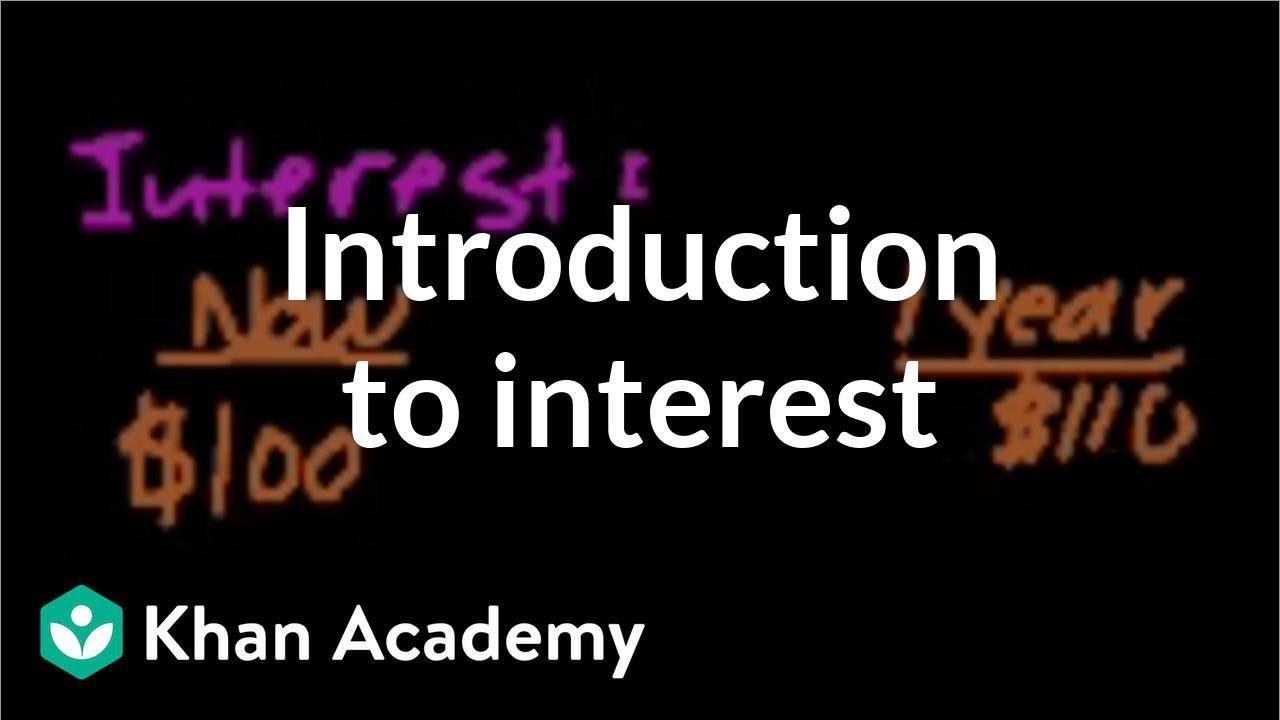
The fundamental concept of interest and how interest rates represent the cost of borrowing money.
The general distinction between assets (what is owned) and liabilities (what is owed).
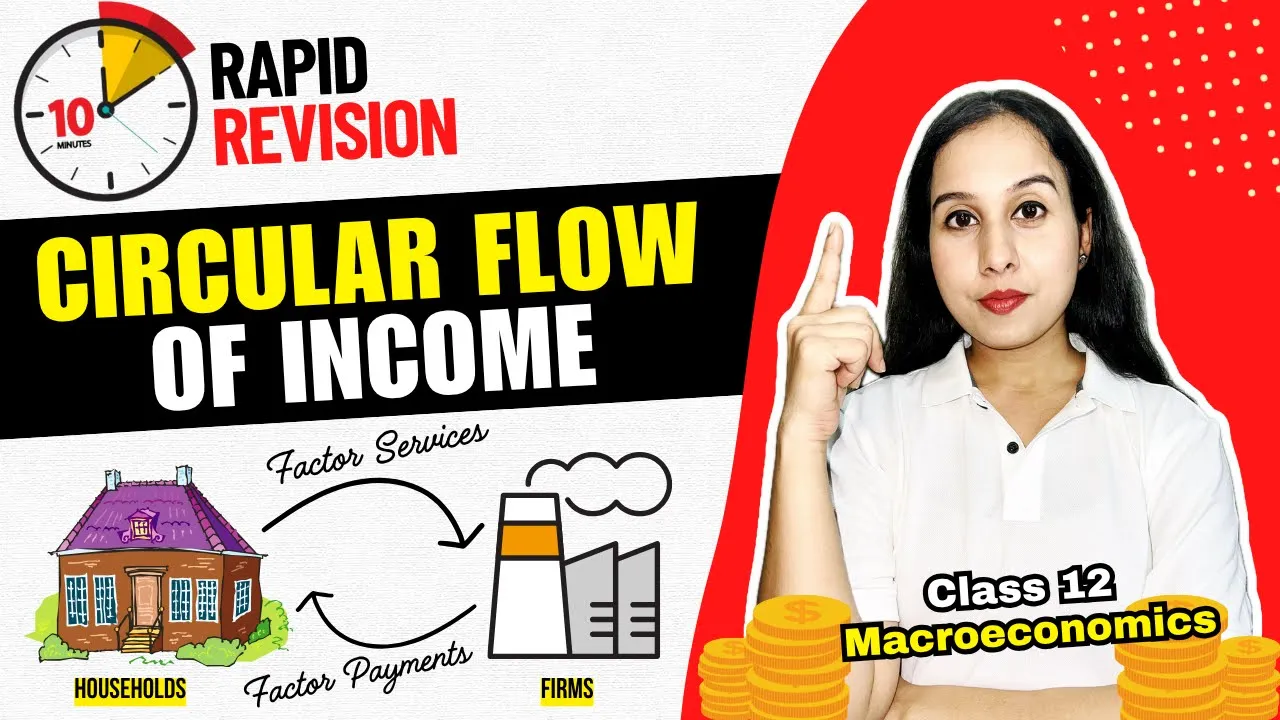
A basic understanding of the circular flow of income in a simple economy.
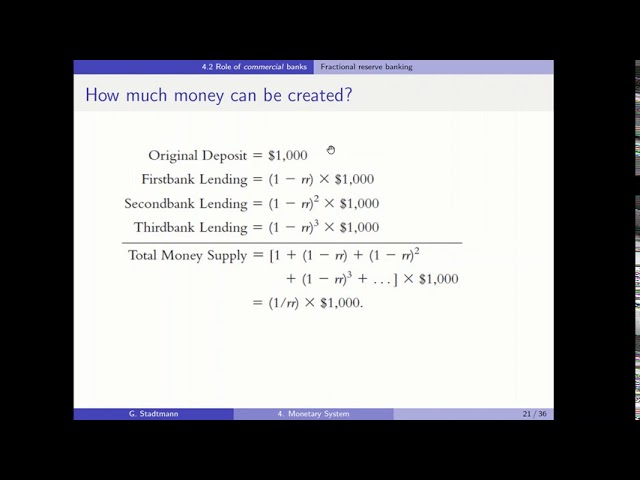
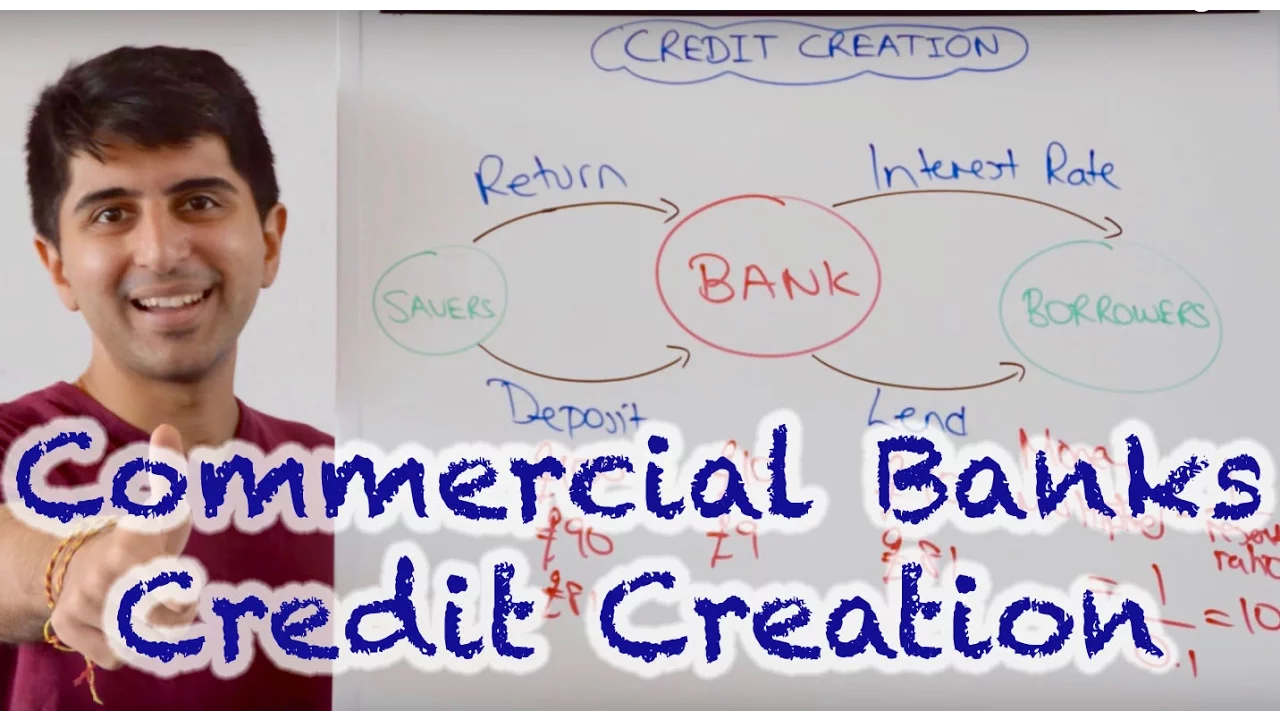
The mechanism of fractional reserve banking and how commercial banks actively create money through lending.
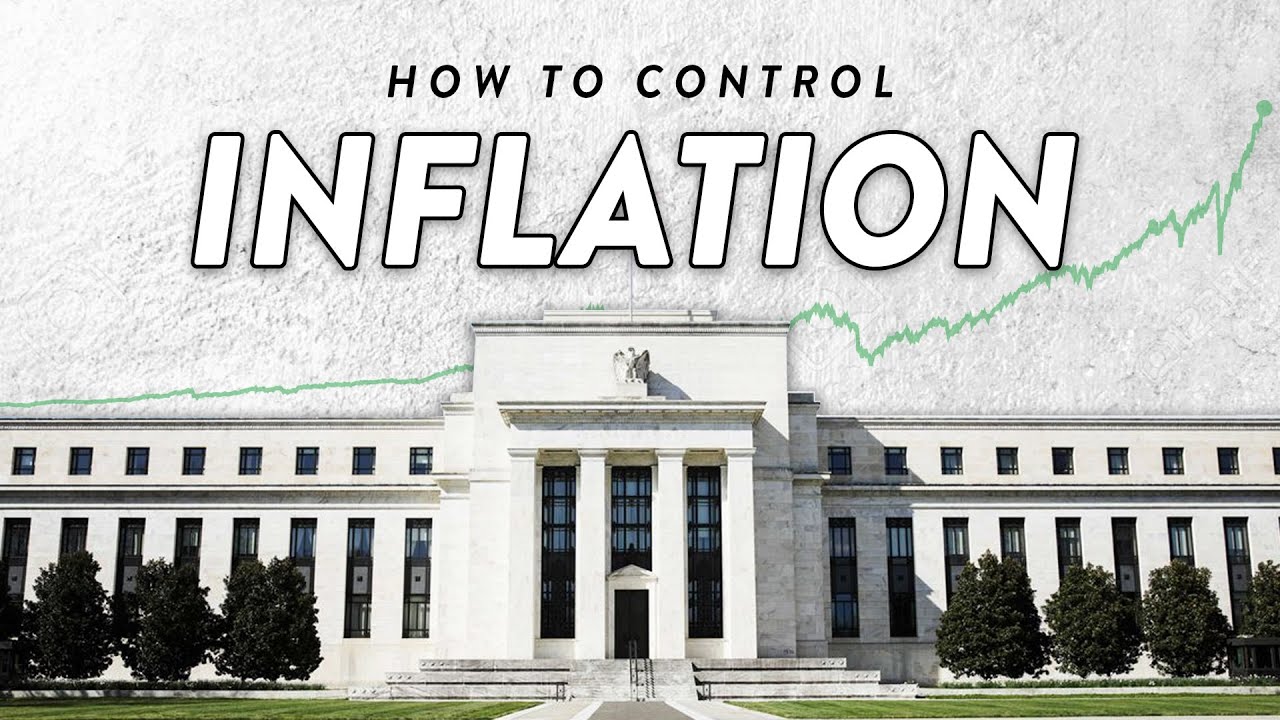
The role of Central Banks (such as the Federal Reserve) in implementing monetary policy and controlling inflation.
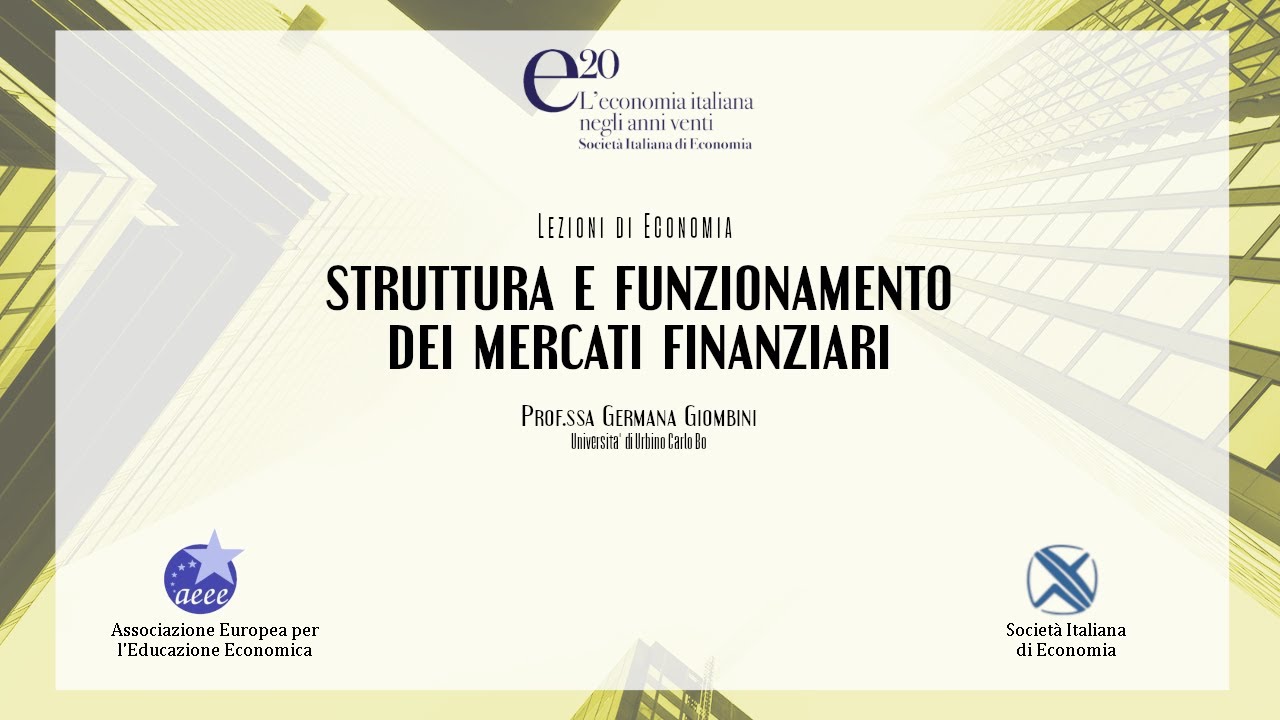
The structure and function of broader financial markets, including the stock and bond markets.
The dynamics of credit cycles, asset bubbles, and how systemic failures lead to financial crises.
2.6M views38.4Klikes2:41Original Release: 2008-10-02
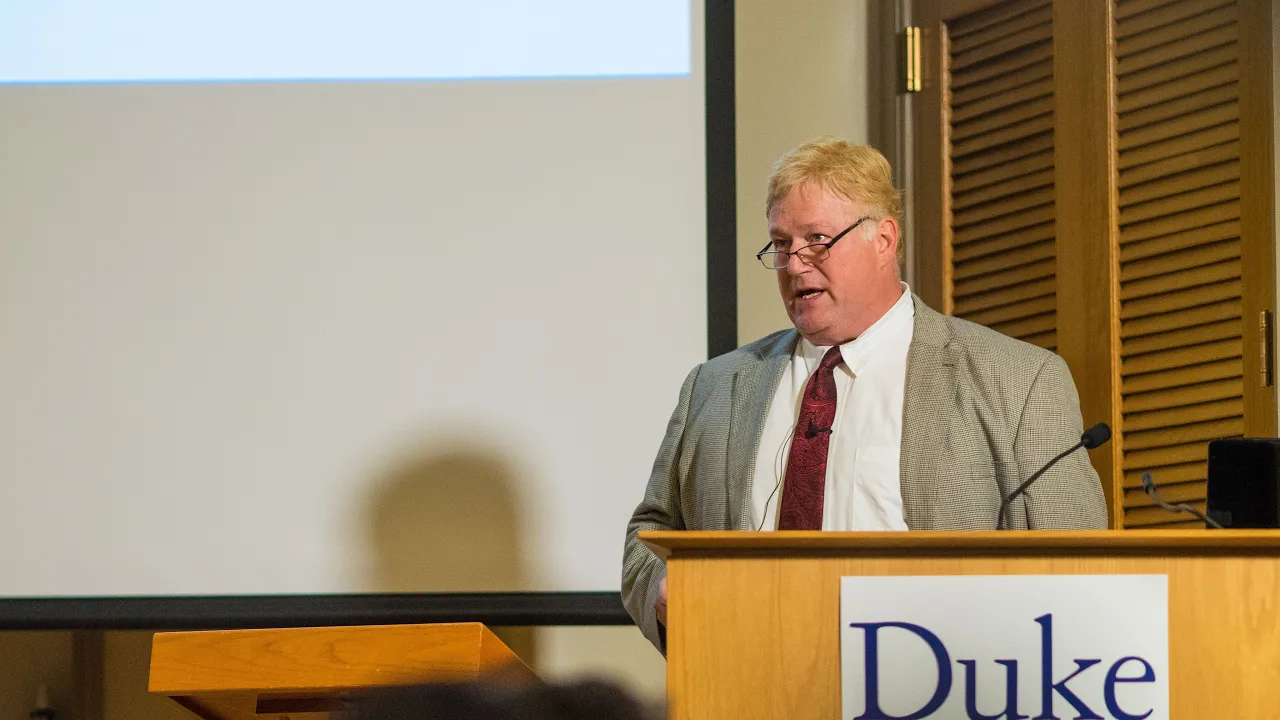
thanks for your time very good to be with you Brian good evening now you're a market Economist yes well most economists are Market economists Brian to a degree these days yes how do you think things are going at the moment well there's a great deal of international concern I mean we're taking a taling but things will sort themselves out Brian this is what a market does well can you explain to me how it all works how the economy works well yeah what's the problem at the moment for instance well what we've got at the moment is an international credit crisis yes how does that happen well I'm a bank Brian and I borrow money and I lend it out and I charge more to the people I'm lending it to than I pay to the people from whom I'm borrowing it well who do you borrow money from well from you know depositors Brian have you got a dollar well you know I borrow your dollar and I'll give you you know there's your bank balance $1 $1 right okay and you pay interest to me on that I do but I also charge your fees well why do you charge me fees because Brian I'm looking after your money your money is secure with me I my bank I mean this is a very important amount of money this is probably your nest egg it's safe with us and and how much interest do you pay me approximately the same as I'm charging you in fees oh good deal for me well your money's secure with us Brian and I then lend that money to businesses and those businesses generate income this is how we build an economy and they put that income into the bank they do of course Brian and that builds the savings pool and we can invest more money well who do you lend that to well the people who need credit Brian you see money creates more money so if we can create money that creates more money we're we're broadening the economy we're expanding it all the time yeah but shouldn't people just just buy the can afford you don't need to afford the things you're buying Brian you need to afford the interest on the money you need to borrow in order to buy them and you're charging higher rates for all this we do hop into the A weit on the credit rate Brian we stick the Hydraulics under that because it's a slightly higher risk strategy do people need to be buying these things that obviously they think so Brian I mean these things are advertised to people as very necessary very important and deeply deeply attractive well who's advertising things that people don't need the companies we lending the money to so okay then you bought into the US uh subprime housing Brian so concerned are we to build a better Australia you help build a worse America yeah well that was an accident Brian what we were doing was investing in the International Investment market and that's been a disaster it frankly famously hasn't been a huge success hither to well so what are you going to do well now you give me $700 billion immediately why well because we need it Brian I mean the system needs money imagine the economy as a body it needs blood pumping around at you haven't got any we haven't got any money no why not well we lost ours I've just been explaining that well you're not have mine mom Brian won't let me play with his stuff that's the only money I've got you're in for it
Up Next
10:25
Understanding Inflation and Economic Bubbles | Crash Course Economics #7
@crashcourse
1.8M views•2015-09-13
5:07
Impact of Yuan in Indo-Russian Trade Amid Sanctions
@WION
261.9K views•2022-07-01
10:33
Behavioral Economics Explained: Rationality, Nudges, and Risk
@crashcourse
1.1M views•2016-03-12

113:18
The Age of Easy Money: Fed & Inflation | Full Documentary
@frontline
21.2M views•2023-03-15
Related Study Plans & Knowledge Roadmaps
Structured learning paths in Economics
economics
Sovereign Debt: Defaults, IMF & Restructuring
01Introduction to Sovereign Debt & Government Bonds
02Debt Sustainability & Credit Ratings
03Anatomy and History of Debt Crises
+ 2 more learning modules
12h5 modules
Explore Roadmap
economics
Market Design: Matching Theory & Gale-Shapley
01Introduction to Market Design and Price-Free Markets
02Two-Sided Matching & The Gale-Shapley Algorithm
03School Choice Systems and Mechanism Design
+ 2 more learning modules
10h5 modules
Explore Roadmap
economics
Impossible Trinity: Forex, Capital & Policy
01Introduction to Monetary Policy and Central Banking
02Exchange Rates and International Capital Flows
03The Mundell-Fleming Model
+ 2 more learning modules
8h5 modules
Explore Roadmap
economics
Healthcare Economics: Market Failures & Systems
01Introduction to Healthcare Markets and Market Failure
02Asymmetric Information and Adverse Selection
03Moral Hazard and Insurance Design
+ 2 more learning modules
12h5 modules
Explore Roadmap