

















In film scoring, a single musical theme can be transformed to convey dramatically different emotions by altering its harmonic context rather than just transposing it to a different key; for example, John Powell's Hiccup's theme in How to Train Your Dragon is used 31 times in various harmonic settings—from major and minor variations to eerie phrygian dominant contexts—demonstrating how the same melody can evoke hope, tension, mystery, or triumph depending on the surrounding chords and pedal tones, thereby creating a powerful tool for thematic storytelling that ties a film together emotionally.
How to Train Your Dragon: Thematic Writing Masterclass | John Powell
Added:Basic Music Theory and Harmony: Understanding of diatonic chord progressions, functional harmony, and Roman numeral analysis.
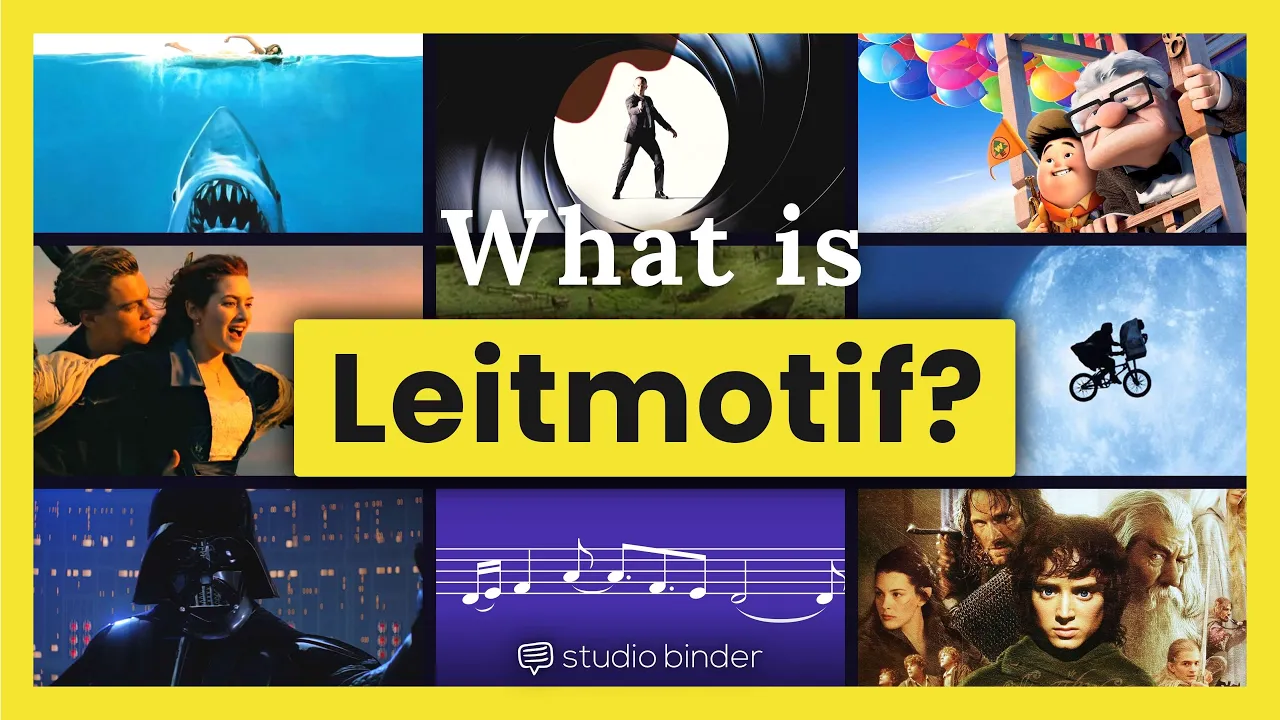
The Concept of the Leitmotif: Familiarity with how recurring musical themes represent characters, ideas, or places in narrative storytelling.
Introduction to Musical Modes: Understanding non-major/minor scales (such as Lydian, Mixolydian, and Dorian) which are highly prevalent in Powell's Celtic-inspired score.
Fundamentals of Orchestration: Basic knowledge of the instrument families within a symphonic orchestra and their primary sonic ranges.
Advanced Thematic Variation Techniques: Studying how to manipulate a theme through inversion, retrograde, augmentation, diminution, and rhythmic alteration.
Counterpoint and Polyphonic Textures: Learning to layer multiple distinct themes simultaneously to represent complex narrative relationships.
Chromatic Mediants and Cinematic Chord Progressions: Exploring harmonic shifts outside of diatonic systems to evoke specific emotional responses like awe, flight, and tension.
Practical Film Scoring Application: Composing an original short cue that demonstrates thematic evolution across a narrative shift or character arc.
1.9M views89.6Klikes18:34Original Release: 2022-05-19
today i want to talk about the work of composer john powell more specifically his work in how to train your dragon now more than a decade old it is still regarded as one of dreamworks best movies ever if you're not familiar with john powell he's been involved in the scores of various movies such as ants chicken run and shrek however this was the first dreamworks animations film that he was at the helm for the entire score and what we are in store for is an entire score that is sheer thematic brilliance we're going to take a look at some of the harmonic devices that john powell used to take some of these themes and convert them for various applications throughout the film but for an even deeper look into how these themes are used particularly in relationship to the story i want to point you to a video by phoebe kate it was posted a little over four years ago now and she did an absolutely brilliant job at explaining how these themes are intertwined amongst the story and how they relate to the film itself real quick before we move on if you want to support the channel the best way you can do that is by taking advantage of our 30 off sale using code music theory 30 and go and check out the intro to piano course there's a link in the description check it out let's move on let's take a listen to the first of our two themes and this is hiccup's theme [Music] so right at the beginning we introduced this theme that is going to follow us throughout the entire film it feels like we keep coming back to this especially when talking about movies but we utilize a pedal tone and once again a pedal tone is simply a bass note that is sustained even though the things above it may be shifting around so as we see here we're in f major and the melody simply uses it hovers around this diatonic one four five one it's it's really simple in its basis it's really establishing a baseline here and it feels as we develop the harmony around it it feels like we are getting ready to go on an epic journey i mean it's just something about especially developing that now fundamentally there's nothing different about that other than basically an inversion and the melody goes to the next kind of place up here it's slowly churning it's like this this pedal tone makes all this stuff feel like okay we're chewing on this for a brief moment and establishing that okay something's we're getting ready to go here now we've established a new key and this brings in the second part of hiccup's theme the one that ends up being used later on in some pretty epic moments and that goes like this now here's what's so cool about these themes as bbk points out in her video this particular theme shows up 31 times in the movie this is a great demonstration of the brilliance of thematic writing and movie scores and we've seen it in so many scores of the past for decades this is how movie composers have created themes that make you subconsciously remember parts of movies and can really aid in tying a movie together in the end how to train your dragon is perhaps one of the greatest examples of this because the hiccups theme is used like phoebe kate says 31 times throughout the film and it ultimately comes together with the other half which is toothless's theme that's kind of it it's not really a theme in and of itself as if it were like a whole piece but rather a motif that again gets used in so many different contexts listen to the very beginning of the downed dragon check this out [Music] one usage of the theme is very clearly major and the other usage of the theme is very clearly minor [Music] and because it slowed down so much you almost wouldn't even realize that it is the same theme unless you were listening for it but what it does do is it subconsciously tells your ear oh yeah yeah yeah no this this sounds familiar i understand that this is about toothless i want you to notice something else about this because it's not simply just taking a theme that's in a major key and making it now in a minor key the first example i gave that melody starts on the one it starts on the root right but when we put it into a minor context listen to this [Music] listen to where that first note was check it out it's not even just the same melody in a minor key it's a different melody now it starts on the third the minor third but we still realize that it's the same thing because it is the same melody even if it's applied totally differently the first one in major starts on the on the root and the second one in minor starts on the minor third it's a fantastic way of creating what is essentially the same theme but applied in such a different manner that it can create this whole different feeling even if we still on some level understand what it's being applied to we can see this exact same method applied to hiccup's theme as well in the beginning we established that it was a very major uplifting it felt very much like we were about to embark on an epic journey but it was hopeful it's very positive but we can take that as well and turn it into something that isn't [Music] listen to that [Music] we didn't even just flip it minor it has much more to do with the surrounding chords that we use because if you look at this that's a major chord yet somehow this sounds very mysterious an ominous and potentially negative potentially minor feeling but it's major it's just a major triad which if you recall in the beginning that's exactly what it starts as however watch this second chord instead of if if this was just going to be the original theme okay let's play the original theme in the key of d [Music] so that first chord is the exact same however what's this our second chord whoa now we're playing with this pedal tone triad thing okay and one of the really cool things about using a pedal tone is it frees you up to play with the harmony in the top portion and maybe the right hand or maybe maybe the other parts of the orchestra however it is that you're writing it but watch what it sounds like when we start just playing around with triads you can get some really eerie mysterious sounds out of that and that's what we're doing here rather than giving us this positive four chord over the pedal now it's a flat two chord which creates this this scale that we're using it's actually it's the fifth mode of the harmonic minor scale what is d the fifth of well d is the fifth of it's the fifth of g so if we take a g harmonic minor play that from d we get that what is that well we call that the phrygian dominance scale very close to phrygian but instead of that minor third we substitute that for a major third creating the dominant chord within the scale hence phrygian dominant so when we're playing around with that shape we can get that it's a really ambiguous in some ways a little bit ominous of a sound it's not truly minor because we this is just a major chord and that's how we're hearing it applied here but the usage of that phrygian dominant sound especially that e flat over d that creates a really oh boy what's gonna happen here and it's a brilliant usage of the theme in a completely different context where we still recognize what it is we can hear it even if it's subconscious but it's applied in a different way that gives us a totally different feeling so we have these two themes being developed and used in many different contexts throughout the film and again thanks to phoebe kate's in-depth analysis we know that hiccup's theme is used 31 times and toothless theme is used 28 times all of these are maybe applied a little bit differently maybe the harmony is changed up just a bit to give us a slightly different feeling depending on what's going on in the story and of course they culminate into test drive this is the moment in the story where the characters of hiccup and toothless finally figure out how to work together and how to become one it is perhaps one of the most epic moments in any movie ever so we're establishing this d as a basis now here's toothless's theme okay there bud we're gonna take this nice and slow here we go here we go position three no four [Music] now we get hiccup's theme [Music] second part of hiccup's theme [Music] yes it works right oh this is amazing now check this out here we go we're gonna crash right and all of a sudden the harmony the whole the themes go away the harmony goes to this totally ambiguous thing we don't know what's going on but it's chaos right and that's what we hear [Applause] string strings and then we bring our d back in but now we're playing with this triadic movement that we were talking about before so we went from check that out so we're using this pedal tone and we're just playing around with a lot of different triads that create dissonance over that root to create this chaotic motion of ration [Applause] and then we start getting hooked back in and here we go ready not only [Music] oh my god [Music] okay all right so there's a couple things happening here first of all we've done this whole thing so far in d and the second we gain control again now we've transposed up a whole step and we are in e and we come right back in to toothless's theme [Music] [Music] [Applause] so [Music] [Applause] [Music] [Applause] what a brilliant melding of those two themes together but it goes even deeper and i want you to check this out because there is some really really incredible thoughtfulness that went into how that switch happened when we're bouncing back and forth from toothless's theme to hiccup's theme and back and forth again we see different things happening on the screen and i think it's really really incredible how these two are work together watch this all right so throughout this part of the scene [Music] hiccup is focused very much on his control using the foot actuator for the fin yes it worked right yes it worked it's it's he's controlling this thing and he's saying i need to do this and get there he doesn't quite have a hold of it yet they're running into rocks they're doing this kind of stuff right it's not perfect yet and still here we're hearing hiccup's theme he's the one who's trying to be in control here yeah yeah i'm on it position four still changing all the positions trying to say okay let's do this let's do this and eventually it leads to falling off [Music] this whole thing is propped up on having his cheat sheet for the positioning of the fin while he's in control of that fin we're hearing his theme they're falling and finally he gets himself hooked back in now watch this right here toothless goes into this air brake thing now we hear toothless's theme until finally hiccup throws the cheat sheet out and says you know what i need to trust this animal we need to work together here forget the cheat sheet we're going to do this together and that is where we get this incredible moment [Music] [Applause] [Music] come on this whole film is a master class in thematic writing and john powell absolutely crushed it i mean this is i think one of the most well-loved dreamworks scores maybe ever and we can learn so much about thematic and cinematic writing from these examples and if you don't feel like you're quite there yet to fully understand exactly what we're talking about with all of this harmony stuff then maybe you might want to start just by getting this instrument together and learning how to play the piano at all and that is why we created the intro to piano course it is the absolute best way that you can start from not having played this instrument before at all to getting yourself a tool kit that you'll be able to develop and eventually be able to play anything you want including playing along with stuff like this it's available for 30 off using code music theory 30. there's a link down in the description and it is the best way that you can support the channel because the reality is most of the stuff that we talk about gets claimed so not only can you take advantage of the incredibly easy to follow and clearly explained piano course that we have available but you're also supporting the channel in the process and i appreciate that so much it enables us to continue doing what we love to do which is providing content for you guys so if you get a chance check it out link in the description thank you for watching this video let me know what you thought of this score in the comments below and if there's other scores that you would like me to cover in the future thanks for watching this video and we will see you in the next one
Up Next
15:42
Howard Shore's Theme Writing: A Masterclass in Film Scoring
@CharlesCornellStudios
1.2M views•2023-06-20

10:20
Mozart's Musical Dice Game Explained: History, Rules, & Fun
@webpianoacademy
5K views•2023-03-13

17:21
Hollow Knight Piano Score: Harmonic Analysis in C minor and E Dorian
@CharlesCornellStudios
392.1K views•2022-09-22
10:49
Understanding John Coltrane's Giant Steps: A Music Theory Analysis
@Vox
10.4M views•2018-11-12
Related Study Plans & Knowledge Roadmaps
Structured learning paths in Music Theory
music-theory
Composing Galant Music: Partimento & Schemata
01Foundations of Figured Bass and Keyboard Harmony
02The Rule of the Octave (Regola dell'Ottava)
03Galant Schemata: The Building Blocks of Form
+ 2 more learning modules
30h5 modules
Explore Roadmap
music-theory
Decoding Overtone Series: Tuning & Drone Music
01Acoustic Foundations: The Physics of the Overtone Series
02Tuning Systems: Equal Temperament vs. Just Intonation
03Microtonality and Spectralism: Beyond Standard Pitches
+ 2 more learning modules
24h5 modules
Explore Roadmap
music-theory
Impressionist Harmony: Scales, Planing & RPGs
01Foundational Music Theory: Keys, Intervals, and Seventh Chords
02Impressionist Color: Chord Planing and Parallel Harmony
03Whimsical Textures: Pentatonic Cascades and Whole-Tone Scales
+ 1 more learning modules
14h4 modules
Explore Roadmap
music-theory
Negative Harmony: Axis Reflection in Indie Pop
01Music Theory Foundations: Scales, Intervals, and Triads
02Functional Harmony and the Circle of Fifths
03Demystifying the Negative Harmony Axis Reflection
+ 2 more learning modules
16h5 modules
Explore Roadmap