



![[Modos Gregos] Parte 3 - Contexto, características e aplicação dos modos](https://i.ytimg.com/vi_webp/8O7dZSDv_QQ/maxresdefault.webp)


![[Modos Gregos] Parte 1 - Introdução aos Modos Gregos](https://i.ytimg.com/vi_webp/q0nbG5PJCgQ/maxresdefault.webp)


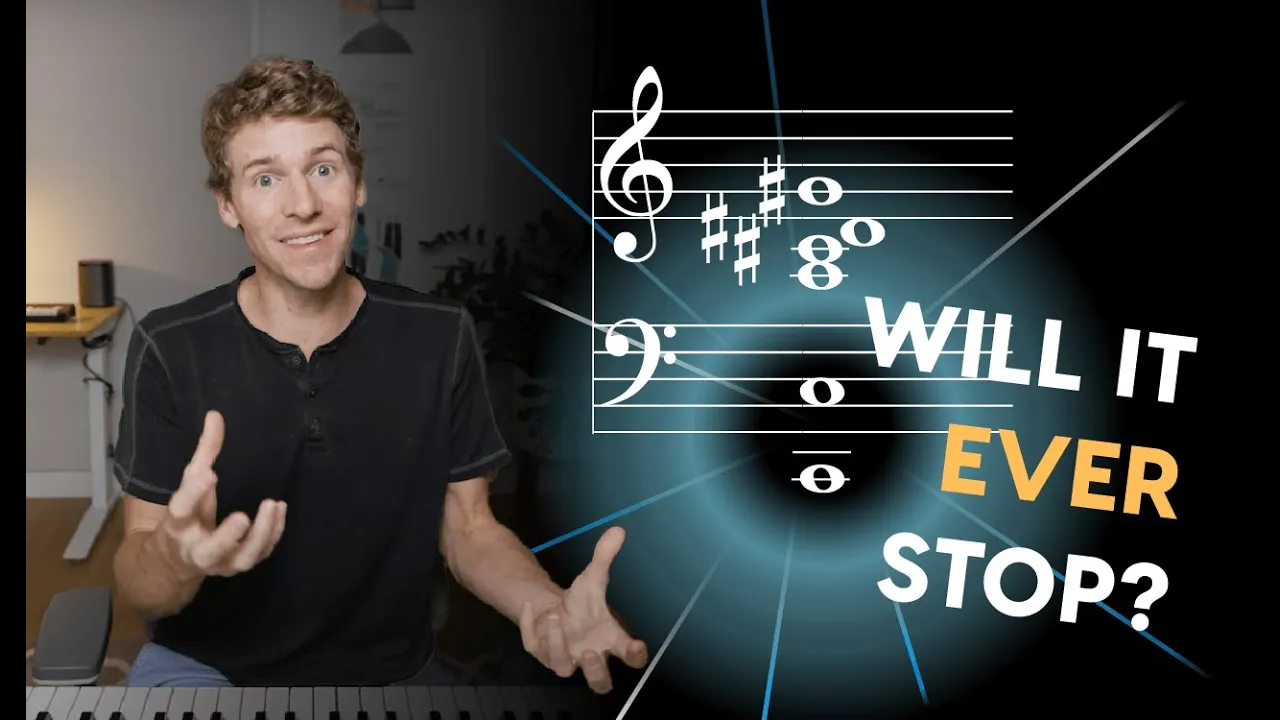


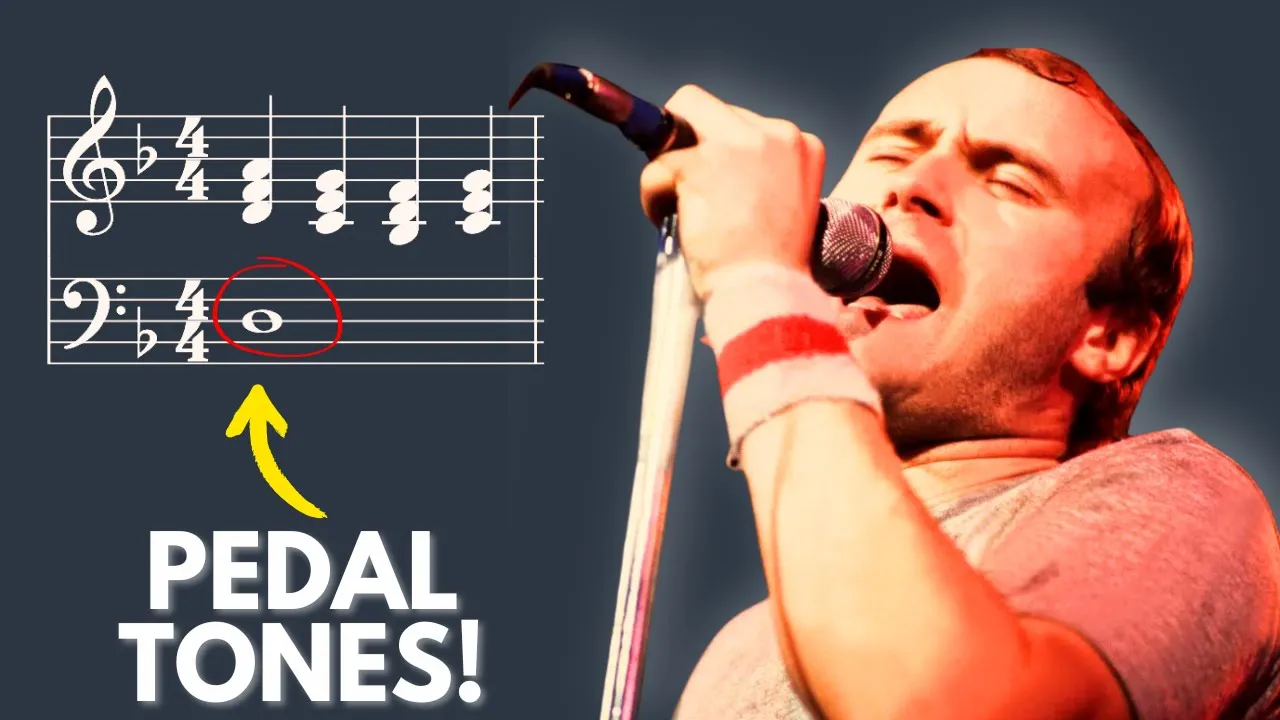










The Hollow Knight OST employs a pedal tone technique where the bass note (C) remains constant throughout a passage while the harmony above it changes, creating harmonic motion without changing the root note. This technique, combined with the use of the Dorian mode (the second mode of the major scale, characterized by a flat third and flat seventh), allows the music to feel like it's 'going somewhere' without becoming boring or static. The composer Christopher Larkin demonstrates how undefined harmony and modal interchange create sophisticated musical development that listeners can interpret in different ways.
Hollow Knight Piano Score: Harmonic Analysis in C minor and E Dorian
Added:Basic understanding of diatonic scales, key signatures, and minor scale variations (natural, harmonic, and melodic minor).
Familiarity with the church modes, specifically the construction and unique interval structure of the Dorian mode.
Knowledge of Roman numeral analysis and how chord progressions are structured and labeled in classical and contemporary music.
Understanding of the concept of 'pedal tones' (or pedal points) and how they sustain a pitch beneath changing harmonies.
Exploring modal interchange and mixture, analyzing how composers transition between minor keys and parallel modes.
Applying implied harmony and pedal point techniques to original solo piano compositions or arrangements.
Conducting comparative harmonic analyses of other atmospheric video game soundtracks (such as Ori and the Blind Forest or Celeste).
Studying advanced voice leading principles and counterpoint to understand how individual voices move over static pedal notes.
392.1K views21.2Klikes17:21Original Release: 2022-09-22
hey everybody we are finally doing it we're finally taking a look at one of the most requested soundtracks on this channel and it's one that to be honest I had no idea what it even was we are going to check out the soundtrack to hollow Knight I know pretty much nothing about this game so you are truly getting my immediate reaction and input let's check it out oh real quick I want to point out so obviously we are in the key of C minor so three four kind of a waltz feel this is on what we might consider to be a pedal tone right so we're keeping this one C in the base throughout this entire thing until just now when you heard we changed slightly but the question is is the harmony staying purely in c minor because if we listen it does feel like it goes somewhere we're not just sitting here on a on a vamp just like waiting for something to happen that's not what we're doing we are going somewhere but the base isn't changing at all so it brings up the question of well what is happening here in the harmony is there any implied harmonic motion are there any other chord changes that one could actually sort of infer from the information that we're provided with here let's listen again foreign same thing in the left hand that's cool we have a two against three right so we have our one two three one two three one two three one two three but our Melody here goes one two right we have this two against three now the way you would actually break that down is you would use our favorite thing that we've talked about we talked about it in our last video about the Doom soundtrack which if you haven't watched that go check it out there's a card right up here this is a dotted quarter the two against three within the three four time signature is created with a dotted quarter so we're essentially taking the first beat but then we're not taking two or three we're taking in between two and three one two and three one looks like this if you had three quarter notes and you said well we know what a DOT does to a note it just adds one of the next smaller note so in this case a quarter notes made up of two eighth notes add another eighth note you get three eighth notes that's the value of a dotted quarter if we stick three eighth notes into a three four bar it's gonna get us through the first beat and half of the second so we're gonna count it one two and three one and that's how we get two against three in three four times foreign [Music] we started out with this right hand figure that eventually transferred over to our left hand and it goes each one is repeated twice the first one is C G B flat we do that twice then it's c g a flat now remember our first initial question we're asking does this imply any other Harmony besides just sitting in c minor well if we look at a seam minor natural C natural minor scale so far all of these notes are just purely within the C minor natural minor scale next one's CFG and then we have one each of C E flat F and then C D E flat and that's the whole series this feels like it goes somewhere it doesn't feel like it's just sitting on C minor without doing anything we hear a development foreign so what might that be let's experiment with some different sounds [Music] maybe something like that is implied and the beauty of not having anything defined with the actual notes being played is that you can kind of use your ear to infer some of these potential changes now there I started with just a C minor seven because we have that flat seven C minor seven and then I'm almost going to look at it as though it's going to an F minor sound now we know that in this actual piece we don't change the root but for the sake of being able to hear the harmony a little more clearly let's go ahead and change to the root so we have C minor going to F minor and then it kind of feels maybe a little bit like a goes back I'm going to call it let's go back to C minor and then maybe we have a two in there we have a D minor seven flat five or D half diminished maybe we have like a g flat nine flat 13 sound in here G7 and that's pretty nice now of course that's not what we actually wind up with we end up using the C pedal tone which gives the impression that we're just sitting in that C minor but with those notes shifting from Line to Line and again the beauty of it is that it's not defined so you might hear it a little differently than I just played it and that's totally okay but the cool thing is that the way the music is composed it gives you the feeling of hovering on this C minor sound while not becoming boring and just sitting on one chord endlessly it does feel like it goes somewhere and that's just that's just great writing just before we continue I want to remind you guys you have one week left to purchase the Improv Essentials bundle it is a massive massive discount all three of our improvisation related course offerings available for like less than the price of a single course it's like 270 value I think if you bought them all out right and it's available for 99 bucks and it's only going to be available for another week so take advantage of that link in the description below I'll tell you more about out in a little bit oh nice yeah yeah yeah [Music] check that out so we have this the ninth is such a beautiful Melody tone it's such a beautiful chord tone as well and in case you're wondering let's go ahead and look at E minor the scale right that's e natural minor now we don't use e natural minor here and there's a dead giveaway as to why which we'll get to in a moment but if we were to give each of these scale tones a number one two three and then minor that's of course a flat three in comparison to how the major scale would sound one two flat three four five flat six flat seven one or eight and that brings us right up to nine and that's where we start our Melody what a beautiful sound that is foreign giveaway right there that tells us we are not in fact in natural minor we are in a moat we are in one of the modes of the major scale happens to be the second mode of the major scale let's do a little bit of quick math here so e is the second degree of what scale well let's go down one okay let's take D D major we know we have two sharps we have an F sharp and a C sharp cool let's keep those play all the same notes but instead of going from D to D let's just start from E and go to E and we get what we call Dorian now Dorian being the second mode of the major scale that is a perfectly fine way to think about it but there's a better way to think about it and that is in comparison to E major the simple question to ask is what did we change from E major to wind up at e Dorian the answer is we don't have that we have this so that the flap three one two flat three four five six now normally we'd have this but we don't we have that so it's flat seven flat three flat seven any time you are starting from any note anywhere on the keyboard or whatever instrument you're playing you can play a major scale and make the three and the Seven flat and you will have the Dorian mode one two flat three four five six flat seven one and of course if we're comparing to our natural minor scale the only difference is that in natural minor we have a flat six but we don't in Dorian we have a natural six so very clearly we've established that that's the mode that we are in with this melody foreign [Music] and then we continue on down to the flat seven to the flat six it's such a beautiful development after establishing that e Dorian bass line as our home base right let's get rid of all of that and let's just think about e Dorian as a sound we'll let it sit there for a moment and then we'll go ahead and step down the same way we do in the piece to our D and then to our C and you'll hear it just opens everything up and sounds so beautiful foreign [Music] such a gorgeous resolution oh yeah [Music] foreign [Music] very very nice there we go makes you think we're gonna go right back to the E minor but we don't we go a half Step Above to F major seven and then continue our upward momentum with G and then finally release it back to the E minor that's a great tool to kind of create a little bit of subverting expectations with this growth and this emergence of a brighter brighter brighter we're moving up above more hopeful more hopeful and then we bring it back to our E minor home base beautiful writing [Music] [Applause] [Music] thank you [Music] D5 major seven oh now we have B flat minor seven oh so we've changed key g flat major seven flat minor seven B major what are we gonna get next climbing down again eight flat minor seven what do we got resolve result yes E flat major that brings us back to where we were okay that's really cool we're sitting in this place right we're sitting in this E flat major place and we mess around with it we go go to the four resolve here but then one particular time we are in E Flat Major and we go we go to the minor six we go to C minor and then we go somewhere else entirely we go to this B flat but instead of what you expect to hear because kind of expect that sound you would expect the B flat chord to B major you'd expect this D natural but instead we get a d flat making this chord B flat minor and we're like oh well that's kind of an interesting sound but then go to g flat major seven which tells us we are now in a new key we're in a new place and we continue to develop the Sound by going down to E flat minor seven which is further just solidifying us in the new key then we get B major which is like yes yes now notice what we've done so far we've got from B flat down a third g flat down another third this time a minor third down to E flat down another third to B and another third down to a flat and this is where you start to feel like hmm where are we going from here because if we kept going with this theme we'd end up there at E major but we don't we go from here to E flat which is where we started the whole thing fantastic writing absolutely beautiful now obviously this is only a very small look into the music of hollow Knight as we've said with video game music time and time again there's a Brilliance to writing music that is both interesting yet able to be listened to for hours and hours on end it is an art form and it's one that the composer of the hollow Knight soundtrack Christopher Larkin definitely has down in fact he even has his own YouTube channel where you can check out more of his work and I'll put a link in the description down below to go check that out thank you for recommending it I'm glad I finally got a chance to check it out and yeah I think this is something I'm probably just gonna have to like put on in the background as I'm just going about my day because yikes it is just incredibly beautiful and before we go I want to remind you once again The Improv Essentials bundle is available for one more week only you can get three courses all of our improvisation related material available for the price of like less than one course it's a 270 value if you were to buy each of the courses outright marked down to just 99 bucks for a very very limited time so so if you're interested in learning improvisation and then taking your skills to the next level this is how you want to do it we start you out with an intro to improvisation it'll give you all the Baseline knowledge that you need to know in order to start your improvisational journey and then once you have some of the basics down we're going to talk about modes because they are extremely important when it comes to improv and mind you all of these things contain custom backing tracks downloadable resources and materials that you can use to improve your skills and once you have covered an intro and you've covered some stuff about modes and you've got your you're playing you're kind of starting to work it out and you're starting to figure some things out we're going to hit you with some really really great exercises done by my professor the director of jazz studies at Purchase College my alma mater Devi DeJesus he put together a fantastic course called The Improv obstacle course it is an incredible 30 part series that will challenge even the best improvisers but don't fare because it doesn't matter what stage you are at it is a challenge for everyone beginner or Advanced and it'll help you improve your skills and take your improvisation to the next level so very limited time one more week be sure to use the link in the description down below or go to cornellmusicacademy.com improv Essentials that bundle will go away at the end of next week so be sure to Chomp on that and take advantage of getting three courses literally for the price of pretty much less than one and it's the best way you can support the channel it really does a ton to help us continue to do what we love to do which is creating this content for you guys so thank you so much for your support we really appreciate it and please let me know in the comments below what else you would like me to check out along these lines if it's more music from Hollow Knight that I didn't get to in this video I want to know about it let me know in the comments below thank you so much for watching and we will see you in the next video someone coming off a plane with their neck pillows still on is a bit strange that's what I thought until I someone saw someone get off a plane yesterday with the airplane seat still stuck to their ass I've been read in a long time
Up Next
4:36
What Is a Leitmotif in Film Music? Definition, Examples, Uses
@soundfly
9.8K views•2022-11-30

10:20
Mozart's Musical Dice Game Explained: History, Rules, & Fun
@webpianoacademy
5K views•2023-03-13
15:42
Howard Shore's Theme Writing: A Masterclass in Film Scoring
@CharlesCornellStudios
1.2M views•2023-06-20
10:49
Understanding John Coltrane's Giant Steps: A Music Theory Analysis
@Vox
10.4M views•2018-11-12
Related Study Plans & Knowledge Roadmaps
Structured learning paths in Music Theory
music-theory
Composing Galant Music: Partimento & Schemata
01Foundations of Figured Bass and Keyboard Harmony
02The Rule of the Octave (Regola dell'Ottava)
03Galant Schemata: The Building Blocks of Form
+ 2 more learning modules
30h5 modules
Explore Roadmap
music-theory
Decoding Overtone Series: Tuning & Drone Music
01Acoustic Foundations: The Physics of the Overtone Series
02Tuning Systems: Equal Temperament vs. Just Intonation
03Microtonality and Spectralism: Beyond Standard Pitches
+ 2 more learning modules
24h5 modules
Explore Roadmap
music-theory
Impressionist Harmony: Scales, Planing & RPGs
01Foundational Music Theory: Keys, Intervals, and Seventh Chords
02Impressionist Color: Chord Planing and Parallel Harmony
03Whimsical Textures: Pentatonic Cascades and Whole-Tone Scales
+ 1 more learning modules
14h4 modules
Explore Roadmap
music-theory
Negative Harmony: Axis Reflection in Indie Pop
01Music Theory Foundations: Scales, Intervals, and Triads
02Functional Harmony and the Circle of Fifths
03Demystifying the Negative Harmony Axis Reflection
+ 2 more learning modules
16h5 modules
Explore Roadmap