















![[학개론 이종호] 반드시 시험에 나오는 부동산 조세정책 기출분석 #공인중개사 #학개론이종호](https://i.ytimg.com/vi/8jzfeGz2t8k/maxresdefault.jpg)












![[경제학 원샷정리 2] 제2편 시장이론과 시장실패](https://i.ytimg.com/vi_webp/761jWuqZXfM/maxresdefault.webp)


Deadweight loss occurs when market equilibrium deviates from the efficient equilibrium, causing a gap between marginal benefit and marginal cost; it can be calculated as the area of the triangle formed between the original and new equilibrium points, using the formula 1/2 × base × height, where base is the quantity difference and height is the price difference.
How to Calculate Deadweight Loss: A Step-by-Step Economics Guide
Added:Understanding of basic Supply and Demand curves and how market equilibrium is established.
Concept of Consumer Surplus and Producer Surplus, including how to identify them on a market graph.
Basic algebraic and geometric skills, specifically how to calculate the area of a triangle (1/2 * base * height).
An introductory understanding of market interventions, specifically how taxes shift supply or demand curves and create a price wedge.
The relationship between Price Elasticity of Demand/Supply and the magnitude of Deadweight Loss.
Tax Incidence: Analyzing how the burden of a tax is distributed between consumers and producers based on elasticity.
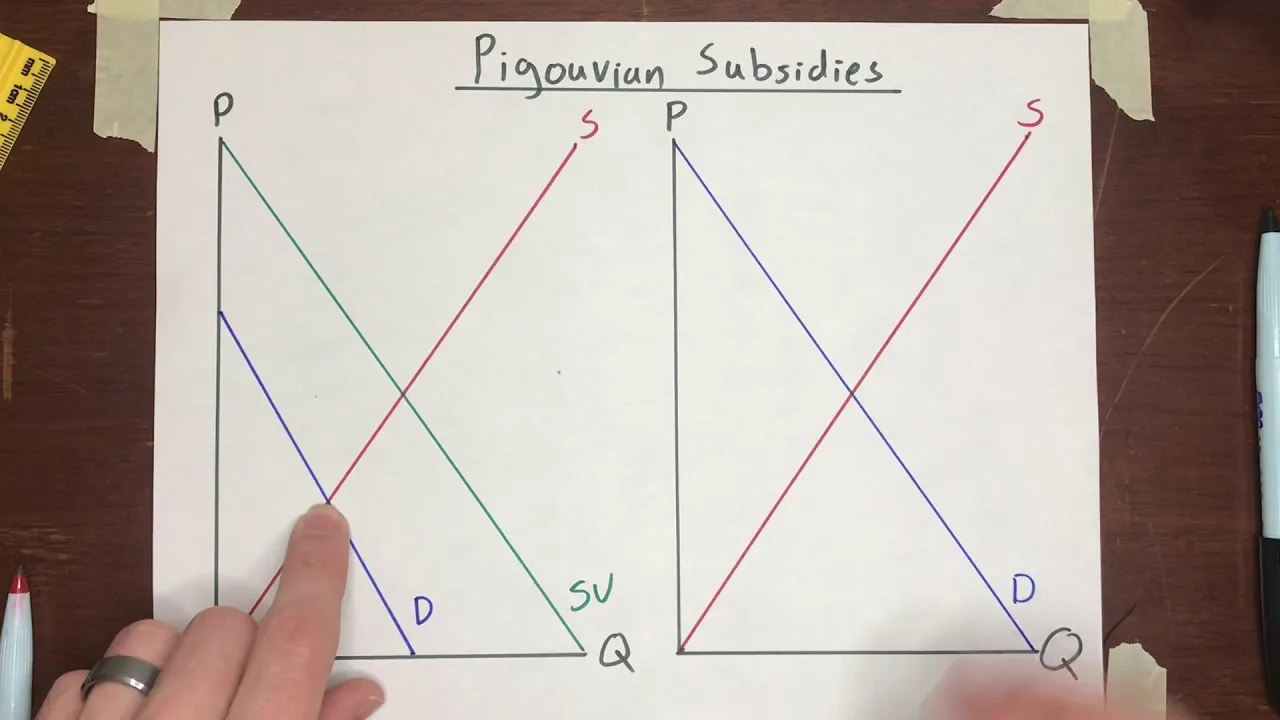
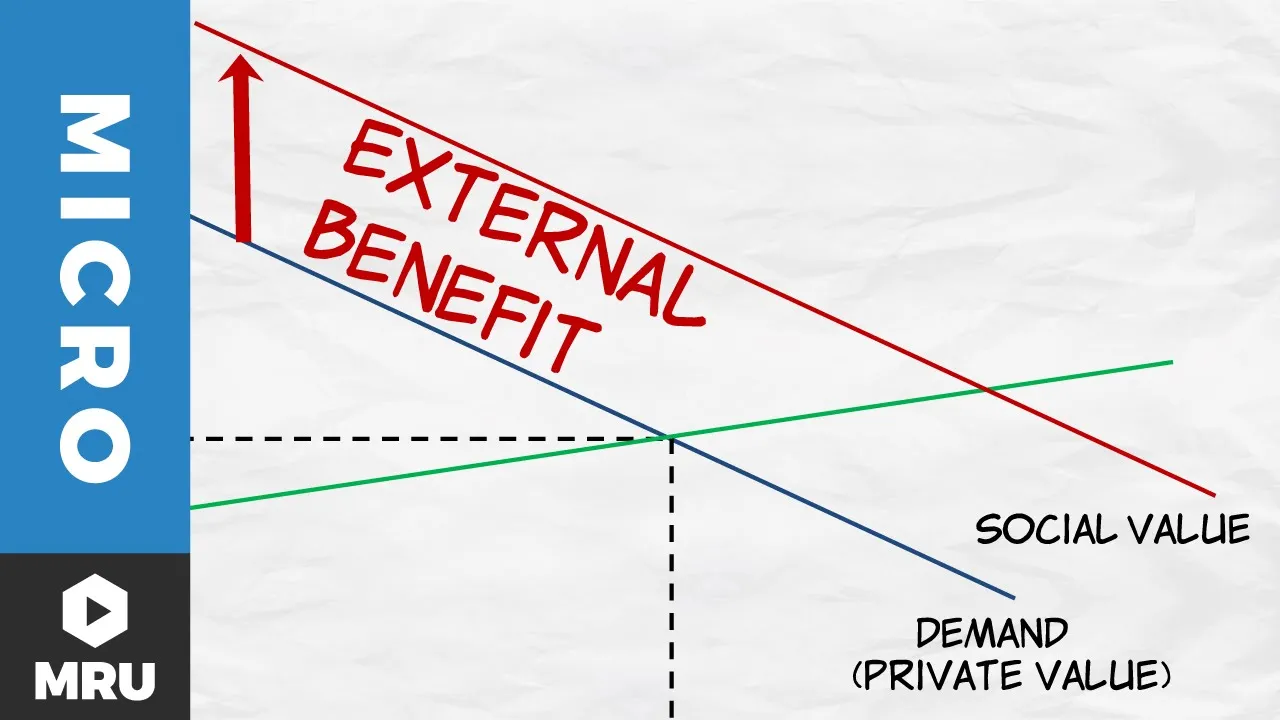
Pigouvian Taxes and Subsidies: How governments use interventions to correct externalities and eliminate deadweight loss.
The Lafer Curve and the economic trade-offs between tax rates, tax revenue, and deadweight loss (excess burden).
Deadweight loss in imperfectly competitive markets, such as Monopolies and Oligopolies.
412.6K views2Klikes7:26Original Release: 2011-10-30
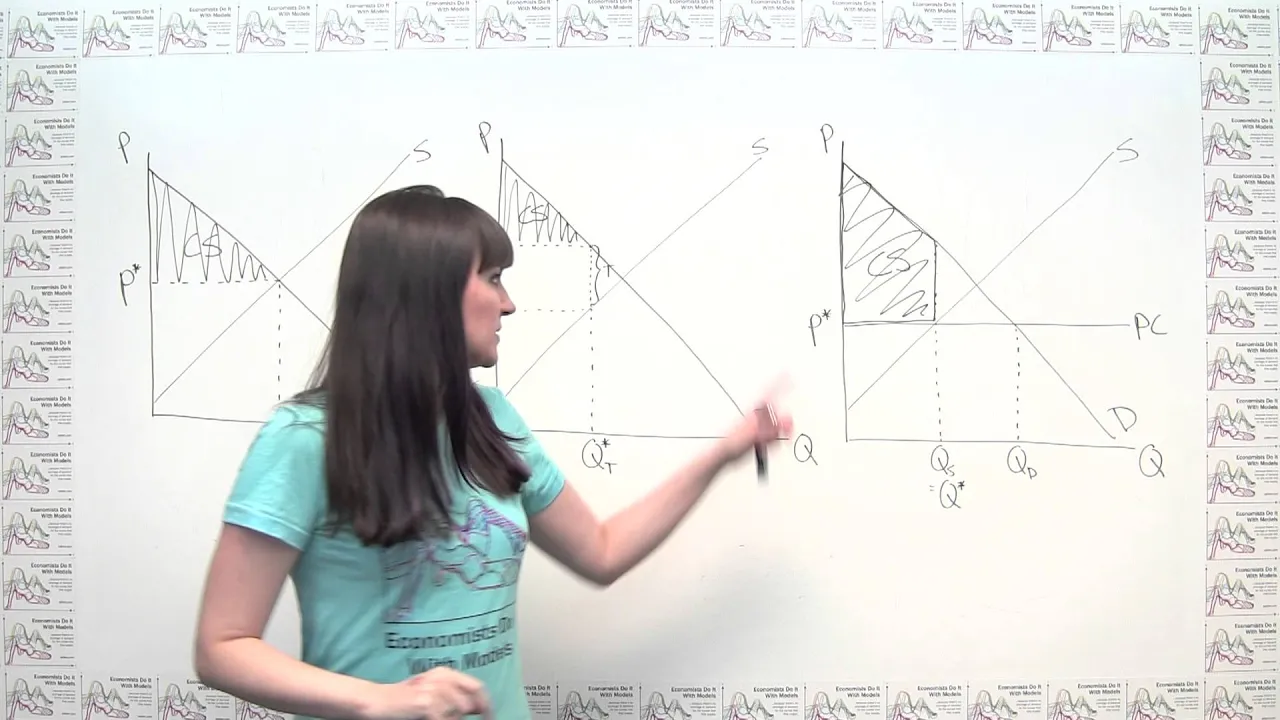
This video is going to go over how to calculate deadweight loss and kind of describe. What Deadweight. Loss is so dead weight Loss arises from an economy not having the maximum Surplus possible So if we look at a perfectly competitive model we have our supply and demand lines The area above price and below demand is our consumer surplus the area below price and Above supply is our producer surplus So there's no Deadweight loss in this economy because surplus is maximized however if we were to institute a tax or there's an externality or something like that, then we would have a shift in one of these curves Where the Optimum should be?
Here, but instead we're here and so that difference Between where we should be and where we are?
Gives us a Deadweight loss that's occurred in the economy so first What is a deadweight loss?
What's causing it?
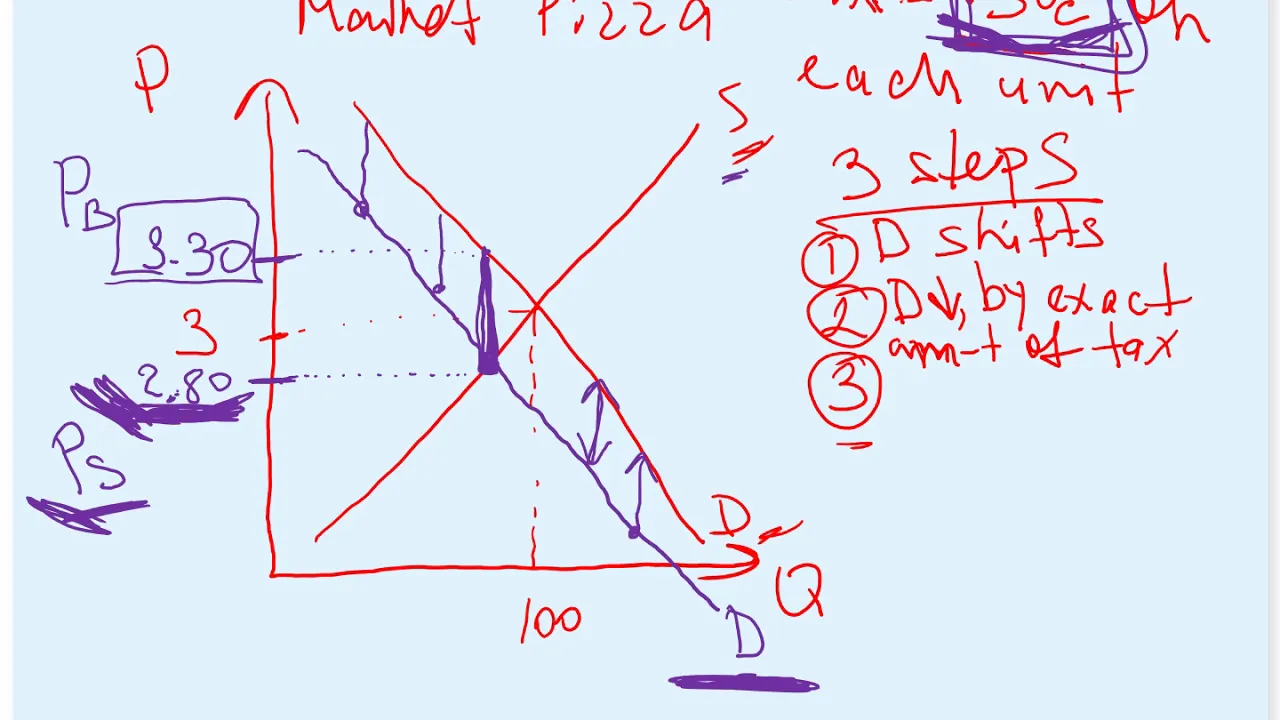
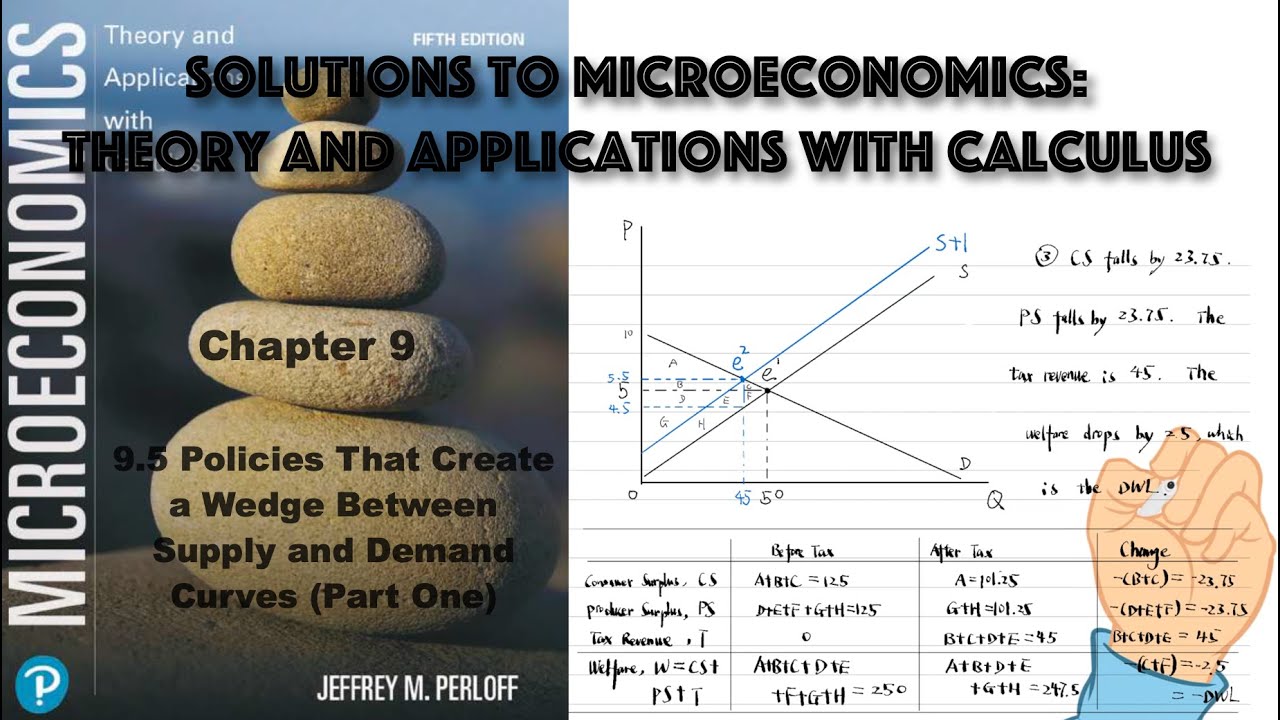
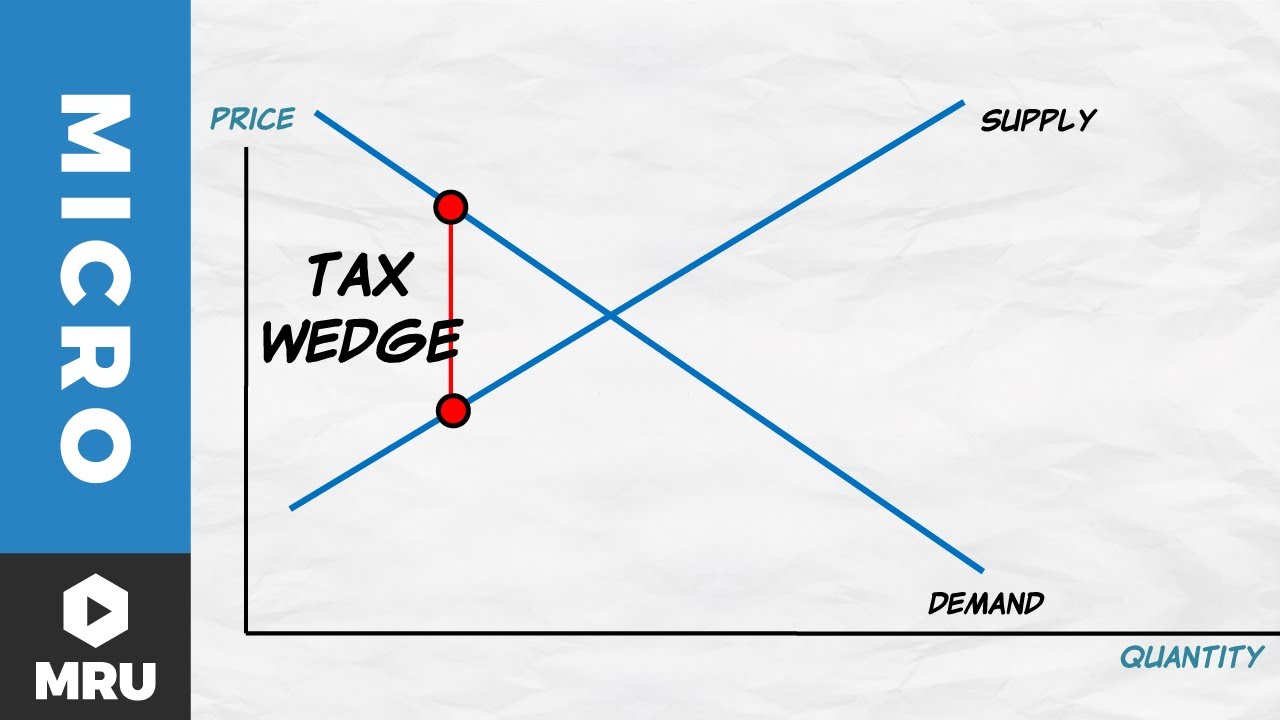
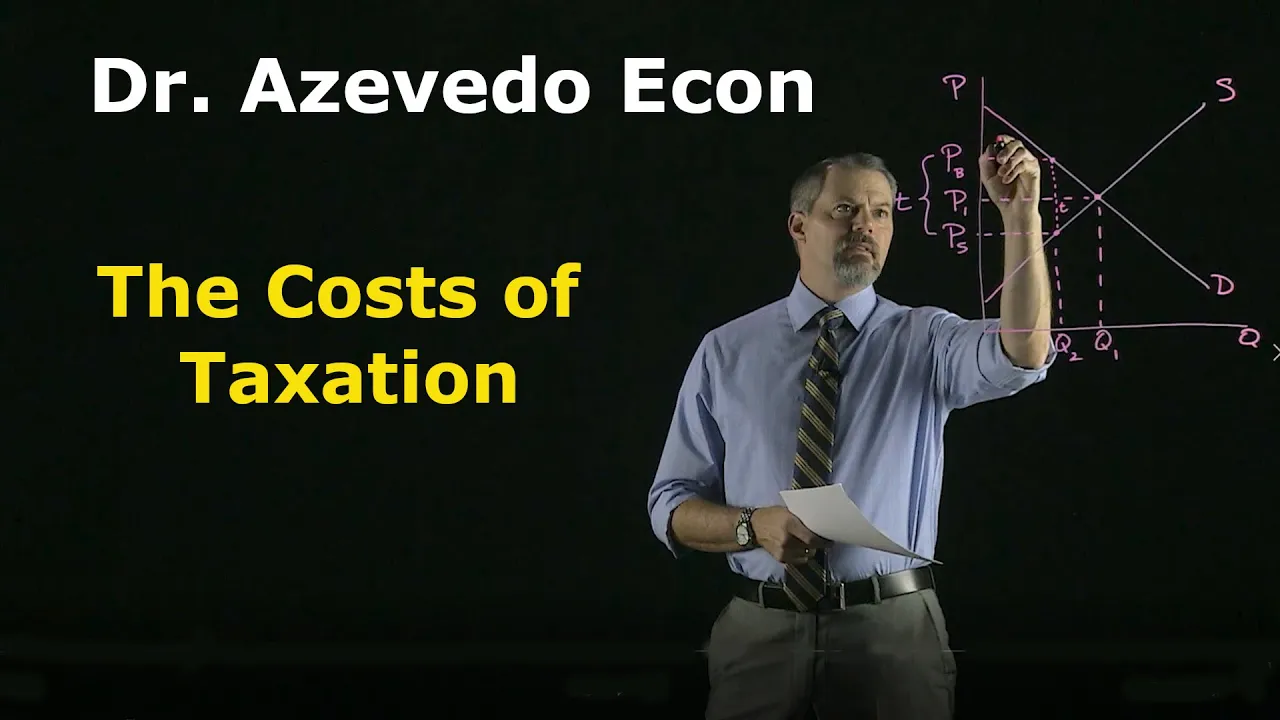
It's a difference between Marginal cost and marginal benefit so you'll notice that at our optimum we have marginal cost equally marginal benefit and We're good However if MC prime is our true Marginal cost in the economy Then we do not have marginal benefit equal to marginal cost because we want to be here instead of here So everywhere between these two curves We have a difference between marginal cost and marginal benefit and that creates the deadweight loss So let's go through an example We're going to begin our economy in equilibrium and just to make things easy let's say that the initial equilibrium is 5 5 so then the government decides it decides that they want to institute a tax and let's call it a supply-side, tax So that's supply plus t our new equilibrium is going to be at this point and let's just say that results in a price instead of 6 a quantity of 4 and then here this price that the suppliers receive is 4 so here the quantity of the tax is 2 The line shifted up by the amount of to the suppliers Take half the tax and the consumers take half the tax So again remember with Deadweight loss we want to be here at a quantity of 5 and a price of 5 but we end up it here at a quantity of 4 price after tax of 6 our sorry price before tax of 6 and price after tax of 4 So remember this is our marginal benefit This is our marginal cost and this is our marginal cost plus the tax So what's going on in the economy is at this point right here?
We're losing out on Potential Surplus Because the true marginal benefit of the economy is still greater than the true marginal cost of the economy It's just that the tax has Taken away that potential because now suppliers have to pay a tax instead of realizing their true gains So everywhere between the marginal benefit and marginal cost from this new quantity To the old quantity is going to be deadweight Loss the neat thing about this is just the area of the triangle and if you remember the formula for calculating the area of the triangle it's 1/2 times base times height and Here our base is 1/5 minus 4 so if we have 1/2 times 1 and then our height is going to be 6 minus 4 or 2 so 1/2 times 2 equals 1 so the Deadweight loss in our economy the area of this triangle is going to be 1 and what that means that without the tax our Economy would have a total surplus greater Than 1 added to it if we could get rid of that deadweight loss So that's how it works with a tax. Let's go through an [example] with an externality So here we have qp. Let's do demand and supply Again, let's choose five and five so what if there's an externality say we have pollution So this is our new supply with the external cost it could give us our social cost curve whereas this is just marginal cost and marginal benefit, so let's use the same numbers as before But what's going on? Here [is] now. This is the true cost to society Whereas When the market functions were equated marginal cost equal to marginal benefit And that's where private firms maximize But we don't want private firms to maximize at Marginal cost equals marginal benefit We want marginal benefit equal to social cost because that's the true cost to society of having that firm in business so again let's just call that seven we have to find the difference between Social benefit or Marginal benefit and Social cost and Everywhere we have a difference that's going to calculate into our deadweight loss number So it's going to be everywhere from the equilibrium, we are currently at To the equilibrium, we should be at and we can just fill that area in and again to calculate it 1/2 base times height and we can look at the numbers [here] again our base is 1 again our height is 2 So we get a deadweight loss of one With the externality case in terms of a negative externality we just have that Deadweight loss triangle pointing the other way But typically we'll see the deadweight loss occurring on this side for the negative externality case It's kind of unique and that you'll see it coming from the other side
Up Next

14:30
Tax Incidence Graph: Full Guide to Per-Unit Tax Burden
@KylePurpura
48.1K views•2011-11-10

5:07
Impact of Yuan in Indo-Russian Trade Amid Sanctions
@WION
261.9K views•2022-07-01

7:22
Oligopolies and Oligopolistic Markets: An Introduction to Key Concepts
@FreeEconHelp
44.9K views•2012-02-22

113:18
The Age of Easy Money: Fed & Inflation | Full Documentary
@frontline
21.2M views•2023-03-15
Related Study Plans & Knowledge Roadmaps
Structured learning paths in Economics
economics
Sovereign Debt: Defaults, IMF & Restructuring
01Introduction to Sovereign Debt & Government Bonds
02Debt Sustainability & Credit Ratings
03Anatomy and History of Debt Crises
+ 2 more learning modules
12h5 modules
Explore Roadmap
economics
Market Design: Matching Theory & Gale-Shapley
01Introduction to Market Design and Price-Free Markets
02Two-Sided Matching & The Gale-Shapley Algorithm
03School Choice Systems and Mechanism Design
+ 2 more learning modules
10h5 modules
Explore Roadmap
economics
Impossible Trinity: Forex, Capital & Policy
01Introduction to Monetary Policy and Central Banking
02Exchange Rates and International Capital Flows
03The Mundell-Fleming Model
+ 2 more learning modules
8h5 modules
Explore Roadmap
economics
Healthcare Economics: Market Failures & Systems
01Introduction to Healthcare Markets and Market Failure
02Asymmetric Information and Adverse Selection
03Moral Hazard and Insurance Design
+ 2 more learning modules
12h5 modules
Explore Roadmap