















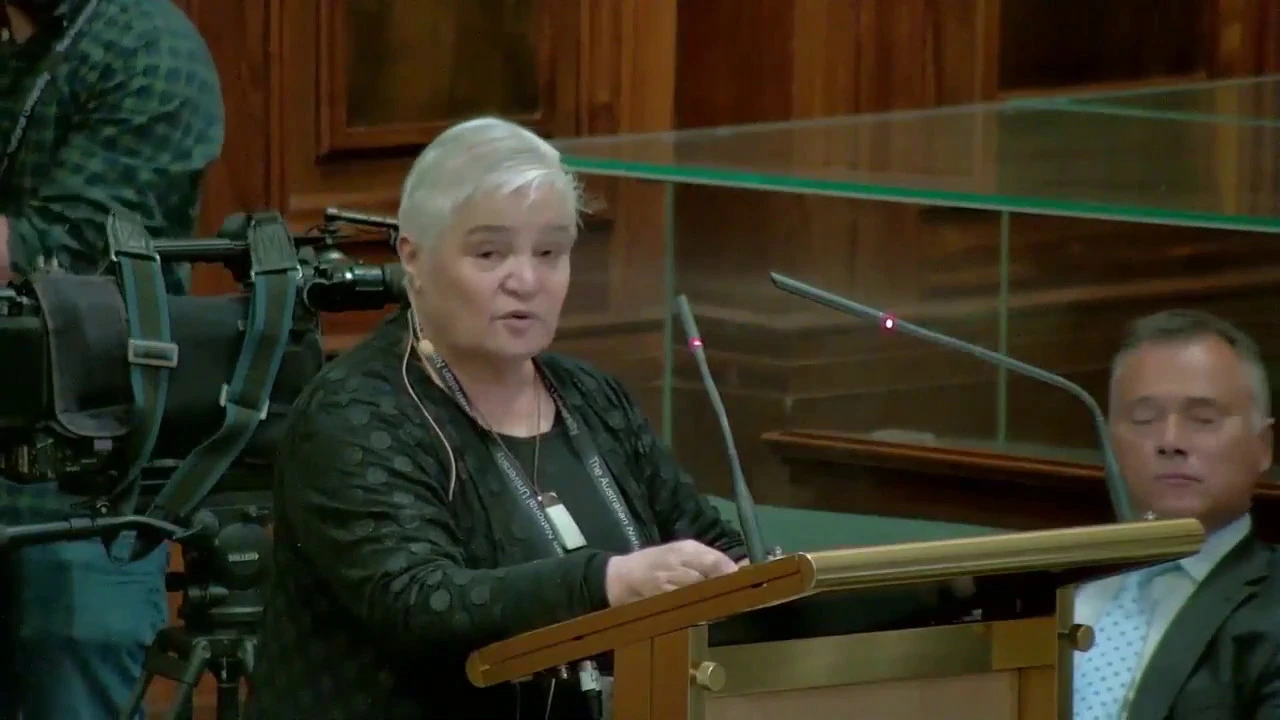
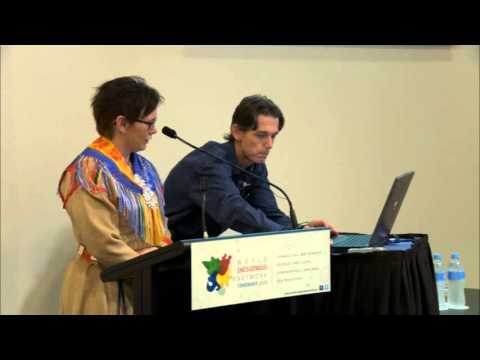

The Sámi people of northern Europe have faced systematic colonization through assimilation policies including boarding schools, forced religious conversion, and land dispossession, yet continue to resist through civil rights movements and cultural preservation despite institutional structures like the Sami Parliament and Finmark Act that offer only symbolic autonomy without genuine self-determination.
Indigenous Resistance in Europe | Sámi Rights & Activism
Added:The definition of settler colonialism and how it applies to internal European borders, specifically regarding the historical assimilation policies of Nordic nation-states.
The geography and cultural boundaries of Sápmi, the traditional territory of the Sámi people spanning parts of Norway, Sweden, Finland, and Russia's Kola Peninsula.
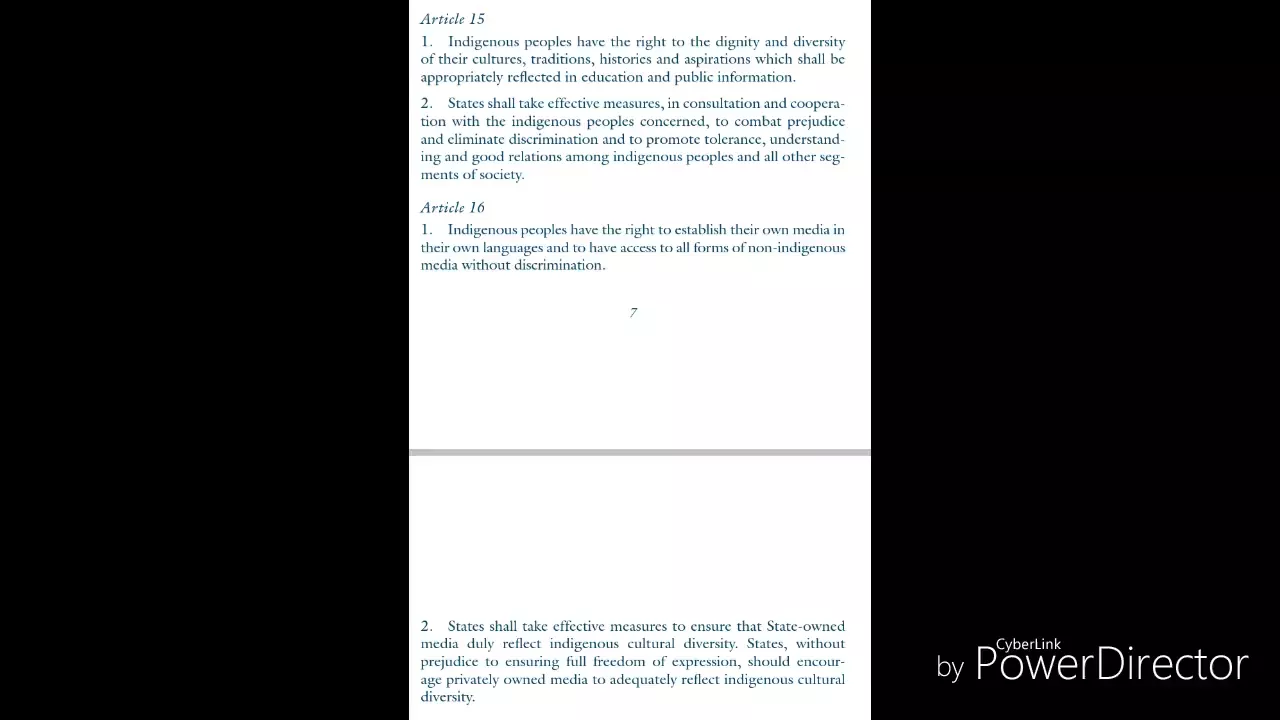
The foundational principles of Indigenous self-determination and sovereignty as outlined in international frameworks like the UN Declaration on the Rights of Indigenous Peoples (UNDRIP).
The basic history of resource extraction, land encroachment, and state-mandated boarding schools used against Indigenous populations globally.
The modern phenomenon of 'green colonialism' and how green energy projects (such as wind farms and lithium mining) conflict with Sámi land rights and traditional reindeer husbandry.
The outcomes, criticisms, and ongoing processes of the Truth and Reconciliation Commissions established in Norway, Sweden, and Finland.
The legal applications of international law, specifically ILO Convention No. 169, in resolving land and resource disputes in Sápmi.
A comparative study of Sámi political structures (like the Sámi Parliaments) with other global Indigenous governance models, such as those of the Māori in New Zealand or First Nations in Canada.
319 views7likes1:26:03Original Release: 2021-05-11
okay hey folks welcome i'm ash i work at firestorm books and coffee and i'm here to kick us to kick off today's event featuring gabriel and niela zombie as they plan to discuss gabriel's latest book liberating me and the sami's ongoing fight for justice and self-determination in europe's far north this event is organized in collaboration with our friends at pm press for radical may a month-long international series of events organized by the radical publishers alliance that seeks to challenge broken social and economic systems and organize for a better more radical future we'll be hosting another event for radical may titled anarchism and the modern state on tuesday may 18th to mark the publication of the operating system an accessible new interrogation of state governance by author eric larson so if you are excited about today's event you'll definitely want to check that one out too before we begin today for an event that centers indigenous resistance i want to take a moment to acknowledge the political context of the land we are on and that for those of us in the united states wherever we are viewing from we are on indigenous land for our context at firestorm we operate on occupy cherokee territory in southern appalachia and so-called asheville north carolina as it is our responsibility to critically engage with the reality of this colonial legacy today's event will grapple with some of the present day manifestations and ongoing impact of conquest and colonization for folks attending an event with us for the first time firestorm is a 13 year old collectively owned radical bookstore and community event space with a focus on queer feminist and anarchist thought and culture we host a wide range of events workshops and film screenings as well as meetings for various grassroots community organizations while our doors have been closed to the public since march of 2020 due to the global pandemic we did just announce our plans to reopen for browsing at the end of the month which is very exciting after a difficult 14 months of closure so if you are local or you want to take a trip to come check us out we hope to see you soon um in the meantime we continue to sell books online through our website and our shipping books all over the country if you're interested our full catalog can be viewed on the website including today's featured book um so please do make sure to check us out and i'll drop links to everything i just mentioned um in the chat and in the comments so as i said earlier today's conversation features author gabriel kuhn in conversation with long-time sami activist nilas zambi nielas is just one of many sami activists to show up in gabriel's latest book liberating sommi which includes in-depth interviews with sami artists activists and scholars um today gabriel will start us off by telling us a bit more about the book and then we'll move into a conversation with nilos just one note for those attending on zoom if you have questions during the conversation please feel free to submit them through the q a function at the bottom of your screen once gabriel and nilas finish up they will open up for questions from the audience but please feel free to submit your questions as they come up throughout the conversation as our speakers may choose to work them organically into the conversation rather than wait till the end great um so to introduce today's speakers gabriel kuhn is a writer based in sweden and has worked for numerous radical publishers and journals as a writer translator and editor where his main interests have been reflected throughout his work sports straight edge culture protest movements social justice and international solidarity he runs the blog left23 which i will link to in the chat as well nila zambi has worked as a reindeer herder sailor mechanic photographer and journalist he's a longtime sami activist who spent a number of years on turtle island sheltered by first first nations protecting him from the reach of the norwegian judicial system gabriel nilas thank you so much for being here today and gabriel i will hand it over to you um thanks so much for the invitation thank you for the introduction as um most people who are watching this will appreciate um unless you work in television it's uh fairly awkward to speak to an audience that you cannot see while being aware that um they can see you on top of that this is as unbelievable as it may sound about the third zoom event that i am partaking in in any capacity so i'm far from an expert but um thanks to nila's the next 90 minutes will nonetheless be interesting and i hope if you uh notice that i am a bit lost at times that you can be generous it's as i said lack of experience now nilos is certainly the person you want to hear from tonight and we'll get there very soon but since this has been announced as a book presentation and i will say something about the book uh maybe take 10 minutes just to provide a little background of why i did this book and and how it is structured and then we'll basically move on to an interview with nilas and as ash said you're welcome to submit questions at any time i try to have my eye here on the on the q and a parts and uh we'll try to either work in the questions work them into the interview or then add them on towards the end and i hope that we can work in all of the questions i have no idea how many we'll receive but i will do my best um so about the book i maybe start off with a question that um always comes up whether people ask that question um are straightforward about asking it or not but that is why someone like myself who grew up in the austrian alps is doing a book about the um indigenous uh people of northern europe so very short the very short um story is that i've had a long-standing interest in indigenous peoples with which started with um very romantic notions particularly of native americans when i was very young it's a very common thing in the german speaking world turned into more of a political interest than during my polarization in the context of being interested in anti-colonial and anti-imperialist politics and that interest was followed up by travels to what we know as north america australia new zealand and other places where indigenous populations are involved in resistance struggles so naturally when i came to sweden in 2007 i was curious to learn more about the situation and stop me and up up uh which is uh the traditional homeland of the sami people and up to that point i think if you look at my work that that interest in indigenous struggles um it pops up here and there but i never felt that it was my place to do a bigger project on that and i certainly didn't think that when i first came to sweden either and then i guess during the years different things happened one was that i was surprised about the lack of of interest in um [Music] stopped me among non-sami activists here in sweden which um as i said it surprised me i guess there was an element of irritation as well and and i think that played into eventually thinking that well if none of the activists from here is working on this why shouldn't i try to make a contribution to spread more information about this internationally but more importantly the more i learned about the history the the more certain i became that these are stories to be told both with respect to the generation that nilas belongs to which uh started what's often referred to uh were involved in in um starting what's often referred to as the sami civil rights movement in the late 1970s and 1980s but also a younger generation of sami artists activists categories that often overlap in some culture um who are active uh today and then i just felt that i found myself in a position more or less because of biographical coincidence where i was here in sweden and although i do not unfortunately speak sami i know swedish and norwegian which means that i am able to communicate with the vast majority of sami people i have access to the majority of sami media and at the same time i had i have a well-established collaboration with pm press who were interested in doing in such a book and since i felt that a book in english was lacking there are many very good books about the sami in english but a lot of them are fairly long they're hard to find their academic studies and i felt there was no shorter accessible affordable also i guess political introduction to the history and culture and the politics of the sami people and so um i decided to do the book i still had to answer the question of how to do it and um essentially i chose a very uh journalistic approach so there is a longer introduction to the book it's about a third um which is called a short political history of software and basically trying to or tying together a different historical cultural political facts to provide background for readers and then the main part of the book is as has been said in the introduction it makes up two-thirds of the book and that is interviews with twelve sami activists um artists and scholars there are illustrations in the book there are some shorter texts mainly by sami authors that [Music] illustrate the interviews and uh nilas is one of the people who um volunteered to be interviewed for the book and who features in the book um i was very honored that he said yes and i'm very honored that he's with us today and nilos my first question to you would um refer to the basically the history the culture and introduction to the uh to the sami people as i've often as a feedback to the book receive either have heard from people that the idiot knew nothing about the sami people at all or they knew that they existed but they had very little knowledge so if you just want to take the time and give a little introduction here that would be great i think you have to unmute your microphone okay i'm very honored to be here tonight and i very much thank gabriel for writing this book it's very important for the sami people to that the world gets to to know us because norway is always trying to play the role of the savers of the world and the best boy in the class and unfortunately it isn't like that they're very tricky with their politic and and especially the politic which is hitting us sami they started the 80s with with zero rights and zero talk about the rights for the sami people the rights of the sami people were totally missing there was there wasn't an agenda of sami rights at all in the in the norwegian politic so what we did was that we tried to [Music] we tried to do the different uh so-called democratic ways to to get on the agenda but without any success so we we were some young people then it's a long time ago i was also young so so we started a hunger strike in oslo and we had we had not a wish but what is the the what is the stronger than a wish that we wanted to to do the hunger strike in till the norwegian government recognize the sami rights to land and water and they of course they didn't they said that we cannot see any any problems we cannot that's talking like a blind people that we cannot see and they had eyes good eyes and they even had and glasses so they did it so they did see and they didn't know but the result of that was that after a week they agreed that okay we can start sammy rights commission and that the sammy rights commission was working in 18 years before they came out with anything and of course 18 years is a very long time lots of people are born in that time and people are also passed away in that time and finally they the the big thing for us was then that they anyway recognized that there might be some sami rights and they were working with with that and that for to make a long story short that they came up with the offer for the sami people that you guys will get a sami parliament which is called samidiki in in and submitting it in the norwegian but this zamadiki and sami parliament is totally without any rights there is no no rights than in no political rights so we are still missing the the sami rights and the second thing they did was that they created a very weird company which they said that half of this company is owned by the sami people and the other half is owned by the norwegians this weird company is called the fin marks a endowment and it that that's a company which who's running the the rights to hunt and and to do the fishing in in lakes and they also they also charge us for for getting firewood from the forest which before that the company came was free free for us but now we have to pay for it and we also have to pay for the for the ground which which our houses are built on so so it's a very weird weird company and and to the world rest of the world they are very proudly telling that look at norway we have solved the sami probe sami rights problem in a very peaceful way so so there we are right now um thank you nilas a bit of uh information maybe for people who are watching because i was speaking about sweden and nilas was now mainly speaking about norway so what is called sapmi the the traditional homeland of the sami people is is today divided between four nation states so that is norway that is sweden that is finland and russia and it's actually difficult to give exact numbers on um how many sami people there are before because the nordic countries do not any there is no census based on ethnicity or anything of that kind and so the different standards for identification are used but the majority of the zombie people does live in norway and then the second biggest group on um as it's often referred to in the languages here lives on the swedish side of stop me and then um a smaller group yet on the finish side and the smallest group on the russian side um um i will return of course to the questions of the zombie parliament and the so-called fin mark act that um nilos mentioned one more question to you nilas about the um what people see as as traditional sami culture very often if they have any images at all it's images about reindeer hurting and yet at the same time many the vast majority of sami people today is not really involved in reindeer herding so how did that look uh traditionally can you say uh more about that yes to say the reindeer hurting is the main traditional way of living but we also have the fishing fishing in the ocean and fishing in the river and right now the this year we will nobody will be allowed to fish in our big river here which is called the and it's one of the used to be one of the best salmon rivers in europe but no it's uh no it's closed for for everyone and there has been a big discussion over why the river is empty now and there's some people they say that well it's because of all the tourists coming to do the fish and they have no limits of how many salmon they can they can fish and and the norwegian bureaucrats they they rather blame the sami for fishing with the nets and the net fishing is not not very very very successful for this army and i've been in canada and been participating with the salmon fishing in pelakula river and i have seen the whole real net fisher net fishing gives real big results that you just in that time anyway i don't know about nowadays but but then it was just to decide how many how much fish you need to take and then go fishing and get that fish so the fishing and the and the reindeer herding is the main traditional way of living here for the summing can you say something about the sami language or languages or dialects there's a bit of a debate on whether you'd call them different languages or dialects of one in the same language your autobiography appeared in uh sami but there are quite a lot of sami people today who do not speak the language can you say a bit more about the the use of the language and the judiciary the tradition of the history and how it disappeared in parts of the sami community well the language situation of today is much better than it was uh for example just 10 or 20 50 50 years ago then it was in a very bad condition nowadays we our kids are going to the sami schools where the teaching language is insane and that that has helped a lot but the problem is that we still are still missing this army education books in all levels and it was it it was maybe a little bit easier if if we only had one dialect and the sami dialects are so different than that one cannot understand and communicate with the with all the languages through through the whole through the whole scale of them the northern sami language is the is the biggest group and and we are also having uh having language language courses on net we have a company called escola is called the electronic school and and it has been very successful that but of course it's also it is a problem but it's uh it's more than more a psychological problem now because in the worst norwegian norwegianizing time there was a active politic that sami should leave their the language and there was lots of propaganda saying that if you only speak the sami language you will not get any job and you will not survive in the modern society and nowadays anyway here in the northern sami districts we are it's it's a plus to to know the sami language also for getting jobs in the official offices and and so on like in the municipality and and this kind of stuff so would you mention the word norwegian station which comes up quite often when people look at the colonial history of sapni and and similar processes of assimilation happened in the other countries one of the main features of that was a feature that you find in many histories of colonization of indigenous people namely boarding schools can you um tell our listeners or viewers a bit more about that please well the boarding school is known through all yeah everywhere in the indigenous world and it's the same history in insapia that they we were we were forced to go to the boarding schools and of course it was yeah in this uh part of the stop me it was uh north the norwegian language which was the teaching language for the not just the language but everything was taught for us in the school in in norwegian and there are lots of kids for traditional kids were left behind with the school works because they didn't they didn't catch anything what the south norwegian teachers were were talking about and then there came a period when we when we learned to know a little bit of the language but then it was lots of misunderstandings and i'm very happy for that because lots of the so-called education then in my school time was about the christianity and i'm very happy that they didn't manage to to to poison my mind with the with that because i mean that christianity is there is the most the sharpest tool they used for colonizing indigenous people something related to that i wanted to ask about because it ties into religion and since we're also talking about uh resistance to colonial policies if you look at the longer history of sock me there is one event that stands out and it also is an event that is sort of internationally known mainly by the norwegian name of the town the counter kind of rebellion also because of neil scout's film can you give a little background on on what happened there in the middle of the 19th century yeah it's that story is touching me also personally because my my my my people had to escape from quote again in that time because it was a rebel up against the authorities and and alcohol abuse because uh the short story is that the the norwegians came with the with their rules and and their laws and it's this law was saying that you are not allowed to use your drum you're not allowed to to access your own religion and lots of people came in there became in the loose here just just wavings swimming around in the or floating around in there in in their life and then came a christian preacher named lestadius who was a very powerful very powerful and tricky preacher that he started to preach against alcohol abuse and and of course that was that was very much what what the sami people needed then to to get control over there over the alcohol abuse and with this story i also have to say that before this this colonization and the norwegians came here we had no alcohol so people became alcoholized very easily and some people started to slaughter their reindeer herbs just to get the alcohol and then there was a group of people who started protesting against this and with this alcohol alcohol sales were of course the businessmen and also the priests and it became a big fight for where some some of these people were killed and then of course this this rebels were arrested and it was among these peoples were my relatives and they got they were present and one of them were also got it ahead of his name was mons zombie so that i said that was a very very very important happening then in in many ways both in the negative and also the positive ways and and for us my family were splitted that they were being so modember had to escape to to this part of zap me and this is we are now in the in the east this most eastern part of this norwegians have me you you did a documentary film related to the rebellion can you tell us more about that yeah it was i was it was not my field but but i was participating in that and it was my friend poland who did that film and and we tried to to tell this story of this rebels and and focus on the head skeleton because we we in the 80s we started to to ask to get get back our skeletons from on the heads head sculpt from from the norwegian museum it was in in a box paper box in oslo this uh head scarlet note of two of these guys who were we were killed there was two guys who was had headquartered then it was monsombee and we managed to get back this head skeleton then but when we got got them back to stop me then that this norwegian church grabbed them and said that they have to be buried in a christian way and it were it was a one colony a colonial act after this on other it was i feel very bad about that and then so this history is continuing there is still a lot of both trauma families and institutions that are trying to get remains back from institutions of the the national governments both in norway and sweden and the other countries is that correct yes some people are getting that back their head scholars from the from these institutions the museums and so on but very often the result of getting them back is that they are again being buried in a christian ceremonies i am i have to move to to to my charger here running out to power here i can say maybe something just real quick a bit of information because we've been talking about the the counter kind of rebellion so that is a a uh that's a norwegian name for a for a town in in sapni uh also part of the province of denmark which we will uh return to later so it was in that area at that time where that um rebellion took place if we uh stay with the history of uh sami resistance uh also uh tied into uh nila's own biography so so just real quick so we talked about uh caution rebellion which is the middle of the 19th century then in the early 20th century there are different um sami organizations being founded which provide a framework for uh sarmi organizing but then it was really if we go back to to the events of the late 1970s and early early 80s that nilas already mentioned uh milos mentioned the hunger strike in oslo where a uh as it's often been called the sami civil rights movement emerges but the hunger strike in oslo i mean the movement started with protests in the far north against a hydroelectric power dam that was being built on the altar river near a town of the same name alto so can you say a bit more about that background of that history and the the resistance movement that formed around that yes it was it was an awakening of the sami activists then and we thought that we somehow won the case because somehow the sami rights were were recognized by by norwegian government putting this sami rights commission to work but the unfortunately it isn't so today it's uh the situation is 100 times worse than than when this altar case was going on now we have a very very dirty and bad mining company which is starting to to work they have already got the permission to to start establishing this mining company and they will pollute not just the land but also the ocean and i have heard that norway is the third country which which is allowing this this mining waste to be dumped in the ocean and then we have the big windmills they are planned to be built on the every mountain top in in the wholesale me i guess and once should think that the the sami people really hungry for electricity and we we don't need that electricity at all and you know the electricity have to be transported also so they also have to make very big power lines which are going through the whole up me and and as you know when when we are talking about very big power lines it occupies occupies lots and lots of land it's not just the place where they put down the poles in the soil it's the the wave so this electricity is keeping reindeers away uh quite a distance away from from this line so this it's a very very big scaler of the of the land and so on the roads because this this big windmills there they have to be transported up to the mountain tops and they're too heavy that the helicopter and and and so on can transport so they have to make very big roads to the mountains so there will be lots and lots of roads and these roads naturally will go through the reindeer grazing land and also the migrating landfall for the reindeers so lots of reindeer herds will be just blocked away from from their traditional areas the the summer grazing land and the winter grazing land so the situation the land right situation is very very very bad now and we have no this uh sami parliament have no power to to say no to anything it's the norwegian government which is uh giving the green lights for these companies and norway is not in the need of this much electricity the electricity is a is something they will sell to europe and and other countries where there is lots of lots of use for electricity and the official policy here is now that the green shift and i think they are really really colorblind it it has nothing to do with the green and this and they're making this electric vehicles like cars and so on and saying that that that they are so good for not polluting the the world and it's just a very very big life the whole thing because uh produce production of this big batteries for the electrical cars is also a very big disaster not just here on our land but elsewhere in the in the world i want to return to some of these issues just little land rights and the sami parliaments and and what you described now at the end which is sometimes referred to as uh green colonialism um but if if if i can stay with uh outside the so-called altar protests uh just for another second um so you mentioned the hunger strike in notre dame and that was because people maybe uh as a bit of information so this this conflict around the hydroelectric dam that was built it lasted for a few years and it involved uh the hunger strikes not just one but two uh there was an occupation of the prime minister's office at some point and there was a big camp located at the site where the dam was built near alta can you tell us a bit about the atmosphere around alta at the time at the camp and the different groups that were involved in protesting because it was not only uh sami people is that right yeah i always send very good thoughts to the young people of oslo from that time if it was not for them i think we would not have been heard anything about this hunger strike and i'm not trying to avoid to tell that i was blowing i was blowing up the light bump to in the construction area to to get to get the attention to to that and that they turned turned the other way around and said that that you guys are the worst terrorists and they were charging me for for um for a terrorist act and it they were using them the really strongest paragraph in the norwegian norwegian paragraphs anyway so i had to escape from from norway and i flew to to canada and i stayed with the with the indian people in in canada in two years and that saved me from being rottening in the in the prison for 21 years can you can you say something more about how you were able to get from norway at the time to canada well it started with that i had to be a very good actor in the prison i stopped eating and told the total not directly but i i made them believe that that i think they are poisoning my food so i don't i cannot eat anything and there was this psychiatrical doctors involved and i had to to be a actor good actor with them also and at least the result of that action was i was without food in three weeks in in prison and not eat eating anything and and then came three three weeks with lunch every day in a psycho psychical hospital container of that and then they then they somehow decided that okay we have to let this guy free from the from the prison until the court case comes up but they put it of course the police guard watching me there the day and night that the that's so so idle i don't escape so i can come to this court case and and so they can give me this 21 years in in prison in a formal way but i managed anyway to to escape from from this from this system and i came to canada where we had the sami had established a contact with the late george manuel which was the leader of the of this international international organization of indigenous people and he managed and then to get get me to this leaders of the of this indian indian leaders and they have decided that then that they will adopt me in the traditional way and so they did and the canadian immigrant immigration authorities just had to agree with this indian leaders that that okay if if this just keeps low profile then we will just let them stay there so my family then came over they were also adapted in in the same traditional way two daughters and and the wife um and everything was was then peaceful for for a long time but then my family here in sap me he came in in a bad situation that was sickness and my parents were were in a very big sorrow and also also missing us very very much and they were getting old so we decided that we we will we will move to to stop me again in the meantime at the same time this this other man who was with me in this ins with this bridge blowing action which i was charged with he went to they took him to the court and just gave him a very very short time in prison so there was no no danger for me anymore to return to norway and at the same time there comes a television company ctv and ask that can we make can we make a documentary reportage about you guys being adopted in a traditional way and staying in in canada with the traditional people there in pelakula and we know they knew that the conditions for for letting us uh stay from the conditions from this authorities immigration authorities was that if you keep low profile and it's okay you can you can just stay here and and when you have been here in five years then you can then you can all come forward and ask for a canadian passport that was the the unofficial deal with the indian leaders and what the the need of going back to zap me became too big so we said yes to to the ctv and and made this ripple reportage well knowing that that this is the side this is a signal to the authorities that we're not keeping low profile anymore so so they will they will arrest us and and send us hope and so they did after this reputation was made that we moved from from bella cooler to lake bridge where some of our friends were were staying so and just after a week in in legbridge the the police came and kicked in the door where the house where we're staying arrested us and i could watch the ctv documentary from the in from television in the jail and then you were sent back to norway from there yes um and the the you mentioned right that's what i thought of when you were talking you mentioned the world council of indigenous peoples and how they were involved in facilitating your journey from norway to canada and you stay there and i wanted to just return to that for a second because i think the history of the royal council of indigenous peoples which existed from 1975 to 96 is not that well known today but it was a fairly widespread network at the time with people involved from various places around the world and conferences and obviously well established network of contacts can you say a bit more about your experiences with the organization well my experience we talked with this organization was was that i got personal contacts with these people i became to know george manuel very well and also his main secretary who was uh marie mariuli from lifebridge both of them are not no longer alive but i i send them a very very warm thoughts and i thank them from all my art that they and those guys were the ones who were organizing everything there for for me because they both had been inside me and and knew their sami situation very well and they also knew lots of sami sami people and they introduced me to lots of very good people in in british columbia because because it was there i ended i stayed in a in a traditional longhouse or for some maybe half a year and i was the best experience experience for me then was that it made my traditional spirituality alive because i was so lucky to to get there just in the time when when these people were were re yeah making this making this traditional spirituality alive again with them with the ceremonies and prayers drum singings and all that did you see many similarities there between your own traditions and the traditions you found amongst first nations yeah i was so lucky that i was where i was staying it was late philly paul it's very sad to when today when i talk about people almost everybody are not longer alive but philip and i had very good conversations every night and he was asking about my my traditional religion and and he was telling about about their traditional things so it was a very very good education for me and i'm sure that if if it was not for that then i would have forgot everything i learned from my grandfather and i was very happy that that i was i had the chance to live together with my grandfather a whole summer in the old folks house which was also a kind of a hospital then this was this was in the 60s and norway was still a very very poor country with the health care in the hands of the missionaries and so that was a that was a combination of old folk's house and a hospital where the doctor showed up once once a week and the negative thing there was that there was there came always lots of preachers every sunday and they made it to a christian not the church but the place where this uh extreme preachers are gathering so we had a very good chance to talk with my with my grandfather and i was very curious i became very very curious because one of one of the hottest summer days they came they found a dead body in in the river and this dead body was uh was a late um relative a very close relative of my mom and he was he had been laying in this river and rottening the whole winter and and in the hot summer day they found him and they placed him right outside over the window of our room and of course this very very bad smell came into the whole house and and i was saying to my grandfather that enough is enough now we escape from this this crazy house and my grandfather just replying that take it easy this is this is just the smell of a dead body this smell we can just chase away out and he went to open the window and and he talked something in the deep deep deep in his throat i didn't hear what he said then he waved a little bit with his hands and and then this very bad smell just disappeared and i was very very i became very curious that how did he manage to do that then and that was uh that was that lady till that i started asking grandfather about and he started telling me about the traditional in traditional ways of being and the life the traditional religion if you if you want thanks very much for for sharing the story um i just as a sort of a technical point in the discussion here we have about 20 minutes left or a bit more i see three questions that people have on the on the q a which i will uh get to uh at the end and my suggestion would be for other people who have questions to maybe write their questions if there are any more and within the next five or ten minutes or so and then i'll try to uh get to as many other questions hopefully all as i can um but before that i would uh like to return to some of the um issues that nila's already raised with respect to the con temporary situation in uh uh stop me so if we start you know with the the sami parliaments that you mentioned i think from an outside perspective um okay so there are so many parliaments in all of the four uh countries uh that occupy parts of south me so there is one in norway there's one in sweden one in finland one in russia um the sami people can vote their own representatives into those parliaments and i mean it sounds great on paper what what what is the problem in practice as i said that there is no political power and states can overrule any decisions there so in in many ways they are just the service office for for for that for handing out the phones and so on and these phones there they were they were existing long before the long before the semi-parliaments came anyway here in norway and when we say about this when i talk about these fonts it's not just for this army everyone can apply for for money from there to fishing boats and and so on and this money very much makes the the norwegian population very jealous because because on on the paper it it looks that the sami are getting lots and lots of money and of course that it costs to rent around the summit but it's it's a very necessary service office for the for the government it's uh when somebody start to to build a house or or do something in the in the nature then there there is a law that that says that you have to examine this uh this ground for for for historical uh what do you call this uh lawyer annoy my english became very very bad but i am not an english man so i'm happy with that i think that's perfectly fine i guess some kind of historical evaluation of who the land would like to belong to yeah it's true to see if there is any any tracks of all stone age people so say not not just that but something like that but speaking of land right so that's another thing i wanted to get back to because you mentioned what's uh known in in english as the as the fin mark act so a bit of background so finn mark is the northernmost northeastern most province in norway which if you picture the map it's right at the top borders russia and in finland and in the fin mark act of 2005 again something that sounds good on paper the the vast majority of the land of the province was handed from the norwegian government to the people of the province who are majority sami um but once again in reality that didn't necessarily mean that that sami people have all that much more control over the land which seems uh like a paradox but uh nilas can you can you uh explain that a bit more what happened there it's it's a very tricky situation the tricky system that it's first of all nobody knows what this fin mark act is about there is it is it's not the private company and it's not the state company but but the one thing for sure they are very very greedy for money that they collect money from from everyone who's hunting and they are also dividing this and giving off giving out this hunting areas that they they are the ones who decide and we have there is a director and there is a board and the board is the board the chairman of the board have a double vote and every second year the the chairman of the board is is the norwegian from the norwegian system and and then next time is the sami and when the sami is in minority they can they can decide that in in some issues or everything which comes to the to the board and they can they can use the double vote for for the german and and but but when the when the change comes and the norwegian system can overrule the this sami decision and this happens eve now almost every every time they change change place and now we have right now we have they have a discussion this uh denmark act and and this system that should they give this traditional sami land to to the village of karashoka which is almost a pure sami village and that's also very very tricky thing to talk about anyway because if they give give their this rights to the municipality and nobody thinks that the municipality is also a part of the of the state system so it's in a way to give it back to the state in a tricky way in the name of this army uh and as this vinmark act is also exactly the same that there is no difference that if if it was run by the start scope which was the pure norwegian system or if it's this faithful as we call this filmark act so it's um it's it's just handbook anyway it's it has nothing to do with the sami rights and i talked to one of the sons of george manuel late is also dead now he when he was in a conference in in alta where there were this semi-politicians who are in favor for this finn mark act was having um having um yeah a conference about that to to post that whole peaceful that the norwegian system have handed over the sami rights to the to zap myan and late arthur he was very shocked he said that how can that be at that do you start right sammy wright's uh discussion with giving away half of the whole samurai to the oak to this colonizers and then continue with that there is three guys elected from the sami parliament and these three guys can can very well be members of the of norwegian political parties because the norwegian political parties are also participating in the sami parliament that they are they're of course sami people but they're also members of the of the our veda party with which is the labor party or the other also the light the light blue but the most dark blue party the french kiss party at which are the extreme extreme blooming party in norway um i should say maybe for international viewers so you blew blue wing parties would be uh right party right parties uh so franz krezpatia is often described as a as a far right or right populist party um let me get to the questions i got here from [Music] some of our viewers um let me see what actually relates to the since you got back to the international relations um so there is a question i'll just read it for you thanks nilas so much for sending your knowledge and personal experiences you mentioned some of your experiences with first nations peoples and world council of indigenous peoples has the sami nation been making connections with other indigenous nations indigenous nations being different than european nation states would the sami people in sap may be considered a single nation or multiple ones multiple nations well not formally but we are we have always been in um stating that the sap me is the sami sami nation and through this world council of indigenous people we were in contact with with all this member member people who was who was members in the in the world council of indigenous people and but i'm not sure that because we don't have that kind of an organization anymore so i don't know if there is any organized framework with the other indigenous nations but there is there is a we have this army council who is trying to keep contact with the other indigenous nations one can add maybe i mean in terms of more informal collaboration for example during the the protests um in north america against the dakota pipeline there were so many delegations in officially traveling there and attending those so there are some there are certainly indigenous connections but but not on the organizational level that the world council of indigenous peoples provided i suppose um [Music] other questions let me see there is one i can answer real quickly myself because it concerns the book so the question is is if the book is going to be available in some of the scandinavian languages i i am not sure it's nothing that i have pursued the book was really mainly done for an international audience and just the way things work is that an english language book reaches uh the the biggest audience so it's really been geared towards that kind of assuming that people will read it with very little background knowledge and i never really gave it a lot of thought how this book would work in the context of the nordic countries i've heard people um also so many people say that it would be good if it was available in languages here i'm certainly not opposed to that but there are no as of yet there are no concrete plans um there is another question for you nilas which i will read and it's i guess it concerns questions of of political resistance today so the question is um thank you for sharing gabriel and nilas i am a norwegian citizen 24 year old student who studies ecology and political ecology at norwegian university of life sciences we talk somewhat about these issues at the university but we rarely discuss what sort of actions we can take in order to possibly turn things around what do you see as some of the best things an average citizen can do to stop the ongoing marginalization of the sami people well the most urgent thing now is to try to stop this this new safe mining company from polluting our fjords and and the second thing is this to stop this big windmills and the best thing would be to stop the the green colonization at all because the their people are tricked to think that this is the thing which is going to save the world but it's the other way around that it's uh it is the nature is is very fragile and it's um we we only have one of this globe so we cannot destroy it that's the most important things to to do so again as a bit of uh extra information so that the nursery mind is a mine plant it's a copper mine and and ironically but fittingly everything that nila talked about it is also um it has been announced as a green mine ecologically friendly there is a german company involved and and i think it is supposed to be taken uh operations supposed to start in uh 2024 and it is one of the uh uh issues that that resistance is building around now there are other examples in sweden right now there are occupations uh against uh the clear cutting of of forests and sophomores but nila's baby looking at the time maybe the the last question here because i know you are fond of a new younger generation of sami activists who don't necessarily believe that for example the sami parliaments or the finmark act uh will pave the way uh for a better future uh can you say something about these uh the this generation the activities they're involved in and why you have uh hopes in in their activities well i'm very happy that we have lots of very young activists and this these guys are very very clever they see everything very clear they are not tricked like this older older generation was and one thing which is very very sad that when people are have started to believe that something is good that they just continue what however bad it is like this like this semi-parliament without power and this fin mark act that it's just the cosmetic things they they made to make the world believe that norway is very good in indigenous politics unfortunately it isn't so and i'm very happy that this younger generations of zombie activists and also artists are able to to to tell another story um thank you so much nilas again for uh joining us and me uh during this uh presentation um oh here's ash because i wasn't exactly sure about the procedures at the end but maybe you are going to round off here or sure yeah well i would just love to thank you gabriel and nilos for both taking time uh to have this conversation today um i'm sure i am not the only person in attendance today who learned something um so thank you again for being here um and yeah i was just gonna let folks know again i'll drop in in the chat there a link to the book um where you'll find an interview with nilas as well as other um in-depth interviews and um uh art and photographs um there's lots of really great stuff in the book um so if you've not had a chance to pick it up yet please take a look at it and yeah thank you all again um and hope you have a good night from here on out thank you absolutely thank you very much all right y'all be well bye everyone thank you you
Up Next
9:25
African Diaspora Return: Naming Ceremony in Ghana
@goblack2africa54
92.2K views•2022-04-23

38:41
Astrobiology Through an Anthropological Lens: Field Insights
@georgiatechastrobiology
128 views•2021-04-14
4:45
Proxemics Explained: The Study of Personal Space
@Vox
536K views•2016-07-05
10:38
Psychology of Internet Trolling and Pranks Explained
@AzzyLand
10.7M views•2017-12-20
Related Study Plans & Knowledge Roadmaps
Structured learning paths in Anthropology
anthropology
Space Anthropology: Analogs, Culture & Habitats
01Foundations of Space Anthropology & Cosmic Imaginaries
02Extreme Isolation & Micro-Societies in Orbit
03Space Analog Habitats & Earth-Based Simulations
+ 2 more learning modules
15h5 modules
Explore Roadmap
anthropology
Legal Anthropology: Customary Law & Pluralism
01Foundations of Legal Anthropology and Social Justice
02Legal Pluralism: Coexisting Legal Systems
03Customary Law and Indigenous Dispute Resolution
+ 2 more learning modules
15h5 modules
Explore Roadmap
anthropology
Global Tourism: Gaze, Authenticity & Heritage
01Introduction to the Sociology of Tourism
02The 'Tourist Gaze' (John Urry)
03Staged Authenticity in Tourism
+ 3 more learning modules
14h6 modules
Explore Roadmap
anthropology
Modern Kinship (ART, Adoption & Chosen Family)
01Foundations of Kinship and Family
02Assisted Reproductive Technologies (ART) & Relatedness
03Transnational Adoption and Global Kinship
+ 2 more learning modules
12h5 modules
Explore Roadmap