






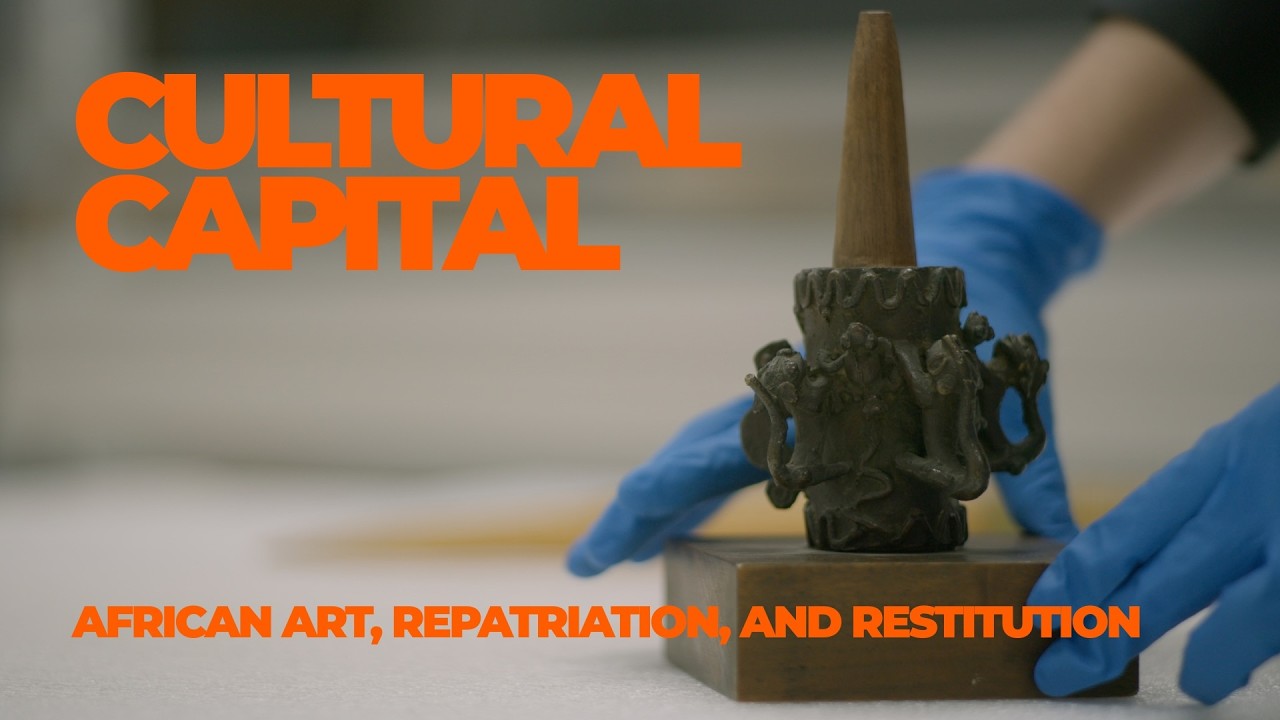









Conservation practices can serve as a key strategy for decolonizing museums by shifting from object-centered, static preservation toward community-engaged, living heritage approaches that incorporate both material and intangible cultural values, as demonstrated through collaborative efforts between the Royal Museum for Central Africa and Rwanda Cultural Heritage Academy to re-evaluate conservation practices and make collections more accessible to source communities.
Decolonizing an African Museum: Conservation Strategies in Rwanda & Belgium
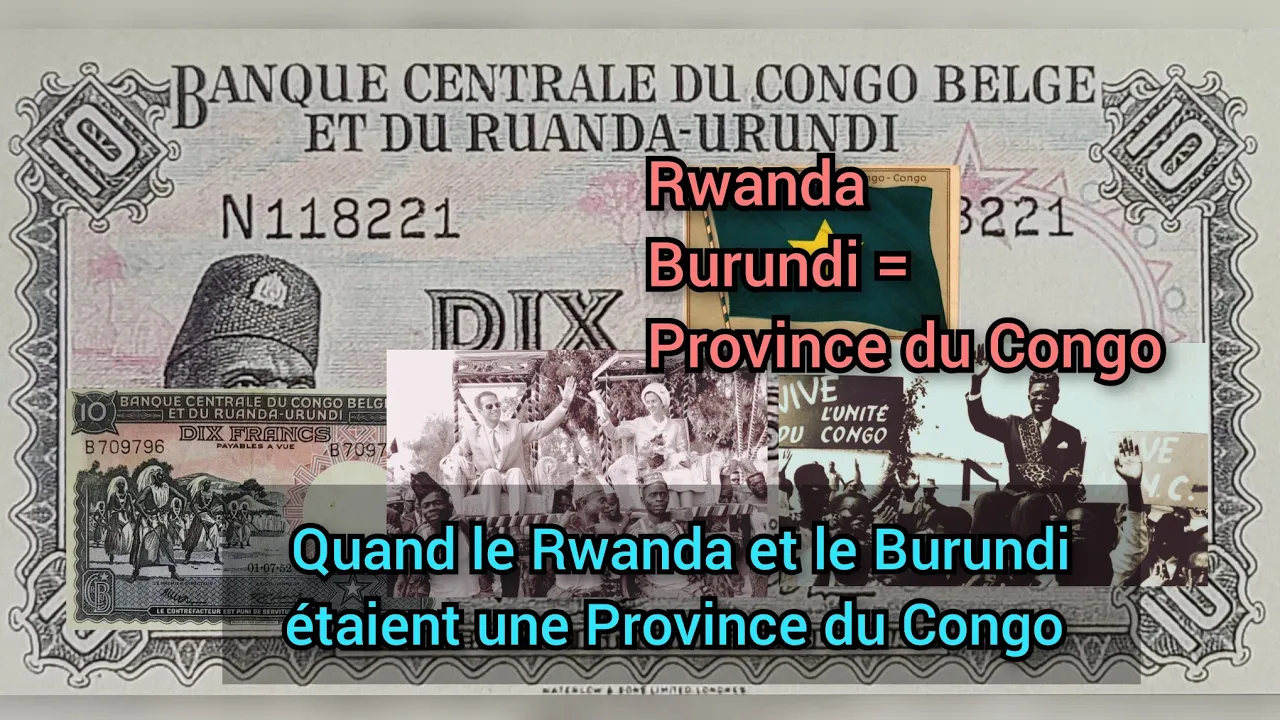
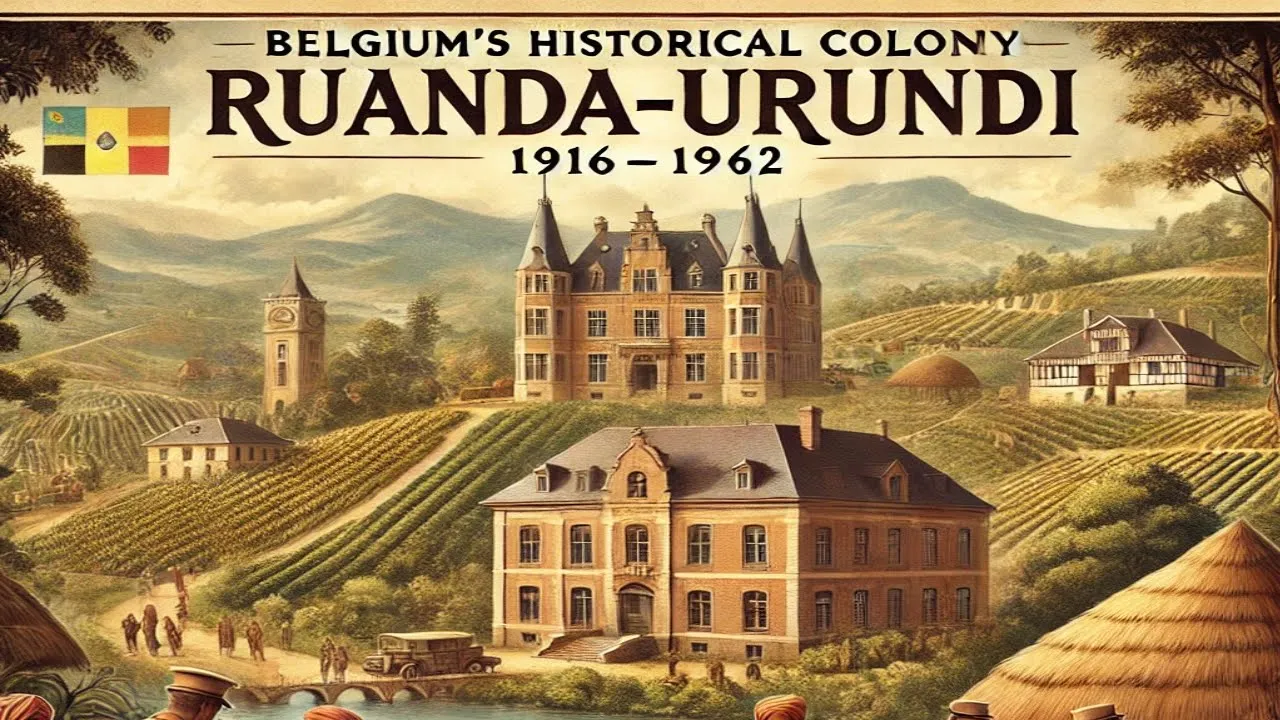
Added:The colonial history of Belgium's involvement in the Great Lakes region of Africa, specifically its administration over Rwanda-Urundi.
The fundamental principles of museum curation, preservation, and material conservation.
The concept of 'decolonization' in a cultural and institutional context, particularly regarding how Western museums acquired ethnographic objects.
The distinction between repatriation (returning objects to their country of origin) and restitution (restoring ownership and cultural rights).
Advanced methodologies in provenance research to trace the specific acquisition pathways of contested colonial artifacts.
The legal and policy frameworks governing international cultural heritage repatriation, including UNESCO conventions and bilateral state agreements.
Collaborative and shared stewardship models where source communities actively participate in the conservation and exhibition of their heritage.
The integration of indigenous conservation techniques and intangible heritage practices alongside Western scientific conservation standards.
184 views2likes59:35Original Release: 2021-05-13
[Music] [Applause] [Music] hello everyone welcome if you are utilizing cued language transliteration please pin the video feed for language matters inc my name is bianca collins the curator of public programs for the fowler museum at ucla thank you for joining us today this afternoon or tonight depending on where it is you're tuning in from across the world it's a pleasure to co-present this program decolonizing an african museum with ucla getty program in the conservation of archaeological and ethnographic materials this program is part of fowler's share the mic series which shares our platform with thought leaders artists activists and allies who are guiding us along the arc of justice the ethnographic museum of rwanda financed by belgium in the late 1980s as a symbol of cooperation with rwanda houses one of africa's most significant ethnographic collections the selection of material and its display however have been products of colonial perspectives rather than those reflecting the knowledge values and priorities of african countries and communities from which the objects originated as part of decolonizing and renovating the museum staff from the royal museum for central africa and belgium are currently working with rawande's colleagues to re-evaluate conservation practices today's conversation about how conservation practices can serve as one of many strategies for decolonizing museums in different countries with unequal resources includes marcy burton the fowler's melon conservation fellow cisco objects conservator at royal museum for central africa in belgium andre naga naguabira archaeological researcher at rwanda cultural heritage academy and chantal umuhoza curator at rwanda cultural heritage academy this program will be moderated by ellen pearlstein professor ucla getty conservation program before we get going two quick bits of technical housekeeping once the screen sharing begins i encourage you to click view options at the top of your screen and then select side by side mode so that the video feed doesn't cover any of the presentation and if you have any questions during this program please submit them through the q a function found at the bottom of your zoom screen you can submit questions that you would like to be considered to be answered at the end of the program okay that's enough from me over to you ellen hello um welcome everybody um and thank you so much to bianca collins and the staff at the fowler museum at ucla for welcoming us today so conservators of cultural heritage are in unique positions to assist in the process of decolonizing museum collections conservators work intimately with collections they observe and document artist decisions and they aid in provenance research and promote protection of intangible attributes as well as access for display and study through numerous efforts the field of conservation has already shifted toward greater inclusivity however we have an awful lot of work to do still we've shifted toward greater transparency and an emphasis on people rather than objects for those who think of conservation as the moral high ground of museums i would argue a lack of awareness of the leading edge of this field at the ucla getty graduate conservation program since 2005 we have been including both scientific rigor and non-academic community knowledge as part of the education of our students it's my particular pleasure to have assembled two of our alumni today along with two esteemed colleagues from rwanda actually brought to us by one of our alumni for today's panel there will be three presentations in a row illustrating how museums with different resources and in different locations address decolonizing conservation of african collections we will then follow with a panel discussion and then audience questions and with that i'd like to turn it over to marcy burton who will be presented on behalf of the fowler thank you thank you bianca and ellen uh i am marcy burton and i am honored to open this program with an update from the fowler museum about our research on many african objects in the museum's welcome collection this project is generously funded by the andrew w mellon foundation and allows us to analyze and learn about the collection from art historical archival conservation and material analysis perspectives next slide please the fowler's welcome collection of african objects was originally amassed by sir henry welcome a wealthy pharmaceutical entrepreneur with a penchant for collecting objects from around the world welcome died in 1936 and left behind a collection of over one million objects to be administered by a trust as the trust looked to downsize its collection and as uk museums sought to rebuild their collections in the aftermath of the second world war the welcome trust in london dispatched the ethnographic objects in a series of dispersals like you see here in the image of a room at the british museum full of spears and weapons the trust retained a collection of ethnographic objects which eventually came to the fowler next slide please in 1965 just two years after founding of the fowler the welcome trust gifted our young institution thirty thousand objects seven thousand of which are from africa once the objects arrived and were catalogued the fowler presented the exhibition masterpieces from the sir henry welcome collection while many pieces remain stars of the fowler's collection and are seen often in exhibitions and publications prior to this project much of the research has been publication and exhibition driven and the museum had not yet conducted a comprehensive investigation of this collection and its many histories next slide of over 7 of over the 7 000 um african objects that the fowler museum received 4 824 had small index cards from the welcome trust that provided pieces of information on object identification materials collector and some provenance this information gives us a place to start in terms of researching an object's background however over 2 000 cards lack any data on provenance the information mostly focuses on the object's movement in europe including dates and lots from auctions however beyond that not much more information on the object life cycle is known and this is where the conservation and the material analysis portions of the project come into play next slide using methods of material analysis alongside evaluation of condition and past repairs we seek to narrate the provenance of these objects to further understand the context in which they were made and used in africa and examine how objects circulated in europe we are using non and minimally invasive techniques to investigate the object's materials to answer questions on their provenance most of the analysis methods do not require the need to sample for material identification and while i would love to share all the exciting projects and research that we are working on currently our limited time permits me only to share a few highlights uh next slide one thing we're exploring considers material loss and repairs and to question which alterations were made to objects by their communities of origin in the european art market at welcome and while at valor one non-invasive method of assessing multiple types of interventions on an object is to examine it with ultraviolet light or uv energy when exposed to uv certain materials fluoresce or glow brightly which can be very helpful in distinguishing original materials from those that are added later in a restoration attempt this seated grade figure from the democratic republic of congo gives us a great example of this phenomenon next slide with uv we see both arms are repaired with two different uv fluorescing adhesives and touched up with black paint that also fluoresces and differs from the paint comprising the figure which does not fluoresce with uv welcome purchased the figure from the stevens auction house in 97 museum records indicate that the figure has not received any conservation of the fowler and the accompanying welcome card states the object is damaged but does not elaborate on what that damage means and no inclusion of any breaks or repairs given the information on the card as well as the two different adhesives and the over paint it seems more than one restoration took place on the figure after its collection from africa but before coming to the fowler next slide in comparison to post post-collection repairs this coda reliquary figure has a repair made with copper alloy sheet and ferrous staples we have several koda reliquary figures in the welcome collection that include similar repairs and seem to indicate intervention by communities in africa and are what we are referring to as original repairs versus repairs made in europe after collection most often conservators will keep and preserve these original repairs as they can signify evidence of use and at times help to establish provenance later post collection repairs however might be retreated especially if the repair has failed or changed the meaning or context of the object we are also conducting a series of behind the scenes updates to our collections database with updated documentation terminology and geographical and materials information as the fowler embarks on discussions around efforts to decolonize the institution we recognize that one critical aspect is to make our collections more accessible via public search tools as discussions about repatriation and restitution can only happen in collaboration with communities although i've provided just a short case study from our ongoing research to test interdisciplinary methods that combine curatorial archival and material science approaches we hope you will stay tuned to learn more in the coming months about further results and the impact of the research now like many of you i'm excited to hear from our other presenters who will share an extraordinary example on institutional collaboration and efforts to decolonize the museum and with the incorporation of conservation i would like to now pass it on to chantal and andre thank you thank you merci thank you ellen thank you bianca um chantal um curator from rwanda cultural heritage academy and i'm very excited to participate in this debate next slide please we are going to talk about conservation initiatives to support the colonization of ethnographic museum of rwanda as you know rwanda is located in east central africa and um ethnographic museum is located in huia district southern part of rwanda and it was created in 1989 and is one of the eight museums managed by ronda cultural heritage academy and it houses around 14 000 objects and it receives around 50 000 visitors per year next flight please i'll before go moving on let's talk about historical backgrounds uh after german decon colonization ronda was colonized by belgium between 1916 to 1962 and in 1947 belgium created the institute for scientific research in central africa and in 1950 that institute was inaugurated as the center of human sciences and in 50s a belgian scientist started to collect some objects those objects collected some were brought to belgium and others remained here in rwanda for a future museum in 1962 rwanda got independence in 1964 uh the institute for scientific research became the national institute of scientific research in 1970 the king baldwin of belgians visited the national institute for scientific research and he visited the museum that was there and he promised to build a more spacious museum for rwanda and in 1989 the national museum of rwanda was inaugurated and the photo that we have over there was taken during our inauguration of national museum of rwanda as you can see we have some human remains exhibited over there an aspect of colonial museums next slide um the ethnographic museum has to be decolonized because of the following reasons uh the current exhibition that we have misrepresents the image of rwanda the pre-cornea rwanda was a nation-state well-known uh with a well-structured organization and the iranians managed to build a civilization a civilization known for their comprehensive knowledge about iron technology artistic craftsmanship and so on as you can see the first two photos show rwandan traditional hat the first photo shows the external part and the second one shows the internal part as you can see this uh heart was well constructed and well decor decorated inside and the third photo shows a drum a drum called i hate burundi in english but in our language is called nangu burundi and this drum is a national pride because it was captured by the army of king chirimaru regila in the 17th century and it shows that how our military was very strong because they managed to protect our borders against embedding kingdoms and the last photo shows how we used to make different ports or different materials and uh other reasons that uh this museum has to be decolonized it's because uh it promotes the idea and theories of 19th century european anthropologists who regarded african as uncivilized it enhances the corneal legacy of divisionism and ethnicity it doesn't showcase all aspects of random cultural heritage or represent orwandan's regions and it is frozen in the past why our culture is dynamic and it's not it doesn't attract people of all ages especially young generation and doesn't integrate new technologies next next slide uh during this decolonization project we are partnering with the royal museum for central africa and we had last year a series of online workshops and we imagined a decolonized ethnographic museum and we concluded that the decolonized museum will be a museum of on rwandan culture and history inclusive museum modern dynamic and involve engaging and evolving museum and during those workshops we also specifically re-evaluated the conservation practices here at ethnographic museum where we identified some challenges that we are facing now like lack of extensive space for storage conservation preservation and restoration work and some other challenges were like a lack of equipment adapted to conservation lack of conservation and restoration skills and lack of computer based system whether to monitor environment or even to make our collection accessible and then procedures or conservation protocols that limit access to our collections and we we shared some expertise and some knowledge and we conclude that we have to focus more on preventive conservation and we started separating objects using acidic pre papers as you can see the last photo and we conclude that we had we have also to make handmade insect traps you because we have limited um budget and uh the last photo shows that we are adding also more shelves in the in our stores and data loggers will be acquired soon and you have an ongoing project of making our collections digital next next slide and uh for a successful recognization of conservation practices we seek to include or to involve our community in calculating objects and intangible cultural assets we also want to improve collection documentation by putting more narratives and even using local terminologies but we took some first steps like creating urgangazi cultural troops the first photo show some girls dancing and this trope will help in preserving intangible heritage through songs dance and even transmit this kind of knowledge to young generation another step that we took is creating traditional training center where we uh preserve traditional craftsmanship you know and even preserve other knowledge behind the uh craftsmanship the next photo is about uh longhorns called inyambo in our language or royal cows and we have a live exhibition of these cows these cows used to parade at uh different ceremonies at the royal court and we managed to preserve uh this kind of activity at our museum where we managed to preserve like um traditional poetry pastoral poetry and even some other activities that way these in yambo used to perform at the royal court the next photo shows some of the indigenous species found at the ethnographic museum and uh in preserving our traditional hearts we use some of these indigenous species like euphobia and the last photo shows that we have a garden of traditional medicinal plants and uh most of the time we invite like traditional healers to impart their knowledge on how we used to treat uh or heal some diseases next next slide oh we are aware that this is not enough and we want to ensure that we want to ensure that the next or the decolonized conservation practices we take into account the protection of environment and we want to make our collections more accessible to the community and we want to promote and valorize intangible heritage of rwanda transmit it into the future generation and even to make it as an inspiration to our visitors the last photo that you see over here is the photo of kigali convention center and the designer of this kigali convention center actually visited our museums and he got an inspiration uh from traditional hearts and even from basketry and we want also to give an inspiration to artists or even to fashion industry and so on thank you so much let me hand over to cisca hi everybody thank you chantal and thank you for fowler museum for uh letting me talk and um also thank you alan for introducing all of us um i will give a brief introduction to the africa museum also known as the royal museum for central africa or just tervuren and the efforts of the conservation staff to move towards the decolonization of the museum next so here you see a picture of the newer africa museum the new pavilion and then a view towards the old museum next between 1885 and 1905 king leopold ii owned a private colonial domain in central africa known as congo free states in 1897 congolese objects animals and even a human zoo were exhibited in the colonial palace and the park of tervuren as part of the brussels international exposition seven of these congolese people died during their time in the village after this successful international exposition king leopold ii decided to create a permanent exhibition to promote his private royal colonial domain aiming to attract investors the construction project for the museum building was completely financed by the prophets from the congo leopold ii died before the completion of the museum and the building was inaugurated by king albert first on april 30th 1910.
the museum became the royal museum for central africa at the time of congo's independence on june 30th 1960. in 2000 when the first plans of the renovation of the museum started taking shape most of its permanent exhibition has not been changed since 1958.
since the renovation the museum is more commonly known as the africa museum next the vast majority of the objects which you see here on several pictures come from the democratic republic of congo and were collected collected during the colonial period prior to 1960 the museum encouraged military personnel civil servants missionaries traders and scientists who were in the congo to collect the objects and animals for the museum a vast amount of very different objects and specimens were collected during this relatively short period of time many objects were taken just like at the fowler from the central africa without any contextual information most of the collection is hidden in storage the permanent exhibition only has about one percent of the collection on display next in 2000 the first concepts for a total renovation of the museum started taking shape in 2013 the museum closed for renovation and it reopened five years later as the africa museum although the original building could not be altered and needed to be restored to its original state the main goal of the renovation was to bring the museum and its exhibitions into the 21st century there is a focus on the permanent exhibition on contemporary central africa and the sustainable development in central africa the permanent exhibition has also a critical view of the colonial past which was much needed stories are also told from african aspect perspective for example in the space of rituals and ceremonies and special care was taken by the us conservators and the designers in the way objects were displayed the museum invested also in extra space for public programming in order to expand its function as a forum for discussion about the colonial past about racism about sustainability and current topics surrounding africa and the african culture next decolonization process is far from finished it is a very long process with ups and downs here you can see a list of activities and challenges and efforts to keep making this progress towards the decolonized museum the museum tries to establish long-lasting partnerships with the diaspora organizations we try also to improve knowledge about the history and provenance of objects and share this provenance information with our visitors the museum invites artists to dialogue with the museum through their artwork but also to dialogue with the building as you see here on the bottom left the um art piece by emmy empani and um also to dialogue with the collections currently we have an exhibition uh where our pieces from the collections are displayed against um objects um from contemporary artists we also established a code of ethics for third parties parties who want to organize events in the museum and we have a diversity policy and we share our viewpoints on topics such as black lives matter on the website next but the most important part of the decolonization happens behind the scenes through the practical aspects of the museum work and here we conservators play an important role specifically in the conservation department the museum staff tries to read i think the role of collections management in the light of the decolonization project process our efforts focus on three actions firstly and three challenges firstly we are trying to make the collections more accessible to our stakeholders digitization just like in rwanda is a key element in this so that stakeholders in central africa who cannot afford to come to belgium to visit the collection can have access to their heritage for example in 2018 a collaboration on digitally transmitting all rwandan archives in our belgian state archives and in the africa museum started and is still in the works secondly we conservators are questioning our european material-based perspective on conservation and we try to include the immaterial immaterial aspect of the object in our care for the collections we can only develop this new approach by going into dialogue with our colleague heritage workers in africa and with the stakeholders from the diaspora and the stakeholders in central africa the museum has currently several projects running that are focusing on dialogue with source community some are most of them are for from public services or researchers but some now are established by us conservators such as captex a project that explores the possibilities of collaboration with textile makers to understand and preserve the collection the textile collection of the museum and to make it accessible to the public and the stakeholders and of course last year we collaborated with rwanda cultural heritage academy through the project chair funded by the belgian development cooperation program the workshop was the start of a continuing dialogue about amongst others the role of conservation and collections management in the decolonization of a museum with an african collection furthermore we organized a conservation workshop with heritage workers in kinshasa and we invite african conservation students to intern at our museum thank you next slide yeah i think all presenters would like to acknowledge uh the rwandan cultural heritage academy the royal museum for central africa and the folder museum and ucla for organizing this wonderful panel discussion can i give the word back to bianca or to ellen yes please please everybody uh panelists please um turn on your cameras so that we can see you and begin to engage in some of our some of our discussion before taking questions from the audience thank you so very much to um to marcy chantal and andre and siska for those brilliant presentations um i want to start off by so you you have so well illustrated examples of decolonization efforts in your respective institutions you know we know that the term decolonizing is fraught with tensions among museums of african art we've all heard a great deal about this in thinking specifically about conservation which has been criticized for promoting static and hands-off methods can you talk about examples that you've already cited and the kind of public reception that these examples have received so i would love to um start with andre for example there's the discussion of the traditional training center the anyambo um longhorned cows and the garden with traditional plants what has been the reception andre of the community to these undertakings horizontal yeah please yeah thank you that is true the conservation of museum objects in its classic character has created the distance between them and the fabric as they are locked in show cases and the story rooms were on professional conservators with their gloves physically interact with them they are no longer living objects as they used to be before coming to the museum when they were used as well they were used in a ceremonial or be it on national or from a river or used as a normal object in their activities of life some well-known objects which were farmers in the society because of their ritual or historical values have completely lost their meaning as they belong to the past during the presentation shantari has shown that ramananga burundi which is which was regarded as symbol of defeating surrounding community competing kingdom specifically burundi uh he has talked about the story a little bit so alongside losing their living aspect museum objects are treated using chemicals with a big negative impact on environment as we know during their production during their use or disposal they have an impact on environment so in this case uh the intangible heritage the situation of the intangible heritage is worse for instance here in the museum we only cherish pictures taken some decades or even in santa right by eurocentric eternal graph researchers ethnographers or the researchers who were eager to misrepresented wonders and uncivilized people they've written such words in different books like the the book of chicano whiskey if not we keep generously the musical recordings of that period and if we dejecterize them we think it is enough but is it really enough today the genographic museum of rwanda is shifting from that type of conservation towards involving the rwandan community for co-creating and preserving our heritage why do we involve the community so we think and we believe that involvement of the community is and we enabling us to ensure a conservation which is green passed over because traditional methods they are they wear and they are still green a conservation which permits visitors to explore the beauty of our culture through living scenes chantal has showed the pictures of people of reddy's dancing this is a kind of living scene a conservation which ensures the transmission of traditional knowledge to the youth because we believe that the next generation will also need to know and to use our heritage so the best way of transmitting that culture to them doesn't happen to them is these type of initiatives we are we are using today a conservation uh which will inspire visitors for their own innovation chantal has given an example of the convention or the other different houses in chicago which are being built using their the builders are being inspired by rwandan heritage particularly the the the weaving knowledge of rwandans so uh brief we think that the new conservation approach that we are using particularly involving the community will help us and these actuary helping us to move away from a correction-centered museum towards a human-centered museum as it is contributing to the protection of environment and actually to the economy of involved stakeholders chantal has talked about these five initiatives i'm going to show how they are really initiatives which are improving our conservation system of working with the community but also not only uh uh conserving but also the community is benefiting from that heritage as they conserve it they are using it for gaining their their everyday life for instance uh traditional the traditional training center uh the uh elders who are training young people for weaving for poetry they benefit because they work for the museum they are paid for it they are paid for transmitting that knowledge and those young who are receiving their knowledge they more so they are they are becoming professionals and the animal from their art for instance if you visit rwanda you will see different centers of artists and some of them or not most of them but many of them have been trained at the museum here's she has mentioned uganda's cultural troupe rugen gazi cultural troupe they are professional dancers but their profession their their specialty is dancing traditional dances they are at the museum they train young people for keeping their heritage but also they entertain visitors who want to explore the beauty of the rwandan uh the rwandan art so as they are paid for it it's they are making love because of that that that way of their way of helping the museum uh to preserving the knowledge and transmitting it to the next generation she has mentioned very different things i will not go through all of them but what i can say is that those aspects they are just a kind of preservation but also the community is is benefiting from that thank you yeah andre thank you we we have so much to learn really it's um really remarkable uh cisco i'm wondering um also if you like you mentioned the share program and that has that has kind of allowed you to uh to work with um congolese or communities as well um and can you comment on how that has sort of assisted in uh decolonizing this museums approaches i think um our museum first of all it's even though we have similar collections as the collection at the rwanda museum the huya museum we still we're a very different museum because all the collections are dislocated all the objects are dislocated from their source communities so our the way we handle our objects is very different historically so we were always like um yeah preserving them the european way and since uh projects like share and since in fact the technical evolution also because otherwise we wouldn't be here sharing these ideas we have a lot more contact with the rwandi's community but also with our congolese partners to find ways to to have more context about the objects and to discuss preservation of objects because we we are we have a way a certain way of doing things which doesn't mean that that's the right way of doing things because we only or mostly care about the material aspect the materials of which an object may is made for example a wooden object with pigment you would put it in the dark and try to keep it in the dark as long as possible to preserve it but is that the best way to preserve heritage because you want to share heritage what is the heritage if you just stuff it away in a dark space it it loses its meaning because we have to have a goal of preserving things so definitely that's where i had already great discussions with andre about keeping heritage alive through conservation through preservation and that's that's our main goal as conservators and sometimes we forget that because we're so focused on keeping a good temperature and keeping a good humidity don't touch it use the gloves and this and that so it it makes us uh open up towards more other approaches in in preserving our heritage and and looking towards also the the immaterial aspects of heritage for example the dances that go with the costume because we have a costume but we just see it and we try to preserve it and put it in a nice box and through communications with andre and chantal i've learned that it's much more than just the physical costume but there's a dance behind it there's a song behind it there's musical instruments that were played during these dances that's all connected to that object and that's what we have to try to preserve the whole the unity of that uh that cultural ritual and not only the object itself yeah that's a very important progress that we made thank you that's great really great um just another question that i have is all three institutions showed evidence of their collections being cared for sometimes using traditional methods as chantal and andre have referenced kind of green methods caretaking over the generations and sometimes being repaired or restored after entering the museum and i'm curious to inquire about how does understanding these methods aid us in understanding and caring for these collections now and i'd love to start with marcy on that question sure um so so yeah so you know with the objects that we're studying in this welcome collection you know as i mentioned we there has been some little pieces of information that have come with the objects from the welcome trust but really a lot of our research is looking at the objects because they're really our only sources of what the objects have gone through during their life whether it was in their first life or you know when they were actually um being made and used in africa versus when they were taken out the continent and into the european markets and so we we have a lot of objects that have these repairs and you know when you go from um you know africa to the european market view western museum the repairs tend to shift and so like andre was saying you know a lot of um the original repairs that we're finding are natural materials and no chemical heavy um materials being added onto the object and these original repairs are very meticulous and structural and they're meant to uh you know prolong the life of this object so it can be continued to use but then you can see the shift once the object has left africa and you know now uh the repairs that are being made post-collection are very wide-ranging so yeah we see a lot of structural repairs but we're also seeing a lot of aesthetic repairs and modifications um you know so lots of varying adhesives and over paint that's covering up um you know in my opinion important parts of the object you know that signal evidence of use like areas that might be more soiled or cleaned or covered up and um and when you see this really you really do start to learn about the biases that have that are now reflected in the repairs from the different caretakers of this object and i think what's most telling is we have a lot of dance masks that uh you have holes around the bottom that are purposefully drilled and carved and they would have held a lot of raffia and the raphael is part of the object it and it creates the movement and the performance of the piece but now we we have a lot of that raffia missing and what we're what it seems to be is you know the raffia is it's it's sheds everywhere it's fragile it kind of comes in soiled and it's big it takes a lot of room and so it seems that collectors and auction houses and what have you that had these objects chose to just get rid of that material so that way it can you know make for an easier display or you know a so-called more aesthetically pleasing object so so i think that's really when you see the evidence of removal of material that also shows the different perceptions of value and aesthetics that were imparted on these objects um as they changed hands thank you you know i think we're going to turn um more immediately to the questions that are coming in because we actually have some extremely interesting questions coming in from our public so a question for all of you from althea althea asks i'm curious what the presenters consider the limitations in the decolonization work they're doing how intractable are these limitations and how do you deal with them in your work so can i start with andre and or chantal to take that question on uh thank you very much maybe if i can answer for santa if she okay in fact very mutation within this decolonization process the mutation we have for the moment is like this as museum professionals who are claiming that that we are going to colonize or we are decorating our museums and we us decolonized our knowledge the knowledge we are using isn't it a knowledge which is already decolonized because still we are using uh theories we've run at school and the community we are preserving representing for is is not the community which has produced the knowledge we are using and we still regard ourselves as scientists so i think the challenge the first challenge is to know if our mind ourselves we are not colonized ourselves so the second the system we are working within like procurement for instance i've said that for uh for for preserving those intangible heritage we are using we are working with vehicle community within our procurement plan is it possible is it easy to pay someone who has come at the museum to teach young people to do this because the procurement system will say in order to spend the public money this is the procedure you have a company a registered company doing this doing this but the elder who has uh that knowledge he doesn't or she doesn't have a company so if you note him or if you need her to come and travel at the museum the system will not allow you to uh to to to integrate him or to work with him with her or with him so those are types of limitations that we have uh within this process of decolonization thank you yeah thank you andre um does anybody else want to um take that question just for very briefly limitations cisco yeah i think our limitations are uh the lack of personnel like we are a couple of conservators and we have a huge collection which is completely dislocated so that a vast amount of collection and then we as a couple of people who have to try to take care of that collection and try to really like yeah show the collection and and try to care for in a decolonized way is is very difficult and that's of course the past we cannot change the past but we can look at the future and and try to to to find ways to make it move faster for example and and probably we cannot return time we cannot change time so these objects are there but we have to care for them and i think that's one of the major issues and then of course in our case we also have an old building that we had to restore and the building is very colonial it has all the symbols of leopold the second and you have to be able to look past that facade and you have to convince the visitor and and the the stakeholders the the african communities to look past that facade of triumph from leopold ii and i think that's one of the main challenges not only for conservation but for the museum itself and especially for public services yeah thank you um another um excellent question we have here from heather is do the conservators on the panel feel it is important for conservators to have direct relationships with the stakeholder community originating communities rather than through curators who act as intermediaries and i think that's really interesting because i think increasingly as marcy's case has shown the curators are not acting as intermediaries but they are um peer collaborators co-collaborators and i and i think that that's a really kind of ideal model i think chantal also demonstrates that um but does anybody want to speak to that at all um or should we consider it yes please marcy yeah i just will say a little thing i mean just with this melon project i think what um you know my uh my fellow fellow on the project carly forbes um you know she and i are constantly in contact every day um you know in working on studying this collection together and so i really feel like having the conversation and working with communities should reach across both just disciplines if not i mean honestly the whole museum because it really is a whole museum effort to um you know to care for these objects and also to determine what um you know is best uh you know for their well-being where should they be um and that is again not only just within the museum but with collaborative uh or with collaborations with communities so um yeah i mean i i really do um after being on this project now i i i really think it's a team effort um so yeah both sides should be working with communities great um here this is a question for chantal from julia um it says that there is a relationship or balance between reaching out to local community experts but also teaching local communities about heritage that they may have forgotten and whether you could please address this particular balance like do staff feel like they are working on their heritage what role does the preservation of living cultures play and so the relationship between scholarship museum work and personal identity oh thank you ellen on my behalf i know that um as a creator in charge of keeping rwandan collections i'm aware that it's my own heritage so what i try to do is like you know keeping or putting my whole self into it and i want to put or to share knowledge you know my thoughts and even different ideas with rwandan community and i want to run and community to feel that sense of belonging to as you know as i feel while handling objects why taking care of objects and the second question about the role of preserving or yes life culture for me i think it helps like you know in you know it it covers you know the what we miss in our collections or in our exhibition and uh sometimes it gives us an idea of what we should plan for like temporary exhibition and um the last question about um uh the relationship between scholarship and museum work yeah personal identity excuse me identity as i said this is our culture and we have also to transmit it to uh the community around and uh by doing all this by preserving that culture we also encourage them to learn and we started observe some changes like we have some university students who come in our traditional training center to learn some some more traditional skills some traditional craftsmanship thank you great thank you so much i think we could go on talking for hours and yet it's amazing but an hour has actually passed so i'm going to turn this over to bianca and thank you all so very much yes let me also reiterate my thank you to everyone um ellen andre chantal cisco marcy thank you so much for this last hour it was so interesting to learn so much more about the work that you're doing and shining a light on the major role that conservation can play in decolonizing museum spaces i know that there's so much more to talk about hopefully we can have some follow-up conversations in the coming months and thank you to everyone who joined us today we had a really great crowd this program has been recorded and it will be available immediately on our facebook page um at fowler museum for anyone to revisit and share in the coming day it will also be posted on our instagram and on the fowler's website so please check back and spread it around and we hope that you'll join us again for our next program next month in the meantime have a great day and we hope that we'll see you again soon have a good day everyone thank you
Up Next

36:09
How Museums Correct History via Apsaalooke Curatorship
@UChicago
939 views•2020-10-12
38:41
Astrobiology Through an Anthropological Lens: Field Insights
@georgiatechastrobiology
128 views•2021-04-14
4:45
Proxemics Explained: The Study of Personal Space
@Vox
536K views•2016-07-05
10:38
Psychology of Internet Trolling and Pranks Explained
@AzzyLand
10.7M views•2017-12-20
Related Study Plans & Knowledge Roadmaps
Structured learning paths in Anthropology
anthropology
Space Anthropology: Analogs, Culture & Habitats
01Foundations of Space Anthropology & Cosmic Imaginaries
02Extreme Isolation & Micro-Societies in Orbit
03Space Analog Habitats & Earth-Based Simulations
+ 2 more learning modules
15h5 modules
Explore Roadmap
anthropology
Legal Anthropology: Customary Law & Pluralism
01Foundations of Legal Anthropology and Social Justice
02Legal Pluralism: Coexisting Legal Systems
03Customary Law and Indigenous Dispute Resolution
+ 2 more learning modules
15h5 modules
Explore Roadmap
anthropology
Global Tourism: Gaze, Authenticity & Heritage
01Introduction to the Sociology of Tourism
02The 'Tourist Gaze' (John Urry)
03Staged Authenticity in Tourism
+ 3 more learning modules
14h6 modules
Explore Roadmap
anthropology
Modern Kinship (ART, Adoption & Chosen Family)
01Foundations of Kinship and Family
02Assisted Reproductive Technologies (ART) & Relatedness
03Transnational Adoption and Global Kinship
+ 2 more learning modules
12h5 modules
Explore Roadmap