












Disaster Victim Identification (DVI) is a systematic four-stage process used to identify victims of mass casualty incidents: (1) Scene examination and recovery of human remains, where the disaster scene is mapped and remains are recovered with unique reference numbers; (2) Postmortem examination, where specialists collect biometric data including fingerprints, DNA, dental records, and distinctive medical records; (3) Antemortem process, where family members are interviewed to collect information about missing persons using standardized forms; and (4) Reconciliation, where antemortem and postmortem data are compared to establish positive identification through primary identifiers (DNA, fingerprints, dental records) and secondary identifiers (clothing, tattoos, jewelry).
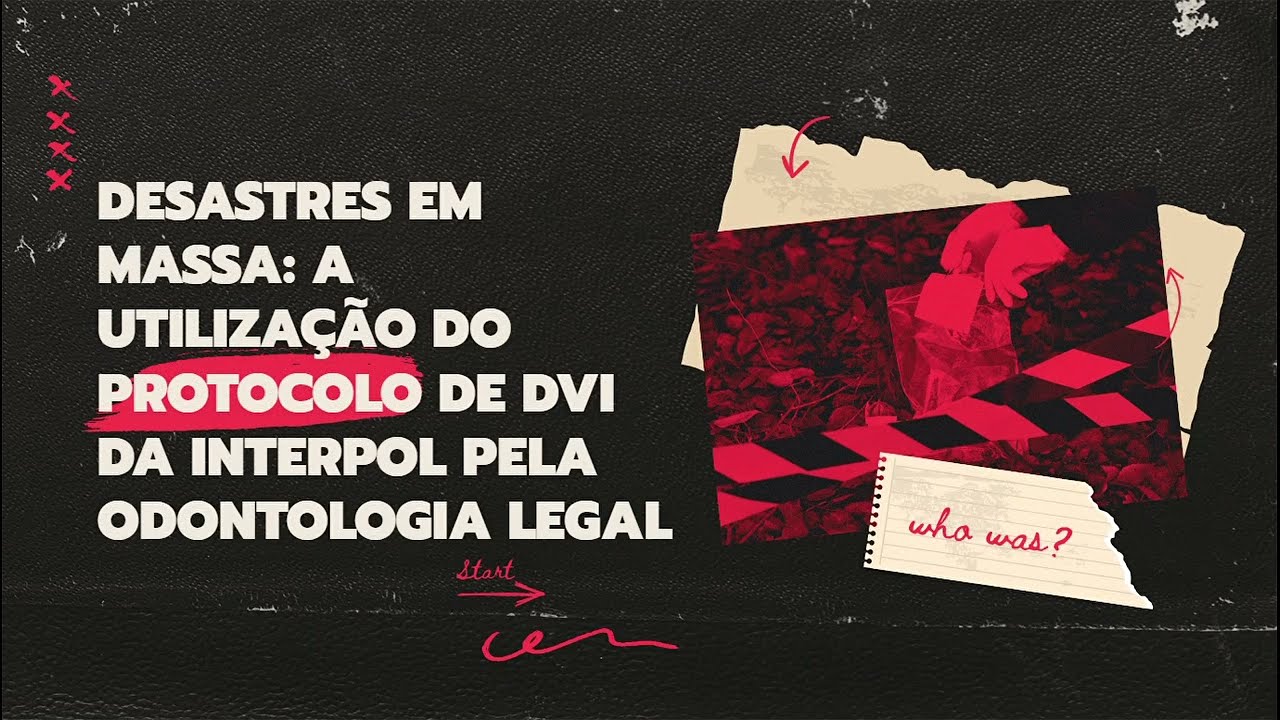
Disaster Victim Identification: 4-Step Process in Forensic Science
Added:first thing that people do is to rescue those that are still alive because at that point they are priority before they start looking out for people that are dead or and recovering their remains hi guys welcome back to my YouTube channel my name is fav godwill and on this channel we talk about everything forensic science if you're a new subscriber thank you very much for dropping by and if you are a returning subscriber my heart is with you thank you today we are going to be talking about disaster victim identification you might be familiar with the term or you probably haven't heard about disaster victim identification before so first of all what is a disaster if you didn't watch our last video I would say pause this video at this point go back and watch that video because that is going to set the foundation for this video now let's go into disaster victim identification properly so what is disaster victim identification disaster victim identification is the method of process of identifying victims of a mass casualty incident either natural or mamade this process brings together information from antim morm and postm to make a positive identification by scientific means in a dignified manner that takes into consideration the needs of the investigation process the needs of the bered and the needs of the community the first process in disaster victim identification is sin examination the recovery of human remains cannot begin until every Survivor has been rescued so this is why you see that when there there's there's maybe an earthquake or there's a plane crash the first thing that people do is to rescue those that are still alive because at that point they are priority before they start looking out for people that are dead and recovering their remains so this is usually ensured by the emergency Rescue Services before the arrival of the recovery team now after survivors has been um res exed the next thing is that the disaster scene is appropriately mapped out now in forensic search we have different methods of um mapping out the scene we have grid we have spiral we have zones so these are um ways that you can map out a disaster scene or to carry out a forensic search so the disaster scene is appropriately mapped out and then this helps you to understand the extent and complexity of the scene it also serves as a guide on how to recover remains and additional professionals that may be required to attend the scene so additional professionals such as Anthropologist total DNA experts or odontologist which is Dental um experts so after human remains have been recovered they use a victim recovery booklet to identify human remains and the location where they were recovered are being recorded So the human remains are given a unique reference number they then placed into a body bag and the body bag is also giving the same unique reference number as a human means so there's also what is called personal effect so personal effects such as bags such as Jew such as clothing they also recovered documents as well they are recovered and then the chain of custody for both the transfer and receipt of either human remains or personal effect are um maintained then the next thing is that you need to know that in this process um DNA samples are usually collected because their conditions may change rapidly and this is influenced by things such as temperature or weather now the second process in disaster victim identification is postmortem after the recovery of human remains Specialists then examine the bodies to identify as much biometric data as possible so biome metric data such as fingerprints DNA um dental records or distinctive medical records these are primary identifiers then we also have secondary identifiers such as distinctive clothings such as tattoos such as jewelry or documents these are secondary identifiers blood grouping also and then we have assistant um identifiers visual description photograph and then um clothing as well these are um assistants at identifiers so in the postmortem process the manner and cost of death is being established as well then we have the antimo process now the antimo process is interviewing usually the next of King family member to collect detailed data about the missing family member so you interviewed the next of keen family member to collect detailed data to collect information about the family member that is missing so let's say there's a plane crash and after the plane crash you know that your family member was on board that plane so you call in and then say Oh my family member was in this place and there are also different people calling from different places who are probably not sure if their loved one was on that plane so this is why the antim Moran process is important because you have to interview this person to be sure that the body that is being identified is the person that they say is missing so this interview is carried out by the family Lon officer and they have to collect as much information as possible in interpo countries they use the yellow DVI forms for antimoon process and then the pink DVI forms for postmortem process so in this case the antim morm process the family Lon officer uses the yellow DVI form to record every information that they have obtained from the next of King about the missing family member now this antimo process the interview is usually done face to face but then in certain circumstances it can be carried out over the phone maybe you um the person is not in close proximity to the area where the plane crash happened so it can be carried out over the phone the fourth process is reconciliation after antim morem and postmortem data have been collected they are compared reconciled against each other to establish an identity so the primary identifiers which I earlier mentioned that is fingerprint DNA dental records or distinctive medical records They are used as um they are used to establish a 100% match between antim morm and postmortem information the secondary and um assistant identifiers are also used to further establish an identification but primary ident identifers are very very significant is there a match in fingerprint is there a match in DNA is there a match in Dental record so this is what helps them know that Mr a is in body bag 112 now let's go over the four processes of disaster victim identification again number one is sin examination this is when the um disaster SC is mapped out and human remains are recovered number two is postmo process so this is where the um specialist examine the bodies to identify biometric data number three is antimo this is when they obtain information about the missing family member from the next of King and number four finally is reconciliation this is when the identification is established now that you know the processes involved in disaster victim identification let me know your question in the comment section let me know what you learned from this video in the comment section please don't forget to like don't forget to share don't forget to subscribe because when you do this you encourage us and you make YouTube to push our videos out the more thank you very much for watching see you guys next time bye [Music]
Up Next
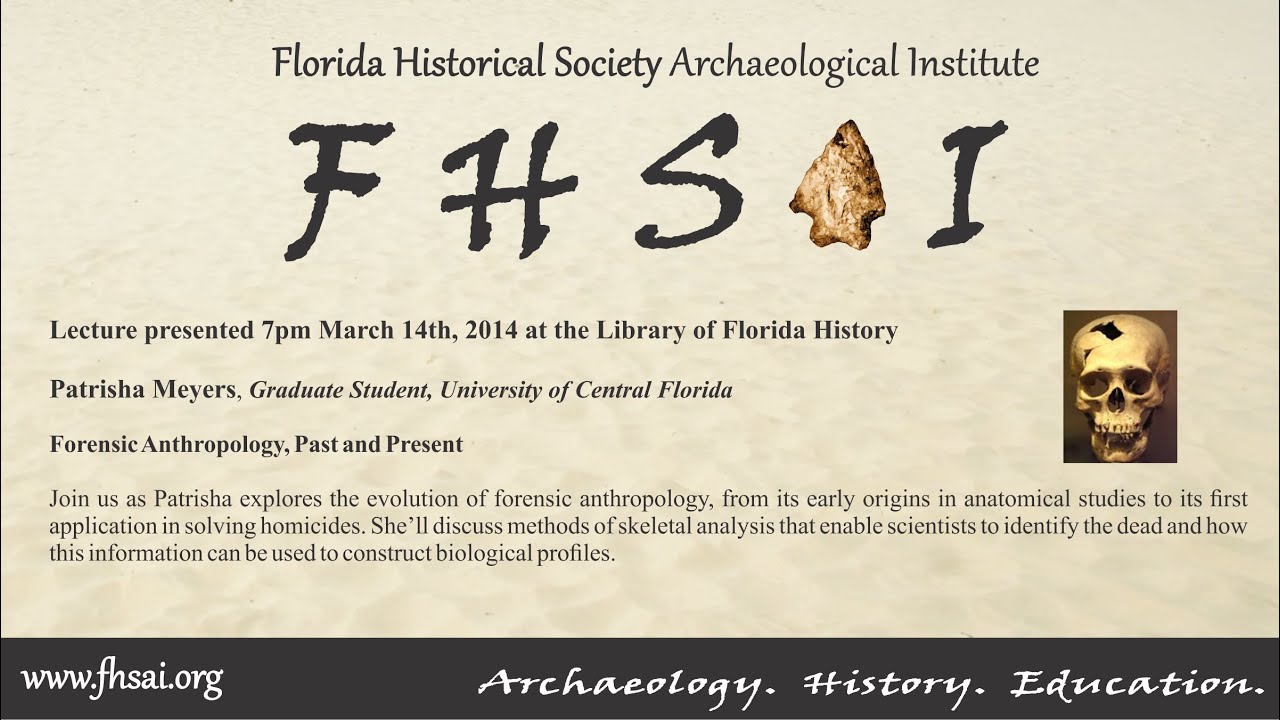
Forensic Anthropology Past & Present | Patrisha Meyers | FHSAI Lecture
@myfloridahistory
215 views•2014-03-17

Graphic Medicine: Comics for Collaborative Healthcare Communication
@nationalpatientadvocate
189 views•2023-12-04

Neuroanatomy: Central and Peripheral Nervous System Divisions Explained
@AKLECTURES
136.2K views•2014-09-20
Stages of Labor and Vaginal Birth | Childbirth Animation
@nucleusmedicalmedia
52.1M views•2017-08-18
Related Study Plans & Knowledge Roadmaps
Structured learning paths in Medicine