
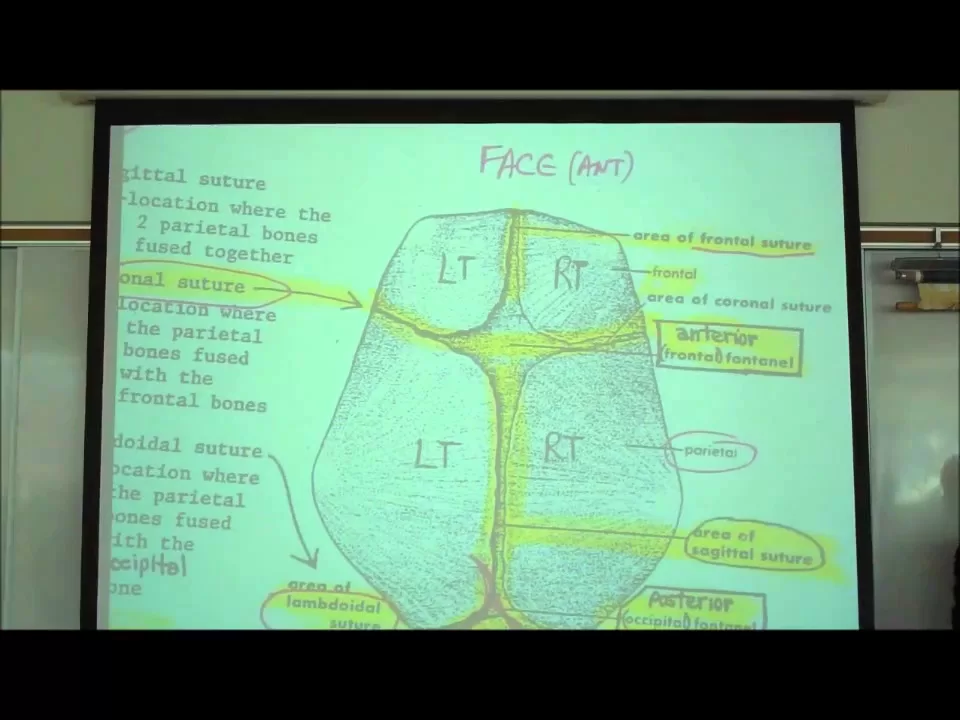



















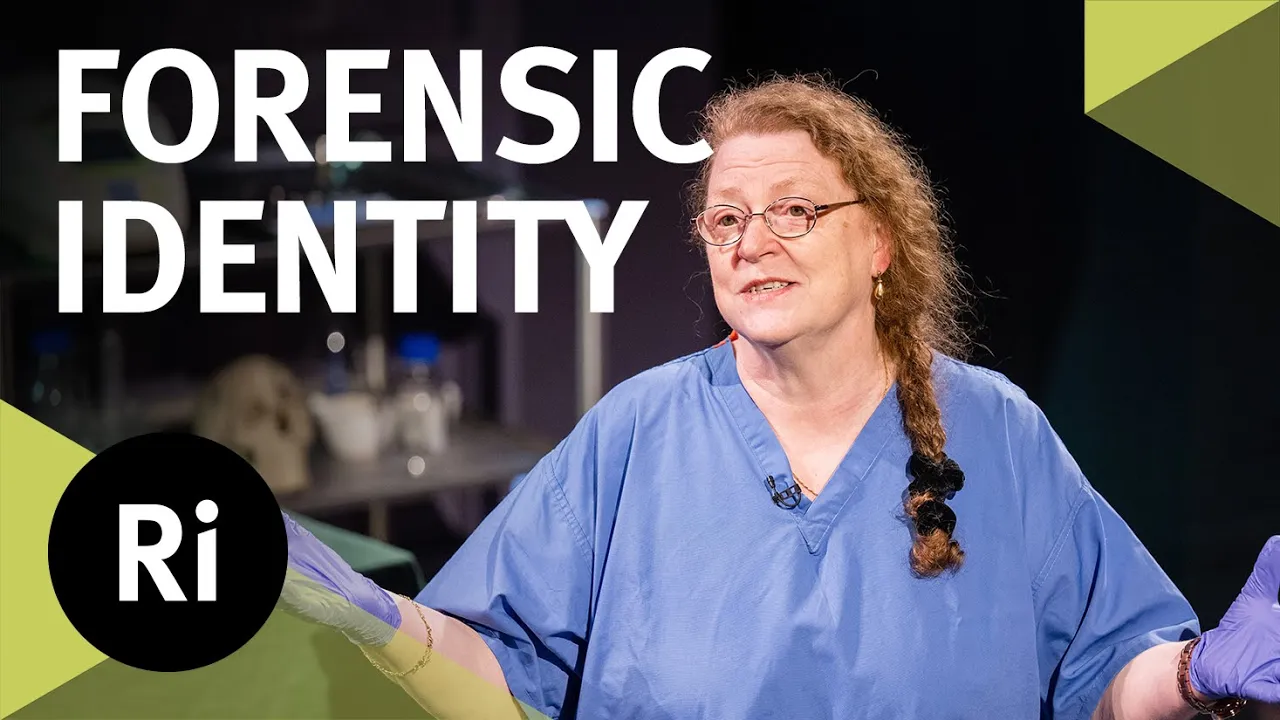
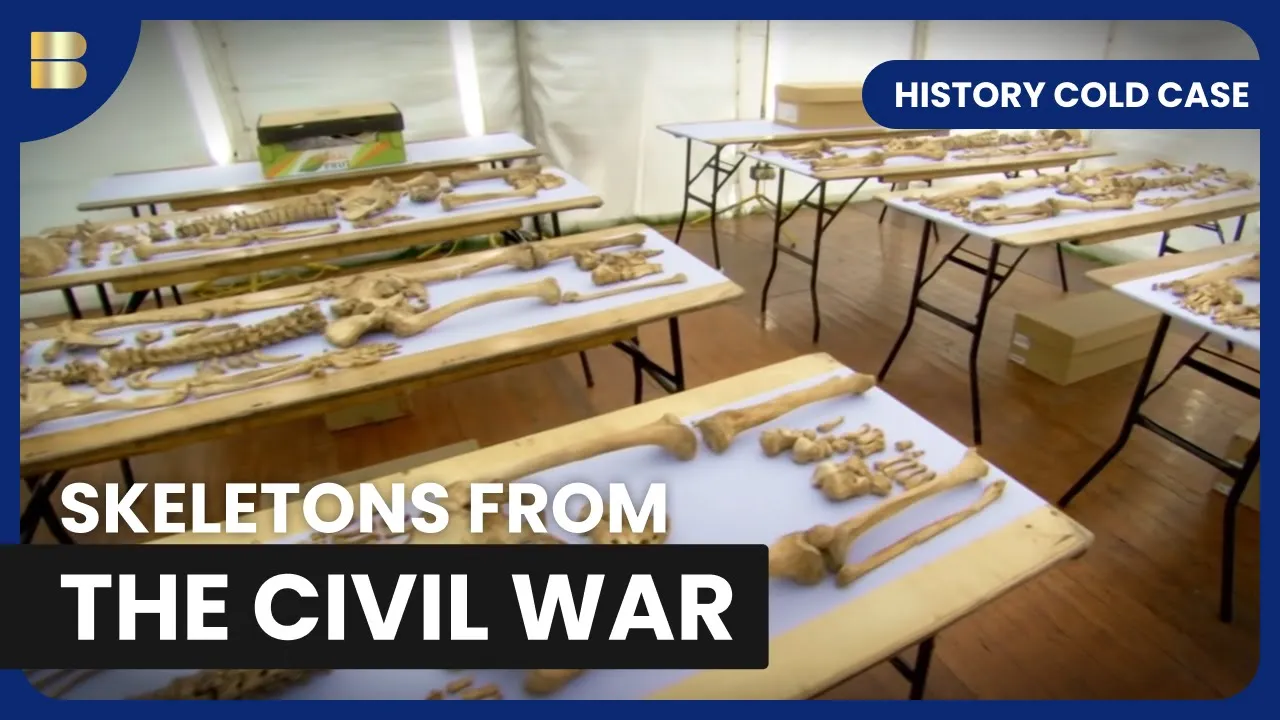
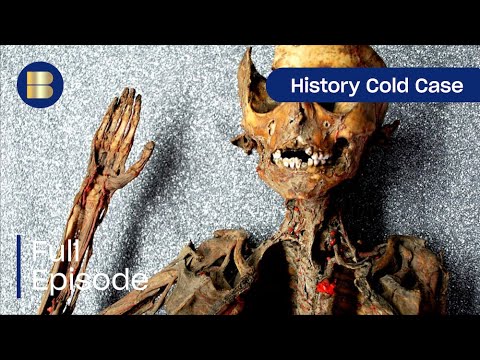
Forensic anthropology applies physical anthropology methods to analyze skeletal remains for legal identification, involving the construction of biological profiles (age, sex, ancestry, stature) through examination of skeletal features such as epiphyseal fusion, dentition, pelvic morphology, and muscle attachment sites, while distinguishing human remains from non-human specimens through visual, microscopic, and chemical analysis methods.
Forensic Anthropology Past & Present | Patrisha Meyers | FHSAI Lecture
Added:Basic human skeletal anatomy (osteology), including the names, structures, and functions of major bones.
The distinction between physical/biological anthropology and other subfields of anthropology.
Fundamental principles of forensic science and how scientific evidence is utilized within the legal system.
Concepts of human biological variation, including basic sexual dimorphism and age-related changes in the skeleton.
Advanced Forensic Taphonomy, exploring the environmental factors that affect decomposition and skeletal preservation.
Methods of trauma analysis, specifically identifying pre-mortem, peri-mortem, and post-mortem bone damage.
Humanitarian forensic science and Disaster Victim Identification (DVI) protocols for mass casualty events.
The integration of forensic DNA analysis with traditional skeletal profiling for positive identification.
Biogeochemical methods in anthropology, such as stable isotope analysis to determine past diet and geographic origin.
215 views3likes56:15Original Release: 2014-03-17
I'm bedroom Archelon executive director of the Florida Historical Society welcome to our statewide headquarters a a lot of people working here last week and you just raise your hands if you were here last week a lot a lot of you folks but I won't be the whole whole introduction that I did last time but I just do want to say for those folks that work here last time and this is a very exciting period for the Florida Historical Society baby Biasi who you all know is now our director of educational resources so just got a promotion we also for the first time in our 156 year history as an organization how the director of development Juliet Fletcher some of you know and she's here to see me as well hi and I definitely one of the most exciting things happening is the creation of our new Florida Historical Society archaeological Institute and the archaeology is nothing new to the Florida Historical Society in fact for more than a century we've been actively involved in archaeology and we only statewide organization evolved in archaeology as it was developing as a discipline in the late 80s Early 1900s the ways that we've contributed just go on and on the first published about archaeology we were the first to collect artifacts and we've been actively involved throughout the century with archaeology and this is the latest step and that's the deploy to distort the Society of archaeological Institute so thank you for being here this is just the second presentation we've done here Rachel's been going all over I'm talking to folks that archeology but I want to encourage you to become a member of the florida Historical Society well as well this evening we do so many things and the FHS AI is a new we do but we had reduced things all over the state to need your support we have educational outreach that includes our Florida historical society press republished non-fiction books of course also novels that are based in Florida history we managed to distort Lobster House Museum of Galilee we have our radio program we were just listening to Florida frontiers you were just listening to live out of Pensacola the stream did over the internet there's all over the state we have all kinds of great activities but it requires your support and you have a membership restore their on your chair you also have some information about HSA I we're encouraging you we don't you like archaeology if you want to contribute not a larger level two support archaeology particular we'd love to have you do that as well if you become a member of the florida social society in support of FHS AI or all of our activities and you'll get a tote bag like this and our you tote bag guys are having just logo but it also has the new FHS AI logo as well on the back support of archaeology as usual you will get our newsletter the society report and our quarterly florida historical quarterly which was the first to publish archaeology as well as a special incentive to become a member because you're here for our nothing to say life i lecture just for archaeology month this month just for the folks that come here to our library we will also include Rachel whence do edited book called searching sand and surf the origins of archaeology in Florida and as I mentioned the Florida historical quarterly has been publishing about archaeology for over a century she has collected the best of these articles and foot new book called searching standard serfs and it is going to the it's at the printer and it's in process but we will have it for her talk at the end of the month so we'll give you that book as well so please do become a member of Florida's Oracle society is very important and we're really happy to have somebody in the give this evening I know some of the Bailey's students are here and you need to sign in on a sheet at the at the front is so please make sure you do that if you want to leave it with students and thank you very much for being here and here is the director of the new Florida Historical Society please help yourself to some also want to thank you all because we detonated a call for donations last week and go really came through and that enables us to continue our lecture series and to bring people from out of town thank you very much you have a little bucket on the back tables of guess jeans also their way you also don't have a schedule or the rest of our month please check on us are also on the back to home next week we let dr. Brent Wiseman which is going to be a really interesting talk to dissipate of an angle of archaeology anthropology would not prevail with its starboard archeologia for this recent past but it really talks about kind of the industrialization of Florida and now we see that include a great trip talk and so please come out next friday night and set the clock same place same time and then of course on the twenty-eighth so please come out for that presentation on the book and history biology or geology in florida so it will have here for sale and that is pointing to an evaluation this helps us to get branch we put in is you just take a second fill it out I forgot to mention that I just actually public quick questions but it is a big help to us that's you know us and she got her an apology so had the opportunity to work pieces with him there while I was in Erie Pennsylvania which was quite cold and I was there last winter which was not as bad as this winter thank goodness i had the opportunity to work with dr. dennis dirt archaeologists with one of the okay can you guys bring back okay so tonight I'm going to talk to you about from the anthology Patrick present and I'll controller to is a was a student of friends go as I'm sure many of you have heard through the father of anthropology so I'll over said anthropology is the humanistic of the scientist and most scientific community and by the time I done speaking tonight I hope you understand why I think this quote really sums up our pathology in general and well we contribute to science and so on that note I'd like to talk a little bit about what Ken ecology is before we get into frenzy and mythology for some of you this is old hat but for others the idea of how archeology fits in now what I new forensic technology fits in is a little bit confused all under this big of our love and Kampala games before archaeologists look at material culture both as humans we leave behind Copeland colleges look at cultural behavior how culture affects our behavior how our behavior affects culture and realistic look at languages and this is a really small sub table and it's a really important one right now there are about 7,000 languages that are spoken around the world and according to National Geographic estimates one language guys every 14 days and by the year 2100 of these 7,000 languages and will be gone so Louise linguistics work in many ways but one of the things they do is they go out is language languages they document them between the last speaker language classical and then this plant ecology and that's why we look at human remains there are two minutes apology by all the archeology so I hope y'all just look at human remains at a population they want to know when they analyzed all these skeletons what was the population doing what we eating kind of diseases were there dealing with was their interpersonal conflict omega t see forensic anthropologists look at skeletal remains at the individual level but we want to know is who was this person what happened to come before them what happened to them around the time of death and what happened to them after death but before they were discovered so overall anthropology is the study of community all the things that make us human across geographic regions improve time so forensic anthropology itself because as you see we came through that field of all forensic anthropologists are physically we take the methods that were originally developed in physical anthropology and we apply them an additional methods to the study of one individual and what we can be skeleton about this particular individual and how that fits into our medical system so we're looking at it from a legal standpoint I cover a little bit of history for friends again apology in America which is really interesting and even though I just told you all friends physical anthropologist that's not where we started forensic anthropology has its roots in anatomy and anatomist in the early 1800s to about 1938 Thomas white over here is considered the father of American he was an anatomist from Harvard and he wrote the identification of the human skeleton a medical legal studies first one who wrote and talked about human identification from the medical from the skeletal remains during his time in this early period 1802 1938 there were two sensational crimes you know we had a jason said they had park and murder a new leader case we're going to talk a little bit about apartment murder that because rachel's put me on a time constraint i can give you both cases but if you like what you hear about this very generous I'd encourage you to look up the luger case there's a book called alchemy and bones that really covers what happened here and the little synopsis is there was a sausage maker in Chicago at the turn of the century he didn't like twice so I doubt holidays so what happens we moved from the early age 38 with anatomist starting to understand how useful studying between skeleton key an illegal way into this period from nineteen thirty nine to nineteen seventy one where physical anthropologists start seeing what we know a lot about human skeleton how can we take this and how can we help in legal in a legal system that will tameria profen is a very instrumental he wrote to bulletins for the FBI explaining to them how looking at the skeleton could help them in what they're doing and then TVL stewart was the curator of physical of physical anthropology at the smithsonian the smithsonian FBI that time were pretty close together they would bring or a box of mobilizing what can you do with this what can you tell us that's my period was really critical with bringing it out of the Navy and into physical anthropology in a mnemonic of 1972 to present during this time it's really me group from just being physical anthropologists into being forensic anthropologist having our own subfield and be very specific in how our study helped out in the legal system jpac is the joint powa and it's centered in Hawaii and later they have regions around the world but they are one of the most interesting organizations to come out this during this time period because what they do is they trying to bring all of the servicemen and women important conference home and this really grew out of the Second World War because people were dying so fast that they couldn't always be very to run home and they started that and to say well we're going to we're going to find a way to bring everyone home and that's where Jake at has their roots during this time period physical anthropology also joined the American Academy of Forensic Sciences so we now have our own section that contributes to the whole study of printed sciences and additionally we developed or a board was established American Board of forensic anthropology to certify people to say you do know what you know and you can contribute and you can give expert testimony others besides board certified are also capable of giving expert testimony but the board is a level of professionalism and currently there's still less than 100 board-certified forensic pathologist in the country so you can see we're very very young field to go back to the parking burger these two tones dr. Parkman and dr. Webster were members of the society of Austin dr. Parkman had been a anatomist at Harvard Medical School dr. Webster Todd geology at Harbor and growth fairly low the difference between them is dr. Parkman was grateful he retired from the Tata teaching and when angel real estate into lending money through western very lavish lifestyle so he was frequently in debt and often index dr. Kirk he offered his collection his mineral collection as collateral against alone of about twenty one hundred dollars which at this time was a substantial amount of money dr. Hartman heard through the grapevine dr. Webster was not trying to sell the same mineral question to someone else which of course would have left him with an unsecured loan so he went over to dr. Webster's office his laboratory to discuss this while he was there this gentleman from Littlefield who was the janitor was in the laboratory when dr. Parkman king and he knew he came in November to my third grade for Thanksgiving 18-49 he went out of the room to leave the gym n to talk but he over heard loud voices you can tell there was some sort of a conflict and so he went home after this point no one heard dr. parking again so Thanksgiving rolls around dr. Webster comes over to the janitors house needs of attorney which was at a character and raised suspicions so doc so Littlefield went over to Webster's laboratory while he was out broke into it and actually broke through a vault covering oven that he had a wife stating art and thousands of the body what they found you can see right here all the dark areas are what they found all the world is the cram is only a little bit that's left because he tried to burn out in his furnace animal how very fragmented art theory covered work so they brought in dr. Jeffrey wine and dr. Oliver Wendell Holmes to analyze these remains and took a look at what was left they found some dentures that had been made and went back to the dentist to make the dentures and we're able to attempt to the mold came up with a profile from these remains of a five foot ten and a half inch white male between the ages of 50 and 60 which of course was a consistent what we would call biological profile of dr. Parkman so he flexed her went to trial and all the way to homes one of the anatomist to me all his remains had no because these are all members of this you know our society of Boston hitomi western he said he's a good guy pleasant in the lecture room a little excitable but no one would have expected this he was charged with murder and I think the sequence here is really interesting when we think about our legal system today he was charged with murder 26 the trial began on March 19 and the verdict was reached I've going to incur our deliberation on large 30th so very swiftly was brought to justice it was in all of the papers and this is kind of what brought to the forefront and people's minds that the skills remains can speak for the deceased in a child I made for Questers lawyers said well we really like a writ of error which was denied so then Webster said well yeah did you but it was self-defense and that's it work either so he was taken to Boston flerbert Street jail and he was publicly shamed within a year of committing the murder so swift justice at the time and one of the things that really struck me about the case ello doesn't specifically speak to forensic anthropology I think it speaks to humanity is founder Parkman's widow so this man has been violently murdered by Webster set up a 5-4 Westers widow and children so it's nice to see even with this kind of Chris told us our community so that's our history that that was the first big case that brought it to people's attention this is where we are today how depressing anthropologists become involved in a forensic investigation he comes out so many ways someone double drum set of human remains what they call law enforcement they call a medical agency there's two types of medical agencies that typically involve right at colleges here on Florida we look under a medical examiner system an Emmy is a forensic pathologist they are a medical doctor first they go to medical school and removing operator do a residency they work with living patients and then like some people specialize in you know neurology cardiology they specialize in forensic pathology so that when someone passes away they can look at the body and determine causing in our deck so you can cause of death can be what caused you to die a heart attack your manner of death can be what brought that heart attack on so there are different things that go into deciding if something becomes part of our legal system or if it's just someone's you know time to go and it just happened so any of these agencies can contact a friends and anthropologist the corner agency is a little bit different there are elected officials there are many states the country that still use corner systems when I was in Pennsylvania in cases we worked King proof honors offices it's very different do not need a medical background you do not need a formalistic background you can own a restaurant you can tell the gas station as long as you're elected to the position but with that said all the corners that we worked that we worked with up there really want to do the right thing so what they do is they call someone in they call it a forensic anthropologist and they say you know what does this look like if its skeleton I swear if it's partially skeletonized or if it's a fully fledged body they look at any station this go to know me so even though they don't have an Emmy the first and foremost it can still go to one once once we were contacted by you can see to come in and take a look at the remains the first thing we have to decide is it forensically significant and what that means is should it go through our legal system or is it just someone passed away you look at these two pictures and looks out the woods it's not usually what you would expect but does it necessarily and something that she legal system could a homeless person who wandered off and just passed away this one see the literature early ham that really does look suspicious most people don't tie up their own hands and walk into the woods and die but as you look at it look a little closer these bones right here short they are related to these bones in the human body there's more proportion between your upper and lower limbs so this is actually not human this is a sea lion now it may really still want in the legal system because only Native Americans are 11 sea lions but it's not something or friends we have the apologists forget involuntary so what we do is we go through a process of elimination and we look at whatever remains have either been brought to us that we've got out too ill to see and we decide first is it both there's enough oh well if its own is a human or is it not well if it's human is practically significant it could it be one of these categories none of which are forensically significant could it be archaeological cemetery it may be be a trophy skull or could it be a discarded teaching specimen so we're going to go through each one of these and kind of look at what those things look like bone versus non go there are a lot of things that look like Oh as as the budget you know it's left out to the elements it's wet as dry it's hot it's cold you get cracking and crazy and elimination so a lot of things you look like that this piece right here it looks like that's cracked from weathering but what it actually is a piece of pottery this piece right here is a human long bone that's cap signed and that's why it's so white has been burnt to the point that it's just totally selfless several other things can look like though coconut can look a lot like rainbow veligit it out of coconut shell and it's often on the students practical and osteology class so that they can tell apart Bert wire or plastic look like her boat and this report notes one of the things it is artist totality that everything burns looks very similar and acclaim quiet about this always interesting in archaeological context really looks a lot like a human fibula friday so then we have to figure it out what is is a bone and there are different ways to go about it look at microscopic madness is what we can see with our eyes texture the anatomy third and their anatomical landmarks on all of our bones from our muscle attachments and their things that are very specific you can look at it you can say yes that's oh you know I I can see that's part of adultery tuberosity I know what that is there are others in taste this is for my approach my archeological frame it's not really taste what they tell me is you take a piece of bone and you put it on your tongue in sticks but let they or pottery or stone won't do that but I believe that members microscopic residence which you can see under the microscope vote has specific compact service and as graininess can't always tell that way either so now what we're really looking at is chemical analysis going as a very specific calcium phosphorus ratio there's a growing in my cohort who is doing her thesis on justice being able to differentiate chemically if something is going on next thing we need to find out is like I showed you the sea lion is it human or is it not human between 25 and 35 and twenty-five to thirty percent of all suspected fronts the cases aren't even human so turtle shell really looks like radium again another thing that we see on our archaeology practical exams for the weekend fell apart this is one my favorites an alligator fever looks a lot like a human cloud especially when things are friendly when folks are whole it's a different story what we generally find it things that have fit whether they need privacy eat up this right here is an alligator femur this right here is you o'clock so those are the things that to differentiate and long bone fragments are really one of the hardest it's a pencil what part of the bone you have if there are any of an atomic elaine wants to see but this is a piece of deer long bone and this is a piece of your human humorous and I Gretchen deltoid tuberosity earlier just a little boat there is what that is two pieces of the muscle attachment for your deltoid so anywhere that we have muscles you're going to see a result on his own because it pulls and it builds bone up once you get past that we have to send in a mattress topic methods microscopy methods we're moving on again into more technical technologically advanced methods particularly DNA that's something that we use a lot more these days but you do have to be able to get a good DNA sample so going back to those four categories I should you on the bottom how do we know come across the set of remains is it present and then a murder or is it something that maybe you really a from the cemetery or archaeological context for secretary and archaeological or means there are a lot of things that are that we can look at say yeah that's probably what this is the bones himself our kids are older and they've been exposed more are lighter and wastewater limit remains our erosion and flaking like they showed you how we could have the cracking from the fire also from periods where the ground is saturated eventually caskets deteriorate and water to get into the bones prepare is wet and dry it was flaking of the bone and of course if things have included deteriorated period clothing and jewelry another thing that's very interesting that we can see all of these are the Romans of Mommy and since the Civil War economy has become much more popular that was the time they started it was developed before that that's the time period where people wanted to look what's home so bobby was used much more often so this is about former this is an ihub to trocar plug to all of these are things that say OSS body's going to pop so it's probably not friendly this was interesting to me if I have these are old embalming fluid bottles and in the past funeral directors just tucked right into the casket body disposed to a mat so they're not uncommon to find in archaeological cemetery contest you can also find if it's in a container obviously is than very intentionally but one of the container is more away you can still have a hardware that suks around a lot longer and then there are still effects on the bones themselves when a goat Elaine in a casket for a really long time to body has your we're patterns along the bottom if the casket is class called in front of that you can get the same patterns on from the bong there are a lot of things scanning the bones if they come in contact with soil to Consuela stained differently but most of them have ten Enzo which get into the bone and give it that kind of brown or darker archaeological located magazine and some pictures period clothing jewelry Native American were meetings are unique character category to themselves 1990 Negron the Native American graves protection and repatriation Act what is federally enacted that says dating to be left alone and protected each state has their own statutes that also protect them so if someone comes across a across remains that are likely Native American a forensic anthropologist local contract estate archaeologist and they may work in tandem to decide what to do about those but it's their call as ours generally they place but to determine it for Native American notice the speed of characteristics we can look at again here they're very old sir a little different there's not going to be a container they may be flexed and my flex four straight areas again you're going to have staining particularly from the body being a contract soil they're often in context with mountains or shell middens and the interesting thing about that is the shells have a lot of calcium carbonate and as it rains it leaches out of the shelf and gets on the body check national act as a preservative so that remains in this context may be in better shape than ones which are directly in the soil because our soils your attention road bodies very quickly cranial modifications Native Americans had cultural practices swaddling babies instead of ward it's called Pagal portal cradle morning and you can see that in clanton place on the skull even as an adult and most a of Americans are going to have a what we call suite of Asian characteristics because we do believe that the Americans were populated coming through Asia and will you see that but they are a little bit different they seem to have more robust muscle attachments may be based on the food mastication so we can see that and we exceed extreme dental where again based on the food security the artifacts that you might find in American burial with hungry Olympics or what phone so again you look at both the body and the context that you find the body in trophy skulls are a different category that I don't know how many people are aware of this practice but if you think that it kind of makes sense new back to antiquity you heard of people taking soon your body parts shrunken head even in her own Civil War the south is known to take body parts from the north and save them sure the North was people had the same practice but what's the publishes more things than that was out about the south during the Second World War and in all witches or are the types of trophies goals that friends can colleges most often comes in contact with there has been some research done to see chest that 200 Second World War these we don't see this as much with European skulls European Europeans were more like us but asians were different in our propaganda we value to look at the war propaganda we villainize them differently we villainize everybody it's just part of war but asians are more considered rats and it was a culture it is suggested that let servicemen to feel especially after the atrocities they face their that this was an acceptable practice the War Department never ever accepted it or promoted it but it doesn't happen and you'll often find things like this but here where you see there's graffiti on the skull their candy canes they're going to be waxed because this has been something that's been brought back some of these families are very fond of this because it's part of their familiar culture so we do find that that happens occasionally it turns up and we have to say no it's not currently significant it's important but it's not in this behavior has to be considered in the context of the Tigers and what they are going through at teaching specimens is the last category is on privately significant things that people come across and there was a university in north dakota that was recently and some constructions we roads and they hit some human remains after they were analyzing what they found is it was an anatomical specimens to less / tissue they can see what it does have been injected for the medical students to see and understand where the things in the arteries went and at that time it was there they just very write their own property so we have to be able to tell the difference between a clintus ninth grade and something like that we're teaching specimen has just been discarded teaching questions are interesting right now because in 1985 any who was the main supplier that we certainly created our own specimens here in the United States they created them in Europe but India was supposed by promise 200 years of anatomical audiological teaching specimens articulated by the skeleton to see in classroom in 1985 should've about 1500 juvenal specimens which she was out of India and there was an outcry because there was concern about how they were coming across the body if little street urchins were maybe being picked up in work for their skeleton so that really wouldn't be on on everything coming out of India but it leaves us with a dilemma right now as friends and gynecologist and and what any type of an osteon magis because when you look at a model it doesn't have the nuances that you involved us and it's really important to be able to learn and study from human bones so right now actually I've heard of body farm in Tennessee what they're what they have in the donor systems and they do their taphonomic studies the decomposing that you've heard about all of that what they do and then they curate the skeleton so there are skeletons for students to go and learn from from people who donated and it's important to get the message out there that just as you can do it your body as a cadaver you can also donate your skeleton and it is such an important resource so the things we look for to see is there a teaching specimen see all this hardware all the holes are drilled and this is a juvenile skull from India you can see how detailed the dissection Qatar and how much a student can learn for what they can see here this is a Juniper media this is an adult media this is an african-american from France so they came from all over and they were often underprivileged you know or disenfranchised a lot of times before to do there's a lot of controversy because on about how we came about our teaching specimens in the past and how we should go about it socially conscious planning a future so what do we do when it is forensic if your loved one for missing how would you describe or her we just say how tall they were live where girl where did they come from a background with a hispanic with a white where the african-american these are all the things that we receive a set of remains to analyze you have to build this biological profile and as you can see there's so much diversity that this is it's a task that takes a lot of time to learn and there's so much team variation just between all of us that might have a similar background our bones are all just a little bit different so that's one of the things that forensic anthropology students learn is is a human variation or is it something truly different for age we look at several different things and you're all these are developing or deteriorating those are the only two and unfortunately once you hit about 25 salty curation but before that humans are born with about 300 to 400 votes and we have a lot of those when we're born because they're not all these together all of us here have about 206 bones but before we use together this one right here is where you achieve growth and this is the epiphyseal and so we look at that and we look at different places alive and we see if that's fused and that helps us know that juvenile was in an adult you look at the dentition we look at how the roots are formed are they fully formed by the partially formed with what age does this happen a dead Titian is really one of the best ways because it's more predictable than other things are and then we look at the teary eration the sternal rib ends this is an old guy you get all of this kind of craziness as you get older you get that all your bonus you get are flipping a lot of things so we look at that we look at developmental changes or degenerative changes then we look at stax we live our are you male or female there's too many areas we use to determine sex the cranium and the pelvis you can see generally females or more raffle sales former loss and what we mean by that is smoother at all sir this right here is called mastoid process it's smaller than woman you know why it is here in the man the nuchal crest right here since I was a little hook right there she's always and smooth the angle of the job is different so we look at when Caroline is much more pronounced pronounced a man and that goes back to the robust icity of the muscle men have much more robust muscles anywhere you have muscle pulling on them you get a bow reaction that builds that boat up to handle the muscle the pelvis is very different for obvious reasons women's cubbies are wider claremore because we ok so there they have a lot of diagnostic features as well stafford and this is where i was talking about dr. outlet at mercyhurst developed a statistical program he has a statistical genius but just beyond beyond evi stolen going babe assess but his program helps someone like me because i use program i can take measurements of long words put them in the program and then it's based on logistical regressions to determine from these long bones how tall is pursued by an inner life so now to give you a case a quick case study i spent summer before last lithuania and had a wonderful time here looking at archaeological remains but using these same processes to build a biological profile of a single individual i love to remains from alina beautiful area villania it was a hill fort built here about 1365 it was establised west convey Nana's river because this is a major trade routes same reason we built a settlement here in the United States and Native Americans built pelvis trade routes always been important by 1370 there was a village growing around the council is there in the earliest cemetery out of artifacts that they excavated for over 14 10 centuries this is just an aerial view to kind of give you an idea of the geography and this is the cemetery there when they excavated her 1452 grades grade we looked at was right so they documented to you know which individual came from where and local population so we look at the cemetery demographics this is a little bit of the bio archeology we looked at 1307 three individuals 1152 attack rates may disturb praise and the democrats of the people buried it was really interesting because it was pretty much split between males and females and a little higher number of juveniles which is kind of an expectant ratio given the high infant mortality the individual we looked at we had to determine this violation profile we talked about so for sex I looked at her cranium told you start elected the cranium it she was rounded kind of v-shaped mandible she had a narrow the size of it as they come off I showed you mastery processes hers were small they didn't project out there okay so right here right here this is our data madhukar cheekbones you know we would like these high cheekbones for women it stops right about here if you touch your ear the opening called external on 28 it stops right about there but for a guy comes back behind it so when I went to this girl from the letus her stop post cranial features we talk about the differences in the pelvis how women's are more clear to all of these are features that Tony she had this more wider flaring comment look at the age so the things we look at the cubic pencil cases in the front of your the pelvic curl where it comes together so thanks and that changes a lot in a kind of predictable way from the time you be on until the time year old so we take this and we analyze what these ridges and billows look likely give a score and then we looked at the clavicle this is the last thing to use it uses around the age of 25 so hers was already fused so we are assuming late 20s mental you know or mid 20 and looked at other parts of her pelvis to come up with an age range we weren't able to consider ancestry these a lot of ancestry has to do with the morphology of the face and I didn't help complete raining so sometimes you know today don't have enough to fill in a category and then using for text came up with a cheeseburger I'm having to cut of all of these holes also saw here and she had see how short the second clavicle is it was a fracture that you feel that's all stuff we will get you it's not part of the biological program it is part of a forensic analysis so looking at the cranial elements on the front of her mandible if you have all of this with it and call lytic reaction it's from infection in a bone here you kind of see these little Boltzmann gents who was so interesting thing about this case is we were given in the post cranial everything below the cranium we were doing first so we started seeing a lot of we started seeing called osteomyelitis all of this beetle a bone with subcortical tickets tickets is outside part of your bone but that in itself isn't enough to tell me exactly what's going on with this person diagnostic part these goons come from syphilis so once we receive the cranium we are able to get more information so that also tells you when you only have a partial skeleton you can't always have all the answers but you get as many as you can from what you have to work so what do we know about what would our forensic analysis in this case be well it was only one individual I knew this because there was no duplicate almonds and most of the elements were there oh she was female couldn't come up with an ancestry based on what we put importance she was short she was about five foot one where she could have been anywhere from four foot nine 5 foot 3 and agent death notes give it a little bit wider in range even though I told you the clavicle generally uses around 25 human variation some people over some people delay it later so we say she's between 320 and 40 years Eduardo in what conditions did she have it before she died well she had all this mythic reaction she had bad dental health she had that healed fracture so we know a little bit about her life from that perimortem trauma means what happened after around the time of death there's nothing to indicate what caused her death nothing to say what happened at around the time of town and a 20k secure gunshot wound to the head then you've got something parent or no cuz we're out of patience they take it cuts out of her out of her ball gowns in order to do DNA sampling because they were getting a DNA profile of this population and taphonomy means not happening after death what changes happened to this to this skeleton or to these bows you come up with she was dark and strong so I'm standing there was deprivation to the skull that's one of things we have to look at it and decide is is this because somebody here is it blunt force trauma but in this case because of the age of it the way the soil is compacted on it you get this called plastic deformation where the bow just bends and gives hasn't broken but the weight of soil is caught up this deprivation there's some root damage and who where information you would expect so I'm watching the pocket I knew I have to get through this a little bit quicker so sorry it so excited about the stuff I enjoy Oh which is maybe not the best way to introduce human rights but this is an area really interested in I have a friend who's very involved in this in Africa and I just think that you would do this work are amazing hi snow is really the forerunner of dealing with the aftermath of human rights violations in excavating masquerade and he wouldn't have Argentina not not to come in and say we know how to do this but to go there and to teach young on Tinian private practices and they not have an amazing of Argentinian forensic anthropology group it goes so during the dirty war from 7683 20,000 argentineans were disappeared men women children and what they're trying to do is excavate all I and internet people today when you first went there he said the students were easy they have to be able to morning and after that he was able to work with them they built a level in trust and then they went from just Argentinean Argentina to Guatemala which also had a lot of atrocities and it worked in the same way they went out there were two pendulums they have their own task force now and they're working this was the initiative ways not access because they mark all these grades Jax and the idea is to identify these individuals and return them to their families give them back their name in their place this is dr. snow with Freddy Petrelli this man despite that these people are so amazing and also my friend they get death threats all the time as she still does and it's a very very dangerous might work but it's an amazing thing that they do the challenges that are unique to human rights are that you have the family is very involved and you got this safety concern here when we work on their pricing anthropology face if we go out and we do is we cover ourselves we're all our daughter crime scene tape everybody stays away from us and we do our work there because sometimes the only way to ID people is to know they were wearing or something specific about them the families become very invested in involved so when I graduate what am I going to do well what a lot of people do when I thought at one time I would do his work for jmac I told you a little bit about them earlier I think they have one of the most amazing programs they are the largest employer of civilian forensic anthropologists in the world they have about 30 months staff there's still more than 83 183 thousand unaccounted for Americans from has conflicts important course these are different places that has set up operations house this is Irving what in white so they combine forces in 2032 by inviting the their older group with the central identification laboratory where all of these remains are taken at all these forensic anthropologists work on so this is one thing that many friends can pathologists do maybe our road for me as well have to school to finish up but other friends pathologists like dr. Schultz teaching a university and salt for local medical examiner's office I think that maybe a word that I'll take but I guys know you might talk about there's one person you can be for me if I could meet hi snow and I love this quote by no witnesses they speak softly but they never forget and they never watch that movie about President apology I'd like to thank the ihsa I it was dear you the radiance yes we worked on several cases recently and they were all DNA and we actually kind of match show car clubs when you involve my body you take let out put fluid in and this just to do it you
Up Next

32:05
Lentiviral Gene Therapy: Retrovirus Vectors Explained
@shomusbiologyofficial
56.3K views•2013-12-09

48:47
Graphic Medicine: Comics for Collaborative Healthcare Communication
@nationalpatientadvocate
189 views•2023-12-04

10:28
Neuroanatomy: Central and Peripheral Nervous System Divisions Explained
@AKLECTURES
136.2K views•2014-09-20
3:05
Stages of Labor and Vaginal Birth | Childbirth Animation
@nucleusmedicalmedia
52.1M views•2017-08-18
Related Study Plans & Knowledge Roadmaps
Structured learning paths in Medicine
medicine
Abnormal LFTs: Diagnostic Workup & Pathology
01Liver Anatomy and Basic Physiology
02Introduction to Liver Function Tests (LFTs)
03Hepatocellular vs. Cholestatic Patterns
+ 3 more learning modules
12h6 modules
Explore Roadmap
medicine
Analyzing Blood Smears: RBC, WBC & Platelets
01Introduction to Blood Components & Smear Preparation
02Normal Morphology of Blood Cells
03Erythrocyte Pathologies & Morphological Variants
+ 2 more learning modules
12h5 modules
Explore Roadmap
medicine
Mechanical Ventilation: Waveforms & Alarms
01Anatomy and Physiology of Breathing
02Introduction to Mechanical Ventilation & Core Modes
03Ventilator Settings and Waveform Interpretation
+ 2 more learning modules
12h5 modules
Explore Roadmap
medicine
Neuro Exam: Localization & Stroke Syndromes
01Foundations of Neuroanatomy and Vascular Supply
02The Neurological Examination: Step-by-Step
03Principles of Neurological Localization
+ 3 more learning modules
18h6 modules
Explore Roadmap