![BIOLOGÍA - Repaso 2020 ll [CICLO FREE] 📢 Full preguntas DECO San Marcos 🧐](https://i.ytimg.com/vi/nxJ3lEYrN8E/maxresdefault.jpg)









![Anatomie Pathologique - Maladie cancereuses [FMPC]](https://i.ytimg.com/vi/X7xQDXv1KlQ/maxresdefault.jpg)





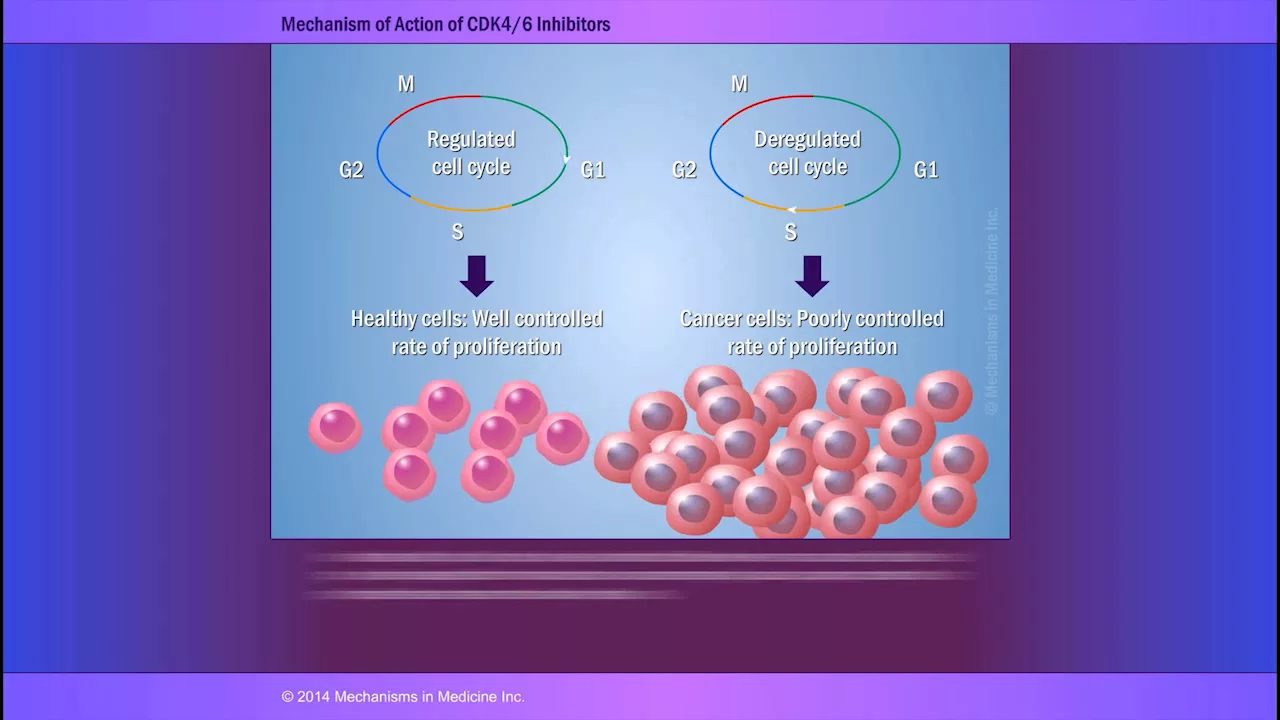


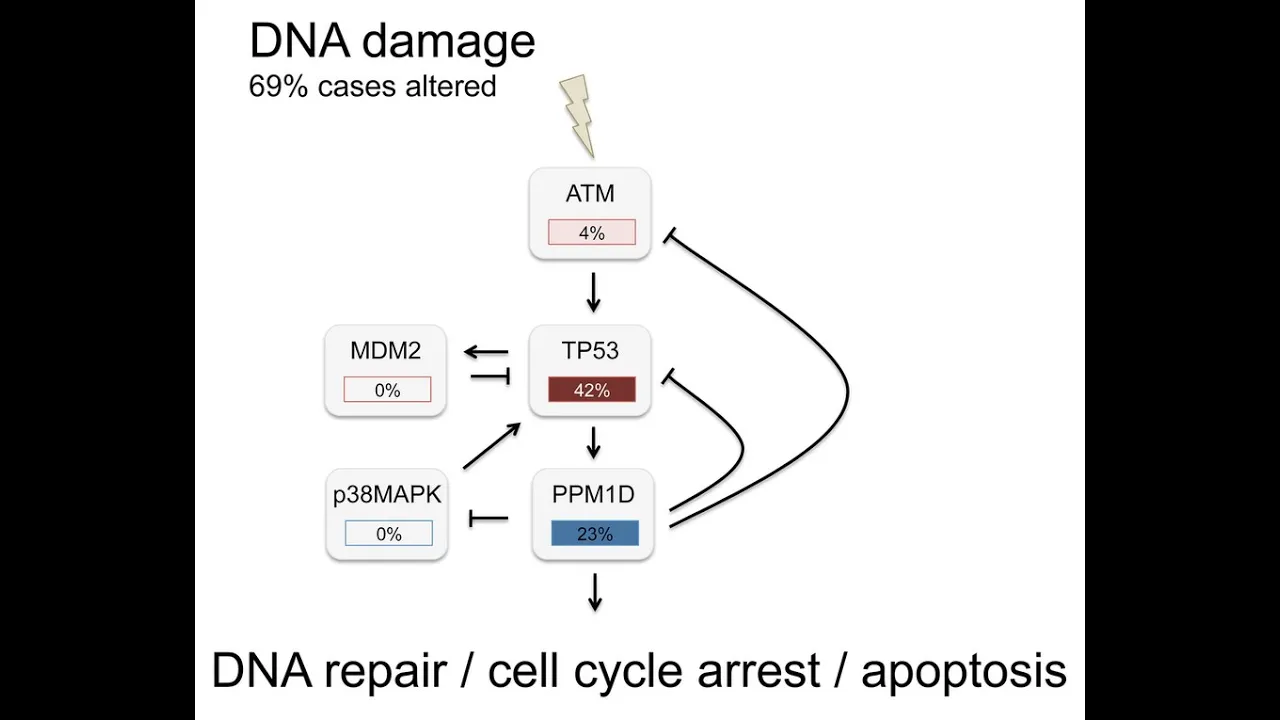
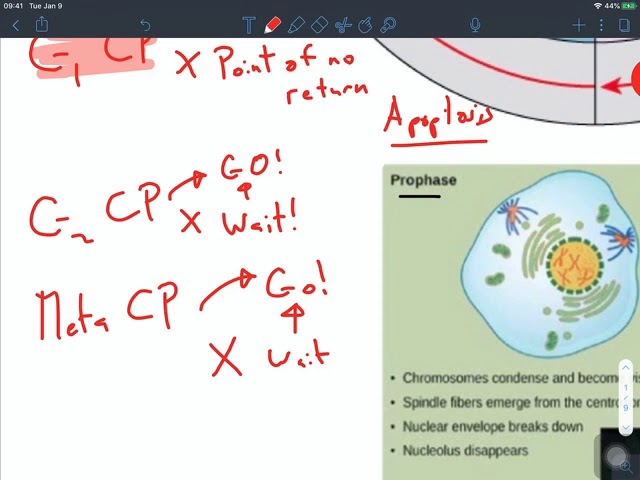
The eukaryotic cell cycle is controlled by a complex regulatory system involving cyclin-dependent kinases (CDKs) and their regulatory partners called cyclins, which form active complexes that trigger specific cell cycle events in a precise sequence; CDK-cyclin complexes activate at specific checkpoints (G1/S, G2/M, and metaphase-anaphase transitions), and the Anaphase Promoting Complex/Cyclosome (APC/C) regulates mitotic exit by destroying key proteins like cyclins and securin, ensuring accurate chromosome segregation and cell division.
Cell Cycle Control: An Introduction by David O. Morgan | UCSF
Added:Basic stages of the eukaryotic cell cycle, including G1, S, G2, and M phases, and the main events of mitosis.
The fundamentals of protein structure and function, particularly how protein phosphorylation by kinases acts as a molecular switch.
The concept of DNA replication and why genomic integrity must be maintained during cell division.
Basic understanding of intracellular signaling and how cells receive and process external growth signals.
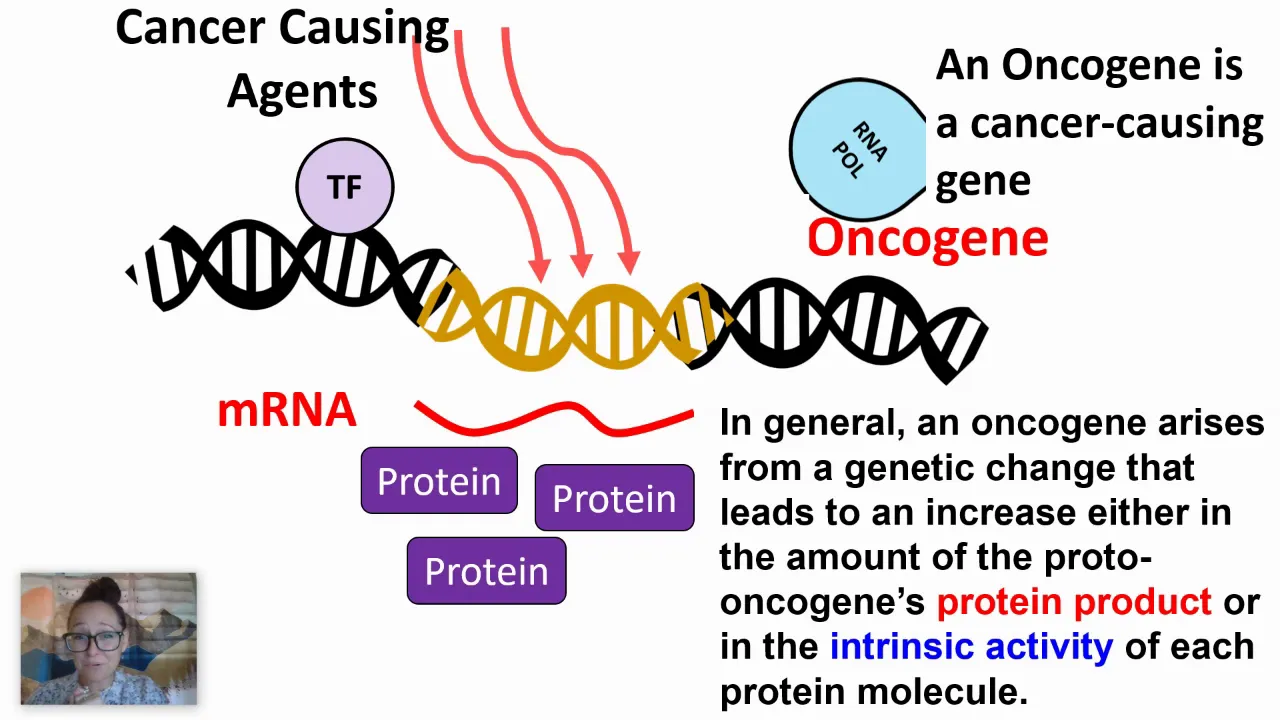
The molecular biology of cancer, specifically how mutations in cell cycle regulators like tumor suppressors (e.g., p53, Rb) and oncogenes lead to uncontrolled proliferation.
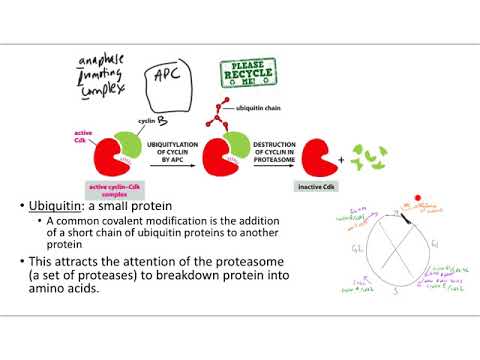
The biochemical mechanisms of ubiquitin-mediated proteolysis, focusing on how the APC/C targets specific cyclins for degradation.
Pharmacological targeting of the cell cycle, such as the use of CDK4/6 inhibitors in modern cancer therapeutics.
The pathways connecting cell cycle arrest to apoptosis (programmed cell death) when DNA damage is irreparable.
43.5K views324likes28:31Original Release: 2010-06-03
hello my name is Dave Morgan I'm from the University of California in San Francisco and today we're going to talk about mechanisms of eukaryotic cell cycle control in this first introductory lecture I'm going to give you a basic overview of the cell reproduction process and a little bit of information about the regulatory system that guides the cell through that process and then in my second and third lectures we'll go into some details about experiments from my own laboratory so it's been known since the early 1800s that all living things are composed of individual units called cells and so the growth development and survival of all living things depends on the reproduction of those cells so cell reproduction is clearly a fundamentally important biological process cell reproduction is also important for human disease one of the major diseases of the Western World cancer is essentially a disease of excess cell reproduction this disease occurs when a cell in a tissue acquires a mutation that allows it to to proliferate more rapidly than its neighboring cells and through the acquisition of additional mutations the progyny of that cell can form into a tumor that can eventually escape the tissue as shown down here and that results in malignant cancers spread throughout the body so an understanding of cancer absolutely requires an understanding of mechanisms of cell reproduction so the question is how do cells reproduce and that's the question we're going to address in my lecture today and in my other two lectures where do new cells come from well this question has occupied scientists ever since those early days when it was first realized that all tissues are made up of individual cells and in those early days there are a number of competing theories about how cells reproduce in one hand a number of prominent cytologists of the early 1800s suggested that cells formed by so-called free cell formation whereby they essentially crystallized out of the intracellular fluid another theory was that all cells are derived by the division of pre-existing cells and through 20 or 30 years of intense microscopy in a wide range of cells and tissues and organisms it became clear that the second theory was the correct one and that indeed all cells are derived by the division of pre-existing cells in other words cell reproduction is essentially a process by which this remarkably complex machine the cell duplicates its contents and then distributes those contents into a pair of genetically identical daughter cells now this idea has profound implications because it means that all cells in existence today are are likely to be derived from a single ancestral cell that divided perhaps 3 and A2 billion years ago so in the 100 years since the discovery that all cells are derived from other cells by division uh microscopists and to a lesser extent geneticists uh dedicated their efforts to understanding the basic mechanics of the cell reproduction process and that led to our current view of what we call the cell division cycle which is Illustrated in the next slide so we now believe that the cell cycle or the series of events by which the cell duplicates itself is divided into a series of distinct phases that are typically defined on the basis of chromosome duplication S phase is the period during which the chromosomes duplicate and mphase is the period during which those duplicated chromosomes or sister chromatids as they're called are segregated to opposite poles of the cell and then packaged into individual genetically identical daughter cells now throughout this process it's not just the chromosomes that duplicate but all the other components of the cell also duplicate all the proteins organel rnas and all the other macro molecular complexes of the cell are all duplicated throughout continuously throughout the entire cell cycle so that by the time the cell divides at the end of mphase the resulting daughter cells are essentially about the same size as the cell that first began that cell division cycle now mphase is a particularly spectacular phase of the cell cycle that is typically defined as occurr as involving two distinct events mitosis and cyto canis mitosis is the process by which the chromosomes are segregated and packaged into individual nuclei and then cyto canis is the process by which those daughter nuclei are then distributed by cell division into a pair of genetically identical daughter cells the process of mitosis depends extensively on this remarkable molecular machine called the mitotic spindle which is essentially a bipolar array of microt tual polymers that forms as the cell enters mitosis and then becomes attached to the sister chromatid pairs as I've shown here the basic idea is that a mitotic spindle has these two poles that radiate microtubules some of which become attached to the sister chromatid pairs as I'm shown here the attachment site on those chromosomes is called the ktic core which is a large protein complex that basically provides a microt tual binding site on the surface of the chromosome and so by the middle of mitosis um the the chromosomes are aligned along the middle of the mitotic spindle as shown here with one sister chromatid attached to one spindle pole and the other sister attached to the other spindle pole and so what happens next is that the glue the protein glue that holds the sister chromatids together is then dissolved allowing those sister chromatids to be pulled apart by the spindle in anaphase here and then packaged into individual nuclei and then distributed by cyto canis into the daughter cells this next slide gives us a little bit more detail about the process of mitosis the spectacular phase during which the chromosomes are segregated mitosis typically begins with the stage called prophase which is shown in the upper left here prophase is distinguished by the fact that chromosomes inside the cell inside the cell nucleus begin to condense from their normally dispersed State into this much more compact rod-like structure that is more easily manipulated during mitosis in addition prophase is also typified by changes in the organization of the microt tual cytoskeleton which is labeled here in green and so you can see that in prophase there are two microt tual organizing centers and these two centers move apart from one another along the surface of the nucleus to begin in the formation of a mitotic spindle and then at the end of prophase the nuclear envelope dissolves allowing the microtubules of those organizing centers to gain access to the sister chromatid pairs inside the nucleus until eventually the cell reaches metaphase when those sister chromatid pairs are attached to the mitotic spindle as I said in the previous slide in a bioriented fashion whereby one sister is attached to one pole and the other is attached to the other pole and then the big event of mitosis occurs which is when the chromosome cohesion mechanisms that hold those sister chromatids together are removed resulting in the separation of the sister chromed Pairs and their movement to opposite poles of the mitotic spindle after which in Tila phase those separated uh chromosome sets are then packaged into individual daughter nuclei after which cyto Kinesis takes care of dividing the cell itself so the process of mitosis is really best appreciated by looking at movies of this process and so this uh this movie will show you um the key event of mitosis which is the metaphase the anaphase transition this point at which the chromosomes are pulled apart by the anaphase spindle and so this happens to be a vertebrate cell in which the microtubules are labeled in reddish orange here and then these Green Dots in the middle of the spindle represent those kineticore protein complexes that join the sister chromatids to the microtubules in the middle of the spindle and so you can barely see these sister chromatids as dark shadows in the middle of the spindle back here and so when I start this movie what we'll see is this metaphase cell will move uh into anaphase through the separation of these sister chromatid Pairs and so right about that instant right there the sister chromatids are separated and then pulled apart by the anaphase spindle and we'll see it one more time okay so that is mitosis in the context of a cultured cell on a plastic dish what this movie Will Show You Is the is mitosis in the context of of a living organism in this case the early embryo of the zebra fish and in this case the zebra fish embryo has been filmed using a modern microscopy technique that allows the identification of all the individual nuclei in that embryo and so in this image right here for example this first image we're looking at a zebra fish embryo early in development where it has about 20 or 30 nuclei in it which have obviously undergone a number of Divisions and each of those nuclei is visible as one of these little white blobs that essentially represents the fluorescently labeled DNA of a nucleus and so when I start this movie you'll see how these little DNA blobs or nuclei rapidly divide and subdivide again and again to populate this embryo with the large numbers of cells that are needed for embryogenesis and so we can see this incredible division process occurring over and over and over again in this embryo resulting in the transformation of those 20 or 30 cells into the thousands of cells that are required to populate this embryo and as time goes by over the next uh few minutes we begin to see the migration of these cells to form the the basic pattern of the early embryo so clearly this this uh movie emphasizes the key point that cell division and reproduction is a crucial process in the development of all living things okay so that gives you a basic overview of the basic mechanics of cell division and what I want to do for the rest of this lecture and for my other lectures as well is focus on a more recent problem that is occupied scientists for the last 20 or 30 years or so and that is the question or the problem of how these remarkable cell cycle events are controlled such that they occur always in the correct order and with the appropriate timing and coordination why for example SASE always occurs before mphase and so on and the answer to this question has turned out to be that the cell contains this remarkably complex regulatory system that guides the cell through the stages of cell division and this complex regulatory system um has occupied scientists as I said for about 20 or 30 years at this point studies of this regulatory system have come from a wide range of different models organisms and in fact most of the major discoveries about this system have come from very simple eukariotic model organisms such as the budding yeast and the fishing yeast as I'll show you in the next slide so this slide illustrates a few of the the really important model organism systems for studies of cell cycle control in the upper left is the budding yeast sacy serisi and below that the fishing yeast skitso sacy pombi and these two yeasts have turned out to be extremely important model systems for studying the basic features of cell division um um for many reasons first of all their regulatory mechanisms for cell cycle control are very similar to the the same mechanisms that are found in human cells um they also have a number of extremely important experimental advantages they have short generation times completely sequenced genomes for quite some time uh it's possible to do a wide range of genetic manipulations in these organisms and most importantly it's possible to apply the methods of classical genetics to these organisms to isolate mutant genes that allow the analysis of of the principles and the components involved in cell cycle control and so the but the buting yeast and the fishing yeast have been really important Tools in our study of cell cycle control another important organism is shown along the bottom here and these are this is the early embryonic divisions of the Frog um early embryonic cells both in frogs and in invertebrates as well have been extremely important in studies of cell cycle control because these early embryonic divisions represent simplified stripped down versions of the cell cycle essentially that can be analyzed very easily biochemically for a variety of reasons then finally some other organisms that have proved to be important are the the early embrio of the fruitfly dropa melanogaster um which has been particularly crucial for studies of cell cycle control in early embryonic development and then here of course is a Maman cell growing in culture which is also a very important tool in which to translate some of the findings that have found in some of these other organisms into the context of a human cell this next slide goes into a little bit more detail about the buding yeast and its cell cycle um because this particular organism has been so instrumental in cell cycle control studies and also because it is the organism we study in my lab and you'll need to know some of this for my second and third lectures so budding East as the name implies divides by budding which means that at the end of G1 when this cell enters the cell cycle it starts growing a little bud on the side of the Mother cell and as the cell progresses through the cell cycle the size of that bud increases uh until by the end of my to the bud is almost the same size as the mother cell and so the size of a bud in budding yeast gives a very good indication of the position of that cell in the cell cycle and this turned out to be a very useful tool because it then allowed the isolation of mutants that were arrested at specific cell cycle stages and so Lee Hartwell and his colleagues back in the late 1960s and early 1970s isolated a wide range of of mutants in various genes that resulted in cell cycle arrests at specific stages that were determined on the basis of budm morphol ology these mutants were conditional temperature sensitive mutants which means that at normal room temperature these mutant genes were totally functional and the cell divides but at high temperature 37° these mutant genes uh or the gene products become inactivated and as a result the cell then arrests at the cell cycle stage where that Gene product is required and a couple examples of those sorts of mutants are shown in the next slide um these were the so-called cell division cycle or CDC mutants and two of them are shown here on the left is cdc16 a mutant that causes at the high temperature an arrest um in mitosis as you can see by the size of this Bud the cell is arrested in mitosis however you can see from DNA staining here that the cell is not yet segregated it's chromosome so this cell is arrested before anaphase and then looking at the spindle gives us another clue that this cell actually contains a short metaphase spindle and so together these various phenotypes indicate that cdc16 mutants arrest in metaphase prior to the onset of anaphase and indeed it's turned out since the discovery of this mutation that cdc16 encodes a component of of an important protein complex that is required for progression through the metaphase to anaphase transition and so cdc5 in contrast is a little different it's also a mitotic arrest but in this case the DNA has segregated into two distinct masses and so and by looking at the spindle in these cells it's clear that these cells have reached anaphase but have not progressed any farther than that they contain the long anaphase spindle segregate segregated DNA but they've arrested at the end of anaphase and this turns out to be because cdc15 encodes a component of a regulatory Network that drives the cell out of anaphase and into the following G1 and so by isolating and characterizing large numbers of these CDC mutants um yeast geneticist working in biting yeast and in fishing yeast with the work of Paul nerson colleagues led to the isolation of a large number of these CDC mutants that have essentially built the foundation for our present understanding of cell cycle control the other major organism that that we need to discuss in a little detail is uh the Frog zenopus lais whose early embryos have turned out to be an extremely important tool for studies of cell cycle control as well following fertilization the egg the fertilized egg of the of the Frog divides rapidly in the so-called cleavage divisions which transform that large fertilized egg into thousands of cells in a matter of a few hours essentially and it goes through these very simplified versions of the cell cycle that have only S and M phases and no Gap phases and these occur over a period of about 30 minutes each and so this very rapid simple cell cycle has turned out to be an important tool for the study of the basic features of cell cycle control um one big advantage of frogs and and their embryos is that these eggs are so large that they can be injected very easily with test substances or for that matter it's possible to isolate large amounts of the cytoplasm from these fertilized eggs and recreate the events of the cell cycle in a test tube and so it was these early studies of yeast genetics on one hand and frog embryonic cells on the other that led to a couple of competing or alternative views of how cell cycle control is achieved and those are Illustrated in this slide on the left is the view that resulted from studies in yeast and particularly from various studies of CDC mutants like the ones I showed you those studies suggested that many CDC mutants arrest when they arrested cells in early cell cycle stages also blocked progression through later cell cycle stages and so for example a CDC mutant that arrests uh cells prior to DNA replication also caused a block to the onset of mitosis and so this suggested that there were these dependency relationships among the events of the cell division cycle such that DNA replication for example has to occur before mitosis can occur and so the idea was that one event such as event a or DNA replication must be completed in order for event B to begin and so these events might somehow regulate each other in some way now the alternative view on the right here came from studies in the early embryos of the Frog which clearly suggested that these frog eggs these early frog embryos I should say contain an intrinsic biochemical timer that that uh turns on cell cycle events at specific times and in a specific order in other words the events of the cell cycle and their order and timing are determined by a programmed timer or clock that essentially flip switches at specific times to initiate cell cycle events and so that timer is independent of the events that it controls and in fact in frog embryos it's possible to block DNA replication or completely remove the nucleus and still see evidence that this timer is operating normally and oscillating um so how do we reconcile these two different models well the answer turned out to be that both were at least partially correct there is indeed an intrinsic biochemical timer in all UK carotic cells that guides the cell through the cell division cycle but in many cells the events of the cell cycle can feed back to that timer and adjust the timing of later events if early events fail for one reason or another and that's summarized in this next slide so once again the basic idea is that the eukariotic cell cycle is governed by this intrinsic biochemical timer or control system that essentially is a series of biochemical switches that turn on specific cell cycle events in a specific order and in a specific time however that timer can be regulated in such a way that those cell cycle events can feedback and send information to the timer to arrest progression through certain stages if necessary and so there are three major transitions or so-called checkpoints in the cell cycle where this timer can be arrested if conditions are not uh appropriate and so for example if the timer initiates s-phase as shown here but for some reason DNA synthesis fails and a chromosome fails to duplicate then that will send a message back to the controller that will block progression through the g2m checkpoint over here it's so the timer will basically arrest at this point here thereby preventing entry into mitosis if the chromosomes are not fully duplicated and likewise there are similar mechanisms in operation at the metaphase anaphase transition and at the start or g1s checkpoint at the beginning of the cell cycle at all of these checkpoints or transition points it's possible to arrest the timer under certain conditions if certain previous events are not carried out successfully okay so with this basic idea of cell cycle control in mind the the big question that has occupied many of us for the last 10 or 20 years has been understanding what the molecular composition of this timer is what are the proteins that make up this timer and are assembled together into this remarkable uh regulatory system and here again the major breakthroughs in this field arose out of a combination of both yeast genetics and biochemical studies primarily in early embryonic cell types and that all collided essentially in the late 1980s when it was realized that people working in uh yeast genetics and people working in early embryos of frogs and other systems were actually studying essentially the same regulatory molecules um in budding yeast for example a protein kisee called cc28 was found to be required for entry into the cell cycle in fish and yeast a highly related protein chinase called cdc2 was identified that was required for progression into mitosis and these two protein kinases cdc2 and cc28 appeared to be the homologues of one another in these two species and were clearly crucial Regulators of cell Cy progression in these yeasts meanwhile in the Frog masui and others had identified a maturation promoting factor or mpf activity which appeared to be capable of driving uh mitotic eggs of of the Frog into mitosis so this so-called mphase promoting Factor was capable of initiating mitosis when injected into non-mitotic cells so that clearly represented some sort of an important biochemical activity that might be important for cell cycle control then finally fin Tim Hunt and colleagues identified a protein called cyclin whose levels oscillate during the cell cycle and rise in mitosis and fall thereafter suggesting that it might be some component of an important regulatory molecule and so as I said in the late 1980s all these fields collided when it was realized that all of these people were actually working on the same thing and that mpf for example this maturation or mphase promoting Factor was in fact a complex of a small protein kisee that was related to cdc28 and cdc2 and cyclin and so a complex of CD cdc28 or cdc2 and a cycl molecule forms a protein kise complex that is responsible for driving progression through the major stages of the cell cycle and that's Illustrated in the next Slide the basic idea is that the heart of the control system that guides the cell through through cell division is a protein cyas called a cyclin dependent kinase or cdk and cdks are inactive until they associate with their cycl regulatory Partners resulting in the activation of a cdk cycl complex those cdk cycl complexes then phosphorate large numbers of substrates in the cell resulting in the onset of various specific cell cycle uh events and so our current view of this of this system is that there aren't simply one or two cdks in the cell but in fact there are a series of cycl cdk complexes Each of which is responsible for driving the specific events of the cell division cycle and so for example a complex of cdk with an SASE cycl forms in late G1 and is activated at that point to trigger the onset of DNA replication and then likewise later in the cell cycle an mphase cycle in cdk complex forms and is activated resulting in the initiation of mitotic entry and so through this series of cdk cycl complexes the events of the cell cycle are triggered in the appropriate order and with the appropriate timing of course since the initial discover Discovery of cdks it's become clear that their activities are are controll by far more than just the cycl regulatory subunit cdks of both the mitotic and SASE sort are also regulated by phosphorilation on the cdk subunit and also by inhibitory proteins that can associate with cdks at certain cell cycle stages to restrain their activity and so um cdk activity and the on the up up regulation and down regulation of cdk activity during the cell cycle depends on a wide range of different regulatory mechanisms so the next question following the discovery of cdks um dealt with this interesting observation over here which is that cycl levels drop precipitously during mitosis and in fact studies a wide range of studies suggested that this the destruction of cyclines and mitosis is actually required for progression out of mitosis so for example if you make a version of cycl that cannot be degraded that is highly stabilized and remains High throughout mitosis cells expressing that stabilized cycl fail to exit they fail to um get out of anaphase and exit into the following G1 indicating that cycl destruction is in fact required for the exit from mitosis and so a lot of effort was placed on identifying the mechanisms that determine this cycl destruction and that led primarily through biochemistry with a little bit of yeast genetics on the side led to the identification of a large protein complex that is responsible for the destruction of cyclin and that protein complex is called the anaphase promoting complex or or cyclosome otherwise known as the APC and its activity rises in mid mitosis and is resp responsible for destroying cyclin the APC is not a protein kinase but a ubiqutin protein ligase or E3 which means that its job is to catalyze the attachment of a small protein called ubiqutin onto its targets and by attaching large numbers of these ubiqutin onto its targets that sends those targets to a protease in the cell called the proteosome where they are destroyed and so the APC is essentially capable of triggering the destruction of its Target proteins including the cyclin the next slide illustrates in a little bit more detail what it is that the APC does now as I mentioned the major Target of the of the APC is the cycl of the cdk uh cdk Regulatory subunit and so the destruction of cyclines results in the inactivation of cdks in late mitosis the other major Target of the APC is a protein called securin and securin um is a tight binding inhibitor of a protease called separase and so when securin is destroyed in mitosis by the APC that results in the liberation of separas in the cell and separas then goes to the sister chromatids and Cleaves a single subunit of a protein complex called cohesin that holds those sister chromatids together and by cleaving that subunit separase induces the separation of the sister chromatids which can then be segregated by the microtubules of of the mitotic spindle and so the APC through this mechanism directly triggers the initiation of anaphase now as I said it also triggers the destruction of cycl and therefore the the inactivation of the associated cdks and this turns out to be very important as I mentioned because this allows the def phosphorilation of substrates of the cdks and this def phosphorilation of cdk substrates is required for normal progression out of mitosis normal anaphase and normal telophase and cyesis and mitotic exit all depend on the def phosphorilation of cdk substrates and so um cycl destruction is therefore crucial one of the crucial jobs of the APC in L mitosis and so we're left with this General scheme of cell cycle control whereby the cell cycle control system is essentially a series of biochemical switches made up of cyc dependent kinases of various sorts that turn on the various events of the cell cycle until the cell reaches metaphase when the chromosomes are aligned on the mitotic spindle at which point the APC triggers the destruction of securin and cyclin to take the cell out of mitosis and complete the cell cycle now obviously as I said before this is a highly simplified view of things because there are countless other Regulators that are sending inputs into the system to refine the activation of cdks and the APC in various ways for example there are numerous phosphorilation events on the cdks and on the APC itself as well as various inhibitory proteins that bind to those proteins now recent Studies have begun to focus now that we have the basic components of the cell cycle control system in place have begun to focus on how these components are assembled into a regulatory system that achieves the behaviors that we're so interested in so this field is now reaching into the systems biology field and beginning to use mathematical modeling to put these components into a regulatory system and model that system to see how it achieves the various behaviors that it achieves so for example one key question is the kinetics of cdk activation at the beginning of SASE and mphase it's well established that these kinases are both activated in a highly switch-like fashion at the onset of SASE or the onset of mphase and so in other words their activity goes from very low activity to very high activity very rapidly and so there are biochemical mechanisms such as positive feedback loops involved that ensure that these cdks go from low to maximal activity abruptly and this of course allows the complete commitment of the cell to a new cell cycle stage through this abrupt activation of CD case and so um that gives you an overview of the basic features of the cell cycle control system and some of the issues that are are attracting scientists today and It prepares you for my next two lectures in which I I will address some of these issues in a little bit more Det detail
Up Next

3:59
Cancer Biology: Angiogenesis, VEGF, and Anti-Angiogenic Therapies
@MechanismsInMedicine
424.2K views•2012-10-29
50:12
Bacterial Communication: Quorum Sensing and Biofilm Formation Explained
@JHUAAP
12.6K views•2011-06-28

42:45
MicroRNAs: Gene Regulation Explained by David Bartel | iBiology
@scicommlab
233.1K views•2014-03-24
7:08
Bacteriophages: Earth's Deadliest Killers and Future Antibiotics
@kurzgesagt
34.6M views•2018-05-13
Related Study Plans & Knowledge Roadmaps
Structured learning paths in Biology
biology
RNAi: Biogenesis, RISC & Gene Silencing
01Molecular Biology Foundations: DNA to Protein
02Introduction to RNA Interference (RNAi)
03Molecular Biogenesis of miRNA and siRNA
+ 2 more learning modules
10h5 modules
Explore Roadmap
biology
Mycorrhizae: Signaling, Biophysics & Ecology
01Foundations of Mycorrhizal Symbiosis
02Molecular Signaling and Root Colonization
03Biophysics and Bioenergetics of Nutrient Exchange
+ 1 more learning modules
11h4 modules
Explore Roadmap
biology
Circadian Clocks: TTFL, SCN & Periphery
01Foundations of Molecular Biology & Gene Expression
02Introduction to Chronobiology and Actograms
03The Core TTFL: Molecular Architecture of the Clock
+ 3 more learning modules
14h6 modules
Explore Roadmap
biology
Population Genetics: Math, Drift & Selection
01Genetic & Probability Foundations
02The Hardy-Weinberg Principle and Baseline Models
03Mathematical Modeling of Natural Selection
+ 3 more learning modules
18h6 modules
Explore Roadmap