














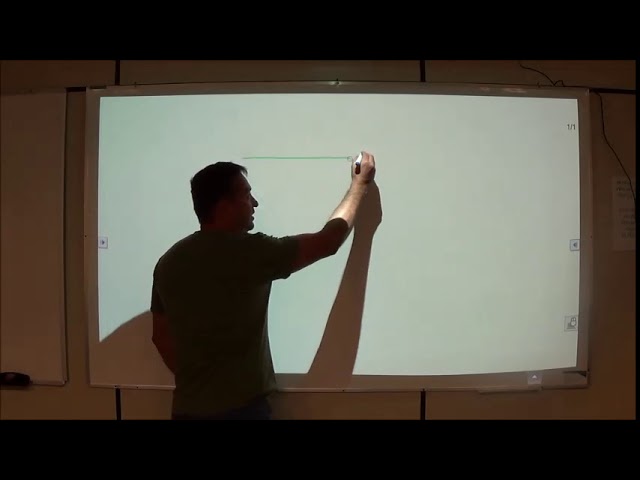





This video demonstrates the complete procedure for extracting RNA from yeast cells using the Qiagen RNeasy Minikit, where cells grown in glucose or galactose media are mechanically disrupted using glass bead beating in a bead mill (five cycles of 1 minute on ice), followed by spin-column purification involving ethanol precipitation, sequential washing with two wash buffers, and final elution with RNA-free water, enabling transcriptomic analysis via RNA-seq to compare gene expression under different carbon source conditions.
RNA Extraction from Yeast: Bead Mill Protocol | Transcriptomics Lab
Added:Structure and composition of the yeast cell wall (chitin, mannoproteins, and beta-glucans) and why mechanical lysis using bead beating is required.
The chemical properties of RNA, its inherent instability, and the critical importance of maintaining an RNase-free environment during extraction.
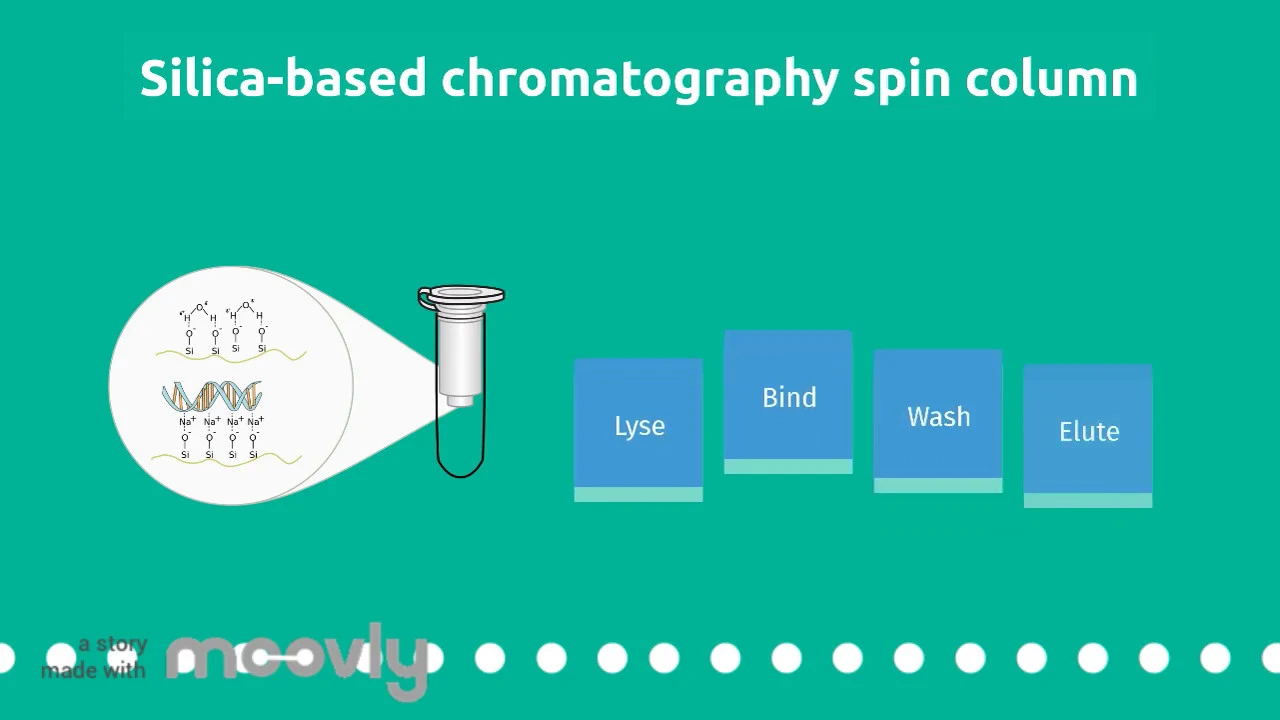
The basic principles of silica-membrane spin-column chromatography used in kits like Qiagen RNeasy for binding, washing, and eluting nucleic acids.
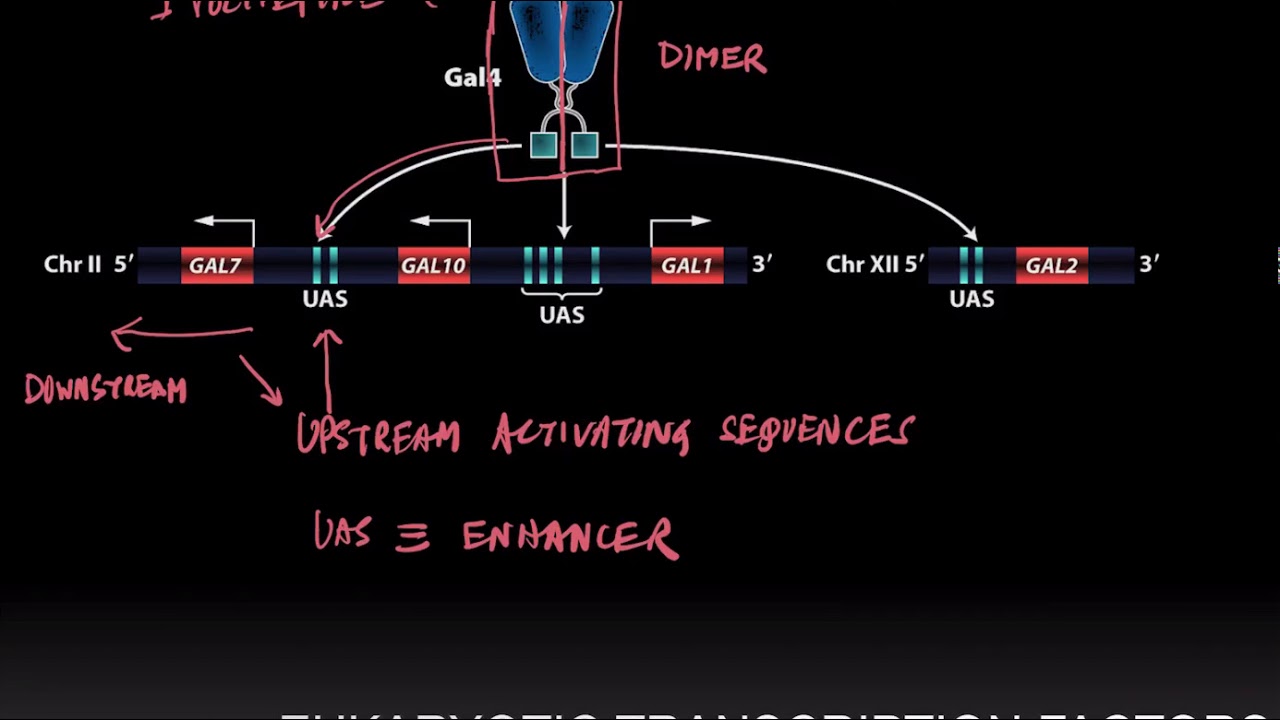
Yeast carbon source metabolism, specifically the molecular mechanism of glucose repression and the induction of the GAL regulon in the presence of galactose.
Quality control protocols for extracted RNA, including spectrophotometry (A260/A280/A230 ratios) and microfluidic capillary electrophoresis to assess the RNA Integrity Number (RIN).
Principles of reverse transcription (cDNA synthesis) and quantitative PCR (RT-qPCR) to validate differential expression of specific target genes like GAL1 or GAL10.
The workflow of Next-Generation Sequencing (RNA-Seq) library preparation, including mRNA enrichment (poly-A selection) and fragmentation.
Bioinformatic pipelines for differential gene expression analysis (e.g., using DESeq2 or EdgeR) to analyze transcriptomic changes between glucose and galactose growth conditions.
4.7K views52likes7:51Original Release: 2020-10-28
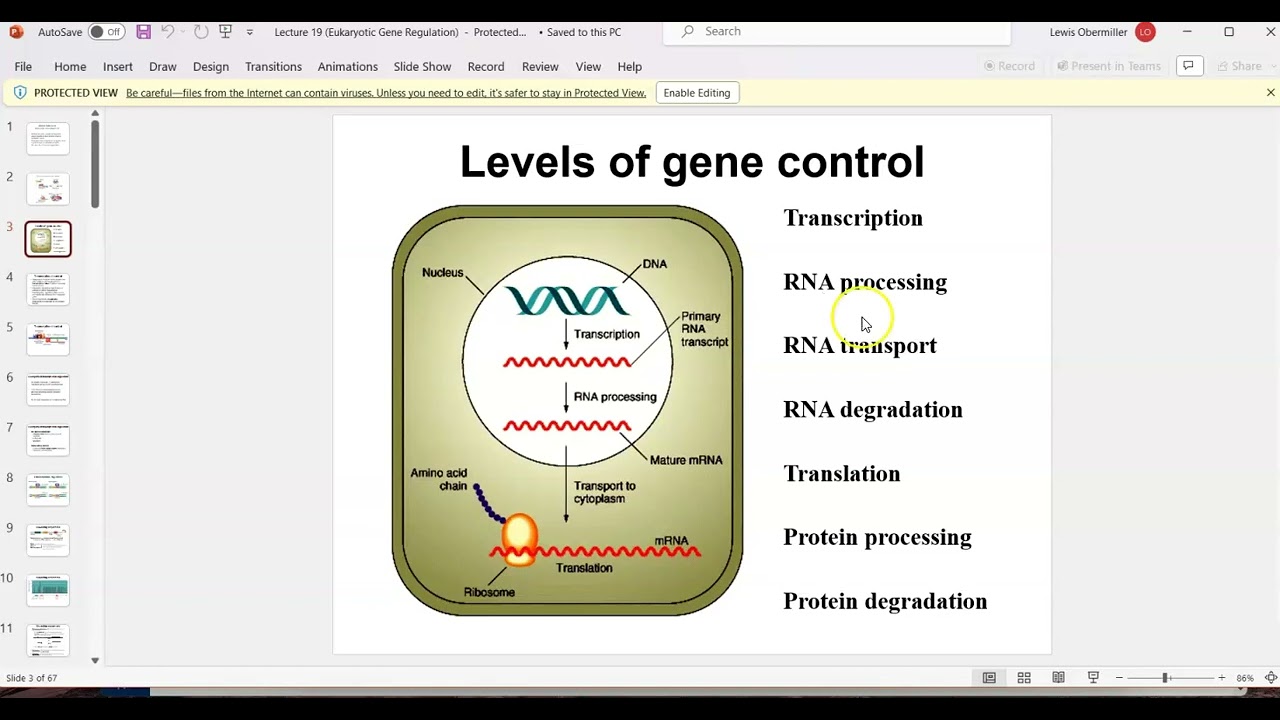
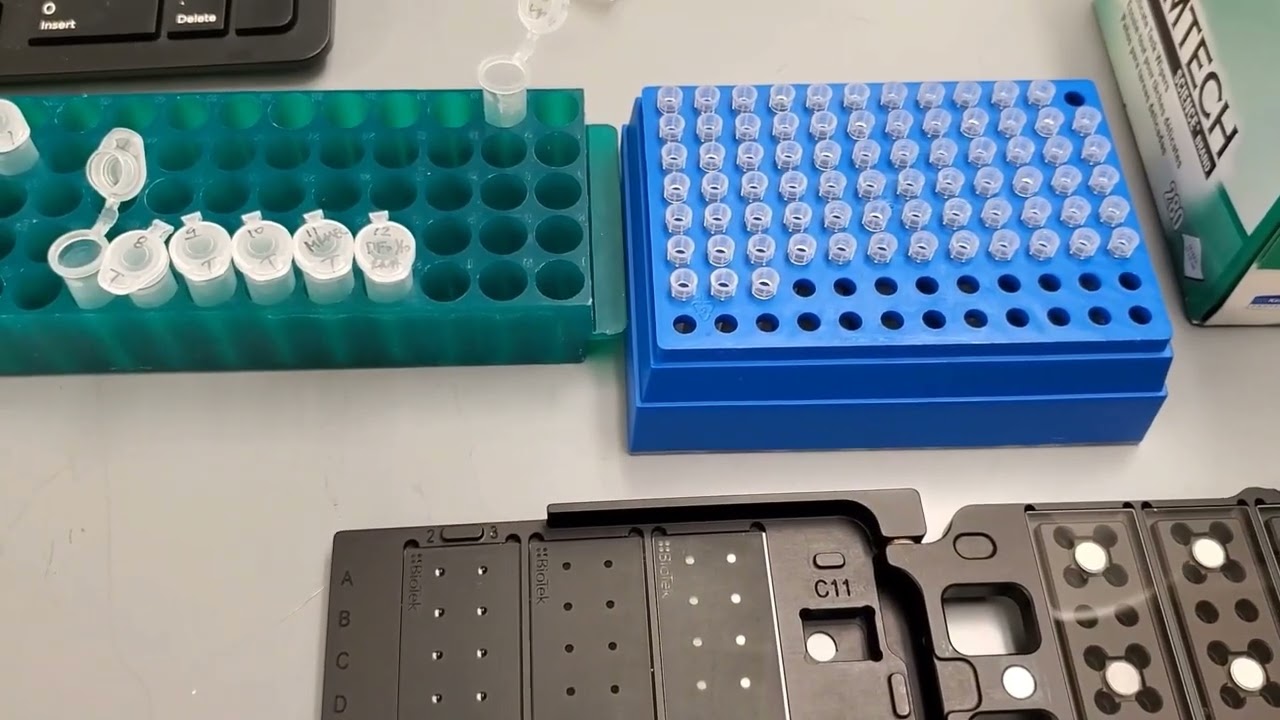
hello 515 students this short video will show rna extraction from yeast in the last video we cultured yeast in growth media that had either glucose or galactose as a carbon source we will extract rna so that we can perform transcriptomic analysis and compare gene expression in yeast grown in either condition we will show you the steps to isolate yeast rna using the kyogen rn easy minikit this is similar to the procedure you previously used to isolate rna from e coli but there are some differences first we resuspend the cell pellet in rna lysis buff this is done for both cells grown in glucose and cells grown in galactose next we need to break open the cells yeast have cell walls that differ in composition from those of e coli so we can't use the same enzymes to break them down instead we will use glass beads to break open the cells with the bead we add the cells suspended in rna lysis buffer into tubes containing glass beads we do this for the cells grown in glucose and those growing galactose then we place the tubes in the bead mill running it for one minute then cooling the tubes on ice for five minutes this is repeated five times so after breaking open the cells we remove the cell lysate from the glass beads and place it in the new tube and to make sure that we get rid of all the beans we centrifuge the tubes and pipette the lysine into another new tube leaving any beads at the bottom of the previous tube we do this for both samples so we then add one volume of 70 ethanol to each sample then mix well by pipetting up and down this mixture will bind to the r and easy spin column after applying each sample to a spin column centrifuge them so the flow through that goes to the bottom of the collection tube is discarded then we add a volume of the first wash buffer to the spin columns on which the rna is bound centrifuge discard the flow through again we add another volume of the first wash buffer to each column then spin again discard the flow through add a volume of the second wash buffer to the columns and centrifuge as before discard the flow through again finally each spin column is placed in a clean 1.5 milliliter eppendorf tube and rna's free water is used to elute the rna the eluded rna is then collected in the bottom of the tube by centrifugation the purified rna samples can then be stored at minus 80 degrees celsius for later transcriptomic analysis by rna-seq
Up Next
17:03
Lipid Nanoparticles Explained: Structure & mRNA Vaccine Mechanism
@MedicoVisual
31.3K views•2021-02-11
14:12
Quantitative Real-Time PCR (qPCR): Principle, Method & Data Analysis
@animatedbiologywitharpan
129.2K views•2023-09-06
23:33
Microbial Degradation of Plastics: Biodegradation Pathways & Sustainability
@majeedhammad
2.9K views•2021-04-11

16:04
CRISPR and Genetic Engineering: How Gene Editing Works and Why It Matters
@kurzgesagt
30.5M views•2016-08-10
Related Study Plans & Knowledge Roadmaps
Structured learning paths in Biotechnology
biotechnology
AAV Production: Transfection, Prep & qPCR
01Introduction to Gene Therapy and AAV Biology
02Mammalian Cell Culture: Suspension HEK293 Cells
03Upstream Bioprocessing: Triple-Transfection Optimization
+ 2 more learning modules
18h5 modules
Explore Roadmap
biotechnology
Building Gut-on-a-Chip: PDMS, Cells & TEER
01Foundations of Microfluidics and Gut Anatomy
02Cleanroom Fabrication & PDMS Soft Lithography
03Epithelial Cell Culture and On-Chip Seeding
+ 2 more learning modules
26h5 modules
Explore Roadmap
biotechnology
Optimizing CFPS: E. coli Extract & Yield
01Fundamentals of Molecular Biology and Translation
02Introduction to Cell-Free Protein Synthesis (CFPS)
03Preparing E. coli Crude Lysate (The Extract)
+ 2 more learning modules
19h5 modules
Explore Roadmap
biotechnology
Haematococcus PBR: Design, Stress & Astaxanthin
01Biology and Life Cycle of Haematococcus pluvialis
02Bench-Scale Photobioreactor (PBR) Design and Engineering
03Culture Media Formulation and Inoculation
+ 2 more learning modules
15h5 modules
Explore Roadmap