



















A fuel cell test station enables precise control and measurement of fuel cell performance through material and energy balance calculations, allowing researchers to obtain polarization curves (voltage vs. current) that reveal electrochemical kinetics, internal resistance, and mass transfer characteristics at different operating conditions, while controlling critical parameters including reactant flow rates, cell temperature, operating pressure, and humidity to evaluate fuel cell efficiency and durability.
Fuel Cell Material and Energy Balance: Testing Station (2021)
Added:Fundamental electrochemistry, including redox reactions, half-cell potentials, and Faraday's laws of electrolysis.
Principles of thermodynamics and transport phenomena, specifically conservation of mass (material balance) and conservation of energy (heat balance) in open systems.
Basic understanding of fuel cell operation, specifically Proton Exchange Membrane (PEM) fuel cells, and the physical meaning of a polarization (I-V) curve.
Introduction to process control concepts, such as mass flow control, humidification, and temperature regulation in chemical processes.
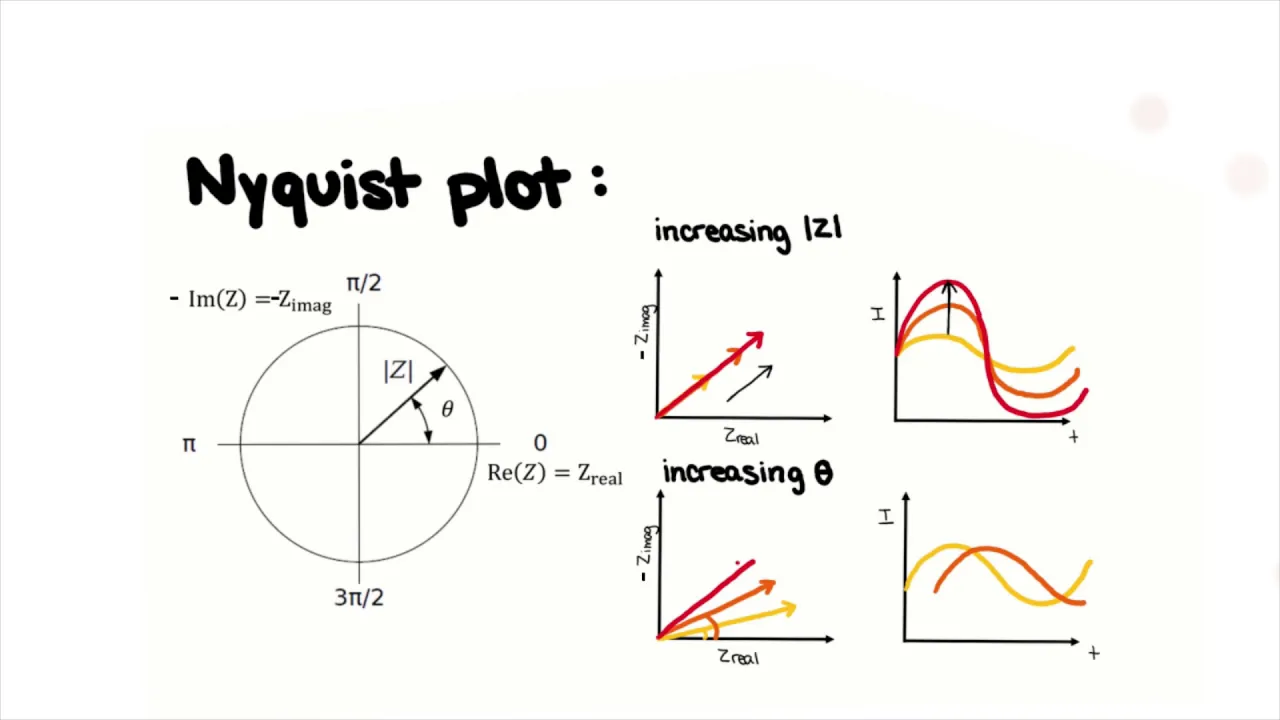
Advanced electrochemical diagnostics, such as Electrochemical Impedance Spectroscopy (EIS) and Current Interrupt methods, to isolate specific fuel cell losses.
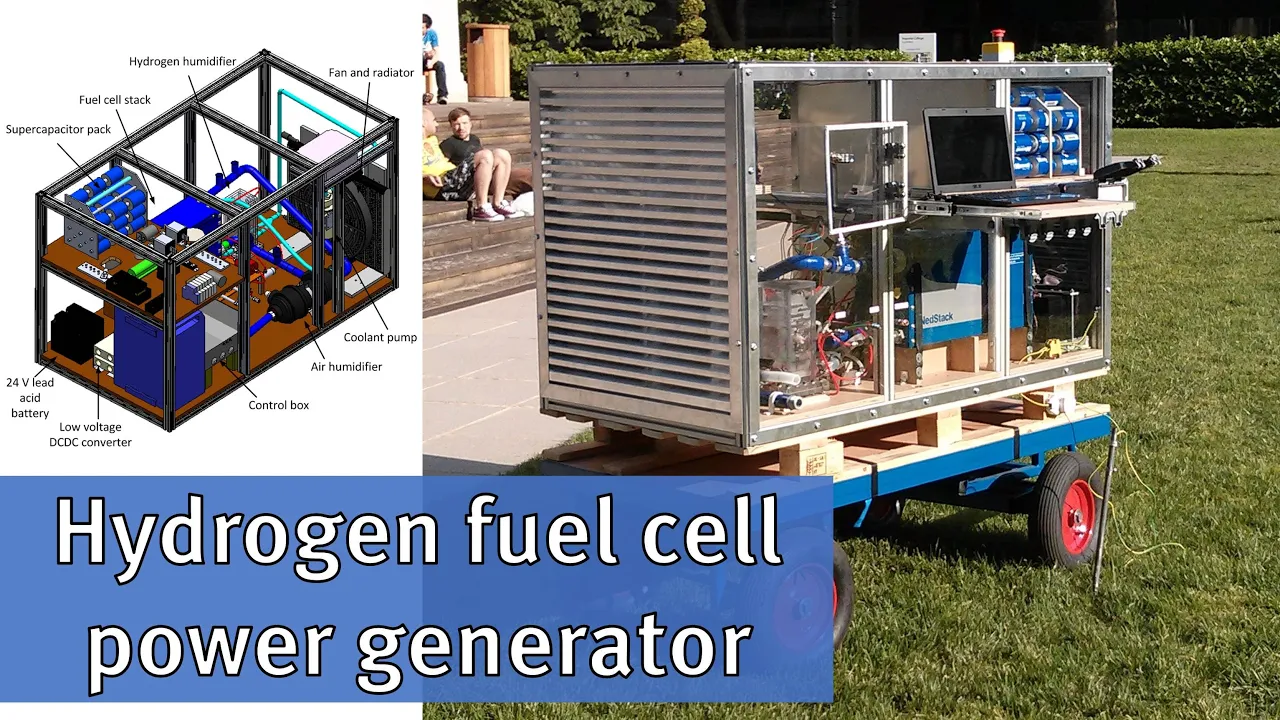
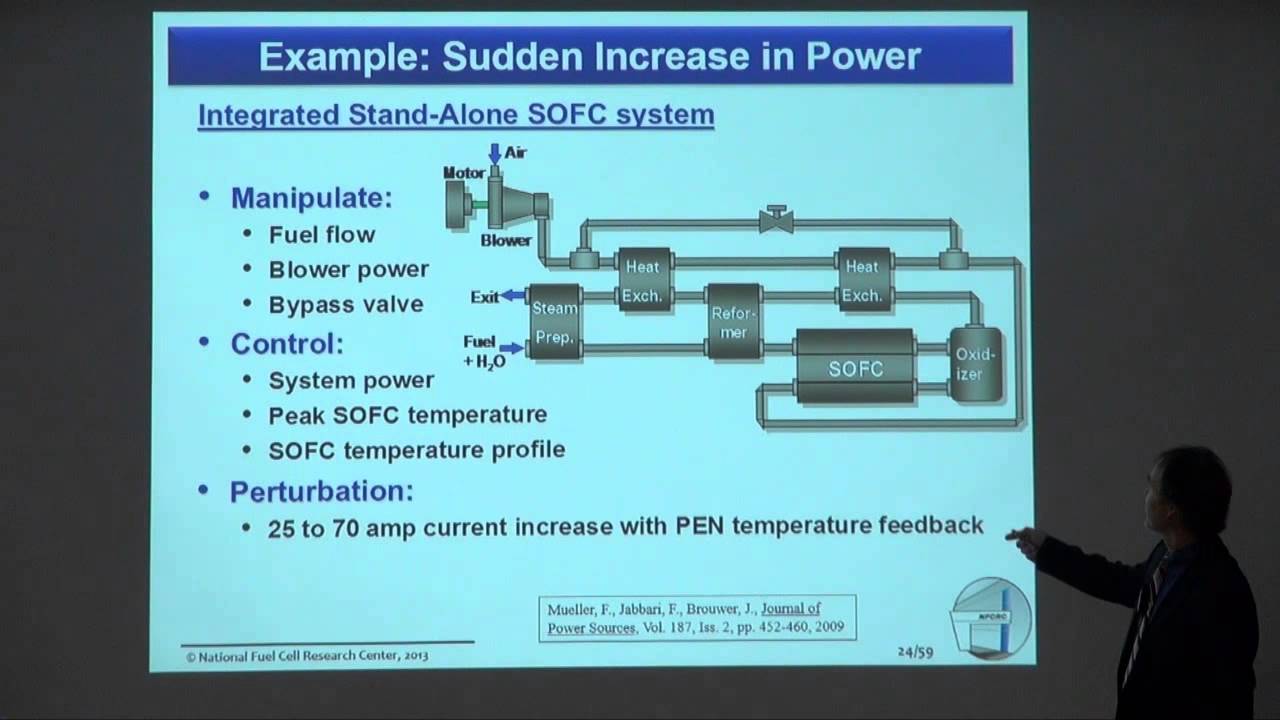
Fuel cell stack scale-up and system integration, focusing on balance-of-plant (BoP) components like compressors, humidifiers, and cooling loops.
Dynamic modeling and control system design for automated fuel cell start-up, shut-down, and transient load-following operations.
Durability testing protocols and degradation analysis, including accelerated stress testing (AST) for catalysts and membranes.
4.9K views70likes15:42Original Release: 2021-02-11
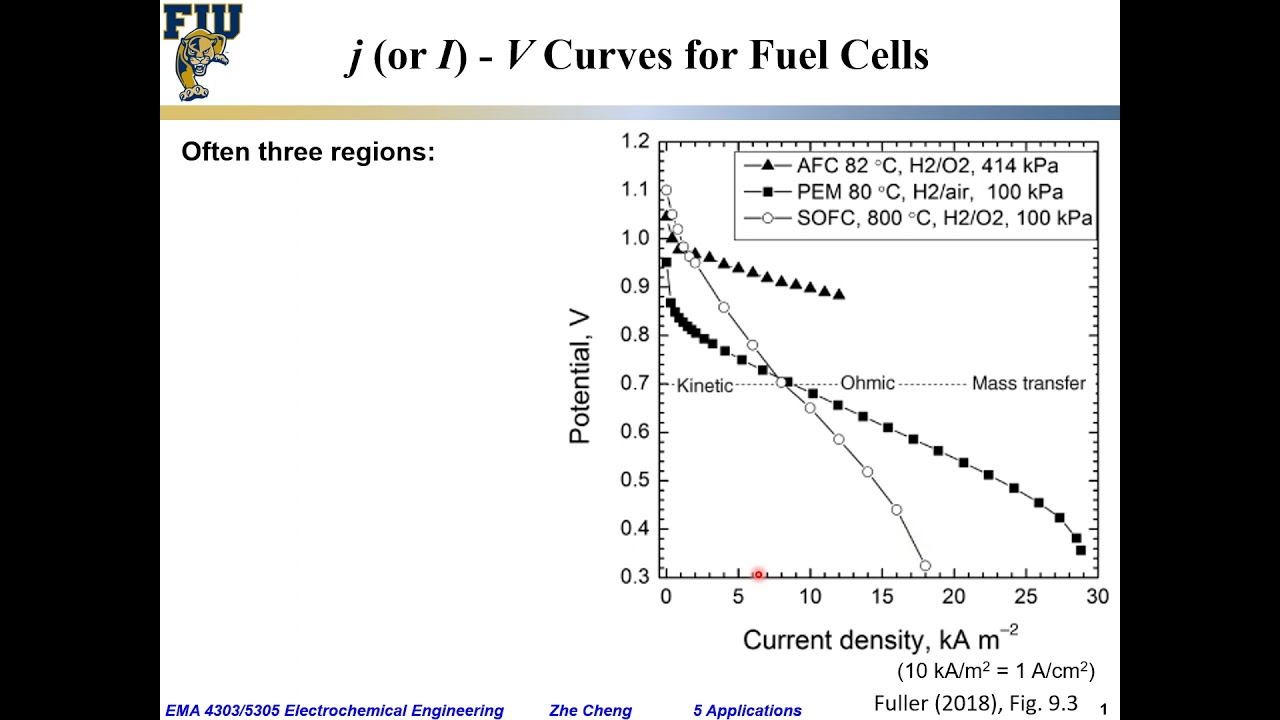
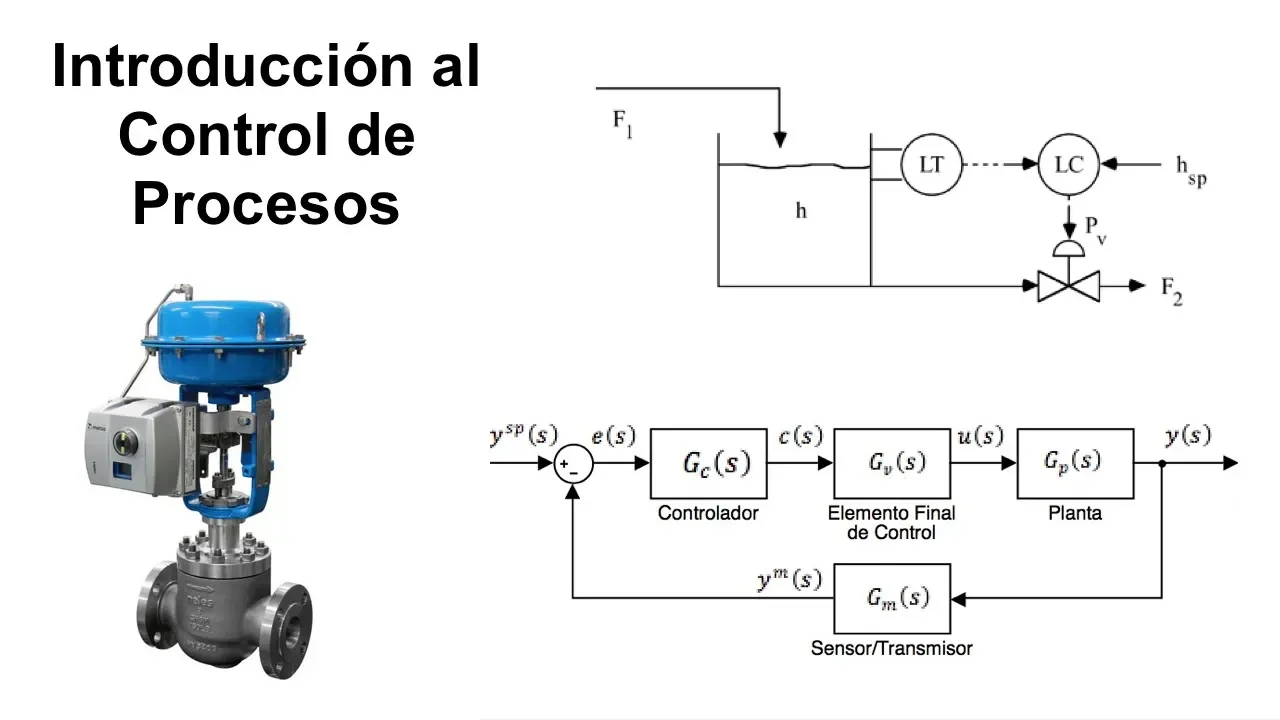
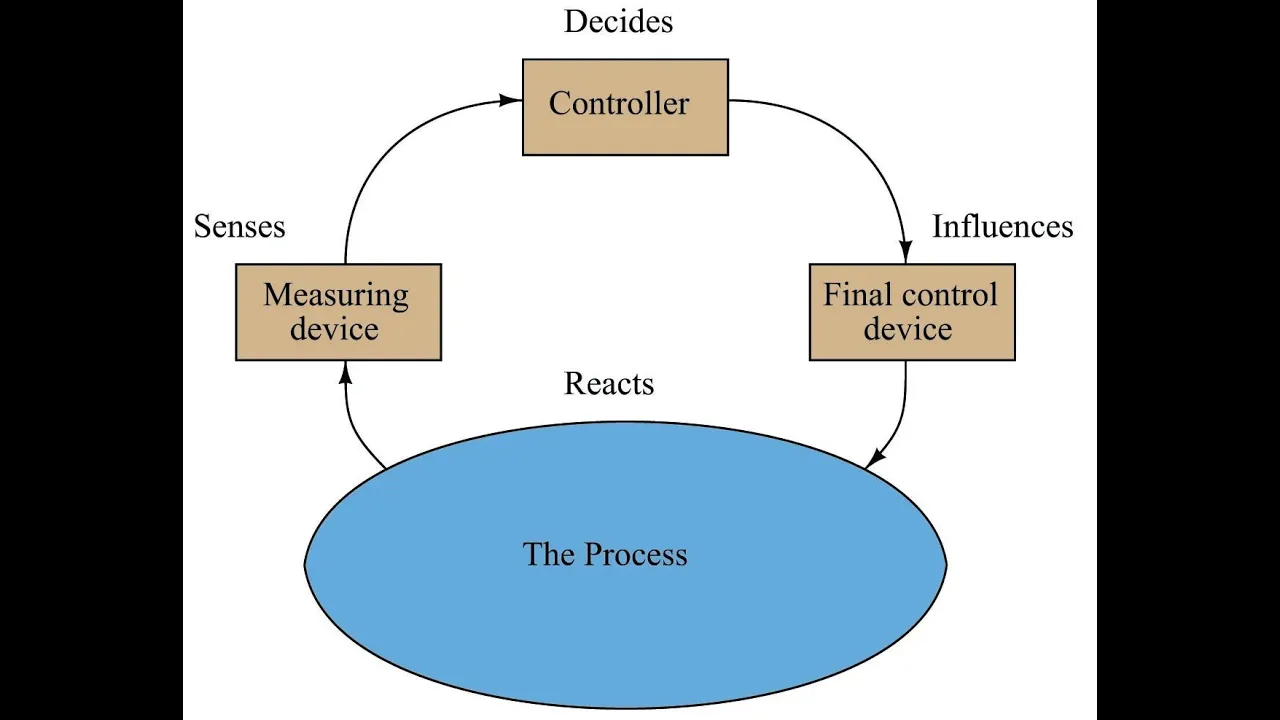
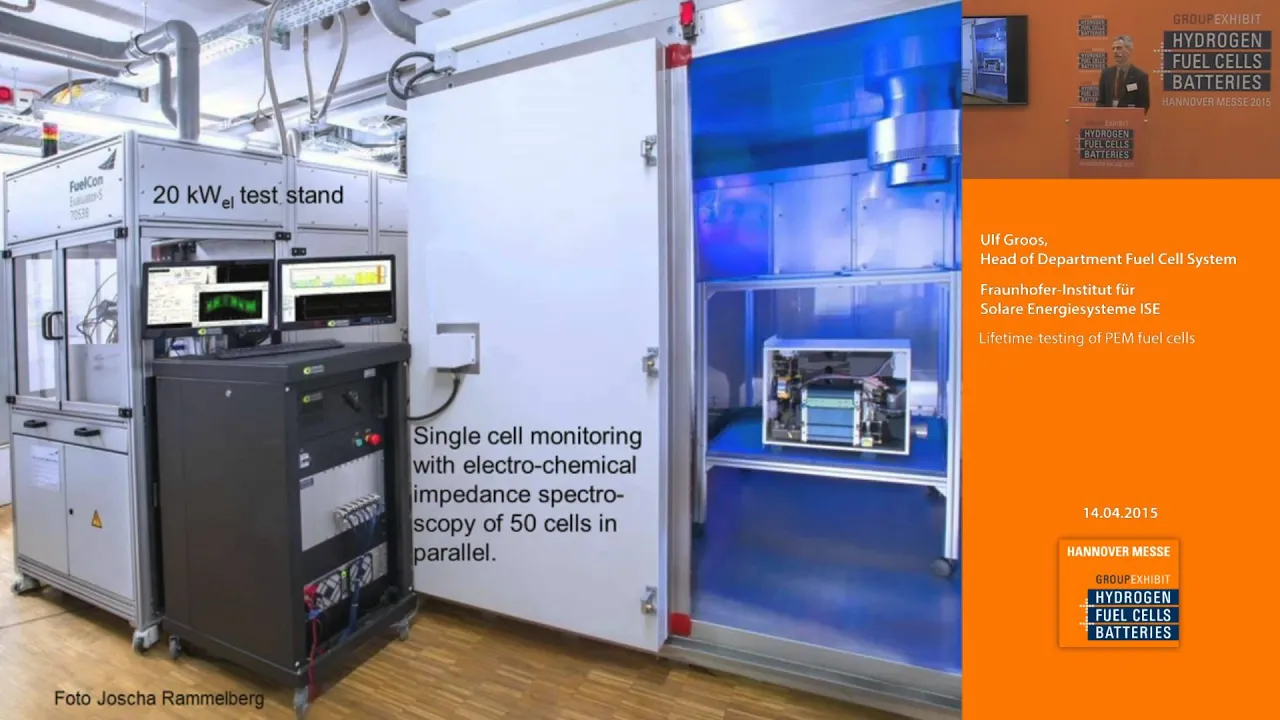
hi this is a kang issue speaking i'm from national united university department of energy engineering in this chapter i'm going to talk about the material and energy balance around fuel cell the first section i'm going to talk about is a fuse attached station because when you want to test the fuel cell performance you might need to pre-calculate the amount of fuel fit into the field and exhaust composition all those kind of conditions you need to pre-calculate before we introduce that test station we can i'm going to discuss about what is a function of fuel cell testation or the purpose of using a fuel cell test station the first is trying to obtain the fuel cell polarization curve when you assembly a new fuel cell you want to know how good the fuel cell is so you want to evaluate the fuel future performance the first thing is that you want to run the future voltage against the output current uh usually the output current higher the cell voltage will decrease and that deep depends on different kind of fuel cell the curve might be different some people call this a polarization curve some called is the ei curve the voltage versus current curve from the ei curve we are able to calculate the power that's mean the voltage times the current gives you the output power so you can find out what will be the location of maximum power that gives an indication of the the fuel cell performance how maximum power can output from the polarization curve or the voltage versus current curve you might be able to see different kind of characteristics for instance at a low current density the voltage drop may be associated with electroactivity and in the intermediate linear portion might be because the internal resistance at a high current density region the voltage drops certainly they maybe involve some kind of mass transfer problem or the flooding different fuel cell the curve might be different for the pan fuel cell proton exchange membrane fuel cell is operated at a lower current temperature somewhere around 60 to 80 degree celsius in that case the electro kinetics internal reduction must transfer all play into an important factor so the polarization curve usually contains those three factors for solid oxide fuel cell sofc is operated 800 degrees somewhere around 300 to 900 degrees celsius at this this temperature the electro kinetics is no not a problem the most problem will be probably will be the internal resistance because the separation separator membrane actually made a ceramics the resistance of that kind of membrane is high so usually soc the polarization curve of soc reveal those kind of behavior internal resistance the other purpose is try to run the cell voltage at a constant power constant current so for a long time try to see the duration or the degradation of the fuel cell so from there you can see for how many uh for every tens of vote how many hours the fuel cell lasts sometimes maybe in a in the intermediate also you may try to run at a different condition try to see the recovery rate of the fuel cell or they make some perturbation say maybe shelter slow down the oxidant or hydrogen flow rate or reduce the current or the power output and then come back again and see how the fuel cell responds how fair is how fast it responds and what had any problem for the long term durability for the fuel cell um we may want to know the characteristic of fuel cell and its control parameters usually we can use the p and fc as an example over here the pnfc called the proton exchange membrane fuel cell sometimes also in the early literature somewhere in 1970s is called spefc is called the solid polymer electrode fuel cell in the 80's maybe also called the pefc polymer electro fuel cell they all talk about the same fuel cell the fuel cell with the nephew as separated the fuel cell uh characteristics uh we're gonna talk about it first and then it's a control parameter because that's parameter you need to control so why we need fuel cell uh because uh you need to control the rate and flow rate cell temperature and so on so the the categories are pain fuel cell the first is a low voltage for a single cell the ideal case the output voltage is 1.23 volt at the standard computation condition pure hydrogen and pure oxygen but in reality that the cancer situates the air so the oxygen concentration much lower than the pure oxygen and endemic has a crossover another problem so actually operation operating cell voltage somewhere around 0.5 to 0.7 volt and the second is a high current because um for a fuel cell if it's operator the current density one amp per centimeter for a small fuel cell you can sink much smaller than your hand is a five centimeter time five centimeter 25 centimeter the output of current will be 25 m which is much higher than the current output from the electric circuit for a commercial fuel cell the size of electron will be 25 times 50 then the fuel cell output current will be 750 m with the output voltage about 0.5.7 volt it's much lower than the a single drive cell a single battery may be upper about a 1.5 volt for leasing a single leasing battery maybe 3.5 or 3.5 to 4 volt but it's output very high current this pose a big problem because if you consider for fuel cell there's a load if a fuel cell upper output 0.7 volt the internal or content reduction consumed 0.1 volt then the load actually the electric appliance only uh experience or observe a 0.6 volt cell voltage over there it's a load is lost more than 15 percent power over right there so even with the 0.1 volt voltage loss you didn't need to control the resistance at a very very low level for instance if you had your tongue you need to control voltage loss within 1.1 volt then uh if the current is a output current 25 m then the reason have been lower than 4 times 10 to minus 3 or 4 million such a lower resistance and if your current alpha current is 750 m then your internal resell content reason had to control at a 1.3 10 times 10 to minus 4 ohm such a low resistance any rust or the concrete area uh have some problem like a usual usually you you will create a huge resistance and then you need a very very thick cable to reduce any contact resistance so with this kind of current the alligator clip those kind of things cannot be used and for the cell then for the control parameters and we consider there's a reactive flow rate cell voltage operating pressure and humidity so for fuel cell you need to come in uh air in and air out hydrogen and hydrogen out so the first you need to control is a retin flow rate you have to decide how much the air or hydrogen had to flow in this one you can calculate from the theoretical basis and from there you can set it at the practical operation condition and then the cell temperature because for pam fuel cell even different kind of fuel cell that operates a different condition so you need to control the cell temperature and then the operating pressure because you need to uh control the pressure uh try to control the um the like ideal gas so it control pressure you control the molar concentration and then the humidity because uh like a painful cell the separator user is a proton exchange membrane the membrane need to be fully hydrated in order to achieve highest ionic conductivity so the humidification of air or even hydrogen is very important so in order to control those kind of control parameter people usually use the fuel cell test station to do this job the future test station this is a block diagram of the fused test station in the center is a fuel cell doesn't matter it's a single cell or cell stick you want to test and then you the gas flow you need a mass flow rate must flow over here that you need to control the flow rate but also you need to control the humidity and then the gas temperature so you need the humidifier and heating for the gas before it enter into the fuel cell and for the on the air cancel side the sensing the air you had the control you use the mass flow controller to control the airflow array and then also had to use a humidifier and heating to control the inlaid air humidity and temperature before it's into the castle and the pressure had to go through um the water to go go to the humidifier is it goes through the water pump to and had a water tank inside the test station so the gas will flow through the water tank and bubbles through the water tank to get a fully humidified and heating purpose and the exhaust gas you may need to control the pressure the back pressure so uh to control certain pressure inside the fuel cell and the one the exhaust gas goes through a water trap to separate the water before it's discharged into the environment and also on the castle side also do the same thing and for a single cell actually need a heating because the only one uh it said our electro inside the cell and i had a huge area for the heat uh he said he lost but for a stack that's a multiple uh cell inside they'll generate the heat and the heat do not have enough heat transfer area to let the heat dissipate so actually sometimes for kilowatt fuel cell stack sometimes you need cooling water runs through the fuel cell to remove the excessive heat so the temperature control not only heating cooling is also very important and also the electronic load try to measure the uh voltage versus current or current versus time and you control the output power those kind of things use the electronic uh device to control that and then there's a discharge booster and the inverter depends on the fuel cell the output power may be consumed or connect to certain kind of electric appliance then you need boost or inverter to control the dc current into ac current or the step the voltage from the low voltage to applicable voltage then you need a booster inverter or or converted to the job uh that this is typical uh not typical really a big test station from a hydronic hydrogenic company based on canada over here the cabinet is a cell stack placed inside there and this monitor to you can set all the control parameters and then all the control mechanisms and the trend and those control makes will be underneath the cabinet so and this uh this is the this unit can test upon 12 kilowatt fuel cell stake and much higher pen fuel cell for a small single cell there's another smaller test station and we can talk about that at the next unit
Up Next

13:31
2015 Abandoned Mine Land Reclamation Awards | OSMRE
@OSMRE
533 views•2015-11-06

30:32
Ultrasonic Transducers: Resonant Frequency Measurement and Horn Design
@imajeenyus42
229.9K views•2017-02-22
15:06
Fuel Cell Stack Power Density Explained | PEMFC Design Guide
@hsueh_kan-lin
8.9K views•2018-11-08

33:39
How a Student's Question Saved a NYC Skyscraper from Collapse
@veritasium
22.8M views•2025-04-26
Related Study Plans & Knowledge Roadmaps
Structured learning paths in Engineering
engineering
Building Acoustic Levitators: Physics & Arduino
01The Physics of Sound and Standing Waves
02Piezoelectric Transducers and H-Bridge Drivers
03Arduino Programming: Generating 40 kHz Signals
+ 2 more learning modules
14h5 modules
Explore Roadmap
engineering
Building Peltier Cloud Chambers: Particle Tracks
01Cosmic Rays & Cloud Chamber Physics
02Thermoelectric Cooling (TEC) Fundamentals
03Custom Liquid-Cooling Loop Design
+ 2 more learning modules
18h5 modules
Explore Roadmap
engineering
Yagi-Uda Antennas: Modeling, Build & VNA Test
01Introduction to RF and Antenna Fundamentals
02Yagi-Uda Antenna Design Principles
03Antenna Modeling and Simulation in 4NEC2
+ 2 more learning modules
18h5 modules
Explore Roadmap
engineering
ECG Monitor Design: Op-Amps, Filters & Noise
01Electronics & Breadboard Basics
02Op-Amps and Instrumentation Amplifiers
03Bioelectricity and ECG Fundamentals
+ 2 more learning modules
18h5 modules
Explore Roadmap