



















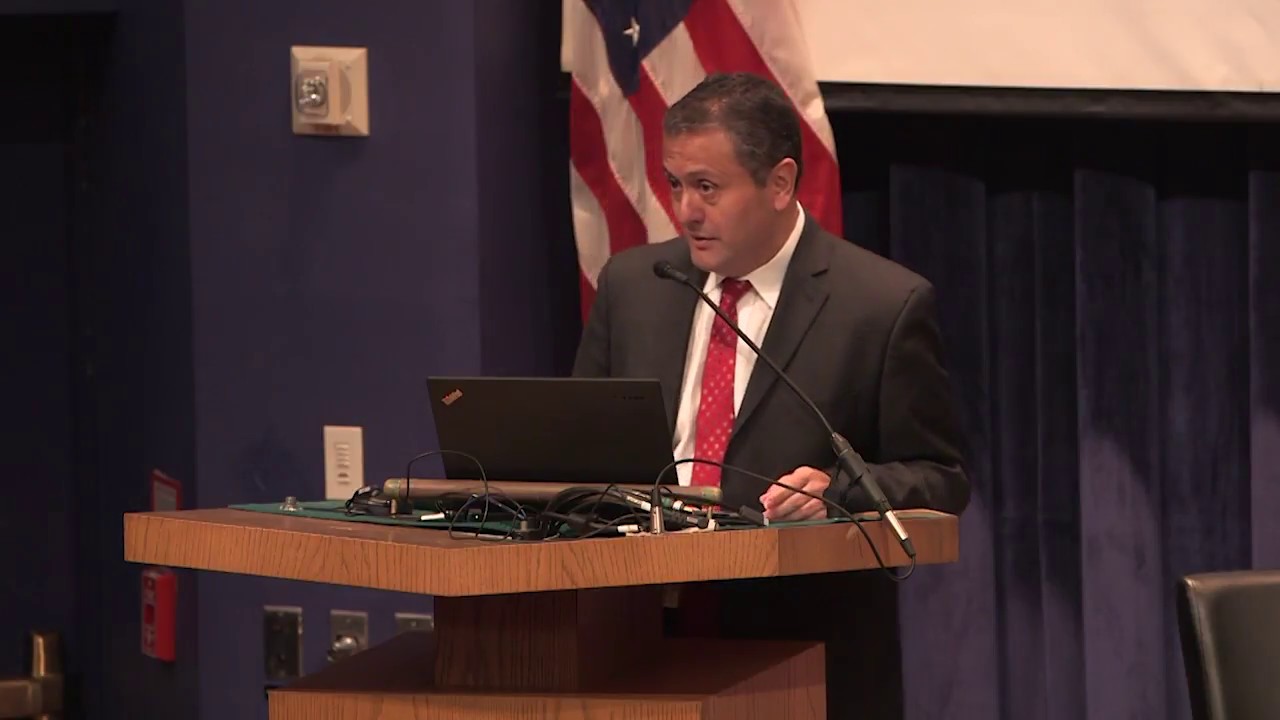


Abandoned mine land reclamation involves complex challenges including coal refuse fires requiring massive water and material removal, unstable impoundments threatening waterways, acid mine drainage affecting ecosystems, and hazardous mine openings posing safety risks; effective solutions include bioreactor technology for water treatment, innovative toroid tire plugging for mine closure, and adaptive reclamation techniques suited to specific environmental conditions, demonstrating how integrated approaches combining engineering, ecology, and community involvement can successfully restore degraded mining landscapes.
2015 Abandoned Mine Land Reclamation Awards | OSMRE
Added:The historical context of coal mining in the United States and the creation of 'abandoned mine lands' (AML) prior to modern environmental regulations.
The role and regulatory authority of the Office of Surface Mining Reclamation and Enforcement (OSMRE) and the Surface Mining Control and Reclamation Act (SMCRA) of 1977.
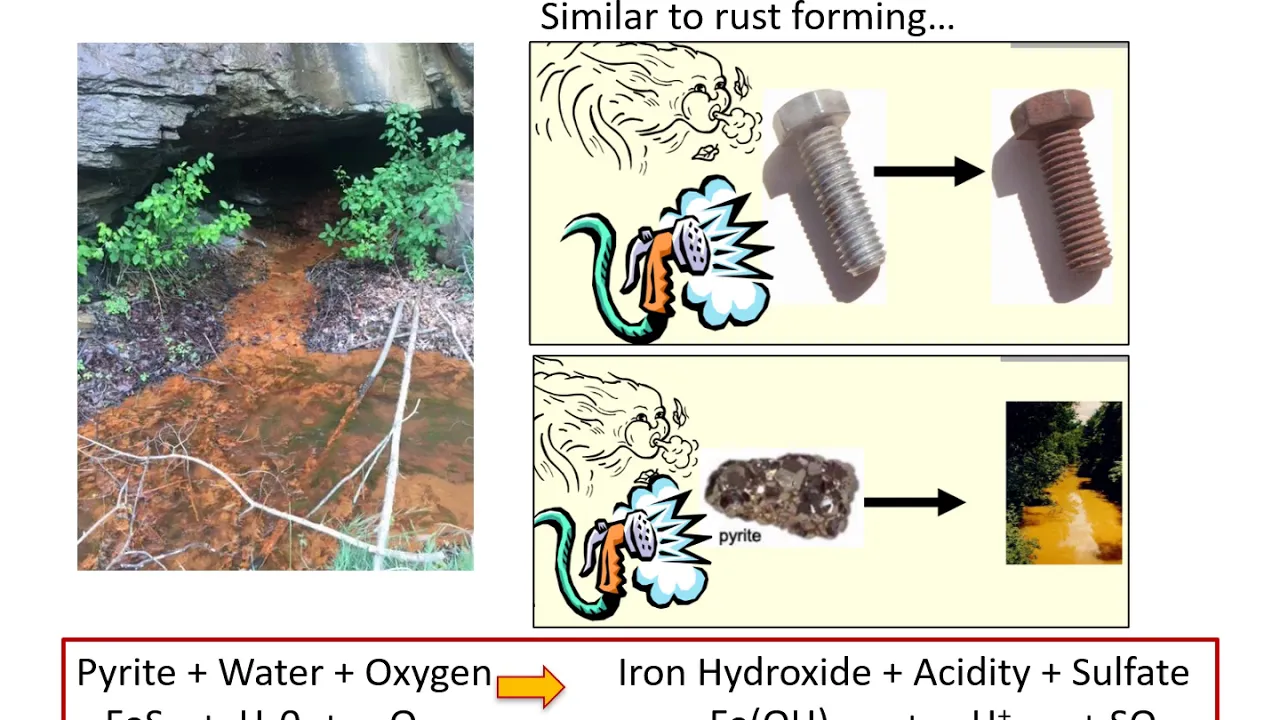
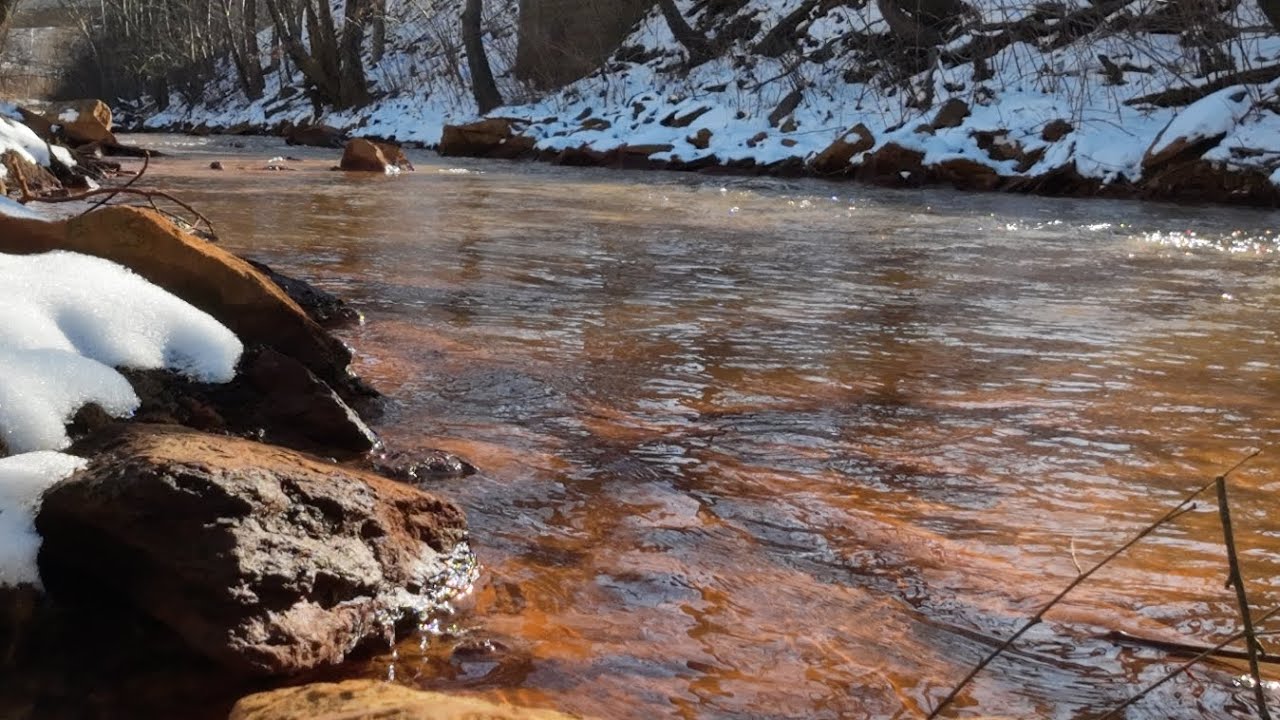
The chemical process of Acid Mine Drainage (AMD) and its ecological impacts on waterways and aquatic life.
The primary public safety hazards associated with legacy mine sites, including subsidence, open shafts, and toxic gas accumulation.
Advanced engineering and ecological restoration techniques, such as passive treatment systems (e.g., anoxic limestone drains) and native species reforestation.
The socio-economic redevelopment of reclaimed lands, focusing on how brownfields are converted into community assets, recreational parks, or agricultural land.
Current federal funding mechanisms and legislative updates, such as the scale of AML funding provided by the Infrastructure Investment and Jobs Act (IIJA).
Comparative analysis of global reclamation policies and practices, evaluating how different nations address the environmental legacy of extractive industries.
533 views4likes13:31Original Release: 2015-11-06
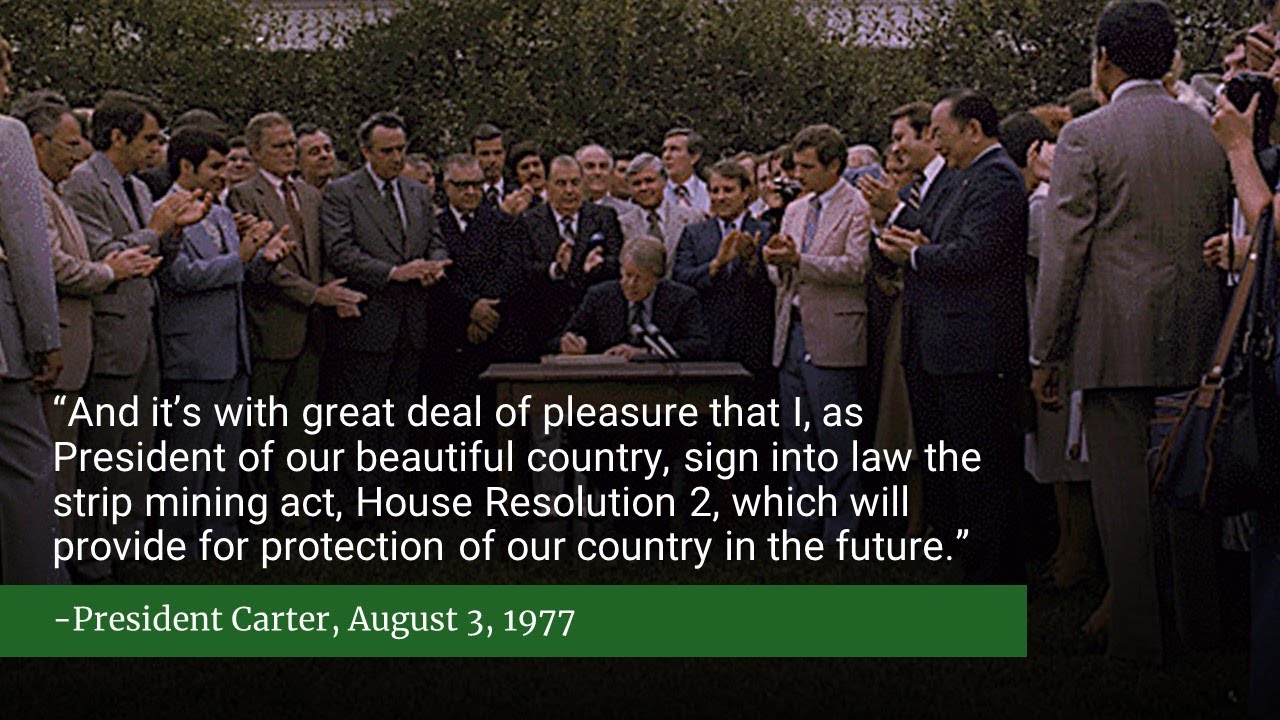
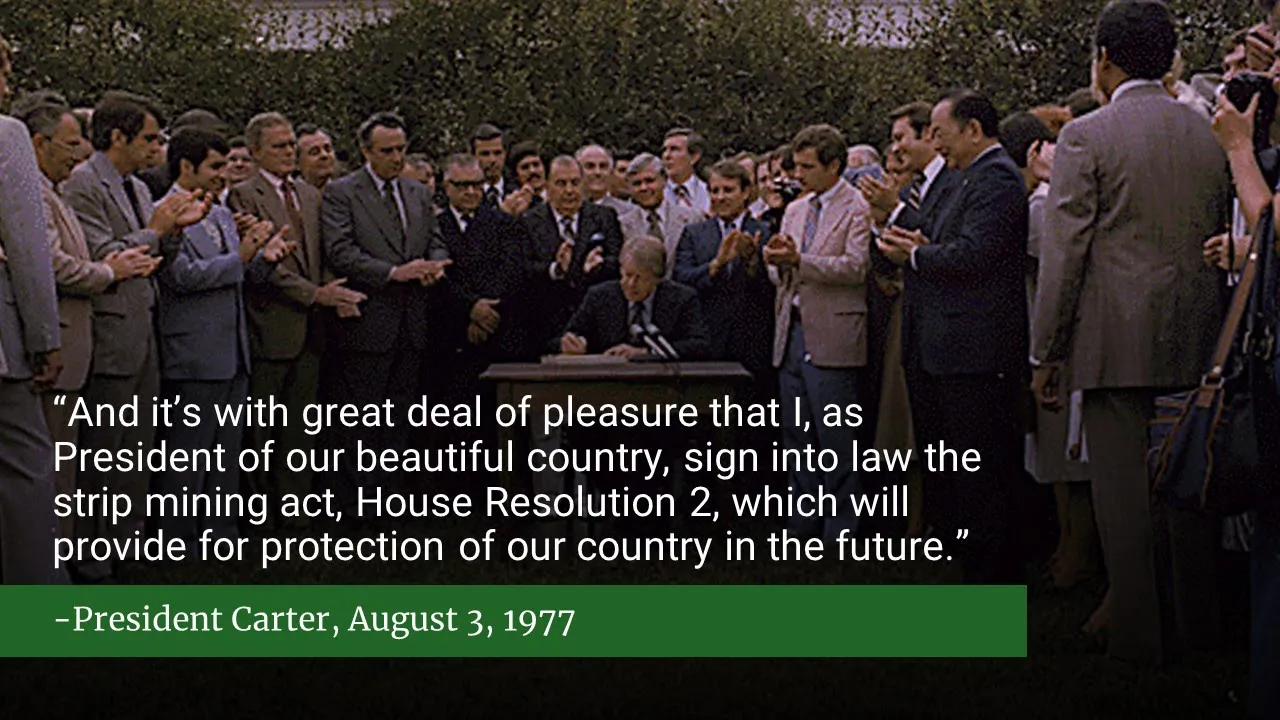
In 1977, President Carter signed the Surface Mining Control and Reclamation Act – or SMCRA - to officially create the Office of Surface Mining Reclamation and Enforcement.
The legislation gave OSMRE two primary missions: to regulate current coal mining, and to reclaim the lands mined and abandoned before 1977.
Today, OSMRE operates the largest ongoing mining reclamation program in the world.
The bureau partners with states and tribes to restore the land, to prevent further environmental damage, and to protect human health and safety.
Tonight, OSMRE and its partners honor four highly effective abandoned mine land projects.
Welcome to the 2015 Abandoned Mine Land Reclamation Awards.
It was December, deep into one of the coldest winters in recent years in a small town, and people there were not happy, because of one sour note to their holiday season.
Citizen: It stinks! It’s really smelly. I mean, it is a stench that you cannot believe.
I have to make sure all the windows are closed and all the doors are closed. I have a dog to let out and I’m like, hurry, get out so I can close the door! It's that bad.
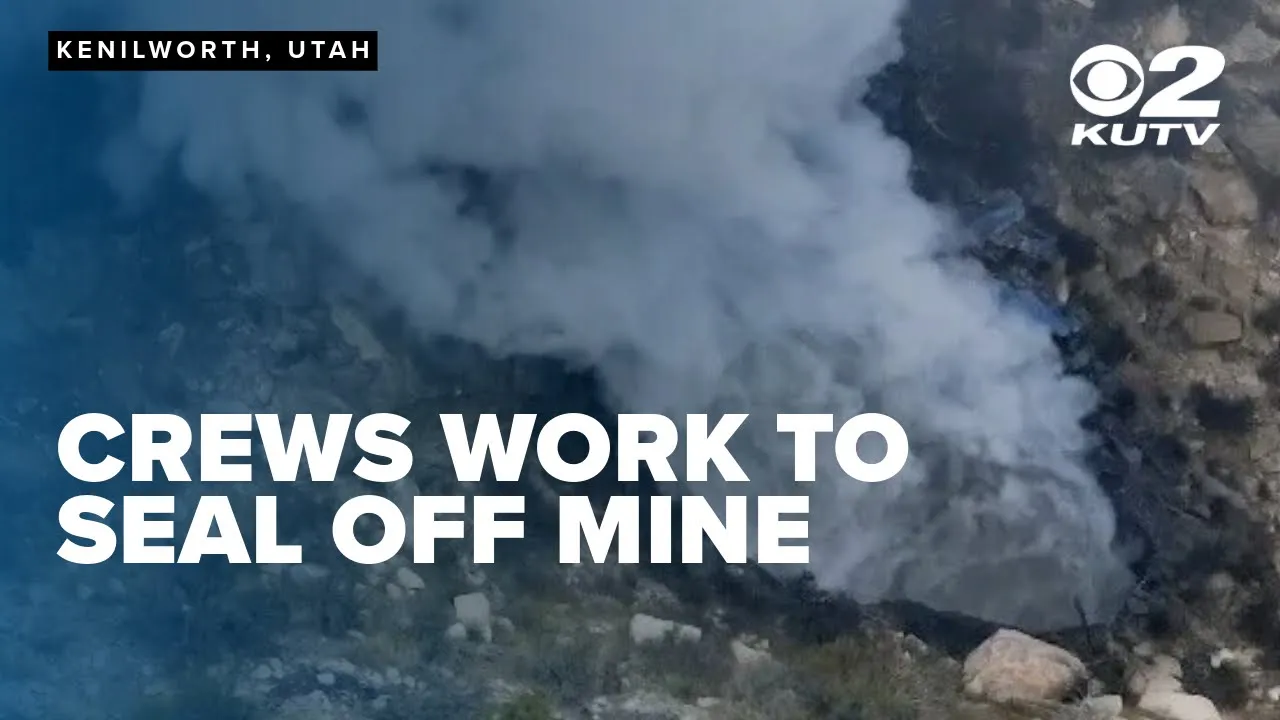
The fuel for this smelly, smoky mess, just a quarter mile from a major river, goes back to late 1800s underground mining, and some surface mining into the 1960s. Some speculated trespassers were the cause, as the old processing site turned into a haven for people riding all-terrain vehicles, and garbage dumping, but some reports of local brush fires went back months. I mean look at it. Even the ground is cracked.
At first the size of the fire fooled the state’s AML specialists. Their first estimate measured the steam and smoke covered surface area at about 120 by 120 feet, more than 100 feet high, with four acres of potential fuel for the fire. They estimated they would need to move about 50 thousand cubic yards of refuse to extinguish the flames. In retrospect, that number was wildly optimistic.
Then there’s the nearby river, an easy way to get water to extinguish the fire, but also a high quality cold water fishery. Project managers estimated they would need in excess of 20-thousand gallons of water from the river each day. And that number too was wildly optimistic.
Weeks or months, with regards to this pile. It’s a matter of the time it takes us go get through this pile but it would be weeks or months.
When work began in January 2014, the temperature at some burn areas exceeded 1200 degrees, indicating a large fire that apparently had smoldered for a long time. Crews put a 500 gallon per minute water stream at each work station as heavy equipment exposed the hot material in a six foot deep trench.
Then, just a few days later, brutal cold kicked in, with temperatures hovering into the single digits for nearly a month, freezing the water lines. The cold required 24 hour a day pumping to free the lines, and that led to expanding the site from four, then seven, then to seventeen acres in size.
Crews built check dams and settling ponds to capture and control the runoff, and when possible to reuse the water.
By April, the state realized killing the flames would take longer than expected, and called reporters in, which allowed the team to tell its story directly to the public.
Say they will now believe it will cost some $3 million to put out a coal refuse fire in Lackawanna County By the time the fire was extinguished 111 days later, workers had moved more than 285 thousand cubic yards of refuse, or six times the amount first estimated. The teams had pumped and recycled more than 156 million gallons of water from the river, more than eight times originally estimated.
Over the next two months, the state reclaimed the site. Teams regraded the burn area to match those unaffected by the fire, then seeded, fertilized, and mulched, and also included limestone to help prevent acid mine drainage. Many of the techniques the team used are now part of an OSMRE course on how to manage similar fires.
After almost six months of efforts, the project was complete. And with those efforts come the 2015 Appalachian Region Award for the Pennsylvania Department of Environmental Protection.
The most immediate problem: repairing a weakened impoundment levee dating back to the early 1900s. The 60 acre impoundment sat near a creek first diverted and created by the coal company, a tributary to a major river. However, the impoundment was structurally unstable because of how it was built. “That was the first part of the levee. After that slurry pond became full – this was again fifty years ago – they took coarse material, gob, and raised it up another 10, 15 feet.” A sudden failure would have sent a huge discharge downstream that likely would have damaged property and injured or killed people – the very thing the AML fund is designed to address.
Gob material, consisting of coal and spoils, was exposed in the tailing ponds, and that contributed to ongoing acid mine drainage into the nearby creek. The highly acidic water also penetrated the levee holding back the sludgy mix – making a breach a distinct possibility. “We could have breached the levee, and slurry would have went into Mud Creek, and it would have been very difficult to stop at that time.” Project managers had three goals in mind for the site: repair the levee, reclaim the coal, and fix the acid mine drainage. The biggest obstacle to doing all three was geography; a cramped, small site that would hamper moving heavy equipment around.
So, project engineers chose to take that cramped layout and use it for their own purpose.
They needed room to create a bioreactor. To clear some land, they pumped more than six million gallons of acidic water out of the levee, treated it, and then placed the cleaned water in the nearby creek.
From there, they took the slurry and stacked it away from the levee. They removed coarse material from the dam and replaced it with more dense soil, strengthening the levee and making it less likely to breach. “Stacking slurry. You know, I honestly wasn’t sure that it would stand up like they said. But that's what engineers get paid for - being engineers. It was just an incredible process.” At the same time, the engineers moved more than 70 thousand cubic yards of substrate to create the bioreactor; a combination of 17,000 tons of agricultural lime, 2400 tons of compost, 4000 tons of wood chips, and 5000 tons of hay and straw, all designed to act as a natural filter.
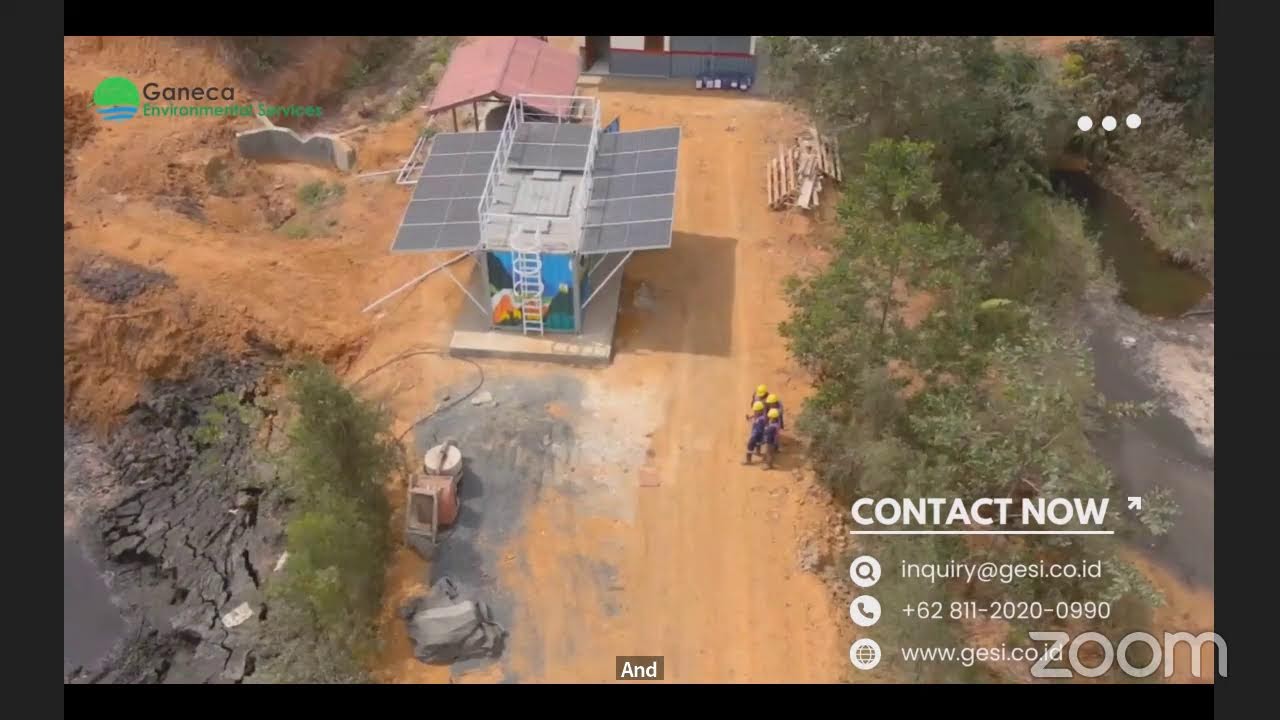
The bioreactor takes in water from the stream that drains the slurry and also from a nearby gob pile. Water coming in is highly acidic. Water going out is almost completely alkaline, and the iron and manganese concentrations are much lower.
And the impact of this project also spilled over to an active mining site. Peabody Mining allowed the AML team to store substrate materials on Peabody’s permitted area while construction was going on. Peabody also benefited, and so did the environment, when the company saved money by using the same contractor as the AML project to treat another acidic area.
Finally, the team finished the site using geomorphic techniques to make the site not only functional but aesthetically pleasing. “The serpentine ditch was a challenge, but obviously that worked out good and it looks good, from an aerial photograph standpoint.” The judges cited the use of the bioreactor as an emerging technology, the consolidation of the slurry into a smaller site, and the geomorphic design in awarding the Mid-Continent AML Award to the Indiana Department of Natural Resources.
Project managers described this site as a legacy of the economic lifeblood of the surrounding community – a place that still contains stone houses and mining equipment from the early 1900s. So, one of the goals of fixing the emerging erosion problem was to preserve the historic nature while also introducing native vegetation.
Mined between 1901 and 1926, the site held more than 4000 cubic feet of coal waste – the byproduct of more than a million tons produced there. In 1992, the state built a bioreactor onsite, which reduced the acidity from some water escaping.
But previous work to fill old mine openings had also directed drainage away from the mine workings, and the acid flow was almost completely stopped. Except, that is, when rain events happened, causing erosion, which exposed coal wastes as far as 15 to 20 feet down, with little vegetation to stabilize the area.
To remedy the problem, project managers adopted innovative dry land reclamation techniques from the New Mexico AML program –but shifted them from large scale acre by acre revegetation to small scale, work done by the square foot – a necessity because of the fragile desert environment and to keep the historic nature of the site.
After characterizing the soils, project managers brought students in from a local college and from the Southwest Conservation Corps to learn about the place, and to supply some of the needed work.
That work included amending the soils with 2 and a half tons of biochar, four tons per acre of beer mash and wood chip compost, primarily applied using rakes and shovels. The teams – using volunteers from all around the area – built berms and installed more than 11 thousand feet of straw wattles by hand. That provided small areas for planting 20-thousand live plants, including pine, mahogany, oak and sagebrush.
Done at a cost of less than 300-thousand dollars, the site today is almost completely recovered, and erosion is almost nonexistent.
Which is why the judges chose the Colorado Division of Reclamation Mine and Safety as the Small Project Award Winner for 2015.
At one time, the area was home to one of the most dubious mining claims in American history, a time in which two worldly marketers convinced thousands of people to converge in 1881 to try to find silver in the desert dirt. A time that came crashing down in 1893 when Congress demonetized silver and many left without their fortune.
In the early 1900’s mining resumed, but not for silver. Instead, manganese and flux materials were needed for wartime production. That ended in 1955.
Left behind was a maze of mine openings and a ghost town comprised of just a few small buildings, a two room schoolhouse that now serves as a museum, and just two people who volunteer to manage the historic property.
That, and dozens of mine openings that pose a threat for anyone who might go near them.
The team identified 297 hazardous mine openings scattered over a two mile area, many in just a half square mile. A biologist identified significant bat maternity and hibernation use, primarily housing a species of concern.
But the biggest challenge facing the team was geology. A study indicated variable soil conditions and relatively low strength. While some of the mines went as deep as 100 feet, the openings themselves were within a few feet of the surface, meaning they were subject to collapse.
After investigating the use of more traditional techniques to close some of those openings, the AML team realized some would require different treatment.
In some areas, engineers used tried and true techniques to close the mines – backfilling, blasting, and polyurethane foam plugs. And they created bat gates to ensure access.
But at 15 locations, the team selected a new low-cost method to plug the openings.
With traditional techniques off the table the team turned to using toroid tire plugging.
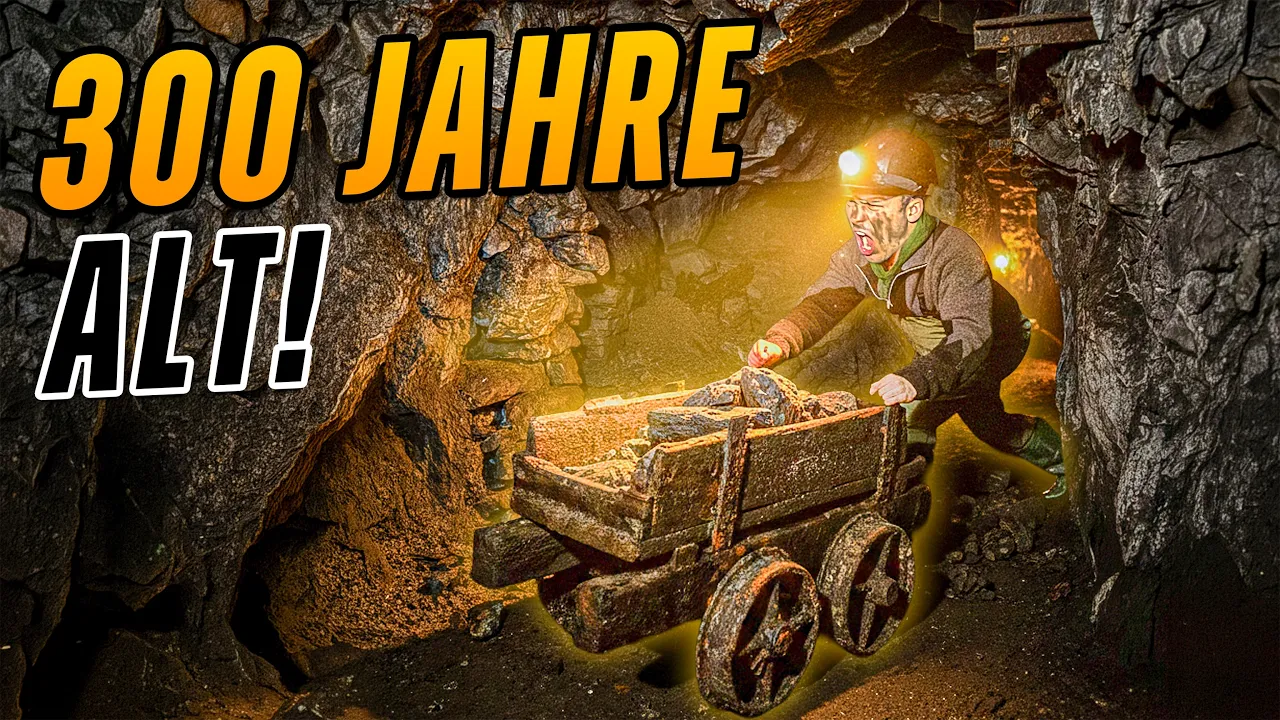
In this method, engineers used old earthmoving equipment tires to shore up the entrances.
In this technique, tires are built both vertically and horizontally into support structures.
Their durability provides a long-term - hundreds of years solution; their flexibility allows for movement needed when the earth shifts. And the cost is negligible since the tires are no longer usable on equipment.
At this, the Feature 4 Carolina opening, engineers needed to close a 16 by 20 foot wide area, but still provide for cave access. They stacked the tires into a floor and beam support system, and then included a six foot wide corrugated steel pipe as a doorway for bats.
The project engineers say this is the first time the tire plugging method was used in the United States.
It is the signature moment for this project that also provided significant protection for bats as seen in this post reclamation video. The project also preserved the historic nature of the site, and increased the safety of those who might visit there.
Which is why the judges chose the New Mexico Abandoned Mine Land Program as the National Award winner for 2015.
Up Next
10:22
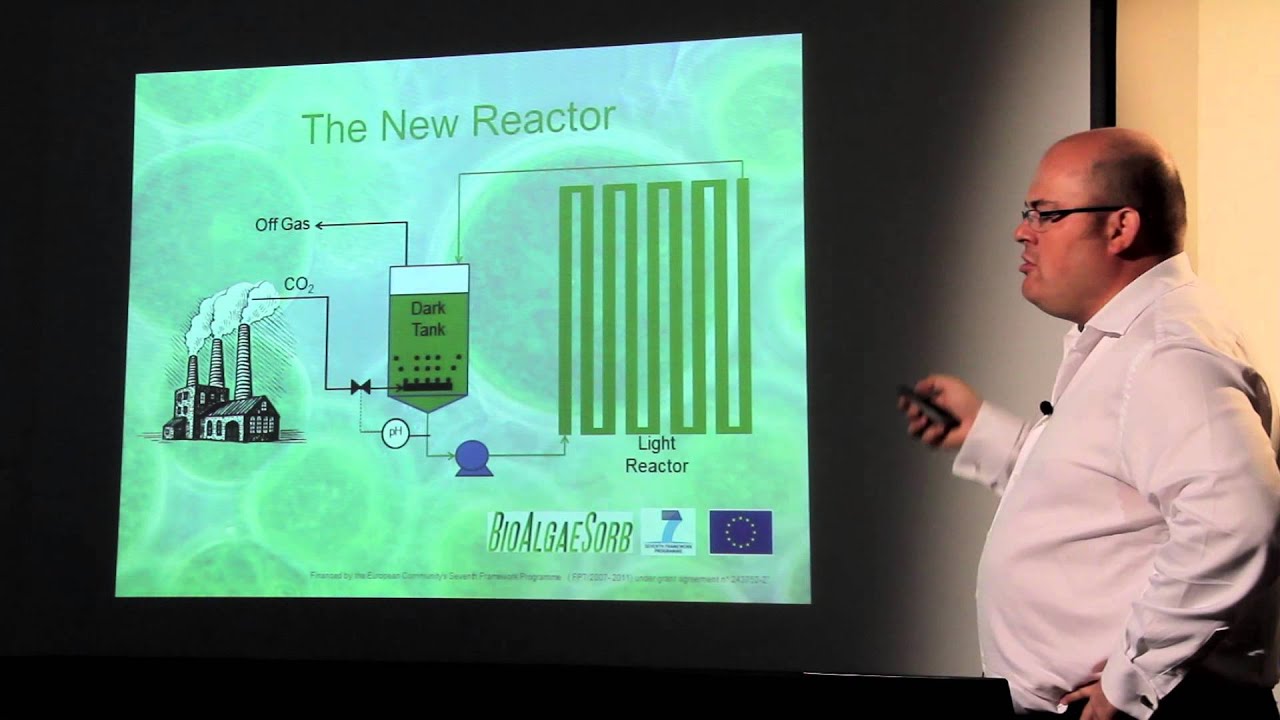
Photobioreactor Design for Flue Gas Remediation and Biofuels | BioAlgaeSorb
@bioalgaesorb7774
45.3K views•2013-09-27

30:32
Ultrasonic Transducers: Resonant Frequency Measurement and Horn Design
@imajeenyus42
229.9K views•2017-02-22
54:16
Polymer Environmental Degradation: Mechanisms & Stabilization
@iit
1.8K views•2012-07-10

33:39
How a Student's Question Saved a NYC Skyscraper from Collapse
@veritasium
22.8M views•2025-04-26
Related Study Plans & Knowledge Roadmaps
Structured learning paths in Engineering
engineering
Building Acoustic Levitators: Physics & Arduino
01The Physics of Sound and Standing Waves
02Piezoelectric Transducers and H-Bridge Drivers
03Arduino Programming: Generating 40 kHz Signals
+ 2 more learning modules
14h5 modules
Explore Roadmap
engineering
Building Peltier Cloud Chambers: Particle Tracks
01Cosmic Rays & Cloud Chamber Physics
02Thermoelectric Cooling (TEC) Fundamentals
03Custom Liquid-Cooling Loop Design
+ 2 more learning modules
18h5 modules
Explore Roadmap
engineering
Yagi-Uda Antennas: Modeling, Build & VNA Test
01Introduction to RF and Antenna Fundamentals
02Yagi-Uda Antenna Design Principles
03Antenna Modeling and Simulation in 4NEC2
+ 2 more learning modules
18h5 modules
Explore Roadmap
engineering
ECG Monitor Design: Op-Amps, Filters & Noise
01Electronics & Breadboard Basics
02Op-Amps and Instrumentation Amplifiers
03Bioelectricity and ECG Fundamentals
+ 2 more learning modules
18h5 modules
Explore Roadmap