

















![[#3] Microcirculação: FORÇAS DE STARLING | MK Fisiologia](https://i.ytimg.com/vi/g8yHtk_xE0o/maxresdefault.jpg)



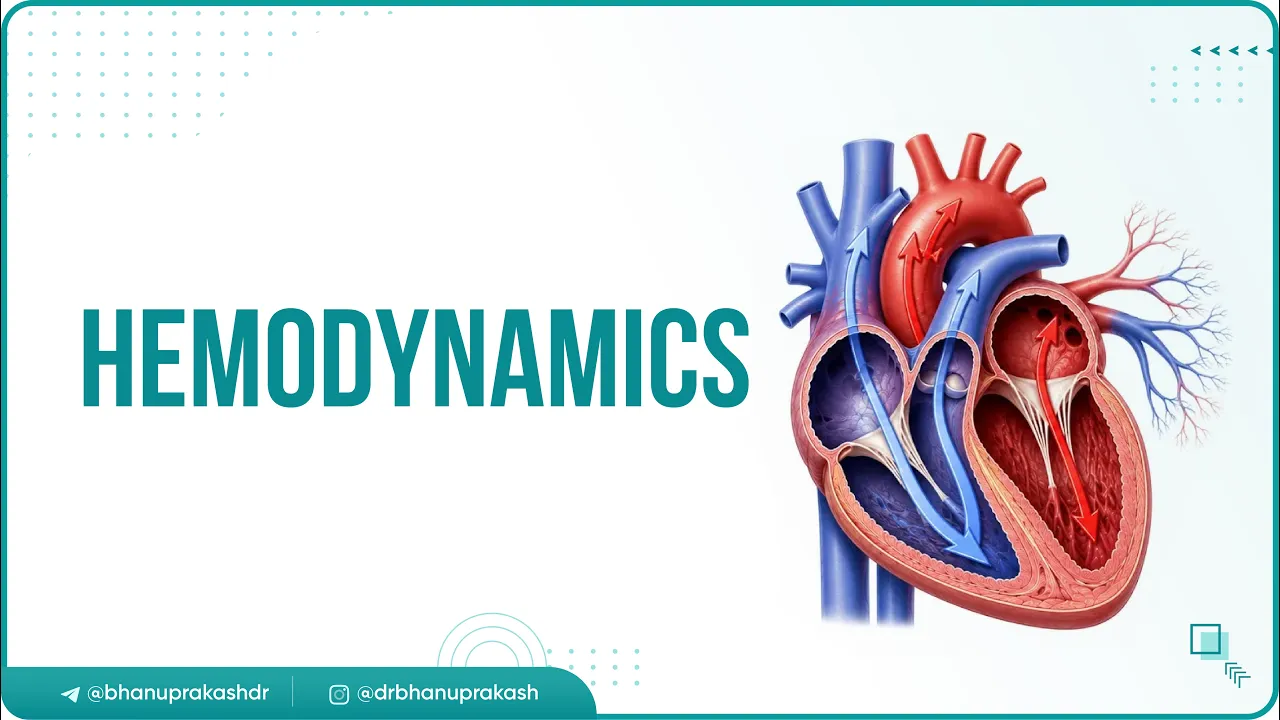

Blood flow through blood vessels is determined by the pressure difference between two points divided by vascular resistance (Flow = ΔP/R), where resistance is inversely related to the fourth power of vessel radius, meaning small changes in vessel diameter cause large changes in resistance; systemic circulation has higher pressures (100 mmHg in aorta) and higher resistance (1 PRU) compared to pulmonary circulation (16 mmHg mean pressure, 0.14 PRU resistance), with blood flow controlled locally by tissue metabolic needs through autoregulation.
Overview of Circulation: Pressure, Flow & Resistance | Physiology
Added:Basic anatomy of the cardiovascular system, including the structure of the heart, arteries, capillaries, and veins.
Fundamental principles of physics relating to fluids, specifically pressure gradients, resistance, and fluid flow dynamics.
The concept of cardiac output and how the heart acts as a pump to generate initial blood pressure.
Basic biological concepts of homeostasis and why tissue perfusion is critical for cellular survival.
The mechanisms of local and humoral regulation of blood flow in specific tissue beds (Guyton Chapter 17).
Nervous regulation of arterial pressure and rapid reflex mechanisms like the baroreceptor reflex.
The role of the kidneys in long-term blood pressure regulation and the Renin-Angiotensin-Aldosterone System (RAAS).
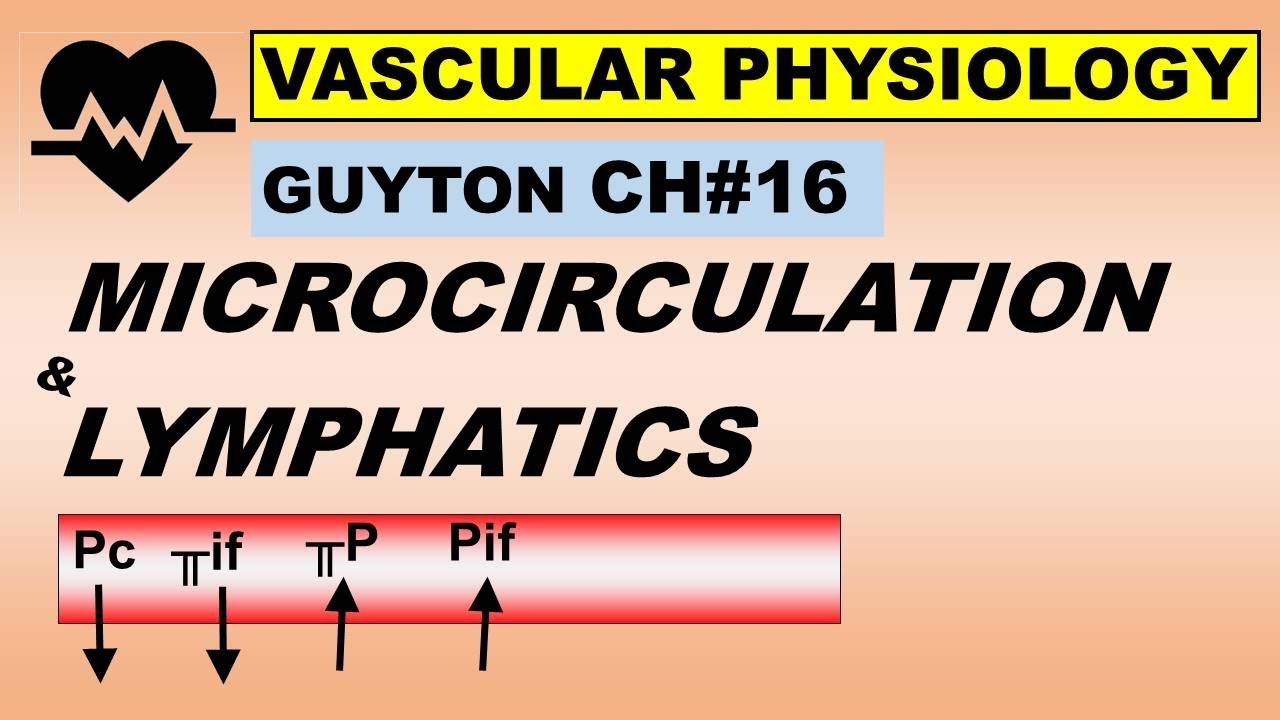
The dynamics of microcirculation, including capillary fluid exchange, Starling forces, and lymphatic function.
Clinical applications of hemodynamics, such as the physiological basis of hypertension, vascular compliance, and circulatory shock.
30.3K views458likes1:04:48Original Release: 2023-07-10
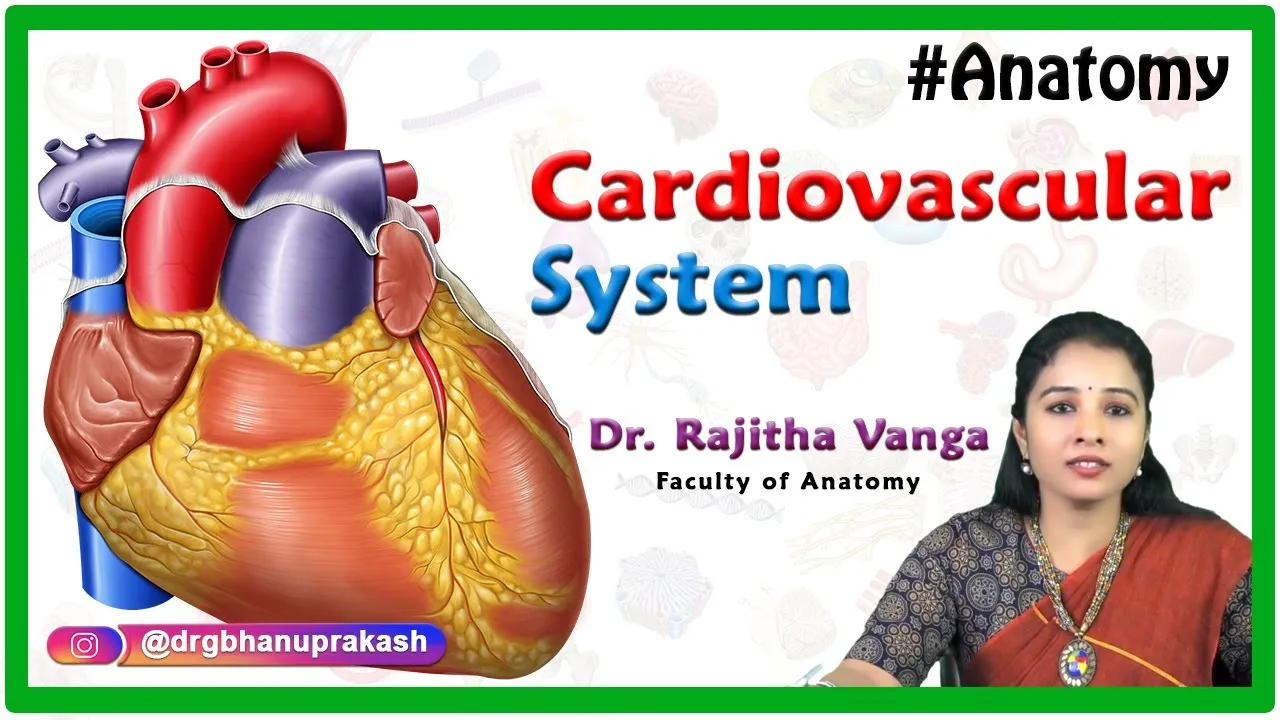
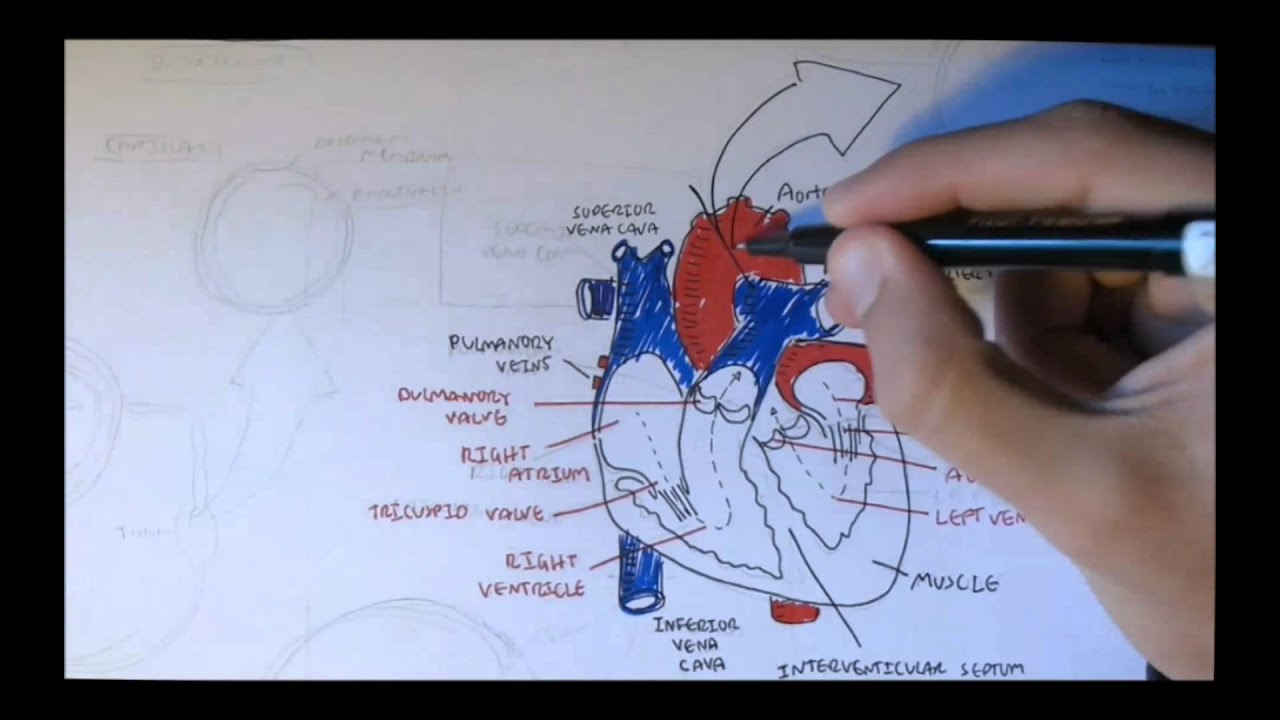
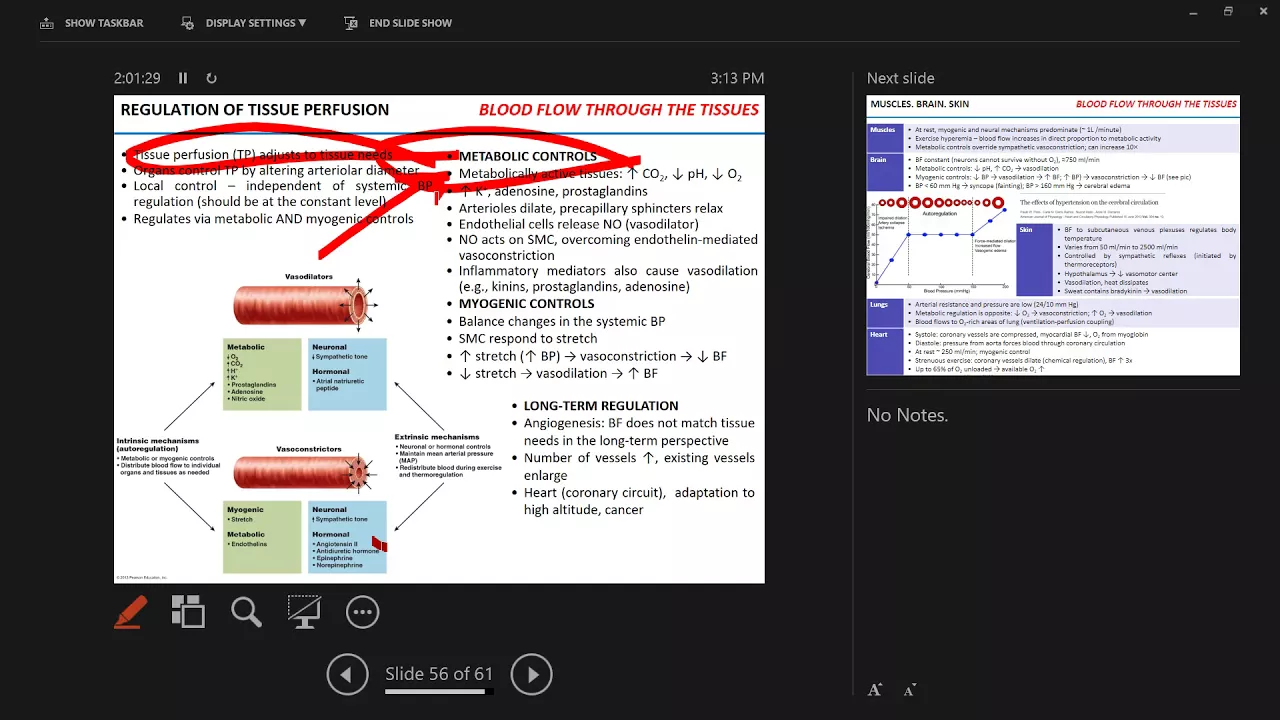
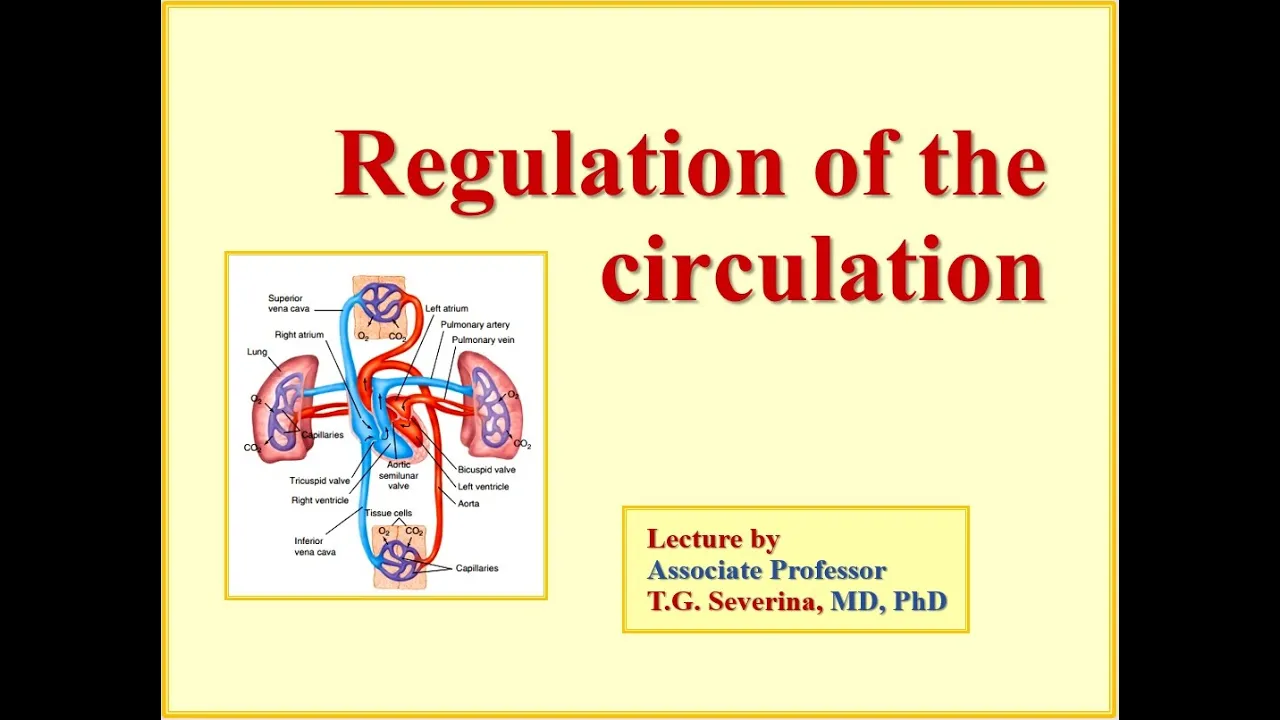
hello everyone and welcome back to my playlist of physiology chapter number 14 guide and says all the physiology related with the heart is already done now we have to begin a long list of chapters vascular system Associated Concepts super important because topics is overview of circulation which is pressure flow and resistance concept so it's a very basic chapter cardiovascular system unit cardiac physiology unit number three which we have done unit four major chapters so this is the first overview chapter just the function of the circulation is to serve the needs of the body tissues now what is the purpose of all this cardiovascular system so you have this little beautiful heart and this heart pumps the blood all the time and this heart actually pumps blood in two types of circulation videos but today again we are going to review that you left ventricles into the whole uh body arterial system this is what we call the systemic circulation so systemic circulation purpose so it's a medium uh like the river orange shipment so this is what is very important role of the water of the oceans because it serves as a communication purpose nutrients and tissues into the Venus system so that's the you know uh main purpose of the vascular system the rate of the blood flow through many tissues is controlled mainly in response to their need of the nutrient objectives it is basically the need of the tissue so for example if this is the stomach a resting stomach is different from the working stomach so if it's a working stomach which means you have taken a meal and their stomach is grinding the food right now so its metabolic requirement will be very very high is requirements so that is known as the local control of the blood flow or your concept of Barbara discus in some organs such as the kidneys the circulation serves additional functions blood flow to the kidney for example is far in excess of its metabolic requirements and is related to the excretory function of kidney special organisms blood supply safe nutrition supplies yes okay so since kidney is performing additional functions heart and blood vessels in turn are controlled to provide the cardiac output and the arterial pressure needed to supply the arrogate tissue blood flow though heart and blood vessels a blood vessels there are arteries there are veins there are capillaries heart or blood vessels what are the mechanisms for controlling the blood volume and blood flow and how does this process relate to the other functions of circulation so the first thing is the physical characteristics of the circulation now before I start reading the paragraph I have to explain this beautiful figure now that's um actually a very nice starter figure because it's me right in the center there is heart so cardiovascular system is the heart and the other component is the vessels in the first views diagram so if I ask you kidney colors you can see two colors there is a red color and there is a blue color so the red color is indicative of oxygenated blood and blue color is indicated of carbon dioxide Wala blood in a deoxygenated blood so let's dive into the diagram and this is very important discussion because we have four chambers this is the first one which is the right atrium this is the other chamber which is the right ventricle then we have left atrium and then the left ventricle okay foreign this is what we call the systemic circulation so the systemic circulation is everything other than lungs so your lungs made your blood this is called pulmonary circulation pulmonary circuits this is called systemic circulation circulatory systems one is called the pulmonary circuit and the other one is called the systemic Circle yes what does that nine means and all that so we will discuss as they come the circulation as shown in figure fourteen one diagram that is 14 1 is divided into two types of circulation one is the systemic circulation and the other one is the pulmonary circulation into the lungs because the systemic circulation supplies blood flow to all the tissues of the body except the lungs it is also known as the greater circulation or the peripheral circulation so the systemic circulation is equal to Greater circulation is equal to peripheral circulation all the same names okay now functional parts of circulation before discussing the details of circulatory function it is important to understand the role of each part the function of the artery is to transport blood under high pressure to the tissues for this reason the arteries have strong vascular walls and the blood flow at a very high velocity in the arteries if this is the tissue just my blood so the major vessel which is coming towards the tissue which is bringing the blood to blood sugar that is known as the artery so artery is a high pressure vessel is so basically you can control the blood supply to the tissues by modulating the size of the artery and the arterial artery device into fine branches and these little fine branches are known as capillaries and they make a structure which is known as venial or venial hair it goes towards the foreign this is how the flow of blood happens okay now um volumes of the blood in different parts of the circulation that is to give you an idea provides this figure again provides an overview of the circulation and lists its percentage of total blood volume in major segments of circulation for example about 84 percent of the whole blood volume of the body is in the systemic circulation and it makes sense that is the systemic circulation at any time only nine percent is in the pulmonary circulation the rest is in uh most of the rest is in the systemic circulation that is in the venous system which are actually the reservoir vessels at any time there is only seven percent of the blood arteries May 13 of the blood capillaries Miss seven percent of the blood so that basically tells you okay component of the cardiovascular system at any given time so all these numbers we have just discussed most surprising is the low blood volumes in the capillaries only I think about seven percent if you look here only seven percent which means cross-sectional areas and velocities of the blood flow if all the systemic vessels of each type were put side by side their approximate total cross-sectional area because again we have a lot of veins in the body uh so this is just to give you an idea of kidney vessels note particularly the cross-sectional areas of the veins which are much larger than those of the arteries averaging about four times those of the corresponding arteries this difference explains the large blood storage capacity of the Venus systems these are actually the storing type of thing because the same volume of blood flow must pass through each segment of circulation each minute the velocity of the blood is usually inversely proportional to the vascular cross-sectional area so if V is the velocity of the blood in a kiss is and if f is the flow of the blood volume and a is the cross sectional area then velocity is actually inversely related to the area and that is a generic Concepts that is [Music] under resting conditions the velocity averages about 33 centimeters per second in aorta but only 0.3 millimeters per second in the capillaries because capillaries overall overall have a very uh bigger cross-action area however because the capillaries of a typical length of only 0.3 to 1 millimeter the blood remains in the capillaries only for one to three seconds which is surprisingly because oxygen exchange of carbon dioxide exchange of other metabolites now the next concept is of the pressure in various portions because heart pumps blood continually into the aorta to aorta pressure that is about 100 millimeters you imagine this so it's a very high pressure vessel so it's around 100 millimeters of mercury okay actually pulsating so 120 during Sicily and about one uh about 80 millimeters of mercury during diastole so this is what the blood pressure is blood pressure so that's actually the systolic blood pressure and diastolic blood pressure which is usually 120 by 80. represent it's a very high pressure actually as the blood flows through the systemic circulation its mean pressure Falls progressively to zero millimeters by the time it reaches back into the superior and inferior vena cava so the pressure in many of the systemic capillaries varies from 35 millimeters near the artery dollar end to as low as 10 millimeter during the venous ending is so if I take you back to this diagram this is aorta you have a pressure hoga about 100 millimeters so here we have the capillaries in the tissues roughly around 35 millimeters you move from the aorta to the artery to the artery all to the capillary to the veins and it makes sense it comes back to the right atrium it is back to zero so it's starting from 100 it comes back to zero pressure is right okay again near the Venus hand but the average functional pressure in most of the capillaries is usually 17 millimeters are pressure low enough that little plasma leaks through the pores but other nutrients and oxygen and carbon dioxide and gases diffuse very easily in some capillaries such as the glomerular capillaries of kidney the pressure is considerably High averaging about 60 millimeters of mercury causing at much higher rates the fluid filtration which happens now this is contacts dependent obviously filtration filtration we need a little higher pressure filter because the task here is filtration the pressure is a little high okay at the far right side of the diagram figure 42 note the perspective respective pressures in different parts of the pulmonary circulation in the pulmonary arteries the pressure is pulsatile but it is a little less as compared to the systemic circulation because obviously imagine the left systemic circulation left side of the ventricle your right side of the ventricle obviously the left side of the ventricle so the left ventricle is a highly muscular strong chamber which pushes the blood with a very very high pressure right ventricle head is comparatively weaker as compared to the left ventricle or pulmonary circuit pressure it's about your systolic pressure that's about 25 millimeters of mercury or diastolic is about age as compared to 120 and 80. compare these numbers and the mean pulmonary arterial pressure is about 16 millimeters okay pulmonary capillary mean is about seven millimeters so all these numbers are lower as compared to the stomach circulation so remember in the systemic circulation the numbers of pressures are higher in the pulmonary circuit they are a little lower okay now yet the total blood flow through the lung each minute is same as through the systemic circulation because it's a synchronous movement so same amount of blood has to move through the body as well as through the lungs the low pressure of the pulmonary system are in accord with the need of the lungs because all that is required to expose the blood in the pulmonary capillaries to oxygen and other gases of the pulp so we need a little lower pressure there so that the oxygen exchange is facilitated so the bottom line the overall story that in the pulmonary circulation pressures are lower as compared to the systemic circulation okay with this we have to talk about three basic principles which we have to remember throughout the study of our vascular systems basic principles are of key value is the blood flow to most of the tissues is controlled according to the tissue need is this is all concept is also known as Auto regulations it is controlled not by the blood pressure of the body but it is rather controlled by the local needs many of course stomach is functioning then the metabolic requirement of the blood will be different as compared to the resting stomach tissue demand metabolize but this is how the blood flow is controlled they control their own blood supply when the tissues are active they need increased blood supply of nutrients and therefore more blood flows as compared to when it rests okay so that's the basic basic concept however the heart normally cannot increase its cardiac output more than four to seven times higher than the resting level but the tissue can have more blood supply because of the intrinsic Auto regulation system so if the tissue is heavily active they release factors and there is a hormonal control of the body in such a direction you know arterials and they become dilated we don't need more blood supply in the tissue the arterioles basically constructs so that's how they control so that is rule number one rule number two is that the cardiac output is the sum of all the local tissue flows so when the blood flows through a tissue it immediately returns by the way of the veins to the heart the heart responds automatically to this increase in flow of the blood by pumping it immediately back into the system thus as long as the heart is functioning normally it acts as an automaton responding to the demands of the tissues the heart however often needs help in the form of special nerve signals to make it pump the required amounts of the blood so for example if the heart has to pump faster it needs more of the sympathetic Drive take a uh contraction faster stronger but the point is that the cardiac output is well dependent on how the tissue flow is maintained tissues into the arteries okay so basically this point number two is also again related with Point number one okay the way tissues control their own blood um so point two is also related with the point number one and then the general principle number three is arterial pressure regulation is generally independent of I the local blood flow control or the cardiac output control so your local demand head tissue scheme the circulated system is provided with an extensive system of controlling the arterial blood pressure for example if at any time the blood pressure Falls significantly below such as below the level of 100 millimeters of mercury we have nervous reflexes which will bring it back above 100 uh within seconds the nervous signals especially do the following by increasing the pumping of the heart sympathetic Drive causes the contraction of the large venous reservoirs or veins contract more blood comes into the heart and more blood is pumped out cause generalized constriction of the arterioles tissues so blood pressure regulation that is very well controlled basically we have a lot of different mechanisms which we will study obviously to control the blood pressure and it is independent of how the tissues are dealt with blood pressure control garlic system then over more long periods hours and days kidneys play an important and additional role in the control of the blood pressure running Angiotensin aldosterone system renal physiology May detail May discussion therefore the needs of the individual tissues are served specifically by the circulation in the remainder of this chapter we begin to discuss the basic control of the tissue blood flow and the cardiac output and the arterial pressure so 18 principles and then the arterial pressure is controlled with fine-tuned capacity by different systems which exist in your body okay interrelationships of pressure Concepts flow okay Concepts or resistance blood flow through a blood vessel is determined by two forces blood vessel it's just like a pipe um whatever different Books use different terminologies does it matter but initial pressure entering point or final pressure is so you have to have the concept of what you are talking about somewhere here locations pressure yeah entering point with 35 millimeters or pressure head that is lower such as 10. so obviously I know that this is the blood pressure flow direction of pressure zero here at entry point will be pressure zero High exit point to be pressure zero here so each condition May there will be no flow because so flow actually depends on number one the pressure difference uh of the vessel gradient or second point just that is the impediment of the blood flow which is known as the vascular resistance so there will be high resistance so flow is basically inversely related to the resistance a good blood vessel is and final pressures in the vessel they include the P1 represent the pressure at the origin of the vessel and if this is the blood vessel so start per the pressure is P1 and end per the pressure is P2 and it is the difference between the two pressures which will be represented by Delta P so Delta p is going to be the difference between the two pressures okay and the resistance is represented by R and therefore the flow which is represented by f is determined by this little equation which is change in the pressure uh over the resistance is equal to the flow and in simple words basically foreign so the difference in pressure is actually going to be 25.
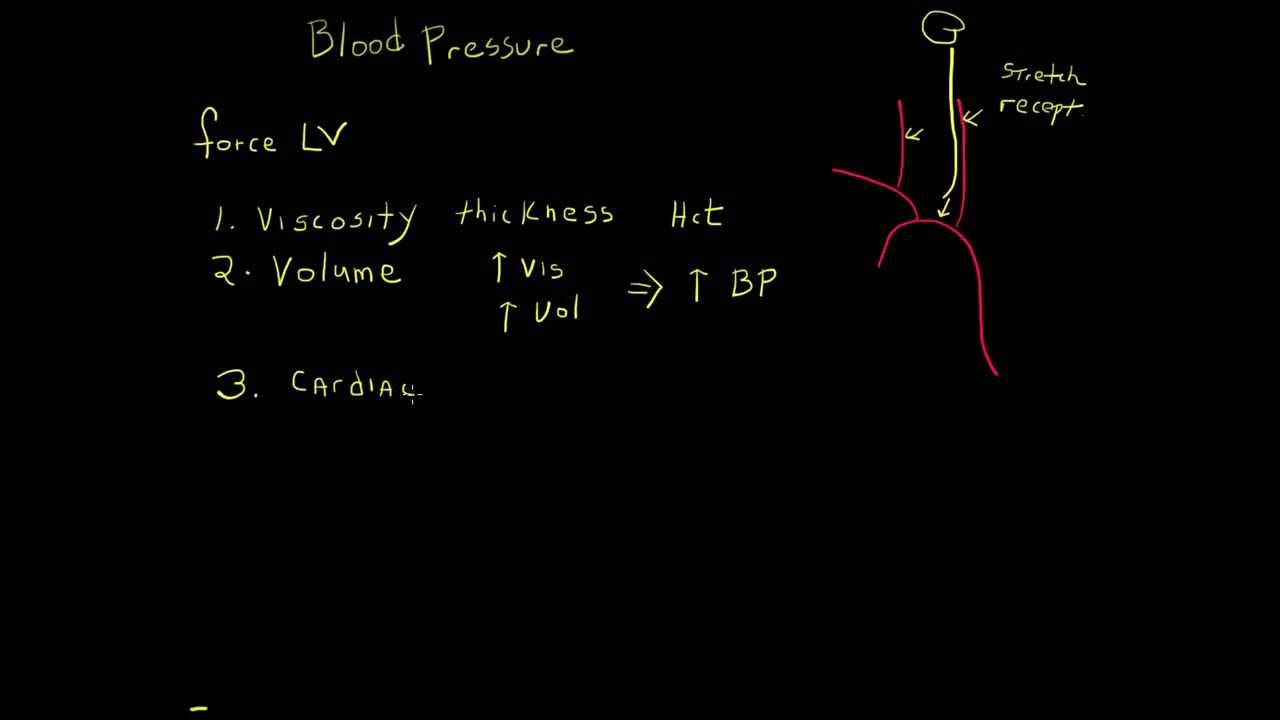
I have pressure of 35 here and now I have the ending pressure of say for example 30 and now the difference which is the Delta Delta P will only be five 35 minus 30 is going to be five so that sort of thing is Vessel number two May the flow will be more high in Vessel number one because the Delta p is directly related with the flow jitna Jada difference so cross-sectional area is basically equal to the resistance the resistance is very low or Vessel number one may the resistance is very high so high resistance means low flow because resistance is inversely related flow either or resistance so resistance is inversely related to the flow resistance okay so that is a very important concept to grasp node it is the difference between the pressure between the two end of The Vessel not the absolute pressure so other absolute pressure say for example important concept here is although the difference is higher here so flow is actually going to be higher in Vessel number two so remember this it's a very very clear-cut USMLE questions law Illustrated in the preceding formula this formula uh expresses one of the most important of all the relationships that the reader need to understand to comprehend the hemodynamics of circulation because of the extreme importance of this formula the reader should be familiar with its other algebraic forms so either different annotations and basically so basic formula flow is equal to Delta P upon R so if I move R here and F will come down here so the formula will become R is equal to Delta P upon F so that's a simple mathematics or Delta p is f multiplied by R this is a simple C again flow is directly related to the change in pressure and flow is inversely related to the resistance that's important okay now blood flow blood flow rate means the quantity of the blood that passes a given point in the circulation in a given period of time that is what is known as the blood flow ordinarily the blood flow is expressed in milliliters per minute yeah liters per minute it can be expressed in the milliliters per second but usually it's per minute which is uh used in the clinical practice the overall blood flow in the total circulation is about five liters per minute in a 5000 MLS per minute this is called the cardiac output it's a simple thing to remember no big deal concept is if this is a straight beautiful blood vessel is called the normal laminar blood flow blood flow turbulence blood vessels so if there is a disturbance in the direction of flow then the blood flow is not laminar it's a little hodgepodge and this is called turbulence supposing blood vessels see this diagram is a good representation of a beautiful laminar blood flow and this diagram is showing you is turbulent blood flow now parabolic velocity profiling is not important for you to understand uh no not in not important and therefore we don't have to waste time the concept of eddy current is important and I have described this to you this happens when there is turbulent blood flow okay all right the tendency of turbulent blood flow increases in direct proportion to the velocity of the blood flow the diameter of the blood vessel and the density of the blood and is inversely proportional to the viscosity of the blood in accordance with Concepts number is the measure of tendency of turbulence of the blood flow so if Raynaud number is very high the blood flow is going to be very very turbulent okay normal viscosity and all these things not important concepts are important now Reynolds number for flow in the vascular system normally Rises 200 to 400 even in large arteries as a result There is almost always some flow turbulence at the branches of these vessels and that makes sense branching of the vessel turning of the vessel hoga you know vessel is turning like this point per Reynard number is going to be very high branching point an odd number is going to be very high because turbulence hogi in points per in the proximal portion of the aorta in the pulmonary artery the Reynard number can rise to several thousands during the rapid phase of ejection it's very important Concepts number can actually go into thousands so it makes sense turbulence will be very very high well that's a simple Point okay a turbulence can be because of pathology and turbulence can be because of the branching of the blood vessel or when the blood ejects from the heart or at the point where the vessels are turned okay right where many conditions are appropriate for turbulence such as high velocity of the blood flow such as when it is coming out of the ventricle pulsatile nature of the blood flow Sudden Change in the vessel diameter and large vessel diameter so yes turbulence generator blood pressure is that is millimeters of mercury is the standard unit of blood pressure that we use otherwise centimeters of mercury we use whole satire but that's the standard now blood pressure almost always is measured in millimeters of mercury because Mercury manometer has been used as a standard reference for measuring pressure since its invention 1846 by puzzle so millimeters actually blood pressure means the force exerted by the blood against any unit area of the vessel wall if the pressure of the vessel is 100 millimeter this actually means that the force exerted is sufficient to push a column of mercury against the gravity up to 50 millimeters high so that's against the gravity and that is The annotation what is exactly 100 millimeters of mercury means okay occasionally the pressure is measured in centimeters of mercury but I would say not even occasionally I mean rarer rarer rarer form I don't uh use this anytime at my clinics one millimeter of mercury pressure equals to 1.3 centimeters of water pressure because the specific gravity but unnecessary stuff otherwise clinical practice centimeters now guys uh one I mean this is the last concept of this chapter which is about the resistance and that is going to be a very very high yield discussion because resistance so please pay attention to the concepts we are just going to discuss right now units of resistance or resistance there is a very high resistance resistance is the impediment to the blood flow in a vessel but it cannot be measured by any direct means that's beautiful it's instead resistance must be calculated from measurements of blood flow and pressure differences if the pressure difference between the two points is one millimeter so so pressure difference Delta P any point pressure difference so if it is one millimeters of mercury or your flow head that is about one milliliter per second so the other thing that you need is the flow so if you have these two values then you can calculate the resistance and in this case because the difference between the two points pressure difference is one millimeter and the flow is also one ml per second the resistance is said to be one peripheral resistance unit or pru this is the most commonly used unit for resistance in the vascular system so if the difference between the two point is one a one upon one flow is one as well so one divided by one is equal to one which is the peripheral resistance in the it is peripheral resistance unit expression of resistance in CGS this is also uh although routinely occasionally used unit uh which is the centimeters Ram second this unit you don't have to actually worry about because that's the unit that you will encounter in all your clinical career as well as the professional exams but anyways because this is the textbook of physiology talks about all the possible scenarios okay um you have a pulmonary circuit in your body and you have a systemic circuit in your body circulations and total pulmonary vascular resistance so pulmonary vascular resistance peripheral vascular resistance peripheral circulation systemic circulation the rate of blood flow through the entire body what is the systemic Circle so that is about 5 liters per minute I say in a five to six liters per minute that will be about 100 ml yeah 8200 ml per second this is going to be the flow of the systemic circulation so we know that the flow is about 100 ml per second floor okay you have to calculate the resistance you have to talk about two things number one the pressure difference at number two is the flow flow systemic circulation your total cardiac output have roughly about five thousand five thousand to six thousand in a five to six liters per minute breakdown seconds it becomes 100 ml per second so yes you see this is your heart right side here or left side left side says so that is zero 100 was when the blood is coming out into the aorta and zero pressure when it is coming back into the right atrium so again circulations so this is point number one and this is point number two points pressure difference and the difference is 100 minus zero the difference is 100 millimeters of mercury so the flow is 100 and the pressure difference is 100 then the peripheral resistance will be 100 upon hundred again one peripheral resistance unit systemic circulation is total that is one peripheral resistance unit easy to calculate foreign what is the way that you calculate again the same thing you need to know the flow in the pulmonary circuit you need to know the pressure difference you know that the flow in the pulmonary circuit is the same as in the systemic circulation systemic circulation may be uh your blood hair or five to six liters per minute here or pulmonary circulation may be five to six liters per minute breakdown current so it will be about 100 milliliters per second so 100 milliliters per second is the flow flow is going to be 100 uh calculation system the cardiac output is again 100 ml per second which is the flow through the pulmonary circuit and the pressure is roughly about a job pressure difference here that is roughly about 14 millimeters so if you divide these numbers you get a total peripheral resistance in the lungs not the total peripheral resistant actually the total pulmonary resistance that will become 0.14 so this zero point 1 4 is going to be the total pulmonary resistance that is the systemic circuit is 0.14 or systemic circulation resistance calculate key that is one now let me ask you this simple question uh vascular resistance obviously it is less in the pulmonary circuit so in the pulmonary circuit it is only 0.14 in the systemic circuit it is going to be one so that's actually uh but that's very very important and interesting uh Concepts right so resistance concept it's a basic concept bottom line because foreign because resistance is very high uh blood vessel easily it will go conductance high resistance low small changes in the vessel diameter markedly change its conductance is blood vessels change in the size of the vessel changes big time in conductance and resistance so that's the point here a small changes in the vessel diameter Mark really changes the conductance it's not a ratio of one is to one one point size may change so four times four times four times so that sort of thing so conductance is directly related to diameter four times change so uh one is to four it's very very big one okay so foreign big change in the conductance or his direction is a ratio of one is to four then the poison is in a lot of different things which affect the flow so uh but anyways it's going to be a complicated discussion um list the factors which affect the blood flow and the important factors include the pressure differences the radius of the vessel and the viscosity of the blood okay if that's all you remember you are good now the importance of the vessel diameter fourth power long determining the arterial resistance uh not important heading the only thing you have to remember okay vessel diameter change with the power of four equations Circuit of blood vessels and parallel circuit of blood vessels R1 R2 R3 if they are connected like this this is called series circuit but if they are connected something like this okay R1 then R2 and then R3 this is what is we we call it and they are all then connected to a current Source uh this is known as the parallel circuit by the heart flows from the high pressure part of the systemic circulation which is the aorta to the low pressure side which is the vena cava through many miles of the blood vessels which are arranged in series and these blood vessels are arteries artery all and capillaries resistance resistance then we get the total resistance unit so that is all the resistance combined and these are the structures which are arranged in series so suppose this diagram here we have an artery and this artery is giving rise to this arterial is artery also a capillary nuclei or is capillary there are different resistances because they are attached one after another this is known as series Arrangement like in sometimes what happens okay in different parts of the organs so we have this parallel arrangement of circuit hurricane so this Arrangement is what we call the parallel circuit Arrangement or parallel circuit key total resistance calculator is formulas here one over R is equal to 1 over R1 plus 1 over R2 plus 1 over R3 is there will be decreased resistance because it is worth repeating blood vessel Arrangements one is the series type of arrangement series circuit and the other one is the parallel circuits because all these bulbs are connected one after another in one Series this is known as Siri circuit Plus R2 plus R3 plus R4 and whatever RnB blood vessels you get the total resistance okay blood vessels so you add more blood vessels in series circuit the resistance will increase the total resistance will increase parallel circuit is the arrangement where they are not arranged the blood vessels are not arranged in series like this rather they are arranged parallel to one another so suppose this is the organ or a major artery is approaching the organ all these arterials are arranged in parallel so in key resistance calculator with the Formula 1 over R is equal to one over r one plus one over r two plus one over R3 or parallel resistance okay if you add more blood vessels the total resistance decrease which also means total resistance decrease and see it makes sense obviously Char blood vessels more blood will reach there which means the more the blood blood vessels in parallel Arrangement more is the conductance less is the resistance the concepts of conductance and the concepts of resistance series resistance May further blood vessels further blood vessels so that's sort of the story which you must understand so for example they always have like a lot of parallel circuit arrangements okay now therefore amputation of a lame or surgical removal of a kidney also removes the parallel circuit and by removing the parallel circuit what you do is uh you know there are changes in the vascular conductance as well as changes in the peripheral vascular resistance resistance it's all like this more blood vessels videos what are the parameters which affect the flow of the blood and the parameters are changes in the pressure changes in the radius changes in the viscosity poisonous equation changes when the blood is thick and this can happen because of a lot of different reasons so for example there is polycythemia rubrovera so there is increased hematocrit in this condition more rbcs it will be a thicker blur or thick blood or slowly move slowly move so that sort of thing easy stuff another factor in Poison's equation is the viscosity of the blood the greater the viscosity the lower the flow eighteen equation where is the equation the greater the viscosity the lower the flow inverse relation and the lower the viscosity the greater the flow okay now what changes the viscosity of the blood there are so many diseases for example what is the hematocrit of the person so if the hematical is for example 40 it actually means give 40 of the blood volume is actually made up of cells usually the red blood cells most of the times hematocrite is there are so many diseases for example polycythemia in polycythemia the hematocrit value increases so the viscosity increases so the flow decreases okay relationships increases the flow decreases okay now the effect of pressure on the vascular resistance and tissue now this is one headings which are all very low yield headings Auto regulation attenuates the effect of arterial pressure on the tissue blood flow yes misconceptions so this is the artery this is the arterial and obviously it will divide into capillaries and then vein and the vanilla normal systems because of any reason so blood pressure is foreign however the effect of the arterial pressure on the blood flow in many tissue is usually far less than one might expect this is because the increased arterial pressure not only increase the force that pushes the blood through the vessels but also initiate compensatory increase in the vascular resistance and the tissue decides for itself okay so this is called blood flow autoregulation likewise the hormones and there are so many other players which actually regulate the vascular resistance so Joey's Point per vascular resistance there are some vascular beds in the body uh they're not major ones but they still do exist in the body auto regulations major determinant of the blood flow to the tissue will be the blood pressure changes that passive vascular bad then blood pressure becomes the major determining factor for the blood flow then there is this heading called the vascular wall tension which is governed by the laplace's law basically is obviously it is exerting pressure on the blood vessel wall or it's blood vessels 100 millimeters of mercury so blood vessels this is what is known as laplace's law or effect of vascular ball tension thus the larger blood vessels exposed to high pressures such as aorta must have stronger walls to withstand the higher levels of tension in contrast capillaries have a smaller radii a smaller pressure a smaller wall thinner walls and they can withstand the pressure so that sort of thing here uh vascular shear stress as the blood flow it creates a fractional force or drag on the endothelial cell lining of the blood vessel which is known as the shear stress blood vessels this is called so that we will discuss when it comes to it okay so that's all about the preliminary discussion discussions what are different types of resistance vessels uh yeah discussion further intense cardiovascular system is a very important system of your body cardiac units yeah so that's all about this chapter
Up Next

144:40
Action Potential in Neurons Explained: Neurology Lecture
@DoctorNajeeb
605.7K views•2020-09-01

48:47
Graphic Medicine: Comics for Collaborative Healthcare Communication
@nationalpatientadvocate
189 views•2023-12-04

10:28
Neuroanatomy: Central and Peripheral Nervous System Divisions Explained
@AKLECTURES
136.2K views•2014-09-20
3:05
Stages of Labor and Vaginal Birth | Childbirth Animation
@nucleusmedicalmedia
52.1M views•2017-08-18
Related Study Plans & Knowledge Roadmaps
Structured learning paths in Medicine
medicine
Abnormal LFTs: Diagnostic Workup & Pathology
01Liver Anatomy and Basic Physiology
02Introduction to Liver Function Tests (LFTs)
03Hepatocellular vs. Cholestatic Patterns
+ 3 more learning modules
12h6 modules
Explore Roadmap
medicine
Analyzing Blood Smears: RBC, WBC & Platelets
01Introduction to Blood Components & Smear Preparation
02Normal Morphology of Blood Cells
03Erythrocyte Pathologies & Morphological Variants
+ 2 more learning modules
12h5 modules
Explore Roadmap
medicine
Mechanical Ventilation: Waveforms & Alarms
01Anatomy and Physiology of Breathing
02Introduction to Mechanical Ventilation & Core Modes
03Ventilator Settings and Waveform Interpretation
+ 2 more learning modules
12h5 modules
Explore Roadmap
medicine
Neuro Exam: Localization & Stroke Syndromes
01Foundations of Neuroanatomy and Vascular Supply
02The Neurological Examination: Step-by-Step
03Principles of Neurological Localization
+ 3 more learning modules
18h6 modules
Explore Roadmap