





















Subcultures emerge when groups of people feel excluded from mainstream society, creating distinctive cultural practices and styles as a form of resistance to dominant cultural norms; these subcultures, often centered around music, fashion, and language, provide marginalized individuals with spaces to express their identity, create alternative cultural forms, and build community solidarity against mainstream societal pressures.
Subculture: The Meaning of Style by Dick Hebdige | Summary & Analysis
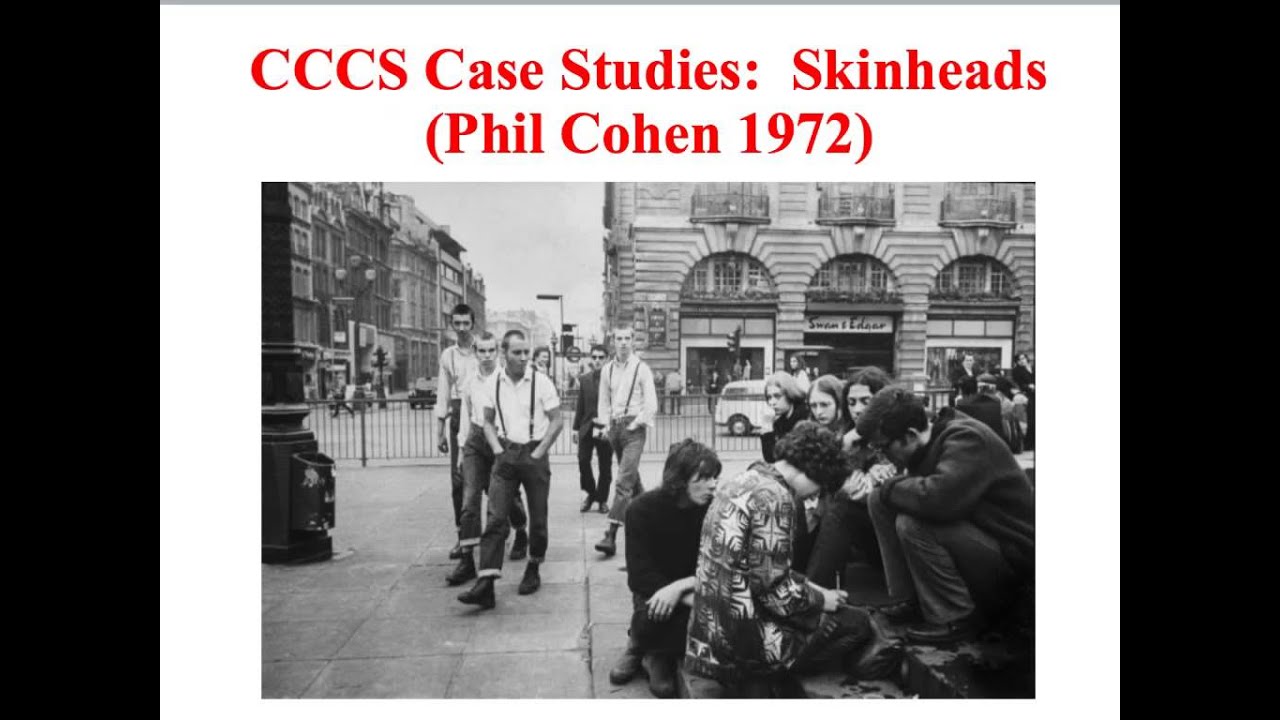
Added:An understanding of the Birmingham School of Cultural Studies (CCCS) and its foundational interest in working-class youth culture.
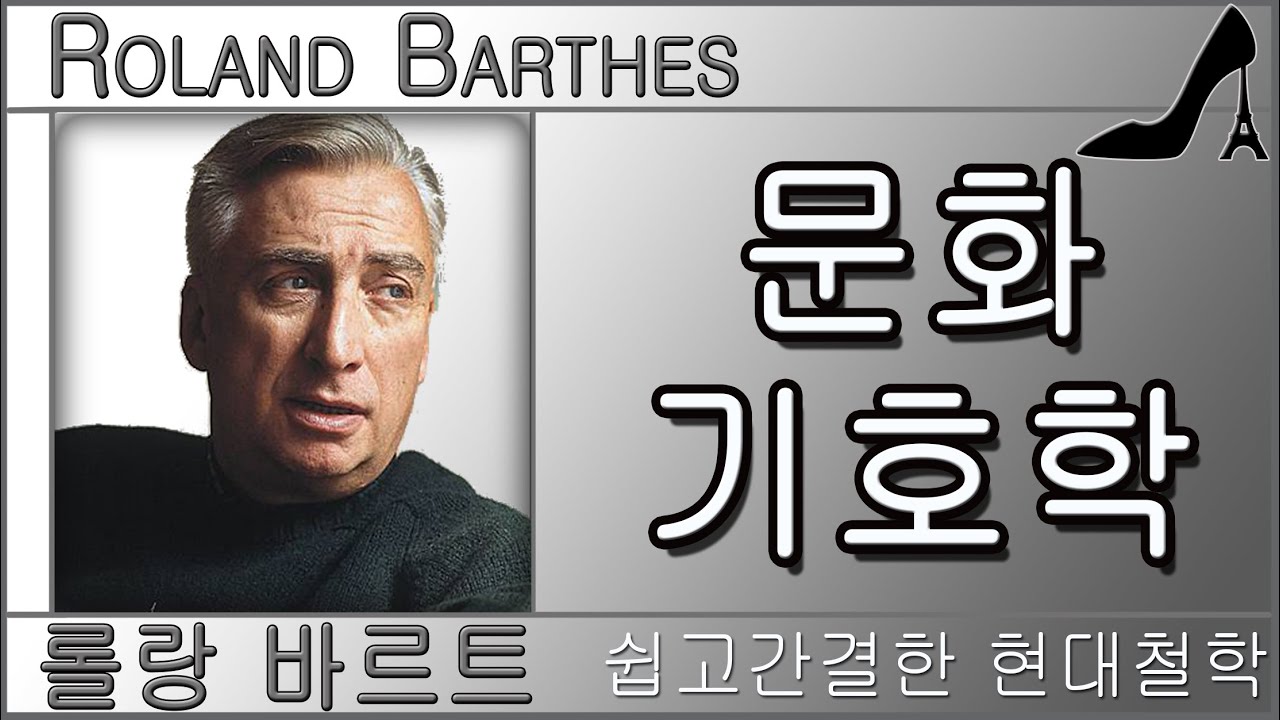
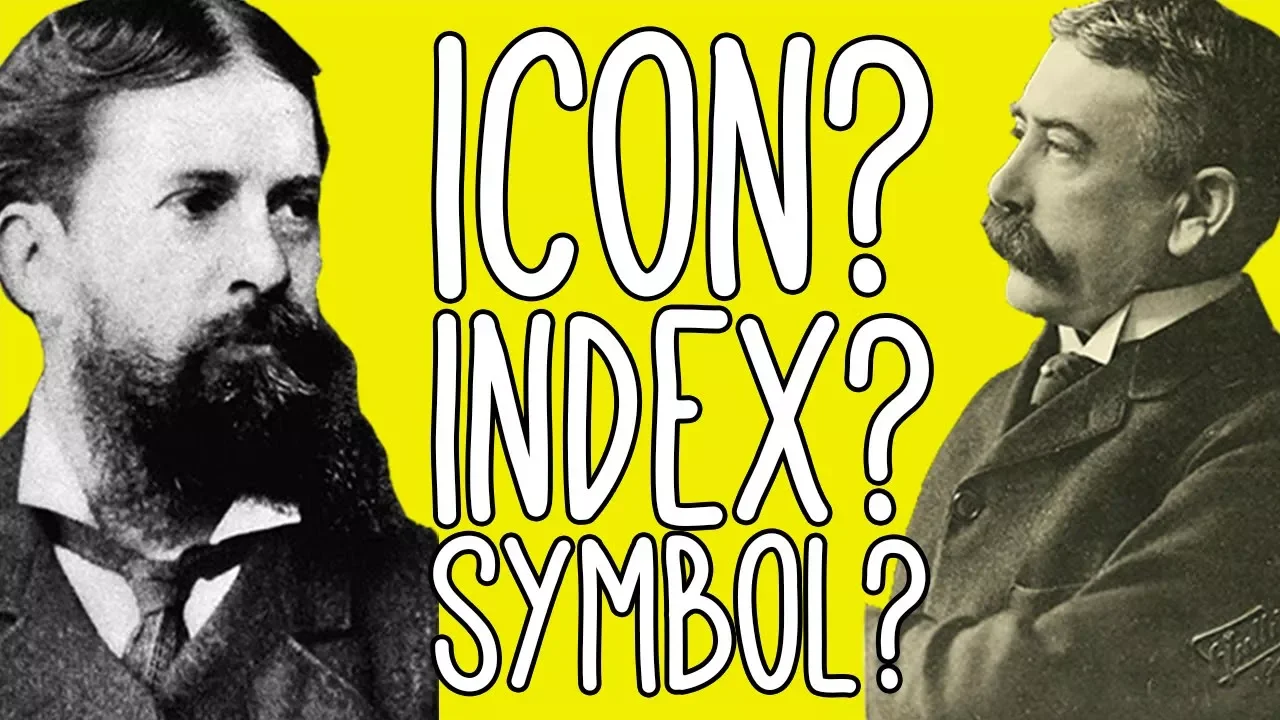
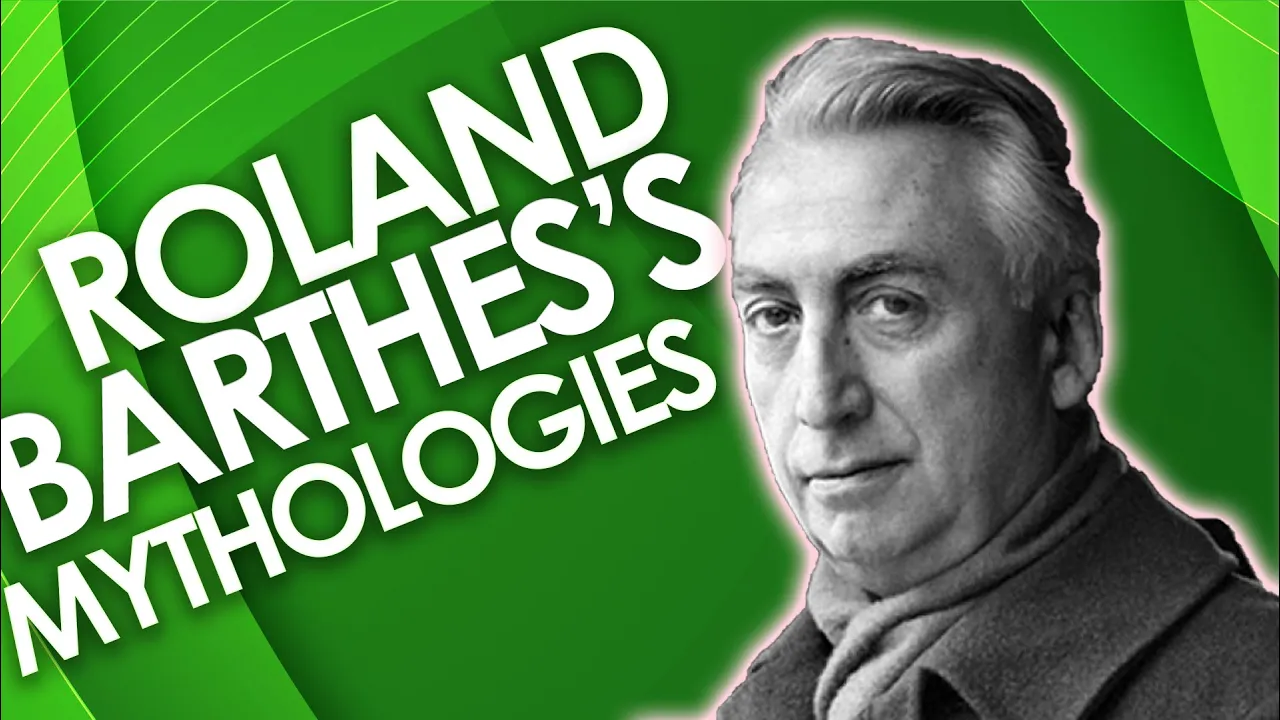
Basic concepts of Semiotics, specifically Ferdinand de Saussure's and Roland Barthes' theories on signs, signifiers, and how cultural objects convey meaning.
Antonio Gramsci's theory of Cultural Hegemony, which explains how dominant societal groups maintain power and how subordinate groups negotiate or resist it.
A general historical awareness of post-WWII British society, particularly the economic decline and social tensions of the 1970s that gave rise to punk.
The process of incorporation and recuperation, analyzing how capitalism and mass media commodity subcultural style and strip it of its subversive power.
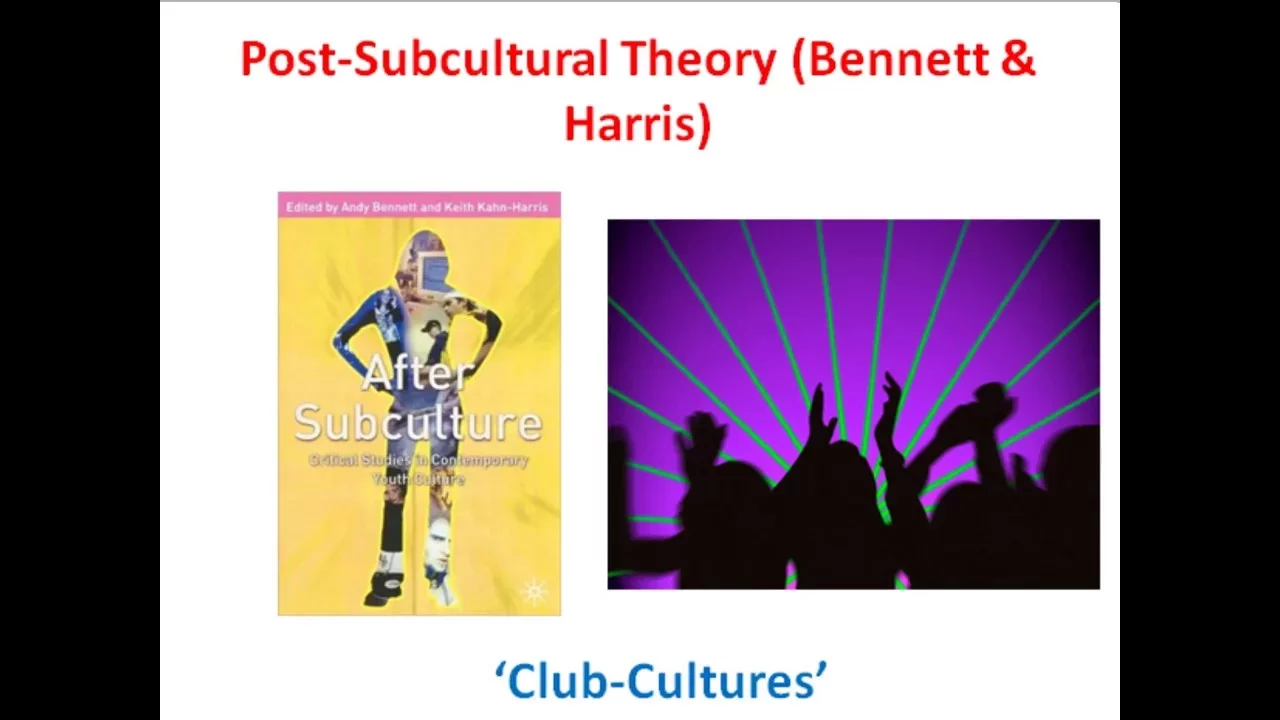
Post-subcultural theory and 'neo-tribalism' (e.g., Michel Maffesoli, Andy Bennett), which critique Hebdige's rigid, class-based framework in favor of fluid, postmodern identities.
Feminist interventions in cultural studies, specifically Angela McRobbie's critiques regarding the historical exclusion of young women from subcultural research.
Applying Hebdige's concepts of 'bricolage' and 'homology' to contemporary digital youth subcultures, internet aesthetics, and online spaces.
4.3K views99likes3:27Original Release: 2023-03-11
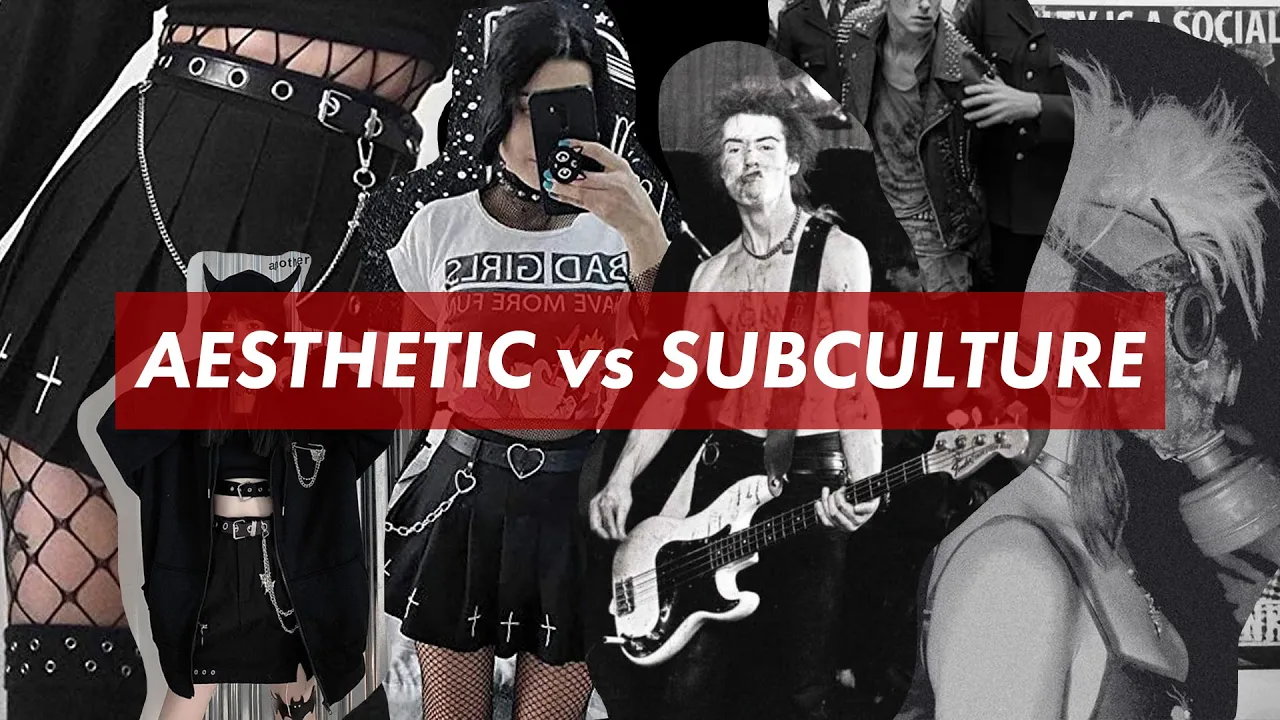
subculture the meaning of style is a book written by dick hebdage that explores the meaning and significance of subcultures in British Society during the late 1970s the book was first published in 1979 and has since become a seminal work in the field of cultural studies hebdig argues that subcultures are formed by groups of people who feel excluded from mainstream society and who create their own distinctive cultural practices and Styles as a way of expressing their identity and resisting dominant cultural norms he claims that subcultures are often formed around specific genres of music fashion and language and that they are characterized by a sense of rebellion and opposition to mainstream cultural values according to hebdige subcultures are a form of resistance to dominant cultural values and a means of creating alternative cultural identities he argues that subcultures provide a space for individuals to express themselves and to create new cultural forms that challenge the dominant cultural order he also claims that subcultures are a way of creating a sense of community and solidarity among those who feel excluded or marginalized by mainstream Society hebdig uses the example of the punk subculture to illustrate his ideas about the meaning and significance of subcultures he argues that punk emerged in response to the Social and economic conditions of late 1970s Britain which were characterized by Rising unemployment political instability and social inequality he claims that punk was a way for young people to express their anger and frustration with the dominant cultural values of mainstream society and to create their own distinctive cultural forms hebdig also explores the role of fashion in subcultures and argues that fashion is a key element in the creation and maintenance of subcultural identities he claims that subcultures often use fashion as a means of expressing their identity and resisting dominant cultural norms he argues that fashion is a way of creating a visual language that communicates the values and beliefs of a subculture to others moreover hebdig examines the role of race and ethnicity in subcultures and argues that subcultures are often formed around shared experiences of exclusion and marginalization he claims that subcultures provide a way for people of different races and ethnicities to come together and create alternative cultural identities that challenge dominant cultural norms in conclusion hebdig argues that subcultures are a form of resistance to dominant cultural values and a means of creating alternative cultural identities he claims that subcultures are characterized by a sense of rebellion and opposition to mainstream cultural norms and that they provide a space for individuals to express themselves and to create new cultural forms he also argues that fashion and race play a key role in the formation and maintenance of subcultural identities subculture the meaning of style remains an important work in the field of cultural studies and continues to influence contemporary discussions about the role of subcultures in society
Up Next

7:13
Pirahã Language and Counting: Linguistic Relativity Case Study
@kklein
159.9K views•2022-12-15

38:41
Astrobiology Through an Anthropological Lens: Field Insights
@georgiatechastrobiology
128 views•2021-04-14
4:45
Proxemics Explained: The Study of Personal Space
@Vox
536K views•2016-07-05
10:38
Psychology of Internet Trolling and Pranks Explained
@AzzyLand
10.7M views•2017-12-20
Related Study Plans & Knowledge Roadmaps
Structured learning paths in Anthropology
anthropology
Space Anthropology: Analogs, Culture & Habitats
01Foundations of Space Anthropology & Cosmic Imaginaries
02Extreme Isolation & Micro-Societies in Orbit
03Space Analog Habitats & Earth-Based Simulations
+ 2 more learning modules
15h5 modules
Explore Roadmap
anthropology
Legal Anthropology: Customary Law & Pluralism
01Foundations of Legal Anthropology and Social Justice
02Legal Pluralism: Coexisting Legal Systems
03Customary Law and Indigenous Dispute Resolution
+ 2 more learning modules
15h5 modules
Explore Roadmap
anthropology
Global Tourism: Gaze, Authenticity & Heritage
01Introduction to the Sociology of Tourism
02The 'Tourist Gaze' (John Urry)
03Staged Authenticity in Tourism
+ 3 more learning modules
14h6 modules
Explore Roadmap
anthropology
Modern Kinship (ART, Adoption & Chosen Family)
01Foundations of Kinship and Family
02Assisted Reproductive Technologies (ART) & Relatedness
03Transnational Adoption and Global Kinship
+ 2 more learning modules
12h5 modules
Explore Roadmap