




















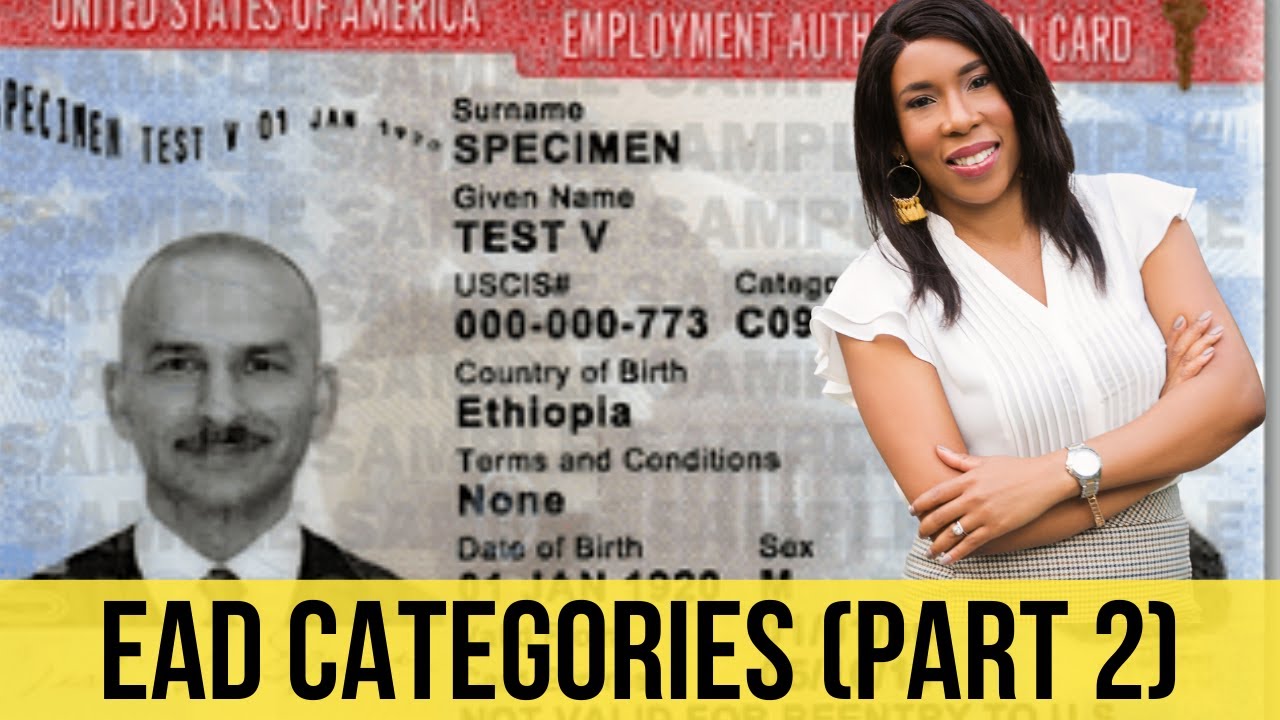













H-1B visa holders have a 60-day grace period after losing their job, during which they can explore new employment opportunities; if they cannot secure a new position within this timeframe, they should consider options such as Compelling Circumstances EAD (if they have an approved I-140), H-4 EAD for dependents, or B2 visa status for temporary stay, while being aware that the 180-day unemployment rule is false and no work is permitted on B1/B2 visas.
H-1B Grace Period Ending: Visa Options Explained
Added:Basic understanding of the H-1B non-immigrant visa category, including its dual-intent nature and employer-specific authorization.
The concept of maintaining legal immigration status in the United States and the distinction between visa validity and authorized period of stay.
The role of the United States Citizenship and Immigration Services (USCIS) in regulating and enforcing non-immigrant worker compliance.
General awareness of how employment termination impacts non-immigrant visa status.
The legal procedures and filing requirements for a Change of Status (COS) from H-1B to B-2 visitor status using Form I-539.
Eligibility criteria, application procedures, and limitations of the Compelling Circumstances Employment Authorization Document (EAD).
Best practices for employers and employees when responding to USCIS Fraud Detection and National Security (FDNS) site visits and audits.
Alternative immigration pathways, such as transitioning to F-1 (student status), O-1 (extraordinary ability), or cap-exempt H-1B employment.
How periods of authorized stay or status changes impact the long-term permanent residency (Green Card) adjustment of status process.
17.5K views45likes59:52Original Release: 2023-03-28
good evening this is travel lady live here from Houston Texas along with me is my business Emily what do you have today to discuss manding requests that fdns is asking of uh H1B employees fdns is the fraud detection uh National directorate and they are asking for more and more documents that are really irrelevant more than what they should be asking for so we'll talk about what are some of the things they're asking for and what you can do um in if you're in that situation also a lot of people are asking you know what what are my options if I'm getting to the end of my 60-day grace period after I lost my job I'm on H1B what can I do there's a lot of misinformation out there some bad information so we want to go over what options you do have what are the safest options what are the riskier options there um we're also going to talk about Advanced parole if you use the advanced parole to travel and return back to the U.S what are the consequences of that on your pending application for adjustment of status and your non-immigrant status and we want to fact check this 180 day unemployment rule that people are saying is going to be approved by USCIS and coming out in three months and what are they talking about and is it really true and more rumors we want to debunk is whether you can work if you're in the US on a B1 or B2 Visa what are the limitations there what can you do what can't you do unless you should stay away from so getting back to these fdns you know it it's started several years ago they every new H1B petition that's filed the company pays an extra five hundred dollars to fund these fraud detection activities of USCIS and so usually they happen after the H1B has been approved a few months later they're mostly randomly selected but a lot of times they tend to be targeted towards H1B dependent employers and the officers will you know before covet they would actually come to the company's address talk to the employer the person who signed the petition talked to the employee verified that the company really does exist and that the person is doing the job they said they were doing but then during covid it turned into more of they're going to reach out by email or by phone because the officers weren't traveling to do the site visits but now we're seeing more and more of these emails asking for just ridiculous documents that have nothing to do with the H-1B petition they ask a lot of very intimidating questions um and you know they make it sound like you're doing something wrong so many times they ask the questions you have to respond by 5 pm today give us your 10 years W2 10 years income tax returns give us all how did you heard about this job show me the evidence of those things do we need to respond to those things no I mean none of that is required for an H1B petition and this whole fdns program the site visit program is completely voluntary both for the employer and the employee now I understand the idea of I'm not doing anything wrong so I should feel comfortable sharing everything and you know but a lot of times even when you're not doing something wrong USCIS takes it the wrong way or they twist and manipulate it into something that you never said um to to then come back and try to revoke your H-1B so I would be very careful about what I'm providing only provide what's actually required by the immigration laws and no more than that and you know if if if if you don't want to just tell them hey this is a voluntary program I don't need to respond and they should stop at that point um and also you know you do have the option if you're the employee um you know some companies they might have you contact the company attorney that um works on the company's immigration to help you with that process but if your company doesn't do that you can also reach out to your own lawyer and go through the um the email requests the document request talk about how the response should be created what documents you should provide what you shouldn't provide and the lawyer can be copied in on the response to the fdns officer and let them know hey I'm represented by this by an attorney now so please direct any follow-up questions to the attorney because it can be intimidating for an employee to have to go through all of that I I normally give an advice to the client Emily that if they are very um if they're very nice very good they may want to respond to this fdrs official but if they have been rude you have to respond by this side and they could ask many documents many information that is completely irrelevant to the fdns then I tell them my way or highway I tell them to tell the fdrs officer look you're going to email me I'm going to respond to the email I'm not going to answer the questions and I will decide if I want to answer the question or not and I will normally recommend people to contact a lawyer to respond before to that day before you respond to the email you have a choice you don't have to respond they'll say respond to you by 5 pm today by end of day today otherwise they speak all kinds of words they're very intimidating though um and I I there the the in the website of the fdms it's clearly says it's voluntary it's not mandatory that you have to cooperate with them and if you stop if you say that I do not want to further proceed with this fdns they have to stop then and there itself they do not have an option to continue a few things um so please use your rights in these things though it's completely voluntary and uh you you're under no obligation to respond and if you want to respond respond on your terms don't respond on their terms if they say respond to the by five o'clock then you can answer the question look I am doing a job okay and the H1B requires for me to do a job in software that is more important responding to you because you put a deadline of 5 PM I am not going to cooperate with you that's it that should end I normally give them a citation draft to them look in the website of the USCIS fdns it says it's voluntary I am not going to cooperate you can send it to them absolutely nothing always you can use their own language if they are intimidating to blame them because you're you haven't been nice to me I am not good to respond period you can say that oh you told me that you're going to contact me again within one week's time your contact me after two weeks I'm not going to respond to that thing you give a deadline to me at five o'clock I'm not going to respond you are asking questions that are not relevant to the fdns I'm not going to respond you they should only ask about either that they're inquiring about they should be asking about the history of your entire employment history how did you get the job where did you look into the advertisement now how did the interview that's not the things whether or not you're working at the end client whether or not that tuition requires a special degree or not those are the only things they are supposed to ask and inquire though so I you can always request them look if you're going to narrow the questions what are needed to the fdns I may respond to you but if you're going to go overboard and you you're going to be intimidating and you're going to tell me the deadlines no I'm not going to respond so I want you to have an attitude of my way or Highway that simple thing when you deal with the fdns you deal with this simple two what two sentences one sentence my way or Highway if they don't come to your way you don't respond if they come to your way then at that point of time you can consult a lawyer and then respond though that would be in your best interest a lot of times we see people doing mistakes um and I'm not working at my company's location I'm violating the and you these people go and admit them well if you're working within the same MSA the matter of stimulus relation says that you do not need any Amendment so there are a lot of defenses that are available I don't want you to overcome it to the evidence of issue so take your time before you respond and if you need consider lawyer before you respond don't hurry up and respond to them and believe just take a note of what I'm saying my way or Highway all right next we want to talk about the H-1B and L1 grace period of 60 days following loss of employment 60 days really is not a lot of time especially given how long the um the pipeline is for job interviews multiple interviews the application process and actually getting hired and then by the time you get hired you've got to get the LCA notice of filing petition prepared so you really don't have a full 60 days in order to get that filed um so people who might be coming near the end of the 60-day grace period if they still have not found that new job that allows them to file a transfer or change of status what other options might they want to consider I believe one thing is that if they have an i-140 approval though they should seriously consider something called compelling circumstances EAD now it is very underutilized at this point of time the purpose of the government to have this is that when you are in a circumstances where you've been in this country for a long period of time a lot of time you lose the job you have this compelling circumstances here you can apply by applying a compelling circumstances EAD you are selling you you are staying legally in United States so that means that let's say for example on 55th day if you still don't get a job apply for coupling circumstances you and your family can stay in this country now you may not be allowed to work immediately until a coupling circumstances CA disapproved but you can stay in this country though uh that is one of the best option but of course if you do have a hitch for EAD option we strongly recommend that you do apply for H4 EAD you have an H4 option go ahead with H4 option though don't wait until the last day take a decision a little bit early plan a little bit early because especially for compelling circumstances ad you may need to do this a little bit paperwork want to hire a lawyer so leave it for 30 days though to work on compelling circumstances EAD so coupling circumstances CAD H4 plus C8 if you have that option EAD sorry H4 is one other option that you can look into just validate for you can also look into the option of B2 to still temporarily in United States before you pack and leave the country you also can consider into a Visa called F1 student visa you cannot just go back to F1 Lisa and stay in this country please note that from moving from compelling circumstances EAD to H1B is not allowed the only thing you have to do at that point of time is that you have to apply that it will be in the console process housing and go outside the country and get the sampling if you already have a stamping which is valid for a long period of time you can get the H1B use the old stamping and you just have to go outside the country and come back for B1 and B2 and 2 H1 also there may be some issues from F1 to H1 also there may be some issues you may have to leave the country to come back on H1B if you use those options I want you to do a dry run-up a trial run even when you have a job okay you are not God okay everybody if you think so that you are you cannot be replaced but there is something wrong with you I mean everybody can be replaced so have a trial run speak with your family speak with different what are the options what are you going to do with the car what are you going to do with the house how are the school kids schools are going to be done what are you going to do about it have a trial run before that layout comes in you will be well prepared if you do so rather than just face the situation and try to scramble in those 60 days yeah and with that with the question on their Twitter page where you know one of the problems with B2 is the long processing times I mean we're still getting B2 decisions from applications we filed during covid during the very beginning of that so you know you file your B2 application and then let's say 30 days later you land that new job and you're ready to file the H1B Well it can't really be filed as a transfer because you're beyond your 60-day grace period at the same time your B2 is not yet approved so you're technically not yet in B2 status but USCIS said that the new employer can file the H1B petition they suggest in premium processing requesting the change of status from B2 back to H1B even though the B2 is still pending and they will as a courtesy approve the B2 change of status at the same time they approve the H1B change of status so you'll go from H1B to B2 right back to H and B all in one adjudication so that's good news because prior to that they were often sending requests for evidence asking hey show me the B2 approval before we can adjudicate your change of status back to H1B and because of those B2 processing times you could never get the approval in time to respond to the rfe and would end up having the Consular process the H1B so now they've got a mechanism to be able to switch back to H1B even though the B2 is still pending and they'll approve them both together if it's filed in premium processing all right so what about traveling on Advanced parole like so you have your attending 485 if you finally got your Advanced parole approved since they're taking over a year now and you decide to travel um is there anything that happens to the pending adjustment of status because you've left and come back on Advanced parole nothing nothing is going to happen relax you're fine absolutely not a problem and I'm still getting questions from the people I haven't I it's going to be valid until 2034 this comes from Google Krishna if I travel in AP do I need to do the margarita switch to continue on H1B status no you don't have to do the margarita speech though you can continue you can extend the H1B you can transfer the H1B you can move to a different hits for the yearly if you want to even after you travel Advanced parole there are certain circumstances where especially if you want to refile the 485 where the recommended Margarita switch but for you to continue an H1B you do not need to be doing the margarita switch that means going out to Mexico and coming back also with regards to the hit four same story L1 same story L2 same story when you travel outside the country an advanced world and you come back you can extend the L2 you can extend the L1 you can extend the H1B you can extend the H4 you can transfer to a different company you're absolutely fine not a problem now this is true only for H1 H4 L1 L2 now this is not true if you are a B1 B2 or if you are an F1 Visa please consult your lawyer on that uh on that issue though but with regards to the H1 L1 that is true you can continue an area H1B and l2b absolutely don't have any problem a lot of people are planning I want to go for stamping for h1bm worried that I will be I will be in a an advance for all how can I want to go for stamping the appointments are not available or sometimes when you go there you may get it 221c I strongly command don't go for stamping just use the advanced control and come back your additional students will continue as it is and if you want to retain the H1B H4 L1 L2 you're good to retail Don't Panic on that one they don't have the stamp and they've got their 485 pending and they travel on the advanced parole and not worry about going for stamping and they can still come back and continue their H1 that is great that is absolutely right why go and put my head in the Lion's Den and see if I'm if the line is going to bite me or not I don't want to just come back in advance look you're fine now what about the opposite situation where you've got your 485 pending you've got your H1B and you have a valid H1B stamp but your AP is still pending can you travel while the AP is still pending if you're in H or L status and not impact your AOS that is right you they can travel Emily on hits 1B it's 4 L1 L2 that will not impact the adjustment of status however though the advanced rule will be denied the reason is because you traveled outside the country while the advance it's not parole it's Advanced plural since it's Advanced parole you are not you're supposed to get before you travel they will deny your Advanced parole but Emily it does not affect the adjustment of status it only affects the advanced role it does not affect the adjustment of status it will still continue it does not affect the employment authorization it will still continue they will still issue the advanced parole is where it can be denied as soon as you come into the country you can just apply for a for an advanced model again and as you normally file infuses free for advanced level [Music] papers are going crazy uh they are telling that there is 180 day unemployment allowed if you are an H1B and L1 you can stay in this country for 180 days unemployment is that true completely false it is completely fabricated utter disregard for the truth not accurate at all do not listen to that there is only a 60-day grace period there are not any plans to extend that to 180 days it's been talked about by one advisory panel but that does not mean USCIS is going to listen to them it doesn't mean USCIS has any plans to implement it and even if they do it's not something that is the law today so only 60 days do not rely on having 180 days after a job loss we advise people to just tune into who the lawyers Network we're practicing lawyers rather than these newspapers I don't know where we are getting it especially the Indian newspapers there comes the story there is something and then they blowout out of proportion now there is another thing in me that is roamering around in the Indian news channel so you can can you work on a B1 B2 the USCS has given the permission to work on B1 B2 is that true no definitely not true do not do that did you not read the Tweet of the USCIS I did and people are completely misinterpreting that tweet USCIS said hey if you're in the U.S and you filed a change of status to B2 because you've lost your job while you're on that B2 you can apply for new jobs you can look for jobs you can attend interviews while you're on B1 or B2 that does not mean that you can get the job and actually start working or work another job while you're looking for your next H1B job so no work is allowed on a B1 B2 that's a very strict rule nothing USCIS says will change that no work is allowed on a B1 or B2 okay so Emily what if I am coming from India and I'm coming on B1 B2 or B1 or B2 Visa in from India and I am coming to look for jobs and attend for the interviews that's what the USCIS website says okay am I allowed to do it or not no no did you read the Tweet yeah I can attend the interviews I can apply for the job on the B1 and B2 and now you're telling me I can't travel from India to USA and up and with an intention to apply for the job with an intensive attend the interviews I know you told me I can't do the job but I can't even come with the intention to apply for the jobs no no and and that's you know you have to remember that coming into the U.S the the immigration that you meet there at the airport is CBP that is different from USCIS they're under the same Department of Homeland Security but it is a different government agency and they interpret the rules differently so CBP has never ever come out saying that um applying for jobs and attending interviews is a proper business related activity for a B1 or B2 Visa so definitely you cannot have the intention of coming to the U.S to look for a job to apply for a job or to interview for a job when you're coming into the U.S you will likely be turned back deported expedited removal um there are many things that can happen at the airport and have you turn around and have your Visa um invalidated canceled maybe a finding of a misrepresentation or fraud so we do not recommend traveling to the U.S for those purposes what about if I want to apply for the Visa in the Department of State saying oh I want to go there for apply for jobs give me the b1b2 the USCIS said I can do it same thing uh even though USCIS says it's possible to do that department of state is a different government agency and they're looking at what is a valid purpose for B1 or B2 it's a visitor for pleasure or visitor for business and neither of those fall into the category of applying for jobs or attending job interviews so no you would likely have your visa application denied if you were to apply for that purpose now please when people are taking into consideration of the tweets and all those things you need to read the language properly though the USCIS what they intended at that point of time is that if you are already in USA especially those people who lost their jobs who have applied for the b1b2 yes for those it's it may work that you can still look for jobs and you can attend the interviews for the job that is true for them but not to the people who are entering into United States or applying for the Visa I think assembly before we go to q a nope I think we can move on to questions um there's one from Sue bunker on Facebook that says there's a new bill introduced into the house H.R 1535 which is basically recapturing employment-based green cards and it's introduced by both Democrat and a republican what are the chances of this passing and becoming law well generally with immigration Provisions they're supposed to normally start in the Senate and this one is in the house um and you know at this point all they're going to do is refer it to the committee there are hundreds of immigration bills that get introduced referred to the committee and then they just sit there and die because they don't have enough votes to move forward with it I don't really have any um uh strong suggestion that this is likely to pass even if it's a bipartisan Bill we go back to the common you know deadlock between Republicans and Democrats one wants to do comprehensive reform that deals with the border that deals with the undocumented prop population that deals with all of these humanitarian issues and employment based and family based and then the other side wants to do more piecemeal one thing at a time and nobody will compromise or agree on anything so I don't have high hopes that this will pass unfortunately yeah this film is introduced by Raja krishnamurthy some of the times these people are addressing more to the constituents because they want to get elected and they introduce the bill I'm not telling that that Raja krishnamurthy doesn't have a good intention he does have a good intention to pass the bill I I met him I personally know him he's a very good guy but the chances for this bill good to go through because he's not even in the majority the Democratic party is not in the majority though at this point of time in the house and in the Senate we need 60 oats we don't know where they're good we're going to get that 60 Oaths we do have a 51 oats but we don't know if we are going to get all the 51 plus we need extra 10 oats from the uh origin and Tenors from the Republicans now I would urge Raja krishnamurthy and probably the administration here to actually focus on something different rather than going to the Congress where we see everything Eagle act Joel has been trying to get these kind of things in one way or the other for decades nothing is getting passed what I recommend the administration because Raja krishnamurthy is very close to the administration he's in the same Democratic party as the President of the United States what I recommend Mr Raja krishnamurthy and others is to actually um not count the family members because this not counting the family members doesn't have to go through the Congress if they do so automatically the numbers are going to increase from 140 000 to 300 000 Green cards and that will probably clear up a lot of backlogs to a greater extent immediately in the next five years most of the people who have been applied even those people applied in 2021 for the green card will be cleared up in the next four to five years now for the for this not counting the family members though we don't have to go to Congress the administration can do by themselves we know we've been trying to get these kind of bills passed we wrote the letters we contact the congressman nothing is getting passed in the past two and a half years and this has been the same story from past 15 years guys you may or may not know that but we've been in this business for a long period of time so what my recommendation is to put the emphasis on contacting the administration and requesting them not count the family members because out of the 140 000 Green cards only 60 to 65 000 are issued to the main applicants rest of the things are given to the dependents they are already been counted towards it look at that when it comes to the H1B do they count the hitch Force no they don't count the h4s let's not count the dependents in the employment-based immigration we have drafted a letter it's been provided with the link and we've been providing this link for you for a long period of time please use that thing you're better off with this then um going to the Congress which we don't feel comfortable at this point of time especially when the house we are in the minority uh Rahul s from YouTube posted that his perm was denied because the notice of filing contained the wrong address the appropriate address for the certifying officer is the office of foreign labor certification at 200 Constitution Avenue what are my options yeah so the Department of Labor's office of foreign labor certification which is the agency that approves labor certifications and reviews them moved from Atlanta to Washington DC within the last two years with that move it required all notice of filings going forward from the date of the move to inform workers that they could contact the Department of Labor at their Washington DC address if they had any information they wanted to share about the employer's labor certification practices so unfortunately if the notice of filing was done after the date of that move and it still has the old Atlanta address on it there are no options um there's no um likelihood that that's going to get approved if you file an appeal so you should have your employer immediately start new prevailing wage if they don't have one valid and then re-advertise do the notice of filing over again with the correct address and refile now what if you're already beyond your six-year limit or getting close to your six-year limit and this happens you may need to have an appeal filed of this Denial in order to reach the 365 day Mark that would allow you to get a seventh year extension and then withdraw the appeal and then file the new labor certification because you can't have both an appeal and a new labor certification pending at the same time but you may need to file an appeal just to keep this application pending long enough so it will be pending for 365 days which then makes you eligible for a seventh year extension of your H1B once you get that h1v extension approved and you're ready to file the new labor you can withdraw the appeal and file the new labor and then hope that that gets approved within that next year before you run out of H1B time again questions with regards to how long will the B1 B2 be issued um you can request only up to six months of B1 B2 not more than that um Sandeep is asking a question from YouTube uh he his wife is on H4 he's on H1B uh and is this one is expiring in 2025 he plans to go to India and come back and Advance parole after that he wants to move his wife to gcead but he wants to maintain the Richmond B can he do so absolutely you can do so no problem you can use you can have yourself on H1B and if your wife on gcad in fact it happened with me I was in gcead I was a dependent and my wife still continued on H1B until which one be expired so it happened with me so it's and it is definitely possible for you even after a long period of time uh questions from Priya that comes in from YouTube is uh I have an iPhone 41 from my previous employer can I use that to apply for the compelling circumstances CAD yes you can it doesn't have to be with the current company that you got laid off you can use the previous company's i-140 approval as long as it's not will be drawn for more than 180 days after it's been approved you can still use it to get the compelling circumstances really um Krishna says is it mandatory for employers to offer expenses for traveling to your home country in the event that you're laid off or fired when you're on H-1B and that H1B gets withdrawn yes it is mandatory um so anytime an employer is terminating employment before the end of the validity period of the H-1B that they've sponsored you for if you plan on exiting the U.S the employer is required to offer to pay for your return transportation to your home country now it's got to be reasonable cost so you can't necessarily get them to pay for a first class ticket and they don't have to pay for dependents to travel home but yes they are required to offer to pay for your return Transportation home and if they don't you can file a complaint with the Department of Labor wage and hour division on the wh4 form and that is also one of the factors that they consider in determining whether the employer properly terminated your employment and they can be liable to pay back wages to you if they have not properly terminated your employment so they have to offer to the return travel expenses they have to withdraw the H1B and they have to notify you that you've been terminated those three things have to be done in order for it to be considered a valid termination that stops them from having to continue to pay your wages how do we contact our Administration request them not to count the family members the link has been provided whom you have to contact their contact information is being provided in the link here so you can contact uh you can contact that Administration so that you can you don't have to count the family members I'm km C wants to come back after 10 years is it possible to recapture the unused days of H1B yes that is possible um so if you know when you got that H1B 10 years ago and you had that six year limit if you only used four years any employer could sponsor that person now to get the remaining two years it has to be done for Consular processing since you'll need a new Visa then apply for the Visa stamp and then come in for that remainder amount of time the other option is to go through the lottery and if you get selected in the lottery you get a fresh six years so you only get the remainder of the time with option one with option two you get the full six years but I think a lot of people are under the mistaken assumption that this only works if the H-1B was in within the last six years and that's because that's what the question on the form used to ask and that's what the old instructions used to say but that's no longer there they eliminated that in 2017.
so it could be 20 years from the time you last were in H1B status if you've got any time left in your six year limit that you didn't use you can be sponsored for a new H1B to get that remainder of the time has this question he is an advanced parole he wants to go for stamping if he gets a 221 G can he come back and Advance through well technically you may be able to come back but uh while you haven't administered the processing but I would recommend the contact an immigration lawyer before you come back because there may be some issues why you got issued the 221 G's you uh you can't just blank it they come into United States and advance for also I would strongly recommend to Consulting immigration oil my advice in general would be that don't go for stamping but of course people don't want to follow my directions that's fine but still if you get the 221z there are ways to come online grants for all just consult organizational art before you come in Krishna says I had a site visit back in 2021 why don't we see any documents from USCIS regarding site visits and is there any reason for concern if I'm going for stamping now if I had a site visit yeah that's one of the things about this fdns program is it you know after the site visit happens no news is good news if you never hear from them again that should mean that everything was fine and there's nothing to worry about but you just never know because they don't give you any kind of document saying we've conducted a site visit and found everything was fine and sometimes what they do with the site visit doesn't when they do find problems or they try to assume there's problems based on the site visit it could be several months to years before they actually send a notice of intent to revoke on that so I would say just because you had a site visit does not mean you should be concerned for your Visa stamping it's more about was there anything that happened during that site visit that would be cause for concern was there any discrepancy or were there any questions that were unusual um that's that sort of thing or what did they ask for any documents that you provided and those documents may show that there was some kind of problem but there are lots of site visits that happen and um everything comes out that there's no problem with the petition and everything remains approved that's probably the vast majority of them but if there is a problem that's when you'll get a notice of intent to revoke and it could come up during Visa stamping but I just has this question from Facebook religious denied Advanced parole renewal while if I travel outside the country yes they can deny the advanced parole uh renewal if you travel while it's pending though uh I learned from our end law good YouTube handle who wants to know can a U.S citizen who is a joint sponsor with enough income sponsor two different family-based immigration petitions at the same time yes as long as you meet the income requirements for both and it does typically ask have you sponsored other family members before and ask you to provide that information but if you've got the income to do it that can be done Emily I want to have a follow-up questions what if I the U.S citizen doesn't have enough income to sponsor to sponsor can he request his cousin or somebody else to call co-sponsor yes so they do allow co-sponsors so each co-sponsor has to also submit an Affidavit of Support and provide their tax returns and proof of their income you can even have multiple co-sponsors if you need multiple people to meet the income requirements with the income requirements are generally quite low it's just a little bit above the poverty line based on the number of people in the household and then depending on the situation that the person being sponsored their income can count too as long as they've derived it lawfully and they're lawfully allowed to work they can use their own income to sponsor themselves um but Trisha has this question I'm a green card holder planning to marry F when we saw holder what's the process and how long it would take for my schools to get the residency uh Patricia you can file for the Green Card process under the uh you can file i-130 and 485 EAD in advance parole immediately now even though the tragedy it's a backlog for the family base though the final actually dates the backlog the filing dates are still rent and the USCIS is acting accepting the filing dates so you can file the 485 application along with i-130 765. now one thing I want to note down Patricia is that this person whom you're marrying cannot travel until he gets he or she gets the advanced for all approved though they cannot travel an F1 Visa strapping once you file the 484 application it takes approximately about two years for them to get the green card maybe anywhere between four months to about eight months to get an EAD maybe about 4 months about 14 months to get an advance parole that's a timeline that it normally takes question from basic art how long is it taking for the labor certification approval nowadays um it's it's uh eb3 it's saying he's saying you need to V3 well eb3 and db2 doesn't make much difference in the labor timing but the labor certification is taking approximately about eight months nowadays to get it approved though please take a note that this is after filing the 485 application I'm sorry after filing The Form application it's not after the company starts the process it's after they file the form application and it takes a long time to file the form application it may take almost like uh there is a prevailing waste that they need to get that's taking approximately six to eight months and after that there is a recruitment process anywhere between two months to four months and then they will file the Palm application and that form application once it's filed which you said it was filed in September is taking eight months right now to get the pump adjudicated Rohit says um his wife got picked up in the H1B lottery yesterday and wants to know if she can travel to Canada and come back without getting a stamp after receiving the i-797 approval um depend on the timing um so number one I'm assuming you mean after October 1st after her change of status to H1 has already taken effect and she's wanting to travel to Canada and come back on H-1B without needing to get the H-1B stamp if that's the case yes that can be done under the margarita switch or automatic Visa revalidation as long as her trip to Canada is for less than 30 days she can show her old Visa stamp from her previous status plus the i-797 approval that has an I-94 on it and come back in in H-1B status after that H1B has taken effect in October if she's planning to travel before October the H-1B hasn't taken effect yet then you need to look at what is her current status and whether she qualifies for automatic revalidation in that status or she may have that valid visa from the current status but she needs to be coming back in to continue that prior status not coming back in to wait for the H1B to take effect in October a question that's coming from Roy from YouTube can an i-140 in eb2 from company a be upgraded to eb1c while working for a company B on l1a that means that he as an eb2 approval with company a now is moved out of the company is now working with company a and l1a can he move the priority date from eb2 of company a to company B's eb1c absolutely you can no problem none whatsoever at all since you are already qualified for l1a you have a good probability of getting the uh eb1c approval and putting the date I would strongly recommend you do so uh poor has a question about the a number on his i-797 approval notice um his new i-797 approval that came after his i-140 was approved doesn't show the a number above the beneficiary name and he says this is something I should get corrected uh looking at the application the a number was filled out uh no you do not need to worry about correcting that there's no requirement that you have to provide the a number when you're filing the i-129 petition I don't even know why they ask for it on the island 29 form it's kind of it was added several years after I started practicing because in the old days we never had an a number on the H1B i-797 or l19797 so don't don't worry about it at all are we asked this question I have an i-140 approval with the 2018 priority date I moved back to India can I apply for tourist visa for a temporary visit yes you can however in the ds-160 form they will ask a question was an immigration petition ever been filed you need to answer yes to that question you have an extra burden to prove that you're not going to settle in United States because you have an i-140 approval but normally we see mostly B2 getting approved be truthful look I may have had an intention at that point of time but now I'm settled in India I don't want to I don't want to go there prominently you can do so absolutely not a problem we see a lot of people under your circumstances getting the b1b to approval um pakala says can you use the 485 or 765 application to extend the validity of your driver's license even in Texas um so Texas particularly does not like receipt notices um to extend the validity of a driver's license so your H1B extension receipt even though it allows you to lawfully stay and work it doesn't allow you to drive so you can't drive to work even though you're allowed to work um same thing I've had people that even though the Texas website says they'll accept an I-485 receipt notice as proof of lawful status a lot of times they don't on the i-765 they need the actual EAD card I have not had them accept the receipt for the Auto extended EAD where it's expired they usually don't even though they're supposed to pradeep has this question that if he gets laid off on 485 EAD what are his options can you work in a different field in the meantime there is no 60-day rule for the 485 though if you are the main applicant you got laid off there are different options you need to consider we have made a separate video on it you may want to watch that though um the the better thing is if you can find another job definitely that's the best thing if you can't can you get an offer from a different company if not can your wife employ you pradeep if she's nice to you whether she'll be willing to employ you that's a good option too if other all other options fail and if you if she even refuses to hire you can we do one thing we'll do self-employment these are all the defensive strategies that may be a little bit risky those things finding a job or finding a job offer comes a different company would be an ideal but if not getting employed by the wife or some self-employment you should consider it very seriously because we may get into trouble if they see an unemployment and there is no job offer from anywhere they may deny the 485 outright correct says I had two lcas filed for my H1 location a in one state and location B in another state if I work only from location B but the company is paying my pay for location a is there any issue for the H1 there would be an issue if the pay is less at location a so when you have two locations on an LCA for an H1B the employer is obligated to pay the higher of the two prevailing wages regardless of where you're actually working between the two locations so if they're you know if they're if the company said that they would pay one hundred thousand because the higher prevailing wage was one hundred thousand and now they're paying ninety thousand because you're actually working in the other location that's not allowed so they definitely should be talking to an attorney to get that rectified if they want to reduce the pay to the other locations prevailing wage they need to file an amendment before they make that change uh question of it comes in from uh can my parents come here on the B1 B2 and apply for a job um and then later on change to H1B status there are strategically many problems with your statements Mr Bongo one thing is that if their intention is to apply for the jobs they cannot come here and b1b2 irrespective of what the USCIS has said please disregard that okay um the other thing is that just in case if they're already here can they look for jobs yes they can look for jobs then the question that you face is that can they get the H1B the main question for the H1B is hey the uh h1bs there are no h1bs available until October of 2024 so the B2 is only for six months so they cannot come here and apply yes they can apply for a non-profit a higher education institution if that's what the intention after they come into United States if they change their intention to apply yes they can do it for a university or something like that that is possible says can you provide guidance on how to transfer an employment-based 485 to a family-based case if the dependent is no longer maintaining their non-immigrant status but is physically in the U.S I think you've got two options one would be to not do it and to instead console or process the family-based case so the individual can remain in the U.S based on the pending employment-based 485 and wait until the i-130 gets approved and the consulate schedules the interview and then travel to attend the interview and come back on the family-based green card or you have to do the transfer of underlying basis which a lot of people are familiar with from the eb3 downgrade upgrade to eb2 and back to eb3 and all of that but the problem is for going from employment based to family base there is no mechanism to do it like an employment based you would file that 485 supplement J to inform USCIS that you intend to transfer the underlying basis that does not exist for family based so the only way to do it is to send letters again and again and again or if you happen to be interviewed you can request it at the interview but otherwise you usually have to seek assistance from your congressman's office because there's just no way to get that request into the right hands to actually be um used uh ramakrishna's question can Company B file an i-140 from a different location do I need to work with Company B to file an i-140 application no you don't need to be working with Company B for them to file an icon 40. technically they can still file even though you're not working for that company question that is coming what is the ioe is there a service center and how is that service center is it good or bad well it's technically a it's called as integrated operation environment that means it's more like a e-filing but still you did not e-file I know there's no e-filing for his fund D they send it to this there is no particular service center for it uh and he's asking the questions with regards to how is the pool rating for the extensions right now they are pretty good as compared to the things what they were two three years ago when Trump Administration was definitely very very very good valid if I travel out of the US during the pending extension of the AP um no if the first AP has not yet expired so if you have a valid Advance parole and six months before it expires you file your extension and you're waiting on the extension to be approved but your prior Advance parole has not yet expired you can travel on that prior Advance parole and it will not cause the new Advanced parole to be automatically denied because of the travel the question follow-up question is that do I ever need to work for Company B um well technically it's not required even people can get the green card even you never work for a company B they've filed an iPhone 40 and they got the prostitute current they file a 485 you get the green card you don't need to the USCIS memo clearly indicates that it's the offer of the employment not the employment itself that is giving the real card so let's say for example you're employed by Microsoft are you going to get the green card now they have to file a labor they have to file an a140 and then they have to get the green card so it's not your employment it's the offer of the permanent employment offer of the permanent employment on H1B it's a temporary employment on a green card it's a permanent offer of a permanent employment will get you the Green Card you technically don't have to work question that is coming can I open an LLC on H1B or H4 uh it's a tough question to answer if you want to be a shareholder of the company we don't have any problem in doing so but if you're going to be the operational person or you're going to be managing the company you're going to be the director of the company you're going to sign the checks you're going to be involved in the company management the answer is no no no now of course the rule is quite different if you are having H4 EAD that the person can open a business can run a business can be the president of the company can be the CEO of the company can sign the checks but for the H1B guide no H4 EAD yes uh Krishna says can someone move from H to H4 from H1B and then again to H1B before the H1 expires so you're in H1B you want to switch to H4 and then want to know if you can go back to H1B before the H1B expires yes that is doable and it can be done either by filing a change of status back to H1B or the easier way would be the margarita switch would be to exit and come back in showing the H1B approval that has the unexpired I-94 assuming you're coming back to work for that same employer under the same terms and conditions that you're approved for so same job title salary work location job description all of that is the same you can travel to Canada or Mexico and come right back to switch from H4 to H1B and you could even do it after the H1 expires because you can recapture that unused time towards your six year limit but in that situation it has to be done as a change of status the company same company or new company does have to file a petition to change your status in that situation Mukesh has this question if someone has a cap exempt for i-140 Approved can they transfer to H1B subject cap these the way I'm taking the question is that let's say he's working for University of Texas which is not required to go through the cap and they can file the H1B third subject to cap he got an i-140 approval with University of Texas now he wants to move to H-1B with Microsoft can he do so no only only if you go to the lottery system you can do the transfer to Microsoft from University of Texas otherwise just because you have an i-140 approval doesn't give any preference for you to move to Microsoft 21 job portability now he's an eb1c i140 has been approved for less than 180 days but the 485 has been filed for more than 180 days can he technically switch a job Emily I want your attention on this family he has an i-140 approved less than 180 days and he filed the 485 application more than 180 days but one one thing is that this is this first eb1c can he switch the jobs within 180 days after the i-140 has been approved and it's been more than 180 days that the 4-H has been approved I am thinking that maybe no not a good idea I'm thinking correct me please I'm thinking it may not be a good idea but unless he's forced to do so if he's forced to do so then he should because it's it's not been more than 180 days the i-140 has been approved he does not have any other i-140 if he had a previous i-140 approval then it's a difference story but he doesn't have a previous icon for the approved well even without the previous i-140 approval if they withdraw within a days he still gets to keep that priority date if he files a new i-140 right it's just that he can't use that i-144 continued H1 extensions but he possibly wouldn't need it if he's got the 485 and he's just relying on that so you definitely can use ac21 to switch employers because the 485 has been pending for 180 days and the i-140 is approved even though it's been approved for less than 180 days but yeah it would definitely feel better if there was an old i-140 that he could use for continued non-immigrant extensions in case something were to go wrong with that 485 yeah I would recommend Mr murli that if you're forced to definitely you don't have an option I don't want you to give up the 45 under any circumstances fight for it to the end but if you can possibly delay it I would delay it possibility rate now people ask the question when the priority date moves back can I do the ac21 absolutely you can all right well I think we're pretty much out of time for today thank you all for joining us as usual we'll be back next Tuesday at five o'clock Central time to answer your questions and give you the latest updates and don't forget you can always subscribe to our newsletter by going to rnlawgroup.com and if you don't follow us on Twitter you can find us there our handle is at RN Law Group where we share lots of updates and all of our attorneys are posting there giving you the latest news and um keeping you updated on what's going on thanks for joining thank you very much for tuning
Up Next

55:51
US Immigration Q&A: B Visa Conversions, H-1B Transfers, Green Card Issues
@immigrationdotcom
760 views•2023-12-15

26:22
Walking in the City: Urban Rituals and the Flâneur in Contemporary India
@PSBTIndia
1.9K views•2016-08-02
3:41
H-1B Beneficiary Qualifications: Degrees and Evaluations
@ReddyNeumannPC
6.7K views•2019-02-11

1:42
Game of Thrones Opening Credits: A Cinematic Analysis
@gameofthrones
46.3M views•2011-04-18
Related Study Plans & Knowledge Roadmaps
Structured learning paths in General & Interdisciplinary Studies
general-studies
Artificial Light: History, Tech & Human Impact
01The Pre-Electric Era: Fire, Oil, and Gas Lighting
02The Incandescent Revolution and Grid Electrification
03Gas Discharge and Fluorescent Illumination
+ 3 more learning modules
14h6 modules
Explore Roadmap
general-studies
Elevator Engineering: History, Physics & Cities
01From Hoists to Safety Brakes: The Dawn of Vertical Lift
02Hydraulic vs. Traction: The Engineering Physics of Elevators
03Modern Speed, Safety, and Algorithms
+ 2 more learning modules
12h5 modules
Explore Roadmap
general-studies
Rubber: Material Science, History & Geopolitics
01Origins of Natural Rubber & Mesoamerican History
02The Chemistry of Natural Rubber & Vulcanization
03The Geopolitics of the Rubber Boom & Colonization
+ 2 more learning modules
12h5 modules
Explore Roadmap
general-studies
Containerization: Evolution, Logistics & Trade
01Ancient Trade & Bulk Cargo: Amphorae to Barrels
02The Industrial Revolution & Cardboard Packaging
03The Containerization Revolution: Malcom McLean
+ 2 more learning modules
12h5 modules
Explore Roadmap