

















Effective camera operation requires confidence, collaboration with directors and cinematographers, and the ability to make camera work invisible to the audience, where the camera becomes a seamless storyteller rather than a visible presence; operators must balance technical skill with creative intuition, understanding that the best camera work serves the story and actors without drawing attention to itself.
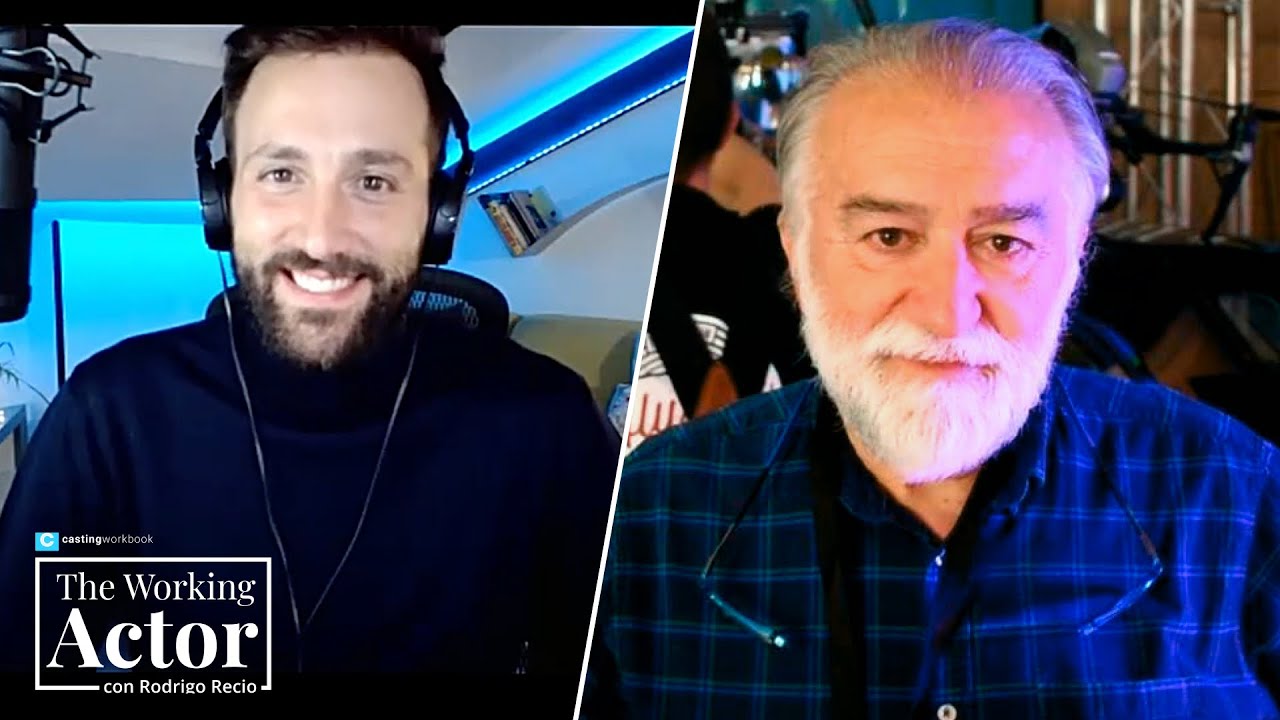
Mitch Dubin SOC on Camera Operating for Steven Spielberg: Craft & Collaboration
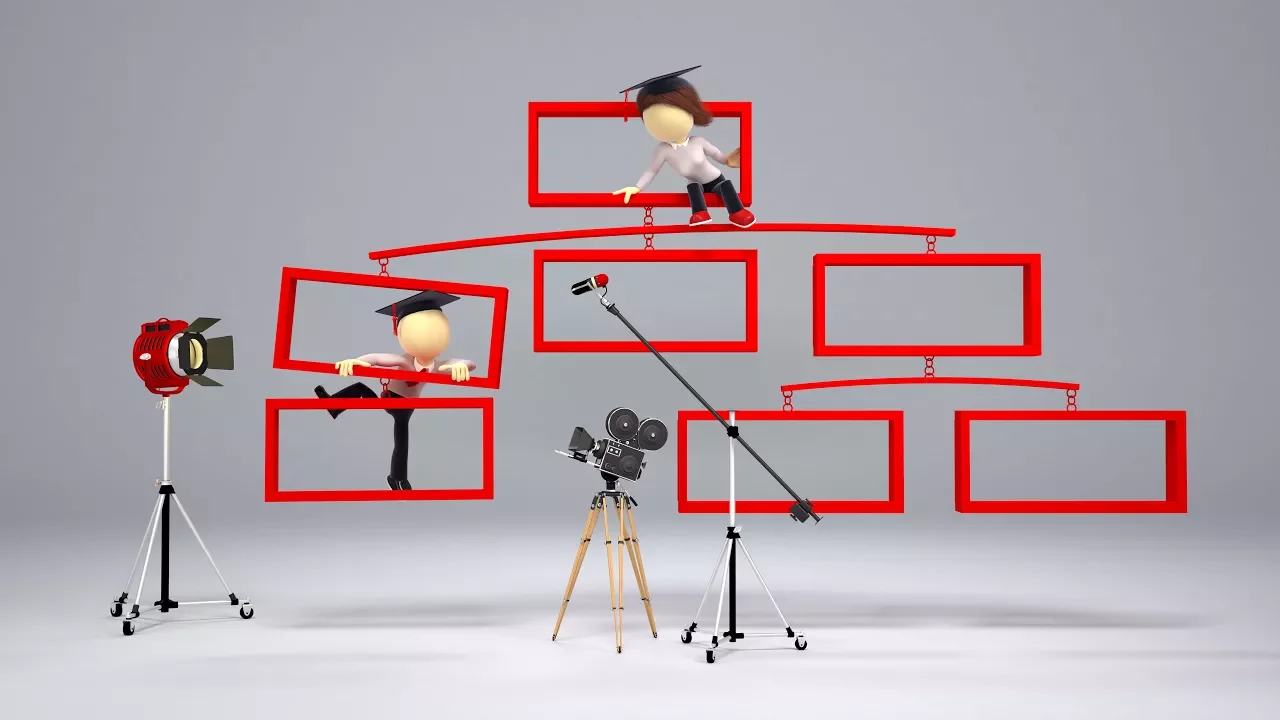
Added:Understanding the distinct roles in the camera department, specifically the hierarchy and division of labor between the Director of Photography (DP) and the Camera Operator.
Fundamentals of camera movement and composition, including techniques such as pans, tilts, tracking shots, and the psychological impact of framing.
Familiarity with the collaborative filmography of Steven Spielberg and his long-time cinematographer Janusz Kaminski, noting their distinct visual aesthetic.
Basic knowledge of on-set communication protocols and the collaborative relationship between the Director, DP, and Camera Operator during production.
Advanced blocking and camera choreography, specifically how to coordinate complex actor movements with fluid, continuous camera operating.
Deconstructive scene analysis of key Spielberg/Kaminski films (such as 'Saving Private Ryan' or 'Schindler's List') to evaluate the camera operator's contribution to the narrative.
The physical and technical craft of operating, including the use of specialized gear like gear heads, fluid heads, and Steadicam systems.
The professional standards, career path, and historical significance of the Society of Camera Operators (SOC).
838 views40likes1:38:20Original Release: 2025-10-15
[music] Mitch, thank you for coming.
>> Yeah, sure. It's my pleasure.
>> It's pleasure. I mean, your credit list is so impressive. I mean, >> you look through this list and you realize, okay, there are so many movies you grew up, there are so many movies that you such a big fan of ammons, 15 movies with Steven Spielberg, which is again your longtime collaborator.
>> Mhm. There is so much I want to ask you but [clears throat] uh I remember when I first met you and you were telling about uh the way you work and has impressed me so much. I told you that if I were building my camera operator's career, I would want to be like you.
So can you tell me more about how did you start your career? When did it all start?
>> Yeah. Well, that it it's you know, it's funny cuz you mentioned my my credits and there are a lot of credits, but and I don't really realize how long I've been doing this until someone like you mentions that because it just seems all like yesterday to me. But, um, even my start in the business seems like just yesterday. But, you know, I I uh went to film school. Um didn't like film school at all. Um but was very fortunate because I didn't like I I my last two years I went the University of Texas at Austin and uh because I I didn't like the film program there. I I hung out in the art department and I was really fortunate. There was a great still photographer named Gary Winterrand who I don't know if you're familiar with his work but he [snorts] was well known.
He's still he's a the famous photographer.
uh he's passed away early unfortunately but it mainly his work was in the 70s and 80s a lot of street photography of the Robert Frank Leaf Freedellander style generation. Anyway, I learned probably more from Gary about visual storytelling >> than I ever did in film school, >> you know, but how to use the camera and the four lines of the frame, how to balance form and content. Um, Gary was a great teacher because he was a really gruff New Yorker who had no hesitancy to say that photograph is [ __ ] That's great. That's [ __ ] You know, but he would always have reasons to back it up and u I learned a tremendous amount from him and always will be grateful that I had those two years to spend with him.
And then, you know, I graduated school and um really had no idea how to get into the business or how to make a living at it. And and um thought I had wasted my time and I sort of floundered around. I was I painted little ceramic um gingerbread houses and you know as a janitor in the art school that my girlfriend now wife was attending and but it it was sort of fate. I mean I I had known from you know junior high school that I wanted to be make movies.
I didn't really know what or how, but I knew that I loved going to the movies and I knew I wanted to be involved with them and and it seemed almost like fate that uh while I'm sort of floundering around in the Bay Area in San Francisco Bay Area um that a friend of a friend of a friend of a friend heard that Francis Copeler was coming back from the Philippines after shooting Apocalypse Now and that he was setting up a post-prouction facility and they were looking for people. So I went in, applied for a job there and immediately got hired and my first day of work in the film business was actually working all that night. So I I should have realized then that it was going to be a different type of career. But uh yeah, I started working at Zotrop Studios doing as a post-prouction PA. I hauling movieas and flatbed editors up three flights of stairs. And you know, um I was I used to project the the rough cuts for the for the editors cuz it was a double system projection system and you had to get the changeovers right and I was the the the projectionist that the editors liked the most. So I I screened every possible version of Apocalypse Now. I got to screen and watch. It was great and I learned a tremendous amount, you know, being at so and I'm still in touch with a lot of the friends I made those early years at Soul Trap Studios.
One of the things that was my job as a PA was to inventory all the equipment, movie, split reels, uh, you know, splicers, but Francis bought two cameras, uh, for Apocalypse. Now, >> these Technovision cameras, I don't know if you're familiar with Technovision.
Henry Koshiki and you know Victoriao would only shoot with the Technovision lenses. So they had to modifi which were Cook lenses that they modified with with different mounts but they had a very deep back focus. So they had to modify.
>> They had a BNC and an and an ARBL that they modified the >> okay >> the shutter.
>> Uh that was what a technision camera was. So Francis had had purchased two of them and when all the equipment came back from the Philippines it was my job to inventory them to stick stickers on to to put them store them in their >> Why did he purchase them?
>> Why did Francis purchase them? Because he hated renting anything.
>> Okay.
>> He wanted to own everything that >> kind of like me.
>> Yeah. I mean that's why he bought the studio here in you know in Hollywood eventually you know. So, you know, he had a post-production facility and he owned all the the movie and flatbeds and, you know, he he he didn't want to rent cameras and it made sense. I mean, >> if you have a place to somebody to take care of them and a place to store them, >> you know, why not and and can afford it, why not buy them?
>> Exactly.
>> So, the equipment came back to the San Francisco. I inventoried it. I didn't think much about it until, you know, maybe a year later when they wanted to do additional photography on the Black Stallion and then later Apocalypse Now, Francis said, you know, you need to, you know, use the cameras and and the camera assistants came in and I was the only one that knew where everything was. I didn't know what anything was, but I knew where it was. And the camera assistant said, "Well, why don't you just come with us and, you know, be a, you know, camera PA on the set." So, the first day I ever spent on a set, cuz So, Trope Studios was post-prouction only until then was on the Black Stallion.
And [clears throat] I don't know if you're familiar with the film, but it's the scene where >> the Kelly Reno, who's the kid that, >> you know, it, you know, has the horse rides the Black Stallion for the first time through the surface. This is a great scene.
>> Yeah, >> they shot mainly in Sardinia, I think.
And um but this scene we shot up in the coast in Oregon and I'll never forget that first day on the set that it was just you know it was it was being you know in editorial and being in a dark room and working pretty much by yourself to being you know in this beautiful location on the coast of Oregon and there's you know you know 20 hundred horses and horse trainers and and titan cranes and hair makeup script. I mean, it's just there's such a hubbub of activity and you realize like this is the this is this the origin of the moment of you know the creation of a film and um you know I fell in love. I I knew that I wanted to be on the set. I knew I wanted to work with cameras. And so I started, you know, when Francis bought the studio in Los Angeles, Hollywood general to do one from the heart, he asked me if you I would run the camera department for for the studio. And I said, of course, yes.
And I it was really more of a glorified PA position, but I still I learned, you know, working with Victoria Daro and and the crew in that film, I learned a lot.
Vim Vendors was a a director at doing a film at Zoo called Hammet, not one of Vim's best films, but and and the development of the the project just took a long time. And he sort of got frustrated and he decided in the meantime he was going to make a movie with uh with uh Nick Ray, >> who he was friends with and was an um American friend. And um so he asked Francis if he could use the cameras and Francis said, "Yes, you can use the cameras, but you have to take Mitch with you." And they were shooting in New York. So, and we would shoot for a little bit and then, you know, Nick was sick. He was dying. And so, you know, he ended up having to go back to the hospital. We'd we'd go on hiatus, everything, went back to LA, and then a few months later, we'd go back and and shoot some more. went on quite a few times and each time we reorganized and started shooting the the crew would sort of shift and you know again I went from being sort of like a camera PA responsible for equipment to being a second assistant to to I think the last time we started shooting the the DP was Ed Loachman who is it is where I first met said, "Dear friend of mine, now we still, you know, stay in touch, of course, but the last time we started shooting that, it's called Lightning Overwater." There was no camera assistant. [laughter] And Ed said, "Well, why don't you pull focus?"
And I was like terrified. I had never done it before, but I did one shot and said, "Okay, I think I can do this." And Ed said, "You're great. You're fantastic." And he said, "Anytime you decide to move to New York, I can I can use you, you know, as a camera system."
>> And it was before monitors and stuff.
>> Oh, yeah. It was like hand on the wheel.
Yeah. [laughter] Yes.
>> Yes. You stood right by the camera and the operator and you know it is a totally different style of pulling focus now.
>> You know, it was just I he put marks down and measure things.
>> See why you were nervous?
>> Oh my god. It was it was terrifying.
We finished One from the Heart and um I was ready to leave Zotrope, ready to leave Los Angeles. It it was a crazy experience. One from the Heart, which a whole another story, but I'll say that it was probably the last of, you know, the big days of excess Hollywood. you know, big parties every Friday night and uh spending [clears throat] money crazily and uh it it was sort of as much fun as it was, it was also really exhausting and I needed to decided I needed to to try something else. And so moved to New York. My wife is from New Jersey. So we moved to New York and I was there for 10 years. And I started working with Ed um doing everything, commercials, documentaries, features. We did Desperately Seeking Susan and and um Susan Sleman, who is the director of Desperately Seeking Susan, had uh was doing her next film, which was called Making Mr. Right. And Ed said to me, because Ed normally operated his own >> projects except if they were union and [clears throat] he needed to hire an operator and um on making Mr. Wright, he said, "Would you like to operate the the a camera?" And you know, of course, I said yes. But I was completely terrified. I because I had never done anything. I hadn't I hadn't operated second unit. I hadn't operated B camera.
I had I had the only thing I had operated were gray cards and slates. I mean that was it. So all of a sudden I'm being thrust into by my choice of course but a very big budgeted Hollywood movie as the a camera operator. I was more terrified of that than I was the first time I pulled focus. And uh I mean [clears throat] I didn't I don't think I slept for weeks before we started shooting. But I'll never forget, you know, the very first time, day one of shooting on that movie, sitting on the dolly, putting my eye to the eyepiece.
That's when we still looked in the eyepiece as well. And um feeling comfortable and realizing that that I understand what the four lines of the frame are. that difference of, you know, looking at at this with your eye and then looking through an eyepiece and understanding that how that translation works, >> you know, what the lenses do and what the frame means. And and I it it's maybe it's an intuitive response or instinctual understanding, but I I I knew I was going to be good at being a camera operator.
Um, you know, Ed because he operated his most of the things, you know, himself, he he was a little bit of a hard taskmaster because I had, you know, and uh he he would, you know, after every take would come screaming at me like giving you a hard time. Yeah.
>> Yeah. And you know, so I always say and I to Ed that I, you know, I'm I'm forever grateful he gave me the opportunity to move up, but I don't know if I'll ever be able to forgive him for me, >> but I love it. And it's we, you know, he's he's >> what he was complaining about.
>> Oh, I don't know. Head room. I can't even remember. You know, [laughter] you know, everyone [clears throat] has room particular.
>> Did it uh motivate you to be better?
Because I remember when I was starting out, you show something you should to someone and everyone says, "Oh, it's cool. It's cool." And I had one friend who always said, "Looks like [ __ ] You need to do better." And I pissed me off always. But I always wanted to make something so good. So one day he's going to say, "Okay, this is good." And it was motivating me. So in a way, probably that was it. Well, you know, the thing is after I after I was finished the the movie, you know, making m the thing that I realized is that it it the effect of Ed being so critical all the time, it really destroyed my confidence. And as a camera operator, and I've said this often times is that probably the most important tool you have as a camera operator is confidence.
When you get behind the lens and you sit behind a camera and you're operating, no matter how many instructions you've been given by the director or the DP, you know, once you start rolling it, it's you making those decisions, 24 frames a second. And and um [clears throat] you have to be confident. You have to say there's no one else that can do what I'm doing right now better than than than I can. And after I left one from the heart, my confidence was was was shot and I was pretty much a shattered >> Oh, wow.
>> camera operator, I would say. Um, and you can't work like that. So, it it wasn't, you know, it wasn't like the things that Ed told me, I remember, and helped me improve me. What what it did was it made me realize how important confidence is to what you do. you know, even if it's confidence that you make up in your own head, it's important when you step on the set, when you get on the camera, you have to be confident. And so, you know, a [clears throat] DP who was a friend of mine, Francis Kenny, hired me for another job. And he was great. And I sort of gained my confidence back, you know, as a camera operator. But I I will say something that might be interesting to your viewers in that. So, I did Making Mr. Right. And then pretty much right after that, I did Mate One, which was a film, John C's film with Haskell Lexel they shot. And you know, I always knew the transition from being a camera assistant to a operator is a difficult uh transition to move up is always hard.
And but I did these two big movies sort of almost back to back and I thought, well, that wasn't that hard. I did, you know, I was I could make this transition. I'm I'm I've I've made it. I mean, I just did two big movies.
>> Mhm.
>> And after those two movies, I didn't work again as a camera operator for a complete year, like 365 days. I was, you know, I I was offered jobs as a camera system, but I didn't want to take them because I was committed, you know, once you >> Yeah.
>> Once you move up, you you need to stick with it.
>> You have to start rejecting jobs and declare that you >> Yeah. I'm only going to be a camera. And it took a full year for me to get another child. That was terrifying.
>> Yeah, I can imagine.
>> But, you know, I was young and I, you know, didn't have a family.
>> It's a big shame because everyone knows you as first AC or >> any contacts or whatever and it's really hard to >> change their mind in terms of thinking who you are.
>> Exactly. Plus, also I had pretty much worked exclusively with Ed for all those those years in New York.
And when I moved up to operator, Ed still continued to do his other projects and the pinup projects that he operated himself. And I realized I didn't know anybody else. I knew Ed.
>> Mhm.
>> And uh as much as I loved working with Ed, it's very important to all you young uh cinematographers or camera operators that to network as much as you can. It's a networking business. you know, go out and meet people, work with as many people as you can. I learned that lesson the hard way.
>> So, how did uh first being the first AC uh camera assistant uh influenced your camera operating even today like when you're operating? Do you feel like if you didn't have experience being first AC, you wouldn't know that or that you know perspective or something? Yeah, I mean I think it's good that every that you do all the crafts, >> you know. I think it was great that I was a film loader and it was great that I was a second assistant and it was great that I was a first assistant before I became a camera operator because you know first of all you know what these people do and you respect their jobs and you know that that their job is just as important as anybody else's job on the film set and that you they're you know critical to the process of of making movies. So you understanding what they do and respecting what they do um helps the whole process. So that's one and then the other thing in terms of just the storytelling it's it's uh you know there's storytelling that happens with focus and you know you know if you have a an assistant maybe that isn't quite aware of that and you know it's all about marks and and let's say there's a focus shift that's done either abruptly or at the wrong time. you know, my experience as a camera assistant and my experience as an as an operator, you know, I I'll talk to them and say, you know, you got to be much more graceful with that focus pull and do it on their head turn to motivate the focus pool or do it on this line because it means something. And um so there is a an art to pulling focus that it it's not just about keeping the actor sharp but about you know being part of the storytelling and also I have great relationship with sec the second assistants because you know they're just you know practically they're doing the slate and keeping track of well what it was film now it's it's different with digital but you know they do so much on the set behind the scenes but They also the people that when you're filming [clears throat] are not necessarily they're watching and they sort of see the whole picture. And I've had a lot of conversations with second assistance.
Well, they'll say, "Mitch, you know what happens if you would try this or do this or did you see that?" And and and I would say, "No, I didn't see that. I really appreciate that. Thank you." You know, they're they're a another great asset on the set because they have a perspective of what's going on that the focus puller first assistant or the operator or the DP don't have because they're we're so busy in our the intricacies of our specific job.
>> When you come upate, you're the one who talks to AC. So you in between DP and AC, right? If you need to do something.
>> Is that how it is usually?
>> Yeah. Well, I mean, it's sort of a weird situation these days because AC's now have their monitor and their remote focus and their the their measuring devices, electronic measuring devices, and they, you know, if this is the scene right here and the cameras right there, they'll be off as far away as they can be. They're they're they're in the corner where they can concentrate, no one bothers them.
So the relationship between an operator and AC is not the same as it used to be when we were had our hands on the camera.
>> Yeah.
>> I don't like to wear headsets.
>> Mhm.
>> But if I do wear a headset, I will only wear with the dolly grip and the camera and the first they see.
>> I never I never wear it with the DP.
>> So you ask to make a separate channel for you. Yeah.
>> Yeah. And so then I I'll communicate with the camera system mainly to let them know what what I'm doing because sometimes they don't that if they're not always by the camera they'll get surprised by me doing something.
>> So you have on the same channel DP no >> talking to you. Okay. [laughter] >> I've been >> whispering into you.
>> I've been asked so many times and I I won't do it because you know >> and how do they take it?
Um, some of them not so well, but some of them understand completely. I mean, you know, when you're operating the camera, you really have to get into a zone and it has to be a really instinctual response to what you're seeing through the lens and responding to the actors who not always hitting marks and and and their performance. And you you know, you need to have this immediate communication with the dolly grip. But if you have somebody whispering in your ear in the middle of the take to tilt up or pan left to right, >> it's impossible. I mean, I can't do it.
>> And if he wants to make suggestions >> afterwards, I'm happy to talk with him, but not in the military.
>> He'll come to me and talk to me personally. [laughter] >> That's that's happened before. I you know we've been in like this I'll never you know this cramp you know minivan you know on stage shooting this scene and the DP's out at their dit station and you know I hear him screaming and yelling in the headset and I just ignore it and he says he if you don't you know answer me I'm going to have to come in and and and talk to you and I I said yeah that'd be great come on [laughter] in.
Oh, and uh Okay. When when you're on the same channel with dolly grip, y >> do you talk during the take or >> sometimes? Yeah, >> sometimes. It depends, you know, if it's a really complicated shot, like if we're on a crane >> and there's, you know, it's a telescoping crane and so there's there's, you know, there's a man on the bucket, there's a man on the chassis, there's a man on the arm, >> and then, you know, and there's me and there's C and you know, you know, the art of you doing a crane is that everyone has to be in sync. you know, if you know, the camera's telescoping and swinging and dropping, if if it doesn't all stop at the same time, >> you see that little jiggle or that little false move, >> you know? So, sometimes it's as simple as, you know, >> counting down. Okay, ready and stop, right?
>> I find [clears throat] that dollar grip is kind of camera operating as well.
There has to be the sensibility absolutely to to where to start move where to >> push it. It's not about it's not about hitting marks, you know, it's about the grace of moving the camera >> and and they have to be totally in tune with the actor to whatever happens because sometimes it doesn't happen the way that it was rehearsed. Yes.
>> I love Dolly Grips to have a monitor.
>> Mhm. Yeah. Same for me. Yeah. I love it.
I always in insist so they see what I'm seeing you know, >> right? Yeah. And I'm I'm really really particular about deli grips. I mean, it used to be part of my deal that, you know, I got hired from, you know, Dolly Grip obviously is part of the grip department, but I would say if I'm doing the job, I'm bringing in the Dolly Grip.
And it would piss off a lot of key groups, but they, you know, they got it.
They >> first AC >> um that you I always felt that was the DPS >> thing. Yeah.
>> Shorts because especially, you know, DPS do commercials. I don't do commercials. They don't use operators for commercials DPS. And so that relationship, you know, the assistant will do the commercial. So they, you know, they have this relationship that goes past what the, you know, the relationship of that particular film is.
>> So yeah, I mean, they'll obviously will talk with me about it and make sure I'm okay with that assistant, but I I don't make it make it more of a deal about the dolly grip than the camera assistant.
You mentioned once uh probably more than once that the best camera operating is invisible.
>> Yeah.
>> Can you tell me more about your ideology in terms of camera operating the approach to that or maybe the things that you like and things you don't like?
>> Yeah. I mean, you know, I think there's two different types of camera operating.
You know, one of them is invisible and one of them is the opposite of the invisible.
>> Well, it's sort of where the camera is like the third character in the film.
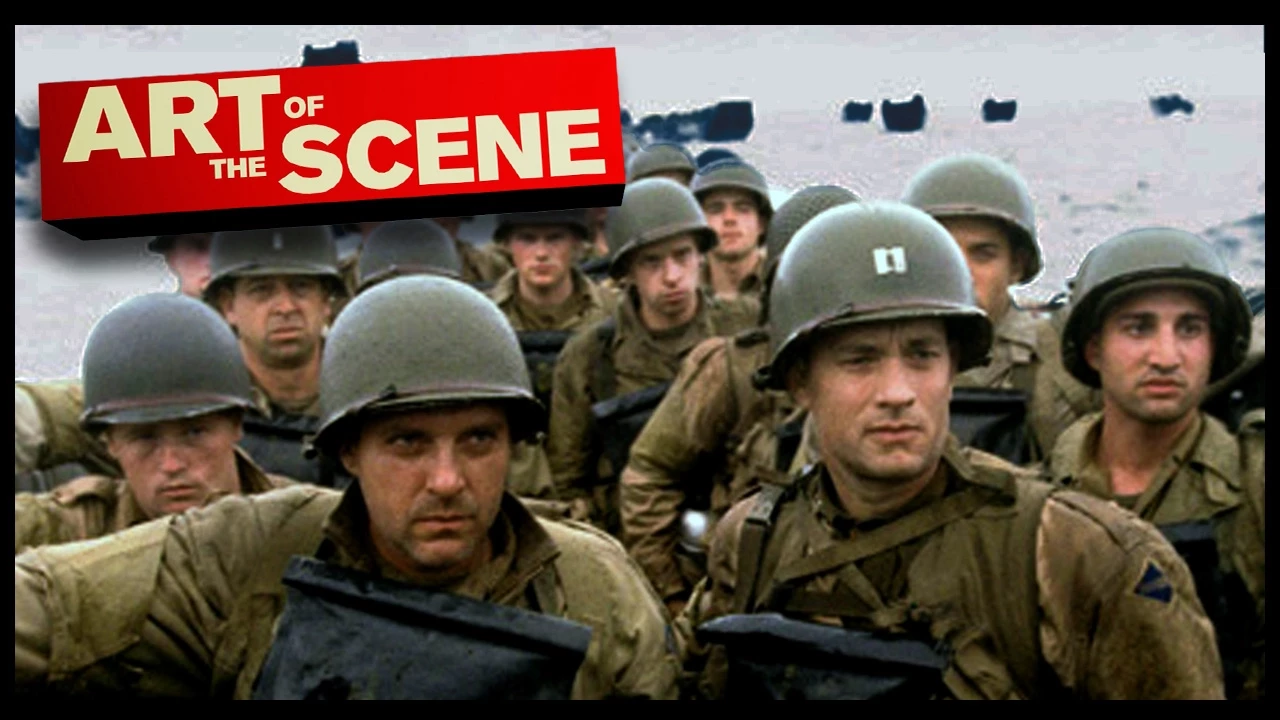
And like I would for example say that saving private Ryan was like that. You know the whole film was handheld. The camera became another character in the film. Especially since that movie I think handheld is sort of gets misused a lot and >> because when you when you're looking at a scene and it's handheld, you know that there's that that there's another person in that room with the actors and it might be really intimate scene >> and you and it takes I takes me away from it, you know. Um, so [clears throat] there's a time for handheld and there's a time not for it.
But people think it's faster just like steady cam. You know, they think it's faster, easier, quicker. They'll use it when it really I don't think it's the correct choice. There's the sort of a subjective >> point of view and an objective point of view with the camera. And the objective point of view is sort of that quiet camera where you you've done your job well if in the audience people don't even realize that there's a camera moving.
>> Mhm.
>> You know, and that doesn't mean the camera's not active and it's not you're not making choices. It's certainly not locked off frames, but everything is motivated by the story or by the actors or, you know, the vision of the director. that it it's done in a way that's gracefully quiet, you know, that it just it all makes sense. It's not uh excess movement. It's not um it doesn't point to the fact that there's a camera on the set making, you know, recording all this stuff. But, you know, it does that I'm not saying that's the way that everything should be operated. It's just that's the way certain scenes should be.
It just depends on >> what the film or the scene is.
>> I'm the same way. I I like operating in a way that camera becomes invisible and I like movies when you >> I mean when I watch movies I want it or not I breaking them down.
>> Mhm.
>> But I like the ones that I even when I want to break them down. I just dive into it and I forget about lighting and the camera movement. It all becomes invisible. And that's I think the best goal when you don't even think about it, you know. So it's >> Yeah, exactly. when you're you're just you're just watching the movie.
>> Yeah.
>> Then then afterwards you you might think of something say, "Wow, >> how' they do that shot?" You know, that's that was must have been really difficult to do, but while you're sitting there watching the movie, you don't even think about it.
>> Yeah, that's I think another thing about this um long take movies, you know, >> because sometimes they do this just because they can, and sometimes it just throws you away just because they want to do this slow. But there are movies that they do it so gracefully and carefully that you didn't even think about it. And sometimes I ask my wife like, "Did you notice it was a long take?" I said, "No, I didn't even think about it. I was like, good. This is good." [laughter] >> Yeah. You know, there's I I would say there's two things that examples of theft that I think are interesting. You know, one there's this show The Bear, >> which I I think is great. And I don't know what season it was, the I think it was the second season. it when it wasn't until you know if you watch it on Hulu which is you don't have commercials they still they still I think sometimes put gaps in there I'm not always sure but there was one episode I think in the second season where the whole 30 minutes is one one take and I didn't realize it until the very end when I said wait a second I don't think they actually ever cut and I immediately watched the whole thing again and I said oh my god they never cut that whole thing was one take And it's amazing, but you don't really notice it because it's the frenzy of what's happening in the kitchen and the performances are so great and the camera's always in the right place. I mean, it it >> it it it it's it's stellar. It's stellar.
>> And then there's another project, Adolescence, which I'm sure you've discussed, I'm sure, many times, >> which I think is great. doing that show, each episode being one take, has its advantages and disadvantages. I mean, there were times when I I sort of wish they would cut and maybe get a little closer, or >> there's this one scene with the the the lawyer and the kid, the whole thing, and there that I wish the camera could have been just a little bit lower, but because they were on steady cam, they couldn't, I guess. So there are things you give up by doing it in one take.
But what they gained by doing it in one take was that it gave the actors this ability to perform the whole scene from beginning to end. I think that was huge.
Yeah.
>> In that in that >> that's more impressive to me. It's not even the camera work but to orchestrate all this uh theater that they made it happen. That was to me the most impressive. I I think it strengthened the performances by the fact that they didn't have to do it, you know, you know, 10 takes over over and over again, you know, and then do it again from another direction. And they just let it go. And it was very clever how they did it. You know, they rehearsed for a week and then they blocked for a week and then they shot shot it for a week 12 times and, you know, picked the one best take. But um you know sometimes it being one take I it it was a little distracting but I I didn't get bogged down with it because I was so captured by the performances. It was really strong.
>> Yeah.
>> Very moving.
>> You know it's interesting in adolescence. Uh you I I mean I can tell right away that was one thing because of going through windows and stuff like you can tell that's like complicated stuff.
But at the same time, when I asked my wife, did you see there was one take?
She said, no, I didn't see. I was okay.
Because it's me who seen this, but regular audience doesn't really pay attention to it. So, >> yeah, >> they done it well then.
>> Yeah, exactly. People ask me all the time if I sit in the movie theater and and dissect the movie or can I sit there and watch it? And I say, yeah, no, I I'm I don't even think about the technical stuff when I'm watching the movie. If it's a good movie, >> Yeah.
>> I'm totally absorbed in it.
>> Yeah. And then like I said, sometimes you just even on purpose you want to break it down. There are some films that I wanted to break down and I started watching them and then like 2 minutes in I was like I already forgot the way I started watching it you know.
>> Yeah. I want to talk about more about uh the way you collaborate with DPS because I know that your approach is a little bit different than traditional one and that what actually interests me a lot because you uh and the stuff you do usually responsibilities of DPS like working directly with directors uh figuring out the shots uh blocking all that. Tell me more about it.
Yeah, I am definitely an operator that is what's the word? I I love to collaborate and and I am [clears throat] happy. I I love taking on responsibility and I am not an operator that just pans and tilts the camera that I I want to be involved with the cinematic storytelling, the visual story of film.
I know this might offend a lot of your your viewers, but you know, I might get hired by the DP, but I feel like I work for the director. And often times I get hired by the director on a movie, but um and and I feel like camera operating should have been a DA job and not a a local 600, you know, >> okay, >> job because, you know, if you every job is different, but if you work with a director that has a strong visual language, somebody like Spielberg or or there's many directors I've worked with that have a strong language, Um, like right now I'm working a lot with Noah Holly, you know, from Fargo and Alien Earth and those that it's important that you have a direct line of communication with them because it's their vision.
Most directors don't understand light. I mean, I know I mean they I think they maybe they see it if they don't like it, but they don't really understand the subtlety of it. But the camera, if they have a strong visual language, they understand everything about the movement of the camera and the choice of the lens and how to block a scene. And um [clears throat] those are the directors that I love working with. And I have a lot of experience from the the list of movies I've done and the directors I've worked with that I can be an asset to them. I can help them and um and I think they appreciate that. Does that sometimes offend the DP? Yes, most DPS that I work with realize I mean that's just an ego thing, right? And in the end, we're all making a better movie, a better project if we all give it our best. And so if I have a relationship with the director, I'm not I'm not preventing the DP to have a relationship with the director. I'm just I want to be, you know, have a seat at the table as well. and and I'm giving now the DP opportunity to spend more time on the lighting and maybe have an overall picture about what's going on that I might not have by, you know, having my eye in the eyepiece. Um, so I don't think I'm taking anything away from the DP's relationship with the director, but I'm I'm just I'm adding it's like adding more texture to the project. Mhm.
>> Maybe that's a better way of doing it.
And you know, it's a tricky position being a camera operator because there are times when the DP and the director don't get along and they don't have the same idea and I'm stuck in in the middle and people ask me what I do in that situation. And I and I'll be honest and I say >> I right off the bat I'll know who's right and who's [clears throat] wrong. Right.
in the sense of of them what's best for the film. And most of the time it's usually the director because the DP primary is interested in lighting and and sometimes the the the the director will create a shot that's complicated that might compromise the lighting and so that's when the arguments sort of come and [sighs] I try to be very diplomatic and I try to convince and it's not always like that. Sometimes the director is making a mistake and I'll you know being very diplomatic try to you know help the DP to convince the director that this is a better idea and sometimes it's the other way around >> and that's probably the art itself you've been using all this and navigating all that. [laughter] I used to say the camera operators were the Henry Kissingers of the set. And I said that enough to I finally realized like wow there were most people on set these days. They don't even know who Henry Kissinger is anymore.
That that's aging myself. But um you know if it finally comes to absolutely I cannot get the negotiations to work for one side to go with the other, I have to side with the director because it's his they're the boss to me is the director.
But it doesn't happen that often where I'll it gets to that point. Usually I'm able to get, you know, people to all agree what's the the best way of doing it.
>> Yeah. interesting. Uh I've heard stories that the way you work with Spielberg and Kaminsky that sometimes Kaminsky just go away do lighting and you just figuring out with Spielberg camera movement blocking and all that and he comes back and like what are we doing? [laughter] >> It's happened that way. I mean, you know, Yash's job on a Spielberg movie is really difficult because Steven designs these shots that that are, you know, 180 360, you know, and he doesn't want to know how difficult it might be to light it. He'll just expect Yan to be able to light it and quickly. So, Yan has his hands full. And it's the same thing with the camera. I mean, >> you know, I've done so many movies. I think I've done 17 or 18 movies.
with Steven and I understand his language really well and I found through the years that if >> when Steven is describing a shot if I don't hear it directly if I'm not standing next to him and hear him say the words let's say I'm like getting off the crane or you know wrapping up this last shot and Stephen's already talking about the next shot if I'm not there and I hear the shot from somebody else it's always wrong it is always wrong. And you know, Steven describes the shot and then he'll leave and he'll come back and I' if I've heard the shot from somebody else, he'll say, "What's this? This isn't what I asked [laughter] for."
So, I I've learned, you know, you know, even Yiannis doesn't always understand the shot as well as as I do because I understand that language so well that Steven uses. But, um, you know, Steven is very specific about what he wants.
Um, and he'll explain the shot and then he leaves and he he he lets us or figure out how to execute the shot. You know, what's the best piece of equipment?
Where's the best place to put all this, you know, the base of the crane or whatever we're doing the track to best execute this shot? And sometimes what he wants is impossible. I'll have to go to him and say, "Stephen, you know, I'm so sorry we can't do this shot. can you can we break it up? And he'll usually understand and we do, but um um the challenge for us is to figure out how to execute the shot. You know, he has the vision and we have the the ability to execute it. But, you know, like I say, you know, the execution of the shot is I might know where Steven wants to start, where he wants to finish, but everything in between is up is me, you know, in the dolly group.
>> Spielberg's blocking in movies.
>> Mhm. just hands down my favorites, you know. It's always uh so inspiring the way camera moves, the way actors move in a scene. I mean, it's just mesmerizing to me every time I watch it, you know, and I'm wondering how does that process go? Because since you directly with the director figuring out the shots, you have to be knowing this blocking so well because it's not only coming from him, you have to also >> Yeah. from the technical perspective to figure out how that works. How how does that, you know, tell me more about >> Steven doesn't he doesn't shot list, he doesn't storyboard unless it's a big effects or action sequence.
>> Um [clears throat] so um he he usually he always shows up like a half hour before call. We always have, you know, the second there with the lenses and a finder and Stephen likes to walk around the set thinking about what that first shot is and we always give him the space to sort of >> because he I don't you know during prep I know he has ideas about what he wants to do but until you until you're actually on a dress set or and or see the actors rehearse on that set I don't know how people make shot lists it it doesn't make any sense to me and you know and watching Stephen to me is proof of that but but that's again a whole another story but so we give Stephen the space he figures out what the first shot is and that's all once he knows what his first shot is he's happy and that first shot is usually you know it's a master and it's a um very complicated uh shot that will cover the whole scene and then After we shoot that shot, he then knows what the second shot will be based on how the first shot worked out, whether he can just move on or whether the pieces he needs to pick up or even if it's not the whole scene, it it really dictates what the next shot is.
It it's just a really organic process.
It's being in tune to what the actor is doing, what the story is, script, and uh it it it just happens naturally. There isn't like, okay, shot one, you know, watch shot two over the shoulder, shot three closeup, you know, which is fascinating to me. And it's always it's always been great watching Steven work like that. you know, a lot of what I've learned from Stephen and he's always been like that. I mean, you know, when we did, you know, Fableman's, he was making, you know, it was about him making movies as a kid and he he was doing the same blocking when he was making movies in high school. I mean, he just he his he thinks like a camera.
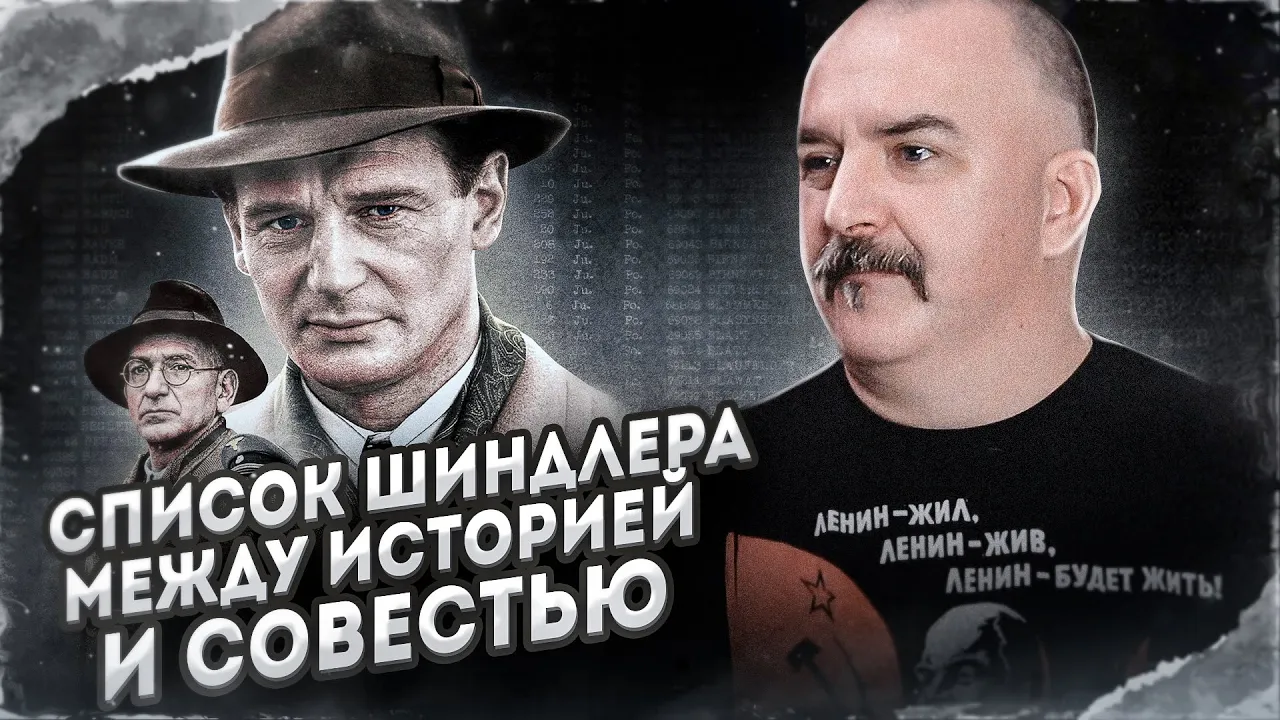
when when we rehearse a scene, he doesn't just watch it as uh a director thinking about the performances of the actors, which he does, but he but he also watches it as if he's a 27 mm lens and and he understands, you know, how he's best going to be able to capture those performances during the rehearsal. That's what's impressive to me because uh I don't know where it's coming from because you watch Jaws and again one of the first ones >> and you look at the block and it's like like it's done by someone who's done many many movies before and it's like how how come you know is it because of I mean how how do you >> get born with it you know is it because of watching other films or >> yeah I mean he's a he's a big you know cinnaphile I mean he's watched so many movies but he's also like Mozart. I mean, he's a child prodigy, I think. I mean, he's just like I say, he's like he's born with a camera in his brain and he sees everything that way. Um, >> how did you meet? Because you were there way before Kaminsky and how >> No, no, I I I came, you know, Yian had done Schindler's List. Mhm.
>> And then after Schindler's List, I met with Y and he, you know, we had lunch together and he asked me if I would work with him. But we did two or three other films before Lost World Jurassic Park, which was the first film I did with with Steven.
>> Mhm. So, um, and that that was not a great experience. [laughter] But, but >> I've heard about stories that because it was like within one year he had to be doing prep after Shindler's list doing prep for uh, Jurassic Park, which was really taxing.
>> Yeah. Yeah. Because Jurassic Park that that there were a lot of storyboards and stuff because the visual effects needed that information. and they had to start working that they take it takes them much longer especially back then to do those effects um than it does to shoot live action. Steven works quick. I mean we I I there was a period of time we would do I think twice literally three films in a row where he would we would shoot one film while we were shooting he was prepping the second film. We'd start shooting the second film, he's editing the first film and prepping the third film, and then we'd go right into the third film. It It was just non-stop.
>> How do you keep up with that?
>> Yeah, I [clears throat] How does he keep up with it? I, you know, every day at lunch, he would go to the editing room, >> you know.
>> Yeah, it is impressive, you know, because sometimes you make a film and you like [snorts] >> need some rest for a few months before you take. with this one like >> No, I don't think >> two three movies a year for many years.
Wow.
>> Yeah. Yeah. He It's not that way right now. But it it was there was it was intense for a while. This is so much work and and Steven's jobs are are hard because we work really fast and it's complicated and he's demanding and uh we we work really fast.
>> But he is he perfectionist or he lets some mistakes slip?
>> You know, it's interesting. he is not as much of a perfectionist as as I am.
>> Um, and I learned that pretty quickly that, you know, we it was in fact it was on Lost World Jurassic Park. We there was like a big dolly shot we had set up in the back lot at Universal and it was on ground and it had recently rained and was [clears throat] a very long dolly shot and Jack Glenn who was a dolly grip had laid the track beautifully.
everything was wedged up and you know but after every take you know the track the wedges would sink a little bit so Jack had to go back and you know tighten up all the wedges and I think it was the second or third take we don't do many takes with Stephen in the middle of the track there was like a huge bump and Steven calls cut great we're moving on and I go running over to to you know Video Village and I say, "Stephen, we got to do it again. There was a big bump in in the shot." He says, "We're not going again. It's in the movie."
[laughter] That was his response. Was like, "It's in the movie." And I remember the I the first time I saw the film, I was waiting for that scene to see if I saw this big bump and I didn't see it. It wasn't. So either he cut around it one or he fixed it v you know visual effects which I don't think he did but I think most most likely is that I was just so absorbed in the story that I didn't I didn't even notice it.
>> Wow. So I realized then that and this is you know there's a thing that I think is important for operators to learn which is I call the art of compromise which is to understand what you can get away with when you really do need another take because you have to understand what the cost of as another take not just financially but you know the actors had just given a great performance and now you're asking them to do it again where the director now has one less one less shot, you know, to get during the day and the DP is going to be rushed, you know, because they're going to try to make up. So, there's all these elements that you have to play in your head to say, how important is it this mistake that I think I made to ask for another take? Because I I would say to you that as long as my career has been uh I don't think I've ever done a perfect shot. I think I could always do something better.
>> Mhm.
>> You know, there's always some little thing I could tweak or, you know, make better. But if I asked for another take every time I think I could make it better, >> Yeah.
>> the films would never be finished. for me.
>> Yeah, I understand that very well because uh I used to be very like perfectionist.
>> Mhm.
>> But I quickly start to discipline myself in terms of you have to always estimate.
>> Yeah. Like you said, you can always do better, but is it worse this little 5% better for the schedule, for all this running behind over time, you know, >> and some think, okay, I would rather maybe spend this time getting another shot >> or maybe additional one to to cover whatever wasn't working, you know. So, >> plus the actors, too. I think about the actors. I as an operator, it's important you have really you have a great relationship with the actors. I mean I have front row center seat for all these great performances and you the actors have to trust you as an operator >> um that they can that they can abandon themselves to this performance and that you will protect them. That's our job >> to protect the actors in a way. You know if you if they've just given this heart rendering difficult performance and you say can you do it again you know it was just well you know there was just a little a little bump in the track you know that damages I think the relationship with the actors so yeah you know >> but sometimes I think there are cases when you know like when you make a take and you feel like it didn't work out but you don't want to say about it but your face says about two actors and the actors see like >> do you need another one like [laughter] maybe help you out with that.
>> Yeah. Yeah.
>> Yeah. You know, it's funny cuz uh you know, I would in a million years I would never give an actor a note [clears throat] >> Mhm.
>> about their performance, but you know, if the you know, when the director calls cut, the first person they see is is the operator. And it's just, you know, I'll, you know, I'll give a, you know, a thumbs up or a nod or something just to to encourage them. But what you just did was fantastic. Um, and I felt it. I think they really appreciate that. And but you're right. I think there are times when they would appreciate another take and you sometimes will take the fall for them. Yeah. Know I like the relationship between operating and and the actors. I have tremendous respect for what actors do.
>> I remember three years ago I did a film and I watched so many Spielberg's movies just to learn the >> so I have it in my disposal in case something happens you know the film. So I know like some tricks [sighs] and I remember there was one scene that we were running behind so bad that it was a it was apartment scene and we were running behind and there is no way we could make a day because there were so many setups and I was like I was saying to the director if you give me an opportunity I may be able to fix it you know with blocking and uh he said yeah sure if you if you can do something. So I thought about for 15 minutes remember all the movies that I watched [laughter] and I figure out the blocking in a way.
So we do this as a continuous take when the actors are moving. I'm and I'm doing one single take but the in a way they moving. So I get his closeup her closeup because they're changing. They're going on one side of the room. They're going in another side of the room. They're going to the kitchen. They going back to the living room. And I made like lighting uh in the living in the living room warm in the kitchen cold. So every time they they have like a argument, you know, and every time they calm down, they go to the warm light and every time they start uh arguing again, they go into the cold light, you know, and all this dance of figuring out, >> right? And uh I was able to shoot the scene for probably like 45 minutes and we instead of being behind the schedule we were ahead of the schedule just because of this smart figuring out and there wasn't been I wouldn't be able to do this without all this movies because I figured like there is a way to actually do this smart and more elegant way you know and everyone was like so surprised how how we were able to to keep grful you know like the script supervisor. She she was uh so defending and was she was so scared they were not going to be able to and she was insisting on coverage and stuff like that and I said no there is if you take another shot of coverage this thing the whole thing falls apart you know >> I mean I'm glad we didn't do any courage because the scene is beautiful you know thanks to those films you know >> well you know Stephen you know he's a great he's great at orchestrating the camera and the actors And you know, a large part of that is it it furthers the story, but there's another part that it's really efficient and, you know, it's less coverage and we work quicker and faster. So there's there's dual a dual purpose to it.
>> Yeah.
>> You know, and I, you know, I've learned so much from Stephen. Um, and it's not everyone's style to do it that way. Um, but I as an operator like to, you know, when the actors rehearse the a scene for the first time, traditionally it's, you know, the director and script supervisor and the DP, you know, in in the room when the actors rehearsed. And I really try to insist that I'm also part of that original group of people that see it because you know a lot a lot of directors don't understand especially if they're young directors don't you know they're just so excited that that the actors are performing you know the script that maybe they wrote and and and how beautiful the performances are that they let them do whatever they want.
It's not necessarily bad, but there is a way to direct the actors that doesn't compromise their performances, but helps the story, the visual storytelling of of the film. So, and I I find that especially young directors are really grateful to have someone who's keeping an eye out for them that way, you know, and so I'm there and I'll, you know, politely say, you know, if that if that actor just said that line here, you know, we have would have this great, you know, transition into this other part of the scene and you get the closeup and then the blah blah, you know, there's just a lot of ways to orchestrate the actors to um block out the choreography that like I say it doesn't compromise their performance but just elevates the the scene.
>> Mhm.
>> But that that takes experience I think unless you're Spielberg then you're born with that.
>> How much freedom do you get in terms of framing? uh [snorts] when uh in terms of I don't know like headroom, how to move the camera, how what lenses to choose, what are the conversations would you be?
>> I don't there's not a whole lot of discussion about headroom. Headroom is to me it's such a complicated topic even though it feels so easy but headroom is such a thing that you >> it's really hard to teach what headroom is because depending on the framing and depend depending on aspect ratio all those little things it always changes you know and it's kind of just a feeling sometimes >> yes >> it may not be the right by the book but it just feels right you know >> right sometimes you know I I tend to like tight headroom but there are some shots that you want to give a huge amount of headroom because it just feels like whether it's the architecture or the you know what the actor is doing it it makes sense. Um I don't know why I I I I think that either the DPS or and director just trust what I'm doing with the headroom or we we all are on the same page.
>> Yeah. Probably when it's right it's right. So you don't have to give any notes.
>> Yeah. Yeah. Exactly.
>> But what about lenses? Do you choose lenses or you >> uh that's like you know I find that that's like a collaborative process you know it's like when we're in that moment of rehearsal you know I'll call for a lens from the the assistant they come with a finder usually and and the three of us will look at it and you know the DP might say can you give me a little bit more room over here or blah blah so maybe we'll go with a little bit tighter lens but and the director might have another so that one I I don't get possessed about it's like what I can make any lens work I think and um it's like what best tells you know every lens is a different emotion and a different story so you know whether you want to compress it or be present or you know be distant and how wide you need to be and what the set gives you and so but um I mean the lens that I might call Well, first tends to be what we we use. But if you know if if there's a strong preference by the DP or the director, I don't have an issue >> changing.
>> And what about camera movements? Do you have input on that?
>> Oh, yeah, sure. you know, of course it's, you know, and I'll again, you know, watching the rehearsals, seeing the performances, I'll I'll suggest that, boy, this would be a great place for, you know, a slow push in >> and or like here's an example. we were doing Fargo and um again, you know, the directors have these preconceived ideas about how they want something to work before they've actually seen that the set or or the actors perform it. And this director wanted the camera to this kids sleeping like three kids in the room and for the camera to come in and go through the kids sleeping and and end up on this one child. And it wasn't working. It wasn't working. And I said to the director, you know, it it feels like I'm a you know, a prowler. You know, it it feels like invasive. Mhm.
>> I think we should try starting on the kid and going backwards and pulling out and, you know, end in the in the frame of the doorway. And it worked so much better. It felt >> Yeah.
>> you know, sort of happy and and gentle and as opposed to violent.
>> It was just a simple difference of >> just reversing. just reversing, you know, >> and I don't think the director realized it because she was so intent on what she had prevised in storyboard. That's >> another evil, you know, you have something baked in into the mind with the story boards and stuff, >> but she was so grateful. I mean, she was thrilled.
>> Good good >> to do to do it that way.
>> So, yeah, camera movement, that's that's what we do. So I um I have a good sense of it and and happy to contribute and collaborate. Any tricks on how not to make director ODP not to feel like you want to take their job? [laughter] >> Well, I I I think it's pretty obvious. I And if it isn't, I tell the DP. I I that's the last job I want us to be that a cinematographer. I mean, I made a choice years ago that I was I was a good camera operator. It's the best job on set. I'm really happy to do this. I don't want to be a DP. So, I there's no reason why I would threaten their job. And certainly, I'm not threatening the director's job.
That's a whole another >> Did you want to direct?
You know, I think I did a film once with Ridley Scott, Match Dickman, and he said to me that if there ever was a good training ground for being a director, it's being a camera operator because, you know, you're working with the actors and the DP and the director, and you're like basically the, you know, the eye of the hurricane. You're sitting right in the center of all this, the process of what it takes to make a movie. Um, and he was right. It's a great training ground to be a director. And there was a time when I thought that I would have been a good director and uh I wanted to direct but I was so busy operating and working that you know to make that commitment to being a director that I mean that's that's plus I'm not a writer so that's I think >> but do you have to be >> you know I think being a writer director helps >> does write >> yeah he does he does but he he >> it's like collaboration with someone.
>> Yeah.
>> Yeah.
>> But he's written it. I mean, Fablemans he wrote himself.
>> Yeah, definitely.
>> Yeah.
>> But there are many directors who don't successful.
>> I wasn't I guess I I just wasn't ready to make that commitment I was having.
>> What about future?
>> No, it's it's I'm winding down my career and to take on, you know, another a challenge like directing as much as I I mean, I'd love to try it once, but I I I'm >> I don't know. I just have a feeling you would do so well in that position >> because you have strong vision. You have strong ideas in terms of how things should be and shouldn't be.
>> Yeah.
>> So maybe I'll inspire you to make [laughter] a film. You know, >> I think I I think you know if I had any regrets to my career, it was that I didn't push that more to direct. But I'm not going to obsess about it. I I've had a great career and I love operating the camera and if I can help other directors accomplish their vision, you know, I'm happy.
>> And if you were to direct a film, what would it be? What kind of genre?
>> It would not be action.
>> Would not be action.
>> No. No. And it would be I mean, I love movies that are very simple movies about character transitions and, you know, >> like Fargo.
>> Yeah, I love Fargo.
>> I love Fargo. Yeah. Um yeah, I love charact movies about people and the the transitions they make in life.
>> I want to talk briefly about um Saving Private Ryan.
>> Mhm.
>> Because it feels like they must be one of the most challenging camera operating gigs you had because I look at it and because I operate I know how tough things can be but I look at this and this must be really hard.
>> It was it was hard.
>> It was hard. Yeah. I have a theory about it and I don't know if I'm right because I've never really discussed it with with Yiannis, but I I feel like we arrived the first thing we shot was the D-Day, the Normandy invasion. We shot it in Ireland in the south eastern corner of of Ireland. And I I remember showing up for the little amount of prep that um that we did. And you know, we're walking around and we see the first things we're going to shoot in the the very first shot we did in the movie. The very day one shot number one >> was the shot that was the camera on my shoulder in the back of the landing craft when the the door opens and and they just immediately get mowed down by the machine guns coming from the pill boxes. And the camera was on my shoulder because it there was no room in the in the thing for a trip, even a tripod. I mean, where they were was crammed in there. So, the only way to do it was for me to be like handheld. Take one happens and it's so violent and there's blood and God's just going everywhere and and I'm sitting back there reacting to what I'm seeing. It was very powerful. And I think and I'm I I you know like I I don't know 100% but I believe in my mind that it wasn't until that moment that Stephen decided that he wanted to do the whole movie handheld.
>> Now this might air and everyone's going to get on my case about that and saying no no no that was always planned but it felt to me like that was the moment when Stephen decided that this had to be done handheld. The problem was is that all the equipment we had was not handheld equipment. It was it was a pan vision platinum with this big image shaker on it and and had a a a flasher on there as well. It was >> really heavy and everything, you know, they wanted was this like really low angle and it was before great video monitors and and it it was I mean there was one point where we do the big run from from you know from the beach the surf to the this I forgot the terminology I think the shingle which is like just on the at the base of the cliff and you know all the stuff we're doing is basically one, two cameras. I think for that big run, we had three cameras, but that's it. And Steven would only do these things once because it was so costly and time consuming to set up all the >> the effects, you know, the squibs and the explosions and everything.
>> So, we we rehearsed it a couple of times. Actors in full pack. They're very safety conscious. Everything's marked out where all the bullet hits are going to be and the explosions and the hand grenades. And I'm following Tom Hanks and they want the camera really low.
And so, like I said, this is before good video monitors.
>> You just have to do it by feeling because you really watch.
>> I I thought my plan was I had an I long eyepiece on it that I was going to run, you know, holding the camera >> and I did it during the rehearsals. It worked out fine. But we rehearsed a couple times. It was hot and the actors wanted to wanted to shoot and they said, "Stephen, let's just shoot." And Stephen said, "Okay, let's shoot camera, you know, blah blah." We have he said in action and it was so different than what we had rehearsed without any of the effects going off.
>> It was it was literally insane. And it's like the whole world was was blowing up.
And I'm like trying to run after Tom, who's also freaked out and panning and running much faster than he did in rehearsal. And I realized I there was no way I can do the shot like this. And so I just took my eye off the eyepiece and just started running as fast as I could with camera. I'm not even sure I'm following Tom Hanks because, you know, I'm following and uh the eyepiece is pointing straight up in the air. You know, this is where it, you know, it I could have been fogging this the entire shot, you know, from sun going through the eyepiece. And I remember us both hitting this shingle at the same time, you know, first Tom and then me. And we hear a cut coming over the loudspeakers and, you know, and Tom looks at me, he goes, "Holy [ __ ] [laughter] cuz it was insane." I mean, it was so different with all the effects going off.
>> I mean, it must be the adrenaline pumps of >> Oh, yeah. And and and then on top of that, I was terrified that I had screwed up the shot because I left the eyepiece pointing straight up. But it took two three days before we got dailies back to see that it was okay.
>> But it it it was that was probably one of the most terrifying shots I've ever seen. Yeah, I once did a scene like a war scene in the movie and they were using blanks and we were filming in a way so they shooting almost towards the camera and when we did rehearsal and everything but when they started the scene they started shooting and that's loud and when all of this started shooting lower the adrenaline pumps up it was like you like actually there in a war zone you know and I can't even imagine what you had there with all the explosions and stuff. Yeah, it was people don't realize that you they don't use blanks anymore like we used to do it. But if you're with an automatic weapon, you have to use a full load. And a full load is exactly the same as a a real bullet, a real full loaded bullet.
The only difference is there isn't the projectile, but it's still loud and you still feel that concussion of air pressure, you know? I mean, I had, you know, on the Sean Conry like firing a machine gun this close to me.
>> Oh, wow.
>> You know, it doesn't matter how much safety stuff you have on, it's still >> it's still terrifying.
>> You know, we did also pull over. I don't know if it was appropriate to that. And I also remember there are some scenes I I actually wanted to get closer to this to feel whatever. And I remember it was start firing, you know. I was like, and you can feel it, you know, it just goes to you like it was terrifying.
>> Not many people can say that they've been in front of a live weapon firing because >> yeah, >> you know, it it literally is the same as a real bullet, >> you know. In a way, I feel like you just get this adrenaline, you know, when you're doing this, you just keep doing it. I remember once I shot from the helicopter, the doors open.
>> Mhm. And I was filming was like going like this, you know, filming the New York. And at some point I got enough footage and I took a camera down and I looked this way.
I was like, "Wow." And I was sitting back but with the camera I was like getting out all this, you know, I just didn't feel it. You know, >> something with the camera just don't think >> Oh my god. I've done so many crazy things, you know, in my career, especially when I was younger. I would I wouldn't do now. But, you know, yeah, when the, you know, when the adrenaline is rushing and you, you know, it's important to get a shot, you know, I I'll tell you a funny story. You can cut it out if you want to, but there was a movie I did years ago, early in my career, called Terror in Copper Valley, I think was the name of it, and it was basically a car chase thing. Um, and there was a a shot that the director wanted, which was the hero of the film was this was this woman who was like driving a a like a a school bus, but it was a van type of school bus. And um they he wanted a shot over her shoulder as she goes through an intersection and hits a watermelon truck. And he says, "I I really want I we just still want to rig a camera. We we want you to operate the shot." And I said, "Yeah, sure. Okay, no problem."
And and the the key they rig up I'm on a you know, they rig up the whole thing.
The key grips do. And they they I don't know what they were thinking, but they thought the more mass in there, the safer it will be. So it was on a big Fisher dolly. They wedged everything, all the wheels. They strapped everything on so that for that moment of impact it it it would it it would be safe. Right.
>> So we go to our number one position.
the it's a stunt driver driving it the double and the um director calls action and the stuntwoman accelerates so quickly that all the rigging that the the grips had put on the dolly and the camera it everything moved backwards and all everything got slack like I'm looking and like the dolly is just floating freely in in the bus and like there's the wedges, everything were loose.
I should have called cut, but I was like too panicked to even do that. And I'm thinking, okay, maybe maybe she'll miss the truck. And I'm thinking, no, no, no, that's she's supposed to hit the truck.
And I see the truck coming down, you know, the road. And I'm thinking, I'm going to die. I'm going to go right through the windshield of this bus. And the, you know, she hits the the watermelon truck.
It's a little bit like a beasting. It wasn't that bad.
She goes through the intersection, she puts on the brakes, and everything moves back to where it was supposed to be.
And everybody comes running up to me after the shot. Did you How was it? How did you get the shot? How did it go? And everything looked fine. Like the rigging was all normal. [laughter] And I had completely I had no idea if I had gotten the shot because I was so panicked about dying [laughter] that uh but I said yeah it was great.
you know, I sort of lied [laughter] because I certainly didn't want to do it again. And I again had to wait for dailies and you know, I think we were shooting in Arizona, so we a couple days away. I saw the dailies and I actually did the shot I was supposed to do but completely wow >> totally instinctual because I had no memory of doing this shot.
>> Somebody want to do this? [laughter] >> No.
>> Oh my god.
>> Okay. [snorts] Do you have any discipline when operating uh on shoulder like uh things that you don't like or things that you during the years figure out works the best because sometimes I feel like there are some operators that when operate they they they add some movement you know and stuff like that and I personally like when camera even though in the shoulder try to hold it as steady as possible you know and only move when something moves in the shot you know so whatever you movement is invisible when some something's moving in a shot. Do you have any like tricks or disciplines what you do when you do handheld?
>> You know, not really. I I mean specific tricks. No, I mean I agree with you that I you know, even if the camera is handheld, I try to keep it as still as possible. I don't try to add anything to it. I mean, Stephen's always saying, you know, make it rougher, make it rougher.
And I'm trying not to because I know that just the simple fact that it's on your shoulder, it's gonna it's going to move a little bit. And so I try to keep it as still as I can. But I, you know, I've gone through different devices and and you know, uh different tools to try to help make it more stable. And I in the end I just go I just the simpler the better for me. I just put it on my shoulder and just make sure the handles are in a good spot. Do you use uh easy rig, air brake, all the things?
>> I I've tried, you know, the easy rig to me, you know, I use it for a while and I realized, you know what, it's making it's amplifying that that that move, you know, I just like it on my shoulder.
>> Yeah.
>> You know, it's different now. No, I know because, you know, digital you can shoot longer. You know, with film >> you, you know, most handheld shots were with 4 foot mag, so you were only going to have to do a 4m minute take. And uh although there were times I'd put a thousand foot mag on because it balanced better because it's always so front heavy with a 40 foot mag. But um no, I mean I've tried all those things and I'm not saying they're not good for other people, but for me I just I'm just like it on my shoulder.
>> I want to talk about the scene from Munich when the there is a long take the long lens zooming in and zooming out. Oh yeah. The one the f the first assassination I think.
>> Yeah. It was like to me one of the most the most memorable shots ever in history you know like can you tell me more about technical side the difficult that that you had and all that because it feels like there is a lot of logistics to pull this off.
>> Yeah I mean you know the thing I know the scene you're talking about and it's one of my favorite Munich is one of my favorite movies I've ever done. I love Munich. I love I love this film >> and um especially the the visual storytelling of Munich and um Steven was at his the height of his, you know, able to orchestrate the camera to tell stories. That whole scene that you're talking about, there's hardly any dialogue in it. It's like it's I don't know how long it is, like three minutes.
And it's just Yeah. It's sound effects and its action and it's cars and and it and we use every different mode of camera movement, you know, from handheld to crane to dolly to he's sitting in, you know, you know, in a in a back of a car as it races around a corner. You know, we shot that I'm trying to remember. I believe we shot that whole scene completely in order.
>> Mhm. It's not one shot, but it's all, you know, we started with the first shot, which that weird reflection upside down in the car, and we tilt up to realize that what the reality of the where we are and to see the the professor that's going to be assassinated. And we follow him and then each shot I I and I I believe I again, I don't think Stephen storyboarded everything. It just that first shot then dictated what the next shot would be and it just leads us into the whole sequence of events. And um I will say that the final shot in that scene which is an amazing shot is you know they they shoot the guy's got his bag of groceries.
>> Mhm.
They all smash to the ground and you see, you know, this this milk on the floor and then you see and there's a a spent casing in the milk and then all a sudden [clears throat] you see blood moving into the milk and then you see, you know, somebody pick up that that shell.
That was totally improvised. That was like that just happened. It just like it wasn't planned. And it was like we were sitting there filming and there was the milk and then all of a sudden there was a blood and it was just perfect and then following up uh >> I can't remember the actor's name. It was great and uh there's like this historical shot. It was this great scene and it was all happen stance >> and uh >> you have to be you know so that's where confidence comes in too that you have to be open to those things happening and not think that you have to structure and control everything.
>> That's another thing about great operating because you have to be it's what it's it's about what you going to do if something doesn't go off script.
How you going to react? Are you going to follow it? Are you going to let it go out in the frame? You going to pin it up, tilt it down?
>> All this instinct thing, you know.
>> Yeah.
>> Another shot I want to talk about is very different from that one is in a kinsman when all the fight going on because that feels also uh very different from >> Yeah.
>> from anything I've seen before.
>> Totally different style of directing, >> different styles and different cinematography, camera, all that.
[laughter] Yeah. You know, first of all, we did, you know, I was the only American on that crew, which was really fun. And uh George Richmond is a dear friend of mine was the DP.
The English style of working is very different than the American style where, you know, the the grip crew just takes care of the camera. They have nothing to do with the lighting. So some DPS don't like it because they've lost half of their, you know, the grips here, you know, set flags and and and set the nets and they do a lot of the rig. They're in England, they just do the camera. They do the rigging for the camera, but they um but it means you have all these people that are paying attention. So making sure the camera's taken care of like that. And the dolly groups are very the key group is the dolly group and they're very good. Um, but in that film I remember, you know, we did take after take after take [laughter] after take as opposed to Stephen who's very quick. We do two, three takes and we're done.
>> Is it because you have to stitch all the shots together and they have to align perfectly or?
>> I just think it's just that he the director was, you know, Dave Fincher is the same thing. He likes to do a lot a lot of takes. Um, I'll never forget there was this one scene the the actor now who we see everywhere, Pedro Pascal, right? He's in the Kingsman and there's a scene where he's holding a gun and he's pointing a gun. It's in the diner and guns are heavy and you know they're real.
>> Mhm.
>> They're not, you know, unless you're doing a fight scene or something where there might be rubber, they're they're real heavy metal. And we did so many takes that he couldn't hold up the gun anymore. It was so heavy. So we had to rig a seaand underneath his arm to that to help him hold the and they just they took out the seaand >> nice >> digitally. [laughter] But it was a fun film to do. I I don't have a lot of memories of it, but I I'm trying to even think of the fight scenes they do. A lot of that was digital stuff, you know, and slow motion. And [clears throat] >> are there things that you I don't know watch movies or films and there are things that you see in camera production that bothers you.
>> Yeah. Only when there's when there's too much movement, you know, and or when I know that they're on a steady cam just because they they're trying to save time and they think they're being efficient and, you know, they just think it's easier to cover it all steady cam. And I hate that, you know, cuz I always see the horizon wobble. I always see it wobble no matter how good the steady cam is.
>> Yeah, I'm always talking about it.
[laughter] >> Um, so [clears throat] that that bugs me. And also, you know, if it's handheld and I'm and I think I don't understand why the camera's handheld here. It doesn't it doesn't fit with the the scene or the acting or the story. And I know that really the only reason they're doing it is because it's quicker.
>> And but to me it's just bad craftsmanship.
So those things bother me. But you know in terms of headroom or choice of a choice of how they would frame it, I I don't I don't think about that too much.
>> It's because it's could be a taste.
Yeah.
>> Yeah.
>> If you were in a jury to judge camera operating, what would you look at? You know, that's a really hard thing. And you know, being a part of the SOC, we give out awards for, you know, camera operator of the year in film and television. And I always say that it's like I don't know how you judge one creative endeavor is better than another.
>> Plus, I find it even more difficult because a lot of what a camera operator does is outside of the frame. It's like what we keep out of the frame, the choices we make to edit what what we put in the frame. And that's so important to a skill and talent of what a camera operator does. But the the audience never sees that. And then the other thing a camera operator part of the what makes a good operator or not is how well they run the set because in lots of ways we do run the set because everything has to go through the camera. you know the the the boom in they know the frame line set dressers want to know what the frame is the the grips where to set flags lights it it's like like I said before it's like we are at the eye of sitting in the eye of the hurricane and it has to be >> calm and confident in that eye but you have to disseminate the information to all the departments and you have to in a lot of way you're you're running a set not the same way the ad is but you know in another way. So those are all skills and talents that >> that are invisible and you know I don't know how you judge that.
>> Yeah.
>> Okay. Let's play a game. It's this or that. And I'm >> kidding. Okay. Um film or digital.
[sighs] >> That's a hard one. Um, I'm going to say digital because it the film cameras are just they're old and they're falling apart and they're not taking care of them now. You know, I I love the way film looks and I know that Steven will always shoot film and Paul Thomas Anderson will always shoot film and I love them for that. It looks great, but it's a pain in the ass to shoot film.
>> IP or monitor?
>> Um, these are good questions. It depends.
[laughter] Uh, I love the eyepiece. I love the eyepiece because you get a zone and and um no one, you know, you're you're not bothered by all the extraneous people, you know, around the camera. But um if you're doing a really difficult shot where you have to, you know, you're moving the camera, you know, 300°, you know, being on a monitor is a lot easier. And being on a remote head makes it so much easier. And you can do so much more now with remote heads, but those are monitors. So, >> daylight or night?
>> Well, god, these are good questions. I don't mind working nights. I actually am a night person anyway. Um, but it depends, you know, if it's cold and rainy. I prefer day.
>> Static or dynamic shots?
>> Dynamic. Yeah. Although I I love a beautiful static frame, you know, if it's composed and and useful. It's great >> on stage or on location. It's the all these questions. There's no one single answer, you know. Every everything >> some of those questions are tricky.
[laughter] >> Um, it depends on where the stage is, I guess. But I like stage work. You know, there's something comfortable about being in a controlled environment.
>> Scripted or improvised?
>> It's all improvised. I, you know, when you say scripted, I'm not sure what that means. I mean, there's a script. You know, I I might have the sides. I understand what it is, but >> sometimes they go off script and start moving differently. Oh yeah, I'm fine. I love that.
>> Storyboard it or figure.
>> That's way I'm going to interject. I love shooting rehearsals, you know, as opposed to rehearsing it >> and and not filming it. It's, you know, I know the camera assistants hate me for it, but I love to shoot rehearsals. Long as everybody knows it's a rehearsal.
Sometimes magic happens. That doesn't happen.
>> Storyboarded or figure out on the day.
>> Figure out on the day.
>> Spherical or anamorphics?
>> Anamorphic.
>> Wide angles or long lenses?
>> Wide angle. Natural light or artificial?
[laughter] >> That's out of my department really. But I love natural light.
>> You still have a preference yet.
>> Color or black and white?
>> Oh, I love black and white, but we don't get an opportunity to do that very much.
>> Epic scenes or intimate moments?
>> I'm not going to make a choice on that.
I like them both. You know, I love the bigness of of shots, but I love, like I say, the, you know, the intimate moment of characters that are reacting with each other. Long takes or quick cuts?
>> Oh, long takes.
>> Shoulder, tripod, dolly.
>> Let's add technocrine.
>> I crane actually was always my first choice.
>> Yeah.
>> Yeah.
>> Uh experimental or classic techniques.
[laughter] >> I I'm open to anything honestly. I I I feel it's one of my one of my talents is I don't make judgment. Like whatever it whatever your vision is, I'm happy to to go with it. Small crew or big crew?
>> I mean, I've done both and they're they're, you know, a big crew means you get more done and you have more talent.
>> Small crew, it's more of a struggle and you have to work faster usually. I don't know. It's hard to say.
>> They're both have their purpose. So the last question would be um what's uh what's the difference between good and not good DP and good and not good director [laughter and clears throat] how to be better one you know well let's start with directing there are a lot of in my experience there are a lot of different types of directors you know there's a there's a writer director >> there and they obviously have written the script and and I find that writer Directors tend for the most part to just like close-ups because they just want to see the actor's lips moving saying the words that they wrote.
Then there are there are uh uh there are actors directors who are probably were actors at one point in their career and now they're directors and so they're really concerned about performance and less about the visual storytelling process.
There are directors that are producer directors that are just they're great at making the deal and getting the job. But some but at that point then once once they're there they they can sometimes be lost. Um I used to have this all the different types of directors but and then you know obviously there's the visual director who who >> used to be to become >> well yeah or somebody like Michael Bay that just wants to get one cool shot after the next and not really concerned with story or with acting and you know all of those directors have a place in in cinema and making movies but to me the best directors are the ones that have all of those things that they're they're great with story, they're great with actors, they're, you know, that they're great with the camera, you know, and so it's the synthesis of those things that are the directors that I like to work with, especially the ones that have a vision and a unique style.
So I would say you know if for young directors to be better is to know all those things you know and to un a lot of directors don't young directors don't really understand the camera that well and not to be intimidated by it you know um you know I've taught classes at AFI to directors and I tell them not to get obsessed with shot list >> you know especially before you've seen the sets or the rehearsals the actors And um and if you do a shot list for your own preparation, I understand do those but don't you don't have to share them with everyone.
They can be be your personal notes.
>> Um but yeah, I think as much as it is those elements are important to a director, it's really important that directors understand that it's cinema, it's not theater, and that you have to understand the camera >> to make good cinema.
DPS I mean I think I understand the craft of writing more than I do the craft of cinema cinemas honestly I mean obviously they're under tremendous pressure they have to light scenes and they have to work quickly and they have to you know you know digital I think if digital has changed anything dramatically it's the cinematographers craft has changed tremendously because now it used to be you would when we'd film with film that there was this magic alchemy that happens with the labs and no one really knew what the what the image was going to look like until we saw dailies but now you know when you shoot digital there's 20 monitors on the set and everyone knows exactly [clears throat] what it's going to look like and so then everyone has an opinion on you know you know brighter darker bluer warmer you know >> contrast I see it's like and so DPS tend to a lot of them hang out in the d tent and they never come out of the d tent >> and and be on the set. That that sort of drives me crazy. You know they you know I understand how important it is to be there with the digital imaging technician but the work is happening outside. Sometimes there directors who out there somewhere in a tent and he wants to be just next to be >> director sometimes that's but I agree what you definitely 100% you have to be there in the field next to the camera.
>> Yeah. Yeah. Yeah. You know I mean it's great to set up the shot and the look and everything but you don't have to spend the whole >> the whole time in there and and I like directors that are out by the camera as well you know. Um but I you know I think with all the crafts I you know director, DP, operator, assistant, loader like the most important skill is to be kind. I really think that you know it's a hard business. It's a lot of hours. It's a lot of pressure. We're all standing next to each other 12 plus hours a day in sometimes horrible conditions.
Uh we all want to make a great movie, but you have to be kind to each other. I mean, you'll get a lot more done if you're understanding and sympathetic. And that's why, you know, having done all the crafts, you know, you know, being a PA loader, so I can first I understand what they're going through so I can be, you know, more understanding of all the issues that they have to deal with. And I always say that, you know, it's important the the the skills of the job are really important, but it's the skills of your job that you're good at in combination with being a nice person is what makes you great at your job.
>> Well, Mitch, what a great conversation. Thank you for coming. Thank you for your time.
>> My pleasure.
>> Pleasure.
>> Yeah.
Up Next
35:02
Media Literacy and Fascism in Helldivers 2: A Critical Analysis
@ReptarusOnIce
6.3K views•2024-03-17

12:54
Triumph of Orthodoxy Icon: Byzantine Art & History Explained
@BenCallan
2.1K views•2024-08-06

9:49
FastAPI vs Flask vs Django: Choosing the Right Python Web Framework
@TechWithTim
302.5K views•2024-05-26

1:42
Game of Thrones Opening Credits: A Cinematic Analysis
@gameofthrones
46.3M views•2011-04-18
Related Study Plans & Knowledge Roadmaps
Structured learning paths in General & Interdisciplinary Studies
general-studies
Elevator Engineering: History, Physics & Cities
01From Hoists to Safety Brakes: The Dawn of Vertical Lift
02Hydraulic vs. Traction: The Engineering Physics of Elevators
03Modern Speed, Safety, and Algorithms
+ 2 more learning modules
12h5 modules
Explore Roadmap
general-studies
Rubber: Material Science, History & Geopolitics
01Origins of Natural Rubber & Mesoamerican History
02The Chemistry of Natural Rubber & Vulcanization
03The Geopolitics of the Rubber Boom & Colonization
+ 2 more learning modules
12h5 modules
Explore Roadmap
general-studies
Containerization: Evolution, Logistics & Trade
01Ancient Trade & Bulk Cargo: Amphorae to Barrels
02The Industrial Revolution & Cardboard Packaging
03The Containerization Revolution: Malcom McLean
+ 2 more learning modules
12h5 modules
Explore Roadmap
general-studies
Textile Tech: Evolution, Labor & Global Impact
01Pre-Industrial Textiles: Handloom & Cottage Industry
02Mechanization: The Spinning Jenny to the Power Loom
03The Factory System & Global Labor Transformation
+ 2 more learning modules
10h5 modules
Explore Roadmap