
























![ALTERNATING CURRENT _Lesson 2 [A Level Physics 9702]#gcse #exam #cambridgephysics #physics](https://i.ytimg.com/vi/_72gl7fAu7A/maxresdefault.jpg)


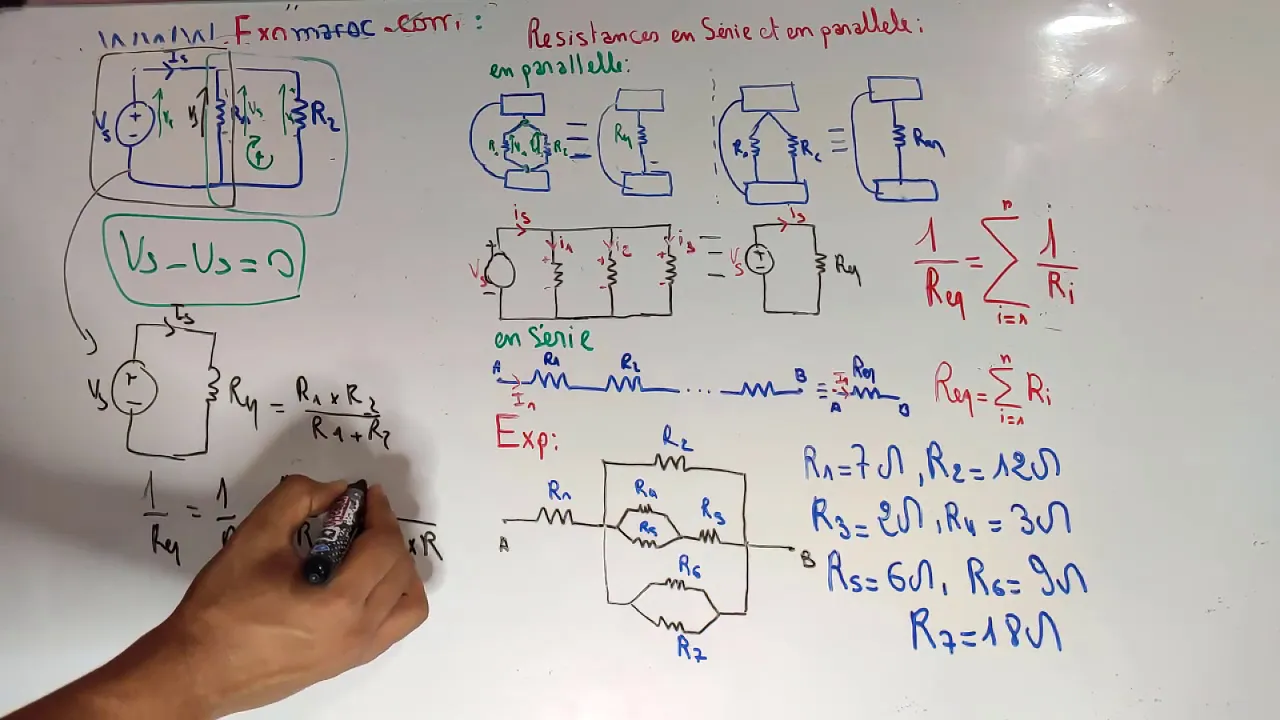
In an electric circuit with a battery of EMF E and internal resistance r, the power consumed by an external resistor R is maximum when R equals r. This is derived from the power formula P = I²R, where I = E/(R + r), and by differentiating P with respect to R and setting it to zero. The maximum power occurs when the external resistance matches the internal resistance of the source.
Current Electricity Part 3 | Class 11 & 12 Physics | JEE & EAPCET 2025 | Vedantu Telugu JEE
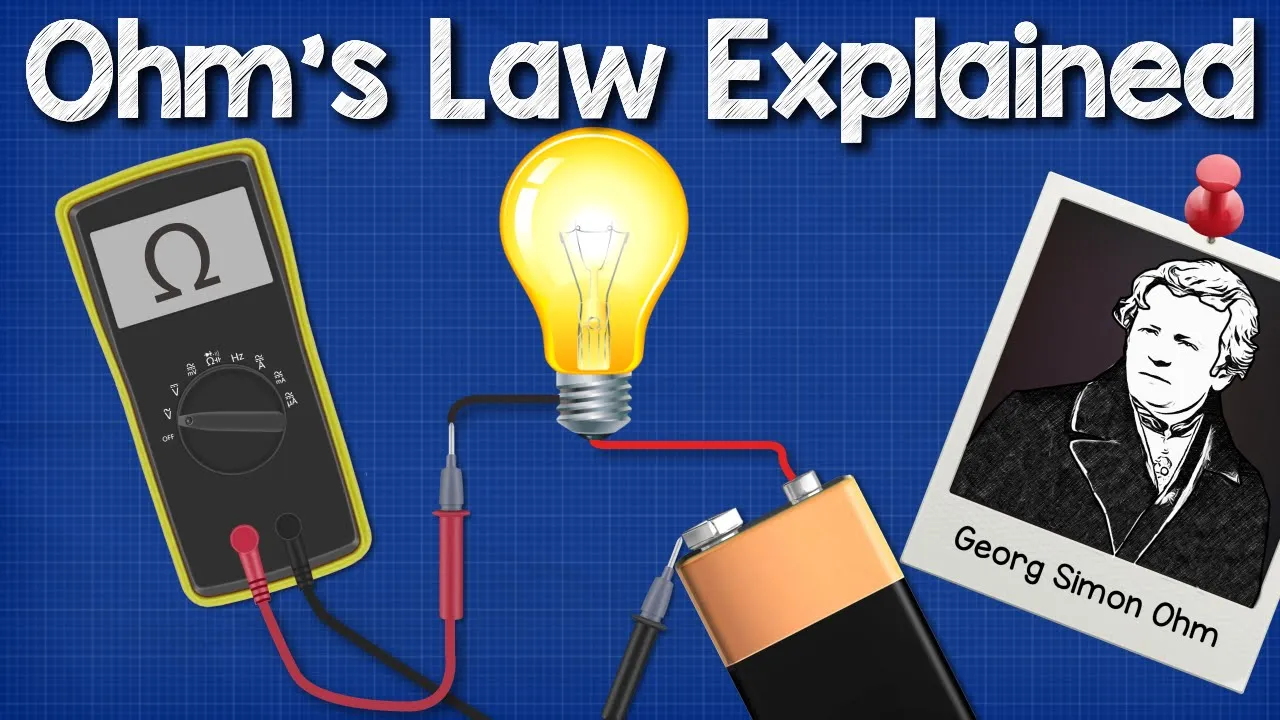
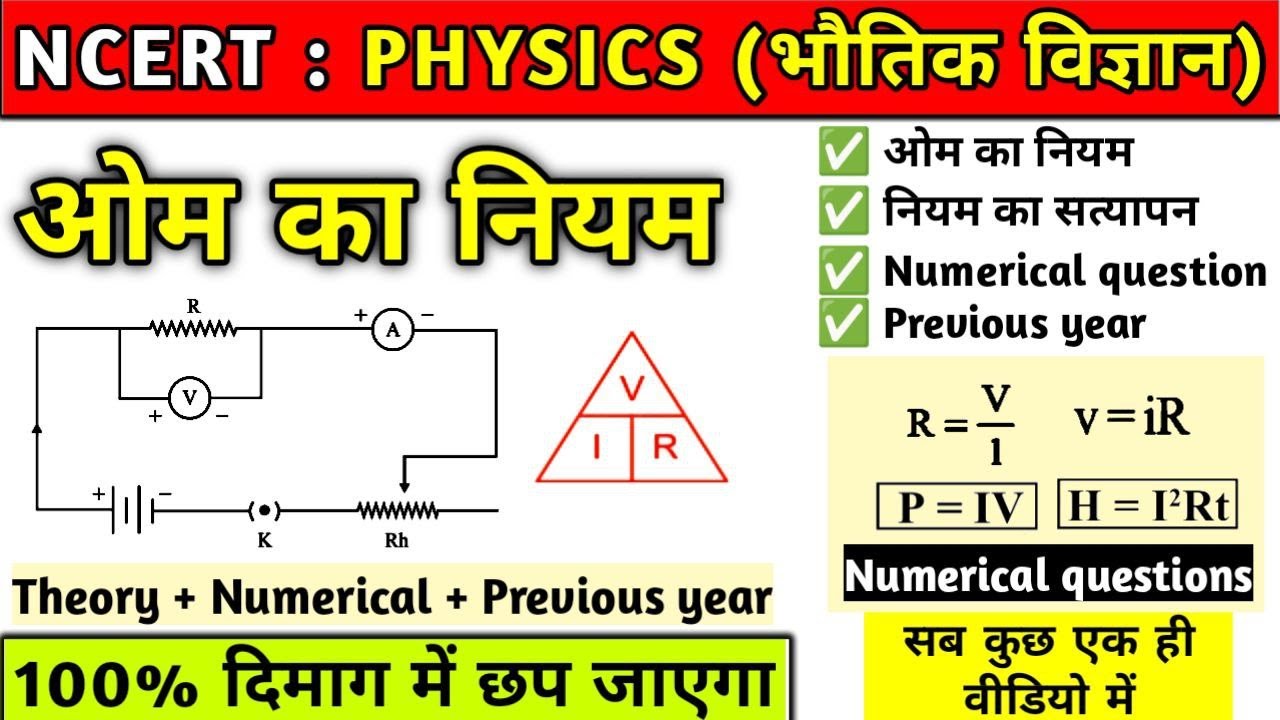
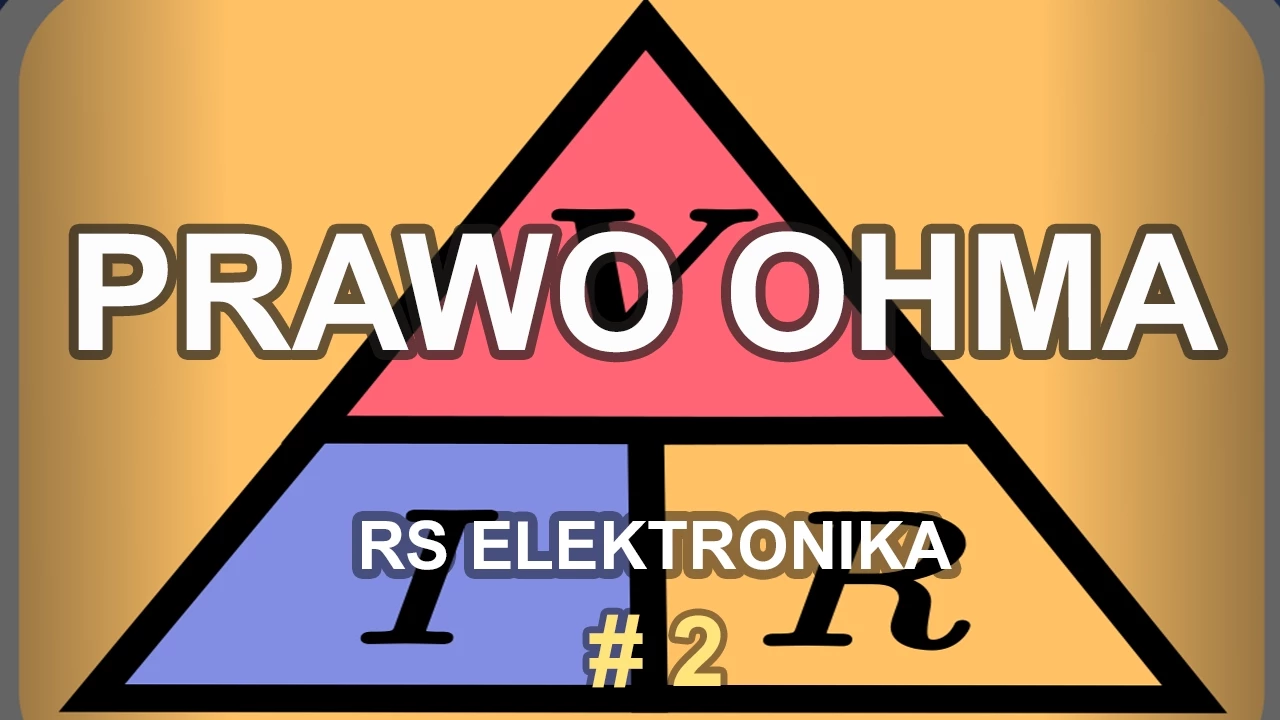
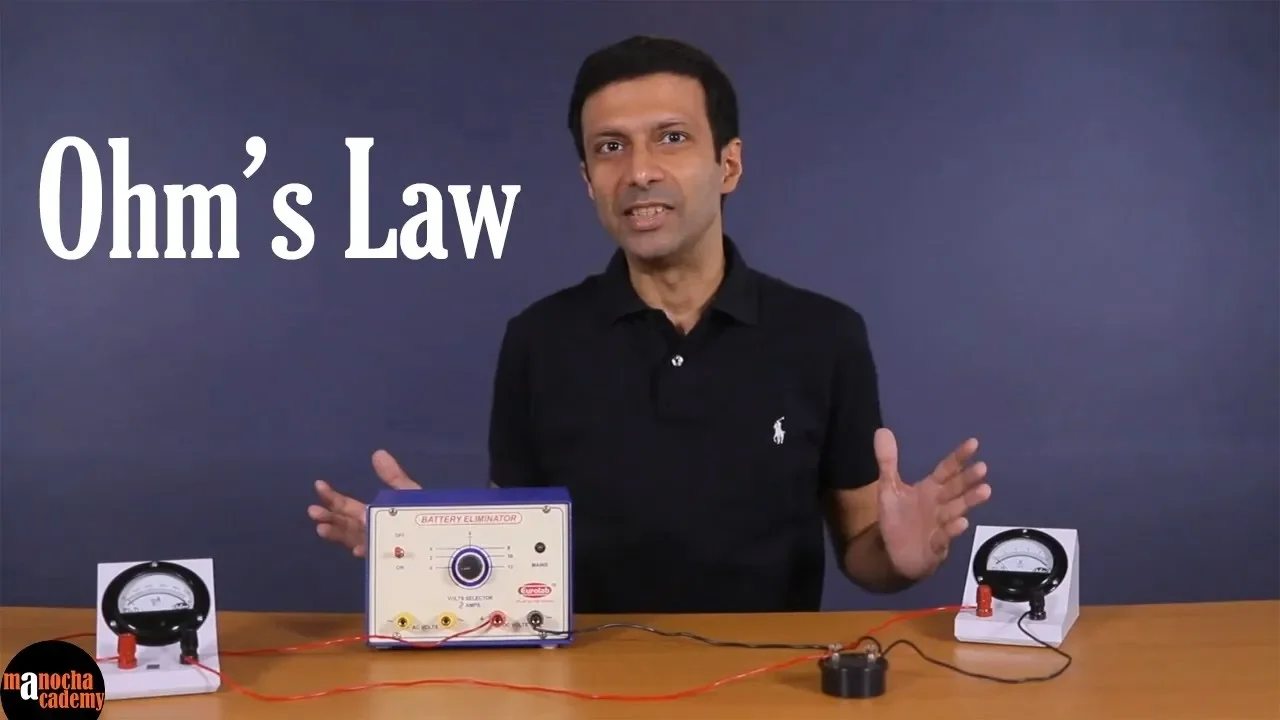
Added:Understanding of Ohm's Law, electrical resistance, and the basic relationship between voltage, current, and resistance.
Proficiency in calculating equivalent resistance for series and parallel combinations of resistors.
Knowledge of Kirchhoff's Voltage Law (KVL) and Kirchhoff's Current Law (KCL) for analyzing multi-loop circuits.
Basic concepts of electric energy and the foundational definitions of electrical power (P = VI).
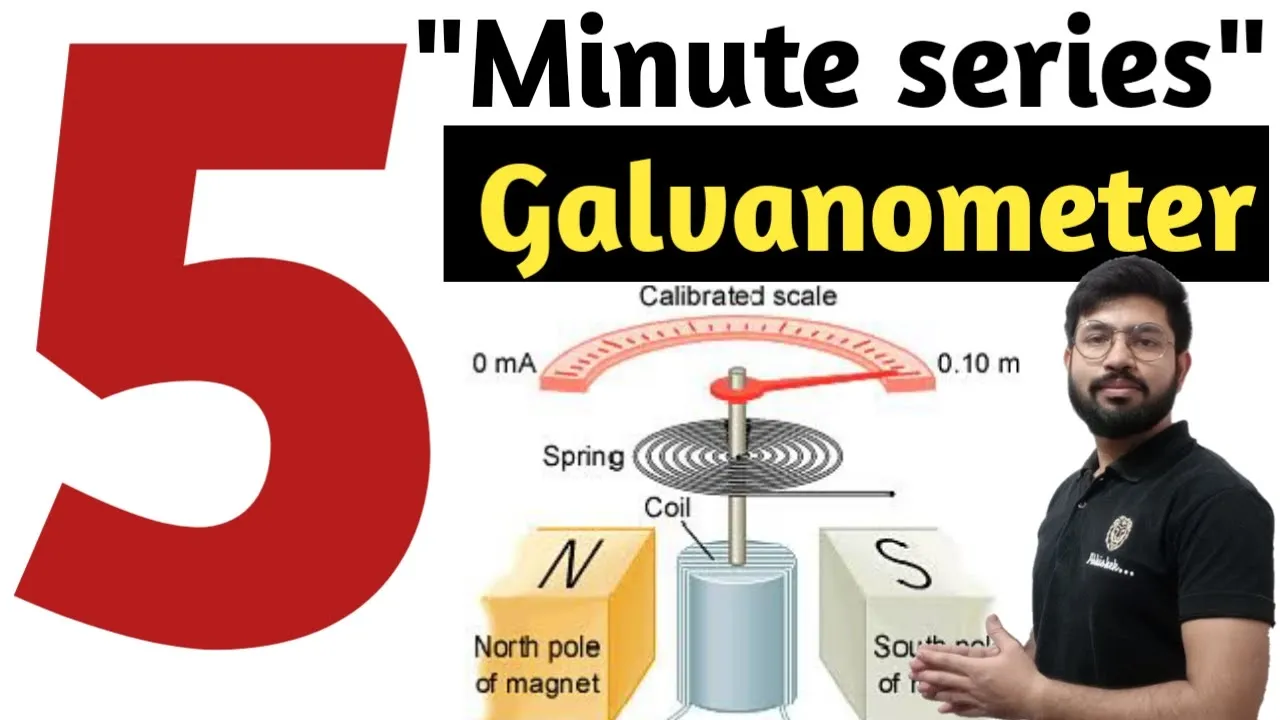
Familiarity with the working principle of a basic moving coil galvanometer.
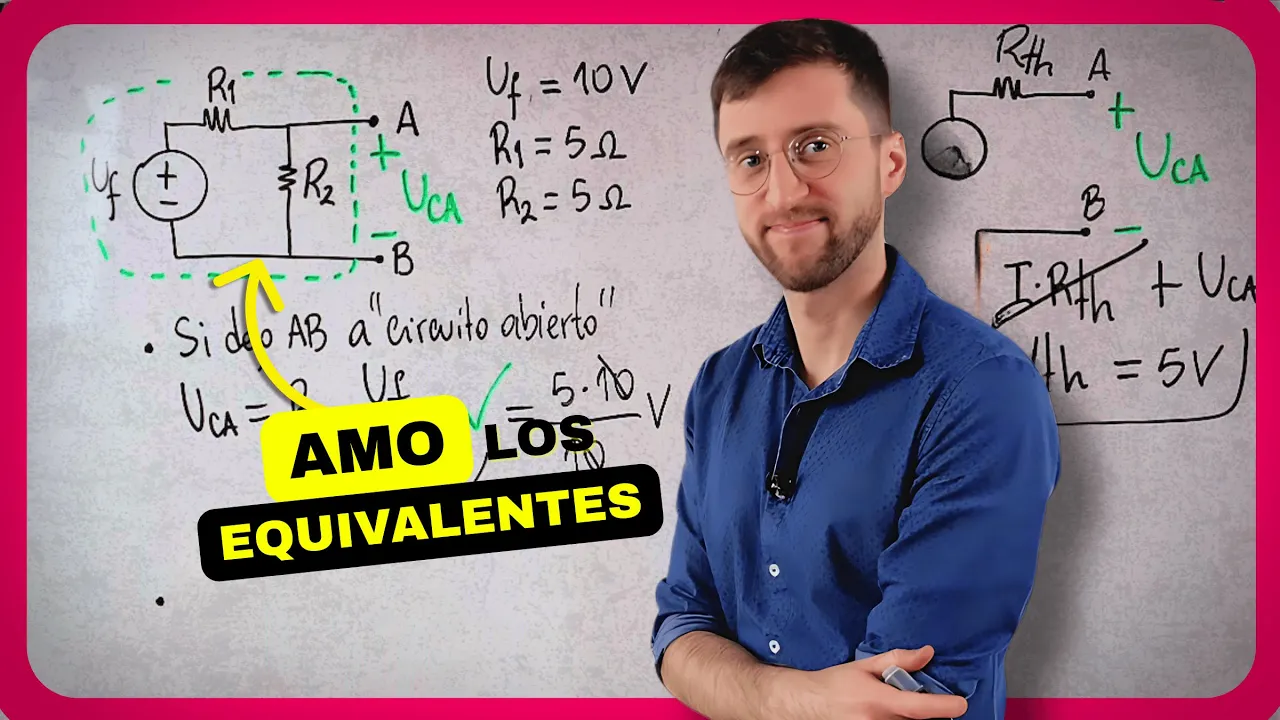
In-depth study of advanced network theorems, such as Thevenin's and Norton's theorems, which simplify complex circuits.
Analysis of Alternating Current (AC) circuits, including impedance, power factor, and AC power dissipation.
Exploration of other electrical measuring instruments, such as the Potentiometer and Meter Bridge, for precise measurements.
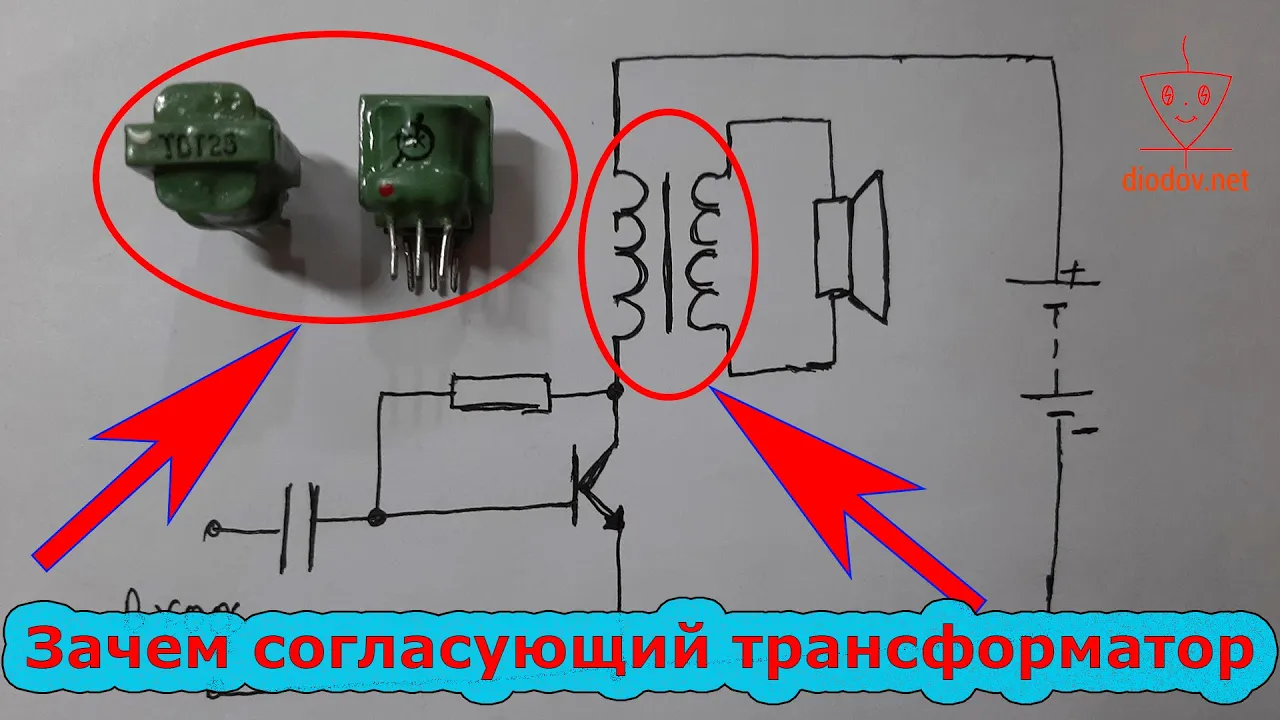
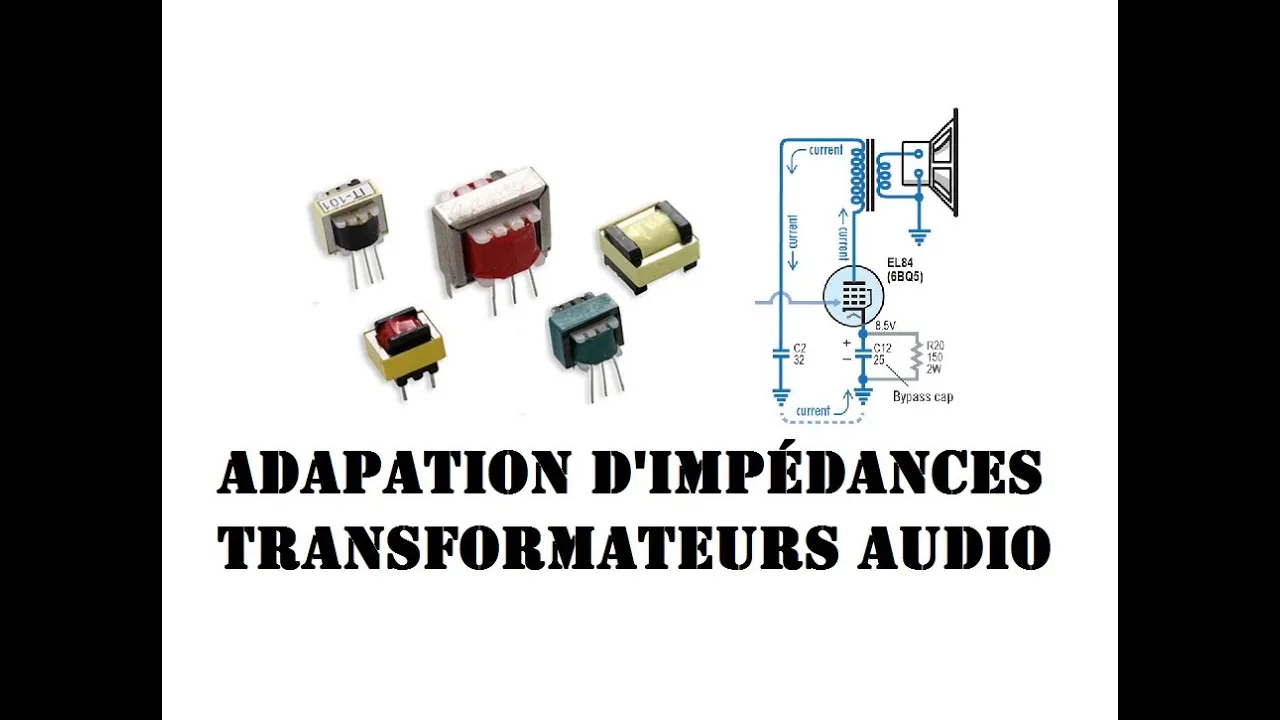
Real-world application of impedance matching and maximum power transfer in electronic communication systems and audio amplifiers.
Understanding the physics behind power transmission grids, focusing on how high-voltage transmission minimizes power dissipation over long distances.
9.4K views269likes2:24:28Original Release: 2024-11-06
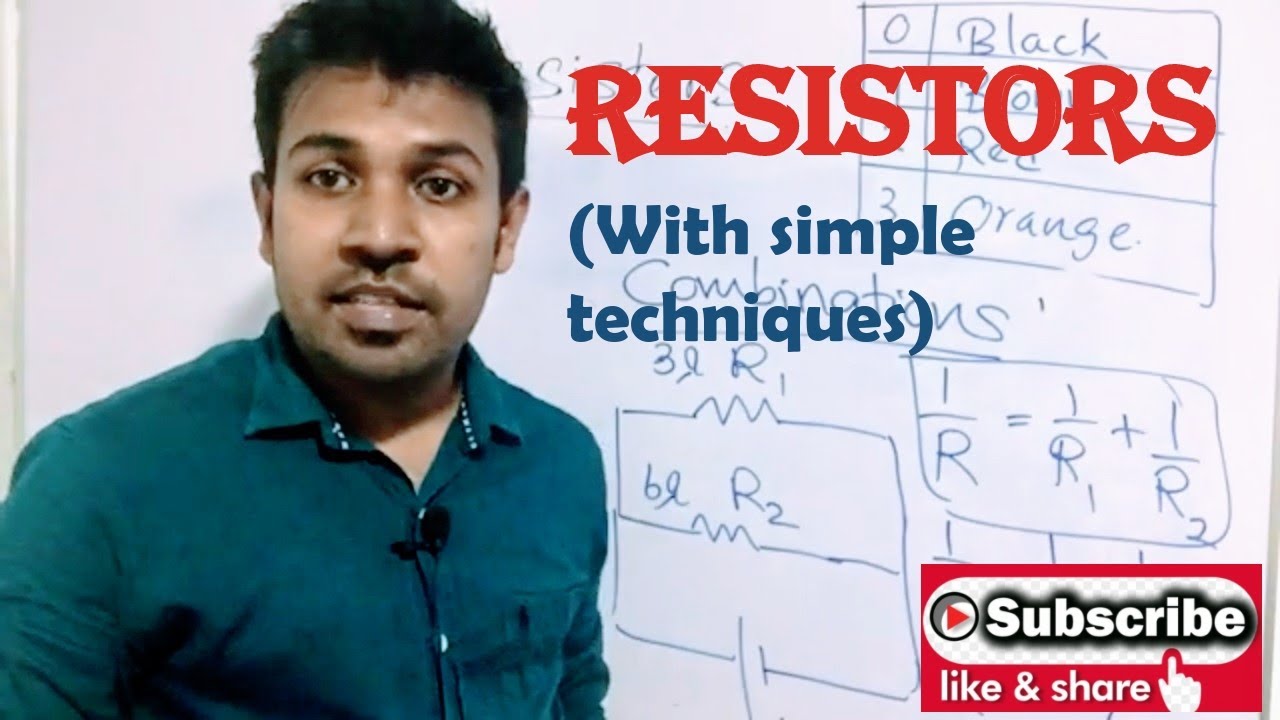
hello everyone welcome to big and F coach hi hi Nani hi M hi hi okay chinu message okay hours see Saturday and Sunday for example current electricity current electricity right so Bas right Monday Tuesday wednessday Thursday the right Monday Tuesday W question right and at the same time okay sorry for disturbing pyq yes PQ P discussion discussion deps right so less than one p will be a live class P will be a live class it's for and slightly higher level of J okay ah surprise already right so important day right second thing same right you can take the class course s Heating efforts right and resistance of G half deflection I amount of current then the power consumed power consumed by this resistor is going to be I sare into R time waste the consumed power consumed power will will come out in the form of heat will come out in the form of in the form of heat next yes so the power consumed by the resistor power consumed by the resistor that I sare into r r r the potential drop drop across the resistor so the potential drop across the resistor into I multiply with r divide with r i sare r sare by i sare r sare you can write V sare so V sare by R and what is that v v is not the voltage of the battery students evu this is not the voltage this is the potential drop across the resistor potential drop across the resistor Square divided by capital r is going to be the power consumed don't take that V to be the voltage of the battery siry what is the power supplied by the battery sir okay so work by work done by the battery per unit charge is going to be EMF so Q * EMF Q * EMF is work done by the battery Amma the rate at which work is going to be done power rate at which work is going to be done the power so the power supplied by the battery power supplied by the battery differ EMF Conant qate DQ by DT into the EMF what is DQ by D current into the EMF so right and internal resistance of the battery the terminal voltage is going to be e minus I where e is EMF where e is where e is EMF okay so ideal is the volage of the battery EMF is equal to the voltage of the battery intern resy so power supplied by the battery is V into I power consumed by the resistor is V into I but what is this V this V is the potential drop across that particular resistor so e Maxx battery of EMF e and internal resistance r no external resist connect power consumed by this resistor will be maximum okay look what for what value of R for what for what value of capital r power power consumed power consumed by capital r is maximum okay so current what is the current that is Flowing volage like em M resistance capital r plus small R so the current can be written as e by capital r plus small R then the power consumed by capital r power consumed by Capital we can write it as I sare into capital r i e sare by capital r + small R whole squ into Capital rat so in order to find the maximum power differentiate and equal to zero for p maximum for PR to be maximum DP by Dr DP by Dr should be equated to zero when we do calculation when we do calculation when we do calculation we get capital r to be equal to small R example example resistance that consumed by this one is maximum and this capital r should be equal to 2 ohms then capital r consumes then Capital consumes maximum power con what should be the value of capital r such that two OHS should consume maximum power what should be the value of capital r such that Capital maximum power question so tricky thing value of capital r value of capital r for small R to consume for small R to consume maximum power maximum res Maxim Max such that cons maximum so current current is going to be e by capital r plus small R cons by small then it is going to be I sare into small r e sare byit into small EMF of the battery constant smaller of the battery constant what is the only variable what can be the minimum value of a resistance zero all resistors are going to have either zero or positive resistance soents internal resistance to consume maximum power capital r plus small r that denominator should be minimum capital r z what should be the value of capital r that capital r will consume maximum power what should be the value of cap such that internal resistance will consume maximum power so max should be equal to the internal resistance internal allia 36 Al so be careful be careful shortcut shortcut condition if variable resistor if variable resistor if variable resistor has to has to consume if the variable resistor has to consume maximum power if the variable resistor has to consume maximum power then that variable resistance should be equal to rest of the resistance in the circuit rest of the resistance in the circuit go e shortcut EC battery the 4 Ohms internal resistance EMF E capital capit value maximum rest of the resistance in the Circ felt by this capital capital Max so basic points and across AB part of the Circ cap value so shortcut go a b simp so across AB points rest of the CC so if capital r is going to be 6 ohms then it is going to be consuming maximum capital r value then capital r will consume maximum question first of basic question come on come on con value of the resistance capital r in figure is adjusted Vari this is the variable resistance it can be changed it can be changed the value of the resistance Capal in the figure is adjusted says that the power dissipated in two ohms Maxim resistance constant power is going to be current square into the resistance power square into the resistance resistance resistance twox Maxim Max total resistance in the circuit minimum capital r value so 1 by R equivalent is going to be 1 by r+ 1 by 8 so the total resistance is going to be 2 ohms plus this R equivalent Nal resistance minimum Maxim fix so total resistance minimum equivalent minimum R equalent minimum 1 by R equivalent maximum R equivalent minimum denominator then from this then 1 by R equivalent should be as maximum as possible Max common sense cap 1 by is infinityx value so powerated in then what is the equivalent resistance go 1 by equivalent infity equalent will be how much when capital r is equal to 0 then the equivalent resistance will be how much zero then the total resistance will be how much 2 ohms then what will be the current that is going to be flowing the current that is going to be flowing is 12 by 2 ohms which is going to be what six now tell me what is the power consumed by the 2 ohms one it is I sare into 2 ohms which is what 36 into 2 which is how much 72 72 Rohit is asking a question sir chapter finish what we should practice last 10 years PQ okay same question same question same question same question but what should be capital r what should be capital r such that such that capital r consumes maximum power capital r consumes maximum power capital r consumes maximum power come on shortcut already shortcut soate ADV right CL proc okay Seven Hills wrong Seven Hills wrong hard work Maxim more more one resist resistance equal to the resistance felt by in the rest of the Circ is going to be is going to be the value of capital shortcut right step by there is 99.9% of the chance that they won't answer l right and so across AB two and8 are in parallel so what is the equivalent resistance of this it is going to be 8 into 2 divided 8 + 2 which is 10 8 by 5 ohms E capital e capital acoss 8 by 5 ohms for maximum power to be consumed by capit if the capital value is 8 by 5 ohms then capital r will consume maximum power for for max power by capital r then the capital r should have its resistance equal to 8 bys Max 8 Arun super professional professional Sor 201 201 question SOL SOL in the circuit shown resistance small R is a variable resistance if for small R is equal to f * capital r the heat generation in small R is maximum maximum heat generation in small R is maximum small a b b point right capital r capital r right soal capital r by soal to so when small R is equal to capital r by 2 small R consumes maximum power so F value ftimes capital F value half exam maximum power theorem right maximum power last current electricity so last next power rating power rating 220 Vol 100 so 220 Vol 40 theti differ across the bub so so e bulb across e bulb across potential difference 220 volt then then it consumes then it consumes 40 wats of power made B you canate the resistance of that power is going to be v² by R so the resistance of that bulb is going to be v² by P so particular it is 220 squ divid 40 right if the same bulb if the same bulb is connected across 100 volt find the power is going to be v² [Music] R 220 s 40 so the power consumed will come out to be less than 40 what indicate bulb glow dimmer and right s question question come on question important class important class Amma John what is the difference between W and what what is a unit for power differ an electric bulb rated 50 watt 200 is connected across 100 Vol Supply the power distributed first of all resistance of The Bu resistance V Square by P 200 square divid 50 V sare by r v 100 100 square by R 200 square by 50 so 100 into 100 into 50 divided by 200 square 200 into 200 so 100 two times 100 two times 50 by 4 which is going to be what 12.5 wat 12.5 wat super okay next when a potential difference V is applied across a wire of resistance capital r it dissipates an energy at a rate of w rate right so if the wire is cut into two halves and these halves are connected mutually parall across the same Supply so up what is the new Power consumed by this combination the new power is going to be v² by R by 4 4 * v² by R V sare by R W so new power consumed is four * w question ser and Par connection of heaters heater one heater one across V voltage Conn P1 heater across the very same V volage pance is going to be what v² by P1 so then R1 R2 V P2 across same Supply same Supply same voltage then what is the equivalent power consumed by these heaters yes so simple so equivalent power equivalent power consumed is going to be v² by R equivalent so Ral R1 R2 p R1 + R2 by v s so by P R1 by R2 by vpar R1 by V R1 by v s 1 by P1 R2 by v² 1 by2 so 1 by P equal will be 1 by p1+ 1 by P2 this is the equivalent power one will be less P1 as well as P2 1 by R equalent is equal to 1 by R1 1 rely ritely lalal 1 by 1 1 theant coming out will be less than the individual things you have added right so something which has to give us heat is to connect heers in so [Music] time taken to time taken to heat up some liquid P1 P1 right P2 same quantity same quantity same qu of water same quantity of water same stage so power into time gives you how muchy they so P1 into T1 sorry same heat so so combination heat CH find the T equivalent simple Delta Q is going to be the equivalent power into T equivalent so P equalent by Delta q p equalent oh oh one second one P1 1 P Delta Q by P1 Delta Q by P1 T1 Delta Q by P2 T2 so T12 time B time waste time B time waste okay [Music] Delta Q same Delta Q same quantity of water 1 by T equalent P equalent by Delta q p equalent P1 + P2 by Delta Q P1 by Delta P1 by Delta Q equalent time it takes P1 P 1 by1 1 by2 1 by P1 1 by P okay so this is one such concept right f f important important TV Main phone charging power soet connection [Music] phone fan right AC Lo I3 lo I lo so so the total current that is needed comes from the main Supply examp the total current or the maximum total say 30s of current entering voltage fluctuations right let's say during the time of Thunders lightning instum f right Maxim right so let's say fuse 20 capacity more C right so minimum capacity of for example for hard worker 220 so 15s Power by voltage power is V into I so Power by voltage power 40 divided by 220 into any 100 ID 2 220 which is going to be 1,00 by 220 into 1 divided by 220 so 220 divid 250 divided by 22 11 36 last faster cha in a building there are 15 bulbs of 45 watt 15 bulbs of 100 watt 15 fans of 10 watt two haters of 1 kilow the voltage of electric main is 220 volt the minimum fuse capacity or rated Val of the building will be anyone interested in answering the homework good evening aay right slightly higher slightly higher next option G it's an instrument which is going to me pointer and scale so total readings 70 total readings 70 total 70 divisions total at a time at a time only 35 will be in useal are 30 divisions in Gomer they are talking about that half scale divisions right so question we have a g which has 35 division we have a g which has 35 divisions so5 it's half question total division toal right divion left division fi magnetic field so okay Infinity Ser current carrying Co current carrying Loop experiences T Force Translate T rot so a current carrying coil in a magnetic field experiences torque EXP current direction changing so with the help of gometer we can also detect the changes in the direction of current and we can also measure the amount of current right okay now poin right full scale deflection full scale deflection full [Music] when the pointer is going to show this side this is called as full scale deflection so full scale deflection responsible IG is the max IG is the max current that can be measured so IG not the current through the gometer IG is the maximum current that can be measured with the help of gometer so when IG flows full scale deflection when when IG flows when IG flows we get we get full scale deflection okay if if more than if more than IG current flows still the galvanometer still the galvanometer shows full deflection only full deflection only why why because it can't go beyond that second so if you are sending more current into the Gomer first of all sending a current more than IG full scale deflection it is showing the reading of IG first of all our mistake second thing so generally gometer is used to find small amounts of current 1 right so the resistance of the gometer will be represented with the symbol capital G resistance of gometer will be represented with a symbol capital G resistance resistance of galvanometer resistance of galvanometer is represented represented with the letter capital G with the letter capital G okay fine meth half deflection method so what is this half deflection method this is a method used used to find resistance used to find resistance of galvanometer so half right okay now look so half big resistance big resistance a big resistance directly connected to battery directly connected to battery to maintain low current flowing in the CC FL how experiment go how the experiment goes first we make we make current flow through we make current flow through galvanometer we make current flow through galvanometer second step is going to be we do some changes we do some changes to get the reading in gometer to be half to get reading in galvanometer to be half particular question to find the resistance of gometer by half deflection method the following circuit is used with resistance R1 9,970 R2 30 and R3 zero so first 9,970 e 30 ohms Gom resistance so equalent resistance less G Lal is 1 by R1 1 by r2r drawn from the battery G I I right second step have deflection method 30 galom is d right when R3 is7 ohms the deflection in the Gomer is d by resistance of 107 ohms add right the current became half current go7 so that is the best part so the total current drawn from the main battery will be more or less same will be more or less same basic very basic thing i1 i1 by2 common Comm equal resistance a equal resistance just concept equal in the circuit in the circuit diagrams a b c and d shown below capital r is a high resistance n right okay next s is a resistance in the order of Gomer the currect circuit corresponding to half deflection method for finding the resistance right more same current flow more only option open res [Music] almost equal previous G should be equal equal to SSR capital r is very very small very very high when compared with s that is the resistance of the gometer ratio of resistors 3 one of the ratio will be 4 is one so okay half deflection method deflection method differ total potential difference across this one will not change difference moreti difference sorry conversion of gometer to Amer and voltmeter both so basic a meter or am meter a meter will be connected will be connected in series right so for example battery connect right so for example the maximum current that can flow is I the maximum current that can flow is set set so setup ke so that is our range Amer range 0 to I then I is the maximum that this Amer can measure particular Maxim full scale deflection full scale deflection that I is the maximum it can measure what is inside this what is inside this am meter shant IUS IG so potential difference across gometer potential difference across shun same IG into capital G is going to be IUS IG into yes so the shunt that is needed to convert the Gomer toer is this and now we got an Emer we got an Emer of range 0 to I example example right 30 divis full scale deflection 30 mil then it will give you full scale deflection need full scale deflection each division is what is the scale reading what is the scale reading or per division reading Division division is 1 mil total 30 m we will convert it to we will convert it to a meter of 0 to 3 a [Music] range CC 3 amp flow scale okay when 3 Flows In external circuit when 3M Flows In external circuit we got full scale we got full scale deflection so scale reating so divisions is equal to 3s of current flowing in the external Circ divisions is equal to 3 amps up each division is 1 by 3 into 1 by 10 3 by 10 of current flow external Circ 10 into 1 Byers of Gom to yes this is the last class of current electricity almost so conversion of gometer conversion of galvanometer to volt meter n Mr but conversion of G to sorry voltmeter voltmeter voltmeter is connected is connected in parallel R1 CC R1 R2 only resistance so BAS sorry we want we want voltmeter we want voltmeter of range we want voltmeter of range 0 to V capital V is the maximum voltage it can measure maximum maximum deflection so when Max voltage is being measured Max deflection should be [Music] there gometer maximum deflection is maximum what is the maximum IG the maximum current then whatever the voltage across this should be maximum in the IG so what is the potential difference across this V is IG into G + r r value it's V by IG 90% go same story 30 division 30 male rating one division one division is equal to 1 Milli of reading when 30 milliamps is sent potential difference is 3 volt and this potential difference across what potential difference across this R2 potential difference across R2 and potential difference across G plus r 3 volt so max volting divisions deflection what is the voltage 3 volt each division by so next each 3 into 1 by 10 and 3X 10 Vol and potential difference across this one is 3 3 by 10 volt across potential difference potential difference same and potential difference across R2 is 3x1 volt so we have successfully converted gometer to voltmeter m leap media sir should I watch your classes or R classes okay okay okay a gometer having 30 divisions total divisions divisions total division divisions has current sensitivity current sensity m it has a resistance of 25 so 20 micro per division 20 micro per division what is the maximum current the gometer can take any divisions 30 divisions into 20 microamp 600 micro micro of for this it will give full scale reading it will give full scale reading or full scale deflection full scale deflection 25 ohms resistance of gometer 25 5 ohms how will you convert it into an a meter measuring up to 1 amp blind so max because that is the maximum has to me c IG into capital G is going to be 1 minus IG into s s value g into IG by 1 minus IG g 2 600 micro minus 600 M becer of range 1 ampere next how will you convert this Emer into volt meter up to one vol how will you convert this gometer what G how will you convert this gometer whatever the gometer is given into volt meter up to one volt maximum potential difference across this one is how much one Vol maximr so one Vol is IG into G + r 1X 6 00 micro minus G G25 so 10,000 the^ 4 sorry 10 the^ 4 by 6 minus 25 ohms so Becomes of range what 1 volt okay fine next Amma 2023 okay a galvanometer whose resistance is 50 ohm has 25 divisions in it sorry when a current of 4 into 10 ^ minus 4 amps passes through its needle deflects by one division every division key 4 into 10^-4 AMP 25 so 25 divisions 25 into 4 into 10 the^ - 4 full scale deflection 100 into 10 - 4 and 10 the^ min-2 amps so for full scale deflection gometer the current you have to send through is 10^ minus to use this gometer as volt meter of range 2.5 Volt range 2.5 and what is the maximum voltage what is the maximum voltage the maximum voltage it can measure is 2.5 volt flow IG current flow 2.5 volt is going to be IG into G + r potential total potential difference across this IG value 10^ -2 so 2.5 into 10^ minus 2 is g g g 50 50 + r simp 10us into 100 250 250 minus 50 200 super answer three super so what is the percentage of total second year physics questions 5050 11 to 12 5050 super okay question a moving coil gometer has resistance 50 and it indicates full deflection at four 4 milliamps so IG IG 4 milliamps the maximum current is this resistance of gometer 50 Ohms a voltmeter is made using this gometer and a 5 kilo resistance voler using this gometer and 5 kilm resistance the maximum voltage it can measure so G Max Max scale scale IG so the maximum voltage is going to be IG into G + 5000 G + 5000 IG 4 milliamp and 4 into 10^ minus 3 G 50 5,000 so 550 so answer 20 Raa 20 sir why are you not there in Crash Course second thing he already elri second last part last part see right crash con unlimited or sir I don't have even Basics also can I crack okay real ohs battery of two Vol 2 by 2 OHS which is 1 a right total resistance of the circuit change battery feels that there is 4 OHS so what will be the current that is going to be sent battery feels that there is 4 Ohms so 2x4 half ampere so the reading given by the Emer so the reading given by theer is half IG yes so if we want exact reading if we want exact reading if we want exact reading then if we want exact reading and the resistance of the Emer a resistance of no problem so getting a perfect zero resistance Emer is not possible in reality take the to be ideal Emer ideal Emer resistance of the Emer Z resistance ofer Z [Applause] for example 2 ohms 1 oh right Point what is the potential difference across AB it is going to be equal to I into rur flow one uh yes Vol meter made up of some material it's made up of some material toal resistance half two so total half half two so 2.5 so then what will be the current drawn then the current that is going to be drawn now is going to be 3 by 5 by two which is what 6x5 6 by 5 3x 5 what is the potential difference across AB the potential difference across AB is 3x5 into 1 which is what 3x battery battery Fields half ohms instead of instead of what should be the voltage of the sorry what should be the resistance of the voler resistance of voler infinity okay for for battery to f 1 ohm then 1 by R equivalent is 1 by 1+ 1 by resistance of the volt meter so actual resistance what should be the resistance of the voltmeter resistance of the voltmeter Infinity of Val so that's why they use the word ideal voltmeter ideal Vol meter resistance is infinity okay last question of the class with this current electricity is done and dusted current electricity is done and dusted current electricity is done anded the actual value of resistance capital r in the figure is 30 ohms actual resistance 30 this is measured in an experiment shown by standard formula reading of the older if the measured value is 5% less resistance 5% less than 30 what is 5% of 30 ohms 5% of 30 ohms and 1.5 ohms so the r equivalent is 28.5 ohms and that R equivalent is R into V by r + V is 28.5 ohms now what is the r value 30 what is the resistance of the volt meter tell V so 30 + V is equal to 28 5 calculations calculations 30 into 28.5 will be 855 okay next 30 V 30 V is 28.5 into 30 855 855 plus 28.5 into V 28.5 into V so 1.5 V 855 so V 855 divided by 1.5 divided by 1.5 which is going to be 570 ohms yes so real deleted from soid Heat current electricity andat so Friday is going to be PQ discussion so can AFF it will be very useful bye
Up Next

4:47
How Scientists Determine Earth's Interior Structure
@GeoFilesbyAditya
144 views•2026-07-19

12:53
21cm Hyperfine Transition in Neutral Hydrogen: Radio Astronomy Basics
@AaronRobertParsons
12.4K views•2011-10-13

32:32
NMR Spin Physics I: Zeeman Effect, Resonance Condition & Larmor Frequency
@nptel-indianinstituteofsci8064
2.3K views•2024-01-17

27:14
Entropy and the Second Law of Thermodynamics Explained
@veritasium
27.5M views•2023-07-01
Related Study Plans & Knowledge Roadmaps
Structured learning paths in Physics
physics
Nuclear Physics (Decay, Fission & Reactors)
01Atomic Structure and the Binding Force
02Radioactive Decay and Half-Life
03Nuclear Fission Mechanics and Chain Reactions
+ 2 more learning modules
12h5 modules
Explore Roadmap
physics
Soft Matter (Polymers, Colloids & Rheology)
01Foundations of Soft Matter & Thermal Forces
02Polymer Physics and Macromolecules
03Colloids, Surfactants, and Self-Assembly
+ 2 more learning modules
38h5 modules
Explore Roadmap
physics
Analytical Mechanics: Lagrangian & Hamiltonian
01Mathematical Foundations: Calculus of Variations
02From Newtonian Mechanics to Constraint Dynamics
03The Principle of Least Action & Lagrangian Mechanics
+ 3 more learning modules
28h6 modules
Explore Roadmap
physics
General Relativity (Spacetime & Cosmology)
01Foundations of Relativity: Special Relativity
02The Geometry of Spacetime: Equivalence Principle & Curvature
03Einstein's Field Equations: The Mathematics of Gravity
+ 2 more learning modules
55h5 modules
Explore Roadmap