















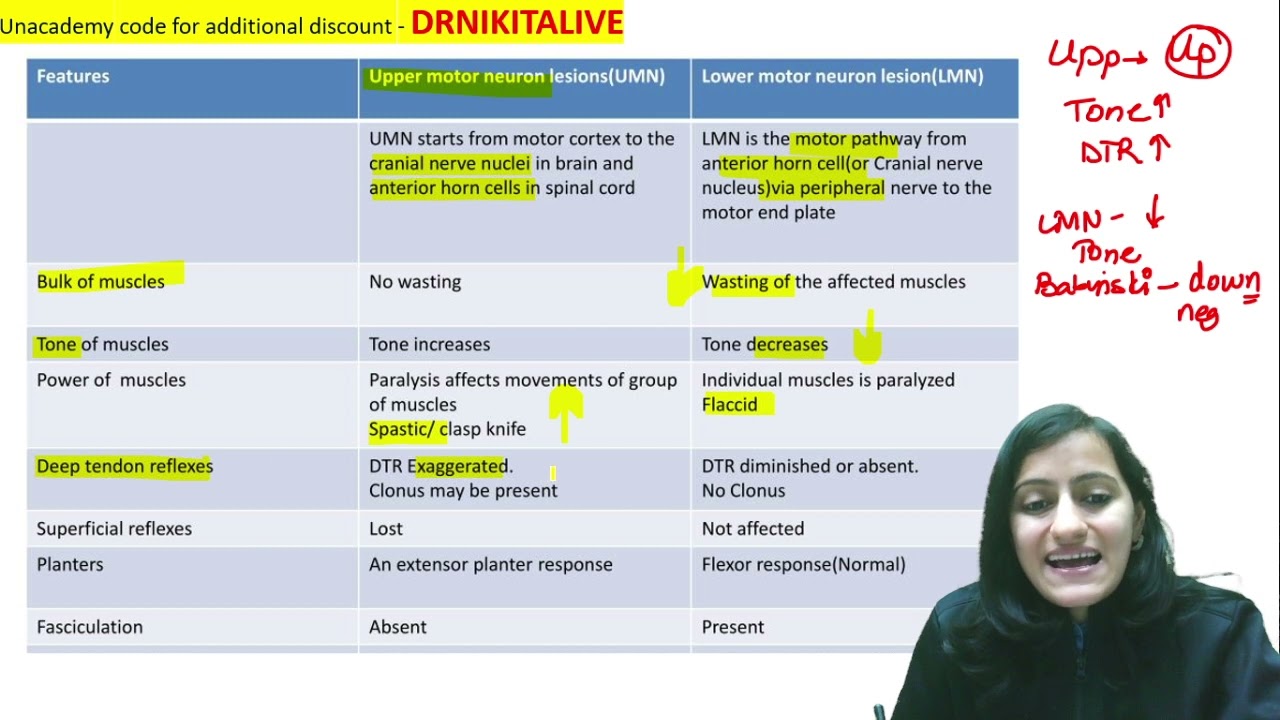




Upper motor neuron lesions (affecting the corticospinal/corticobulbar tracts from cortex to lower motor neurons) cause hypertonia, hyperreflexia, spastic paralysis, and minimal muscle atrophy (disuse atrophy), while lower motor neuron lesions (damaging anterior gray horn cell bodies, axons, or axon terminals) produce hypotonia, hyporeflexia, flaccid paralysis, and severe muscle atrophy (denervation atrophy); upper motor lesions show positive Babinski sign, pronator drift, and Hoffman's sign, whereas lower motor lesions exhibit fasciculations/fibrillations.
Motor Neuron Lesions: UMN vs LMN - Neurology Guide
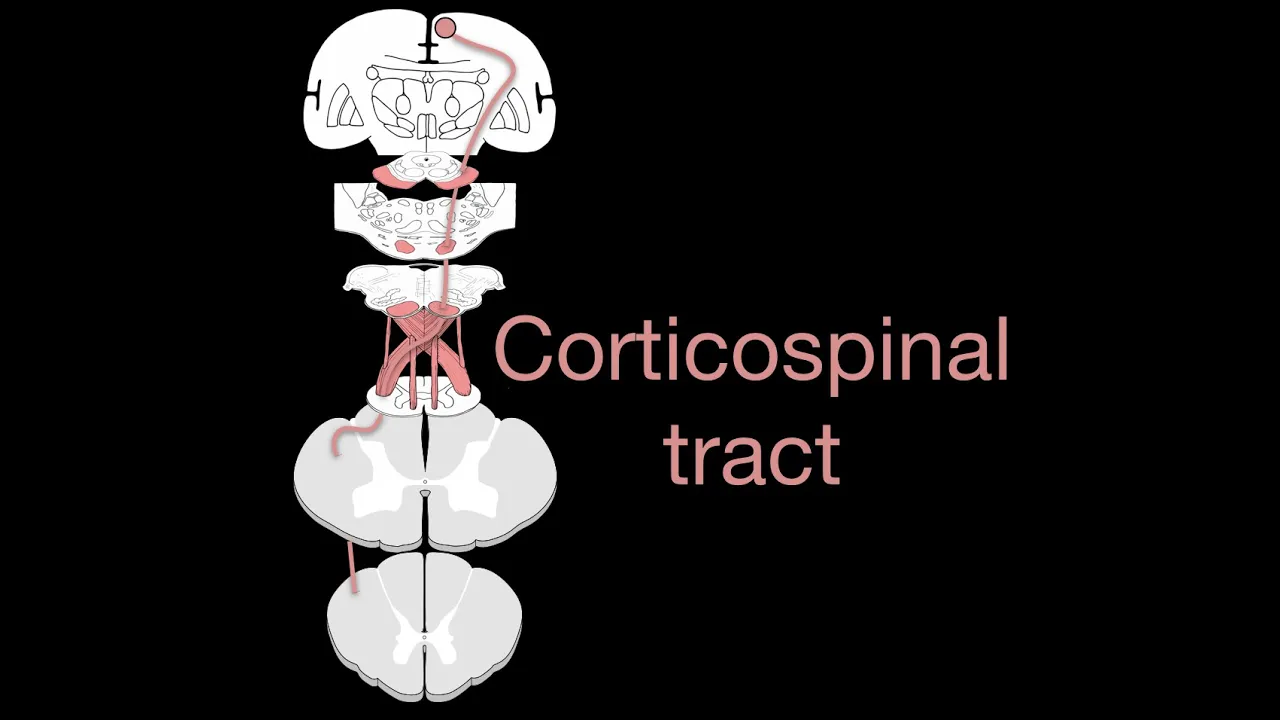
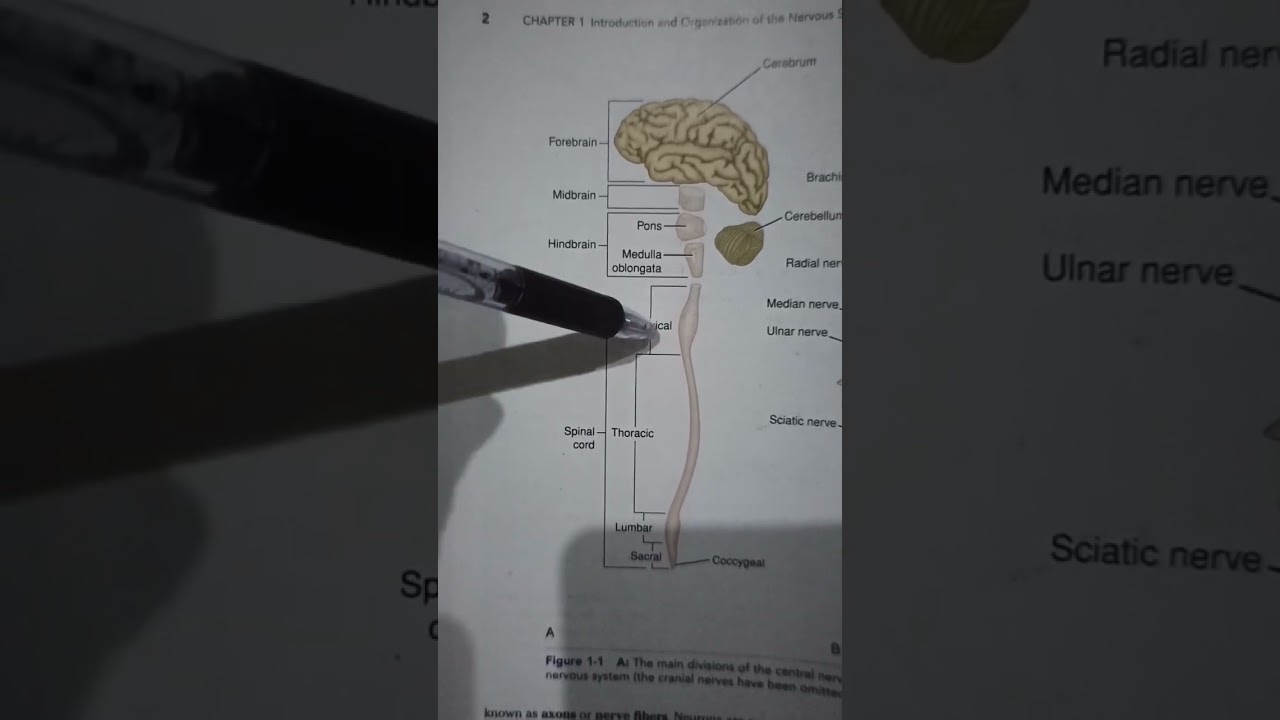
Added:Basic neuroanatomy of the motor system, specifically the structure and pathway of the corticospinal (pyramidal) tract.
The physiological mechanism of the deep tendon reflex arc and how sensory input coordinates with motor output.
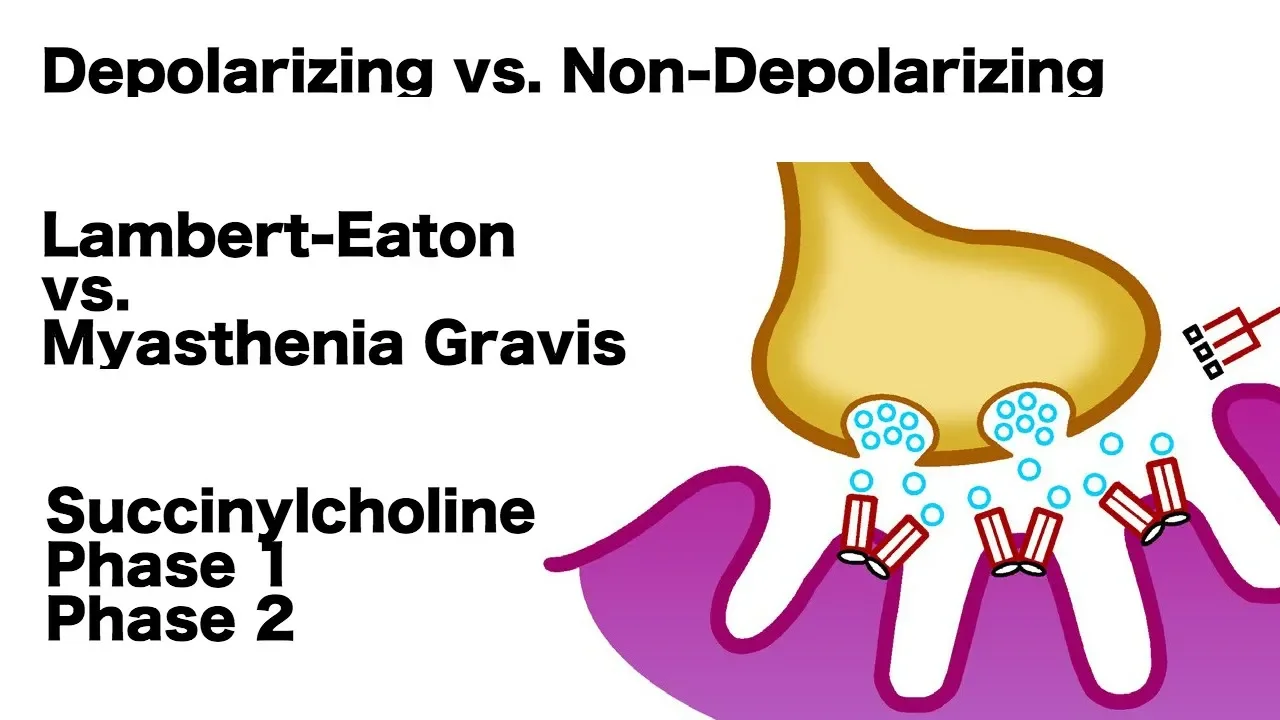
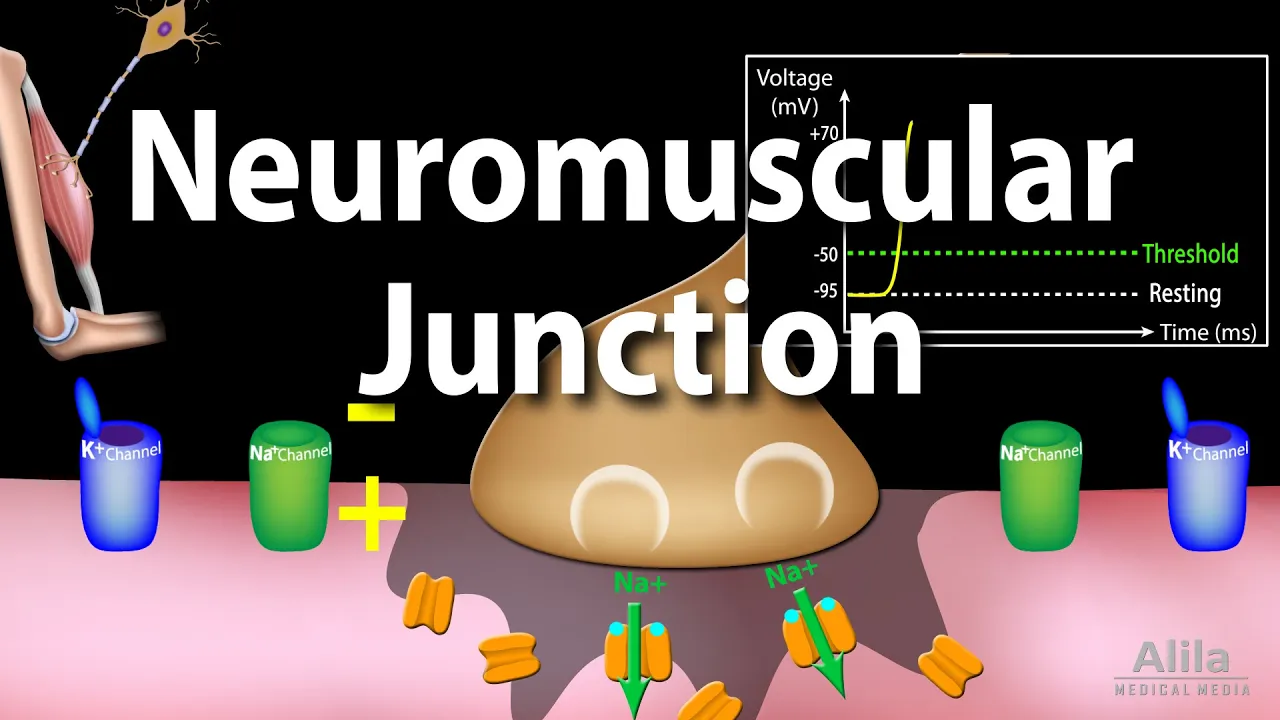
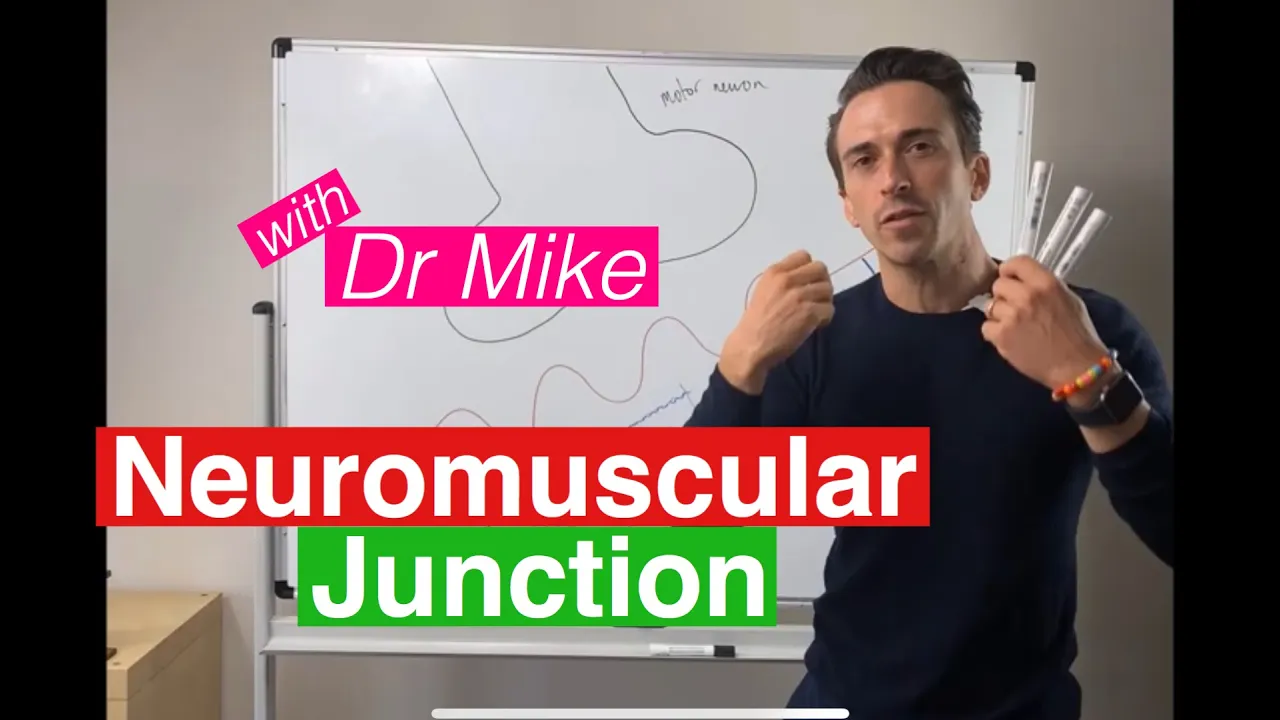
The concept of normal muscle tone and the role of the neuromuscular junction in skeletal muscle contraction.
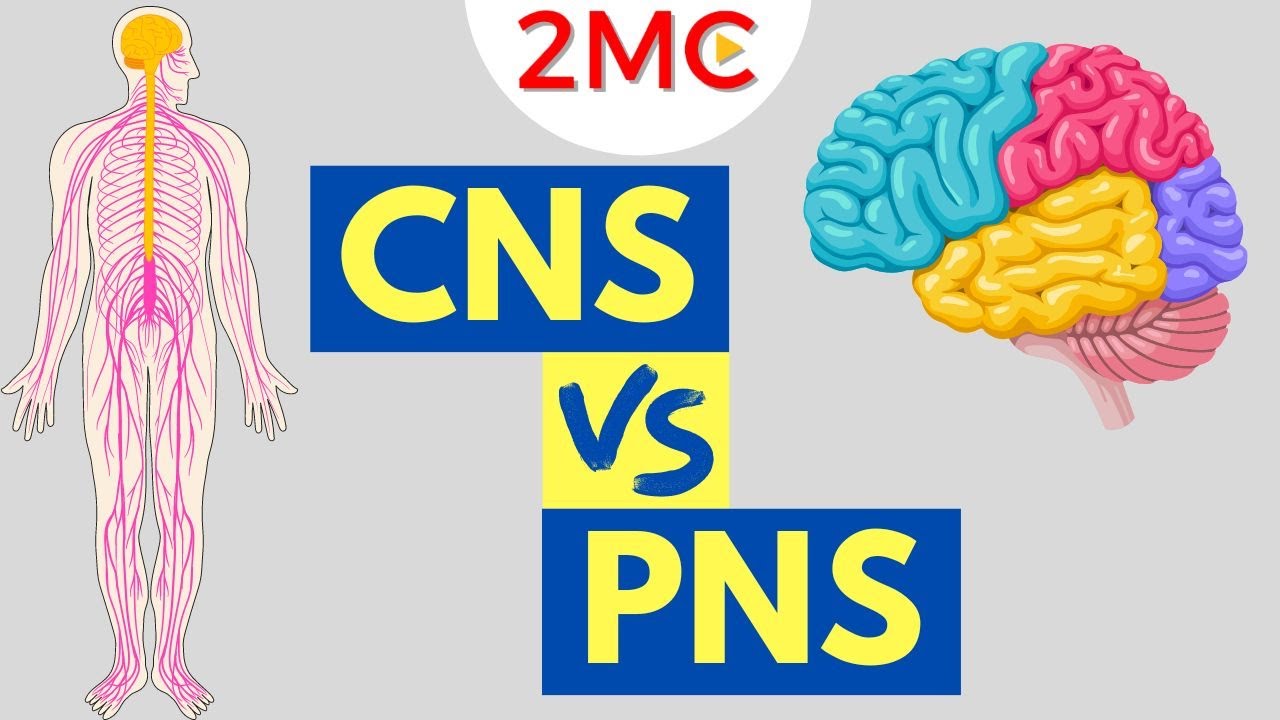
The anatomical distinction between the central nervous system (CNS) and the peripheral nervous system (PNS).
Clinical localization of spinal cord and brain lesions based on combinations of motor and sensory deficits (e.g., Brown-Séquard syndrome).
Pathophysiology of specific neurological diseases that selectively affect motor neurons, such as Amyotrophic Lateral Sclerosis (ALS), Polio, and Multiple Sclerosis.
Practical application of the neurological physical examination, including detailed grading of deep tendon reflexes and eliciting pathological reflexes.
Rehabilitation strategies and pharmacological interventions for managing spasticity in UMN lesions versus flaccid paralysis in LMN lesions.
880.5K views28.1Klikes57:44Original Release: 2020-11-01
all right engineers so in this video we are going to talk about upper motor neuron versus lower motor neuron lesions let's go and get started all right so when we talk about upper motor neuron versus lower motor neural lesions we first have to understand what in the heck is an upper motor neuron and what is a lower motor neuron now to make this very simple and kind of straightforward here there's two types of upper motor neurons let's write these down so the first upper motor neurons are two paths or two tracks if you will the first one that i want us to talk about here is called the cortico spinal tract and we're going to make this very basic the second one is called the cortical tract and again we're going to cover this basic so upper motor neurons where do they start well look at the name it kind of gives you where it starts cortico so it's kind of giving you the direction corticospinal going from cortex to spinal cord corticobulbar cortex to the bulb of the brain stem and we'll talk about what that means so let's kind of start up here upper motor neurons they begin up here in the cerebral cortex right so here's your cerebral cortex and what areas of the cerebral cortex would they be coming from the motor areas there's a ton of them right we talked about all these into the descending tract video on the corticospinal tracts but it could be the primary motor the pre-motor the primary somatosensory the supplementary motor area all of those but they give off their axons right coming down via what's called the corona radiata then they come down through the internal capsule and as they come down here through the midbrain through the pons at the medulla we know that they actually decase we're not going to show that here but we're going to follow this one down all the way to the spinal cord and what happens is these guys they give off their axons to these lower motor neurons the cell bodies in the anterior gray horn so what is this tract here this tract here going from the cortex all the way down to the spinal cord that's our corticospinal tract right the other tract is the corticobulbar tract let's do this in a different color so we can't separate them so same thing you're going to have all these motor knobs coming from the pre-motor the primary motor the supplementary motor all these different areas and they're going to give off their axons that's going to come down through the corona radiata through the internal capsule through the midbrain now as this comes down at the kind of the mid level of the pons and down it gives off axons to what structures to this nucleus to this nucleus and this guy this is going from the cortex to specific cranial nerve nuclei located in the pons and medulla now if you look here the corticospinal corticobulbar that's our upper motor neurons the lower motor neurons are the destination or endpoints of these tracks so what are the lower motor neurons that's an important thing let's do it in a different color make it perky right the lower motor neurons there's two types what is this one here what's actually correlated corticospinal so cortex to the spinal cord what part of the spinal cord the anterior gray horn so the anterior gray horn is where our lower motor neurons are and then obviously from the anti-gray horn they give off axons we'll talk about that the second component is the destination of the corticobulbar pathway that's particular cranial nerve nuclei so this is going to be where you have cranial nerve nuclei now my next question for you guys is which cranial nerve nuclei are the destination points for the corticobulbar pathway let's let's write them down the first one here is actually going to be this red one these are only motor nuclei the first one is cranial nerve five what is this the trigeminal nerve what muscles does that go to muscle is a mastication next one in green cranial nerve seven facial nerve muscles of facial expression this big blue nucleus is actually consisting of what's called the nucleus ambiguous okay now the nucleus ambiguous gives off axons for three particular nerves you guys know which ones they are cranial nerve nine glossopharyngeal nerve cranial nerve ten vagus nerve and the cranial component of the accessory nerve these guys are going to go to the muscles of your pharynx your larynx your soft palate uvula all things for speech for swallowing for articulation beautiful and the last one here is this pink one and this is going to be cranial nerve 12. what is this one your hypoglossal nerve a hypoglycemic nucleus which gives off the hypoglossal nerve which goes to the muscles of the tongue so now we understand the upper motor neurons and the lower motor neurons now to get a little bit more specific all right obviously these nuclei give off axons that go to muscles of the tongue and same thing here all the actual cranial nerves 9 10 and 11 will go out to the muscles of the larynx pharynx soft palate uvula all the axons from the facial nerve will go to the muscles of facial expression and all the axons of the trigeminal motor nucleus will go to the muscles of mastication so from the nucleus all the way out axon all the way out to the axon terminal bulb that consists of the entire lower motor neuron same thing come down to the corticospinal part where we go to the anterior gray horn again cell bodies in the anterior gray horn it's actually this color cell bodies in the anterior gray horn have their axons and their axon terminal bulbs which terminate at particular skeletal muscles maybe this is the skeletal muscles of the upper limbs skeletal muscles of the lower limbs skeletal muscles of the trunk but all of these is going to be making up your lower motor neurons going to the particular skeletal muscle so we understand that now now to make it pretty much obvious here if you damage this upper motor neuron anywhere from the part up here in the cerebral cortex all the way down this entire path anywhere here that is an upper motor neuron lesion if you damage any of the nuclei or the nerve itself or the axon terminal of these cranial nerve nuclei that is a lower motor neuron lesion same thing here if you damage here here or here that is a lower motor neuron lesion oh that's so cool but now that we understand upper motor neurons lower motors their basic anatomy and function and we understand the lesions where they would take place let's talk about a couple causes of upper motor neuron and lower motor in our lesions so we know upper motor neurons lower motor nodes their components their basic functions right the next thing we have to talk about is obviously some of the causes of upper motor neuron lesions okay some of potential causes you got to think about this there's many different causes i don't want us to get bogged down into all the random pretty much you know rare stuff i want us to get the basic concept if you have to pick one of the main causes of an upper motor neuron lesion you want to think about stroke so if someone has a stroke a cva right whether that be a hemorrhagic cva or whether that be an ischemic cva cerebrovascular accident that can cause damage to any component of the upper motor neuron the second thing is sometimes if you think about the upper motor neuron right so here we start in the cortex we go down with the axon you go to the axon terminal right to your lower motor arm we'll just make this component here our lower motor neuron right and that will go out to your skeletal muscle sometimes what can happen is you can also demyelinate the axons of these upper motor neurons what are some conditions that demyelinate axons you know there's conditions like multiple sclerosis this can actually demyelinate the axons of the corticospinal tract there's another condition called frederick's ataxia this can also demyelinate that there's also b12 deficiency this can also demyelinate that you know what else there's also another disorder a motor neuron disease and it can damage these structures here due to free radical accumulation you know what this is called als a myotrophic lateral sclerosis okay so we know some basic causes of upper motor neuron lesions with the most common being stroke but don't forget your demyelinating conditions and your motor neuron disease now the other component here let's do this in pink is your lower motor neuron lesions right your lower motor neuron lesions you got to think about this same concept here when you talk about lower motor neuron lesions you're talking about a damage to a couple different points here let's draw another small little mini diagram here when you think about this here we're going to draw spinal cord and here is going to be your anterior white your anterior gray horn right here right so coming from this point here here's the cell body going out via the axons to the nerve which will go to the muscle if you damage this nerve at any point whether it be the cell body the nerve or the axon terminal that would cause a lower motor neuron lesion what are some causes that damage the anterior gray horn viruses you know there's a specific type of viral infection thank goodness we don't see it that often anymore but polio poliomyelitis is one you know what another one is west nile virus and you know there's a terrible genetic condition that plagues infants that can also damage the anterior gray horn this is called spinal muscular atrophy so it's called spinal muscular atrophy this is autosomal recessive condition now what about the nerve so we already talked about if it was the anterior gray horn we i talked about that and then we have the axon and then we have the axon terminals we've already talked about the anterior gray horn what about damage to the axon any kind of neuropathy so you know if there is something like caught aquinas syndrome caught aquinas syndrome is actually whenever there's maybe herniation of the disc and it compresses the caudaquana that could be an example of a type of radiculopathy in this case so quada equina syndrome what else what if there's just damage to the actual axon because of a peripheral neuropathy diabetes you know diabetic neuropathy so diabetic neuropathy would be another common cause here so if there's diabetic neuropathy so that can cover some of the causes for the this compo component right so there could be herniated discs or some type of spinal stenosis compressing the in this case the the nerve root or the axons or diabetic neuropathy the last thing is think about something that plagues this axon terminal we actually asked this in one of the questions of the day use it for botox the botulinum toxin so botulism botulism can also inhibit acetylcholine release at the axon terminal all right and the last one here which is very important i don't want you to forget it is you remember how we talked about als right als you have the upper motor neuron coming down here to our lower motor neuron right and we talked about how als can plague and damage the upper motor neuron well guess what als is a tricky son of a gun it also has the ability to damage lower motor neurons so you can see someone who has both upper motor neuron lesion like symptoms and lower motor neuron lesion symptoms present in als amyotropic lateral sclerosis all right beautiful now with that being said i want to finish off and i want to talk about uh one more thing before we go over the characteristics differentiating upper versus lower motor lesions the last thing i want to talk about and we'll have another video discussing this but there's a special name that i really want to make sure that you guys understand here cortical bulbar right the pathway itself it's an upper motor neuron whenever there's damage of the cortical bulbar pathway it produces a specific type of upper motor neuron lesion that we love to give a name to and this is called pseudo bulbar palsy okay and the other situation here if there's damage to the destination of the cortical bulbar tract where does that go to your cranial nerve nuclei five seven eight nine i'm sorry nine ten eleven and twelve if there's damage to those nuclei or their fibers that are exiting this is called bulbar palsy and again this is a type of lower motor neuron lesion we'll discuss these in more detail in another video but the basic concepts of these are going to be based on this foundation that we build with upper lower mineral lesions all right so we built our concept of what an upper motor neuron lower motor neuron lesions causes a couple terminology things that we had to get straight first now what i want to do is instead of just memorizing a chart because that's easily what we could do knowing upper motor neuron versus lower motor not lesion based on a chart kind of aspect i really want us to understand why mass is affected why there's fasciculations why there's a difference in tone and reflexes and strength and so on and so forth between these two lesions so let's go through by each concept here starting with the mass in other words is there a decrease in size of the muscle atrophy in which there is in both of these lesions but what is the difference and how is their atrophy so let's start first with an upper motor neuron lesion so when we refer to mass we're referring basically in this case the muscle mass and we're referring to this with respect to upper motor neuron lesions now upper motor neuron we know that this can involve cell body axon or terminal anywhere from the cortex to the spinal cord in this case we're using corticospinal as an example the same concept would apply with corticobulbar which is using corticospinal if there's damage to this corticospinal tract here's what i want you to think this is how i think about it cortex is in that word corticospinal it's coming from the cortex the cerebral cortex controls it's voluntary decision and control over skeletal muscle movement in other words i'm going to tell my biceps brachii to contract my my cerebral cortex had me a bit had gave me the voluntary ability to decide to do that i'm not going to contract my biceps my cerebral cortex gave that volitional decision if you damage the corticospinal pathway you take away the connection from the cortex and the spinal cord your in this case your lower motor neuron now if you take away the cortex's decision to and basically contract your skeletal muscle you're not going to be able to use that right so if you can't voluntarily decide to contract the muscle you don't use it and remember that saying if you don't use it you lose it this situation here because of the patient who has an upper motor on a lesion they're not constantly having voluntary control and usage of their skeletal muscles they develop a special type of atrophy and this type of atrophy that the experience here is called disuse so it's called dis use atrophy okay and this is because they lose volitional control of skeletal muscle contraction now the second thing i want you to understand here with respect to mass is yes there is a decrease in mass with an upper motor neuron lesion but nowhere near the degree in comparison to lower motor narrow lesions so there is a decrease in mass maybe anywhere from 15 to 20 percent decrease in muscle mass in comparison to lower motor where they lose 70 to 80 percent of their muscle mass why all right here we have a lower motor non-lesion right and for whatever reason we damage the anterior horn neurons the cell body we damage the axon we damage the axon terminal whatever in that situation what does that lead to you damage the nerve what is this nerve release at this muscle synapse it releases acetylcholine ach right that's how we're going to represent it acetylcholine has two types of functions on the skeletal muscle one is it binds on to these nicotinic receptors and when it binds onto the nicotinic receptors it allows ions to flow in and that leads to muscle contraction right we understand that that's a simple concept the other thing is acetylcholine can also bind on to other types of receptors like musc receptors that play a role in something very interesting in other words it can lead to like a cell signaling pathway that stimulates what's called transcription factors now you know transcription factors are important because guess what they can do you have a transcription factor it can move in and actually do something to the dna here let's actually say here we have some dna and there's specific genes here that are responsible when stimulated by these transcription factors lead to the synthesis of muscle proteins lead to the synthesis of muscle proteins so in other words this is called protein synthesis now here's what i want you to understand let's follow this if there's damage to the lower motor neuron there's a loss of or significant decrease in acetylcholine obviously that's going to impair the muscle contraction we're not going to talk about that but what it will do is you'll then lose the pathway that'll lead to intracellular signaling and leading to the activation and transcription factors this will be significantly decreased if there's a decrease in transcription factors there's a decrease in the genetic expression of particular types of muscle proteins if there's a decrease in muscle muscle proteins there's a decrease in protein synthesis if there's a decrease in protein synthesis guess what happens you know in a muscle there's a fine line right so in other words if you kind of imagine like a little seesaw here here we're going to have ps protein synthesis and over here we're going to have protein degradation right or proteolysis in this case what's happening here the protein synthesis is decreasing so because of that now the protein degradation is going to overcome that and because of that because there is a significant decrease in protein synthesis this will eventually lead to what's called proteolysis and you know the muscle proteins make up a huge mass of the muscle if you lose that guess what happens it leads to atrophy of the muscle but this is a special type of atrophy and again this is present only with lower motor neuron lesions what is this called you've basically cut the nerve you've cut the connection between the nerve to the muscle so this is called denervation atrophy denervation atrophy and the muscle mass that you're going to lose in this situation is going to be much much more there's going to be a significant decrease in mass maybe 70 to 80 percent decrease in muscle mass with lower motor neuron lesions now let's talk about the next concept fasciculations all right so now let's talk about fasciculations now here's the beautiful thing about fasciculations thank goodness right fasciculations you really only see with lower motor neuron lesions so really truly when we talk about fasciculations we really only see this with lower motor neuron lesions let me explain why okay now when we talk about fasciculations what first we have to know is what in the heck is fasciculations fasciculations is a involuntary right involuntary pathological muscle contraction involuntary pathological muscle contraction it's kind of like um if you have a muscle twitch right so the muscle twitch is usually a benign thing and so sometimes if you get like a little twitching of like the eyelid or twitching of like a muscle that's pretty much what a fasciculation is in a way except that's benign and one of the common areas that we can see this in is the tongue so which is served by the hypoglossal nerve so fasciculations let's explain what happens with these so here we have a particular neuron what is this neuron this is our lower motor neuron right so this is our lower motor neuron because we only see fasciculations with lower motor non lesions if there's damage to the cell body in the anterior horn the axon or the axon terminal of the lower motor neuron what do you lose the release of we already talked about it above acetyl choline we'll represent that with ach what we know is that acetylcholine binds onto these little nicotinic receptors this green receptor here when it binds onto it it opens up because it's called it's called a chemically gated or ligand-gated ion channel when acetylcholine binds it opens up the channel and allows for sodium ions to flow into the cell and then obviously as positive ions accumulate it'll lead to a eventually an action potential and then muscle contraction right but what happens is is whenever there's damage of this lower motor neuron there's a significant decrease of acetylcholine now whenever there's a decrease in acetylcholine what happens is acetylcholine has to bind onto the acetylcholine receptor right but what happens is that there's not as much acetylcholine so it binds on to there's less interaction with the acetylcholine receptors the muscle thinks that ah there's not enough acetylcholine receptors because i'm not getting enough stimulation to the muscle so what i need to do is i need to increase the synthesis of acetylcholine receptors and so it starts making more acetylcholine receptors to express onto the membrane so that way now whatever acetylcholine is when it binds it'll increase the kind of signaling inside of the cell and action potentials and muscle contraction all that stuff so what is this called so whenever there is a decrease in acetylcholine this leads to what's called so here we have this decrease in acetylcholine there's decreased acetylcholine receptor activity your muscle responds to that by doing what's called up regulation so in other words it increases the number of acetylcholine receptors so that it might be able to respond response to the acetylcholine and increase muscle contraction here's the problem with that whenever you increase the number of these acetylcholine receptors right so here's an acetylcholine receptor all of these guess what happens now these are generally chemically or ligand-gated ion channels but sometimes what happens is when you have so many of them they become sensitive mechanically sensitive in other words some type of tapping of the muscle may activate these channels to open up a little bit and when they open up a little bit guess what happens sodium ions start flowing in and since you have more acetylcholine receptors you have more sodium ions flowing in and as more sodium ions flow into the cell what happens the cell becomes more positive and what that does is that takes the resting membrane potential and moves it towards threshold potential that leads to an action potential and then that action potential leads to muscle contraction but this muscle contraction is pathological and this is what we see with fasciculations so to basically summarize damage to the lower motor neuron leads to decrease in acetylcholine decreased interaction with the acetylcholine receptors decreased signaling and activity via the acetylcholine receptors your muscle cell responds to that thinking that it needs to make more acetylcholine receptors which is called up regulation as you up regulate and make more acetylcholine receptors they become sensitive to mechanical stimuli and that allows for more ions to come in and this will lead to muscle contractions but this type of muscle contraction is called fasciculations now there's another term that comes up sometimes and i want to make sure that we clarify what the heck it is another term that comes up sometimes is what's called so there is what's called fasciculations this is seen only in lower motor neuron lesions but there's another thing called fibrillations what is fibrillation because you also see these in lower motor neural lesions fibrillations are basically fasciculations that are expressed on a emg so you only see these on an emg which is kind of an electrical myogram so in other words you have to monitor the activity of the muscle so if you're looking at like an emg this you'll have these kind of like fasciculations that is what we see when we're actually kind of looking at the muscle activity so fasciculations are visible pathological involuntary contractions of muscle while fibrillations are basically a representation of fasciculations on an electromyogram okay now that we know that what fasciculations are what we see them in and how they're produced let's now go on to the next thing tone and reflexes and things all right so this is where it gets a little difficult when we talk about upper versus lower motor in our lesions but this is the bread and butter this is the main thing that we have to understand when it comes to upper versus lower motor lesions and this is referring to tone deep tendon reflexes and strength okay so let's have one category over here this being our upper motor neuron lesions and then over here being our lower motor neuron lesions okay let's first talk about the tone of the muscle okay we have to start with our corticospinal fibers our pathway we're not going to go ham on i just want you to know the basic concept here you have your cells your neurons right that start here in the cerebral cortex and they move their way down obviously if you guys want to hit it along with me corona radiata internal capsule and then they move down right via the midbrain via the crust cerebri down through the ponds and then as they come here in the medulla what happens they cross right we know that they cross over via the pure middle decussation and then they descend downwards here into the lateral white column right so then they'll move into the lateral white column as what's called your lateral corticospinal tract and eventually what will happen is they'll terminate here on your lower motor neurons now this is your upper motor neuron right this is your corticospinal tract and when it terminates here it terminates on these lower motor neurons here and these lower motor neurons will actually come and go and stimulate your skeletal muscle there's actually two types though and we'll talk about that in a second two types of lower motor neurons in this situation here but this is the basic concept upper motor neuron corticospinal coming down and acting on your lower motor neuron now here's the big thing your corticospinal fibers remember it's voluntary control in other words i have the ability to stimulate this muscle this nerve to in other words generate an action potential and contract the muscle or i have the decision to inhibit it i have that ability with my cerebral cortex here's what's really cool okay on the way down these cortical fibers can give off little collaterals that can act on these green nuclei they can act on these green nuclei what are these green nuclei called these are very important it's in your medulla and it's actually a part kind of like a extension of the reticular formation these are called your medullary reticulo spinal nuclei right so this is your medullary reticulospinal nuclei and they're going to give off their axons right and these axons will come down here and we're just going to bring them down here they'll actually go into the anterior column but we're just going to have them come straight down here to these lower motor neurons here okay and these medullary reticular nuclei will give off their axons that will come down here and act on the lower motor neurons here's what i want you to remember the cortical fibers that come and give off collaterals to these medullary reticular nuclei guess what they are they're stimulatory so they will stimulate the medullary reticular nuclei the medullary reticular nuclei will give off their tracks and guess what their tracks do to these lower motor neurons they primarily inhibit the lower motor neurons they inhibit the lower motor neurons whereas this corticospinal can stimulate or inhibit let's just focus on the medullary reticular though so here's another lower motor neuron coming out here again what will this medullary particular tract do particular spinal nerve nuclei do they'll inhibit the lower motor neuron now let's talk about the lower motor neuron the lower motor neurons they have axons that go out to your skeletal muscle but there's two types of fibers right the red fiber let's actually do with the red color here this neuron here going to the red fibers which is your extra fusal fibers this is your alpha motor neuron that causes the extra fusible fibers to contract and shorten the muscle right generating movement the other one here what you're going to do here in this blue color is going to your muscle spindles which are your intra fusal fibers this is called your gamma motor neuron they contract the intrafusal fibers and whenever those intrafusal fibers contract what did they activate i know you guys remember this from that muscle spindle video what are those fibers that wrap around that muscle spindle and give off their axons this is your type 1a and 2 afferents and they'll go into the spinal cord right and generate a reflex that's spinal what the muscle spindle stretch reflex okay here's where all of this stuff comes in now that we've built this basis now here's what i want you to remember if you have an upper motor neuron lesion you damage somewhere in this part here right we've damaged this guess what you lose you lose the stimulation of this medullary reticulospinal nuclei so now this is no longer going to stimulate this medullary reticulospinal nuclei if this is no longer stimulated it's going to be inhibited now that means less action potentials are coming down to this lower motor neuron what types of action potentials less inhibitory action potentials so now this is going to be able to stimulate the lower motor neuron so again this right here you damage the upper motor neuron you lose the stimulation of the medullary reticular spinal nuclei then because you lose that you lose the inhibition and now you have increased stimulation of the lower motor neurons if there's increased stimulation of the alpha motor neuron that's going to cause increased contraction of the extrafusal fibers if there's increased activity of the gamma motors that's going to cause increased contraction of the muscle spindles and increase reflex pathway so what does that lead to what did we say because there's damage to the corticospinal fibers you lose the stimulation of the medullary reticulospinal tract and there because of that there's disinhibition of the lower motor neurons increased firing of both the alpha and gamma motor neurons now if there's increased firing of the alpha motor neuron what this does is is this leads to an increase in muscle tone right you know what they call that increase in muscle tone they call this hypertonia hypertonia the other thing is if there is an increase in the gamma motor neuron activity there's increased contraction of the muscle spindle right and if there's increased contraction of the muscle spindle guess what happens if you go and you do what's called a patellar reflex right so in other words you take your t your uh hammer and you smack down on the patellar tendon what did we say it does in that stretch reflex video it stretches the intrafusal fibers activates the type 1a and type 2 they send their action potentials into the spinal cord right and then what do they do they synapse on these lower motor neurons activating them to go and cause increased contraction of the skeletal muscle right if you already have increased con increased activity of the gamma motor neuron going to that muscle spindle it's already super sensitive you tap the patellar tendon guess what happens to this reflex super hyper reflexic so now if this muscle spindle is already really sensitive you tap the tendon guess what's going to happen this is going to lead to a super hyperactive afferent pathway and if you have an increased afferent pathway guess what happens when it stimulates this lower motor neuron it's going to increase the alpha motor neuron activity and it's going to cause the muscle to contract and guess what happens it's going to be super reflexic right you're going to have hyperreflexia why is that because there's increased gamma motor neuron activity that means increased sensitivity of muscle spindles so then whenever you tap that patellar tendon you already have hyperactive super sensitive muscle spindles they're going to increase the what's called what's that called the stretch reflex pathway the stretch reflex and that stretch reflex is going to be super hyperactive that that's going to lead to what's called hyper reflexia that's increased deep tendon reflexes so we know two things so far there's increase in muscle tone because of the increased alpha motor neuron activity because of the disinhibition of the medullary reticular spinal tract and increased gamma motor neuron activity and the percent problem with that is you have increased sensitivity of the muscle spindles whenever you tap that tendon it increases the activity of the stretch reflex pathway increasing the activity of the alpha motor neurons and increasing your reflexes now there's another thing we have to understand here because of this hypertonia and hyperreflexia this produces a special type of paralysis if you will when we talk about this because there's so much tone and so much reflexia hyperreflexia this is very what's called in nature so this type of paralysis that we see in upper motor neural lesions is called paralysis and paralysis in this case is where we see the decrease in strength so there is a decrease in strength in this situation but the type of paralysis that we see with an upper motor in our lesion is paralysis now really quickly i have to just just quickly completely differentiate spasticity from rigidity because these are two completely different types of things spasticity we see with upper motor neuron lesions right and then for example we'll talk about this more when we do the neurophysical exam right but when you're doing a physical exam on someone and you're assessing their tone you know okay in other words the resistance to muscle movement you're just going to kind of be moving their arm with someone who has upper motor on a lesion the muscles are kind of contracted right so they're hypertonic and as you're moving they have resistance to that passive movement but with spasticity it's what's called velocity dependent in other words it can actually increase resistance with increased speed of the movement another big thing here not only is it velocity dependent but the spasticity is only in one direction all right so if i'm moving i'm flexing the arm there might be resistance to that direction but no resistance or no significant resistance in the opposite direction rigidity is velocity independent and the the resistance is in both directions okay another thing when we're talking about spasticity versus rigidity rigidity is something that you see more with parkinson's disease what do parkinson's patients usually have tremors right so they'll have tremors spasticity generally there's no tremors another thing that's important to remember here is that in spasticity in types of paralysis there's weakness and rigidity and conditions like parkinson's disease there's no significant weakness in comparison to that okay the last thing i want to talk about and we'll discuss this more when we get into the neurophysical exam with spasticity there's a special type of neuro finding that you see and it's called the clasp knife phenomenon okay we'll talk about this more in our neurophysical exam but the simple concept of it is that if you're doing a physical exam and you're assessing their passive movement let's say that you're trying to just assess their flexion passive flexion at the elbow as you move right in this flexion direction there's going to be a lot of resistance and resistance and resistance and eventually guess what happens it gives out and then it just starts to relax that's an example of spasticity a clasp knife phenomena we'll talk about other terms with rigidity where in parkinson's patients they have lead pipe rigidity in other words their arm is rigid the entire flexion and extension and there's another one called cogwheel rigidity and that's basically where they have this sense of rigidity or hypertonia but there's tremors along the way we'll talk about that more when we get into the neurophysical exam but i just wanted to make sure that we differentiate that so now we know the upper motor neuron lesions and what's happening to the tone so the reflexes and the degree of strength there's a decrease in strength in both of these all right and we understand the difference between spasticity and rigidity okay now we got to hit lower motor neuron lesions and we got to talk about tone and again that comes to the alpha motor neuron okay let's go ahead and come up to this diagram okay in this situation when we talk about lower motor in our lesions there's nothing that we have no problem here with the upper motor neuron this is all intact so in other words that medullary reticular spinal tract is fine the corticospinal tracts are fine the problem is we have damage to the alpha motor neuron and to the gamma motor neuron whether it be at the nuclea at the cell body level the axon to the axon terminal whatever there's damage this now because of that that means you have decreased alpha motor neuron activity and decreased gamma motor neuronal activity because you've damaged this lower motor neuron whether it be the cell body the axon or the axon terminal regardless of where it is no matter what the end result is there's decreased stimulation of the intrafusal fibers and decreased stimulation of the extrafusal fibers we should already be able to pick this out now watch this guys if there is decreased activity of the alpha motor neuron because you've damaged the nerve what happens to the tone there's a decrease in tone and if there's a decrease in tone what is that called hypotonia in other words the muscles in comparison hypertonia is it's a lot of resistance hypotonia the muscles are just like super floppy right really flaccid all right so now we have a decreased muscle tone the muscles are really floppy right because there's decreased alpha motor neuron activity in the same way there's decreased gamma motor neuron activity what does that mean that's decreased stimulation of the intrafusal fibers or the muscle spindles that means there's decrease sensitivity of the muscle spindles if there's decreased sensitivity of the muscle spindles whenever you try to take your reflex hammer tap on that tendon and stretch the actual muscle fibers you have stretch of the intrafusal fiber the muscle spindles but those type 1 a and type 2 sensory fibers right their activity moving into the spinal cord is decreased why because this muscle spindle is less sensitive because there's less gamma motor neuron activity so that means less action potential is being carried via the 1a and 2 fibers if there's less activity being carried through that 1a and two fibers that means less stimulation of the lower motor neuron less alpha motor neuron activity and less reflexive strength or reflexive movement so because of that because there's decreased sensitivity of the muscle spindles there's decreased stretch reflex activity and if there's decreased stretch reflex activity this leads to hypo reflexia in other words this is decrease deep tendon reflexes oh that makes so much sense and because these muscles are so flaccid and are very hypotonic and very hyporeflexic this produces a specific type of loss and muscle strength called flaccid paralysis beautiful so now we understand this concept of tone deep tendon reflexes and strength let's finish off strong with types of special tests all right so the last thing i want to do to take this home here is talk about some special tests now these special tests you're really only going to see these positive in other words pathological signs of these tests in upper motor neuron lesions we're going to explain why for one of those in particular okay now lower motor low motor neuron lesions you're not going to see these pathological reflexes what are what is the main one i don't want you to forget this one this is the main one it's the babinski sign okay or the babinski reflex this is the main one that i really want you to understand now we already know from what we talked about with the deep tendon reflexes just a second ago that in patients with upper motor neuron lesions what are they hyper reflexic but in this case we it's a special type of reflexia where they have what's called a positive babinski sign in patient patients with upper motor neuron lesions what is the babinski sign or reflex itself let's say that you take a patient here right you have this the bottom of their foot what you're going to do is you take like the tip of your reflex hammer usually there's like a pointed edge and you're going to run that across from the kind of the bottom of the foot towards the top of the foot moving laterally to medially right what that's going to do is it's going to activate specific types of sensory receptors right and those sensory receptors are going to take that information into your spinal cord and it's going to act on particular motor neurons right so this may act on particular motor neurons that'll come out and control particular muscles around the foot you know what muscles it actually loves to stimulate via this reflex pathway it actually loves to stimulate what's called your plantar flexors what is plantar flexion in other words you're doing like calf raises you're pointing your toes down right whereas dorsiflexion is you're kind of pointing the toes towards the roof or towards the sky in that case so this reflex when i scrape that thing what happens is the toes should naturally kind of curl that should be the natural response but here's what's very interesting in an upper motor on lesion you have something different okay here we're going to have another diagram and here we're going to have coming down here's our upper motor neuron right we'll draw like that little thing here here's our corticospinal tract you'd have another one coming here too right so here's going to be the other corticospinal tract as they're coming down they give off their axons that go to particular motor neurons motor neurons that actually go to specifically the dorsiflexors right these go to your dorsiflexors now dorsiflexors again we already said point the toes towards like the roof or towards the sky normally as these upper motors are coming down they actually generally inhibit your dorsiflexors a little bit more than your plants are flexors right now if someone has an upper motor neuron lesion you damage this right that corticospinal tracts what happens now you lose the inhibition to this motor neuron going to the dorsiflexors now it's disinhibited in other words it's going to over fire so now there's going to be increased action potentials coming down this axon and doing what stimulating the dorsiflexors so much more so that these dorsiflexors overcome the activity of the plantar flexors so now when you stroke the bottom of the foot and trigger this reflexive pathway there may be some degree of plantar flexion but because i damaged the upper motor neurons the motor neurons the lower motor nerves that are going to the dorsiflexors are going to over fire so whenever you do this motion and kind of scrape the bottom of the foot instead of normally the toes curling guess what happens that big toe dorsiflexes so it kind of points up towards the ceiling and the other toes fan out and that is called a positive babinski sign that is what we see with a upper motor in our lesion here's one more thing that i have to say it's very important the babinski reflex right you see it a positive babinski sign in an upper motor lesion but you know what else you can see it in but it doesn't mean that it's pathological you can see a positive babinskis in children babies usually less than one year old you wanna know why you know these upper motor neurons they're supposed to be myelinated heavily myelinated but as a baby is developing during the embryological development of the nervous system these upper motor neurons aren't heavily myelinated so because the upper motor neurons they have a decreased myelination what happens is it basically there's a decreased functioning of these corticospinal tracts in a way because they're not completely developed and so naturally there is some degree of hyperstimulation of the motor neurons going to the dorsiflexors so that's why when you do it on a baby less than a year old they may have a positive babinski assignment that doesn't mean that it's pathological all right the last thing that we need to talk about here and i'm not going to go over all the pathway pathophysiology of them it's just something that i want you guys to know we'll talk about in the neurophysical exam but these patients who have upper mode in our lesions also have a specific type of test two other tests that can be positive and this is called your pronator drift simply put you take a patient you have them kind of standing out with their arms in a kind of a supinated position and you have them close their eyes and sometimes what you can do is to accentuate you can tap on the arm naturally will happen is in pronated drift if they have an upper motor neuron lesion what happens is the pronators become a little bit more powerful than the supinators because the upper motor neuron lesion is actually causing uh inhibition of the uh there's actually gonna be damage to the soup and there's less supinator activity more pronator activity and what happens is the arm starts to kind of drift downwards and pronate at the same time okay so in this situation with the pronated drift you see this with upper motor neuron lesions okay same one same thing here with an upper motor in our lesion you also have another really cool sign and this is called the hoffman's sign and what you do for this one is you actually have the patient kind of you're holding their hand and what you're doing is you're taking their middle finger here and towards the end of that middle finger you're kind of flicking at the end and what naturally should happen is as you flick that in an upper motor lesion is your thumb and your actual index finger here are going to start to kind of approximate and come together so you're kind of clicking there on that middle finger and what happens is naturally if someone has an upper one or lesion is they're going to have these two fingers come closer together approximate so that's another thing that you'd see in an upper mode in our lesion all right so now that we've covered all of these individual characteristics let's put it all together and go over it in this chart let's see what you guys remember all right so when we're talking about upper motor neuron lesions versus lower motor and lesions let's put everything together let's take everything that we've learned so far throughout this entire concept of all these different characteristics and put it together so when we're looking at upper motor neuron versus lower motor lesions we have all of these things that we've talked about let's cover each one okay ready first thing upper motor neuron lesion lower motor neural lesion with respect to mass what did we say for upper motor ions they both have a decrease in mass but we said upper motor neural lesions have a very minimal decrease in mass so a minimal decrease being maybe only 15 to 20 decrease in mass for the most part mass is somewhat preserved to a degree in upper motion our lesions for lower motor neural lesions there is a significant reduction in mass somewhere between maybe 80 percent decrease in mass now what did we say was the type of atrophy that we see in upper we see disuse and lower denervation atrophy strength what was the type of paralysis they both have a decrease in strength but what was the type of paralysis that you see in upper motor neurons this is called paralysis so it's called paralysis and we talk about lower motor neurons we're talking about flaccid paralysis beautiful tone what did we say tone is basically dependent upon the alpha motor neurons in upper motor neuron lesions there's increased alpha motor neuron activity because of disinhibition of that medullary reticulospinal tract so if there is an increase in tone because of that you see that in upper motor neuron lesions so you see an increase in tone what does this refer to it's called hypertonia whereas in lower motor narrow lesions there's decrease of the lower motor neuron there's less alpha motor neurone activity less contraction of the skeletal muscle particularly the extrafusal fibers so there's a decrease in tone this is referred to as hypotonia beautiful deep tendon reflexes when we talk about upper motor neurons what do we say there's disinhibition of the medullary reticulospinal tract that means increased stimulation of both alpha and gamma motor neurons increased gamma motor activity causes increased contraction of the muscle spindle and so whenever you tap that tendon you have an increased stretch reflex pathway that leads to hyperreflexia so increased deep tendon reflexes or what's called hyper reflexia whereas with the lower motor neuron activity a lesion there's decreased gamma motor neuron activity if there's decreased gamma motor and activity there's decreased sensitivity of the muscle spindle decreased stretch reflex pathway and decrease reflexes so we call that hypo reflexia beautiful all right so fasciculations we talked about this already right we said that we only see this in lower motor neuron lesions they're absent in upper motor lesions why because this is particularly present due to a decrease in acetylcholine there's only a decrease in acetylcholine released from the lower motor neuron lesions so it's present right or positive you could say in the lower motorola lesions same thing fibrillations what is fibrillations it's the graphical representation of fasciculations but on an emg again you don't see this it's absent pre and the upper motor lesions but it's present or positive if you will in the lower motor neural lesions babinski pronator drift hoffman signs these are all special tests that we just talked about and we said that we only see these positive or pathological in upper motor neuron lesions so it is present in all of these but we don't say negative when it comes to lower motor neural lesions it's all semantics but technically we say that it is absent when it comes to the lower motor neuron lesions when it's with respect to these special tests all right so that's a nice little recap and brief kind of overview of what we talked about this entire video i hope it made sense all right ninjas i hope you guys stuck in throughout this entire video i appreciate you guys uh being just amazing engineers i hope all of this stuff made sense if you guys did like this video if you guys did enjoy it if it did help please hit that like button comment down in the comment section and please subscribe also down in the description box with links links to our facebook and our instagram go to go join us follow us on that as well also i have a link to our patreon if you guys want to click on that we also have different things that you guys can gain from that like pdf pictures and a bunch of other goodies there too all right engineers we love you we thank you and as always until next time [Music] you
Up Next

135:48
Resting Membrane Potential Explained: Physiology & Action Potential
@DoctorNajeeb
147K views•2023-03-19
21:55
Deciphering Neural Circuits Controlling Anorexia in Mice | Richard Palmiter
@AllenInstitute
2.3K views•2011-10-10
24:13
Pain Modulation: Gate Control Theory & Descending Analgesic System
@NinjaNerdOfficial
656K views•2018-01-09
13:03
How Exercise Benefits Your Brain: Science Explained
@TED
11.4M views•2018-03-21
Related Study Plans & Knowledge Roadmaps
Structured learning paths in Neuroscience
neuroscience
Appetite Regulation: Brain Circuits & Hormones
01Foundations of Endocrinology and Brain Anatomy
02Introduction to Energy Homeostasis
03Peripheral Signals: Leptin, Ghrelin, and Insulin
+ 2 more learning modules
14h5 modules
Explore Roadmap
neuroscience
Neuroeconomics: Value, Risk & Brain Mechanisms
01Foundations of Neuroscience and Brain Anatomy
02Introduction to Neuroeconomics and Subjective Value
03Dopaminergic Prediction Errors & Reinforcement Learning
+ 3 more learning modules
18h6 modules
Explore Roadmap
neuroscience
Spatial Navigation: Cells, Grids & Brain Maps
01Foundations of Brain Anatomy and Memory
02Place Cells and Head-Direction Cells
03Grid Cells: The Brain's Coordinate System
+ 2 more learning modules
12h5 modules
Explore Roadmap
neuroscience
BCIs: Neural Decoding & Prosthetic Control
01Neuroscience Foundations: How the Brain Signals Intent
02Signal Acquisition: Recording the Brain's Activity
03Neural Decoding: Translating Brain Waves into Data
+ 2 more learning modules
25h5 modules
Explore Roadmap