










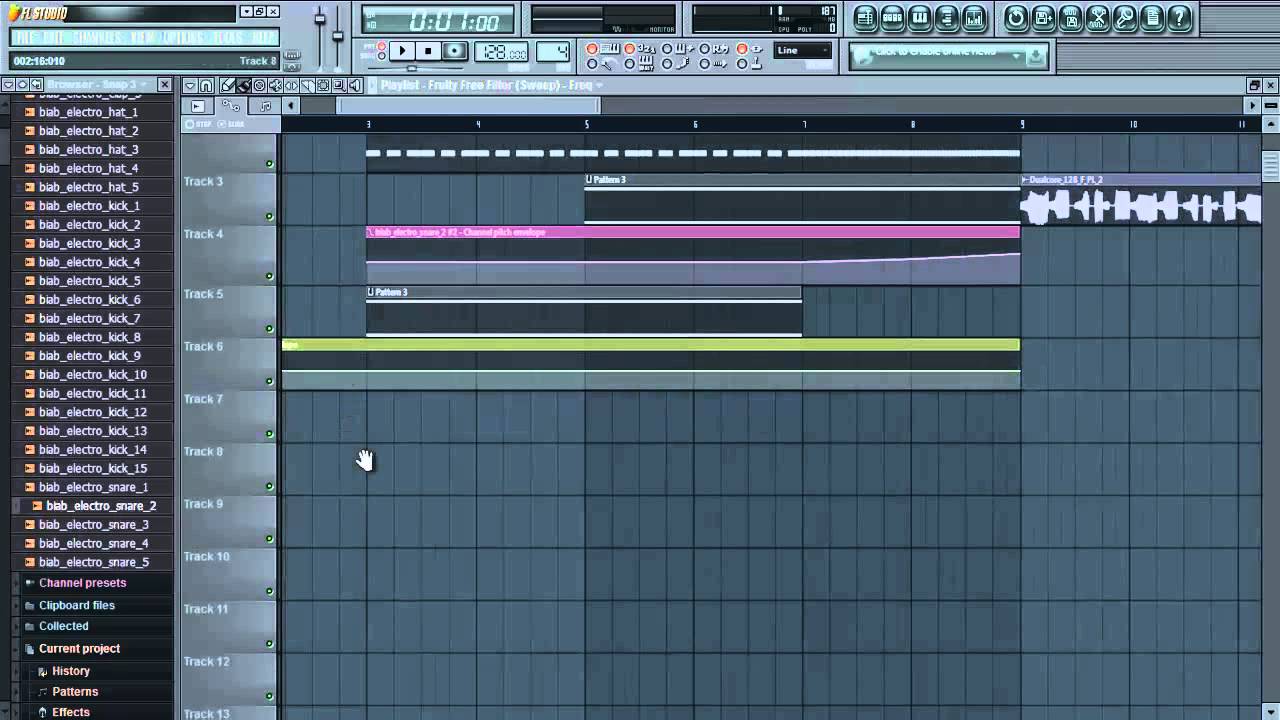












EDM tracks are typically structured in 16-bar segments following a standard pattern: an intro that establishes the melodic progression, a buildup section consisting of a break (lowering energy) and rise (building tension), a drop divided into A part (bass-heavy, focused sound design) and B part (melodic progression with full elements), a breakdown/bridge section that transitions between halves, a second drop with variations, and an outro that fades elements out. While these guidelines provide a framework for beginners, producers can creatively deviate from this structure as long as the music sounds good to them.
EDM Track Structure Explained: A Production Basics Guide
Added:Basic rhythmic concepts in 4/4 time signature, including beats, bars, and measures.
Familiarity with Digital Audio Workstation (DAW) timeline navigation and grid systems.
Understanding of core electronic music elements, such as the role of the kick, bassline, and lead synth.
The conceptual framework of tension and release in musical composition.
Advanced automation techniques for smooth transitions, such as filter sweeps, volume swells, and pitch bends.
Analyzing genre-specific structural variations, comparing genres like Progressive House, Dubstep, and Techno.
Arrangement psychology: managing energy levels and preventing listener fatigue throughout a full-length track.
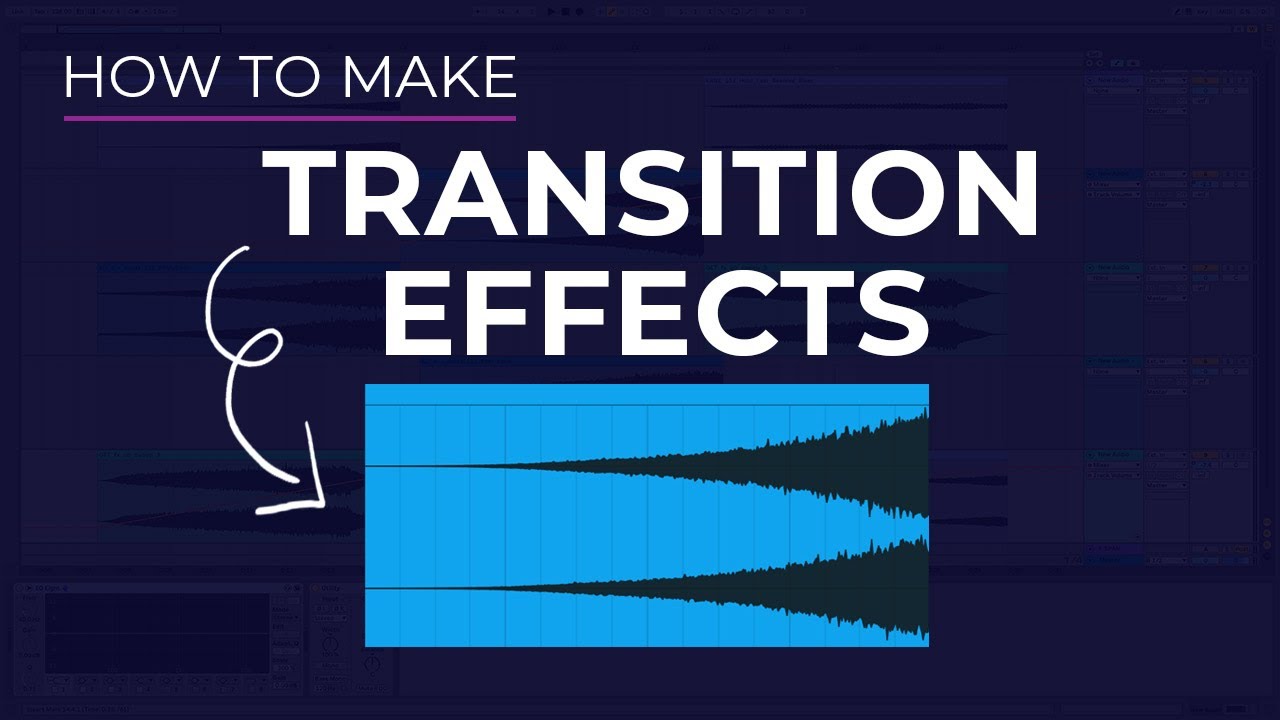
Effective utilization of transition FX, including risers, downlifters, impacts, and white noise sweeps.
Practical reverse-engineering: importing professional EDM tracks into a DAW to map and study their exact structures.
168.3K views3.3Klikes22:36Original Release: 2014-08-13
hi I'm seamless and today is a day but right now it's time for our new production Basics lesson and just to clarify the production basic series is all about um common when they ask questions about really level like beginning super green Ultra Noob questions about production which everyone has had at some point but um I'm mostly making these as a resource to kind of send people when when I when they're asking me you know same the same questions over and over again and to have a sort of a a resource for that anyway um today is going to be about song structure and how songs are structured what I'm going to do is I'm going to sort of show I'm going to give like an abstract presentation of like how you how certain like how songs are arranged and then I'm also going to show you a real life example of a song that i' I've made that follow this sort of idea um so this idea of EDM song structure is actually specifically for EDM song structures because regular quotequote regular songs um like more more vocal based like pop songs regular rock kind of thing they they have their own sort of structural Dynamics which are similar very very similar to how these songs work but they're slightly different for example they usually call it the chorus and not the drop but um uh yeah so let's talk about it so I'm going to sort of but these what I'm what I'm going to tell you was mostly a guideline it's to give you it's to give much like the idea of music theory in general is to give you an idea of where to go and where to start when you have none yourself you don't really know what you're doing going in so that you can kind of just do stuff until you do have an idea of what you're doing and then you can you know have your own spin on things um anyway the way that most most of these things work is that stuff is broken up into 16 Bar segments um this doesn't necessarily have to be 16 bars or 44 but whatever measure length you're doing 16 bars is usually the norm um you can look at most songs and you'll see you'll see the the sort of the pattern that I'm about to show show for how it goes sometimes there are deviations and deviations are cool you can do that you can do you can do these things but this is sort of like what this will be the most basic example of this kind of stuff so uh first you got an intro intros and outros can are kind of like a lawless Wild West kind of thing you can do whatever really you want um the first thing that tends to matter when it comes to sizing things is uh the buildup to your drop so let's say let's this would be the 16 Bar buildup this can be done this can be done in a lot of ways uh you can have eight bars of continuation from whatever you're doing in the intro the intro the way that I tended to do to do intros is that I'll have the intro establish the melodic progression of the song this is where the the musical elements of of the track are introduced to give you an idea of what what what the structure is going to be like and that kind of thing that that's what goes on in here and then uh we have a basically a break this is the beginning of the Break um sometimes you could have a break rise combo which is what this essentially is where we have eight bars of break and then it go and then eight bars of Rise until you have your 16 Bar a part A of a drop and 16 Bar Part B we'll talk about this in a second but um that's one way of doing things another way of doing things is to have a fullon 16 Bar break and a full-on 16 Bar rise that's fine too I mean again changes you can deviate from this completely you just do to whatever you want to do as long as it sounds good to you it's really what what song is good to you but if you're going to talk about what sounds good to everyone else this is sort of the usual thing that we're used to expecting and part of the reason why it's so prevalent is because it just feels right for this style anyway uh these days i' I've been going I've been I've been doing uh eight bar eight bar uh builds then eight bar Rises um I actually remember if I did that for the the song I'm going to show you but I guess we'll find out when we discuss it we'll identify that part and then we have the drop 16 bars actually the whole drop is 32 bars and I I used to handle this in a very a very sort of LH handed way what I would do um essentially I look at I look at the way I look at it now is that the six the first 16 bars are kind of like the base Bonanza this is where uh it's mostly tonic you know the root note just stays there it's it sews off a bunch of sound design and it just is basy and big and loud and bombastic and not a lot lot not a lot else and over here on the B part of the drop the other half it switches gears in some way and the easiest way for me to switch gears is just to go straight into the melodic part where I will take the progression and the arrangement and Melody that I have in the intro and I I put it in here but with full levels full full wall of sound all the drums all the bass everything together all happening at once that's that's what the section is this is the everything part um other times what happen is I'll continue having um uh basy drop it'll just be of a different style different Arrangement different rhythms different kind of things whatever just difference but still the same cuz we're on the same track we don't want to have like you know two different songs in a track that's not really something that uh appeals to most people um and then after that we have the break and rise again and sometimes I've just unabashedly taken the break and rise from the beginning and just put it in there um some like I I'll make like most most of my track creation track creation for any part um is going to be about um it's going to be making whatever phrase there is and then copying it and making variations copying that making variations copying that making variations and then eventually you have a whole part that is related to itself it has a motif going on but it's varied and it changes to keep your interest that's sort of how I approach stuff and so that's what I'll do here I'll take this part and copy it over here make variations and then I keep doing again and then I the same deal with the second drop now I've often been quoted as saying that the second drop is where rules go to die you can do I mean the way the way that I kind of look at I mean this is a very personal a personal view on a track making music in general especially for the Bass music the bass the bass music that I like to make I see it as more of a statement of just like showing off sound design that's just kind of why that's what I do that's why I like doing it's also where I like listening to I like listening to music that's like that to that point I don't necessarily view the whole song as being um important quote unquote it's it's obviously important but like what I mean by that is that uh actually characterizing and characterizing the latest track from scratch stream if you've been watching that um the first half of the song is pretty regular I have I have the drop going on and some progression it's cool and then there's a melodic part and it's neat and then there's a big old break into there some cool stuff happening but then then then then the second drop it just goes nuts it just like is unrelated to what's happening and I view that I'm the reason why like my justification for that is saying that I already did I already did my do in the first half of the song and so whatever else happens in the second half is almost just moot um but I will usually return to like the malic part I did in fact in this other song Return to the malic part um that kind of thing uh sometimes uh like the the the between the drop part can be handled in a variety of ways the easiest way is just to do what we did here and just copy it over um and actually one of the songs I'm going to release on my EP that's coming out pretty soon I actually just straight up just put a like a bar like a a bar or just a break just some weird interface and then just went back in the next drop like I just didn't even bother having a break just because again what I describe from what I I make my music for that just made most sense for that track um sometimes I'll make I'll make the uh break kind of big like I actually continue some melodic aspect or even introduce something some new kind of melodic aspect that's sort of like a b part of the melody like we I talk about the drops we have the a part a part is you know the bayy business whatever the B part is like the same but different or or just about different but related Anda with the milock part and then the break is kind of like again another step of different but related kind of thing um and then of course I I usually have the same amount of rise the second time as I do the first time so if I have eight bar rise I'll have eight bar rise again see I could even what I've done here is I've had I have you know this kind of thing uh with that I might even separate like the break again like this part we have actually this is this was this is more or less a bridge at this point this is what it would be referred to as a bridge and the point of the bridge is actually pretty obvious it's to get from the first half of the song the second half of the song that's why it's called the bridge and this is actually something that's friendly present in Regular Music is like regular music I'm going keep I'm going to keep calling it regular music y'all know what I mean when I say that and um it's sort of it's sort of optional for for certain time for certain kinds of music um kinds of EDM anyway and uh that's present that in that as well but then like as long as the break long we get back we get back to the second jop really you can do whatever you want um and then you have an outro which is mostly just uh fading out elements of the song One Way or Another I'm missing a bar there see four bars I would normally make this eight bars just because essentially this is the break again and then it's the break again but this time stuff Fades out that's kind of how I usually I usually deal with it um DJs like having big intros there's there's a there's a particular term called the DJ Intro and the DJ outro where the DJ Intro DJ outro in slowly fade in elements and slowly Fade Out elements way more than you would for what you would might consider a musical like mus a regular just Studio edit of your track right like because you'll start with you'll start the song with just a kick drum by itself and then just a hat adds in and just a snare just some percussion stuff and then maybe it's a melodic you're like you're already like 64 bars into your track and you haven't even like played the track yet but that's that's just to make DJ's life easier and I've never particularly cared about that so and having tried to DJ my own tracks I've paid for it so there's you know there's something something be said about that um intros can be pretty big as well I I made this one just 16 bars but you can make it longer than that so to kind of recap uh this is this is uh your this is a pretty average basic song uh Arrangement which we're at 130 right now we're about 5 and a half minutes in that's that's about what that's about that's that's average that makes sense uh 128 this would have been almost it's exactly 5 and A2 minutes it's actually exactly 5 and a half minutes that's freaky I that's H yeah all right so to recap we have an intro in this particular case it's 32 bars long just whatever as long as it's a multiple some even amount of bars again that is even a rule that you can pull you can you a mess with sometimes I've seen people do 12 Bar intros and it worked like it it worked okay and but I mean even the 12 Bar int is still an even amount of bars you know what I mean um but again the rules are only there to help you when you don't know what you're doing and if you know what you're doing and you know what sounds good to yourself then go ahead and do it no one will stop you um so we got intro of some kind it's what honestly what you do in the like the rule for intros is it doesn't matter what you do for intros honestly that's why I do intros last usually um then you have the rise the buildup section the buildup section is made up of a break and it's referred to a break because essentially what happens is that it breaks it breaks down track away from whatever was happening before usually a progression of some kind the drop usually and so it's a higher energy thing a more focused like progressing progressing thing is happening and it breaks down to like a big a big let sort of lets the energy dissipate for a second and then it builds a back up with a usually a riser of some kind a big increasing pitch kind of thing to give up there it's more of a sound design thing but that's just sort of the term that it's used and then you get the first drop 16 bars that kind of thing that sort of deal uh um and then next 16 bars are the B part so the drop the drops are divided into the a part and B part and you got a part of drop which I tend to have a be you know very base heavy focused electric sounding Electro sort of part especially if we're doing 128 that's kind of what's going to happen and then the B part is just different in some way but still the same it's still related to your track I often accomplish this by using melodic progress Progressive part often the same material that I use in the intro then we got uh the breakdown which could be uh a lot of things this is actually where the real break is which is literally in this casee the same as the first break over here with some variations just to simplify your job but this part this part could be a lot of stuff it just exists to get you from this part to this part and this is referred to as a bridge and then we have a second drop it's you could probably get away with just cloning it um and then making variations but sometimes it's good that just do something totally different here just to trap to throw it up a bit throw it out a bit that could be a lot of fun and then the outros which have the same sort of no rules rules apply to them as the actual intro itself I'm put the bridge down here to make it more visually clear what's happening come back yeah so this is super ultra basic kind of like how this sort of approach that kind of thing you can again you can twist and bend these sorts of things I'll actually show you how now that we're now we're done with the abstract let's look at a practical example of uh how this track Works how this sort of arrangement works so this is my track code name hurricane which was on my um momentum EP now just by looking at this without listening to any of it you can actually tell that yeah everything here is broken up into 16 Bar chunks but they're a little off the grid is not is not necessarily correct for a lot of these parts and there's reasons for that uh so here's my intro 32 bars this is where I establish the the melodic uh progression of of the song [Music] and then I and then um in this song I actually have a whole bunch of four bar length little mini breaks that are sort of like they're essentially fills in between particular sections in this case between the intro and the the sort of the build itself and here's a good example of the break like at the end of this section there's a lot going on right there's a lot of things happening lots of energy [Music] and it still follows the progression but the energy is lower it's broken it's been brought down this is also the beginning of the rise the rise actually begins uh all the way at the beginning of the first 16 of these bars but essentially the rise is still the broken up into the half part where the half of this is the break and the other half is the rise because the rise itself doesn't really come come into its own until the section where we can see via these uh automation clips [Music] and now we have the first and again here we have another sort of fill element this is this is an this is actually a very interesting concept when you think about it because the whole point the whole point of this particular kind of fill element is that it breaks the Beat It Breaks the Rhythm if we're just blindly listening to this we expect we expect this to follow through in the correct beat order but it doesn't like we're listening to this we expect to go 1 2 3 4 1 2 3 4 and then one and then it begins again and in said now we're we're essentially adding in two beats that weren't part of anything and now we're even off the grid again Off the Grid here but um and yet doing stuff like that actually sort of engrosses a listener more um this is this is more nit nitpicky sort of arrangement things but I just want to point out the effectiv of this kind of stuff anyway this first drop um is you know full of Bassy bassness it's all very focusing on the sound design and the progression is very muted it doesn't really progress it has little flashy elements up the progression every once so often usually at the end of of the pattern itself kind of throws it in there but most of it is just super base just constantly so that's you know very much that and then uh as big a big sort of common commonality in this track is that there's lots of uh Breaky fill elements like this [Music] again and then we have the B part of the first drop which has it's essentially the melodic progession with all the bases all of everything wall sound together but it's the main Melody and Main progression of the whole track as as delivered originally in the [Music] intro and then after this uh again we have another Breaky fill and then we have the actual breakdown [Music] and then uh I kind of integrate a bridge in here now this is actually this actually is a bridge it's still the same progression it's still the same Melody but it's got you know it's [Music] actually some kind of thing in the moment but you might be noticing that there's no rise like you can't you don't see any of the Riser settings like this this was the Riser these are the risers but they're not there and this is an example where we can break rules if we think it sounds good and this is what I did where I had one of those Breaky fils I just went straight into the drop [Music] afterwards the drop is actually very similar to first drop except it's just a little bit crazier has a little bit more wacky sound design involved [Music] and it ises it's still but it's still overall the same structure the same progression quote unquote it's mostly you know similar and as well it should because it's probably the same song and then again we have the Breaky Breaky fil Break Stuff and we have the the B part which again is almost exactly the same but there is actually a little change with the harmony I later on [Music] and by now this particular style of uh the fill element between sections is is is predominant enough in the song that it's actually part it's a part of it it's part of its distinguishing features is the fact that the song does that um and like I mentioned in the other half of this video the idea of the intros and the outros are kind of the all this lands I decided just to have a plain old a piano by itself for the [Music] outro which freaks out sometimes when I play it and that's fine it's not a very good DJ outro probably wouldn't fly very well but that's that's there it is exists and that's how I applied that concept to creating this song um there's actually a whole video series about the nitty-gritty of everything I made about this song uh the making of code name hurricane it exists the thing that's there uh it's on my channel um but yeah that's more or less uh the same thing as what we were looking at in this this section here just with the presence of the whole Breaky fill things that kind of show up and mess around but uh those are examples of the sort of like the rule breaking as as aspects that you as a producer are responsible for deciding whether or not it sounds good yes I believe I covered uh the basic all the Neary necessary Basics to get you on your way if song uh structure and like song design structure was not something that you good at no you know I I I suggest if you're new to producing and you want to know how to do stuff I suggest you get used to the idea of analytical listening and I might even make a video about that by itself but essentially what that is is that you're listening to music you know not so much yeah this is cool music but you're listening to it you're analyzing it you're listening to like how many beats it does this how fast it goes like what the transitions are how it's arranged all these things and analyze the hell out of the song kind of like we did with this track here we we were listening to it but we weren't really paying attention to what the song how like cool how how cool we thought the song was we were focusing mainly he's he should have been focusing mainly on what it was doing all the sections all the things that's an that's an analytical listing it's a little bit easier when you have the actual project f you can look at it and analyze it um but uh you can do this for any any normal song just listen to it count the parts see how long they doing it and like just figure out what they're doing and that kind of thing like that's that's an listening it will help you um to sort of acclimate to a style if you're if you're aiming for a particular style I will also like to remind anyone watching this that if you have FL Studio 11 then in the cool stuff uh folder which open up as soon as my hard drive spins up there's a lot of demo songs that are available for you to look at and of course among them are five that are mine and these are all these are these are interesting especially because some of them uh a few of them actually apply a lot of these rules but they change them around a little bit and they do lots of uh they do some different things so like there there are good examples of being they're they're still they still kind of fit the idea of the guidelines but they do with them differently to kind of have a more creative Edge to it which is again your responsibility as a producer to do that or you can not do that and get signed of spinning anyway um if you have any questions about any of this let me know and as usual have a nice day
Up Next

51:27
Making Progressive House in Ableton: Ben Bohmer Style Guide
@EDMTips
141.9K views•2020-04-22

12:54
Triumph of Orthodoxy Icon: Byzantine Art & History Explained
@BenCallan
2.1K views•2024-08-06

9:49
FastAPI vs Flask vs Django: Choosing the Right Python Web Framework
@TechWithTim
302.5K views•2024-05-26

1:42
Game of Thrones Opening Credits: A Cinematic Analysis
@gameofthrones
46.3M views•2011-04-18
Related Study Plans & Knowledge Roadmaps
Structured learning paths in General & Interdisciplinary Studies
general-studies
Elevator Engineering: History, Physics & Cities
01From Hoists to Safety Brakes: The Dawn of Vertical Lift
02Hydraulic vs. Traction: The Engineering Physics of Elevators
03Modern Speed, Safety, and Algorithms
+ 2 more learning modules
12h5 modules
Explore Roadmap
general-studies
Rubber: Material Science, History & Geopolitics
01Origins of Natural Rubber & Mesoamerican History
02The Chemistry of Natural Rubber & Vulcanization
03The Geopolitics of the Rubber Boom & Colonization
+ 2 more learning modules
12h5 modules
Explore Roadmap
general-studies
Containerization: Evolution, Logistics & Trade
01Ancient Trade & Bulk Cargo: Amphorae to Barrels
02The Industrial Revolution & Cardboard Packaging
03The Containerization Revolution: Malcom McLean
+ 2 more learning modules
12h5 modules
Explore Roadmap
general-studies
Textile Tech: Evolution, Labor & Global Impact
01Pre-Industrial Textiles: Handloom & Cottage Industry
02Mechanization: The Spinning Jenny to the Power Loom
03The Factory System & Global Labor Transformation
+ 2 more learning modules
10h5 modules
Explore Roadmap