



























Arterial blood gas sampling is a critical procedure for assessing respiratory, metabolic, and renal function by directly puncturing an artery to obtain blood for analysis; the procedure requires proper patient preparation including Allen's test to confirm adequate collateral circulation, precise needle insertion at 45 degrees to the skin toward the artery, and immediate post-procedure pressure application to prevent complications such as hematoma or arterial occlusion.
Arterial Blood Gas (ABG) Sampling: Procedure & Guide
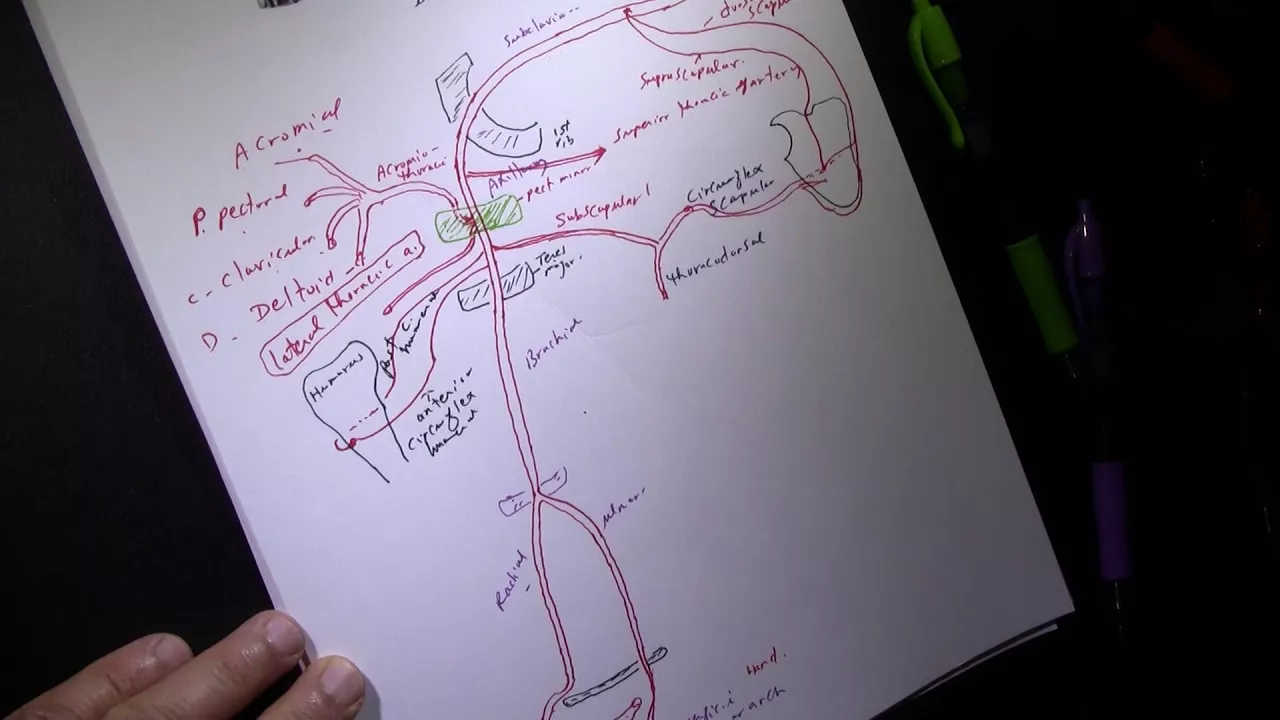
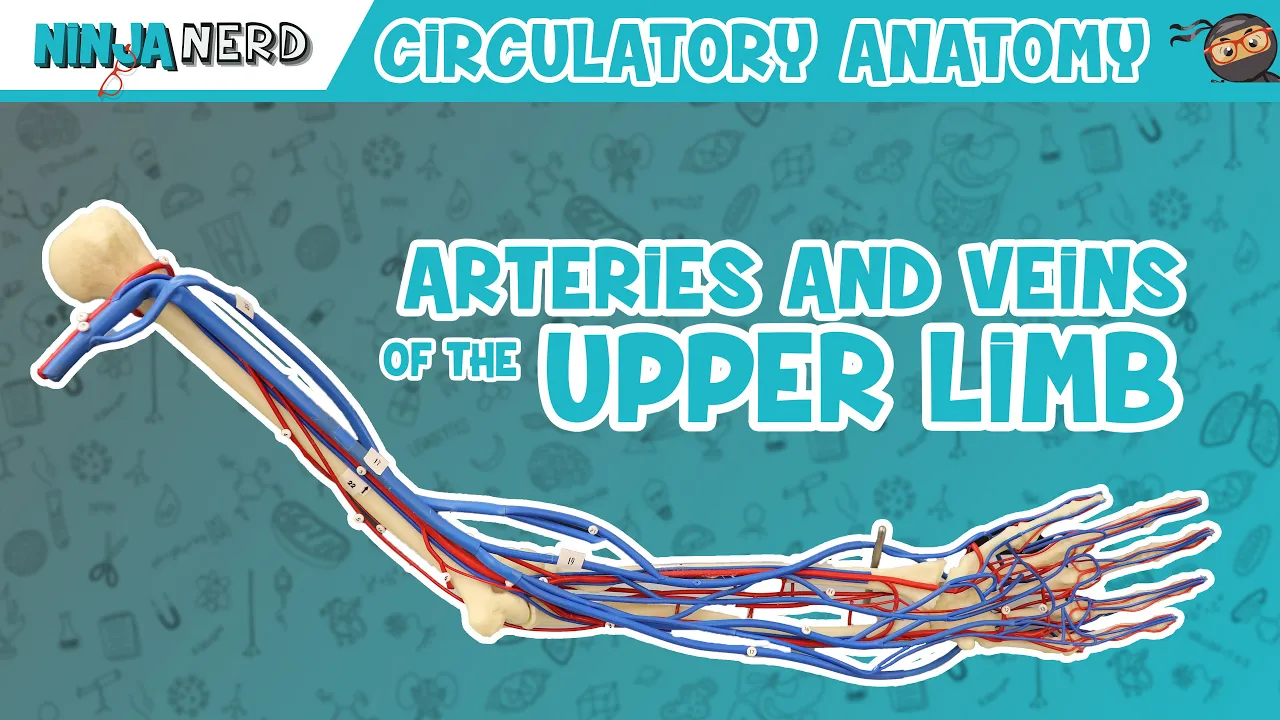
Added:Basic cardiovascular anatomy, specifically the arterial pathways of the upper extremity (radial, ulnar, and brachial arteries).
The physiological differences between arterial and venous blood, including pressure dynamics and gas concentrations.
Fundamental concepts of acid-base physiology and the body's primary buffering systems.
Standard clinical protocols for aseptic technique, patient consent, and sharps safety.
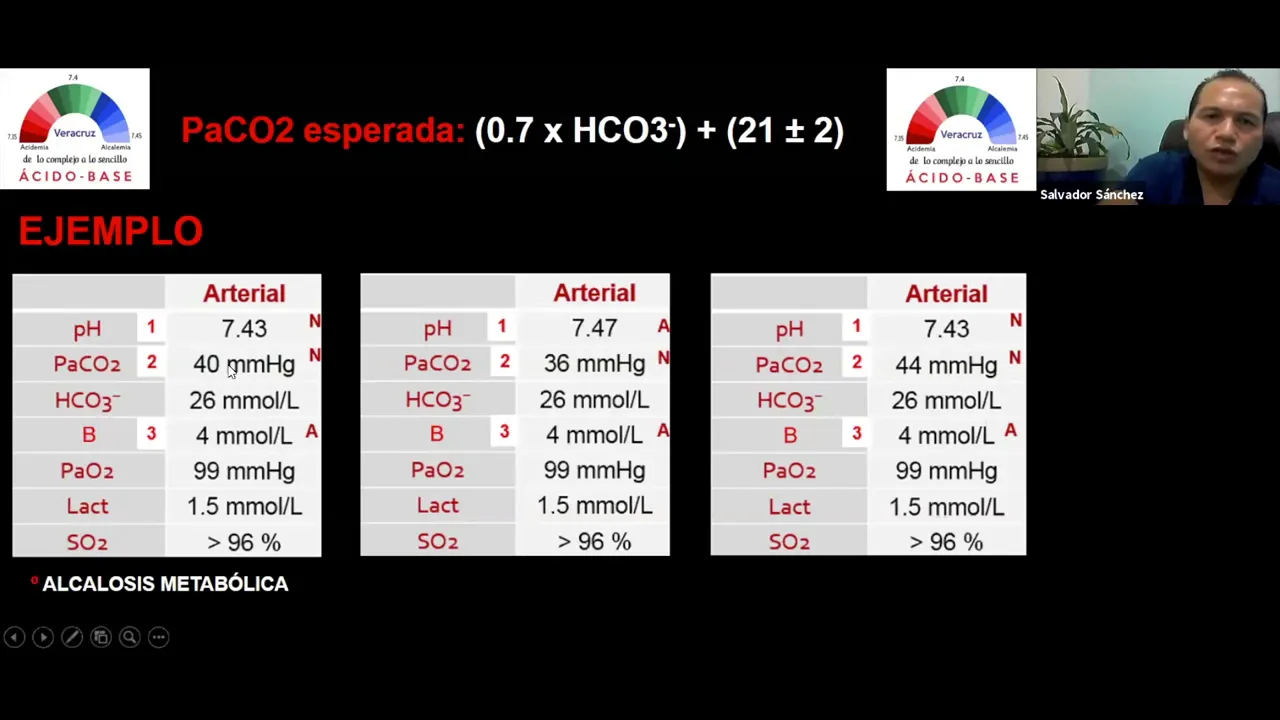
Systematic interpretation of ABG results to identify metabolic and respiratory acidosis or alkalosis.
Calculation and clinical application of the anion gap and alveolar-arterial (A-a) oxygen gradient.
Clinical decision-making and interventions based on ABG findings, such as mechanical ventilation adjustments.
The procedure and management of indwelling arterial lines for continuous monitoring in critical care.
273.4K views4.3Klikes10:54Original Release: 2020-03-17
you arterial blood gas sampling or ABG is a commonly performed procedure that involves the direct puncture of an artery to obtain an arterial blood specimen for analysis it allows us to assess gaseous exchange levels in the blood related to the functions of the respiratory metabolic or renal systems ABG's provide a speedy bedside investigation that can accurately guide the management of critically ill patients therefore it's an important skill to be able to perform well and with confidence you the indications for performing an ABG are fairly extensive however in the acute setting the main reasons include measuring the partial pressures of oxygen and carbon dioxide in the critically unwell patient to identify the presence of respiratory failure additionally it allows us to determine whether the patient has type 1 or type 2 respiratory failure so essentially whether the problem is one of oxygenation alone or related to ventilation a peachy's can also guide respiratory interventions such as when to commence mechanical ventilation as well as allow us to monitor a patient's response to these interventions they can be used to monitor the acid-base status of a diabetic patient with ketoacidosis who may be receiving insulin infusion treatment and also they can be performed to identify metabolic respiratory or mixed acid-base disorders you absolute contraindications to performing a BG sampling from a patient's radial artery include an abnormal Allen's test if the patient has known or suspected peripheral vascular disease of the limb local infection or severe burns at the site of the planned arterial puncture and also if the patient has an arteriovenous fistula or a vascular graft in which case it's essential that we stay well away from these sites relative contraindications mainly consist of factors that can affect the patient's ability to clot including medications such as warfarin heparin and thrombolytic agents and also if the patient has a severe coagulopathy because of the superficial nature of the radial artery this is the most common location from where we obtain the sample however if there are concerns regarding the use of this site then the brachial or femoral artery's may be used but we won't be demonstrating the use of these sites in this video as with all procedures we start by introducing ourselves then checking the patient's identity explaining the procedure and obtaining their consent having ensured that there are no contraindication to performing a puncture at their site of the radial artery we then need to palpate the artery to ensure that there's a good pulsation we will use this pulsation to help guide the insertion of the needle once we are happy that there is a good radial artery pulsation at the proposed site we must then ensure that there's an adequate collateral arterial supply to at the hand via the ulnar artery we achieve this by performing the Allens test this involves applying pressure at the site of the radial artery as well as the location where the ulnar artery should be present the patient then makes a tight fist which squeezes the majority of the arterial blood out of the hand we then release the pressure that is placed over the ulnar artery and if there is an adequate collateral supply via the ulnar artery then the hand should be Reaper fused almost instantly so in this case we know that our patient has a good owner artery supply therefore during obtaining the ABG sample if the radial artery were to become thrombosed and blocked we know that this collateral supply would prevent any esteem of the hand from occurring which is obviously really important if the patient's Alan's test was negative revealing an absent or insufficient ulnar artery supply then we would find an alternative site from where to obtain our ABG sample we may now set up our equipment either honest there are trolley or a sterile train in performing an ABG sample we need some gloves preferably sterile skin solution sterile gauze and dressing a sharps container and the needle and syringe the needle that we are using has a protective sleeve which can be placed over the needle once the sample has been obtained so this allows it to be removed and disposed off safely without the risk of any needle stick injuries the syringe that we are using here contains heparin which prevents the sample from clotting however some kits may require the needle to be flushed with heparin before use some individuals prefer to inject a local anesthetic at the site where the ABG sample is going to be taken however if performed well the procedure should be completed in a single puncture so the additional puncturing of the skin and the discomfort from injecting the local anesthetic itself essentially nullifies any benefit from using a local anesthetic in the first place so in our case we won't be using it once we are all set up we position the patient's wrist so that it is slightly extended this causes the radial artery to sit slightly more superficially which makes accurately locating it a bit easier we wash our hands with antimicrobial hand wash or gel and then put a lot gloves we then clean the area with the antiseptic skin preparation the radial artery is then palpated to identify the exact point to insert the needle now this part is a really important part of the procedure as the more accurately you can determine the location of the artery the better the chance of successfully puncturing it with our first attempt in most cases the radial artery is easiest to locate and access approximately three centimeters proximal to the skin crease of the wrist on the ventral surface lateral to the flexor carpi radialis tendon and medial to the radial styloid process when feeling the artery try to visualize its course underneath the skin now that we're happy that we know the exact location where we want to insert the needle we can unsheath the needle and hold the ABG needle and syringe between our thumb index finger and middle finger similar to as you would hold a pen whilst palpate in the artery proximal to the point where we're going to insert the needle slowly introduce the needle at 45 degrees to the skin in the direction of the artery as the needle punctures the lumen of the artery there will be a flashback and the syringe will automatically felt with bright red arterial blood often in a pulsatile fashion if you see an initial flashback but the syringe doesn't start to film you have most likely passed through the back wall of the artery as well so gently withdraw the needle a small amount and the syringe should begin to fill once the syringe is completely filled we've drawn the needle completely and immediately apply pressure over the puncture site using the sterile gauze pressure should be applied for a minimum of one minute but this may require as long as five minutes particularly in patient require off with ease all those who are on medications that affect their ability to clot the needle should then be received detach from the syringe and place into a sharps container the syringe is then kept and having safely tidied in dispose of our equipment and washed our hands we can then take the ABG sample for analysis you it's important to closely monitor the patient to assess for any early signs of complications if the puncture site is still bleeding then usually all it is needed is a slightly more prolonged period of pressure however it's important to be aware of the possibility of more serious complications so they can be recognized and acted upon promptly you in terms of complications significant bleeding or a local hematoma may occur and this is usually indicative to the laceration the artery has happened large or expanding hematomas carry the risk of causing compression of local structures and potentially causing compartment syndrome other complications to be aware of include arterial vasospasm or occlusion infection of the puncture site injury to adjacent structures such as nerves or tendons the patient may experience significant post procedure pain and lastly there is the risk the person carrying out the procedure may sustain a needlestick injury so make sure you take all necessary precautions at all times if you enjoyed watching this video then make sure you subscribe to our YouTube channel for more great free content or if you want to make sure you know what you need to know for med school then subscribe to surgical teaching comm for more great videos learning forums and MCQs
Up Next

92:31
Acid-Base Disorders: Metabolic & Respiratory Pathophysiology
@NinjaNerdOfficial
317.8K views•2024-09-24

48:47
Graphic Medicine: Comics for Collaborative Healthcare Communication
@nationalpatientadvocate
189 views•2023-12-04

10:28
Neuroanatomy: Central and Peripheral Nervous System Divisions Explained
@AKLECTURES
136.2K views•2014-09-20
3:05
Stages of Labor and Vaginal Birth | Childbirth Animation
@nucleusmedicalmedia
52.1M views•2017-08-18
Related Study Plans & Knowledge Roadmaps
Structured learning paths in Medicine
medicine
Abnormal LFTs: Diagnostic Workup & Pathology
01Liver Anatomy and Basic Physiology
02Introduction to Liver Function Tests (LFTs)
03Hepatocellular vs. Cholestatic Patterns
+ 3 more learning modules
12h6 modules
Explore Roadmap
medicine
Analyzing Blood Smears: RBC, WBC & Platelets
01Introduction to Blood Components & Smear Preparation
02Normal Morphology of Blood Cells
03Erythrocyte Pathologies & Morphological Variants
+ 2 more learning modules
12h5 modules
Explore Roadmap
medicine
Mechanical Ventilation: Waveforms & Alarms
01Anatomy and Physiology of Breathing
02Introduction to Mechanical Ventilation & Core Modes
03Ventilator Settings and Waveform Interpretation
+ 2 more learning modules
12h5 modules
Explore Roadmap
medicine
Neuro Exam: Localization & Stroke Syndromes
01Foundations of Neuroanatomy and Vascular Supply
02The Neurological Examination: Step-by-Step
03Principles of Neurological Localization
+ 3 more learning modules
18h6 modules
Explore Roadmap