





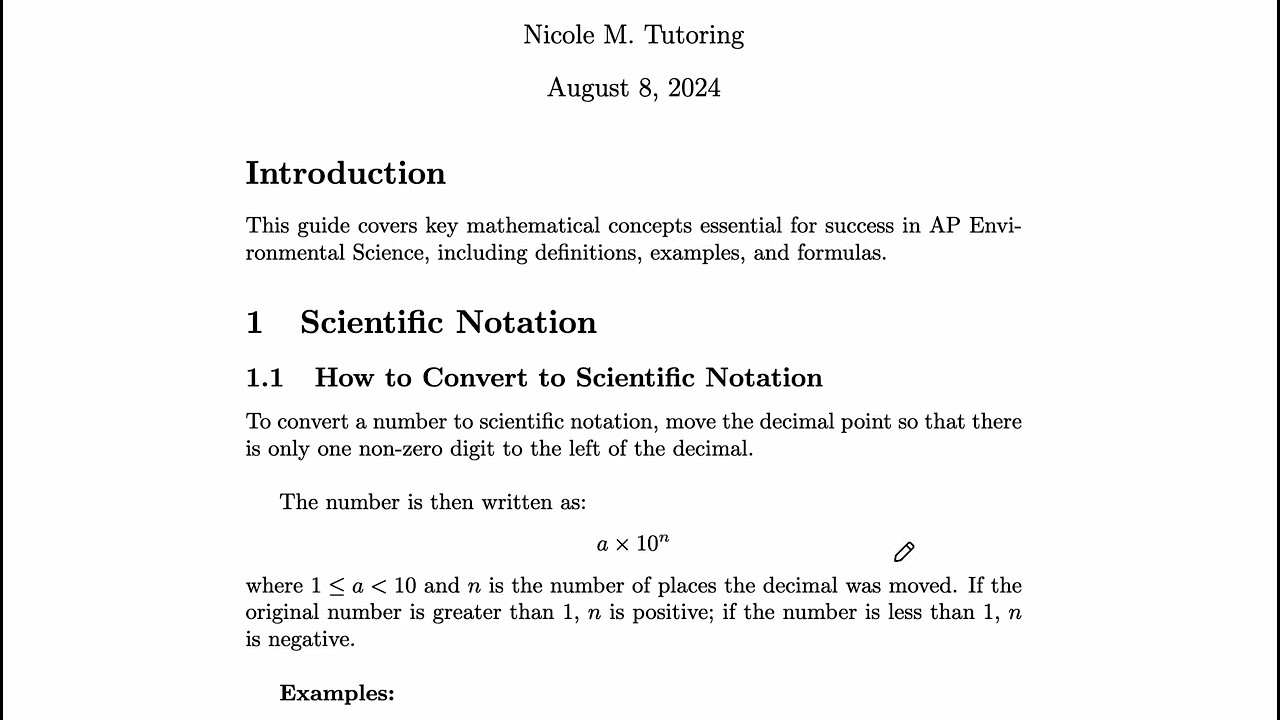
![[에듀마켓] 이찬범T의 환경기능사 1강](https://i.ytimg.com/vi_webp/3G0gfHc1TCU/maxresdefault.webp)
![👨🏻💻🆓무료강의 | 2022 환경기능사 | CBT 완벽대비 | 이찬범쌤의 1강 기초 단위 [에듀마켓]](https://i.ytimg.com/vi_webp/AQvelSN3mDo/maxresdefault.webp)






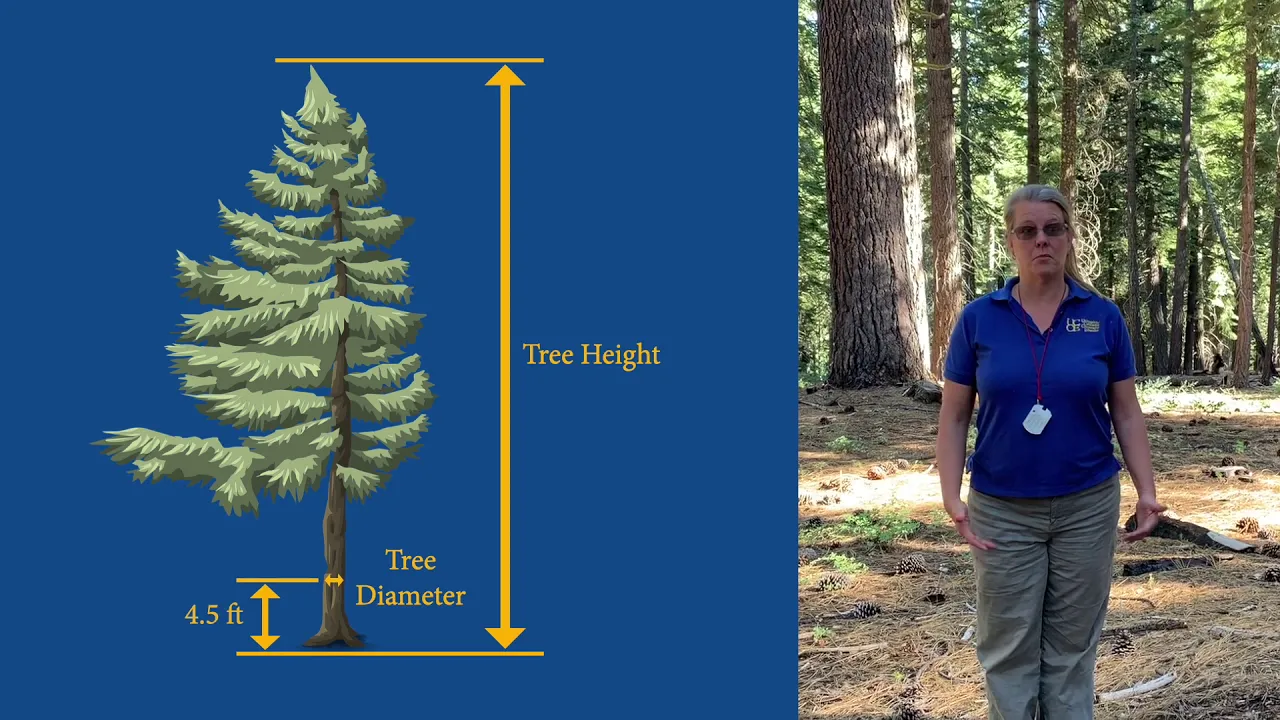
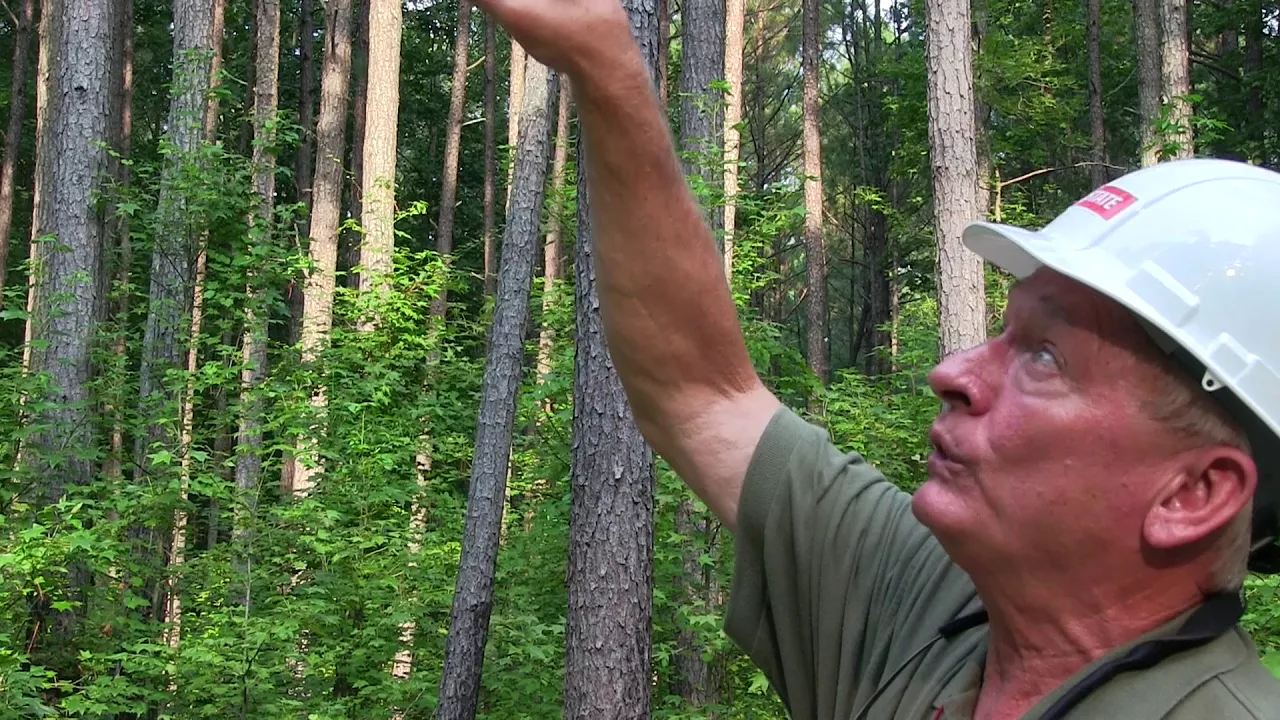

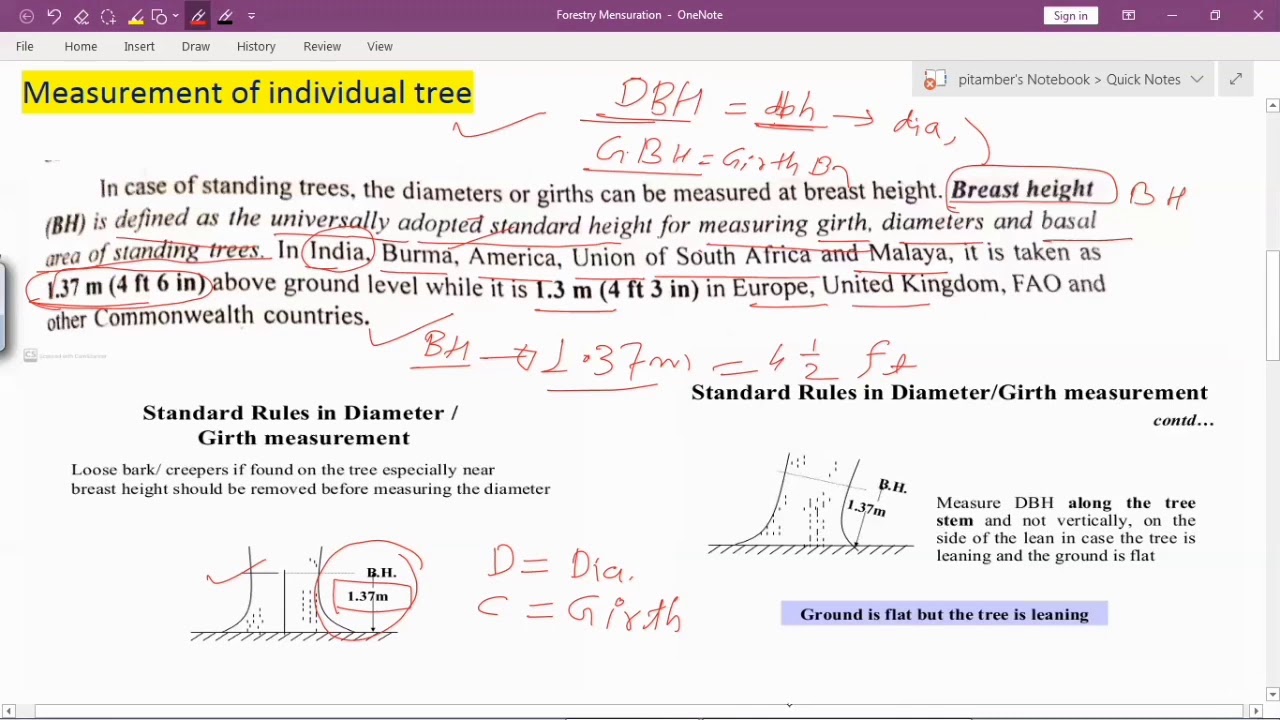






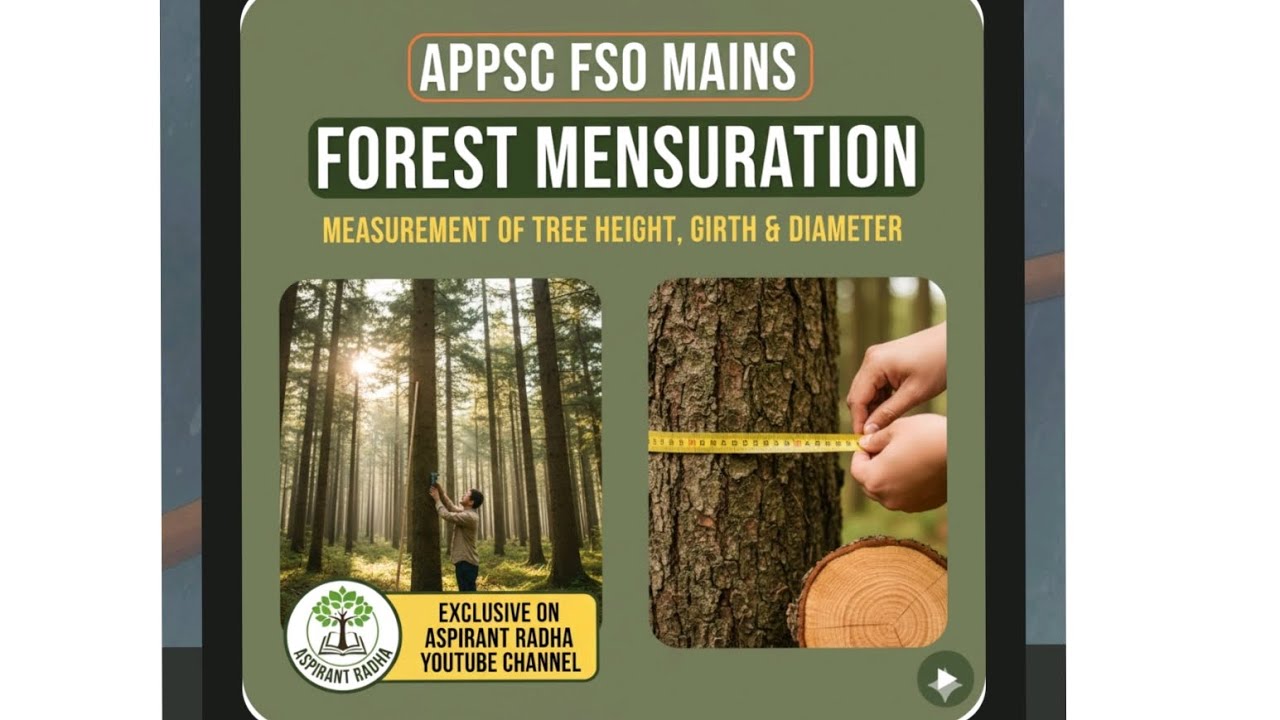
Tree diameter at breast height (DBH) is measured at 1.37 meters from ground level (1.3 meters in UK/Europe), following standardized rules: measure along the stem for leaning trees, from uphill side on slopes, above/below bulges and average them, measure each fork separately at 1.37m, and measure where buttressing ends. Common instruments include calipers (direct diameter reading, suitable for small trees, requires perpendicular measurement), tape measures (girth measurement, easy to use, convert to DBH by dividing by π), Biltmore sticks (quick field measurement), and specialized tools like spigot scopes for tall trees. Proper technique ensures accurate volume and biomass estimation for forestry applications.
Forest Mensuration Lecture 3: Measuring Tree Diameter and Girth
Added:Basic geometric principles, specifically the mathematical relationship between a circle's diameter, radius, and circumference (C = πd).
An introduction to forest mensuration concepts, including why foresters measure trees and how these measurements impact forest management.
Standard measurement units (both metric and imperial) and basic unit conversion skills relevant to environmental science.
General tree anatomy, particularly identifying the main stem or bole, and the concept of standard reference points on a tree trunk.
Calculating individual tree and stand-level Basal Area (BA) to assess forest density and stocking levels.
Measuring tree height using various hypsometers and clinometers, which is the next critical variable in forest inventory.
Estimating timber volume, biomass, and carbon sequestration using allometric equations that require Diameter at Breast Height (DBH) as a primary input.
Designing and executing forest inventory sampling plots, applying individual tree measurements to broader forest stand analysis.
18.3K views569likes19:25Original Release: 2020-10-18
welcome once again for this uh forest mansion this is lecture number three well uh continuing the first lecture and second lecture and the third lecture now i'm going to teach you about the how to measure the dbh and how to measure the gbh and what are the precautions we should take this is very important to understand because diameter is one of the most important factor in measurement of the tree now when we go for the diameter and girth already i explained what is dbh and gbh in the previous lectures we have to make diameter measurement meaningful and is a standard location already i have discussed that is at 1.37 1.37 meters so this is at 1.37 meter height from the ground so uh in india actually and in burma and america and union of south africa british colonies we measure at 1.37 but in some countries like europe uk dbh is at 1.3 meter so there is a minor difference here but generally this is a standard height where we take one point three seven meter from the base this is called so dbh is simply the average of a stemmed outside the bark now why i'm saying outside the bark the bark is also a matter now because bark will not give you the timber so that has to be excluded i'll come in the last how to do that one so at the ground level we take it 1.37 this is universally adopted standard height 1.37 now there are some rules how to measure the diameter you have to make some rules and the this rules are standard rules in the entire world which we follow suppose you have a tree straight tree a straight tree we don't have any problem we can take at 1.37 here okay at 1.37 meter from the ground level we are taking the height and but when it is a tree which is leaning now it is leaning sea it is the ground level it is leaning now when it is leading we will not take straight from here we will take along see this is along when we take along along means along the stem huh and at the leaning side we will take so we will not take like this see we are taking the diameter at this way like this at the same we are not taking the incline like that we are taking like this the diameter and we are taking from alongside this along with from here not from here and not from here when we are standing here we are not talking from here we are taking along along the stem that is very very important this is the first rule for the diameter the second one is when it is the slopey and in the uphill you don't have to come from down from the uphill you will be taking from here this is the sloping ground again you have to follow this number two rule then we have number three if your tree you see it is bulging here at one point this is one point three seven at one point three seven it is bulging here and you are taking the diameter the diameter node out it will be more you have a error so what you will do here now you will do is either you take above that one either you take lower than below that bulging one when you take above and lower now what you have to do you have can take the average suppose you are taking a here b here you can make the average of a and b okay so this way this is the second root for that one and if it is uh at 1.37 bulging here you can go about 1.37 also so now another one things will come that is forking when we say forking is here your tree has been forked it has been forked here now what you will do from here base when you come in the top at one point three seven somewhere one point three seven it is too far here it becomes two number one here another number two here so what you will do now you will take the dia here only at one point three seven only but here you have to consider two trees you have to consider two trees here not one so two days will be here this is the rule which you should know about that one that's very important and then when okay there will be some question about if at that point if it comes exactly at point exactly it comes 1.37 what you will do then simply you can take above and lower generally become in the lower and consider one yeah so that also is one rule which if it comes at that point one point three seven then if at again one point three seven somewhere here at one point three seven there is some uh bulging bur is there or some canker is there a deformity is there and you have to go above that one or lower that one and then make an average of that one then this is called buttressing now let me tell you what do you mean by buttress buttress is something which is your root system spreading like you see it is spreading why it is doing it is making itself like this it is making itself exist for the support and generally all the tropical uh tropical rainforest tourism is when the rain is very high and tropical atmosphere is there the root doesn't go very deep there and the forest will tend to become more buttressing so they will spread themselves like this for anchoring more batter in the soil so this is called buttressing but but racing at some time it is here up to suppose buttressing is up to here uh your dbh is 1.37 here and it is somewhere here 2 meter or 3 meter you have to take the diameter where the buttressing finishes so this is another rule you have to follow when buttresses come so there's the wage rules which you have to take consider how to take dbh where is the position to take divisor gbh both i i'm coming back gbh or dbh now what are the instruments to take the diameter at breast height or girth at breast height now there are some wooden scales earlier we used to take then these are there are some calipers there are some tapes there are instruments like biltmore sticks and pentapolism and so and so so i'll come on all those instruments slowly slowly in the coming lectures well let's understand about some of the uh very important instruments now this is called wooden scale this is called caliper big caliper this is tape so uh we mostly we use caliper or we use mostly tape because we have to take at 1.37 and this is very convenient but not every time suppose we have to take diameter more of that height because you see when we have a tree uh it is important to understand the form factor so taking here uh diet 1.37 will not serve the purpose we may have to take more than that 2 meter 3 meter 4 meter 5 meter if you take more and more high more accurate volume we can calculate so i'll come to that one also so let's understand what about about caliper this is very important see if you see the caliper we we have one fixed arm here this is a mobile apple arm here and this is something made of alloys aluminium alloys it means it has a graduated uh that one i'll show you one caliper this is uh we can say this is a caliper if you see this caliper this is made up of alloy so you can see this is a fixed arm this is a fixed arm and this is a movable here i can move it see here i can move it so this is a caliper and this caliper uh we can take the diameter see diameter by putting the from at 1.37 we'll put it and we can take the diameter here this is somewhere you can see the graduated rules here graduated rules are here this is a movable arm but sometimes this move will arm if you see it is to see you can see this is somewhere when i see it is a new one still it is moving here so this movement will make some error this will make some error if i move it inside then your diameter will be read more if i move it outside the diameter you can read it less there are something but this is for the diameter uh this is the this much bigger i can take the die but the tree is not trees it is not possible to take the with the big uh trees okay still this is more accurate when but trees should be either elapsed or either elliptical then we can take this diameter so i will come uh this one next advantage and disadvantage of this uh caliper when i say advantage of this caliper then it can read directly in center so this is directly advantage we get the dbs directly and point of arm touching the tree always in the side we can directly look directly the reading it is adaptable for unskilled labor easily unskilled labor can use this one and give more accurate result than tape ok i'll come to tape also now what are disadvantage for large diameters so as i told you a big big diameter large diameter trees it is very very difficult for us to take in steep hilly areas also first either we can take we have to take two dia whenever we take the dia actually already in the previous lecture i told you two dial we have to take one dial we are taking a another diabetic perpendicular to the letter b then what we do a plus b divided by two we get the dph suppose for so for a for example we get a 2 here plus we get here 3 here then it is 5 then 5 divided by 2 we got 2.5 is your dbh this way we can get then this is again one precautions we have to take as i told you sometimes uh by using many times many times hundreds of trees if there is some uh what you say error which comes here if this arm mover um you see it fluctuates inside and then what we get more you see our overestimated see here reading will be pushed back and if it is going outside and taking the diameter here it is push outside we get underestimate either or estimate other understatement this is one bit drawback if caliper has been used for number of trees more and one more thing if it is ellipse if it is ellipse ell ipsc uh shape is like this instead of circular then what we do we have to take a here b here and this is the formula d1 d2 this is a formula pi into d1 into d2 divided by 4 we get the the basal area what is that the precaution we take it sometime instead of taking this d1 d2 we tilt it somewhere here when we tilt it somewhere here then it is underestimate again so this precaution we have to take and sometimes one one more thing these are tree instead of putting it right angle here in the plane we put it bit slight down and this is the angle theta comes here then again it becomes overestimate now so you can see how much error it is 100 error for example uh a is 60 degree this tilt is 60 degree okay and this is diameter we get 30 centimeter so error involved is d brackets secant a minus 1 we get point three secant third sixty minus one that is point three uh two minus one we get it point three see it is hundred percent so error is there so we have to use carefully at the perpendicular at the plane of that axis so that is very important for this to understand about the caliper to be used now we control tapes now what do you mean by tips tips are simple tips ok tapes are simple tips when you see this is a tip a simple tape everybody is using this tape this tape has bought cgs and appears both feet and centimeter will be there uh this is made up of uh see that clothes and sometimes with the plastic also and sometimes this are these are for measuring the girth but sometimes these are calibrated also directly caliber tapes are there we can get the dbh also but generally all use this one it is length maybe 30 meter maybe 15 meter whatever so we can take the entire circumference by this tip okay but this tip is more easier because uh any terrance we can take only one measurement is enough and relationship as as i told you we have to divide by 3.142 we get the dvh girth can be converted into dbh very simple there are some advantages convenient to carry see this is convenient to carry second is one measurement is required no two simple one girth will take gbh and then we can convert to dbh so there's no problem but disadvantage if there is a rough bar again there's an error then frequently applied to plane right angles to the axis now it is not applied every time frequently sometimes some error comes i'll come to that one how the error will come and the elasticity also affects the girth what do i mean by elasticity see when i am saying it is not some when you make a circumference from back to here every time it is not in the plane it will tilt down sometime or it will be twisted so this is incorrect yes due to this overestimate will come so this is wrong measurement error will come so because if this we use for a large diameter tree large diameter tree so making a circumference a large somewhere somewhere it will go and incline so that is incorrect this is one of the precautions we have to take and secondly using too much there is elasticity and expansion again this elasticity expansion will give errors so we have to take care of this one already this relationship i told you we have to whatever gbh we get it we can divide by three point one four two we can get the d b h okay so this is what now another instrument is called bit more stick built for stick is very simple and we have one stick with this graduated with all these readings here this is we stand here at 25 inch from that tree 25 inch it should be one from one eye you will see one left edge you will keep the last of this one and you will read without moving your head only you'll move your eye one eye not your head head you should not you can don't move your head like this like this you have to put your head like this and with one left eye uh you will see this reading here okay and you find what is the reading here so you can take two three times and then make an average this is called build more stick okay this also is used for diameter then one more uh sometimes we need to take the dial not at one point three seven so sometimes we require at two meter then we require more again the three meter then we have this one called upper stem diameter measurement this is a scale here ok this is a scale here so we what we have to do is one meter this is actually this is fixed with one meter so at one meter so you can take it standing here at one meter sometimes you can fix this two meter rod again detachable two meters there so at up to three meter you can take this guy out so taking more dia in the higher level gives us more accurate volume that's why uh we use some instrument which can give us diameter add more height more height more accurately we go for measuring the volume because today is the day of carbon carbon trading carbon estimation so getting the diameter different height give us accurate volume by getting our volume getting the density of the tree we can go for the exact carbon because carbon is 50 percent of that biomass so that is what we can calculate okay another one is called we also go for this called finish parabolic caliper this is also up to when you can go up to 8 to 12 meters sometimes 3 meter is not enough you have to go for 8 to 12 meter then this time this is one graduated see this is the parabolic arm with the telescope this is your tree here okay somebody will put this one here by this one and by some pole of a 12 meter pole but from telescope you will see this here reading okay this is not so much feasible actually and it is also very difficult sometimes branches will come many things will come so next is very important and that is the speaker lascaux this is one of the most the best result we get it and at any height more than any height 40 meter more than that one you want to take and any height you want to take the diameter this spindle this is one called spigel releases scope with this one there are some bands when you see from this is from i from i you will see here inside here there is one drum this drum has this bands okay this is some black and white bands okay black and white bands this you can see the broadband thin band broadband this by this calculations we can measure the diameter at different height and this is very applicable and i'll be teaching you detail we're taking one or two lectures on this diameter because today is the world of again carbon i'm telling you we have to estimate the biomass and carbon and taking the diameter at different height will give us the exact result so this is spigoriloscope i'll be coming in the coming lectures about this speaker looks good this is the last one we call it swedish bark watch this is for what taking the bark because every time though you cannot for some few sample trees you can remove the bark because we need to see only the timber how much girth it is how much volume it is bark is always there so for number of trees we cannot do destructive sampling so we take this bark swedish bar gauge this is we have to put inside this is a tree suppose this is a tree and we have to put this edge inside the tree here we'll get the readings okay we can take the readings here this will go inside it it will tell us the bark thickness okay will tell us the bark thickness okay so this bark affects the calculation of volume you know suppose eucalyptus very thin bark miners rocks broke a thick bark so more the thicker bark the less the volume is very bit less on that thicker work you have lot of wastage so when you sail also so every merchant or this uh swami miller they will be interested in knowing the bar thickness more the bar thickness they will pay you less so that's why bark thickness is been measured by swedish park watch so this is all the instruments thank you very much for uh listening to me this forrestman solution if you like it i need your support anyway i'll be coming in the coming lectures going for the measurement of height then i'll go in the volume as in the first lecture i told you what are those measurement will come and then ultimately we'll go for the uh crop measurement and standby measurement then at least we can calculate the entire and go for forest biometry thank you very much thank you for listening to me thank you
Up Next

9:54
Ecological Mangrove Restoration in Thailand: CBEMR Case Study
@MangroveActionProject-MAP
811 views•2012-02-23

12:54
Triumph of Orthodoxy Icon: Byzantine Art & History Explained
@BenCallan
2.1K views•2024-08-06

9:49
FastAPI vs Flask vs Django: Choosing the Right Python Web Framework
@TechWithTim
302.5K views•2024-05-26

1:42
Game of Thrones Opening Credits: A Cinematic Analysis
@gameofthrones
46.3M views•2011-04-18
Related Study Plans & Knowledge Roadmaps
Structured learning paths in General & Interdisciplinary Studies
general-studies
Elevator Engineering: History, Physics & Cities
01From Hoists to Safety Brakes: The Dawn of Vertical Lift
02Hydraulic vs. Traction: The Engineering Physics of Elevators
03Modern Speed, Safety, and Algorithms
+ 2 more learning modules
12h5 modules
Explore Roadmap
general-studies
Rubber: Material Science, History & Geopolitics
01Origins of Natural Rubber & Mesoamerican History
02The Chemistry of Natural Rubber & Vulcanization
03The Geopolitics of the Rubber Boom & Colonization
+ 2 more learning modules
12h5 modules
Explore Roadmap
general-studies
Containerization: Evolution, Logistics & Trade
01Ancient Trade & Bulk Cargo: Amphorae to Barrels
02The Industrial Revolution & Cardboard Packaging
03The Containerization Revolution: Malcom McLean
+ 2 more learning modules
12h5 modules
Explore Roadmap
general-studies
Textile Tech: Evolution, Labor & Global Impact
01Pre-Industrial Textiles: Handloom & Cottage Industry
02Mechanization: The Spinning Jenny to the Power Loom
03The Factory System & Global Labor Transformation
+ 2 more learning modules
10h5 modules
Explore Roadmap